Artwork
Portrait of a Man
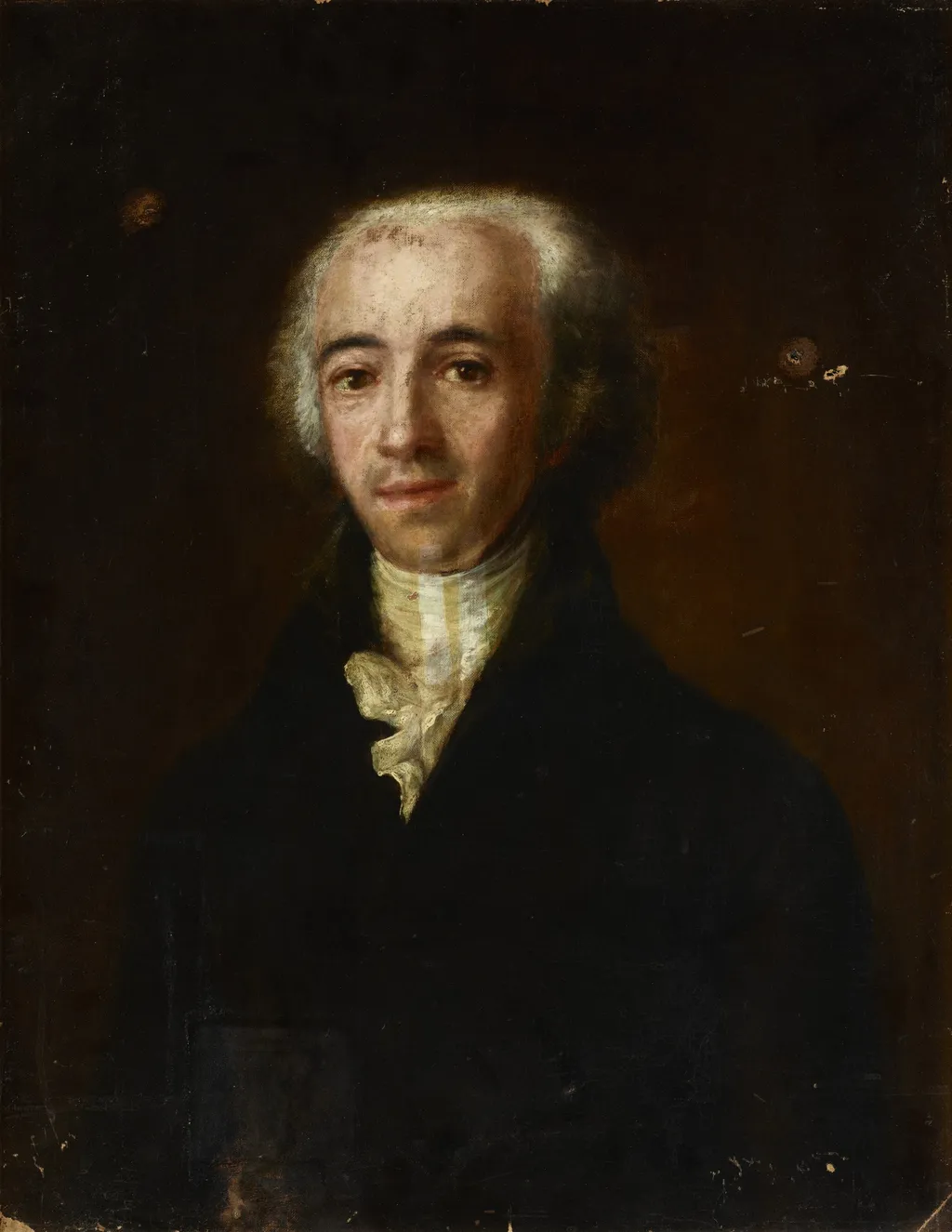
Portrait of a Man is an oil painting by the Rococo painting artist Per Krafft the Elder. It dates from 1775 and is held in the collection of the National Museum in Kraków.
About this work
Overview
It resides today in the National Museum in Kraków, part of a broader body of portraiture that defined his career and influenced his children, both also artists.
Painted in 1775 by Swedish artist Per Krafft the Elder, this oil portrait captures an unidentified man with restrained elegance. Executed during the late Rococo era, the work reflects Krafft’s focus on individual character rather than ornamental display. It resides today in the National Museum in Kraków, part of a broader body of portraiture that defined his career and influenced his children, both also artists.
Subject & Meaning
The sitter, an anonymous man with white hair and a composed demeanor, is rendered with quiet introspection. His downward gaze and faint, unassuming smile suggest inner reflection rather than public persona. The absence of identifying symbols or context invites interpretation grounded in psychological presence, aligning with 18th-century ideals of dignified self-possession over aristocratic display.
Technique & Style
Krafft employs chiaroscuro to model the face and fabric with subtle gradations of light, enhancing three-dimensionality without theatricality. The dark, softly blended background isolates the figure, directing focus to the texture of the white ruffle and the matte black coat. Brushwork is precise yet unobtrusive, favoring naturalism over the decorative flourishes typical of high Rococo, hinting at emerging Neoclassical sensibilities.
History & Provenance
The painting was completed in 1775, during Krafft’s mature period as a court-appointed portraitist in Sweden. It entered the collection of the National Museum in Kraków in the 20th century, though its path from Sweden to Poland remains undocumented. Its presence there reflects broader 19th- and 20th-century European museum acquisitions rather than direct familial or national ties to the sitter.
Context
In mid-to-late 18th-century Sweden, portraiture served both social and familial functions, often commissioned by the educated elite. Krafft’s work emerged alongside a shift from flamboyant Rococo toward more restrained, psychologically nuanced representation. This portrait reflects that transition, balancing aristocratic attire with intimate expression, characteristic of northern European trends preceding full Neoclassicism.
Legacy
Per Krafft the Elder’s reputation rests largely on his portraiture and his role as a father to two accomplished artists. While this painting lacks a named subject, it exemplifies his ability to convey quiet individuality through controlled composition and lighting. His influence extended through his children and the broader Swedish artistic community, though his works remain less widely studied outside Scandinavia.
Artist & collection
Artist
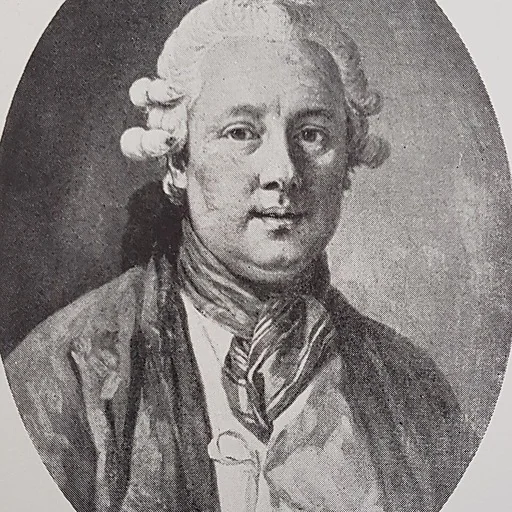
Per Krafft the Elder (16 January 1724 – 7 November 1793) was a Swedish portraitist. He was the father of the artists Per Krafft the Younger and Wilhelmina Krafft.

 Portrait of Natalia Alexandrovna Repnina
 Portrait of Izabela Branicka née Poniatowska
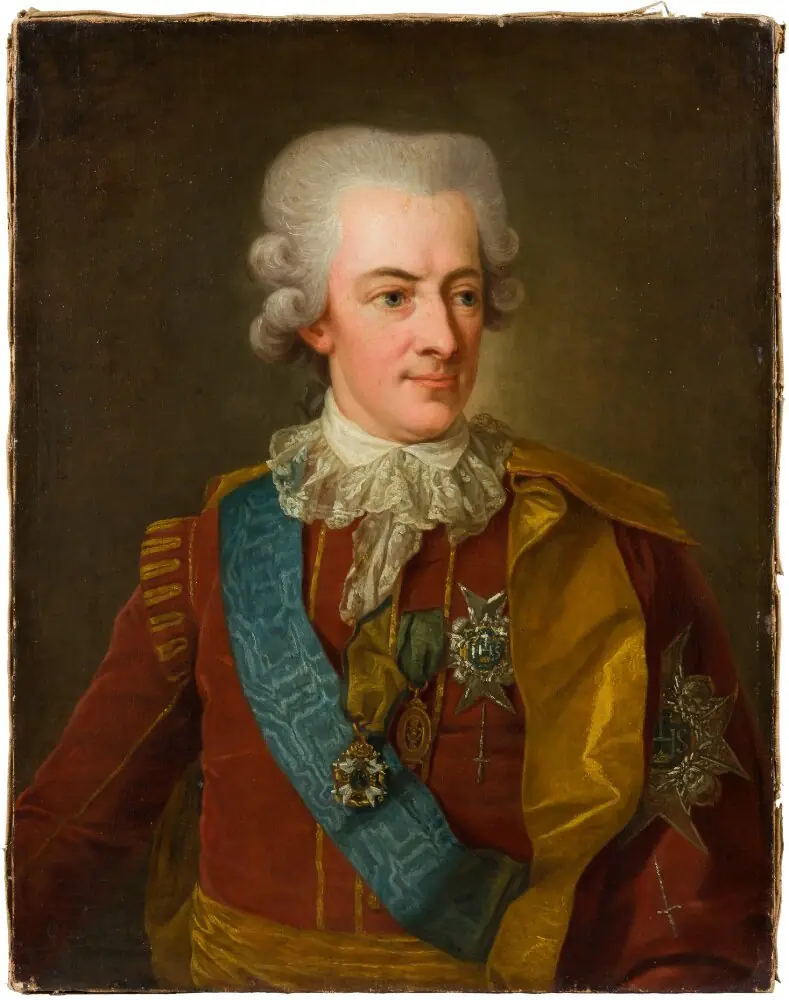 Gustav III (1746–1792), King of Sweden
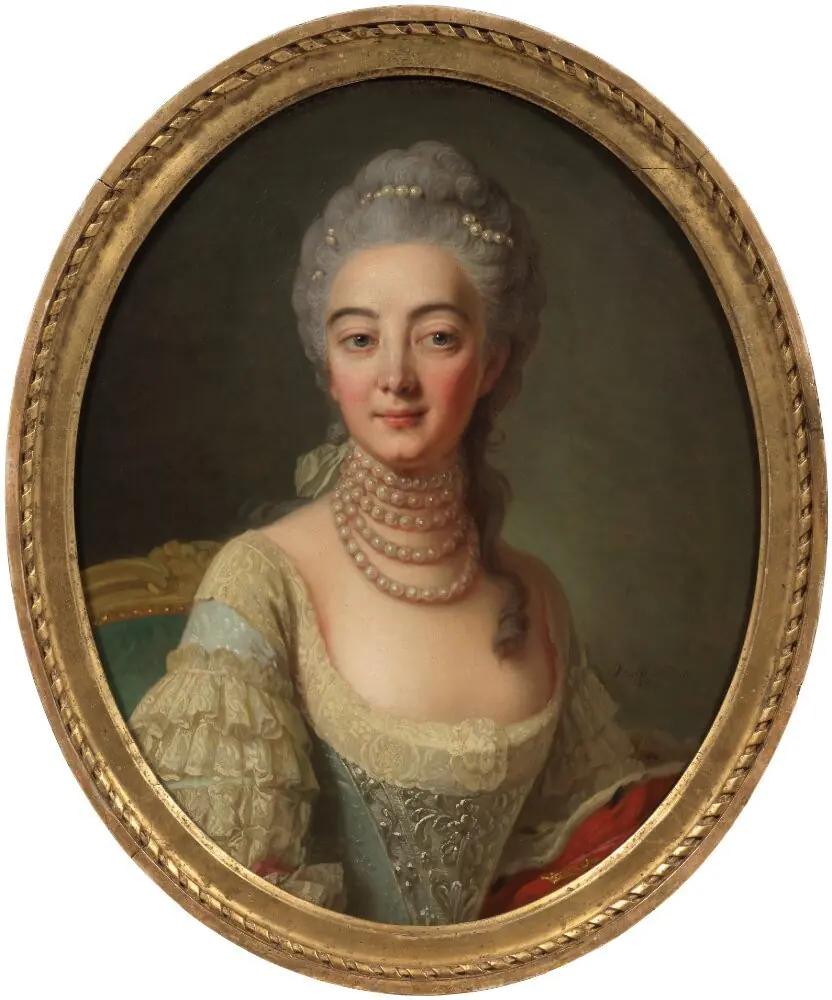 Elisabeth Frederike Sophie (1732–1780), Duchess of Württemberg
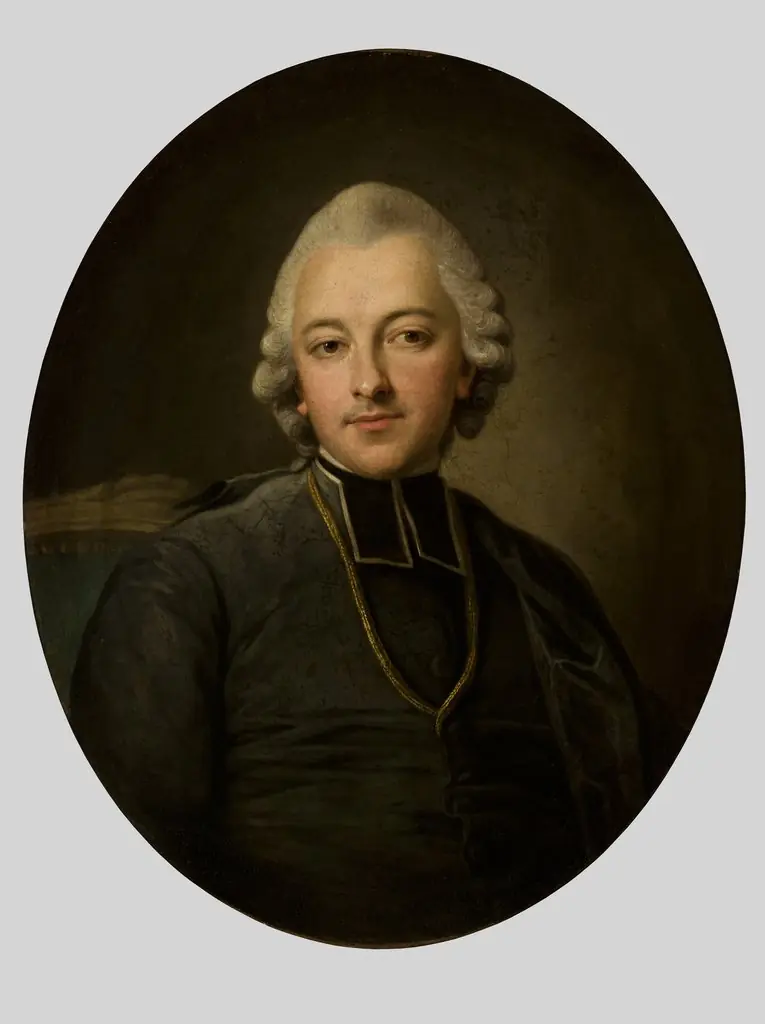 Portrait of Bishop Ignacy Krasicki
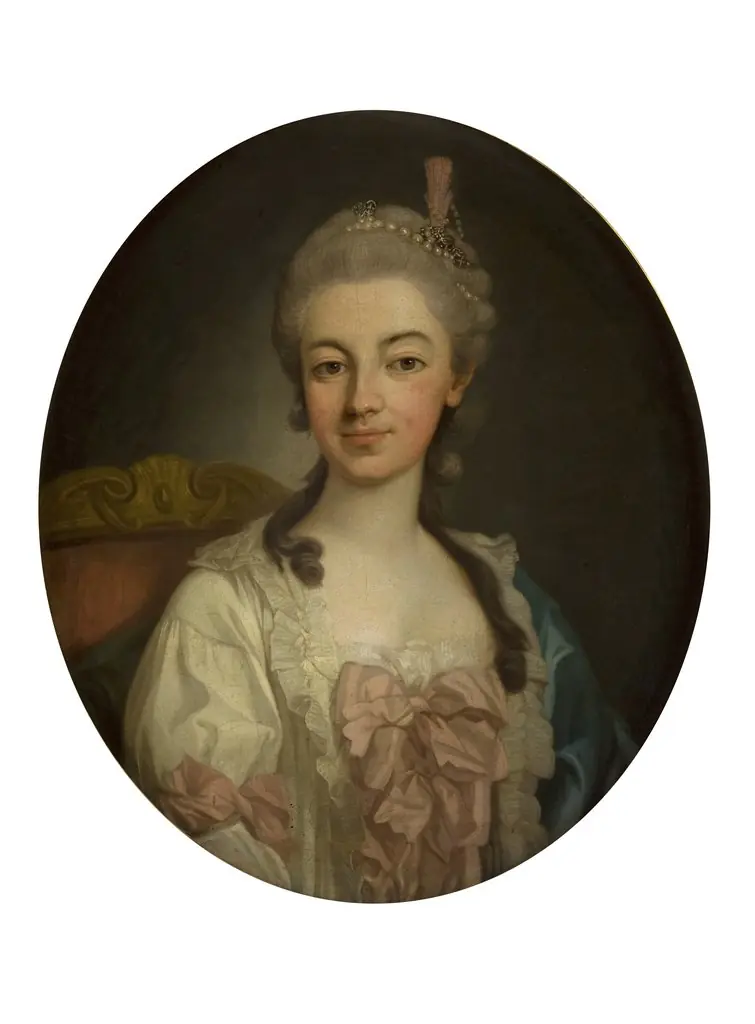 Portrait of Teresa Poniatowska
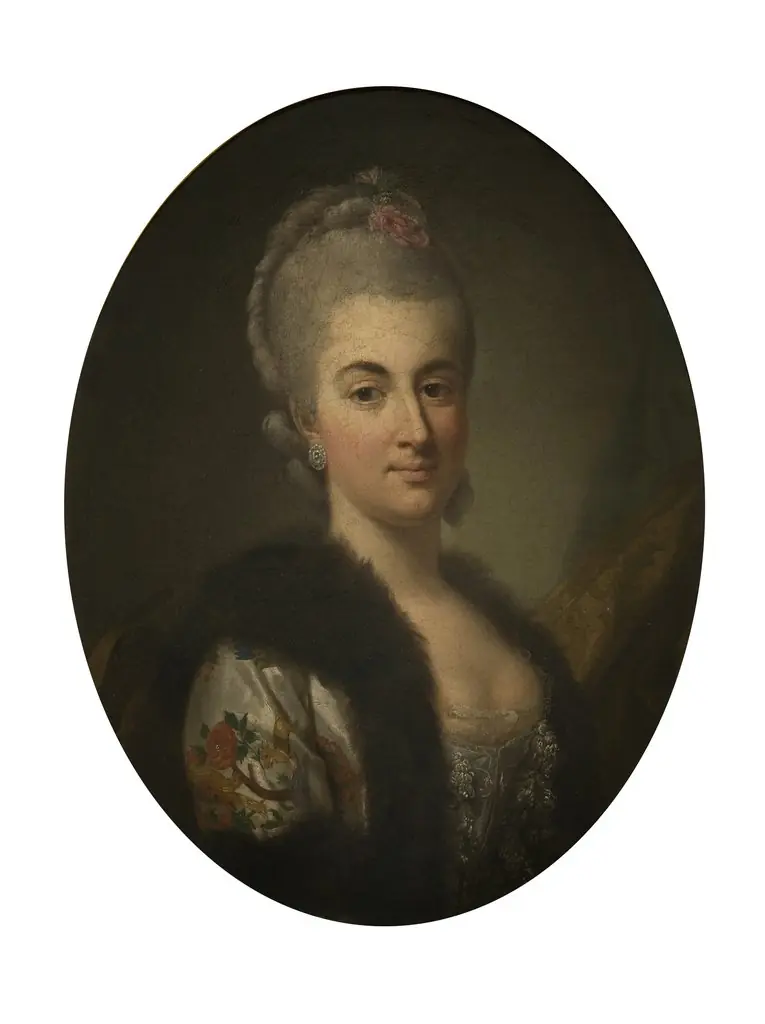 Portrait of Konstancja Poniatowska née Czartoryska
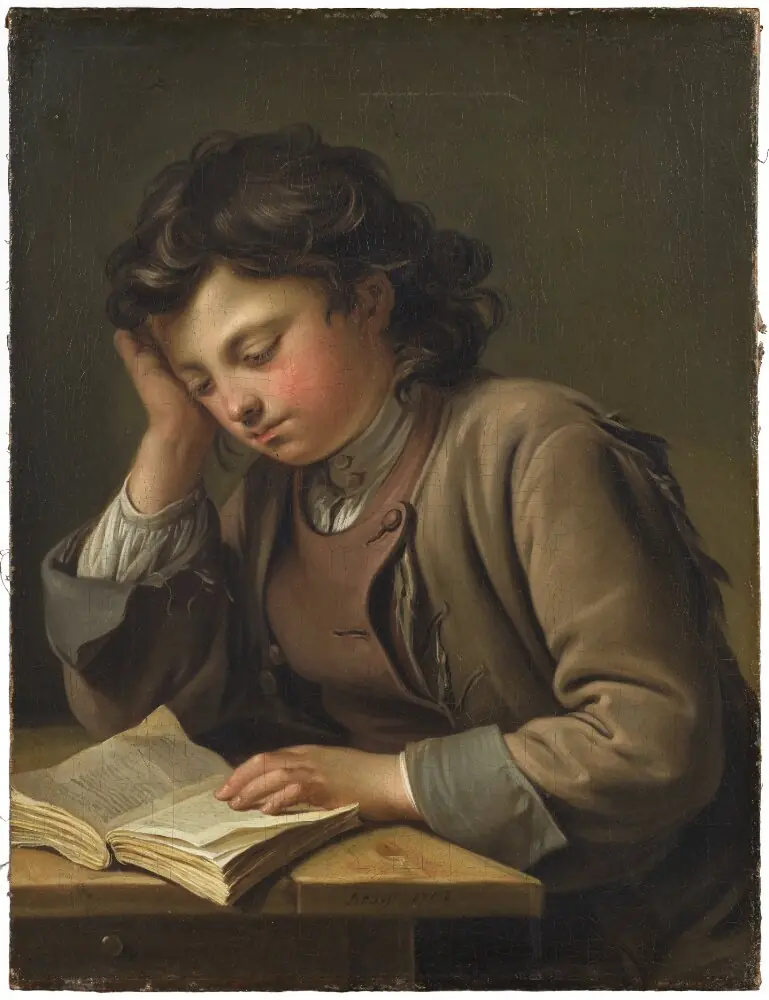 Reading Boy
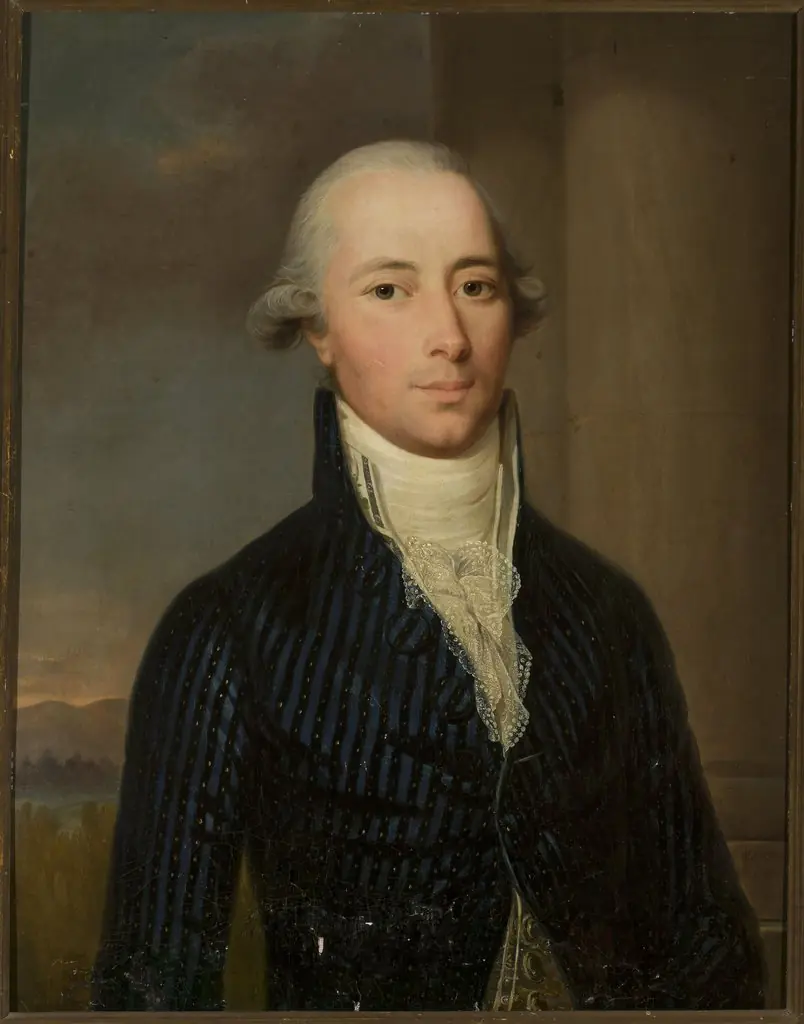 Portrait of a man in a blue frock coat with a jabot
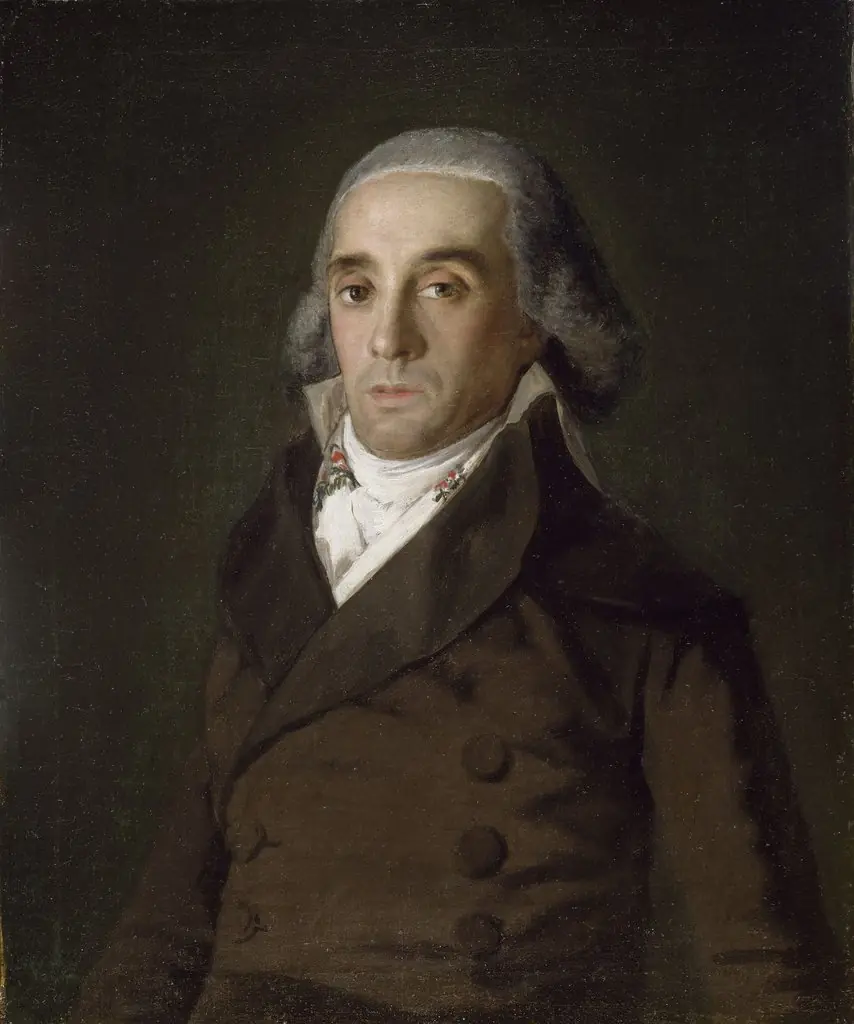 The Count of the Tagus
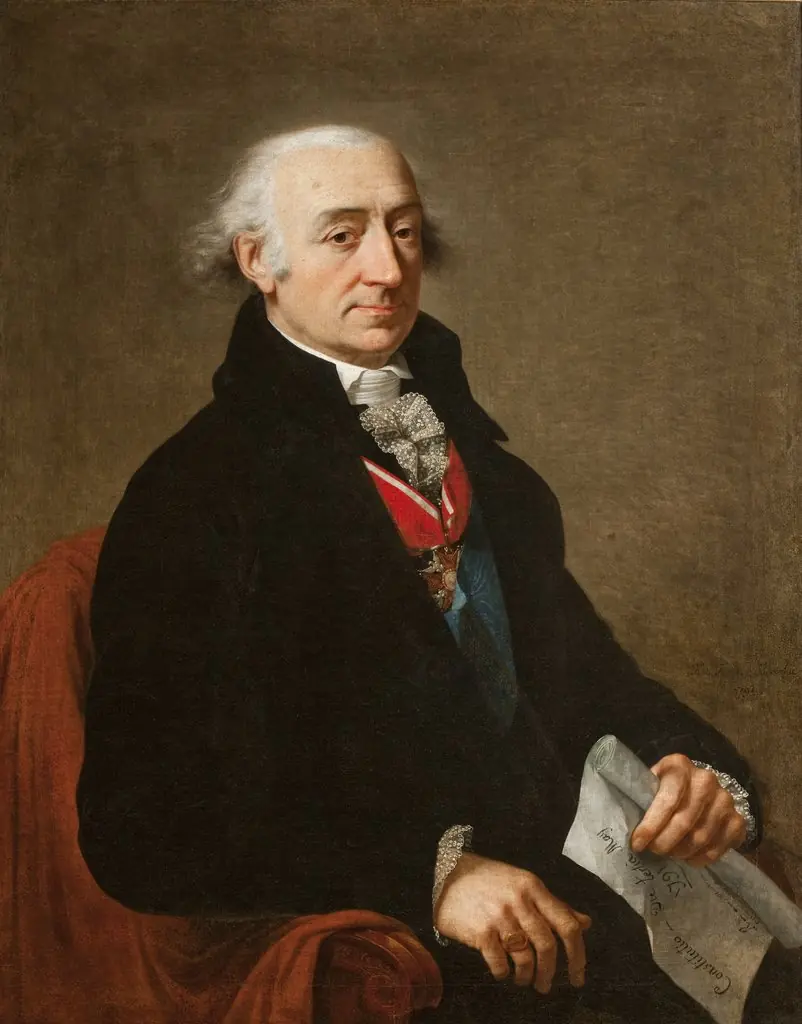 Portrait of Stanisław Małachowski (1736–1809)
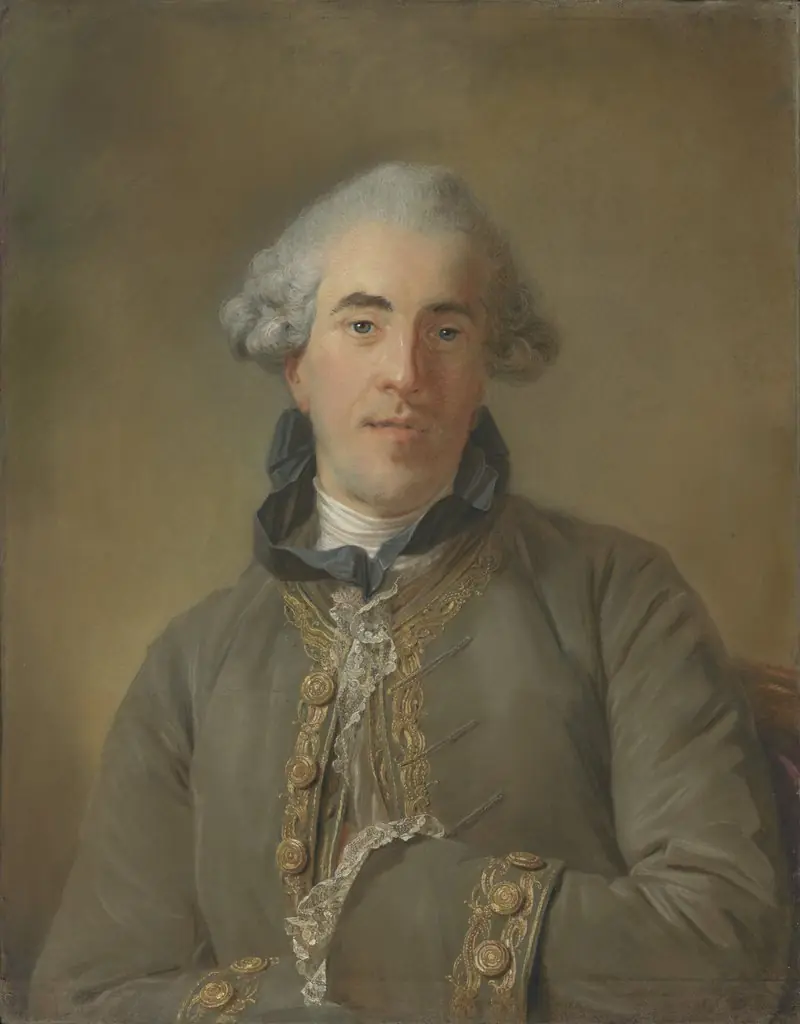 Portrait of Théophile Van Robais
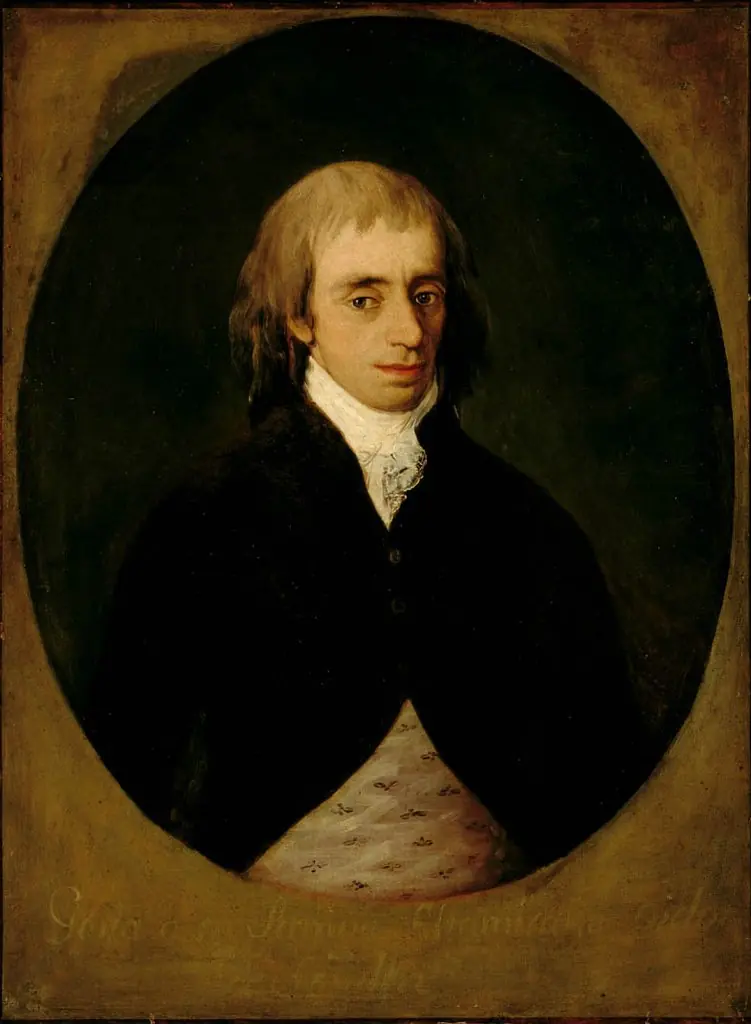 Portrait of Carlos López Altamirano
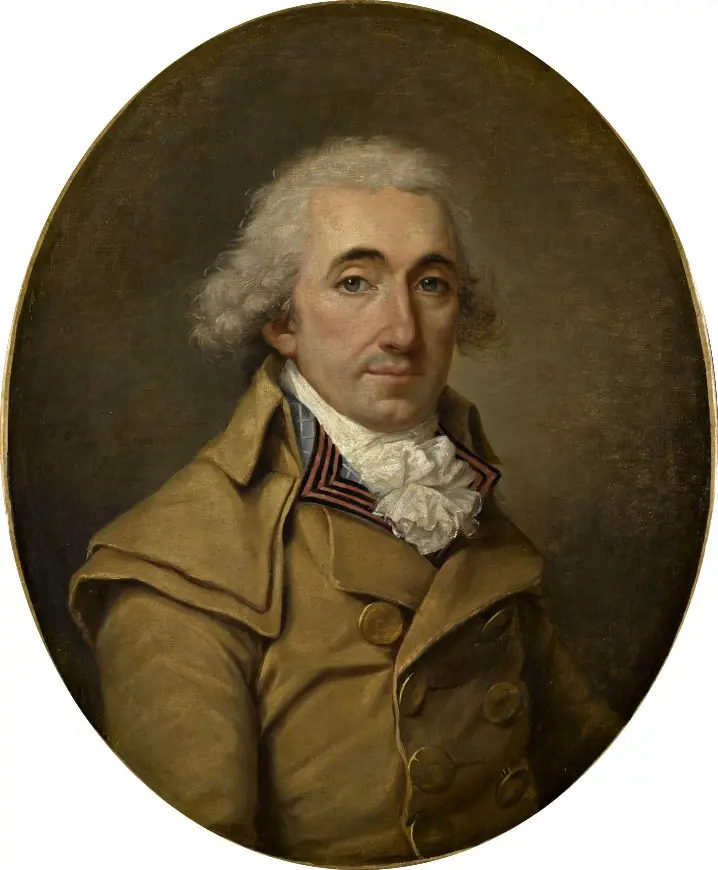 Charles-Antoine d'Artenay
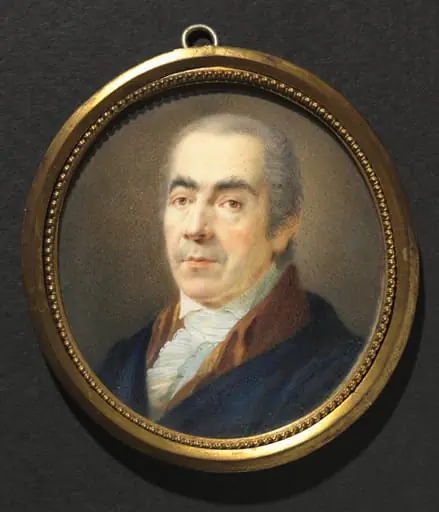 Portrait of a Man
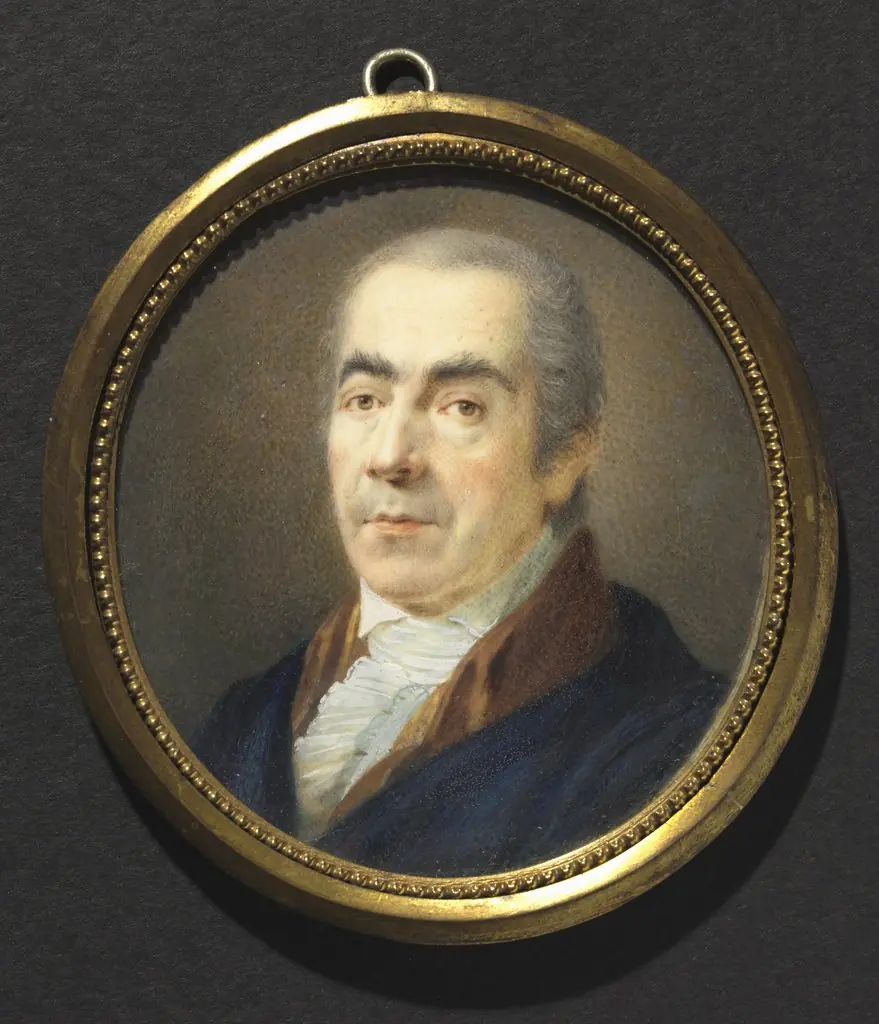 Portrait of a Man
 Baron Joseph Dominique Louis (1755–1837)
 Dmitry Bortniansky
 Porträt des Nikolay Alexandrovich Lvov
 Heinrich XIV. Reuss Elder Line (Reuß ältere Linie) (1749-1799)