Artwork
Compoziție suprarealistă
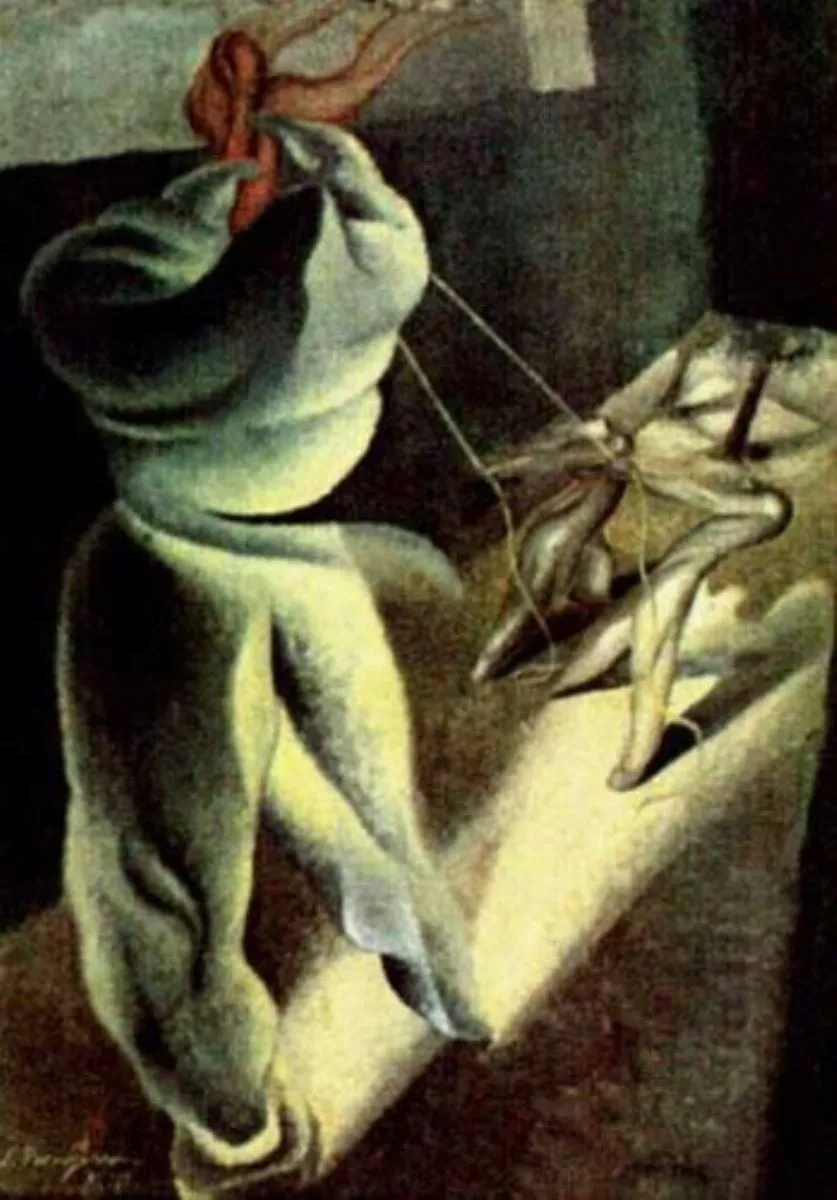
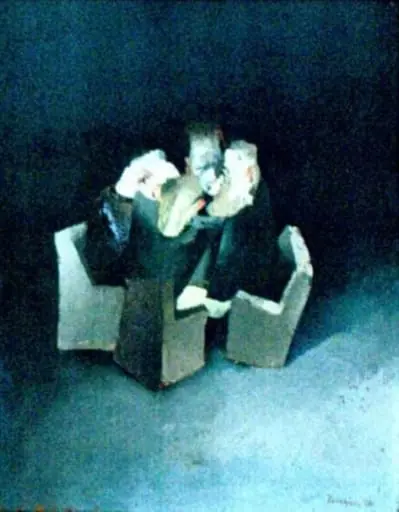
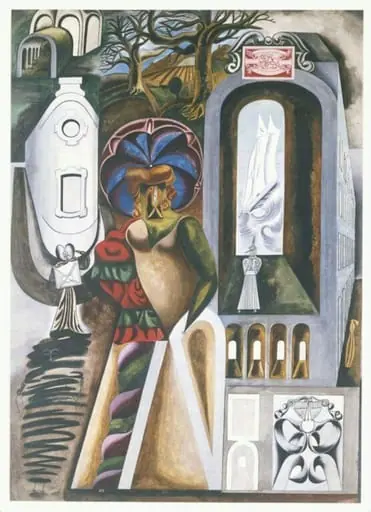
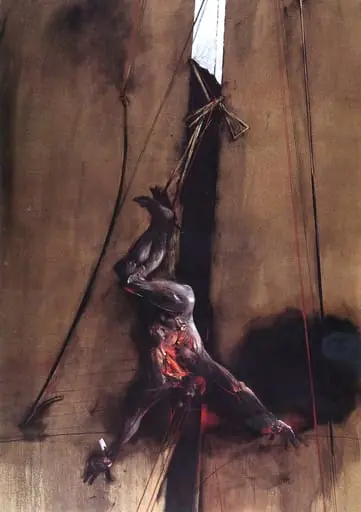
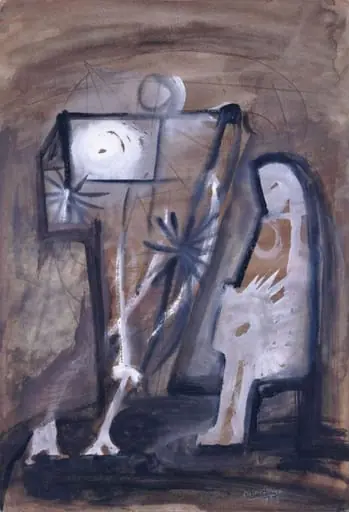
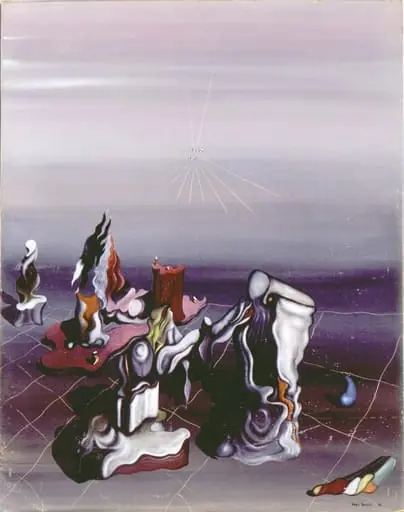
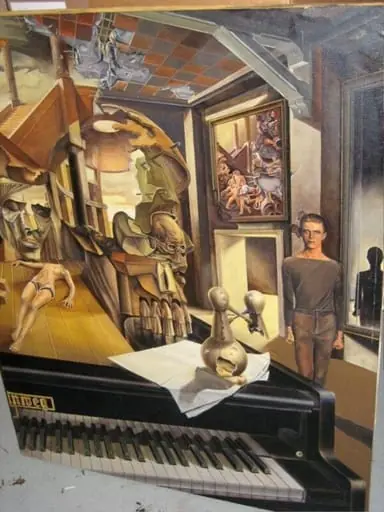
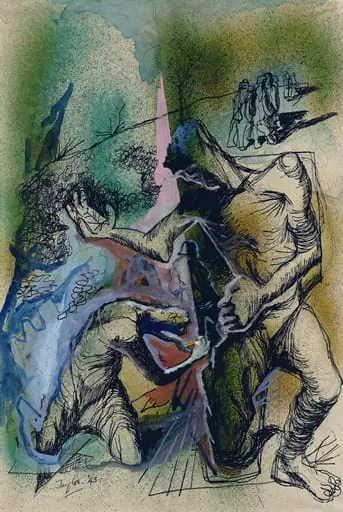
Compoziție suprarealistă is an unspecified painting by the Surrealist artist Jules Perahim. It dates from 1931 and is held in the collection of the National Museum of Art of Romania.
About this work
Overview
Created in 1931 by Jules Perahim, Compoziție suprarealistă is a small-scale image that captures a quiet, solitary moment: a figure bending to tie a shoe. The scene is stripped of narrative context, focusing instead on the interplay of light and texture. Despite its modest subject, the composition carries an unusual intensity, drawing attention to the mundane through deliberate visual emphasis.
Subject & Meaning
The figure, anonymous and unremarkable in attire, engages in a routine act—tying a shoe—within an undefined, shadowed space.
The figure, anonymous and unremarkable in attire, engages in a routine act—tying a shoe—within an undefined, shadowed space. There is no indication of identity, location, or time. The lack of context transforms the gesture into something meditative, inviting contemplation rather than storytelling. The work suggests an interest in the poetry of ordinary actions, elevated through isolation and lighting.
Technique & Style
Perahim employs a pronounced contrast between light and dark, enhancing the tactile quality of fabric and form. The illumination falls sharply on the left foot and shoe, casting deep, defined shadows that model the folds of clothing with sculptural precision. This approach echoes chiaroscuro, though applied with restraint, avoiding theatricality in favor of quiet, almost clinical observation.
History & Provenance
The work was completed in 1931 during Perahim’s early period, when he was experimenting with surrealism’s potential to reframe everyday scenes. It remained in private hands until the late 20th century, with limited public exposure. Its current location and exhibition history are sparse, reflecting its status as a lesser-known piece within the artist’s broader, more widely recognized output.
Context
Emerging in the early 1930s, the piece aligns with European surrealism’s interest in the uncanny within the familiar. While many contemporaries focused on dreamlike distortions, Perahim pursued subtlety—using realism to unsettle. The dim interior, devoid of furniture or signs of life, reflects a broader interwar mood of psychological isolation and quiet alienation in urban environments.
Legacy
Compoziție suprarealistă has not entered mainstream art historical discourse, but it remains a quiet example of how surrealism could operate through understatement. Its influence is indirect, seen in later artists who favored psychological tension over symbolic spectacle. The work endures as a study in focused observation, where light becomes the primary agent of meaning.
Artist & collection
Artist
Jules Perahim made paintings and drawings in the 1930s and 1940s. Look at Casa din Italia and Olga Bancic: sharp lines and shadowed figures in everyday settings. The 1936 painting Consiliul de administrație shows a…