Artwork
Naamiaistanssiaiset
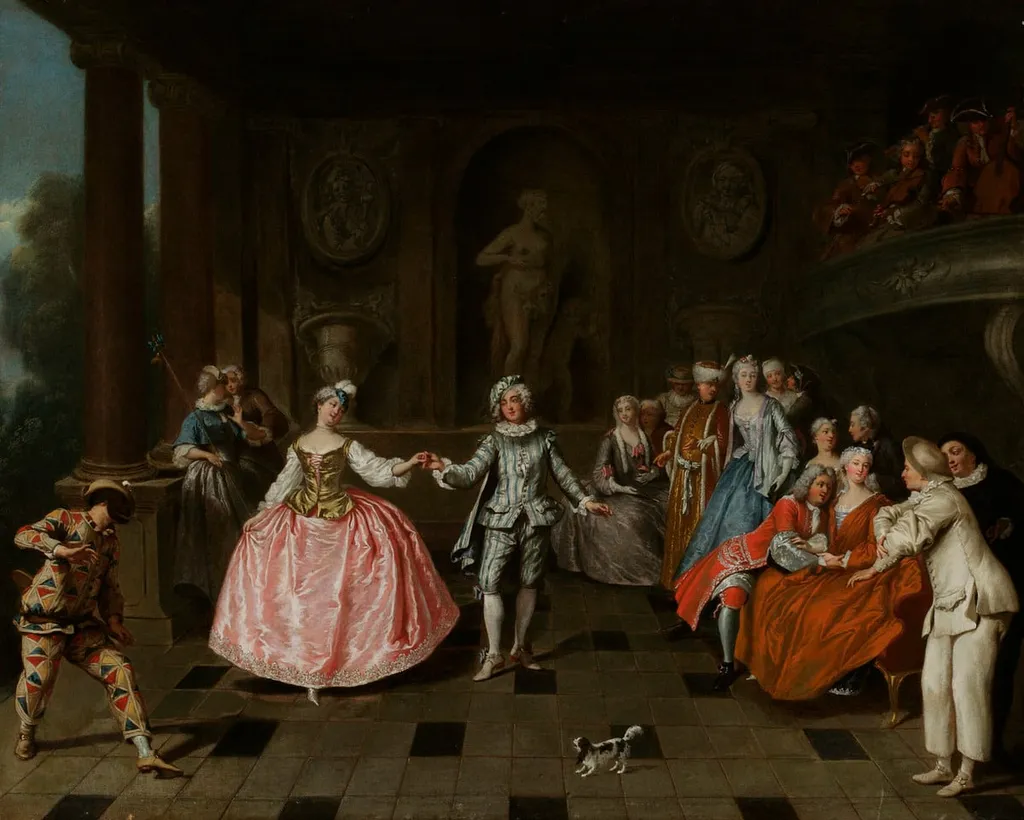
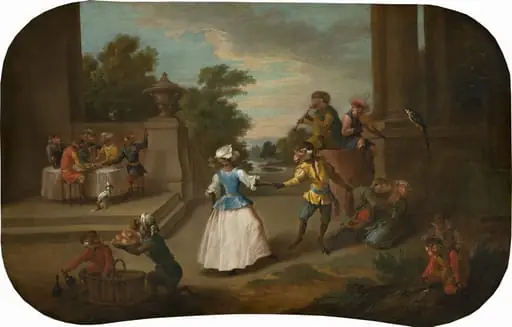
Naamiaistanssiaiset is an unspecified painting by Antoine Pesne. It dates from 1730 and is held in the collection of the Finnish National Gallery.
About this work
Overview
The composition emphasizes movement and interaction, drawing attention to the central pair while surrounding figures contribute to a sense of casual revelry.
Painted around 1730 by Antoine Pesne, Naamiaistanssiaiset captures a social gathering in an aristocratic setting. The scene unfolds with figures engaged in conversation and dance, set against a backdrop of classical statuary and a shadowed architectural wall. The composition emphasizes movement and interaction, drawing attention to the central pair while surrounding figures contribute to a sense of casual revelry.
Subject & Meaning
The painting depicts a moment of refined leisure among the European elite, likely a masked ball or formal dance. The central couple, one in vivid pink and the other in gray, embody the grace and decorum expected in courtly entertainment. The presence of a small dog and a casually leaning figure suggests informal intimacy within a structured social ritual, hinting at the blending of public performance and private ease.
Technique & Style
Pesne employs chiaroscuro to model forms and direct the viewer’s eye, using strong contrasts between light and shadow to enhance the three-dimensionality of figures and architecture. The textures of silk, lace, and stone are rendered with precision, while the dark background isolates the subjects, heightening their presence. Brushwork remains controlled, reflecting the polished aesthetic of early 18th-century court portraiture.
History & Provenance
The work originates from Pesne’s tenure at the Prussian court, where he served as court painter to Frederick William I and later Frederick the Great. Though its early ownership is undocumented, its subject matter aligns with other courtly scenes Pesne produced during the 1730s. The title, of Finnish origin, was likely assigned later and does not reflect the artist’s original intent.
Context
Created during the height of Rococo influence in Northern Europe, the painting reflects the cultural fascination with aristocratic leisure and theatrical social rituals. Similar scenes appear in French and German court art of the period, where dance and masquerade served as both entertainment and social performance. Pesne’s work bridges French elegance with Germanic precision, characteristic of Berlin’s artistic milieu at the time.
Legacy
Though not widely exhibited today, Naamiaistanssiaiset remains a representative example of Pesne’s ability to capture the nuance of courtly life. It contributes to the broader understanding of how 18th-century painters translated social customs into visual narratives. The work continues to be referenced in studies of European portraiture and the role of dance in aristocratic identity.
Artist & collection

Artist
Antoine Pesne was a French-born court painter of Prussia. Starting in the manner of baroque, he became one of the fathers of rococo in painting. His work represents a link between the French school and the Frederican rococo style.

 A Ball
 The Ball
 Distinguished Company in a Room
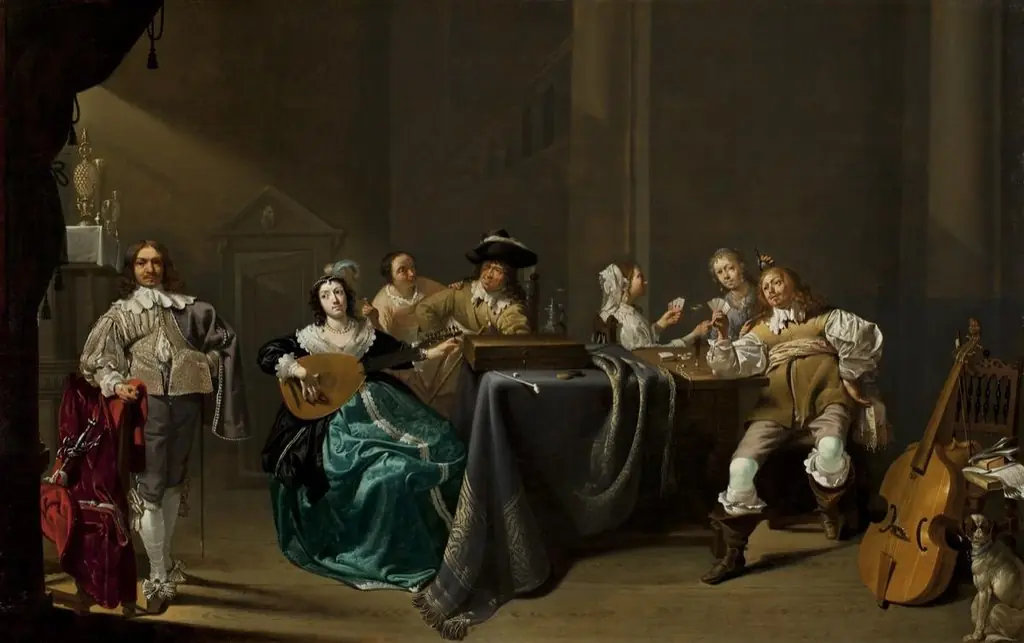 Card Players and Merrymakers
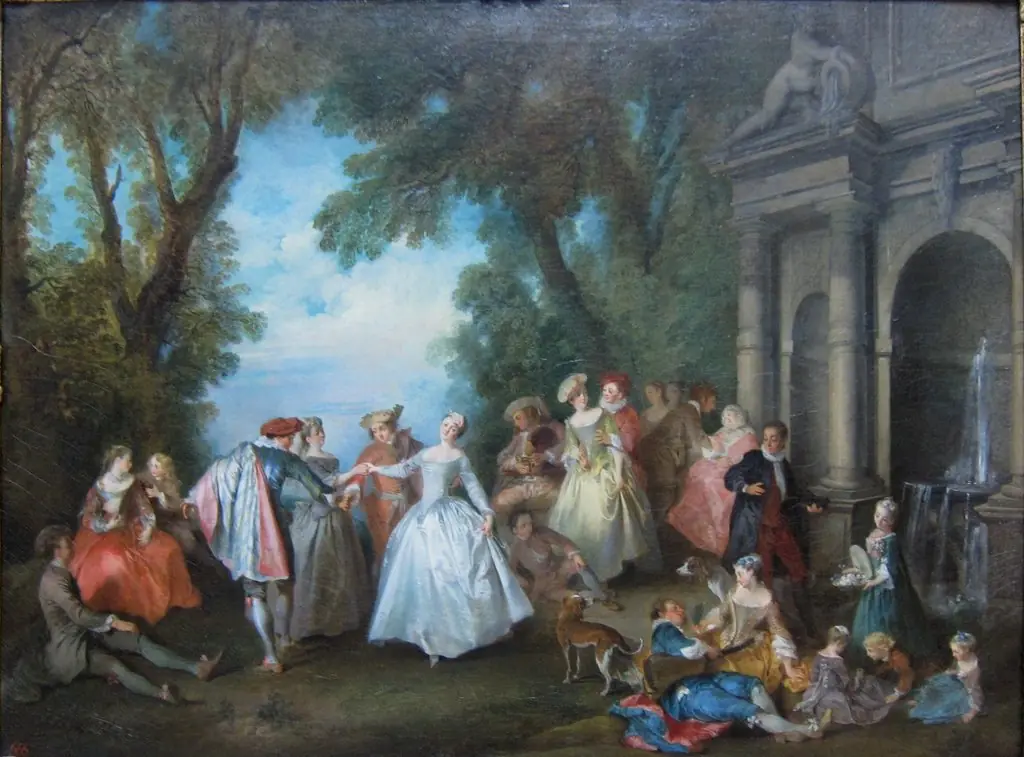 Dance before a Fountain
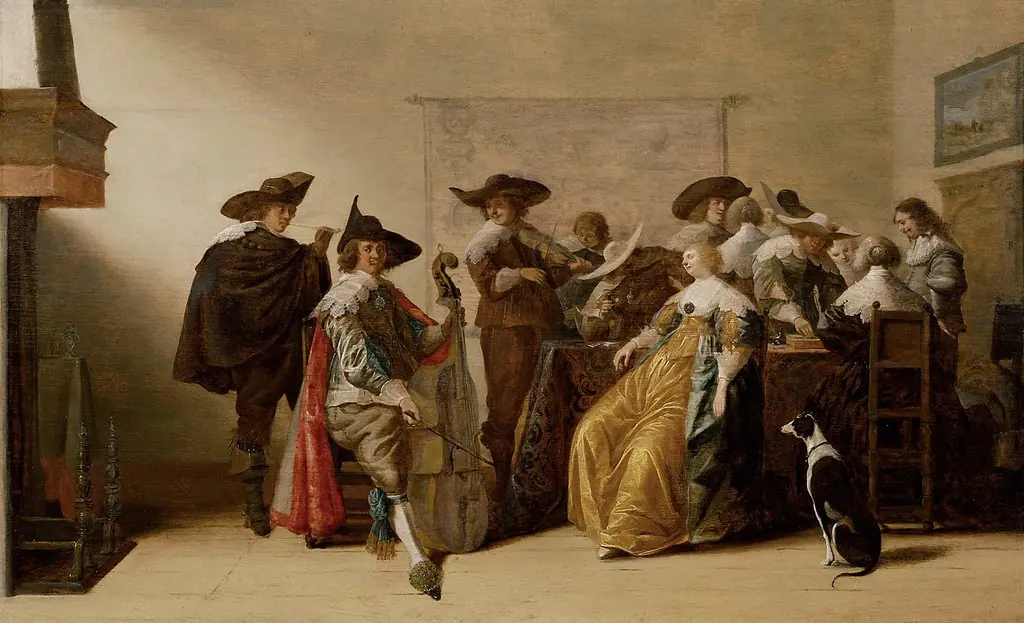 Gesellschaftsszene
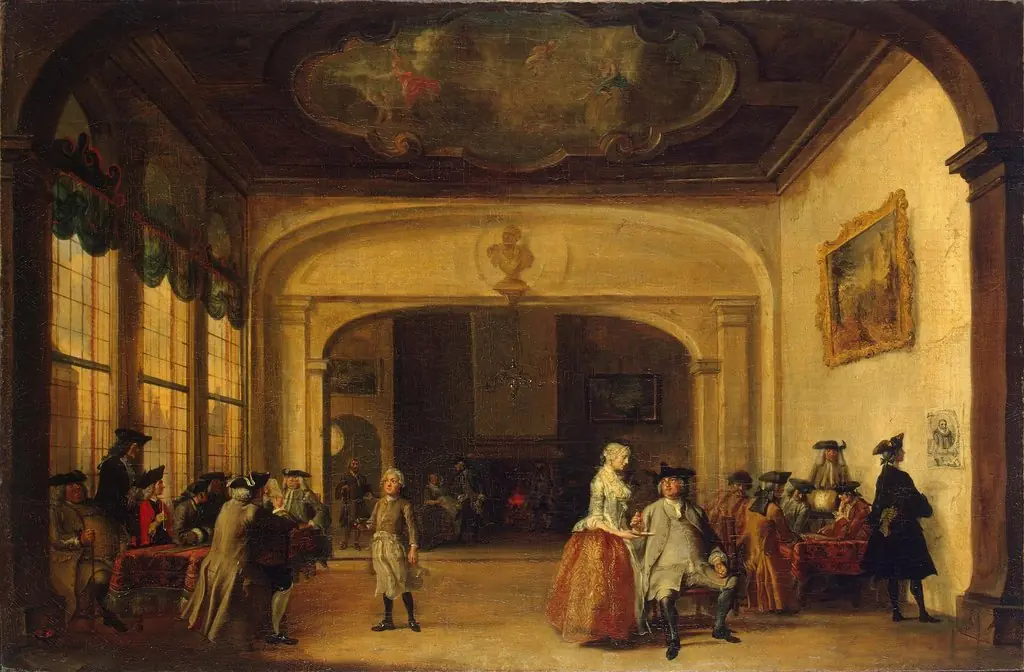 Scene in a Coffee Shop
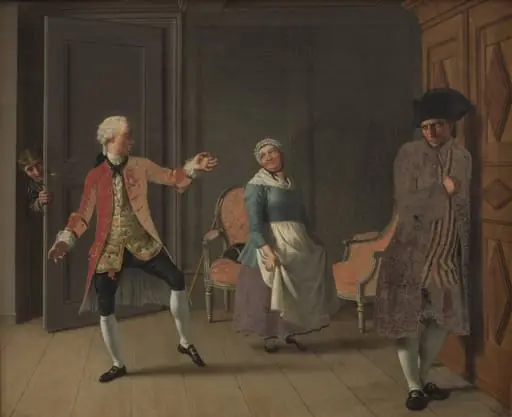 From Ludvig Holberg's "Jean de France", Act 1, Scene 6
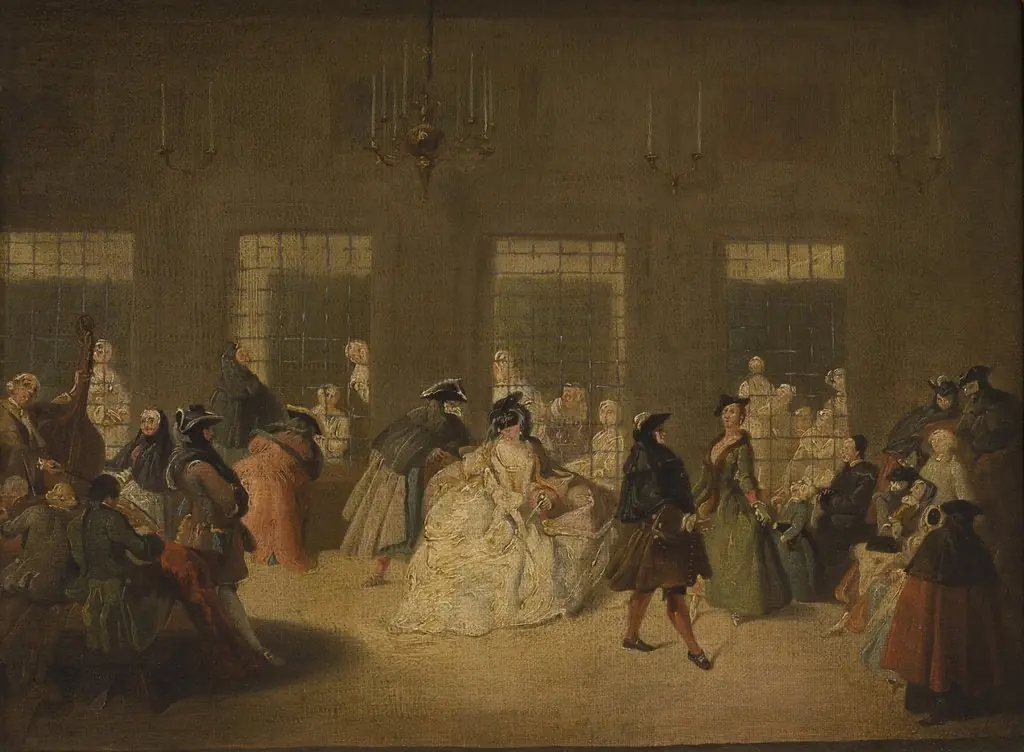 Theme from the Venetian Carnival – In the Parlatory of the Monastery
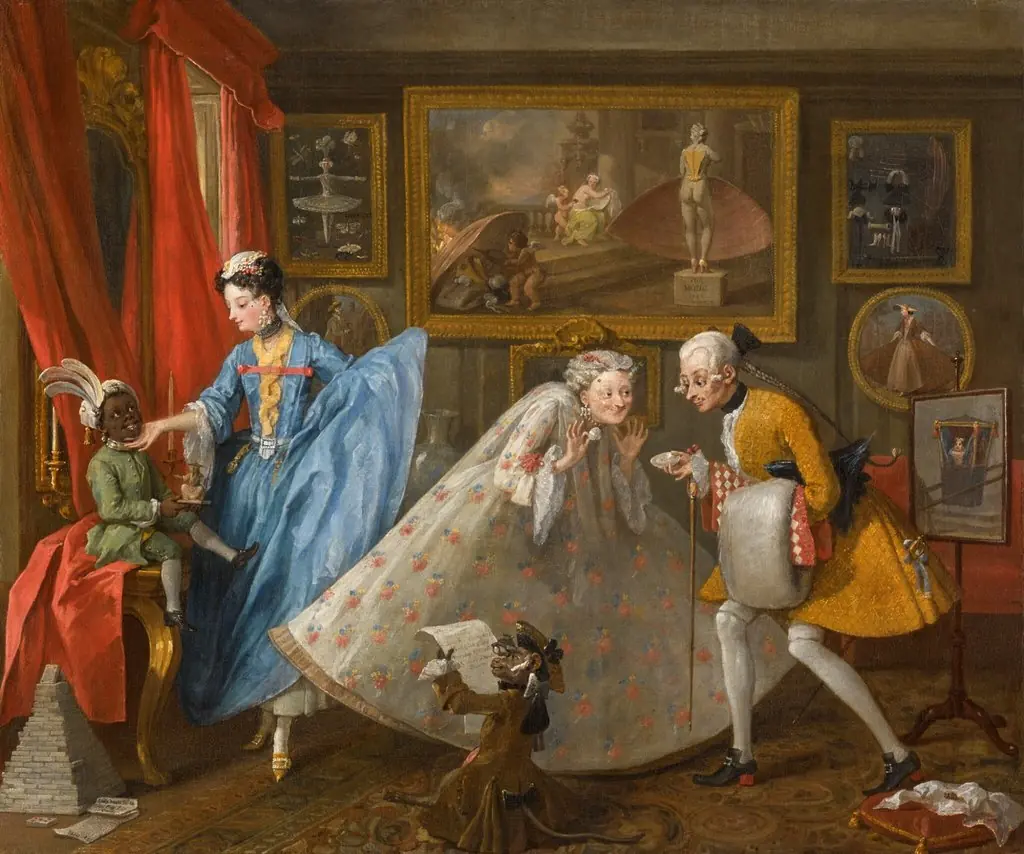 Taste in High Life
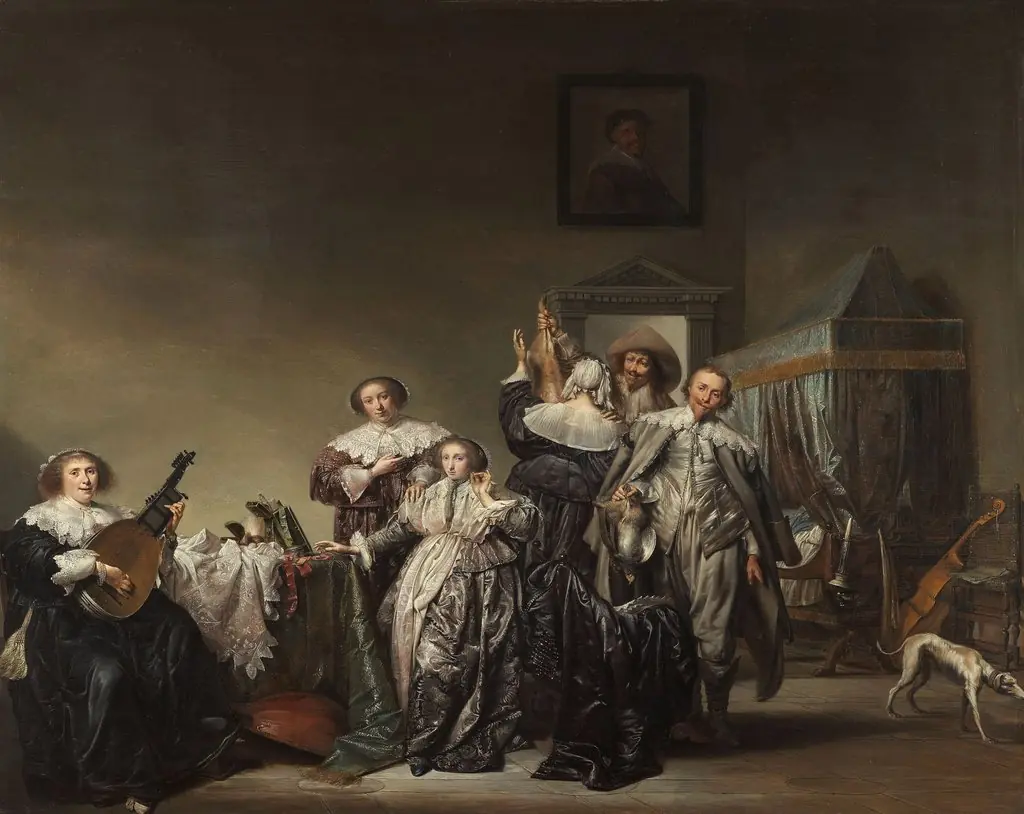 Gallant Company
 Singerie: The Dance