Artwork
Still Life with a Basket between two Crocks
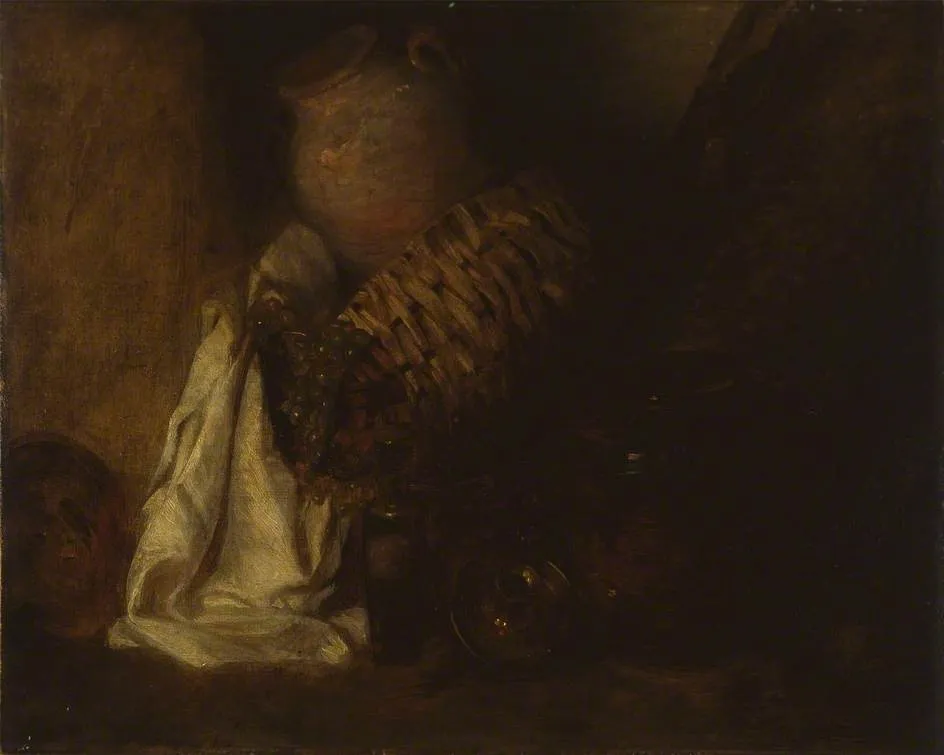
Still Life with a Basket between two Crocks is an oil painting by Peter De Wint. It dates from 1826 and is held in the collection of the Ashmolean Museum.
About this work
Overview
It depicts a simple arrangement of domestic objects—a woven basket flanked by two earthenware vessels—set against a dark, unobtrusive background.
Painted around 1826, Still Life with a Basket between two Crocks is an oil on canvas work by Peter De Wint. It depicts a simple arrangement of domestic objects—a woven basket flanked by two earthenware vessels—set against a dark, unobtrusive background. The composition is restrained, emphasizing quiet order rather than elaborate display. The painting resides in the Ashmolean Museum, Oxford, as part of its collection of 19th-century British art.
Subject & Meaning
The painting presents everyday kitchenware with deliberate simplicity: a basket and two crocks, common in rural households. Their placement suggests functional harmony, not ornamentation. There is no overt symbolism or narrative; instead, the work invites contemplation of ordinary things rendered with care. The absence of human presence or decorative flourish underscores a quiet reverence for utilitarian objects and the rhythms of domestic life.
Technique & Style
De Wint employs chiaroscuro to model the forms with subtle gradations of light and shadow, giving volume to the basket’s weave and the crocks’ glazed surfaces. The brushwork is precise yet unobtrusive, avoiding theatricality. The dark background isolates the objects, enhancing their tactile presence. Color is muted—earthy browns, ochres, and grays—reinforcing the painting’s somber, introspective tone without sacrificing realism.
History & Provenance
The painting was likely created during De Wint’s mature period, when he focused on landscapes and domestic still lifes. It entered the Ashmolean Museum’s collection in the 19th century, possibly through a bequest or acquisition tied to the museum’s early emphasis on British art. Its continuous presence in the museum’s holdings reflects its quiet significance within the institution’s broader survey of regional painting traditions.
Context
In the 1820s, British still life painting was often overshadowed by landscape and portraiture. De Wint’s work aligns with a modest tradition of domestic still lifes that valued observation over spectacle. His approach resonates with Dutch Golden Age precedents but lacks their opulence. The painting reflects a broader cultural interest in the dignity of humble objects, particularly in the wake of industrialization’s disruption of rural life.
Legacy
Though not widely exhibited outside the Ashmolean, the painting remains a quiet example of De Wint’s skill in rendering texture and light with restraint. It contributes to the understanding of British still life as a genre rooted in observation rather than grandeur. Its endurance in the museum’s collection affirms its value as a thoughtful record of everyday material culture in early 19th-century England.
Artist & collection
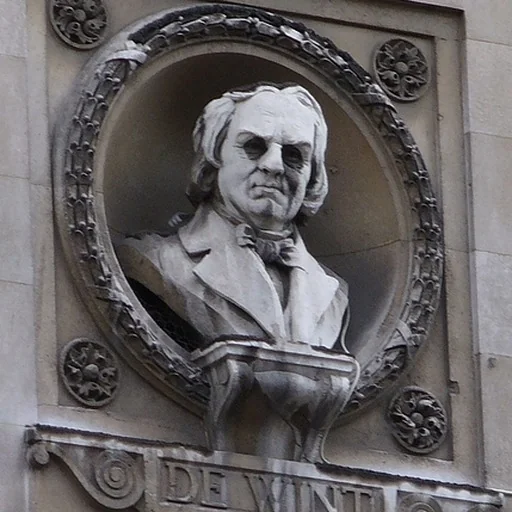
Artist
Peter De Wint was a prolific English painter, mostly in landscape painting in oils and watercolour. A number of his pictures are in Tate Britain, the Victoria and Albert Museum and The Collection, Lincoln. He died in London.

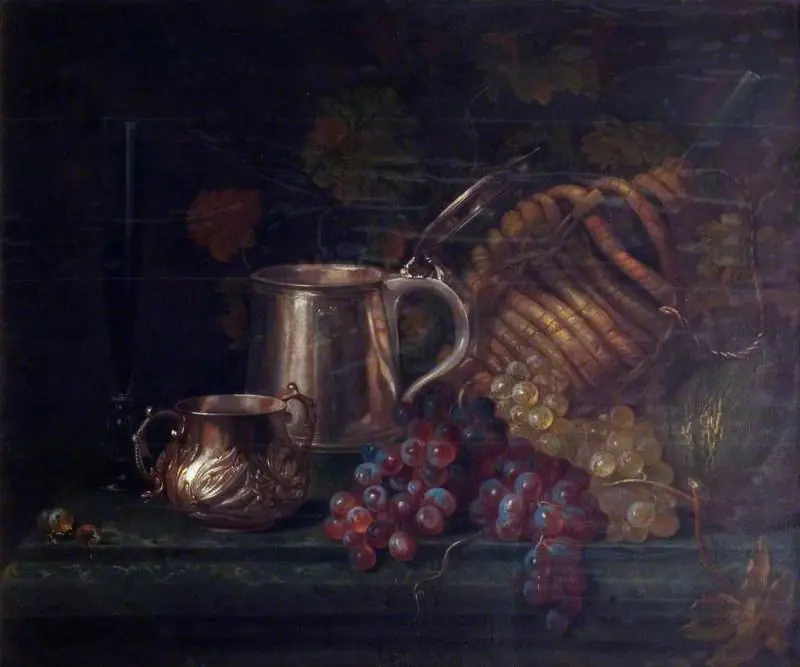 Still Life with Fruit and Silver
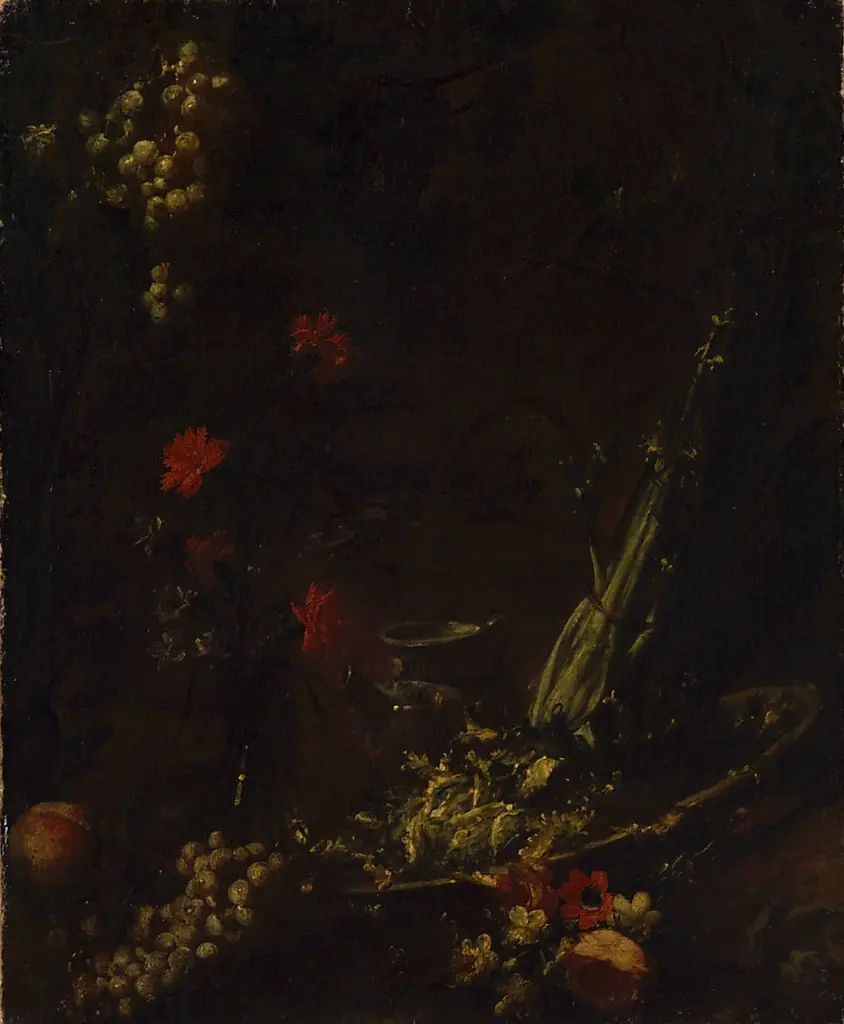 Stilleben mit Blumen und Früchten
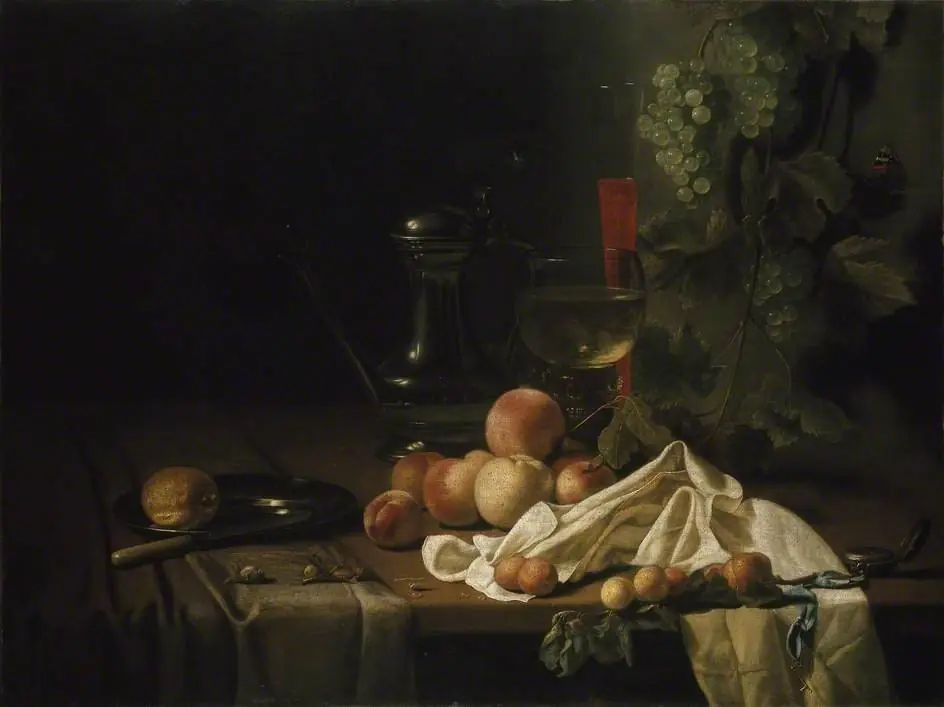 Still Life with Fruit
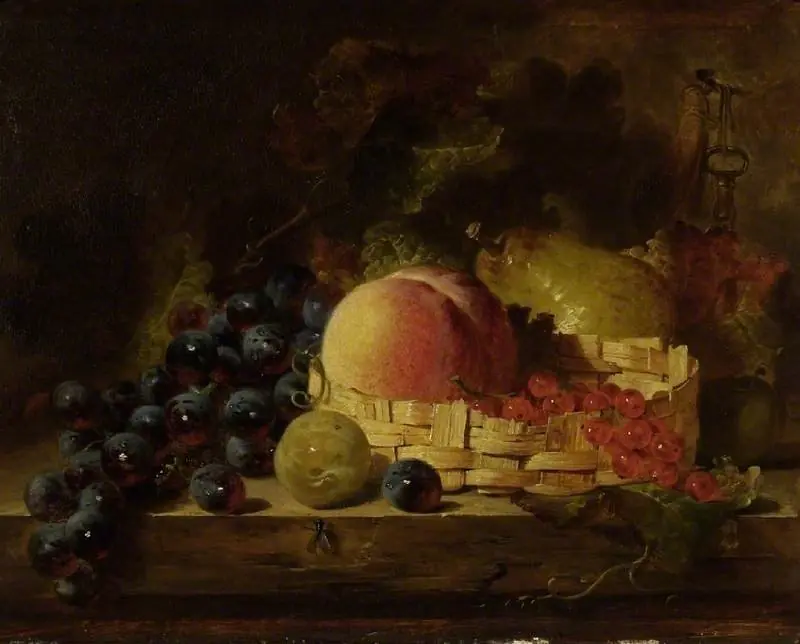 Fruit-piece
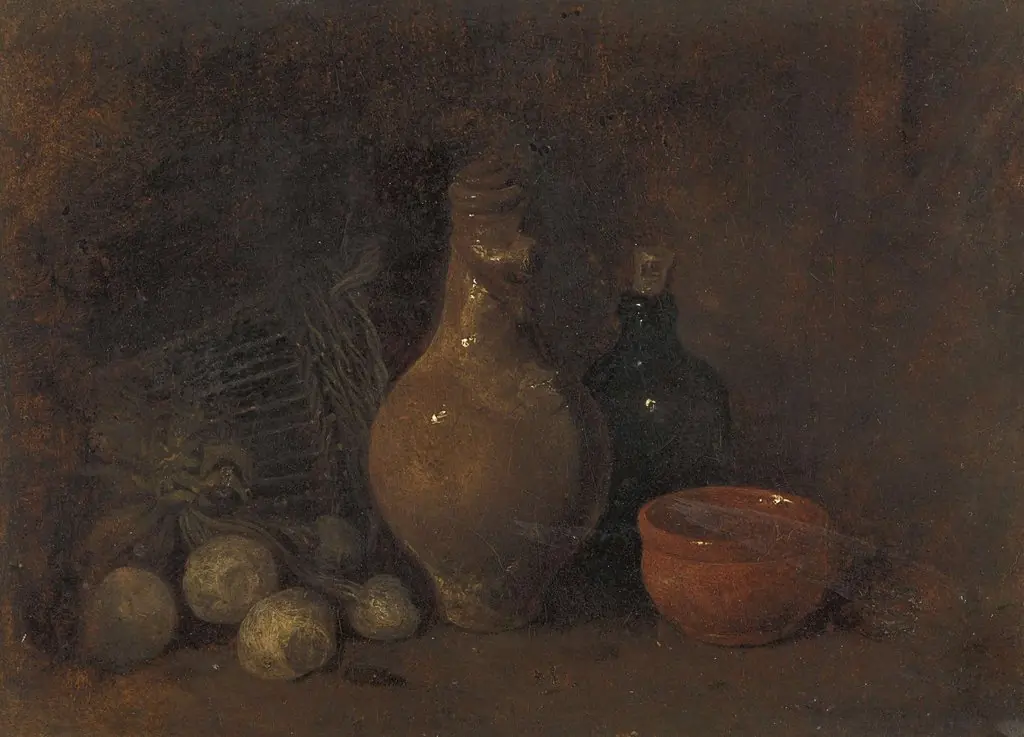 Stilleven met vier vruchten, glas en aardewerk
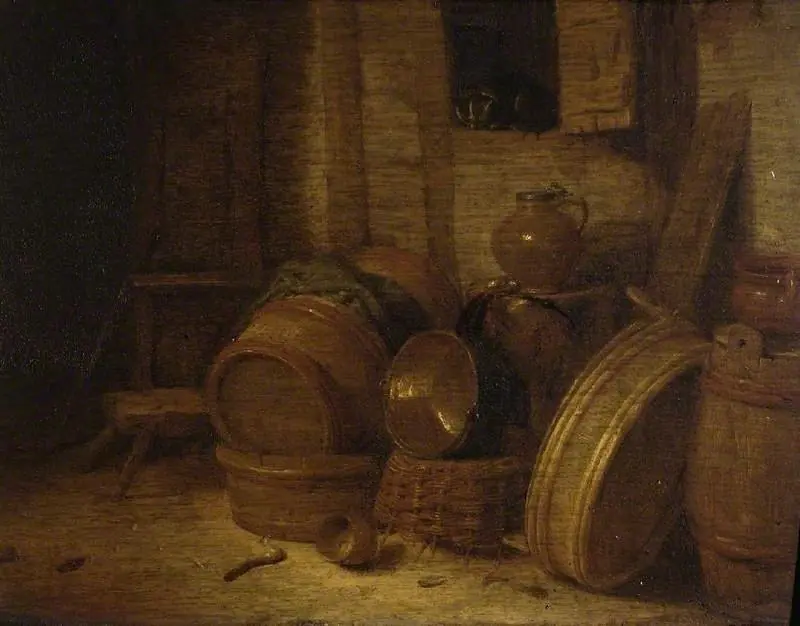 A Kitchen
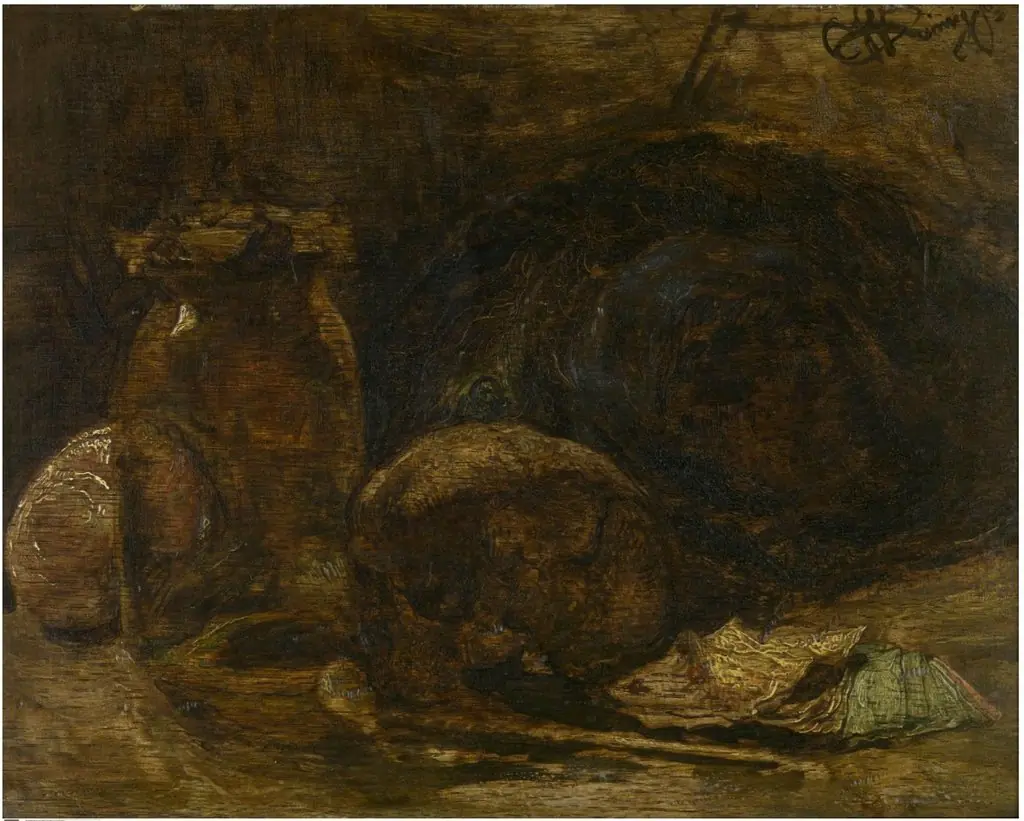 Vanitas
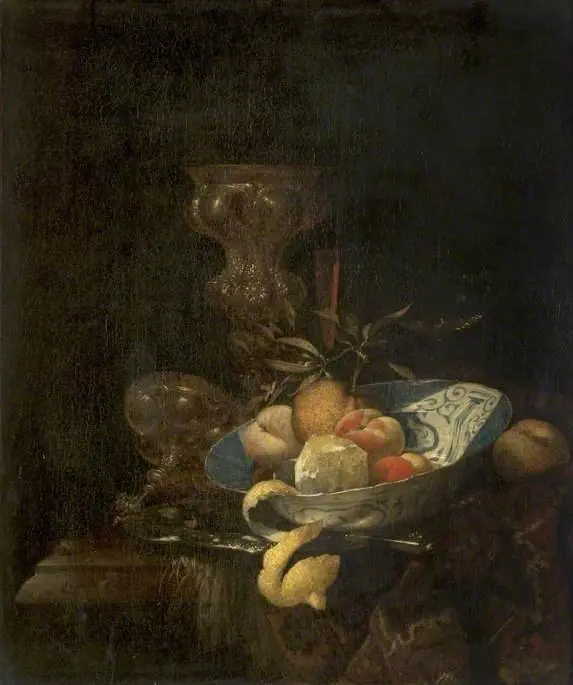 Still Life of Silver-Gilt Goblet, Porcelain Bowl, Glassware and Peeled Orange
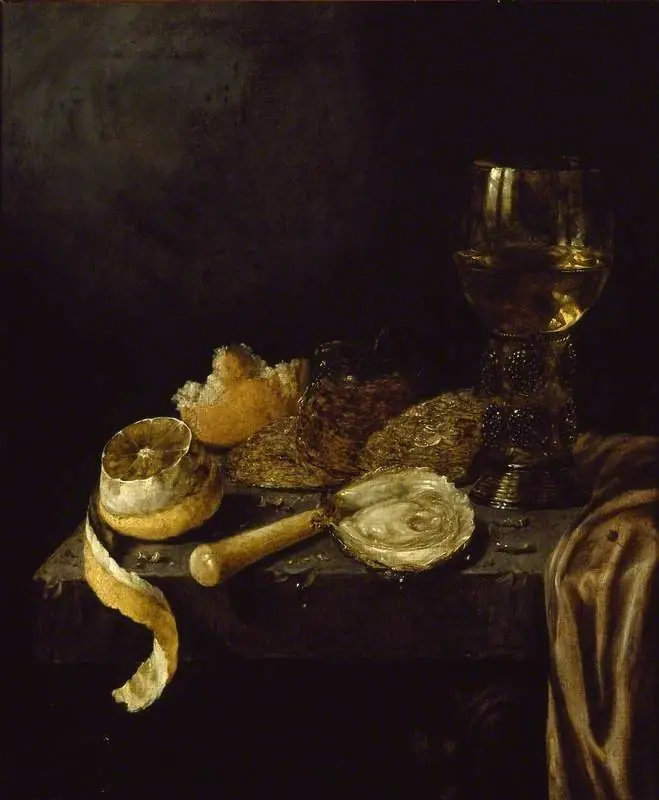 Still Life with Oysters
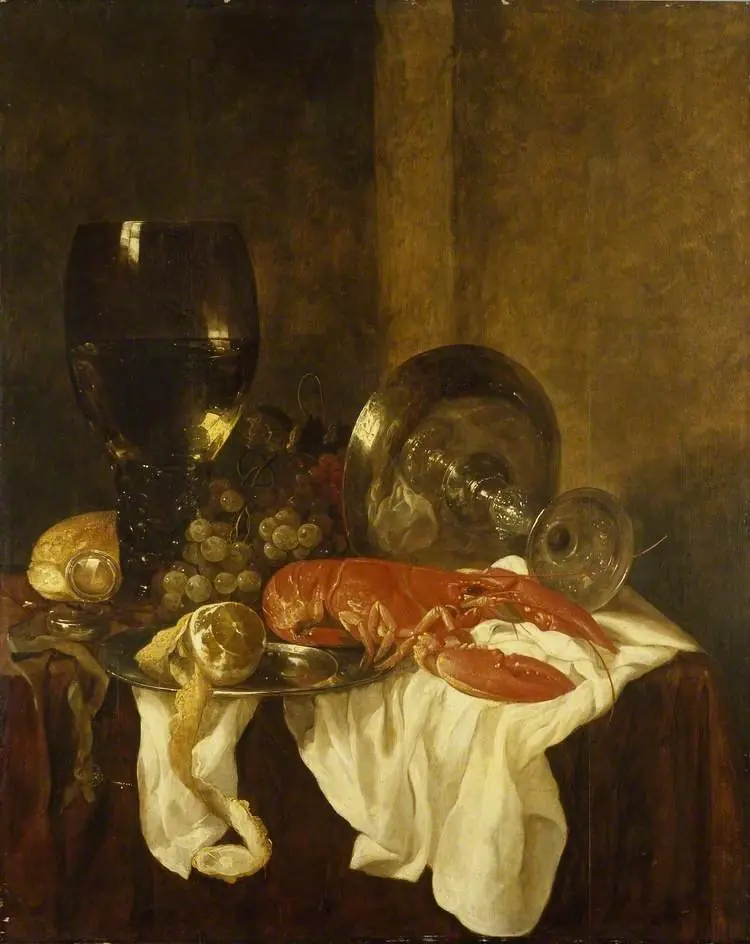 Still Life with a Lobster
 Still life with old dishes
 Still Life with Pewter Jar