Artwork
The Village of Horning
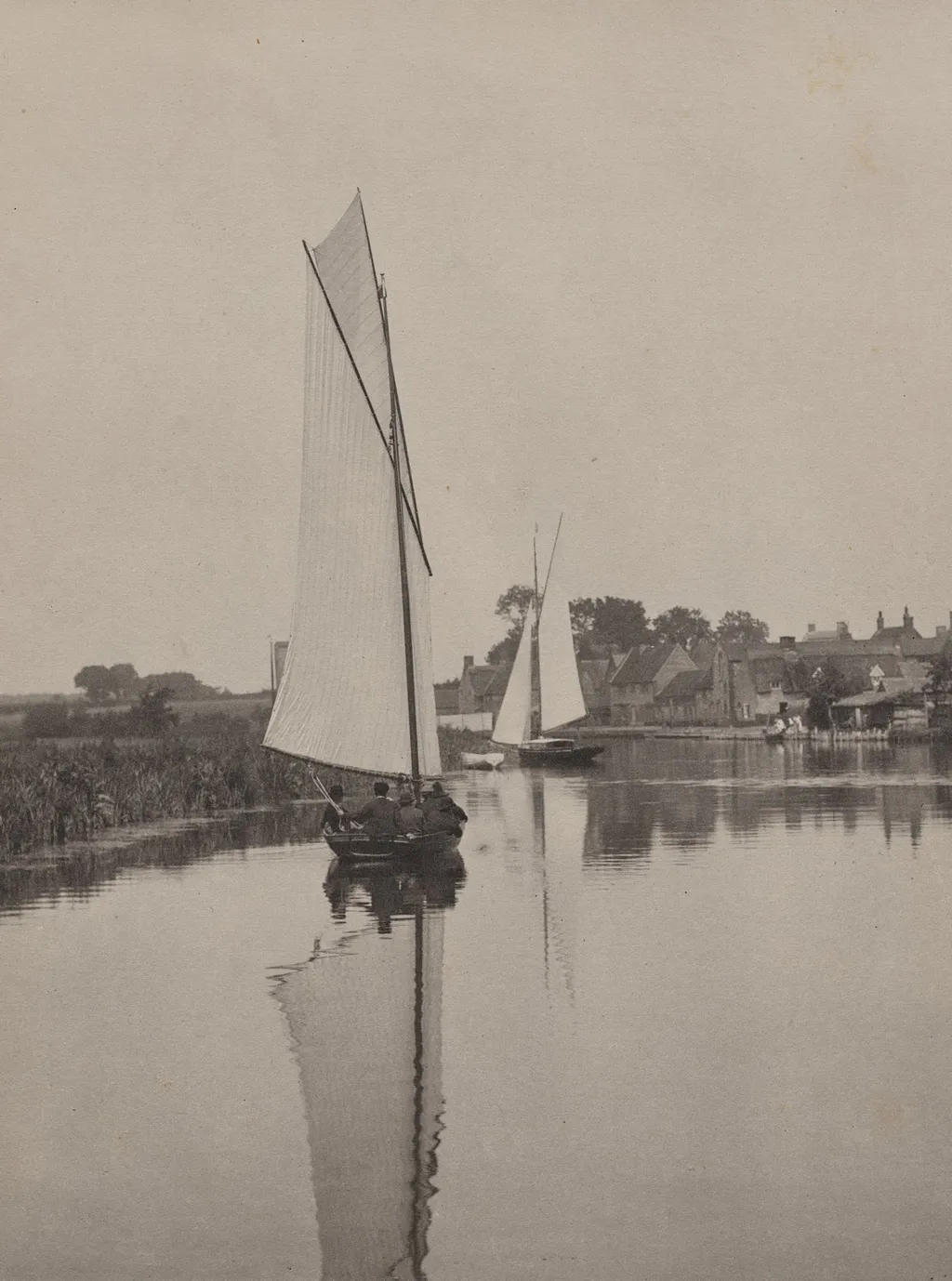
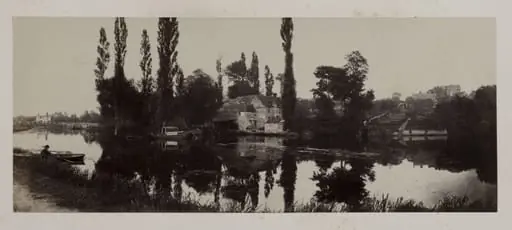
The Village of Horning is a photography by the Impressionist artist Peter Henry Emerson. It dates from 1886 and is held in the collection of the Cleveland Museum of Art.
About this work
Overview
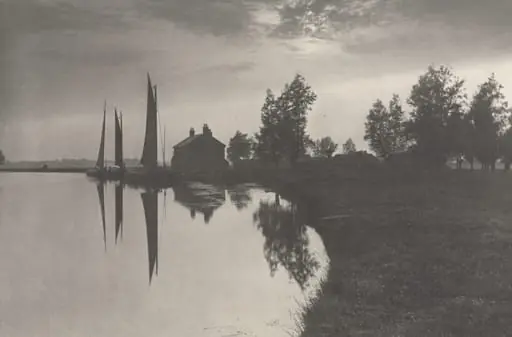
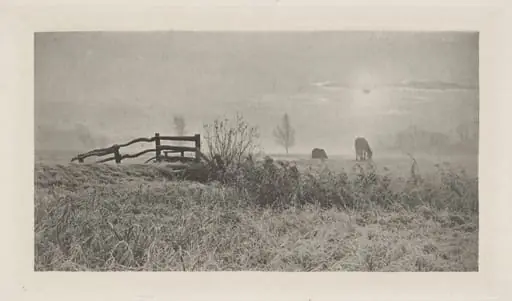
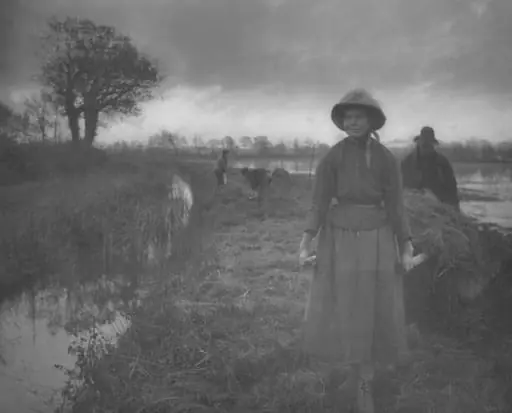
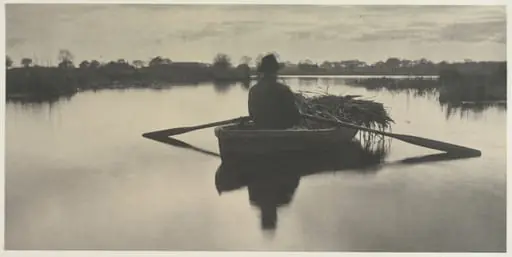
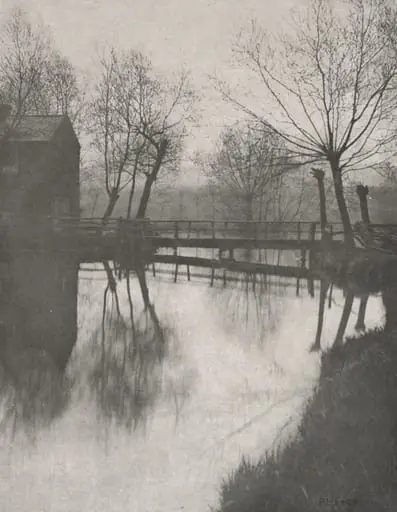
Taken in 1886, The Village of Horning is a photographic work by Peter Henry Emerson, capturing a quiet stretch of the River Bure in Norfolk, England.
Taken in 1886, The Village of Horning is a photographic work by Peter Henry Emerson, capturing a quiet stretch of the River Bure in Norfolk, England. The image presents a tranquil rural scene with two sailboats moving gently along the water, framed by trees and thatched cottages. Emerson’s approach emphasizes natural light and unposed moments, rejecting theatrical composition in favor of quiet observation.
Subject & Meaning
The scene depicts ordinary life in a small English village, with no grand narrative or staged drama. The presence of a few figures in the boats suggests daily activity—fishing, travel, or leisure—without drawing attention to itself. Emerson sought to honor the dignity of rural existence, portraying it not as idealized or romanticized, but as it was lived: unremarkable, serene, and deeply rooted in place.
Technique & Style
Emerson used a large-format camera and long exposures to capture fine detail and subtle tonal gradations. He favored natural lighting, allowing the soft reflections on water and the textures of thatch and bark to emerge organically. His composition avoids strong lines or focal points, instead guiding the eye through gentle rhythms of light, water, and foliage, aligning with his belief in photographic realism.
History & Provenance
The photograph was produced during Emerson’s most active period as a photographic artist, when he championed photography as a fine art form distinct from painting. It entered the collection of The Cleveland Museum of Art through documented acquisition, part of a broader effort in the 20th century to preserve early photographic works that documented rural England with documentary integrity.
Context
In the 1880s, Emerson was part of a movement advocating for photography’s legitimacy as an art form grounded in direct observation. He rejected the manipulated aesthetics of Pictorialism, instead promoting images that mirrored the unvarnished appearance of nature. Horning reflects his philosophical stance: art should arise from truth to the visible world, not from artistic convention.
Legacy
Emerson’s work, including The Village of Horning, influenced later documentary photographers by demonstrating how everyday scenes could carry visual and emotional weight without embellishment. Though his theories evolved and he eventually abandoned photography, his early images remain important for their commitment to realism and their quiet resistance to the artificiality prevalent in 19th-century visual culture.
Artist & collection

Artist
Peter Henry Emerson was a British writer and photographer. His photographs are early examples of promoting straight photography as an art form. He is known for taking photographs that displayed rural settings and for…