Artwork
Marsh Weeds
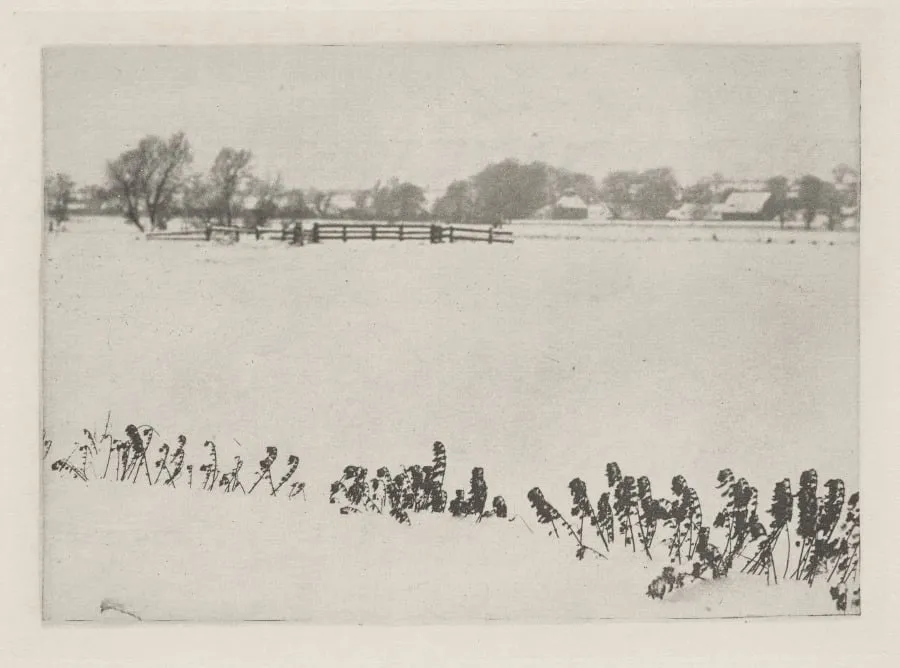
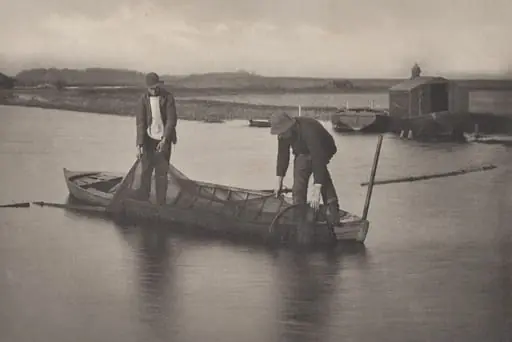
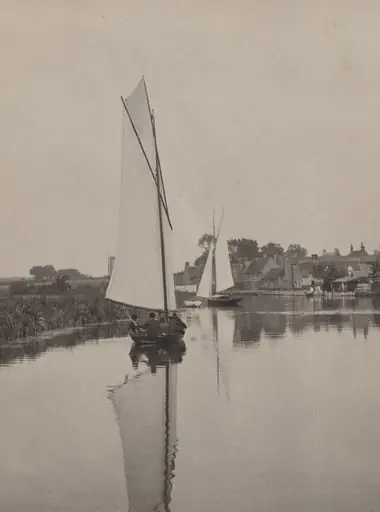
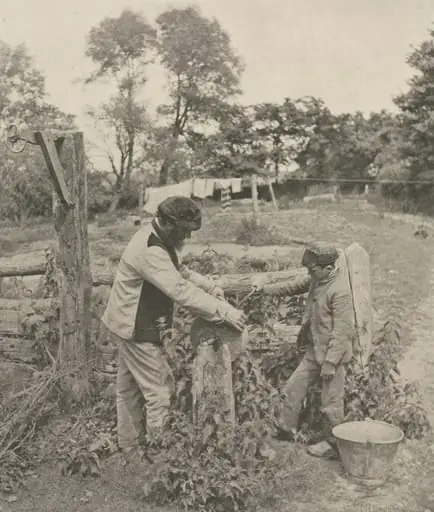
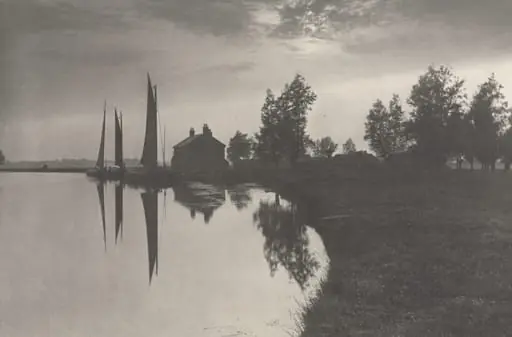
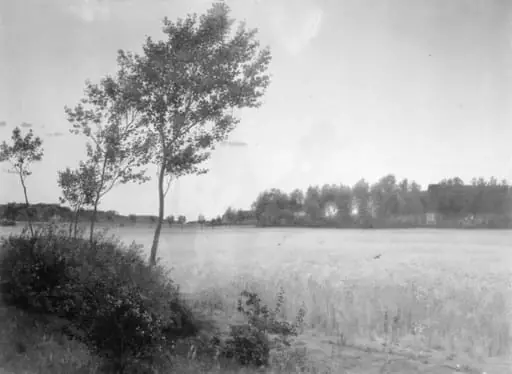
Marsh Weeds is a photography by the Impressionist artist Peter Henry Emerson. It dates from 1891 and is held in the collection of the Cleveland Museum of Art.
About this work
He was inspired by the loose brushwork in Whistler’s art, and he wanted photos to be seen as creative, not just records.
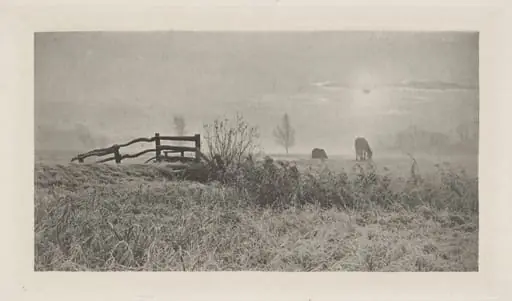
You see tall marsh grasses bending in the wind, fading into a soft, misty sky. The image is blurry in places, like a memory. Light and shadow blend into a quiet, moody landscape.
This photo was made with a special printing method that gave it a painterly look. Emerson once believed photos should show life exactly as it is. Later, he changed his mind and started making images that felt more emotional and artistic, like paintings.
He was inspired by the loose brushwork in Whistler’s art, and he wanted photos to be seen as creative, not just records. His shift helped other photographers try more expressive styles.
Look up the artist: Peter Henry Emerson (British, 1856–1936).
(Word count: 108)
Overview
Peter Henry Emerson’s photograph Marsh Weeds, created in his later career, marks a departure from his earlier commitment to photographic realism. Here, he embraces a softer, more interpretive approach, using techniques that mimic the tonal subtleties of painting. The image avoids sharp detail, instead favoring atmospheric blur and muted contrasts to evoke mood over documentation.
Subject & Meaning
The scene depicts tall, wind-swept marsh grasses dissolving into a hazy, overcast sky. Rather than documenting a specific location with precision, Emerson conveys a sense of quiet transience. The blurred forms suggest movement and impermanence, inviting contemplation rather than observation. The work reflects a shift from recording nature to interpreting its emotional resonance.
Technique & Style
Emerson employed a printing process that softened edges and blended light and shadow, yielding a painterly surface. The technique deliberately sacrificed sharpness, echoing the brushwork of Whistler and the tonal harmonies of Japanese prints. This method aligned with his evolving belief that photography could express feeling, not merely replicate reality, positioning it closer to artistic expression than mechanical reproduction.
History & Provenance
Created in the 1890s, this work emerged after Emerson publicly rejected his earlier advocacy for pure photographic realism. His personal connection with James McNeill Whistler and exposure to Japanese aesthetics influenced this stylistic turn. The photograph was part of a broader effort to redefine photography’s role in art, contributing to the rise of Pictorialism as a recognized movement.
Context
At the time, photography was largely seen as a scientific or documentary tool. Emerson’s late works challenged this view by aligning photographic practice with the aesthetic values of contemporary painting. His writings and images argued that artistic intent, not technical accuracy, should define photographic merit, placing him at the center of debates over photography’s place in fine art.
Legacy
Marsh Weeds exemplifies Emerson’s pivotal role in transitioning photography from documentation to expression. His embrace of soft focus and emotional tone influenced a generation of Pictorialist photographers who sought to elevate the medium through artistic manipulation. Though his theories later fell out of favor, his early advocacy helped secure photography’s legitimacy within the fine arts.
Artist & collection

Artist
Peter Henry Emerson was a British writer and photographer. His photographs are early examples of promoting straight photography as an art form. He is known for taking photographs that displayed rural settings and for…