Artwork
Ann Lee (b.c.1635), Wife of Sir Henry Lee of Ditchley
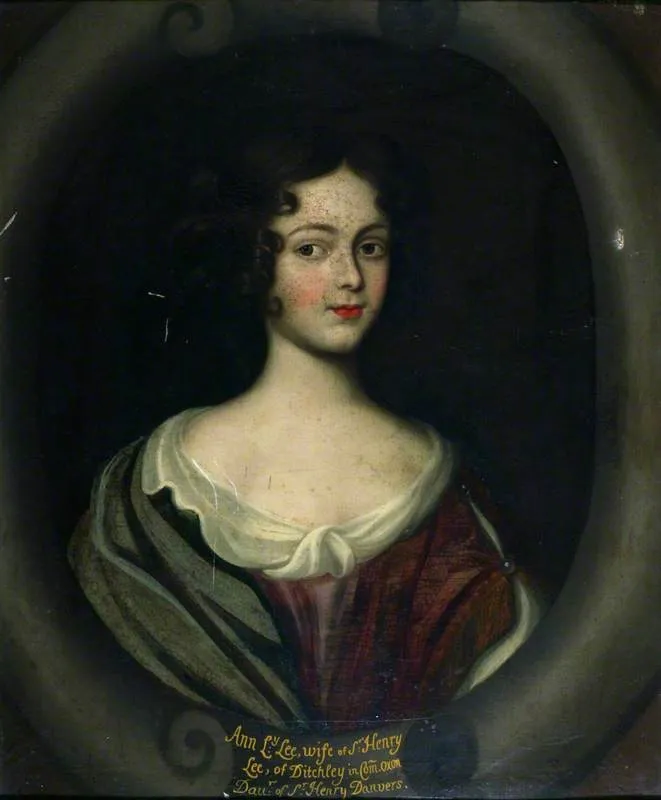
Ann Lee (b.c.1635), Wife of Sir Henry Lee of Ditchley is an oil painting by the Barbizon school artist Peter Lely. It dates from 1659 and is held in the collection of the Victoria and Albert Museum.
About this work
Overview
Created around 1659, this oil portrait by Sir Peter Lely shows Ann Lee, born circa 1635, the wife of Sir Henry Lee of Ditchley. The work is part of the Victoria and Albert Museum’s collection and exemplifies Lely’s mature period as England’s foremost court portraitist.
Subject & Meaning
Ann Lee is presented in a red gown with a white collar, her dark, curly hair framing a composed, serene face. The direct gaze engages the viewer, suggesting both personal dignity and the social status of a gentry wife in mid‑17th‑century England.
Technique & Style
Lely employs oil on canvas with pronounced chiaroscuro, using a dark background to model the figure’s features and give depth to the folds of the dress. The handling of light highlights the texture of the fabric and the subtle expression on the sitter’s face.
History & Provenance
The portrait was painted during Lely’s ascent to dominance in English portraiture after his relocation from the Netherlands. It entered the Victoria and Albert Museum’s holdings in the 20th century, where it remains on display as part of the museum’s portrait collection.
Context
At the time of its execution, Lely was consolidating his reputation among the royal court and aristocracy, supplying images that combined naturalistic detail with the elegance expected by his patrons. The painting reflects the conventions of English portraiture in the Commonwealth and early Restoration periods.
Artist & collection
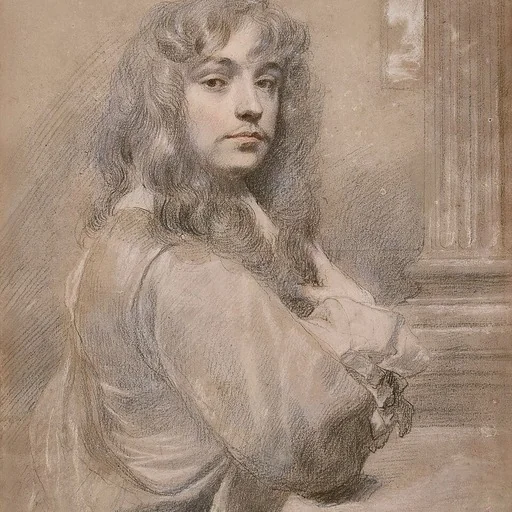
Artist
Sir Peter Lely (Dutch: ; 14 September 1618 – 30 November 1680) was a painter of Dutch origin whose career was nearly all spent in England, where he became the dominant portrait painter to the court.

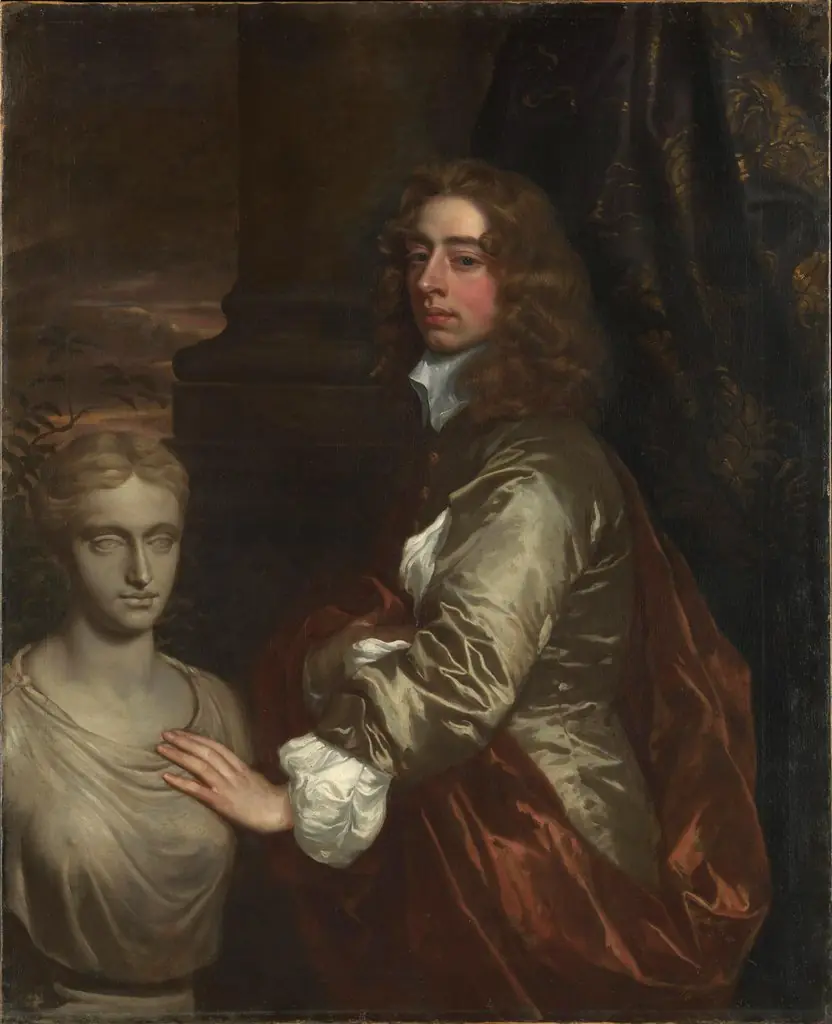 Sir Henry Capel (1638–1696)
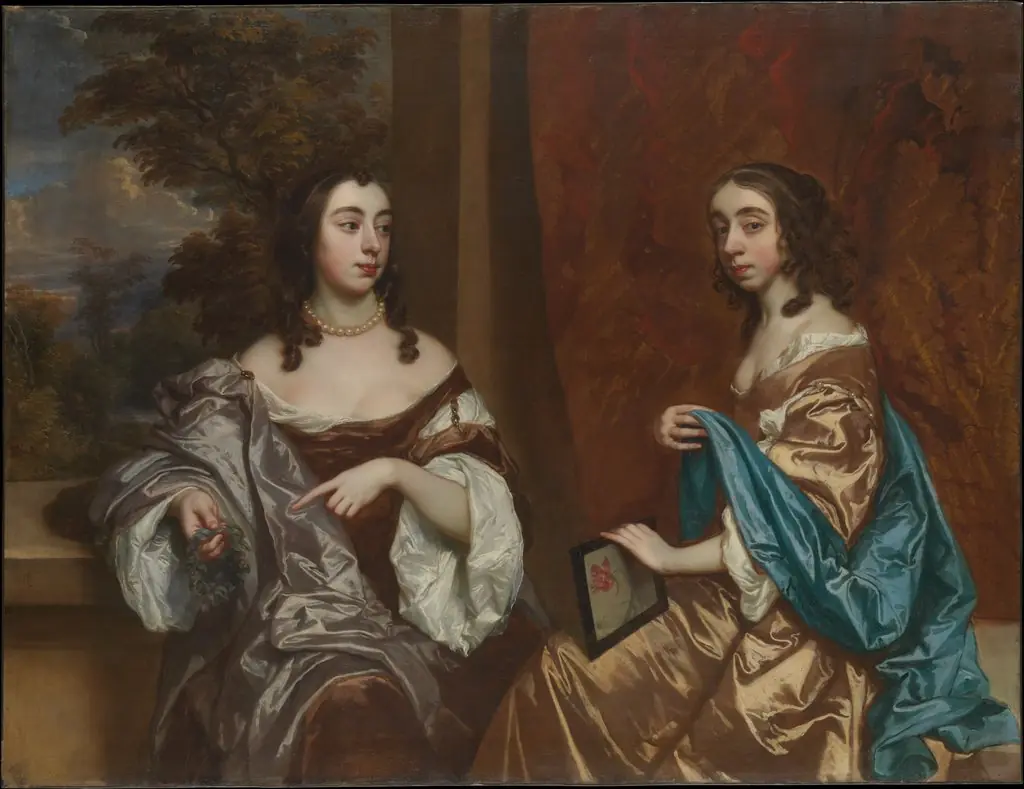 Mary Capel (1630–1715), Later Duchess of Beaufort, and Her Sister Elizabeth (1633–1678), Countess of Carnarvon
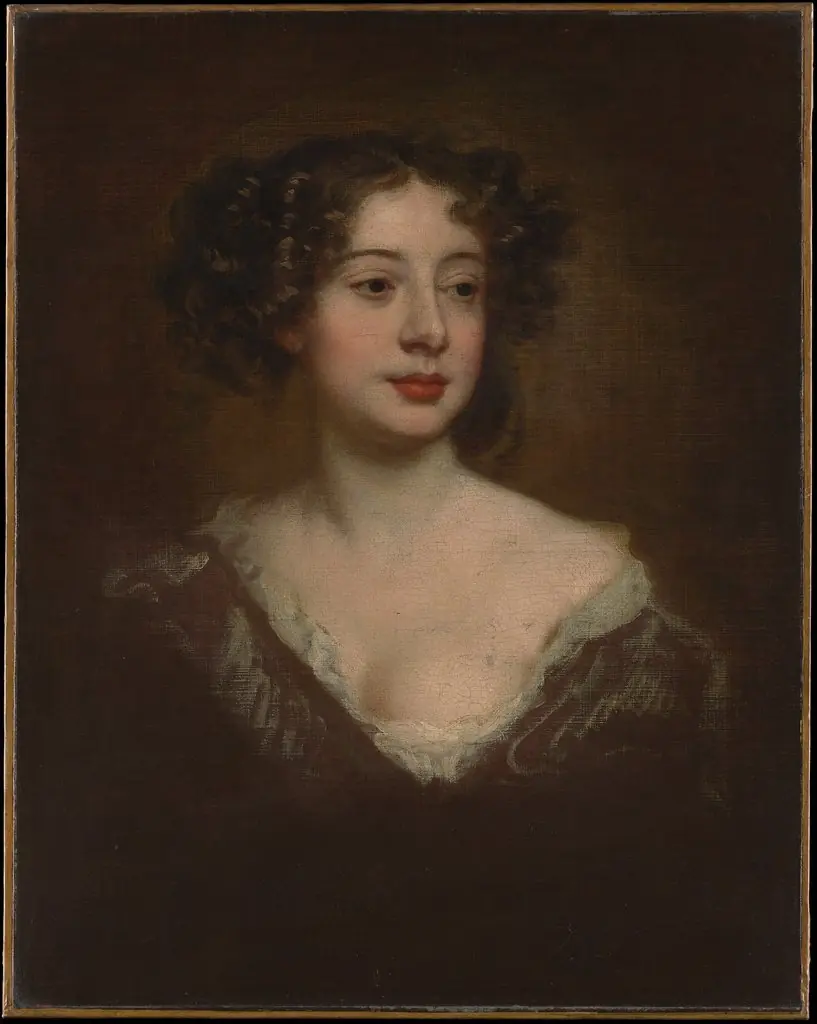 Study for a Portrait of a Woman
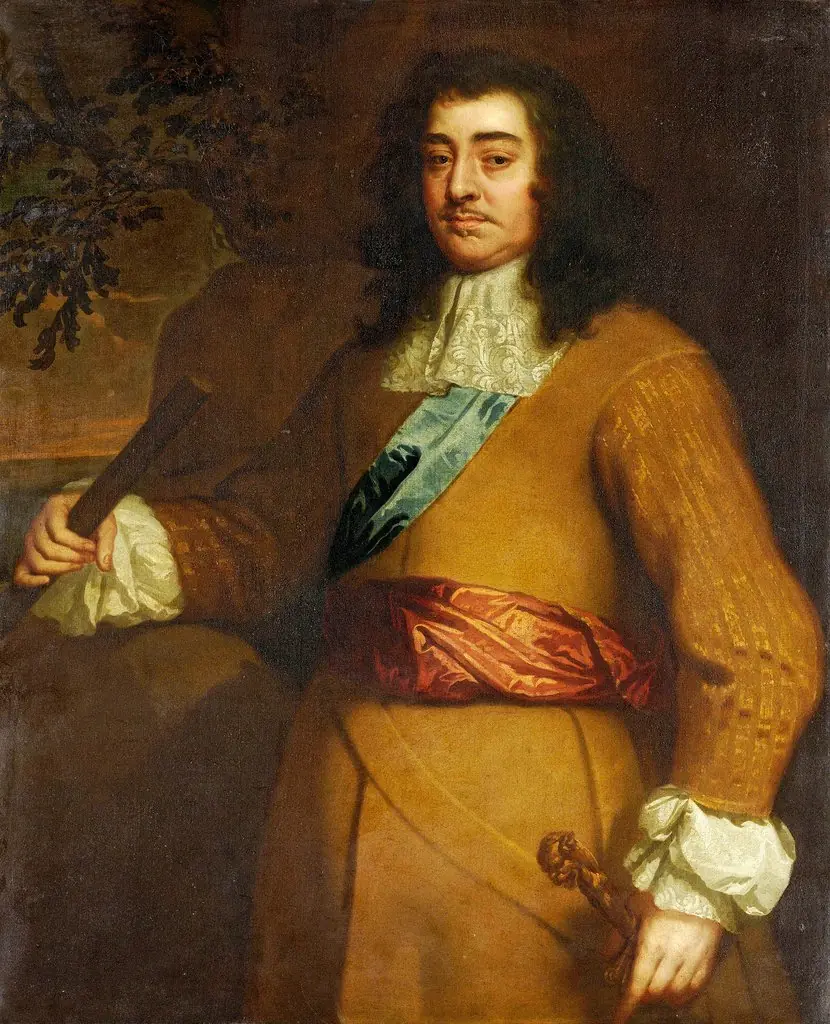 Portrait of George Monck, 1st Duke of Albemarle, English Admiral and Statesman
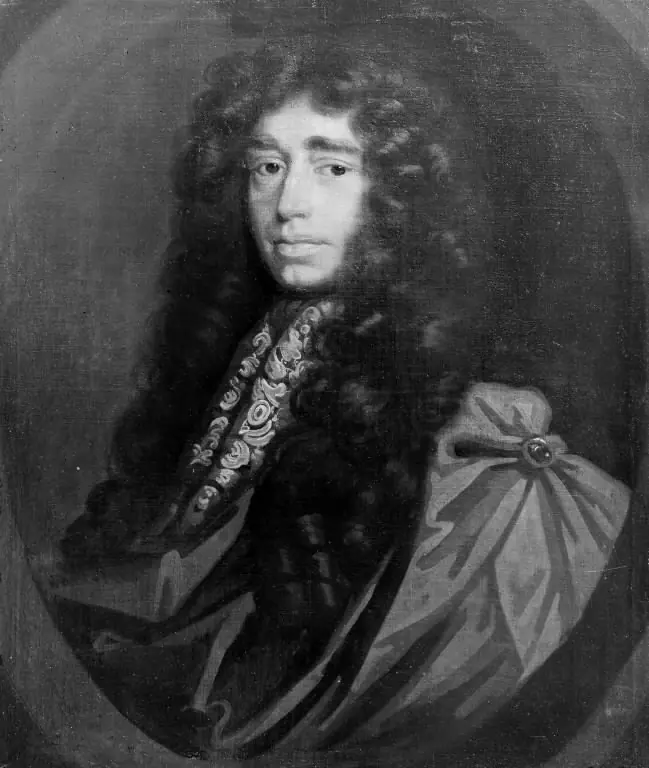 Portrait of a Man
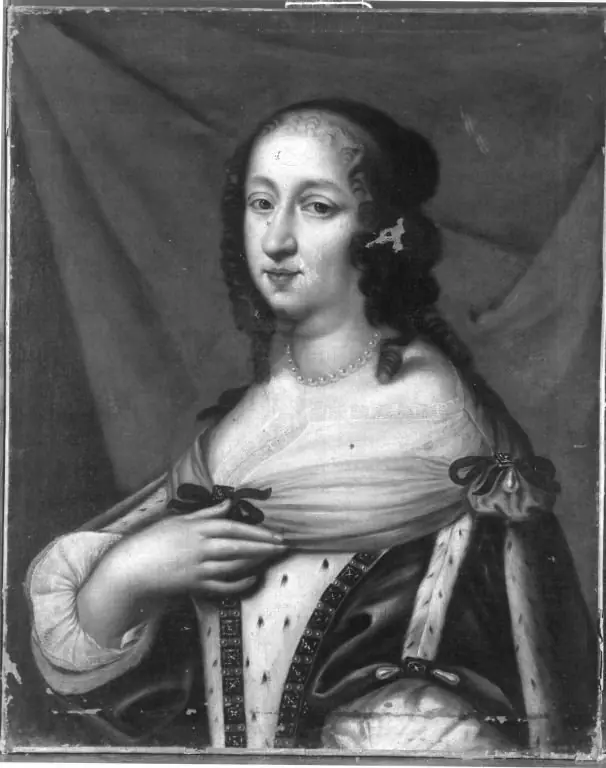 Portrait of a Woman
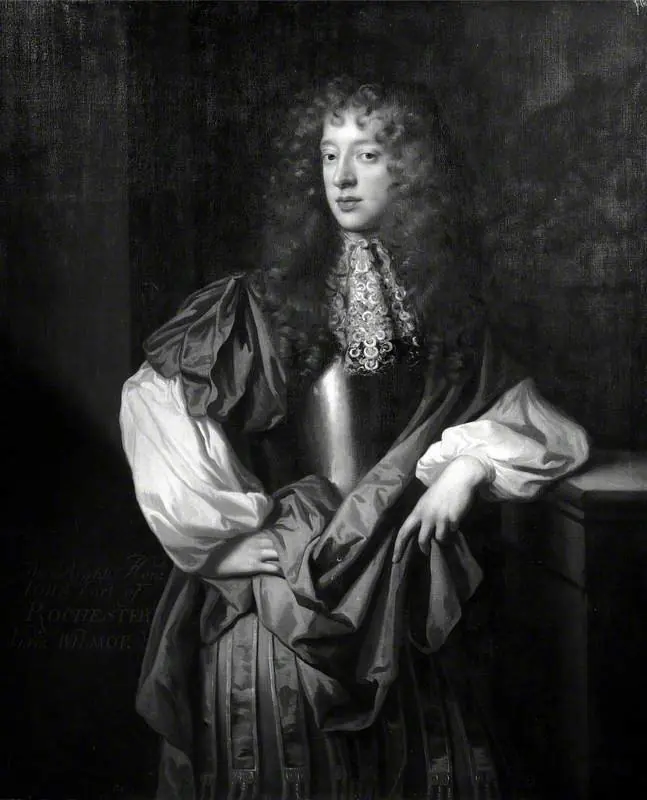 John Wilmot (1647–1680), 2nd Earl of Rochester
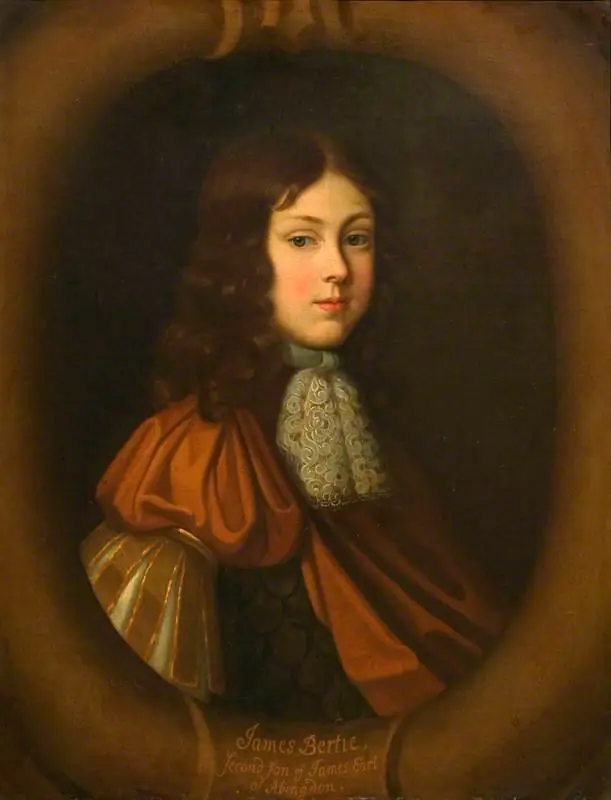 James Bertie (1653–1699), 2nd Son of James, Earl of Abingdon
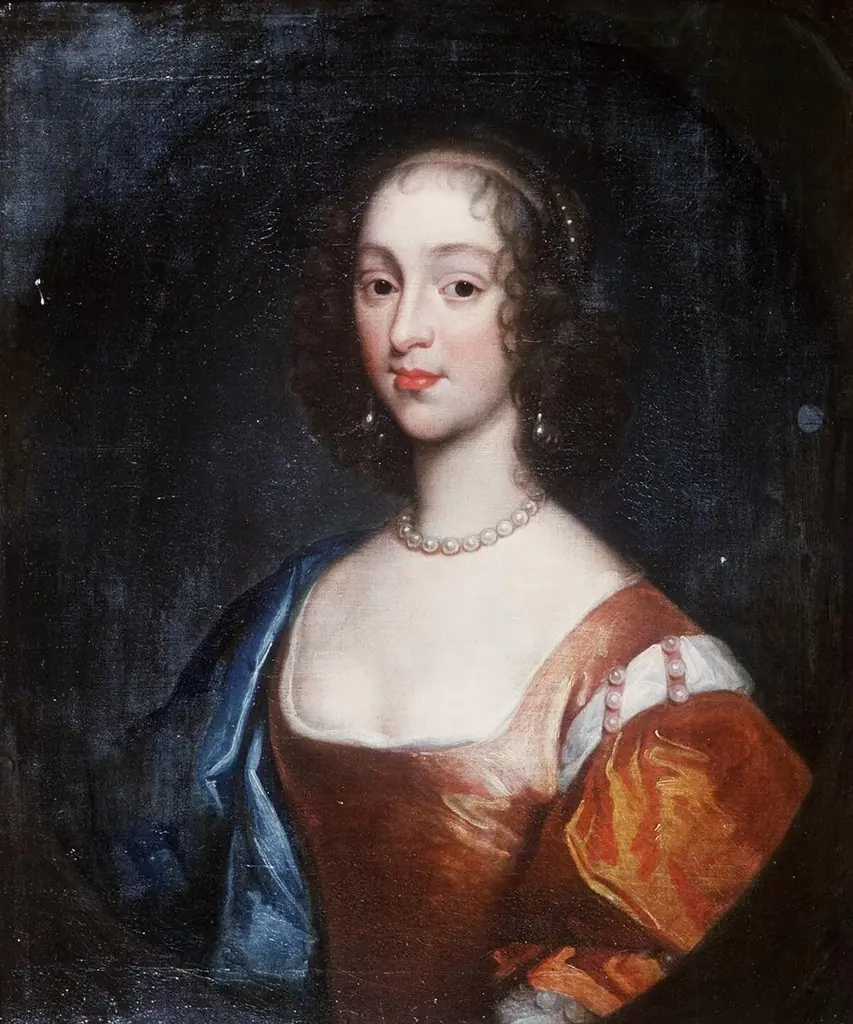 Wife of David Lloyd
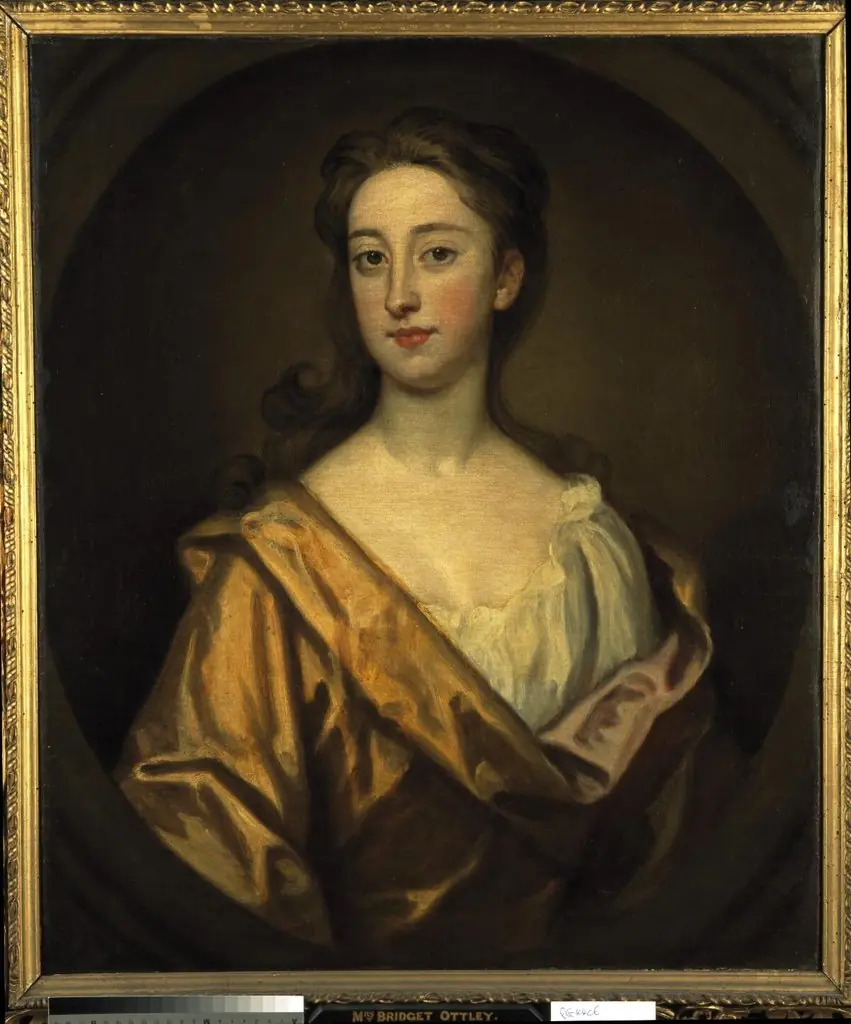 Mrs. Bridget Ottley
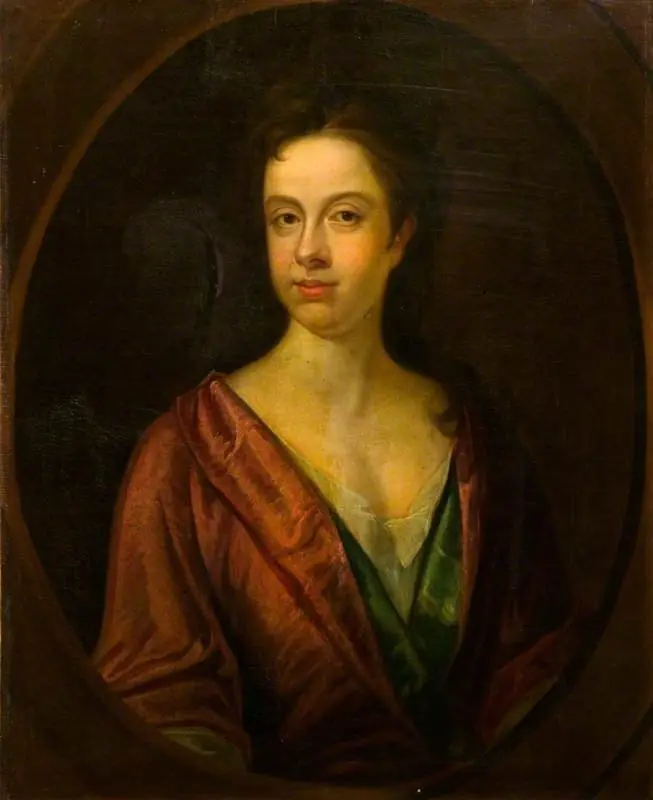 Mrs Church
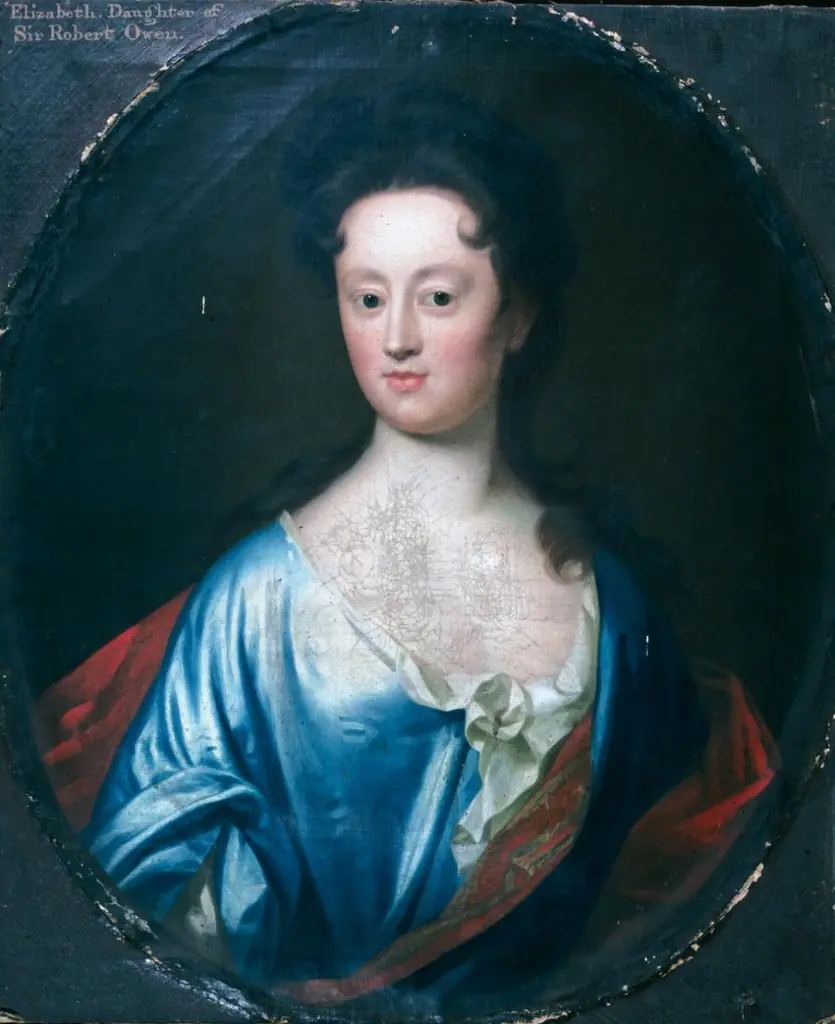 Elizabeth, daughter of Sir Robert Owen
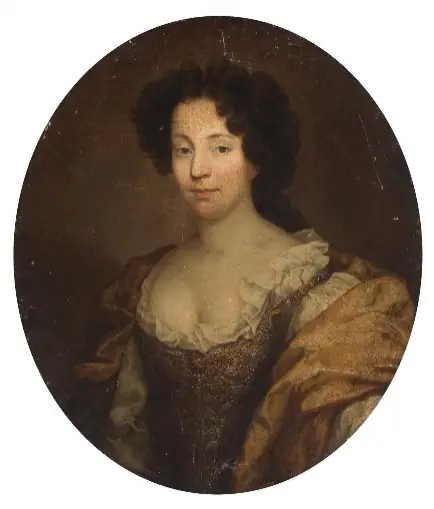 Portrait of a Lady
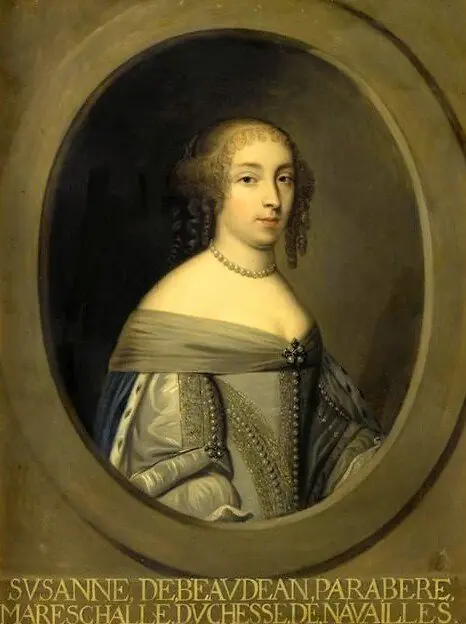 Portrait of Susanne de Baudéan (1625-1700)
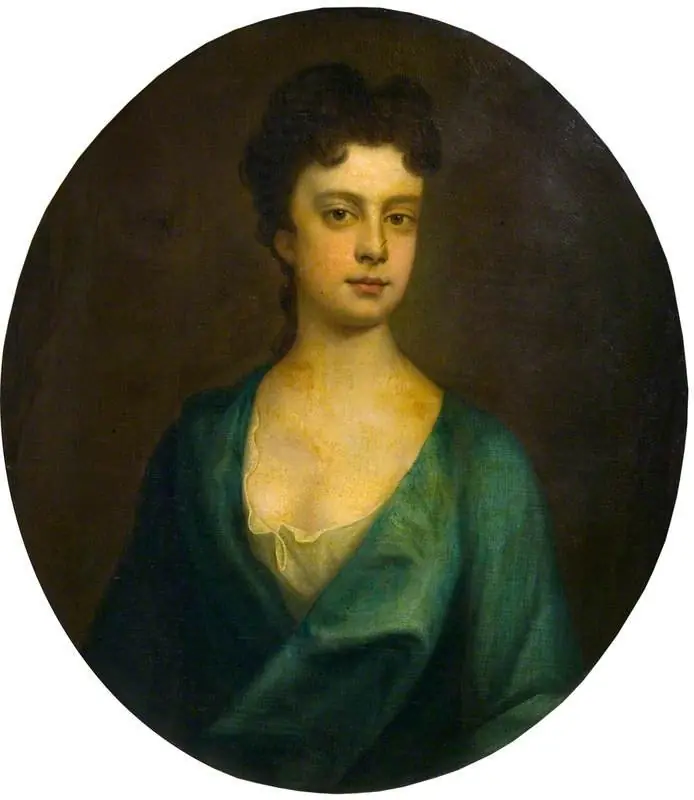 Portrait of a Lady
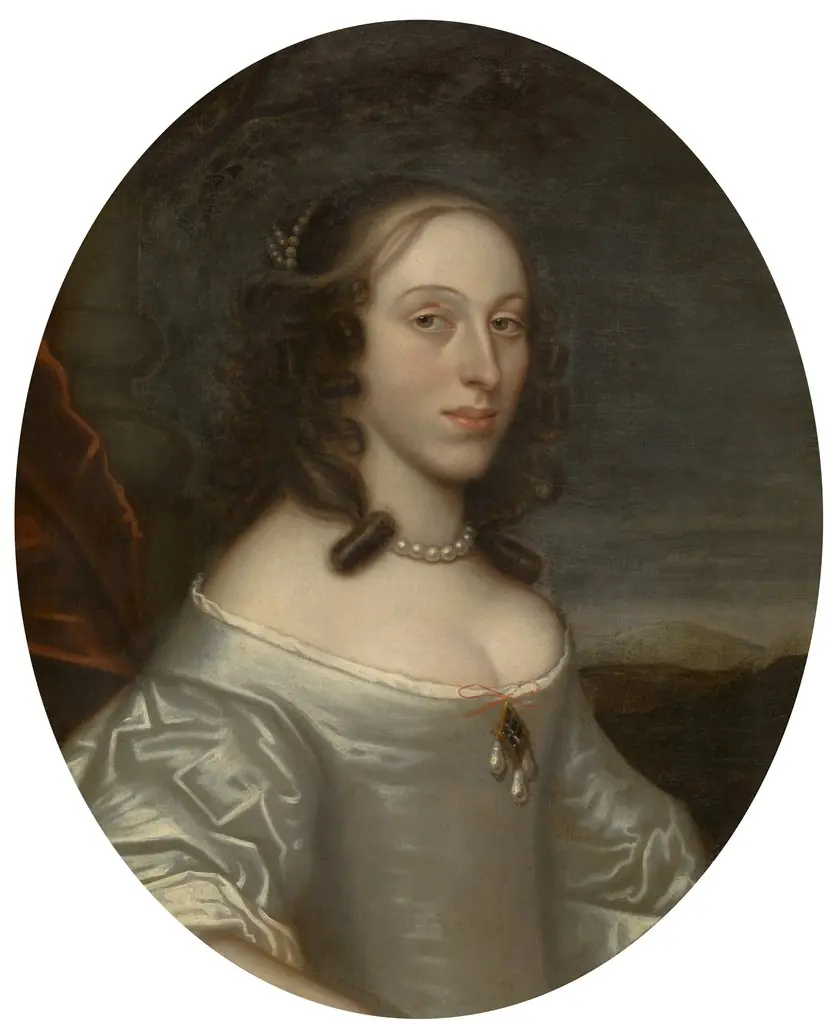 Portrait of a Woman
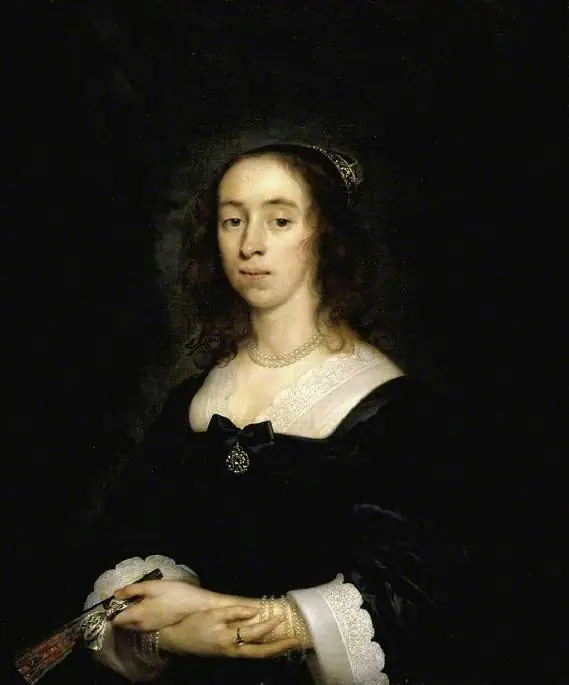 Unknown Lady
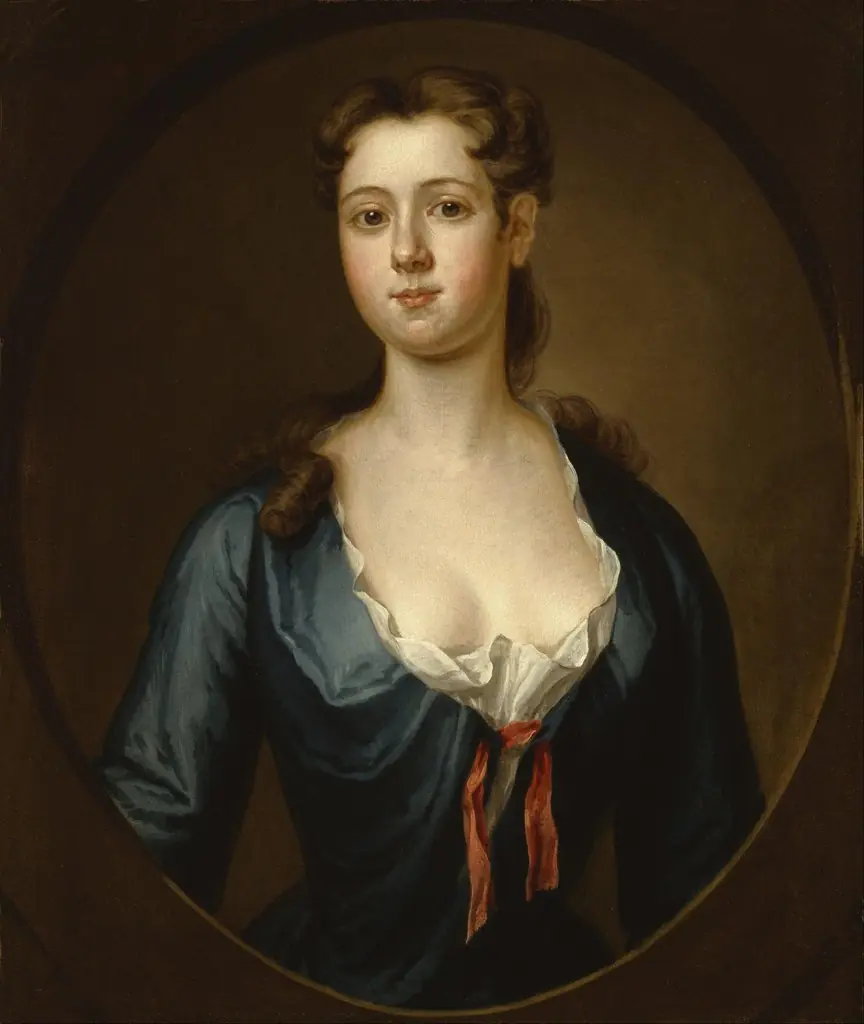 Portrait of Mary Pemberton (1717–1763)
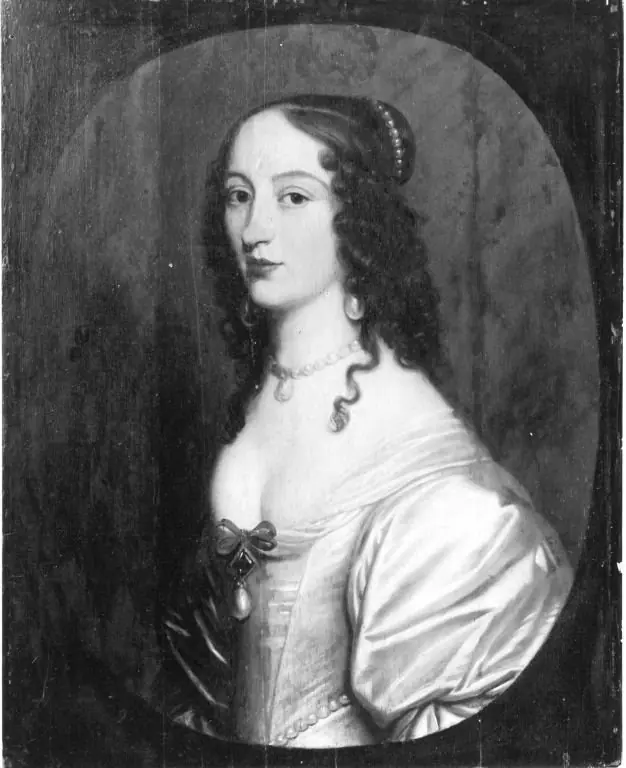 portrait of Maria Magdalena von Nassau-Siegen
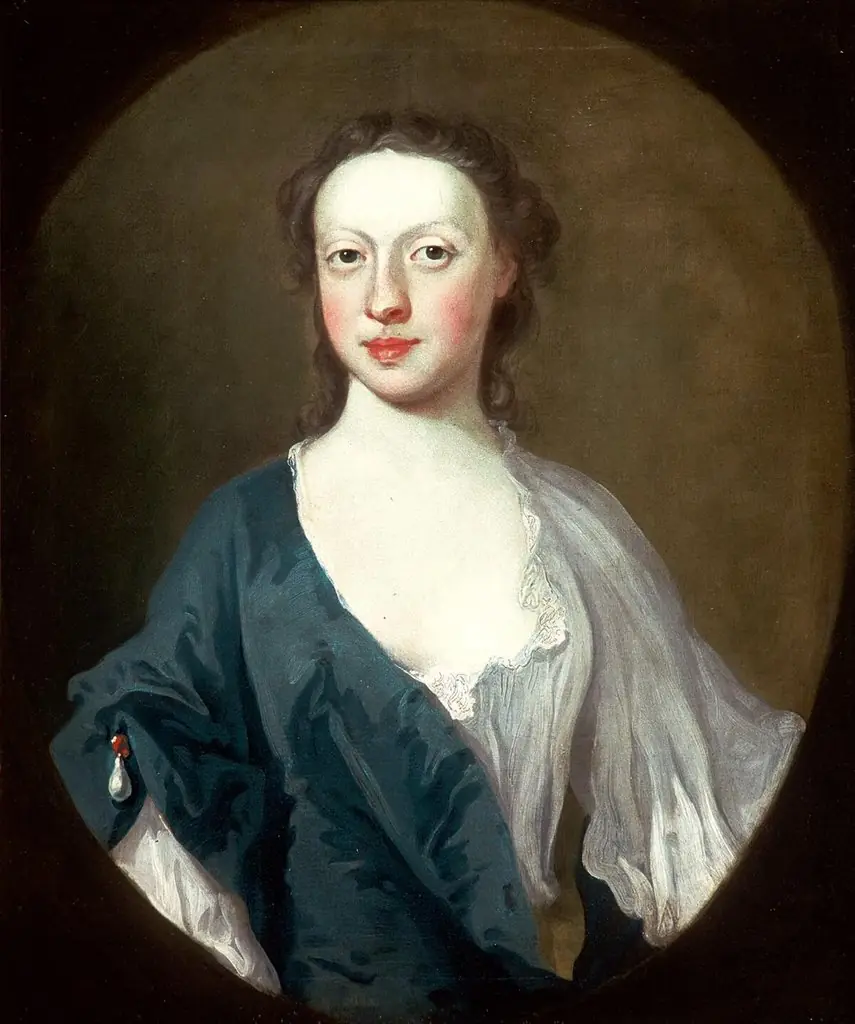 Ann Lloyd of Bryn Lluarth, Denbighshire