Artwork
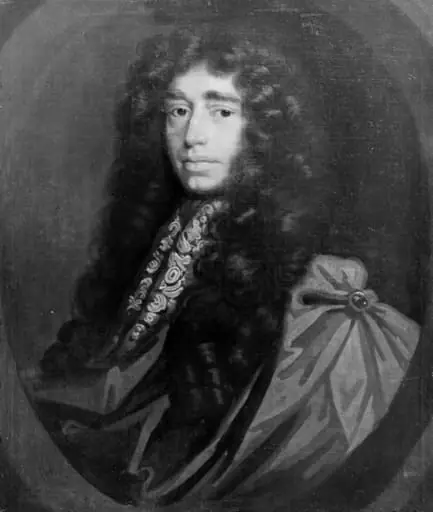
Portrait of a Man
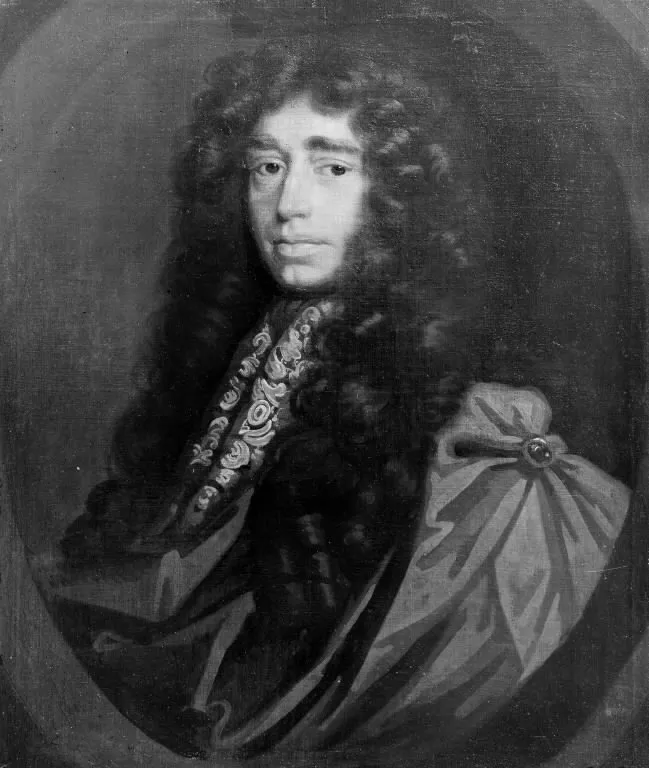
Portrait of a Man is an oil painting by the Flemish Baroque painting artist Peter Lely. It dates from 1656 and is held in the collection of the Statens Museum for Kunst. Created in 1656, this oil portrait presents a solitary gentleman rendered in monochrome tones.
About this work
Overview
Created in 1656, this oil portrait presents a solitary gentleman rendered in monochrome tones. He is depicted with tightly curled hair, a solemn gaze, and attire that includes a dark coat trimmed with elaborate gold lace on the cuffs and a ruffled sleeve fastened by a bow. The figure stands before an unadorned dark backdrop, which concentrates attention on his features and clothing.
Subject & Meaning
The sitter’s serious expression and richly detailed dress convey a sense of personal dignity and social standing typical of mid‑seventeenth‑century portraiture. The conspicuous gold lace, painted with fine precision, serves as a visual indicator of wealth and rank, while the plain background removes narrative distraction, allowing the viewer to focus on the individual’s character.
Technique & Style
Executed in oil, the work reflects the Flemish Baroque tradition through its meticulous realism and subtle handling of light and shadow. The artist employs chiaroscuro to model the face and fabric, allowing the lace’s intricate patterns to catch highlights that suggest texture and material quality. The overall effect balances detailed surface treatment with a restrained compositional space.
History & Provenance
The portrait was painted by Peter Lely, a Dutch‑born artist who spent the bulk of his career in England and became the foremost portraitist to the English court. By the time of this painting, Lely had already secured his reputation, later receiving a knighthood from Charles II in 1680. The canvas is presently part of the collection of the Statens Museum for Kunst.
Artist & collection
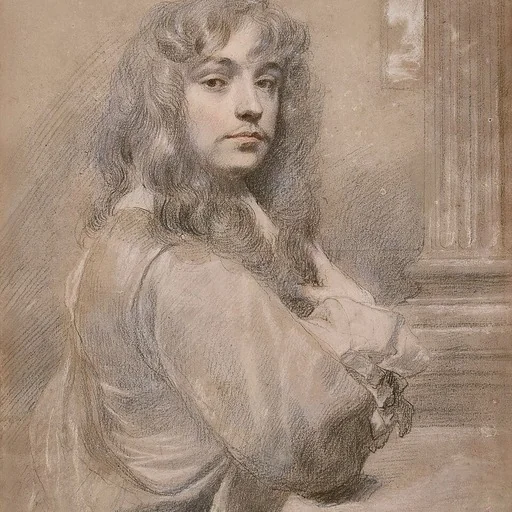
Artist
Sir Peter Lely (Dutch: ; 14 September 1618 – 30 November 1680) was a painter of Dutch origin whose career was nearly all spent in England, where he became the dominant portrait painter to the court.

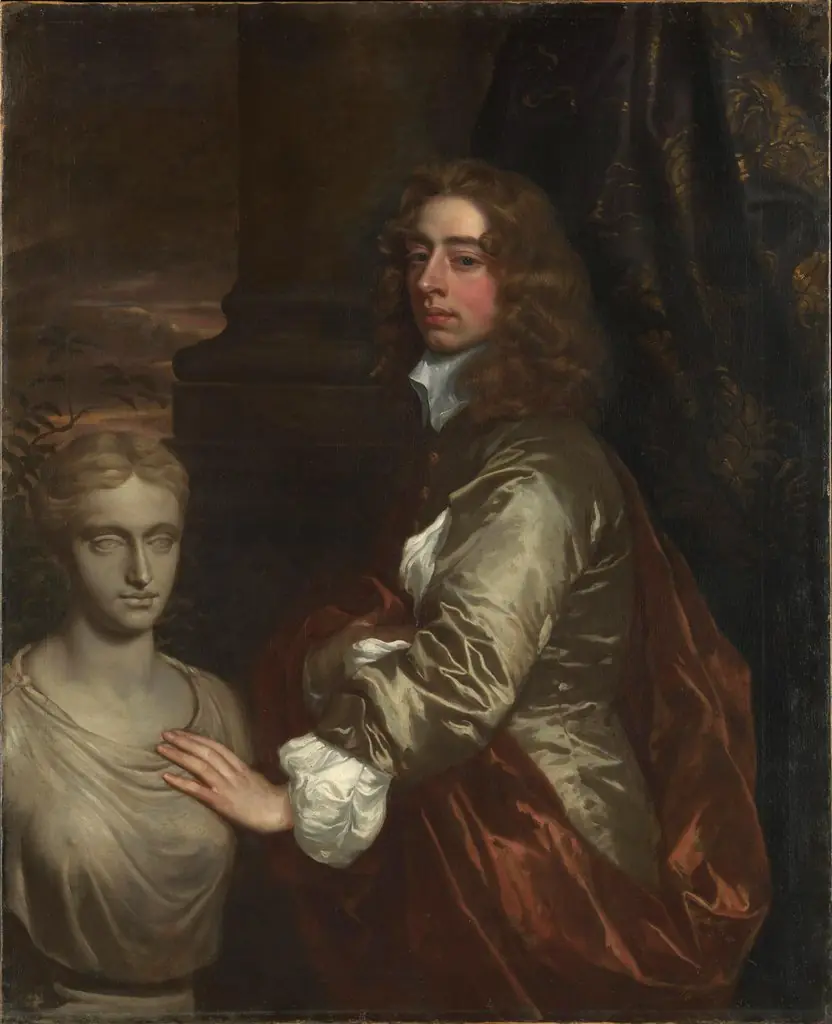 Sir Henry Capel (1638–1696)
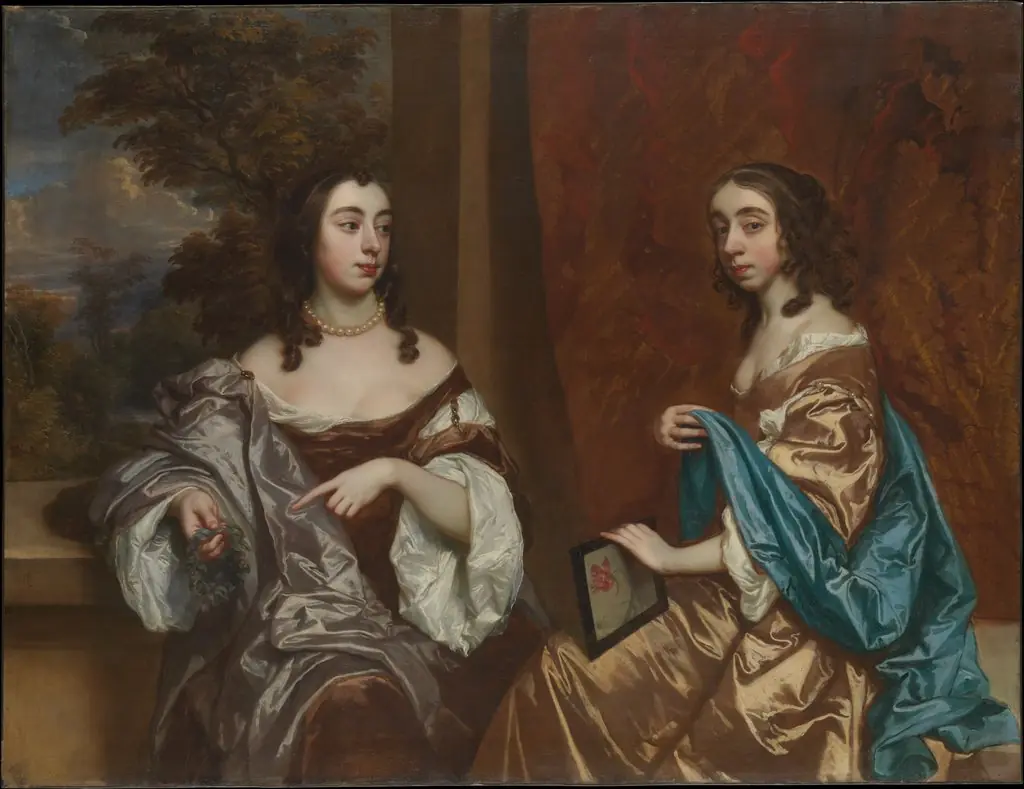 Mary Capel (1630–1715), Later Duchess of Beaufort, and Her Sister Elizabeth (1633–1678), Countess of Carnarvon
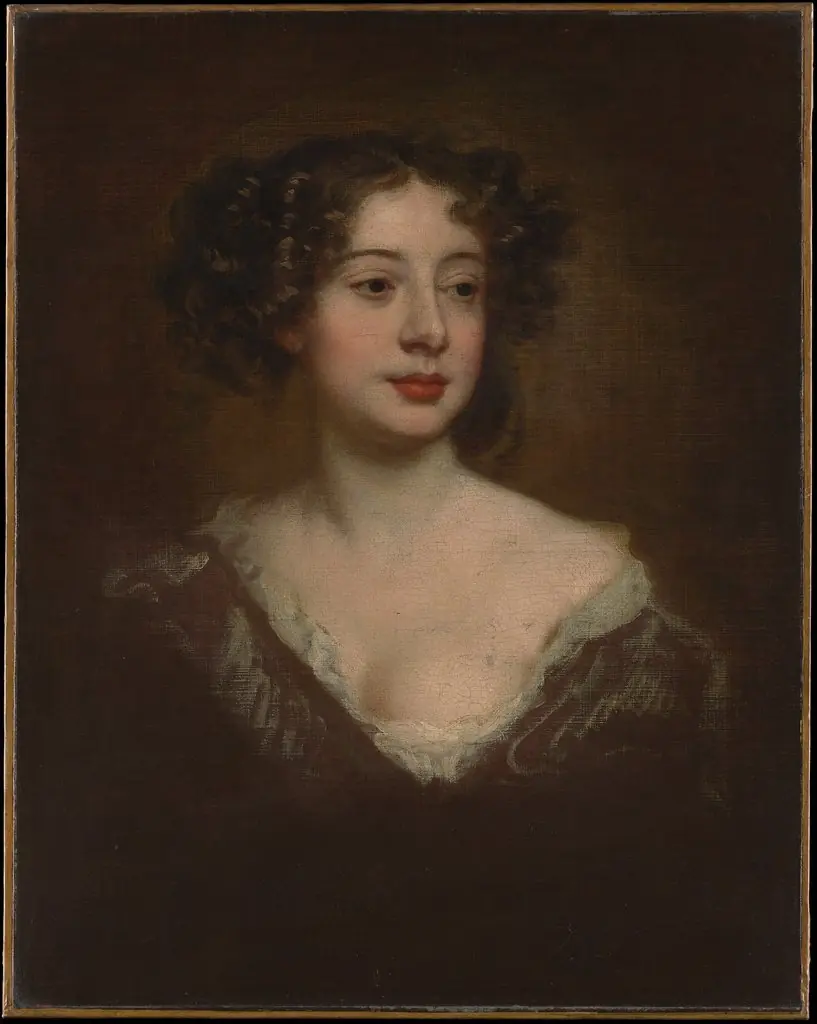 Study for a Portrait of a Woman
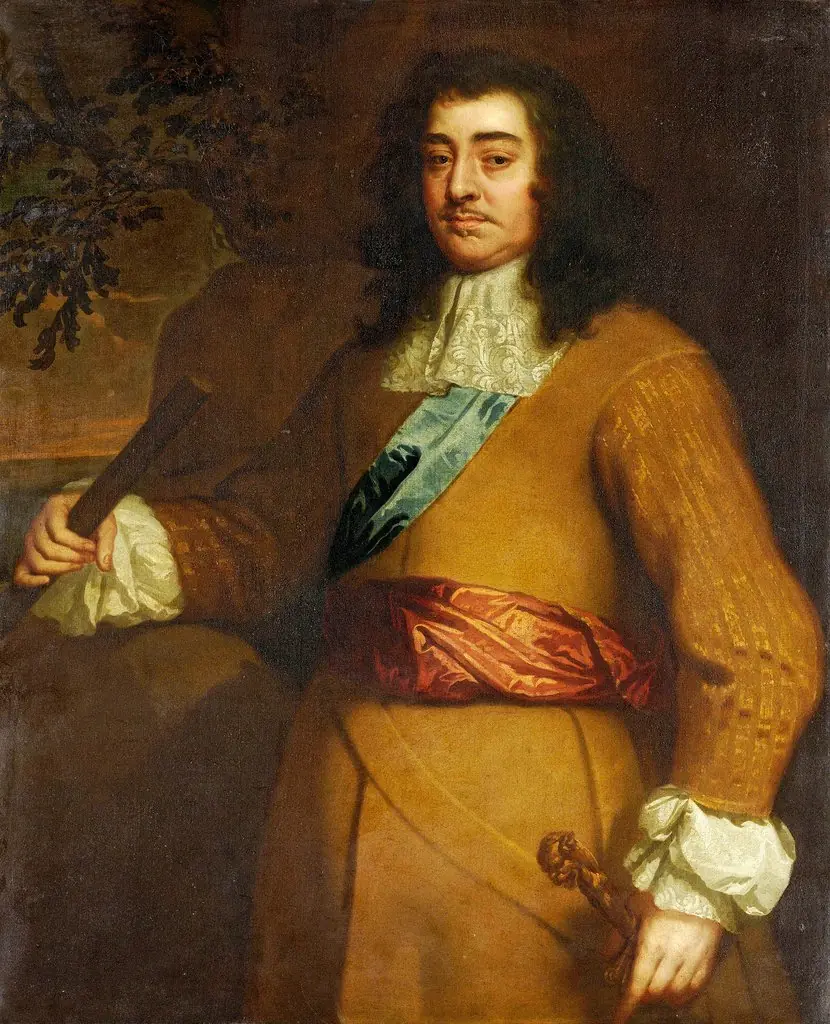 Portrait of George Monck, 1st Duke of Albemarle, English Admiral and Statesman
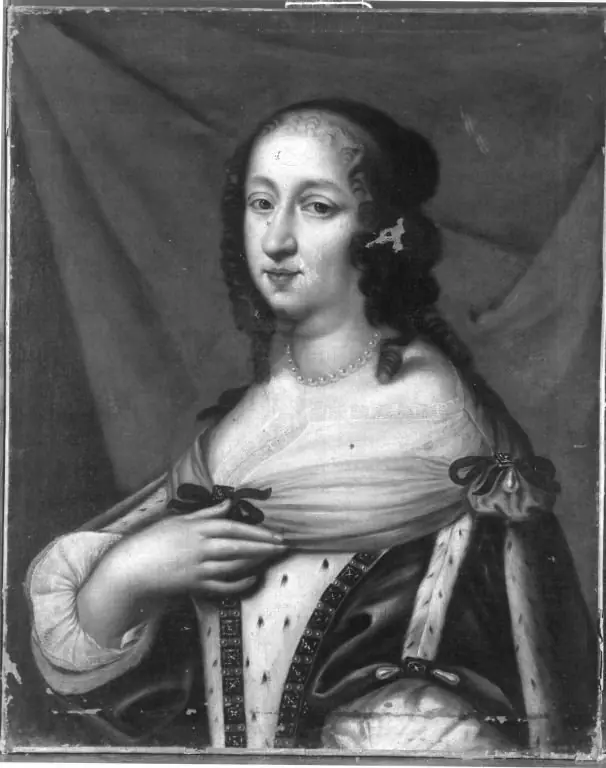 Portrait of a Woman
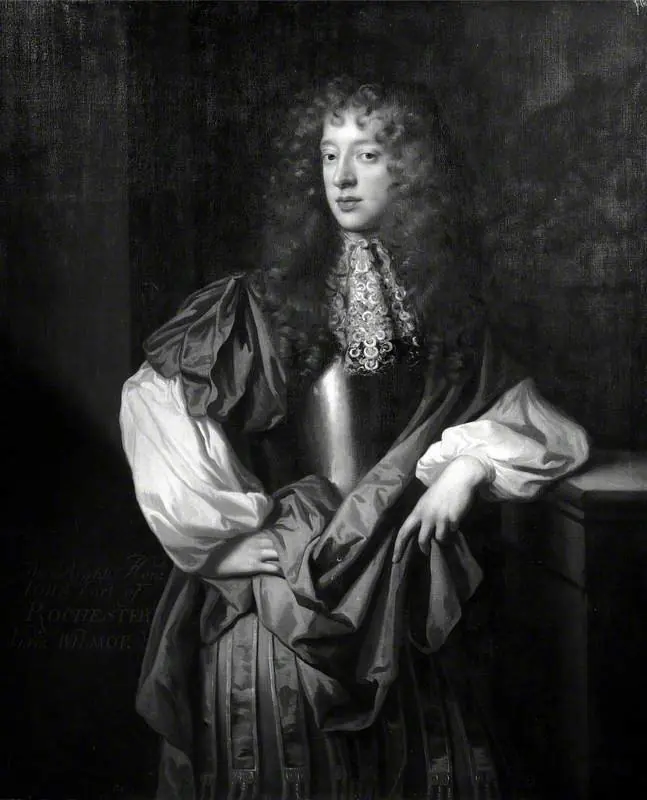 John Wilmot (1647–1680), 2nd Earl of Rochester
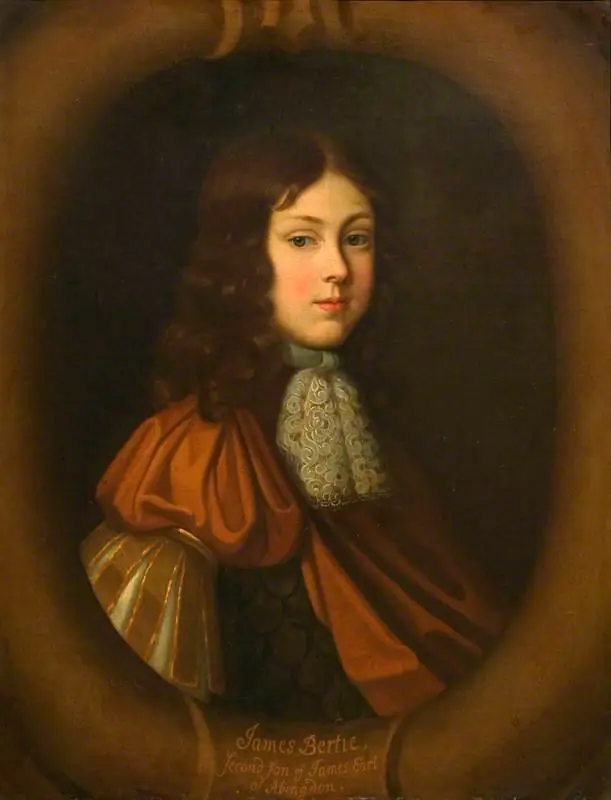 James Bertie (1653–1699), 2nd Son of James, Earl of Abingdon
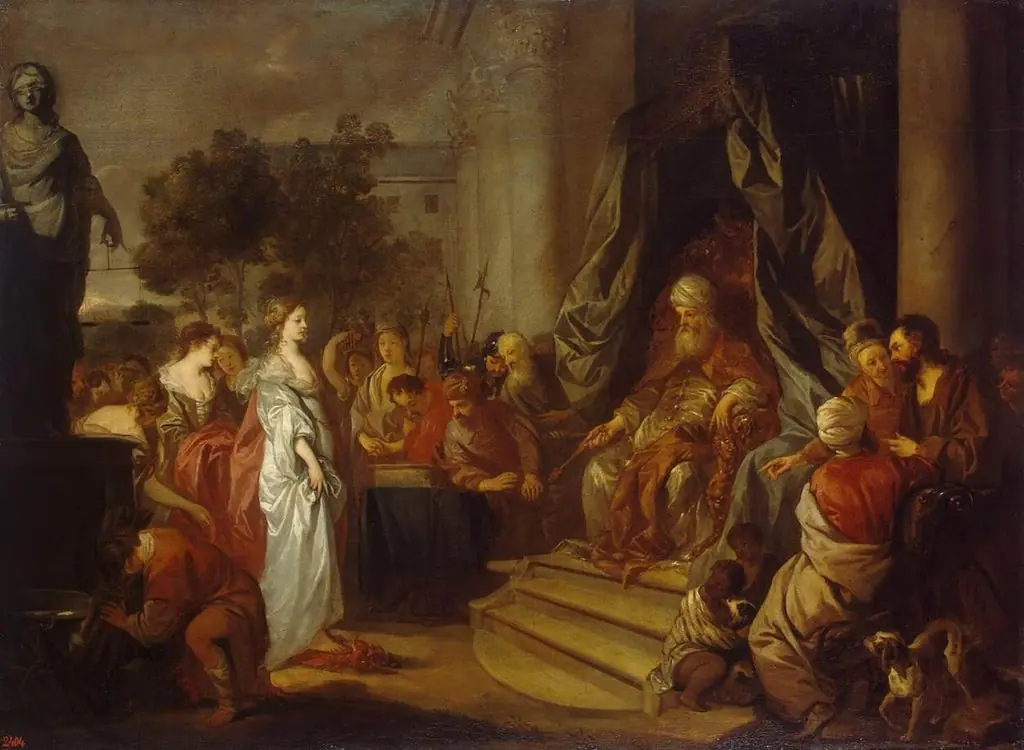 Historical Scene
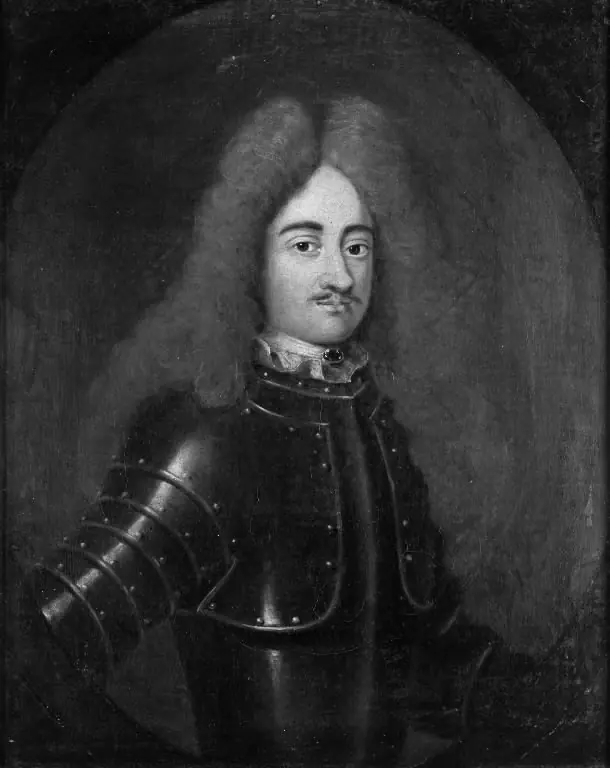 Portrait of a Man
 Portrait of a Man
 Bildnis eines jungen Mannes (Werkstatt)
 Portrait of a Man in a Brown Coat
 Pierre Seguier, Marquis de Saint-Brisson
 François-Henri de Rougé, marquis du Plessis-Bellière, maréchal de camp (1651-1692)
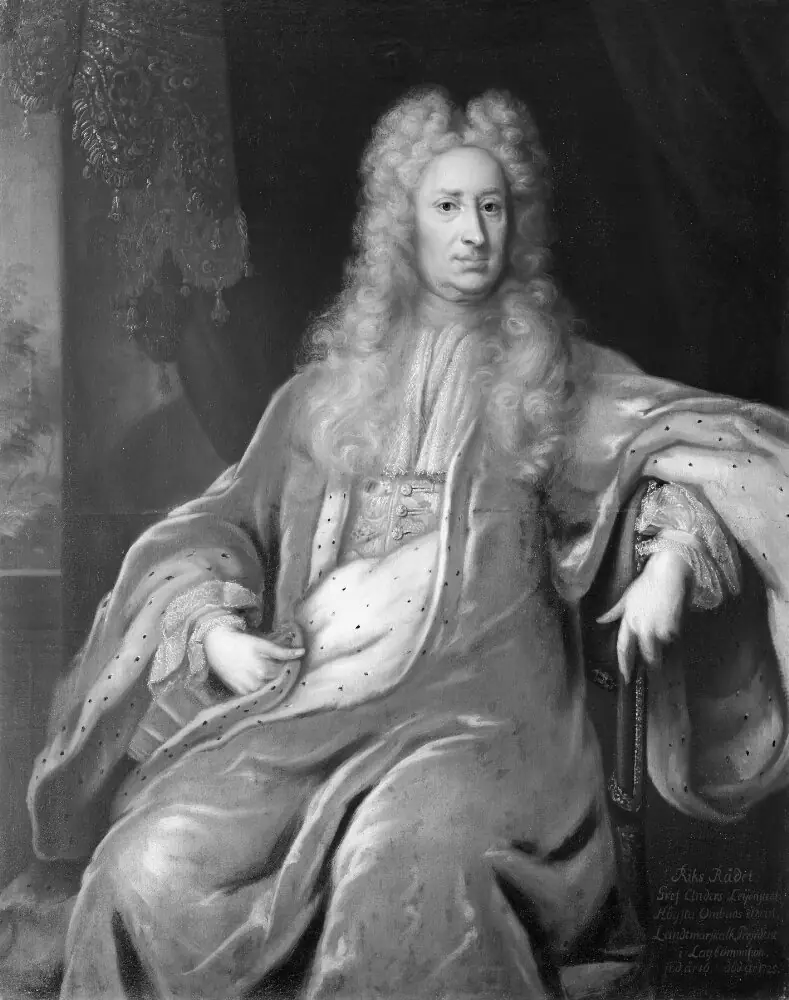 Anders Leijonstedt, 1649-1725
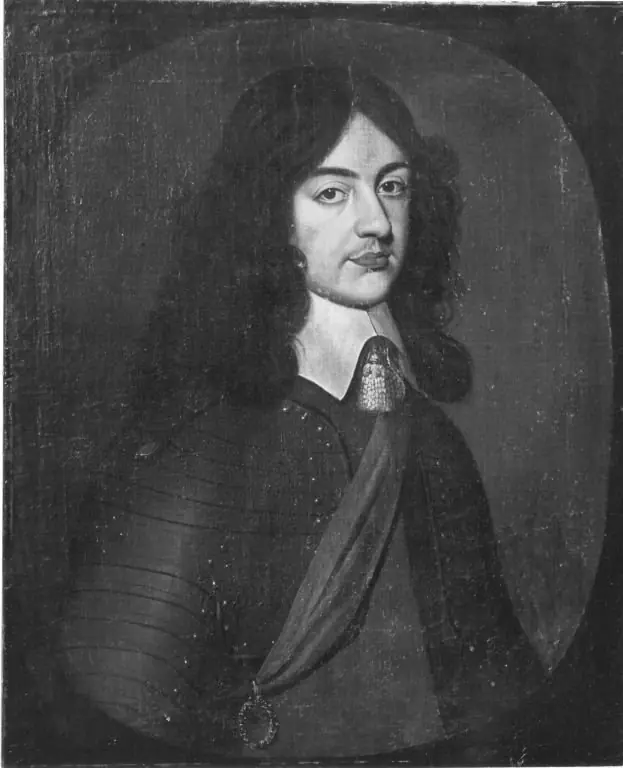 König Friedrich V. von der Pfalz
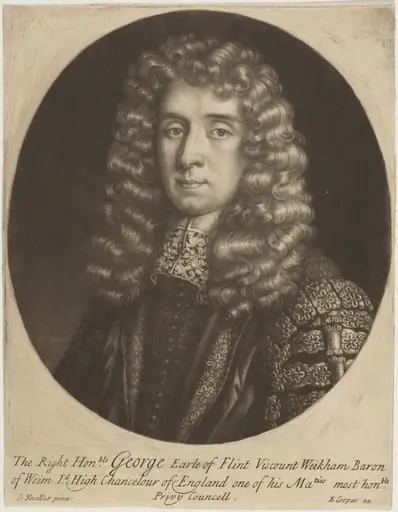 George Jeffreys, Earl of Flint, Viscount Weikham
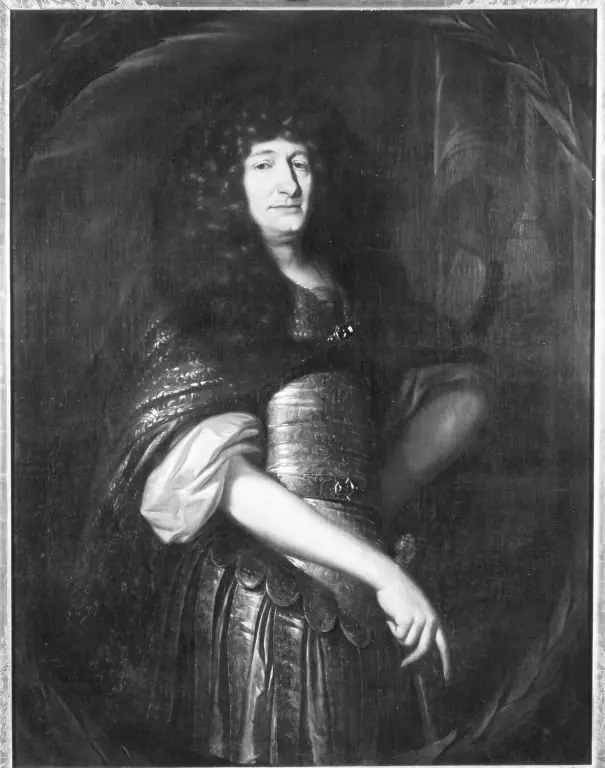 Portrait of a man, possibly Christian II Palatine of Zweibrücken-Birkenfeld (1637-1717)
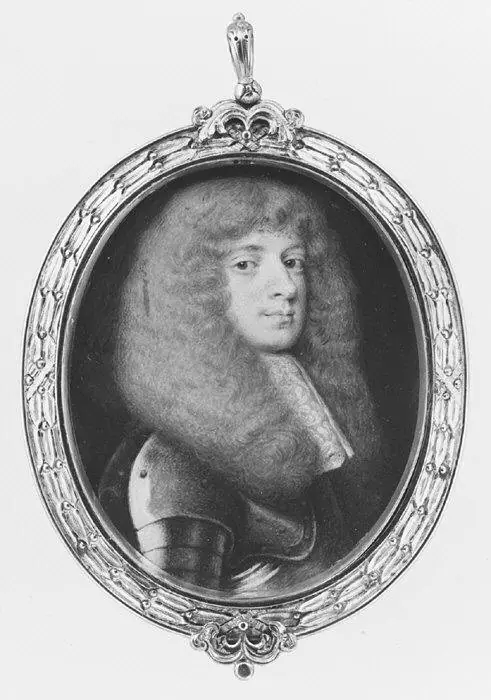 Portrait of a Man, Said to Be John Cecil (1628–1678), Fourth Earl of Exeter
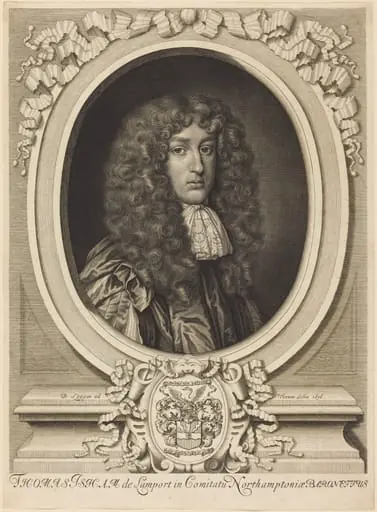 Sir Thomas Isham