Artwork
A Satyr pressing Grapes with a Tiger and Leopard
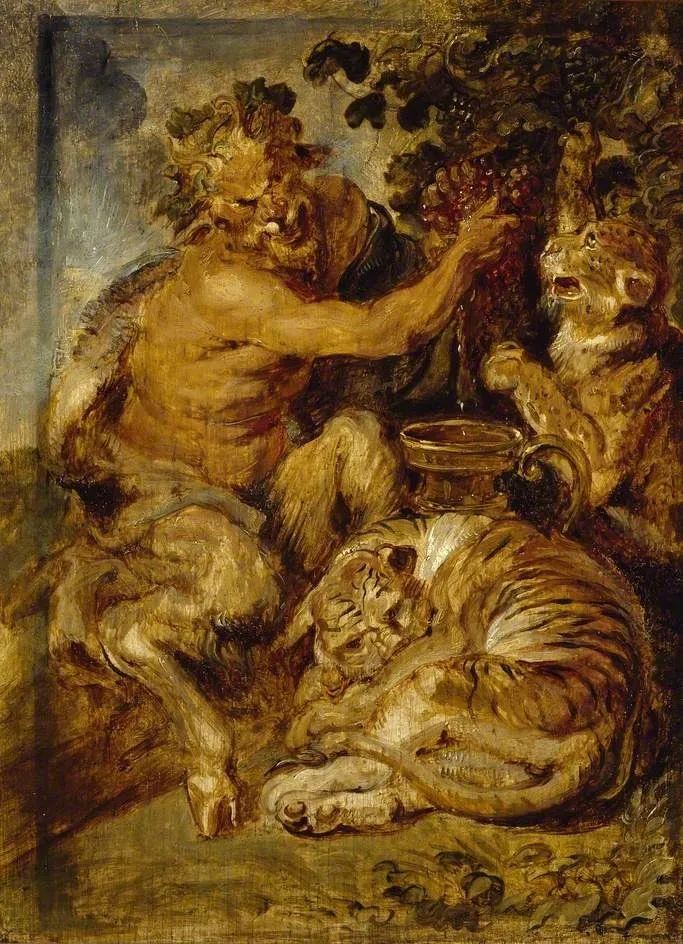
A Satyr pressing Grapes with a Tiger and Leopard is an oil painting by the Flemish Baroque painting artist Peter Paul Rubens. It dates from 1618 and is held in the collection of the Ashmolean Museum.
About this work
Overview
The painting is held in the Ashmolean Museum’s collection, where it stands as an example of his allegorical approach to nature and antiquity.
Painted in 1618 by Peter Paul Rubens, this oil-on-canvas work presents a mythological scene of a satyr harvesting grapes amid wild animals. Executed in the Flemish Baroque style, it reflects Rubens’s interest in classical themes rendered with vigorous motion and tactile realism. The painting is held in the Ashmolean Museum’s collection, where it stands as an example of his allegorical approach to nature and antiquity.
Subject & Meaning
The satyr, a hybrid figure from Greco-Roman myth, symbolizes untamed nature and the primal forces of the vineyard. Flanked by a tiger and leopard, the scene merges human labor with wild animal presence, suggesting harmony between civilization and the untamed world. The act of grape pressing may allude to Dionysian rites or the cyclical abundance of the earth, though no explicit narrative is given.
Technique & Style
Rubens employs dynamic contrapposto in the satyr’s twisted posture, enhancing the sense of physical exertion. Chiaroscuro models the figures with dramatic light, emphasizing musculature and fur texture. The foliage merges with the satyr’s hair, blurring boundaries between human and natural forms. Rich, layered oil paint creates a tactile surface, typical of Rubens’s mature technique and his mastery of bodily volume.
History & Provenance
Commissioned during Rubens’s time in Antwerp, the painting entered the Ashmolean Museum’s collection in the 19th century. Its early provenance is not fully documented, but its style aligns with other mythological works from his 1610s output. It has remained in institutional hands since its acquisition, avoiding private resale or major restoration.
Context
Created during Rubens’s peak years as both artist and diplomat, the painting reflects broader European fascination with classical mythology and exotic animals. The inclusion of a tiger and leopard—rare in Northern Europe—echoes contemporary curiosity about natural history, fueled by royal menageries and travel accounts. Such imagery served as allegory rather than literal representation.
Legacy
The painting exemplifies Rubens’s ability to fuse myth with natural observation, influencing later Baroque artists in their treatment of the human-animal interface. While not among his most widely reproduced works, it remains a key study in how Flemish painters reinterpreted antiquity through sensory richness and kinetic energy.
Artist & collection
Artist
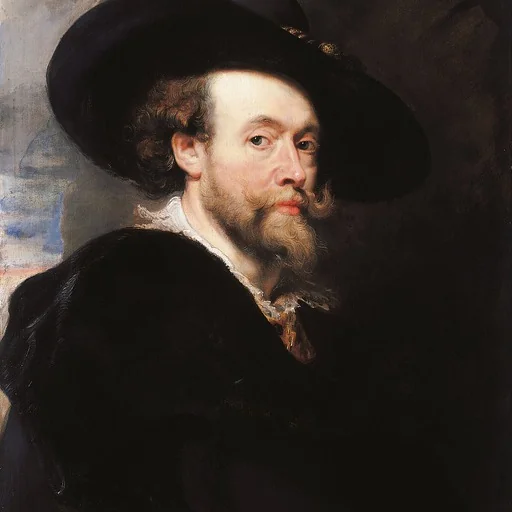
Sir Peter Paul Rubens ( ROO-bənz; Dutch: ; 28 June 1577 – 30 May 1640) was a Flemish artist and diplomat.

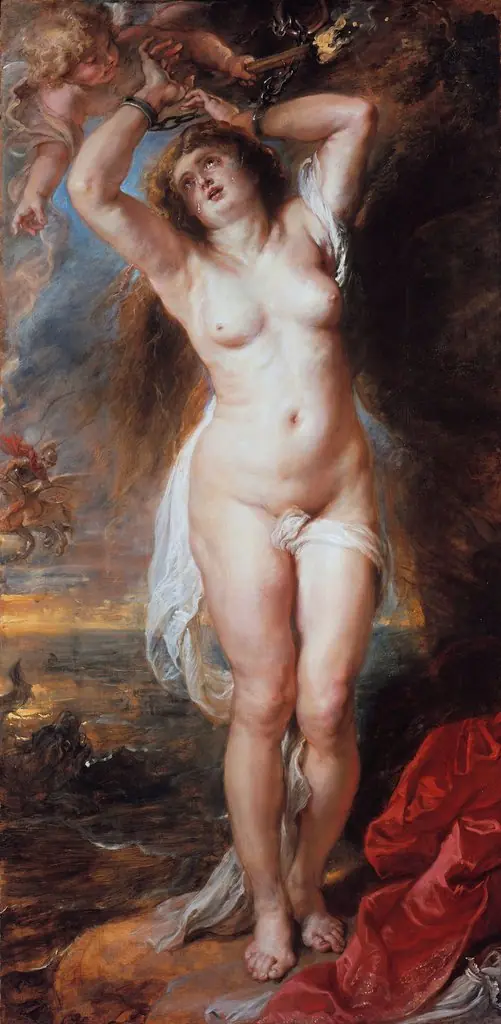
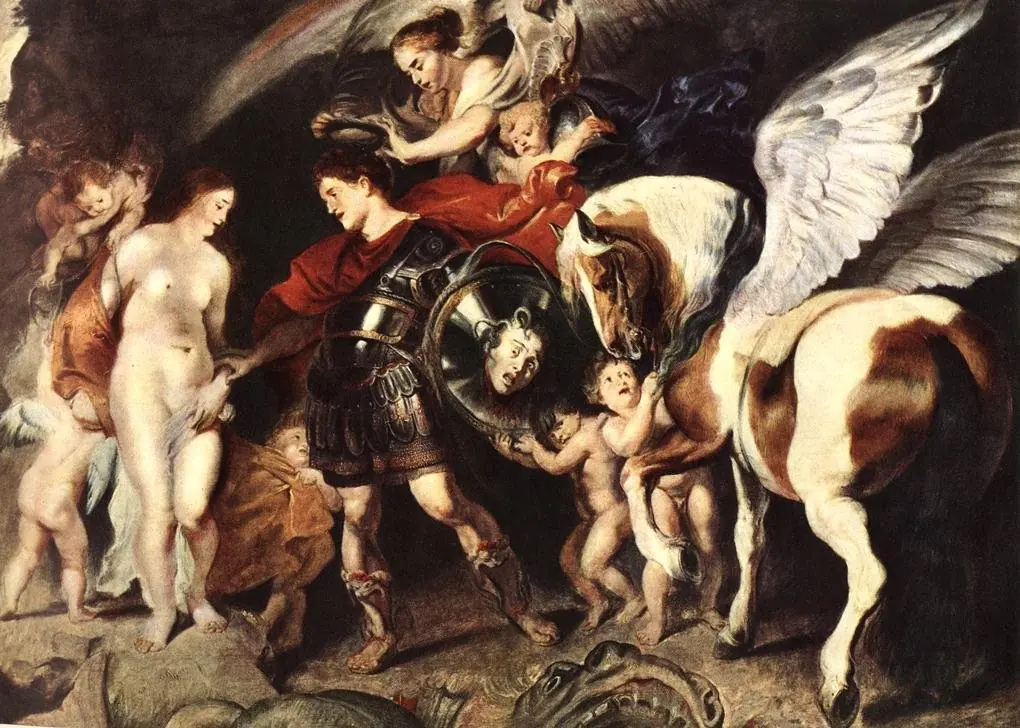
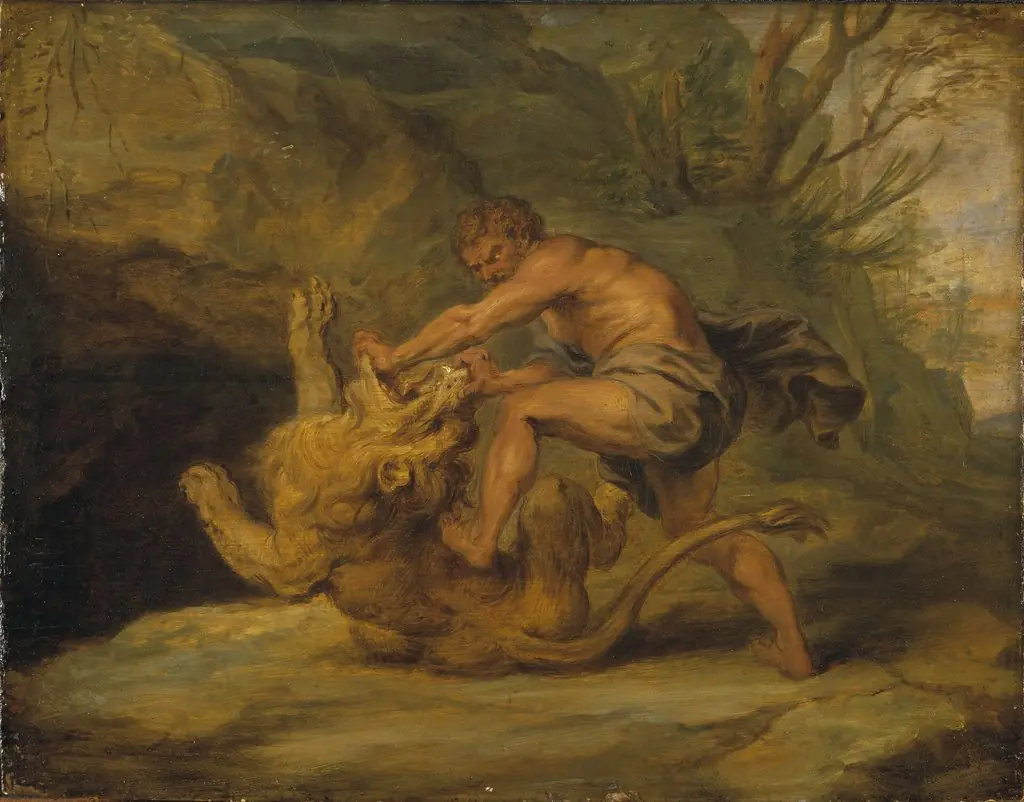 Samson and the Lion. Study
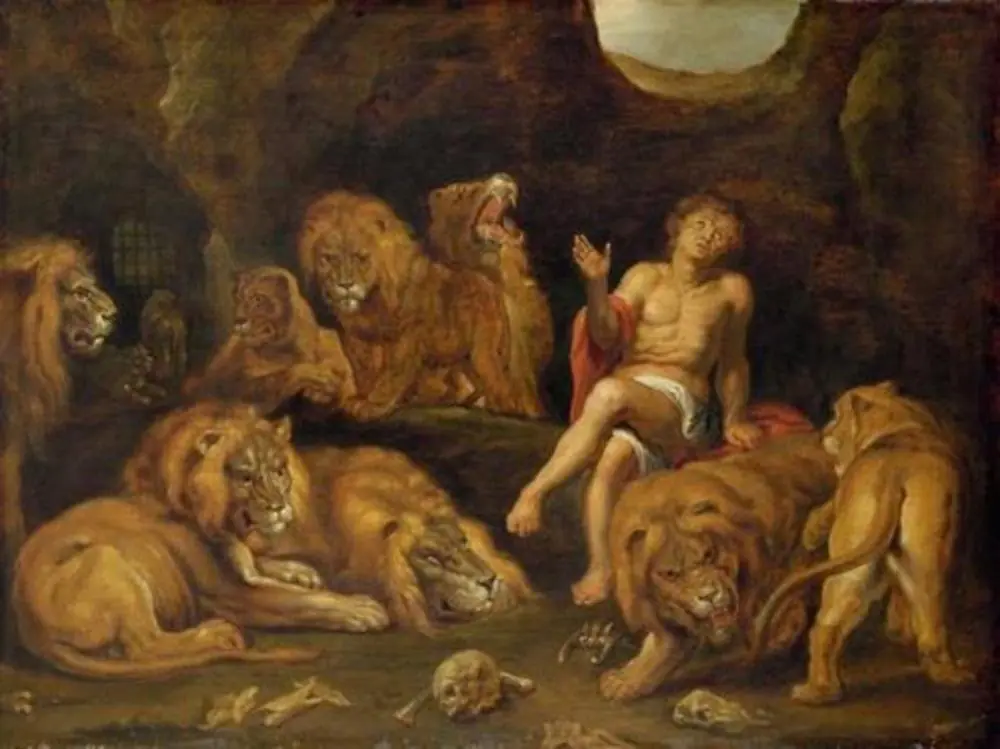 Daniel in the Lion's Den
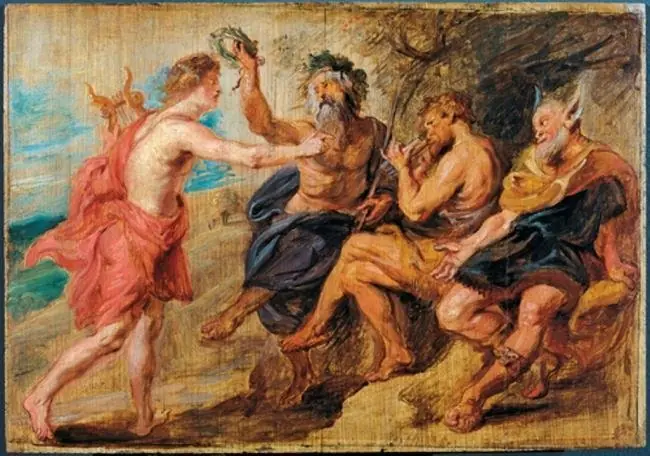 Apollo as Victor over Pan (sketch for the Torre de la Parada)
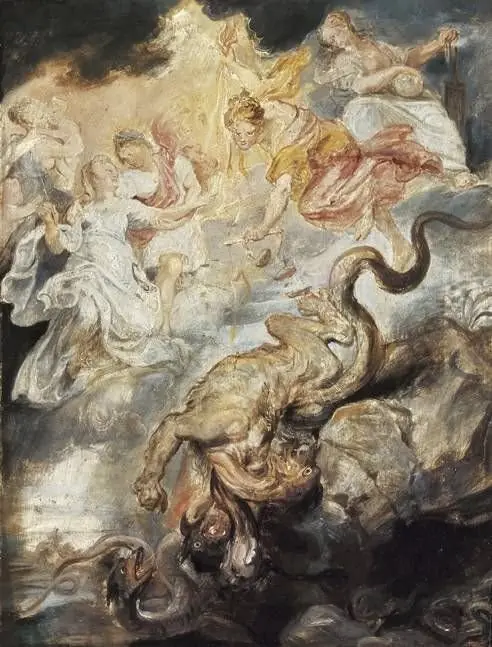 The final reconciliation between Maria de' Medici and her son, Louis XIII of France (sketch)
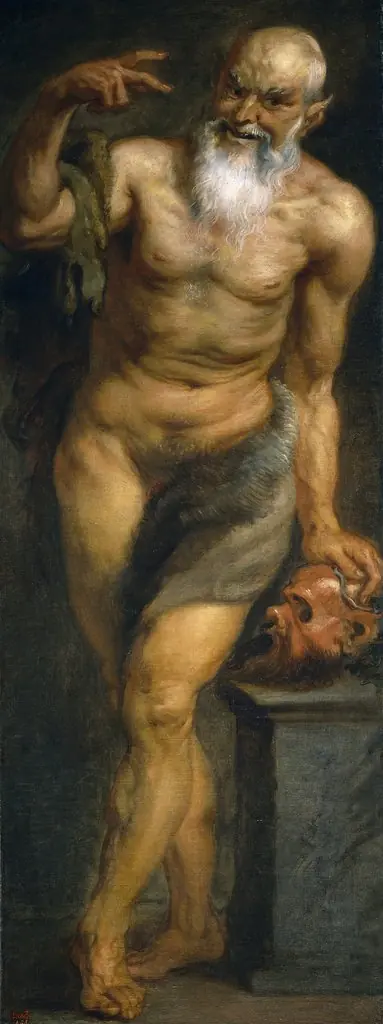 Satyr
Satyr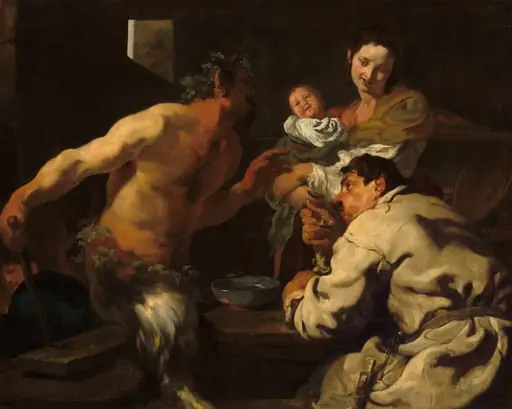 The Satyr and the Peasant
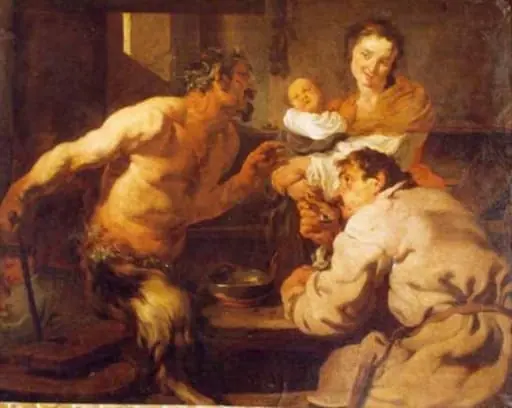 Țăran și satir
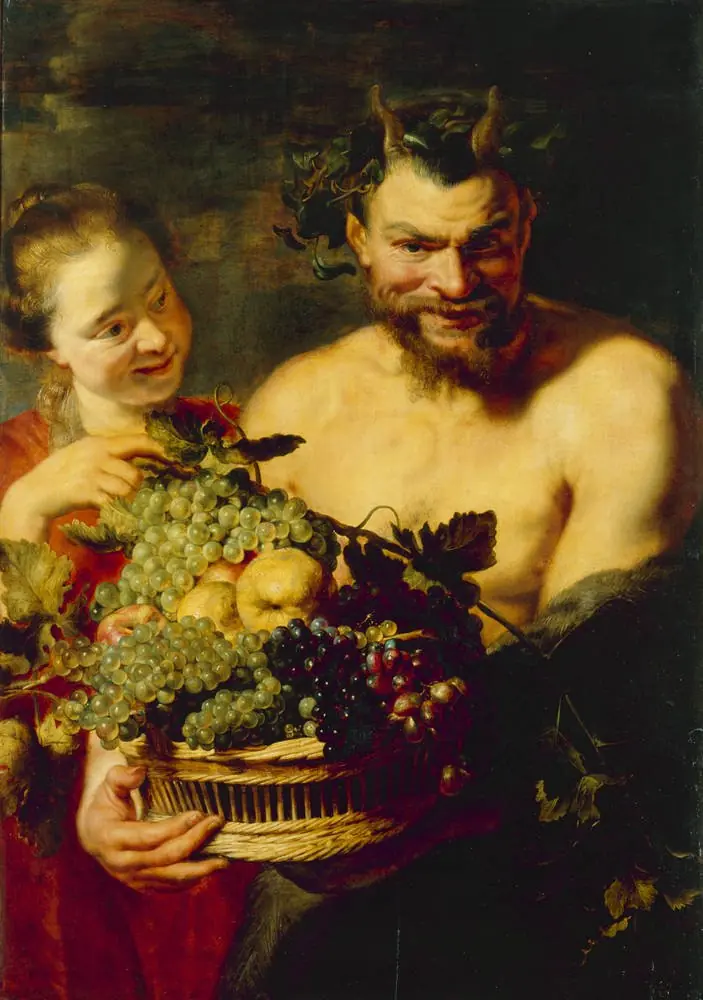 Satyr and Girl with a Basket of Fruit
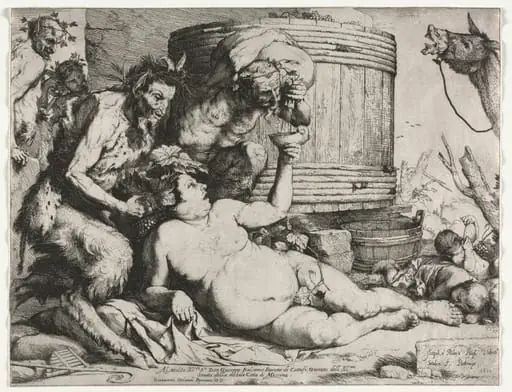 Silenus
 Boar Hunt
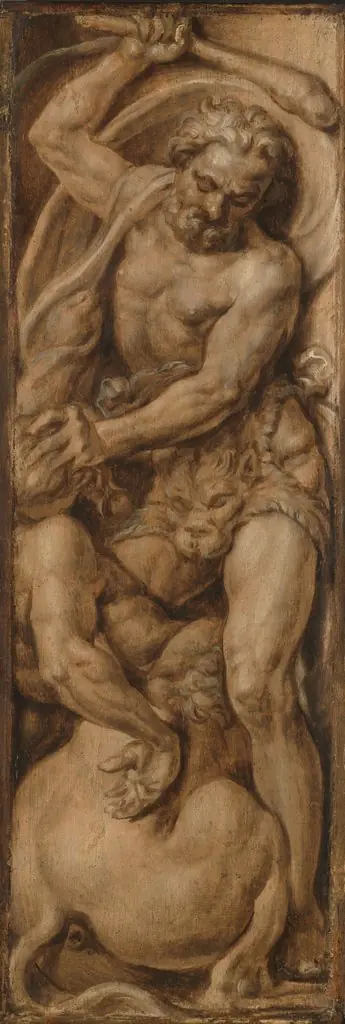 Hercules destroying the centaur Nessus
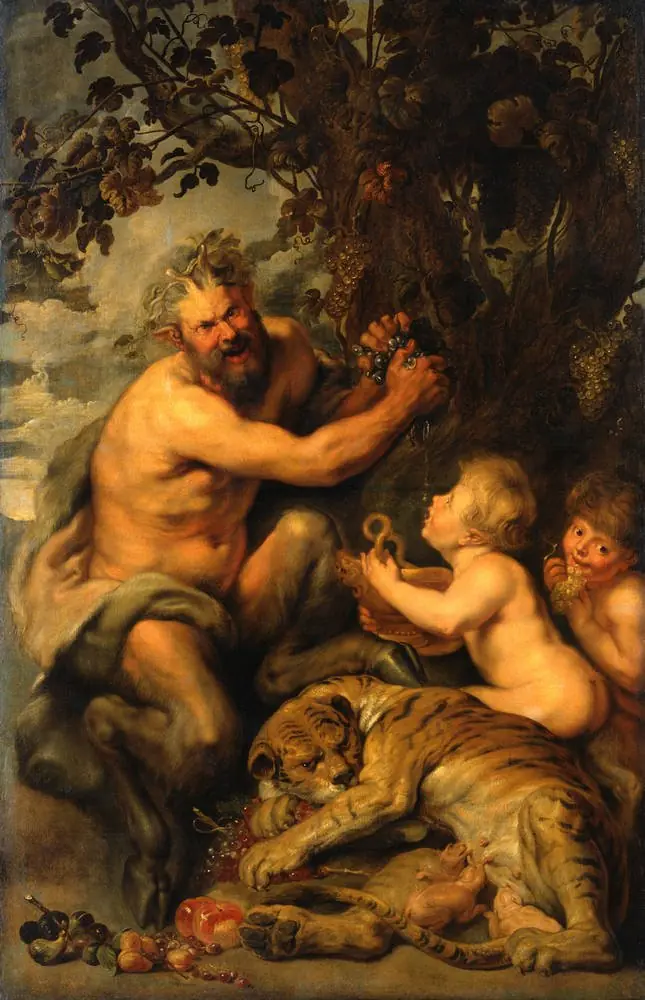 A Satyr pressing Grapes with a Tiger and Two Children