Artwork
Briseis Returning to Achilles
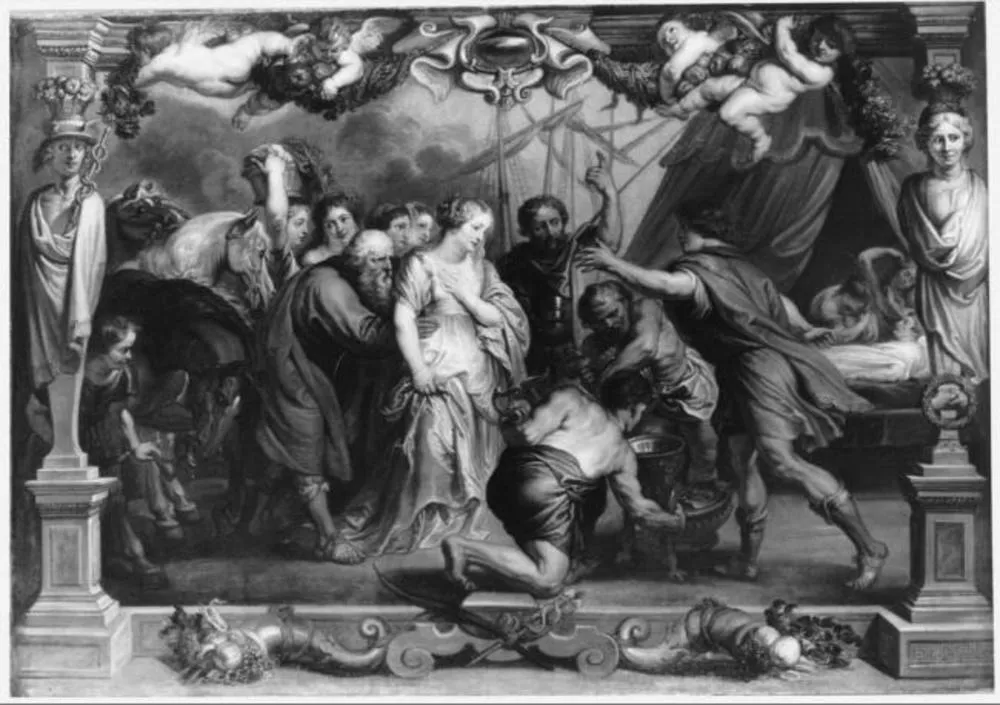
Briseis Returning to Achilles is an oil painting by the Flemish Baroque painting artist Peter Paul Rubens. It is held in the collection of the Museum of Fine Arts, Budapest.
About this work
Overview
Peter Paul Rubens painted *Briseas Returning to Achilles* in 1667, using oil on canvas. The work belongs to the Flemish Baroque tradition, noted for vigorous movement, saturated hues, and heightened drama. It is part of the Museum of Fine Arts in Budapest’s permanent collection.
Subject & Meaning
The composition illustrates a moment from the Iliad in which Briseas, the captive woman, is being handed back to the warrior Achilles. Rubens arranges the figures to emphasize the emotional tension between the kneeling man and the standing woman, while surrounding onlookers observe the exchange, underscoring themes of loyalty, loss, and reconciliation.
Technique & Style
Rubens employs a chiaroscuro scheme, contrasting illuminated bodies with darker surroundings to model forms and suggest depth. The figures are rendered in flowing classical drapery, and the background features architectural columns and a cloudy sky, all contributing to a theatrical, three‑dimensional space typical of his Baroque approach.
History & Provenance
Created late in Rubens’s career, the painting reflects his continued interest in classical narratives. After remaining in private hands for several centuries, it entered the Museum of Fine Arts, Budapest, where it has been displayed as part of the institution’s European Baroque holdings.
Context
Rubens frequently turned to ancient Greek and Roman stories for his history paintings, integrating them with the dramatic vigor of the Baroque. This work aligns with his broader oeuvre of mythological and biblical subjects, where he combined scholarly knowledge of antiquity with a dynamic visual language.
Artist & collection
Artist
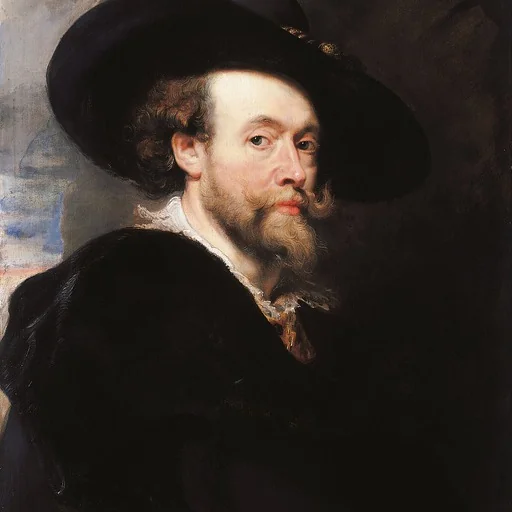
Sir Peter Paul Rubens ( ROO-bənz; Dutch: ; 28 June 1577 – 30 May 1640) was a Flemish artist and diplomat.

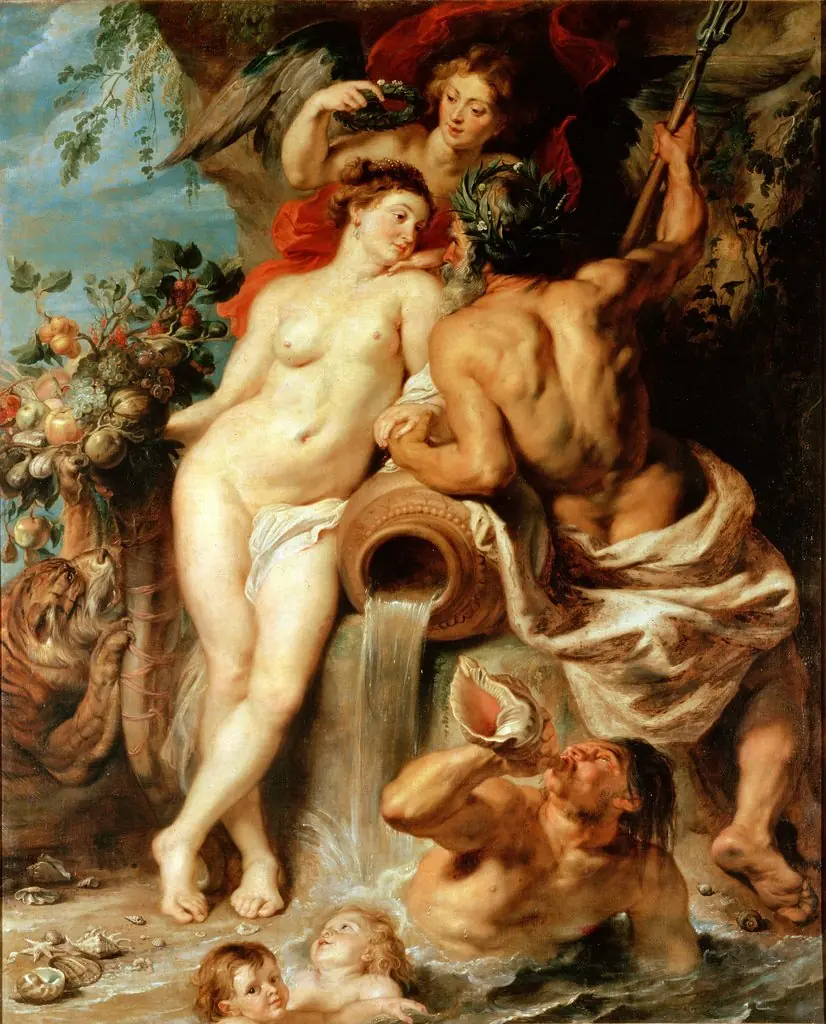
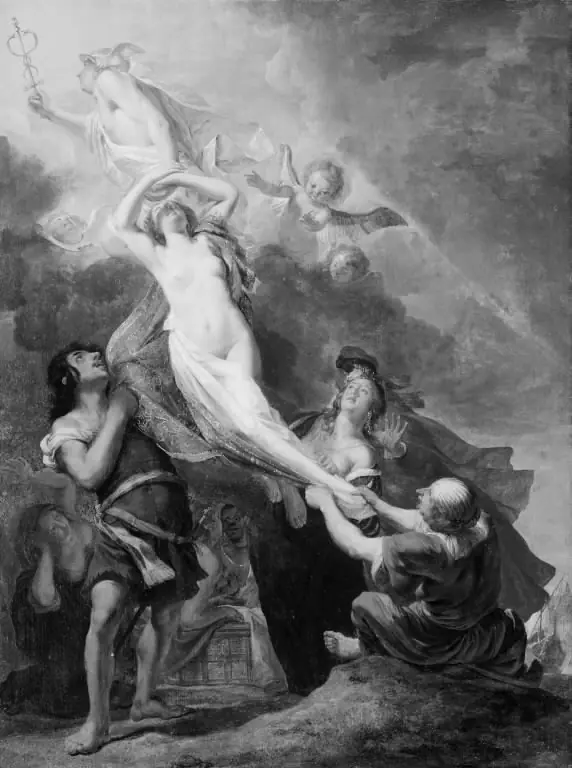 "Il Contento". Mercury abducting the Goddess Contento from the Earth
 "Il Contento". Mercury abducting the Goddess Contento from the Earth
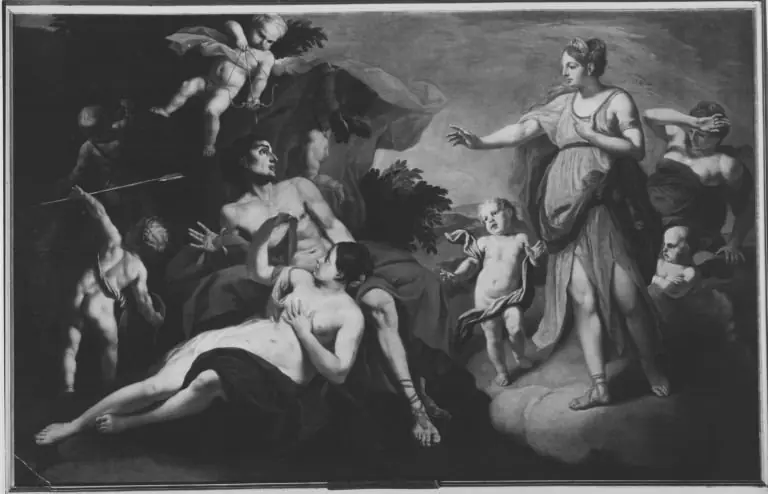 Fehltritt der Kallisto
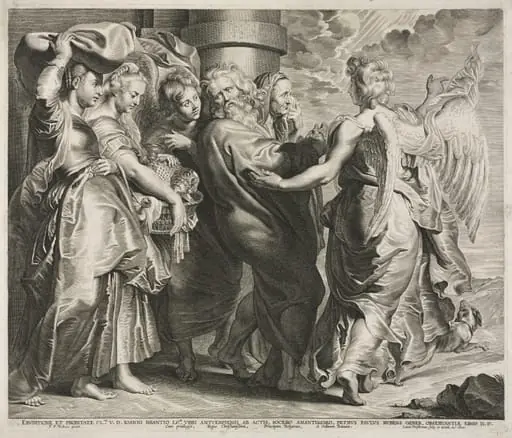 Lot and His Family Leaving Sodom
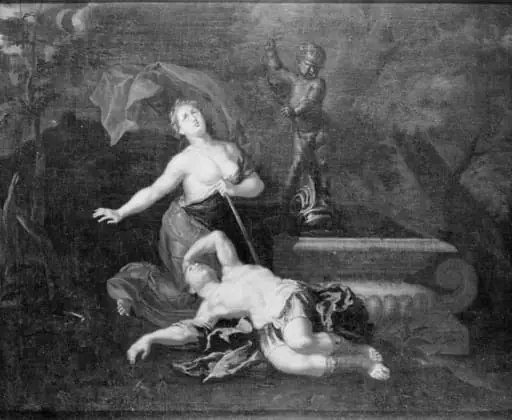 Pyramus and Thisbe
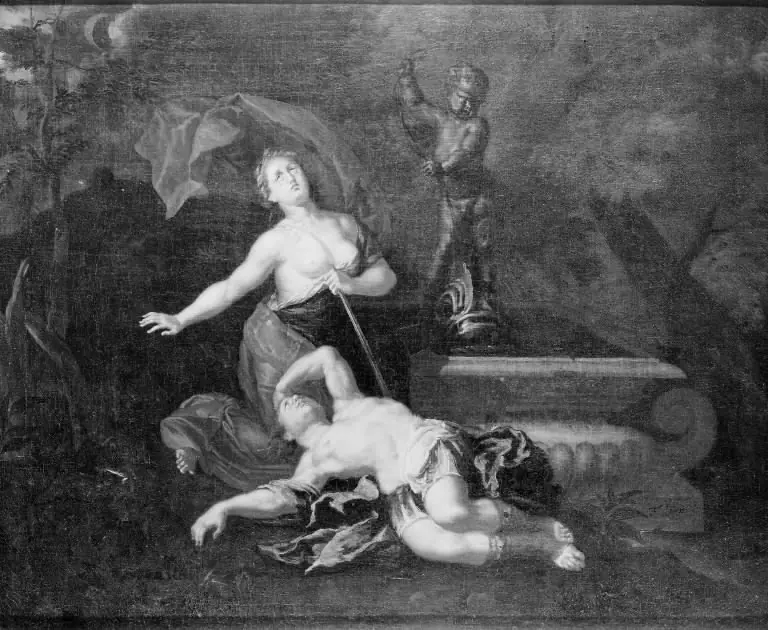 Pyramus and Thisbe
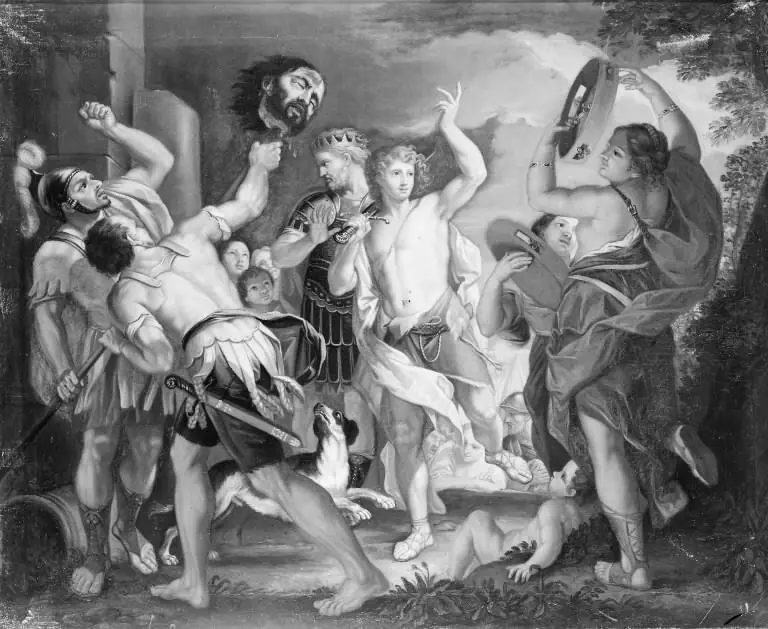 David med Goliats sværd på skulderen. Andre med hans hoved på en stage
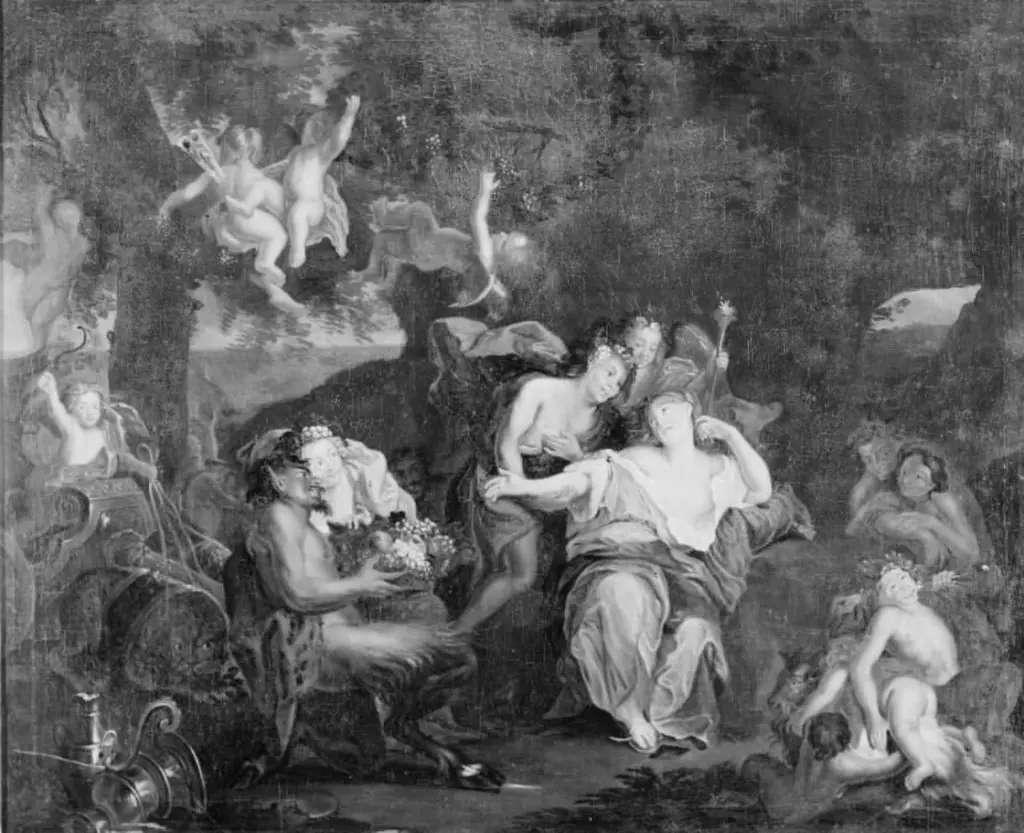 Bacchus og Ariadne sidder sammen i et landskab omgivne af amoriner, bacchantinder og satyrer
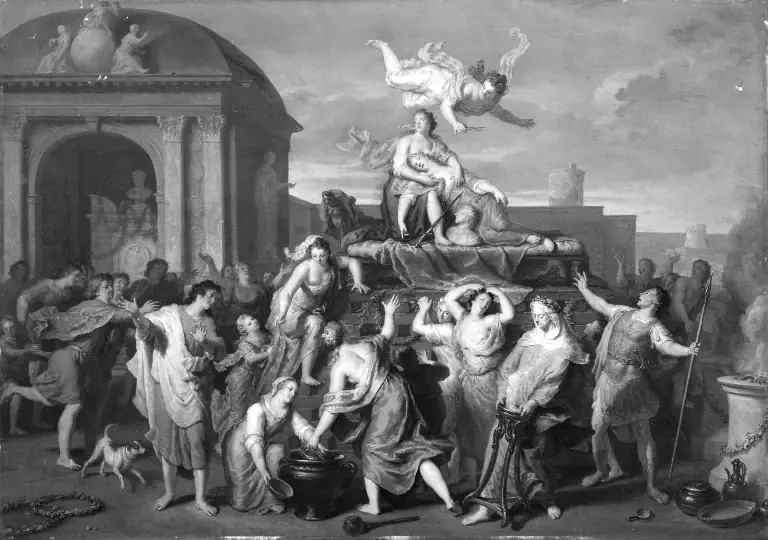 Death of Dido
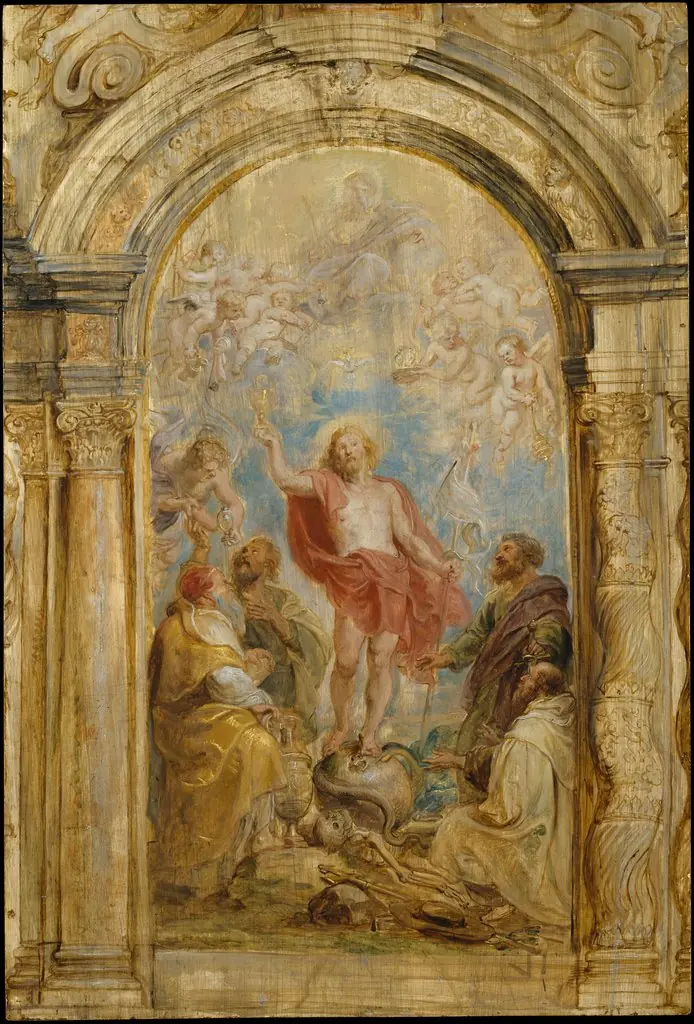
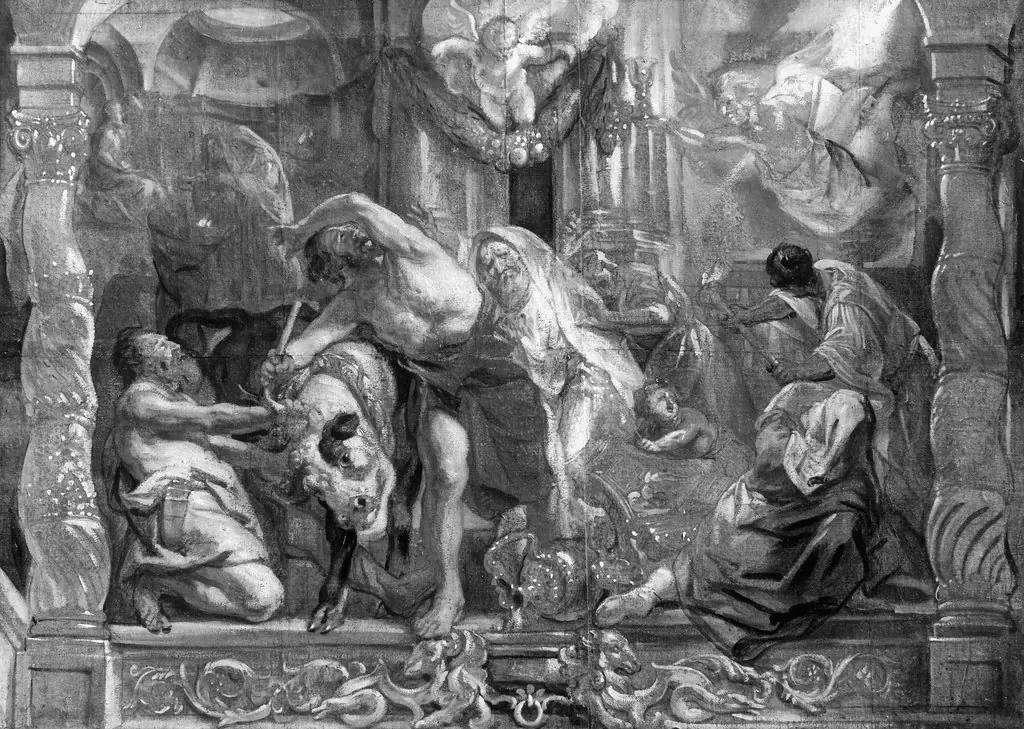 Triumph of the Lord's Supper over the bloody sacrifice of paganism