Artwork
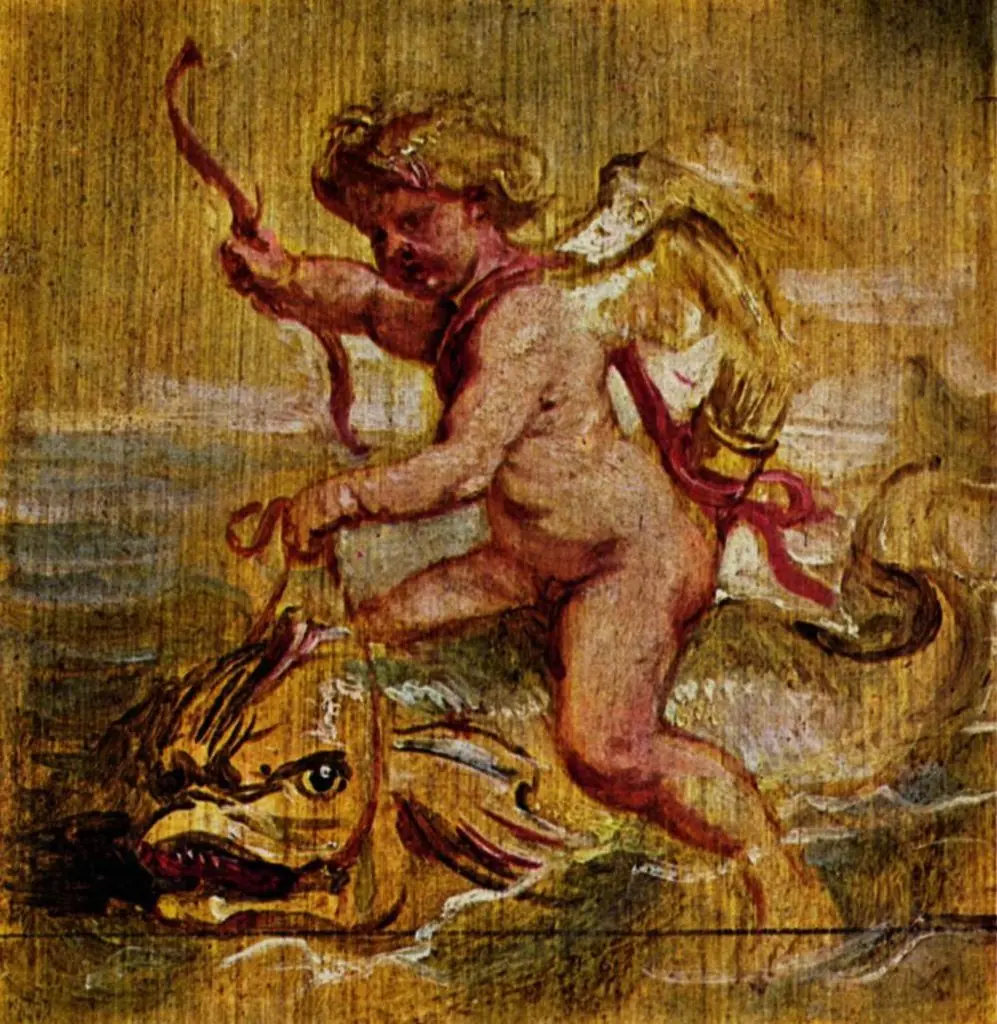
Cupid on a dolphin
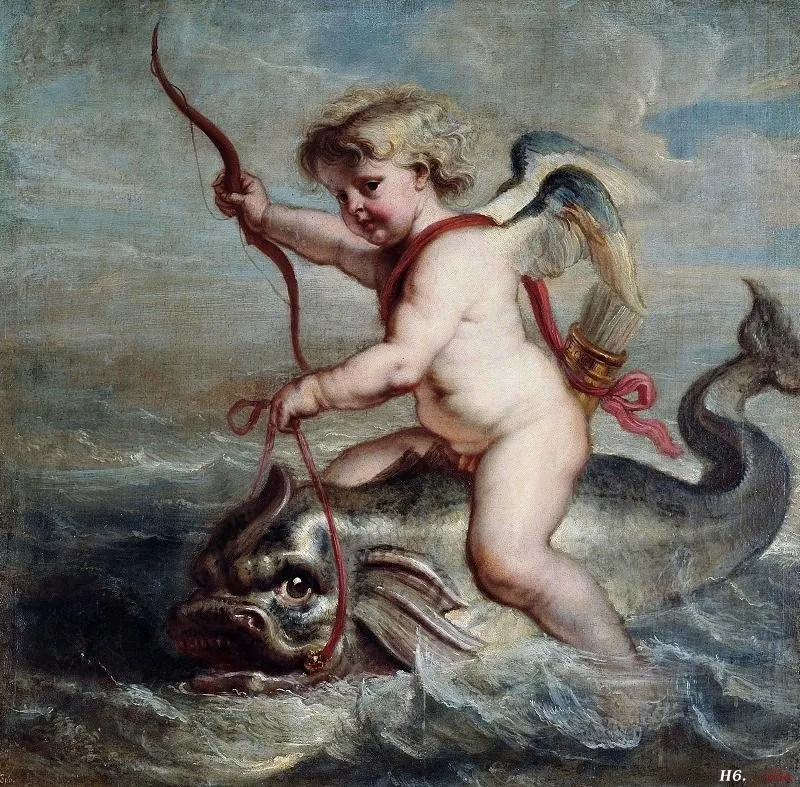
Cupid on a dolphin is an oil painting by Peter Paul Rubens. It dates from 1637 and is held in the collection of the Museo del Prado.
About this work
Overview
Executed during the height of Rubens’s career, it exemplifies his engagement with classical themes through dynamic composition and rich pigment.
Painted in 1637 by Peter Paul Rubens, this oil-on-canvas work portrays a mythological scene featuring Cupid astride a dolphin. Executed during the height of Rubens’s career, it exemplifies his engagement with classical themes through dynamic composition and rich pigment. The painting resides in the Museo del Prado, where it contributes to the museum’s significant collection of Baroque mythological subjects.
Subject & Meaning
The figure of Cupid, Roman god of desire, is depicted as a youthful, winged child riding a marine creature, symbolizing the unpredictable force of love. The dolphin, often associated with guidance and transformation in antiquity, becomes a vessel for Cupid’s whimsical power. The calm demeanor of the child amid the churning sea suggests mastery over chaos, reinforcing the idea of love as both tender and uncontrollable.
Technique & Style
Rubens employs fluid brushwork to animate the dolphin’s scales and the ripple of water, using dark, swirling strokes to imply motion. The contrast between the soft, luminous sky and the textured, turbulent sea enhances spatial depth. Light falls gently on Cupid’s skin and wings, while shadows define the dolphin’s muscular form, demonstrating the artist’s command of chiaroscuro and his ability to blend sensuality with narrative energy.
History & Provenance
Commissioned during Rubens’s later years, the painting entered the Spanish royal collection shortly after its completion, likely through diplomatic channels given the artist’s role as a court envoy. It remained in royal hands until the 19th century, when it was transferred to the Museo del Prado. Its uninterrupted presence in Spanish royal collections underscores its early recognition as a significant work of Flemish art.
Context
Created in the aftermath of the Thirty Years’ War, the painting reflects a cultural moment in which mythological subjects offered a refuge from political turmoil. Rubens, influenced by classical literature and Italian Renaissance precedents, infused these themes with emotional immediacy. The work aligns with Counter-Reformation ideals that favored expressive, emotionally engaging imagery to inspire contemplation.
Legacy
Though not among Rubens’s most widely reproduced works, *Cupid on a Dolphin* remains a key example of his mature style—where mythological narrative is rendered with physical vitality and psychological nuance. It influenced later artists drawn to the expressive potential of classical subjects and continues to be studied for its synthesis of movement, color, and symbolic depth.
Artist & collection
Artist
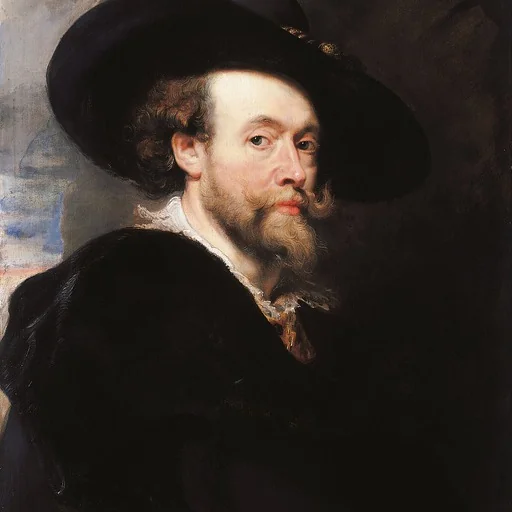
Sir Peter Paul Rubens ( ROO-bənz; Dutch: ; 28 June 1577 – 30 May 1640) was a Flemish artist and diplomat.