Artwork
David killing Goliath
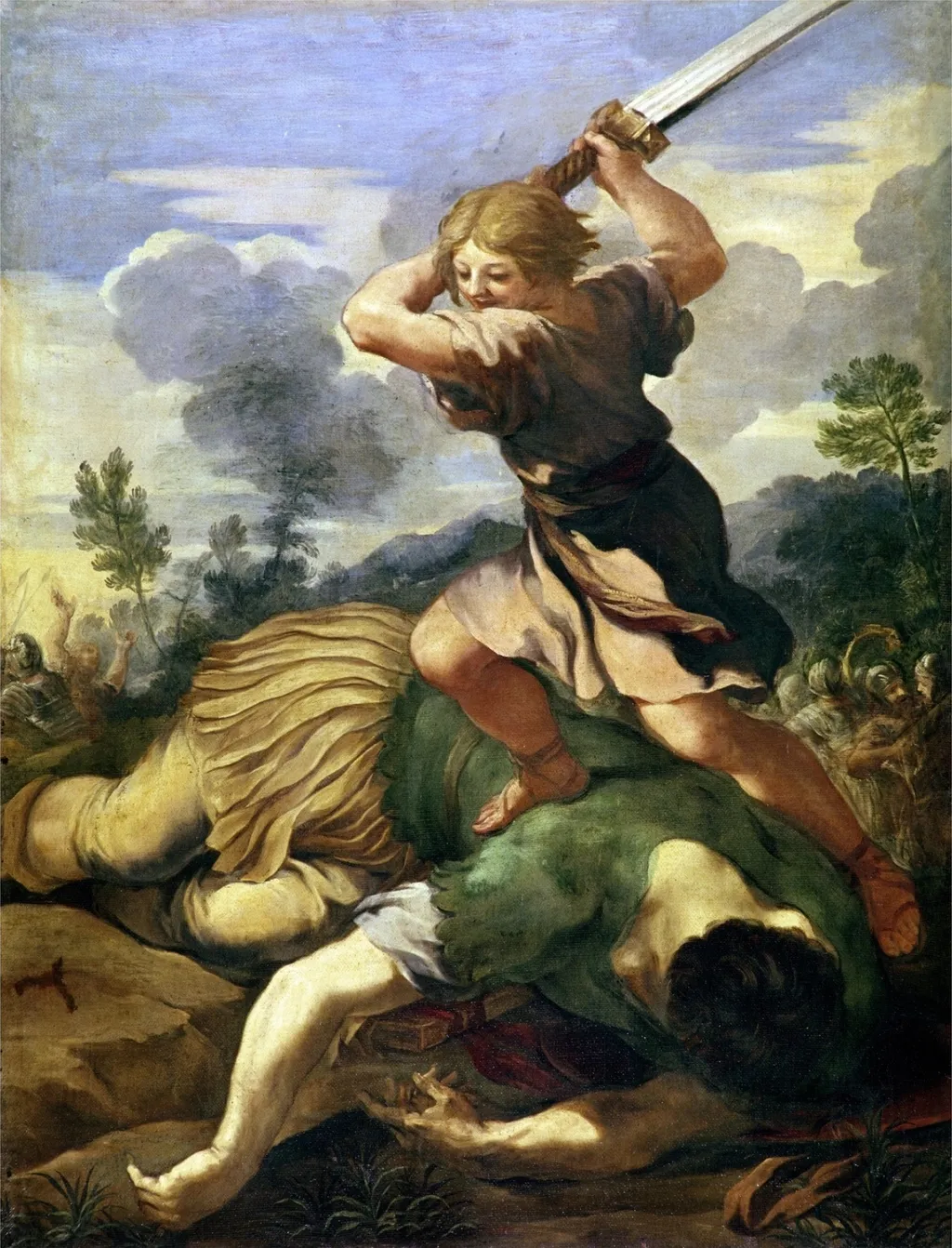
David killing Goliath is an oil painting by the Early Baroque Italian artist Pietro da Cortona. It dates from 1650 and is held in the collection of the Vatican Museums. Created circa 1650, this oil on canvas portrays the biblical confrontation in which the youthful David overcomes the giant Goliath.
About this work
Overview
Created circa 1650, this oil on canvas portrays the biblical confrontation in which the youthful David overcomes the giant Goliath. Executed by Pietro da Cortona, a prominent figure of the early Italian Baroque, the work now resides in the Vatican Museums.
Subject & Meaning
The composition captures the decisive instant after David’s triumph: the young shepherd stands victorious atop the fallen warrior, sword raised, while Goliath lies prone, his head tipped back and eyes closed. The scene emphasizes themes of divine providence and the triumph of humility over might.
Technique & Style
Cortona employs a restrained palette of muted greens, browns, and grays, allowing the figures to emerge against a modest landscape of trees, hills, and a clear blue sky. The handling of light and shadow reflects chiaroscuro principles, giving volume to the bodies and heightening the drama of the moment.
History & Provenance
Painted during Cortona’s mature period, the work reflects his dual reputation as a painter and architect active in Rome and Florence. It entered the Vatican collection, where it has been displayed as part of the museum’s Baroque holdings, illustrating the artist’s contribution to religious narrative painting.
Context
The painting aligns with the early Baroque emphasis on dynamic composition and emotional intensity, traits shared by contemporaries such as Gian Lorenzo Bernini. Cortona’s treatment of the biblical episode mirrors the period’s aim to engage viewers through vivid storytelling and theatrical presentation.
Own this work as a print
Artist & collection
Artist
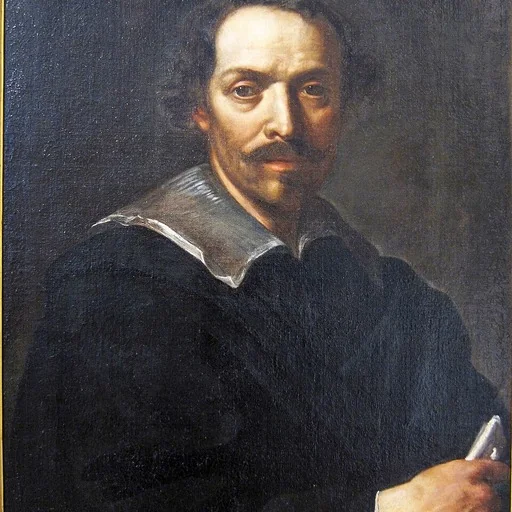
Pietro da Cortona (Italian: ; 1 November 1596 or 1597 – 16 May 1669) was an Italian Baroque painter and architect.

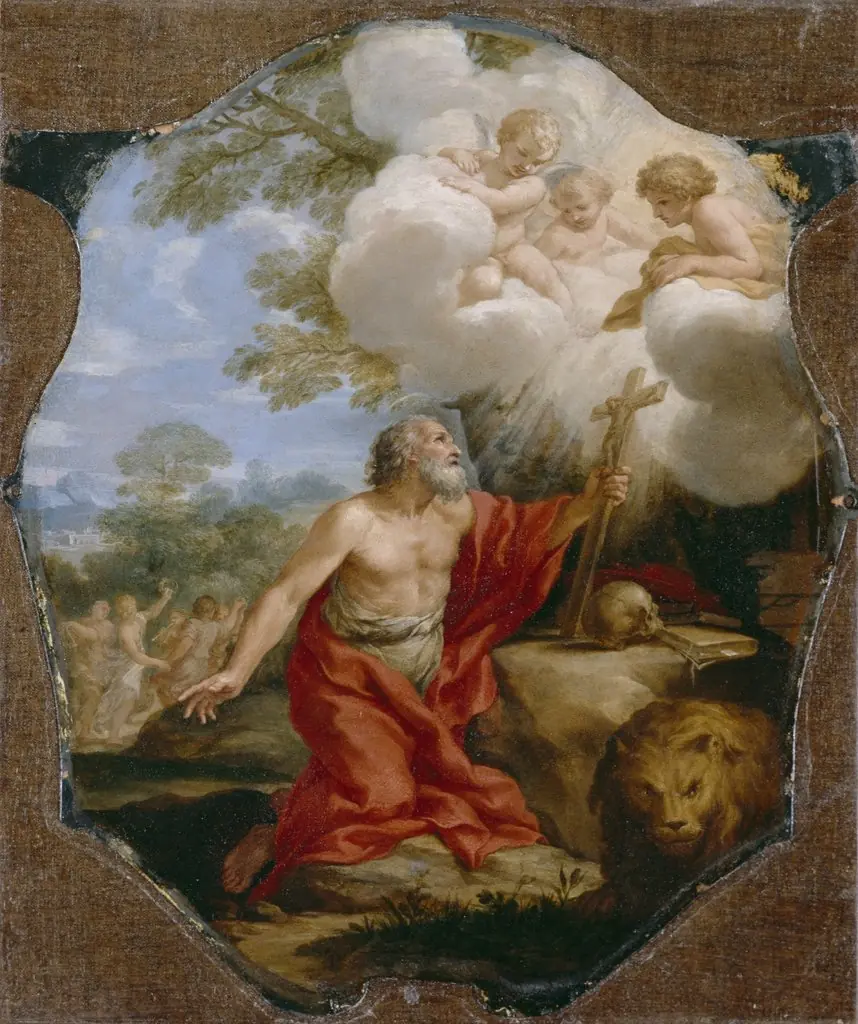
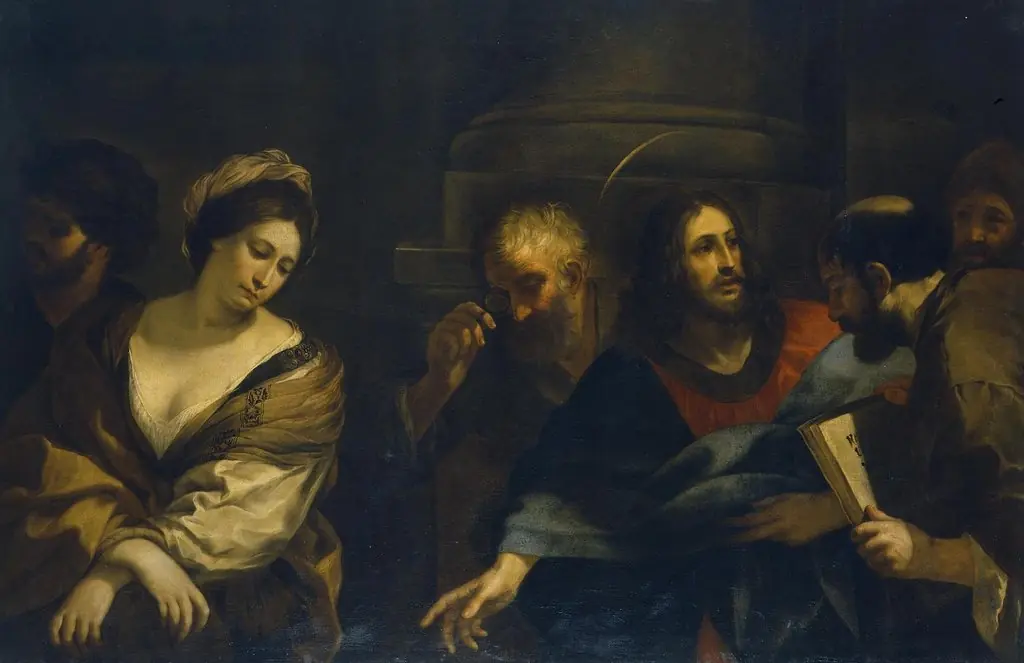
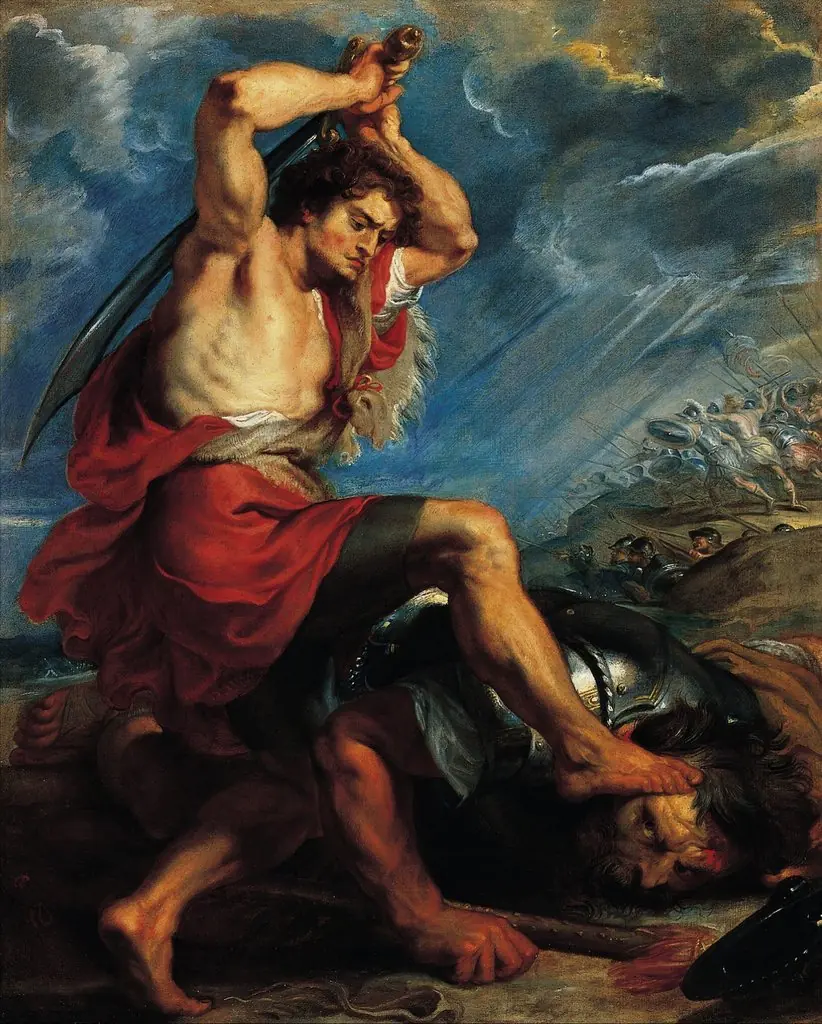 David Slaying Goliath
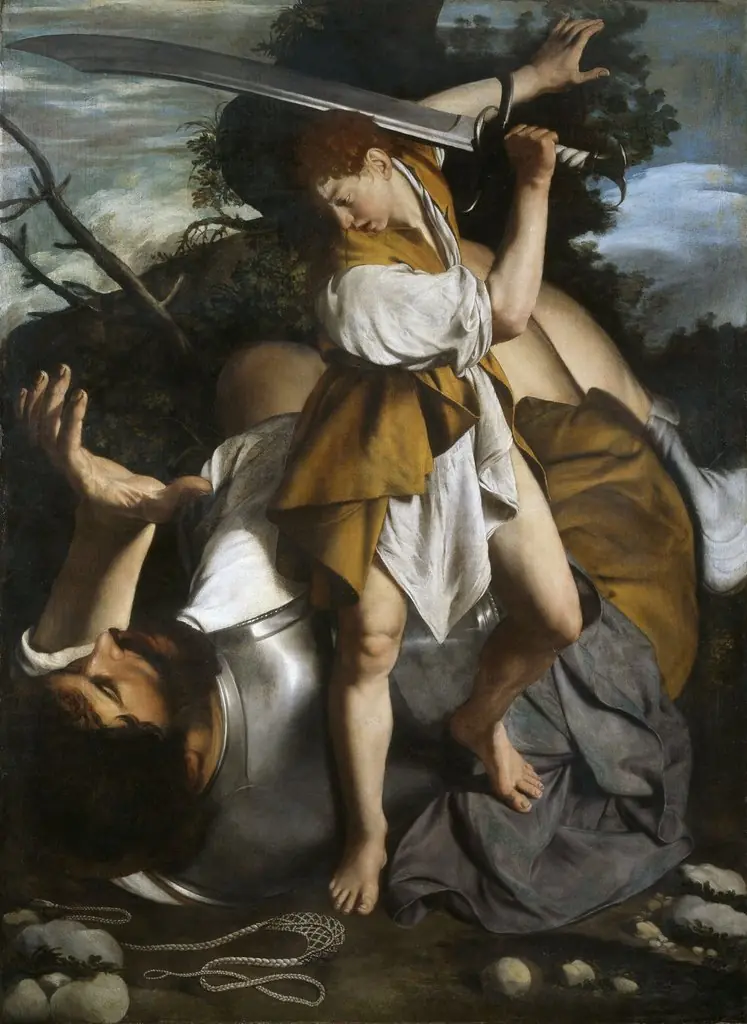 David and Goliath
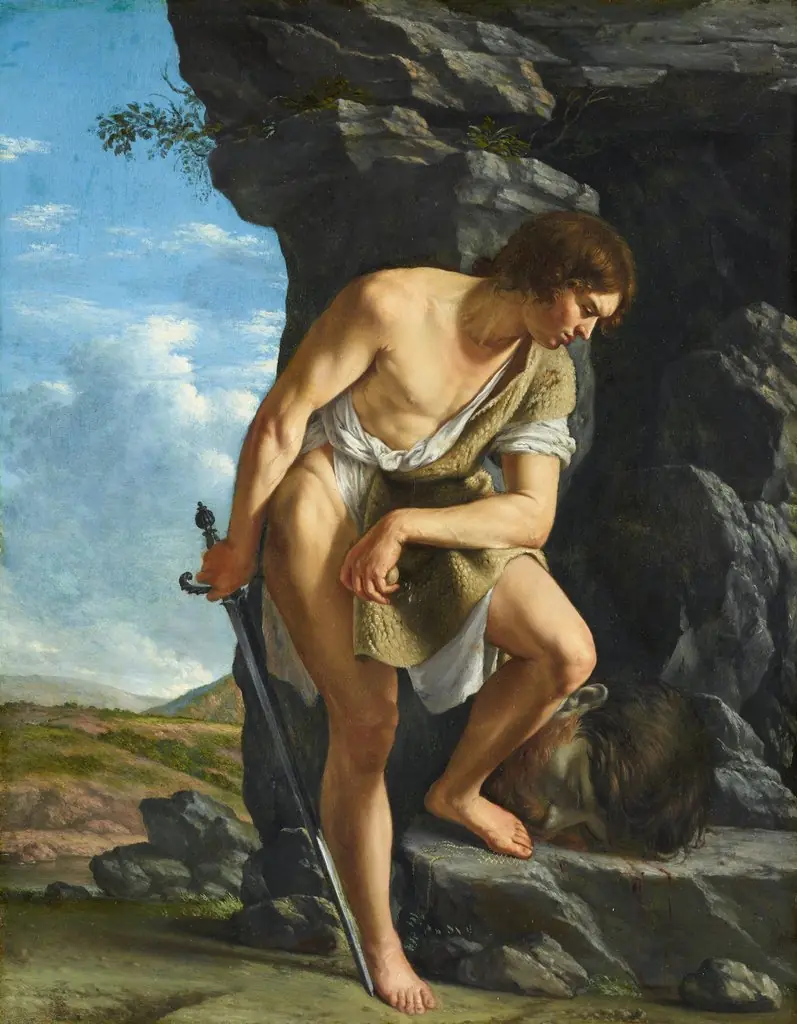 David Contemplating the Head of Goliath
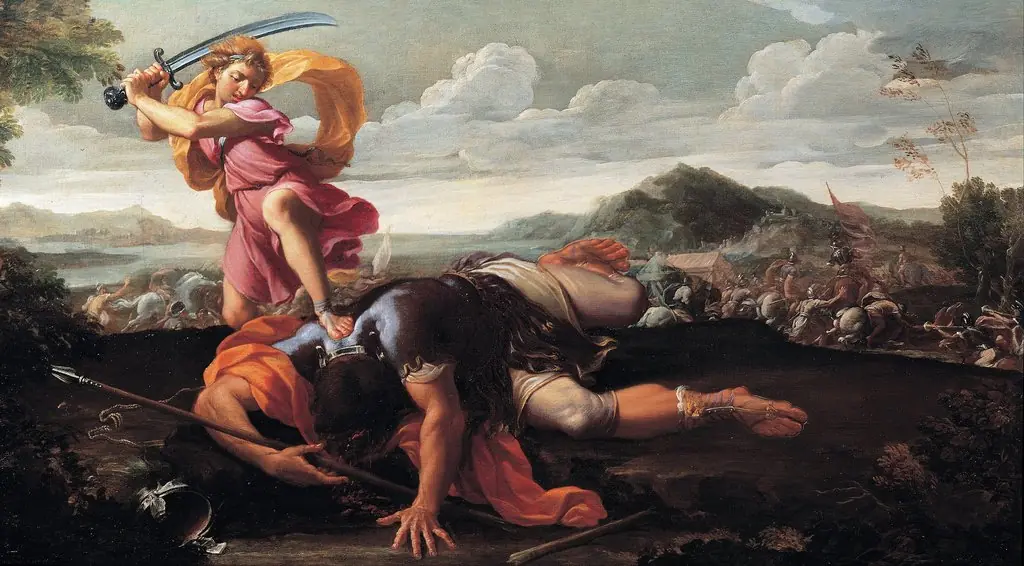 David and Goliath
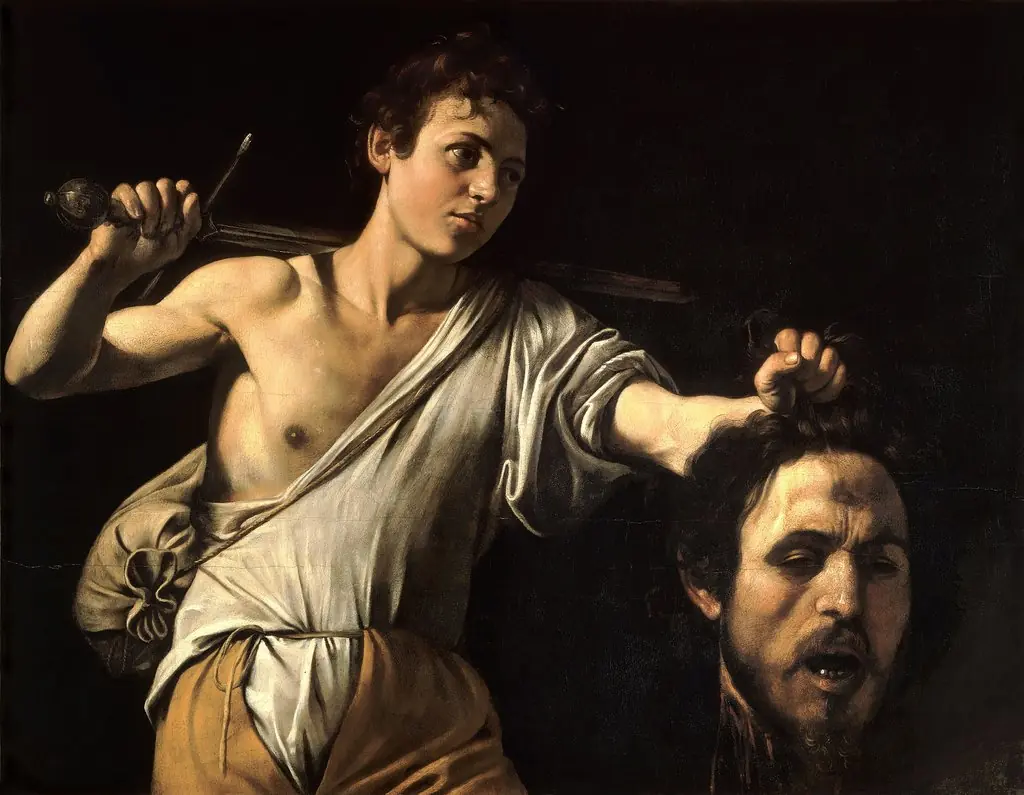 David with the Head of Goliath
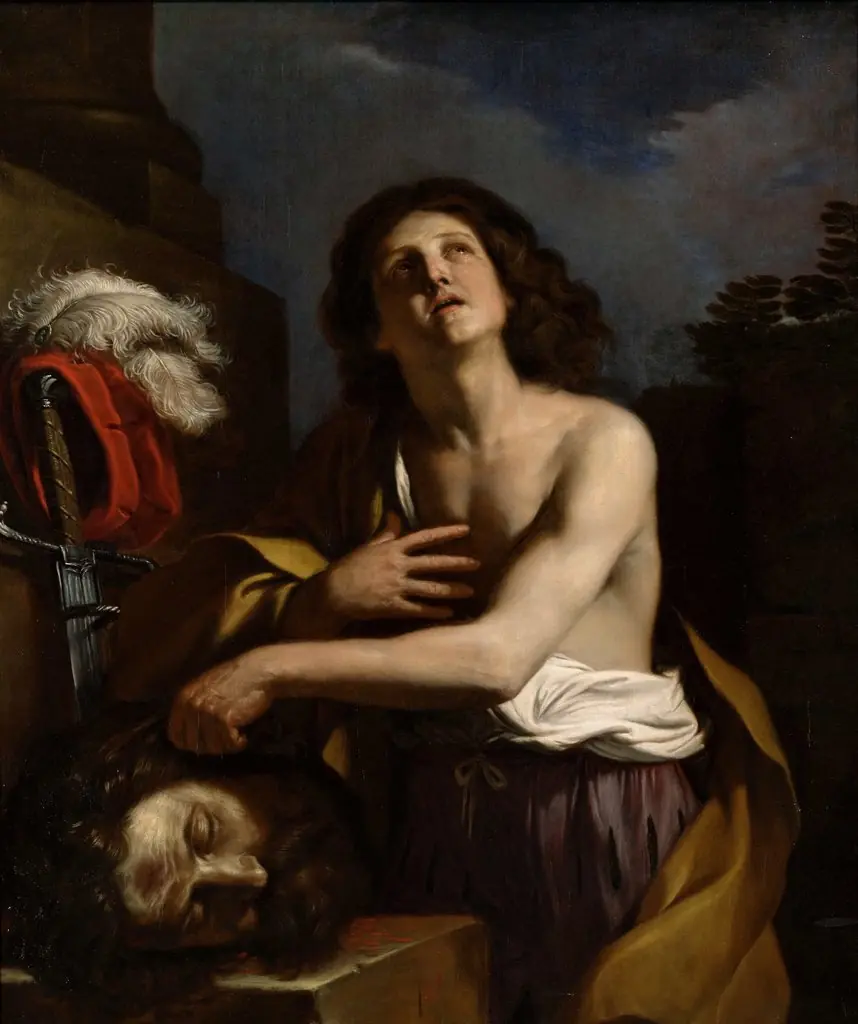 David with the Head of Goliath
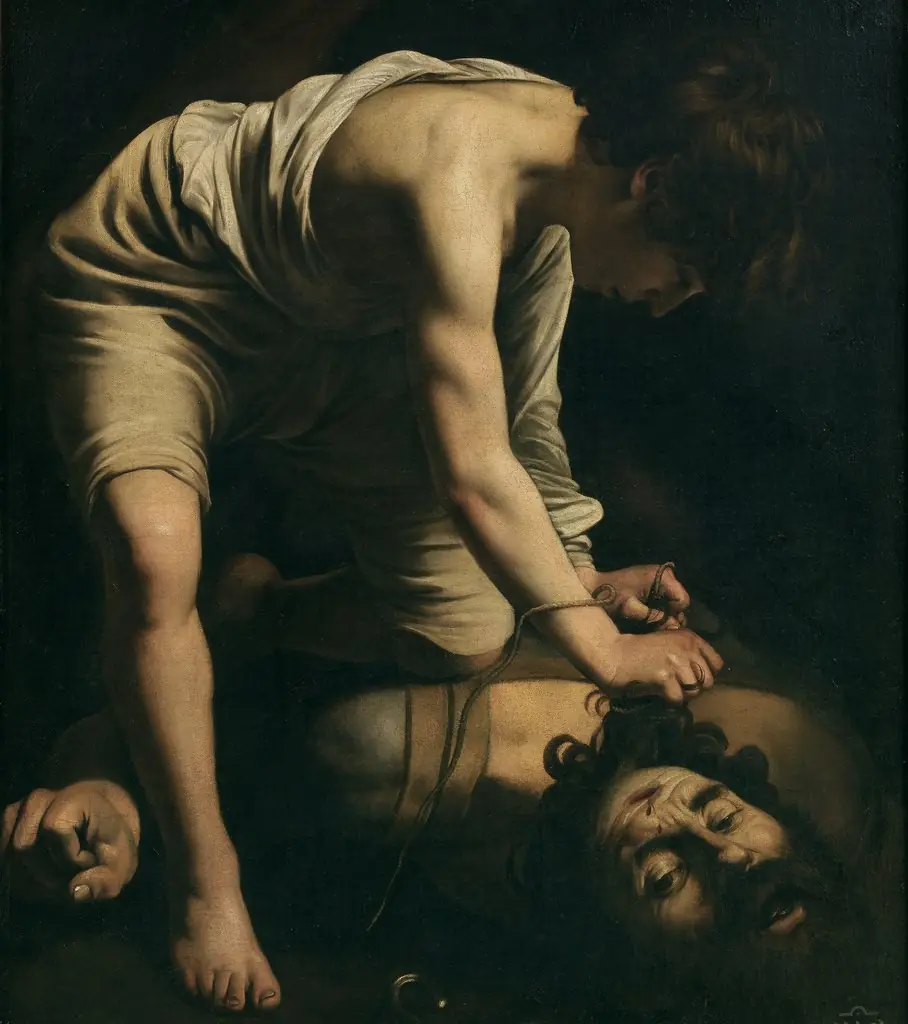 David and Goliath
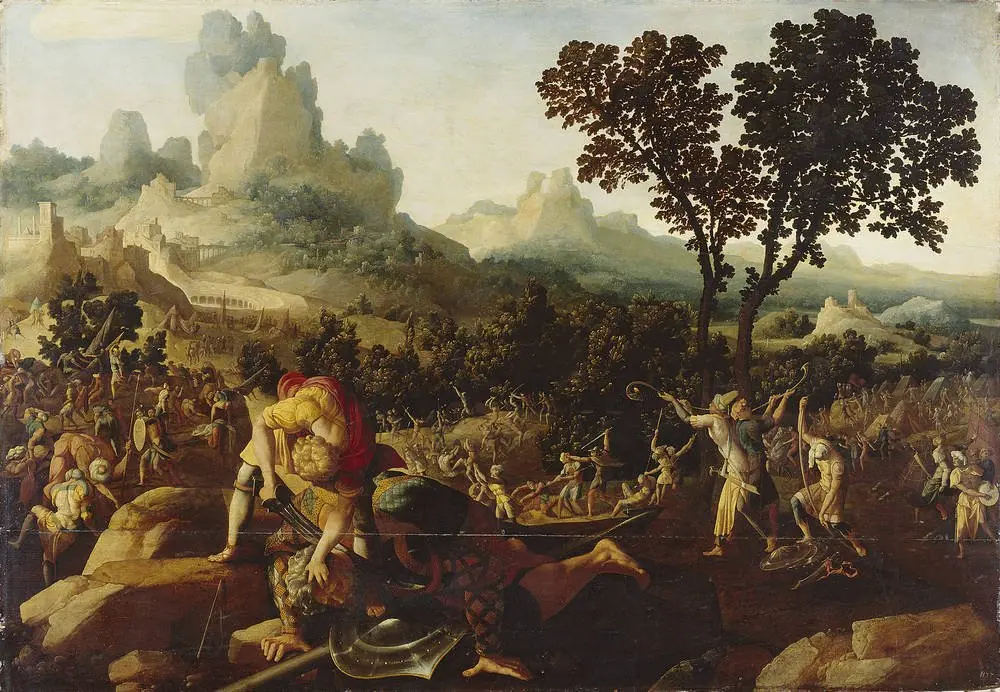 David and Goliath
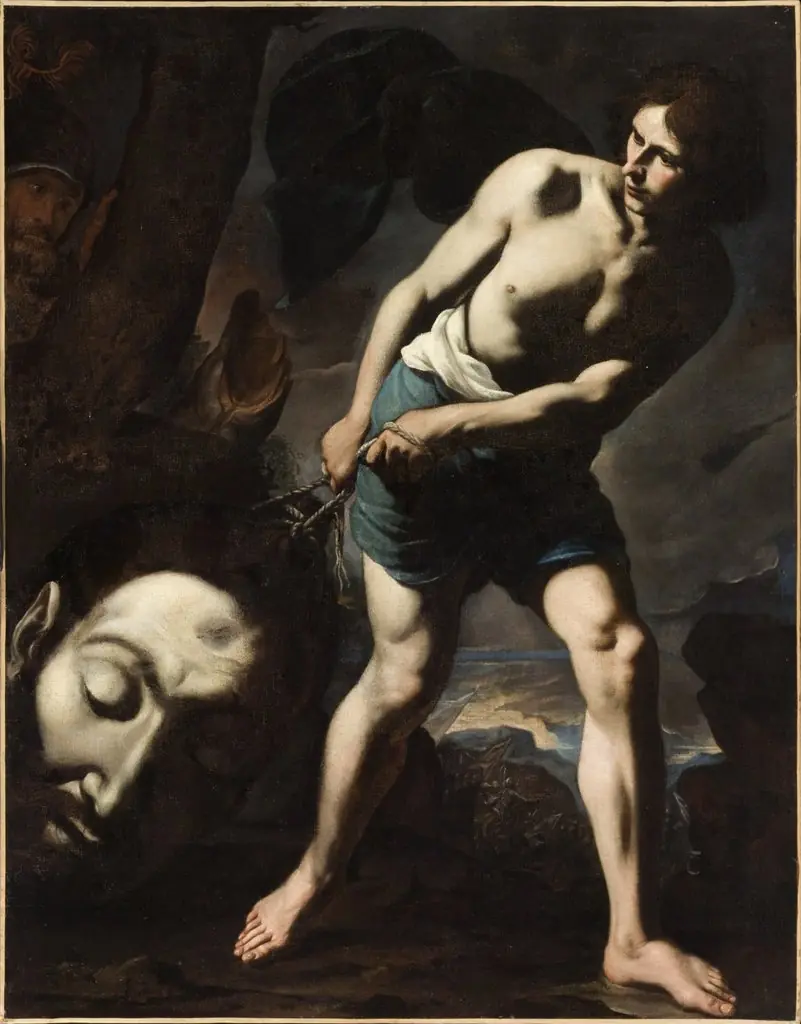 David with the Head of Goliath
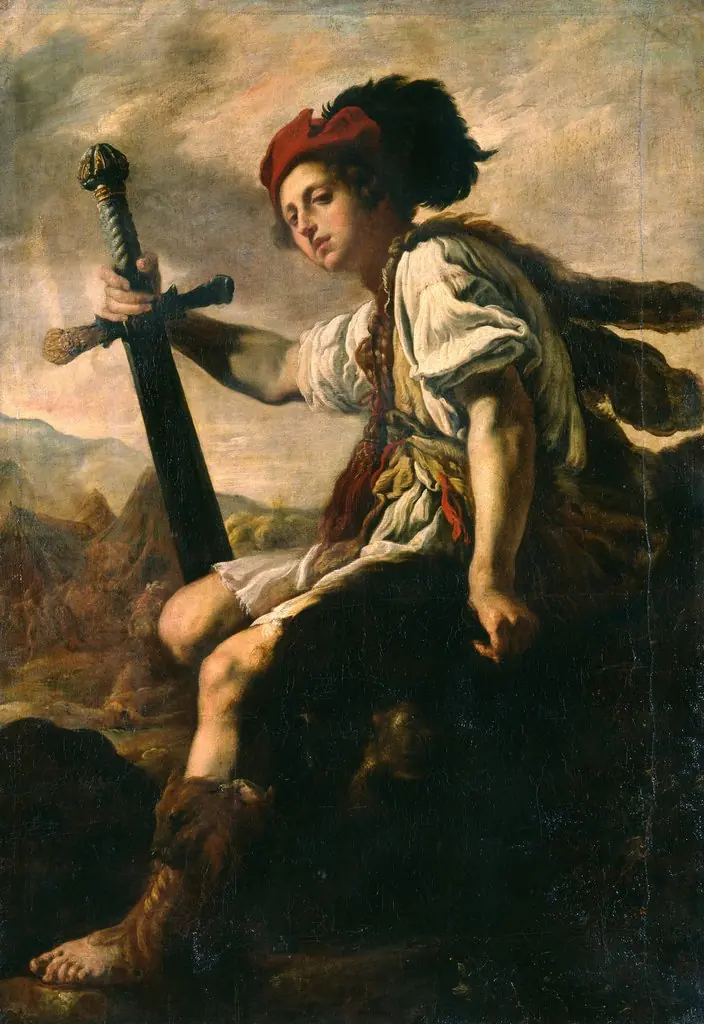 David with the Head of Goliath
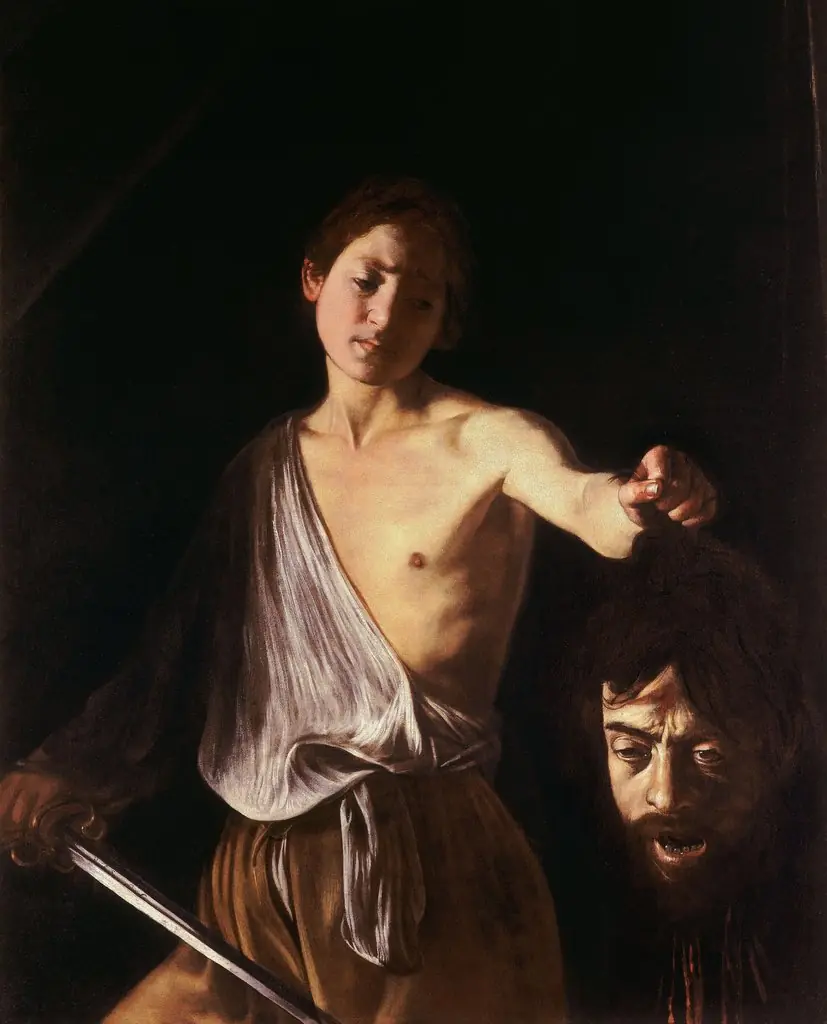 David with the Head of Goliath
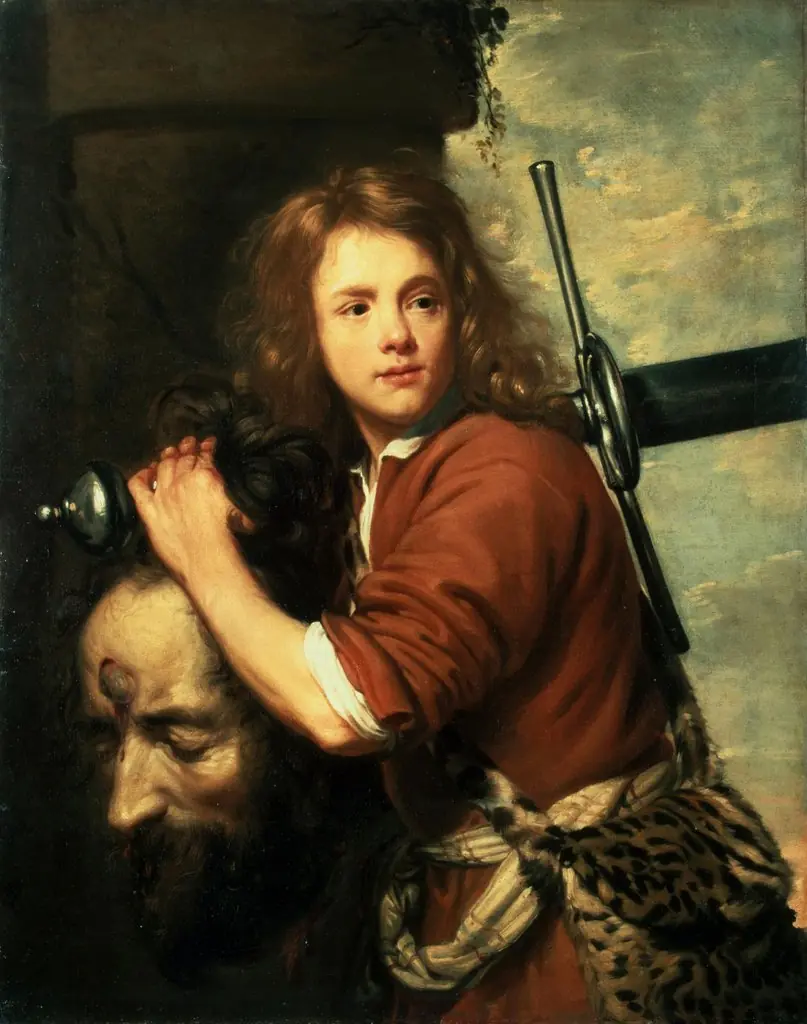 David Bearing the Head of Goliath