Artwork
Hero and Leander
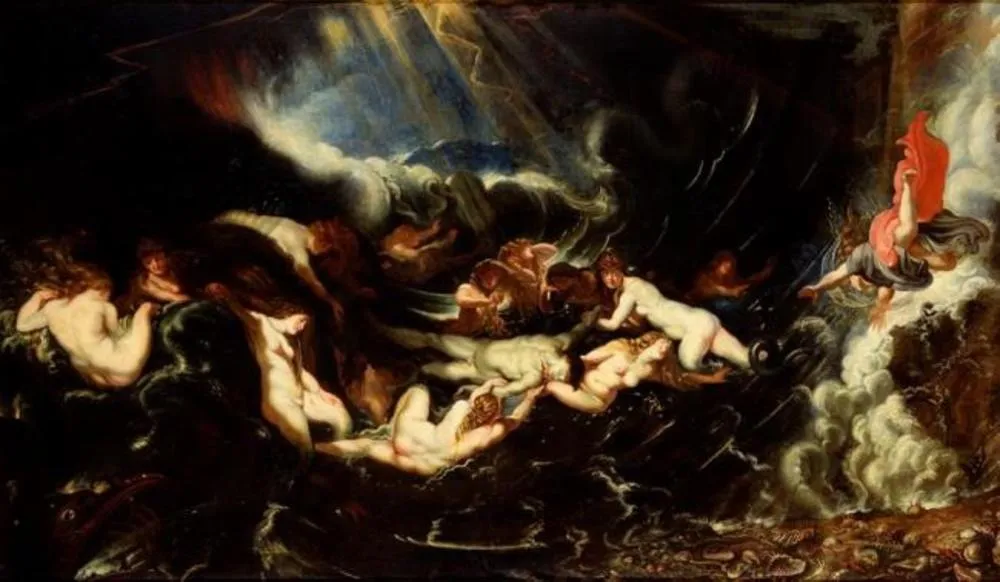
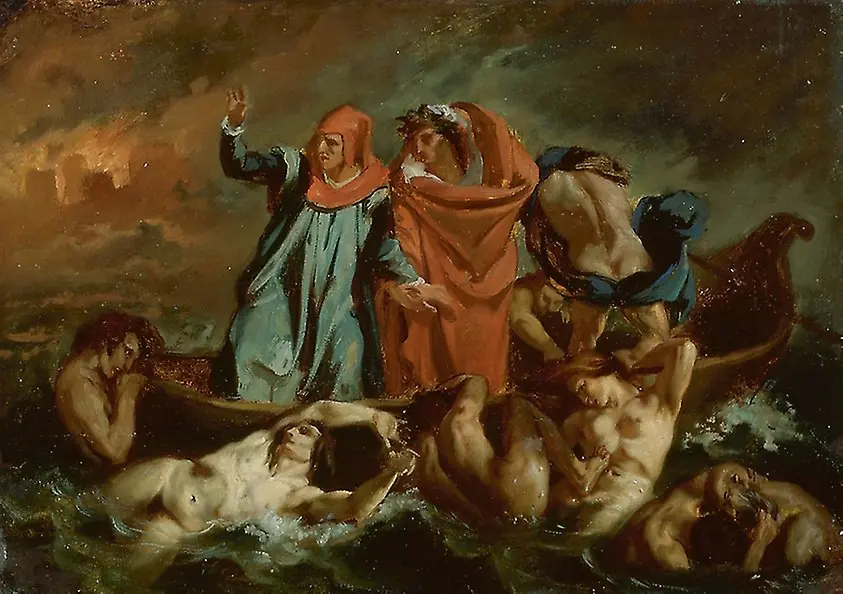
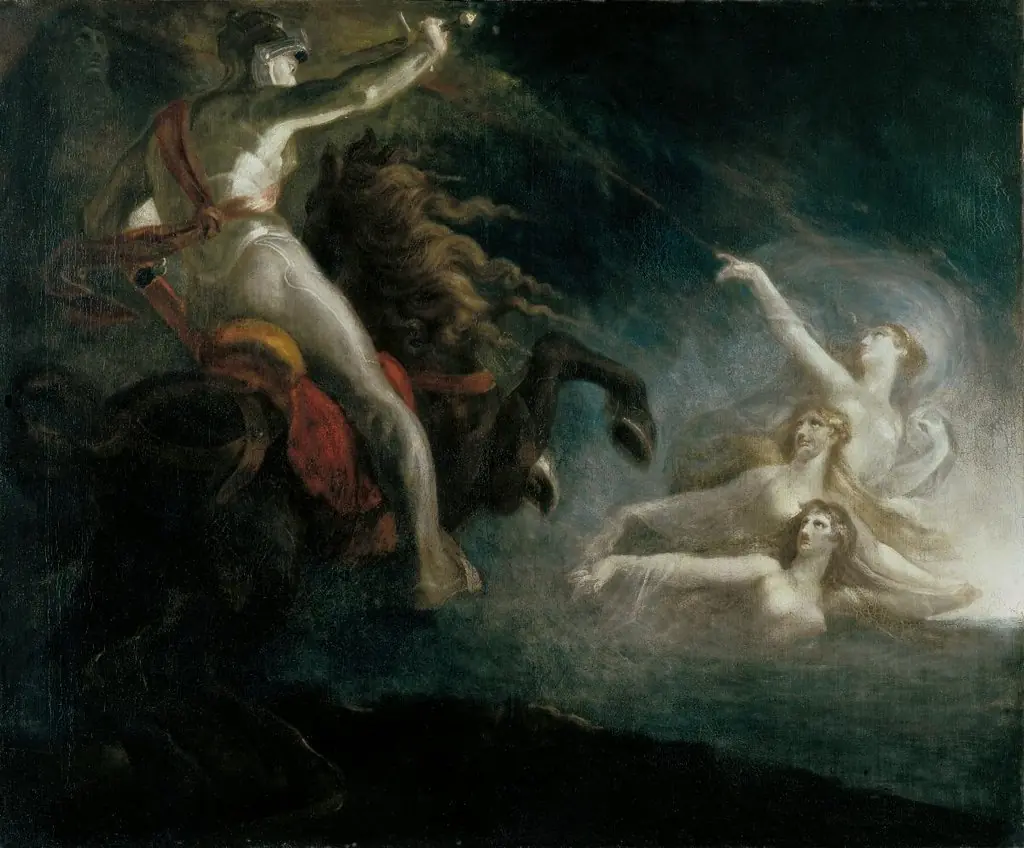
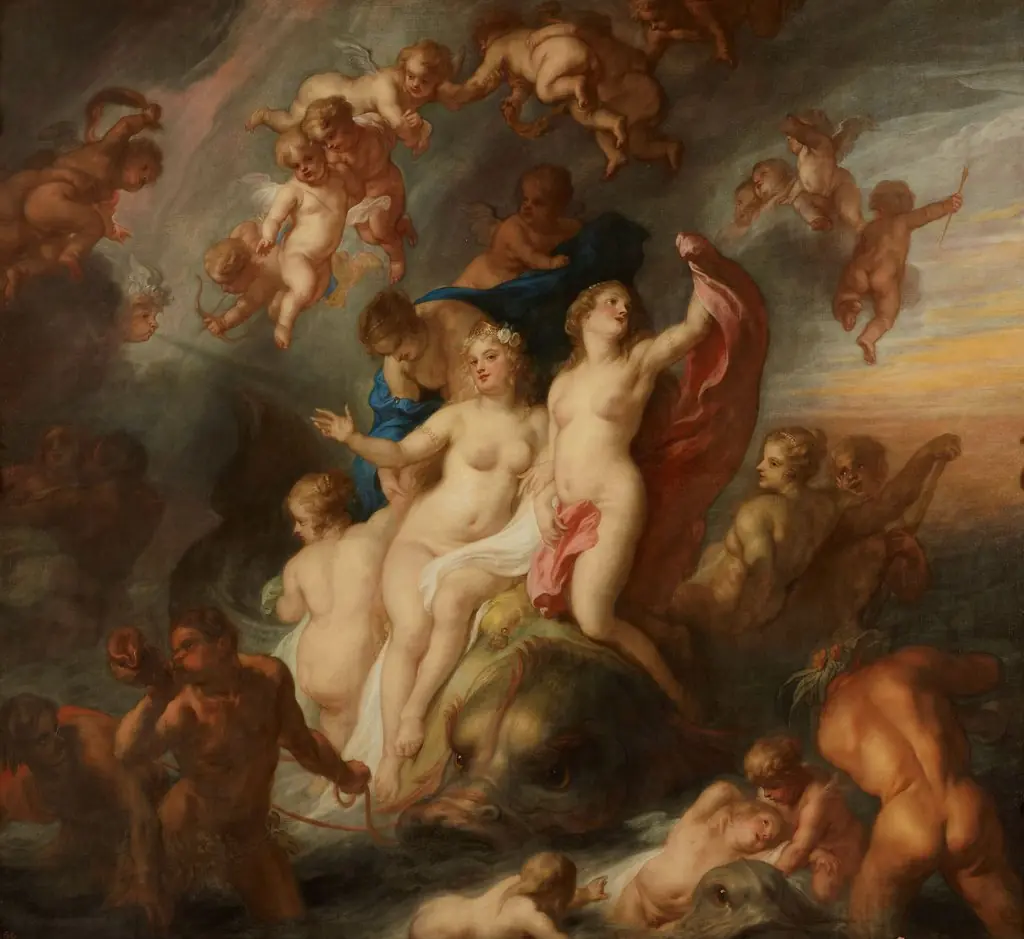
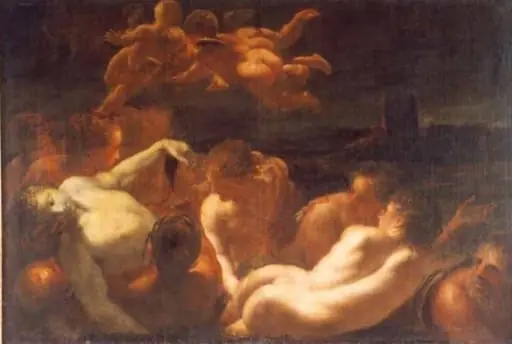
Hero and Leander is an oil painting by the Flemish Baroque painting artist Peter Paul Rubens. It dates from 1605 and is held in the collection of the Staatliche Kunstsammlungen Dresden.
About this work
Overview
Created during Rubens’s early career, it reflects his engagement with ancient narratives and the emerging Flemish Baroque style.
Painted in 1605 by Peter Paul Rubens, *Hero and Leander* is an oil-on-canvas work rooted in classical mythology. Created during Rubens’s early career, it reflects his engagement with ancient narratives and the emerging Flemish Baroque style. The painting’s emotional intensity and dynamic form align with his broader interest in human movement and dramatic storytelling, distinguishing it from more static Renaissance treatments of similar subjects.
Subject & Meaning
The scene illustrates the tragic love story of Hero, a priestess of Aphrodite, and Leander, a young man who swam nightly across the Hellespont to be with her. Their embrace in the churning sea captures the moment before Leander’s death, when stormy waters drown him. Rubens emphasizes the fragility of human passion against nature’s force, rendering the myth not as idealized romance but as a visceral encounter with fate and loss.
Technique & Style
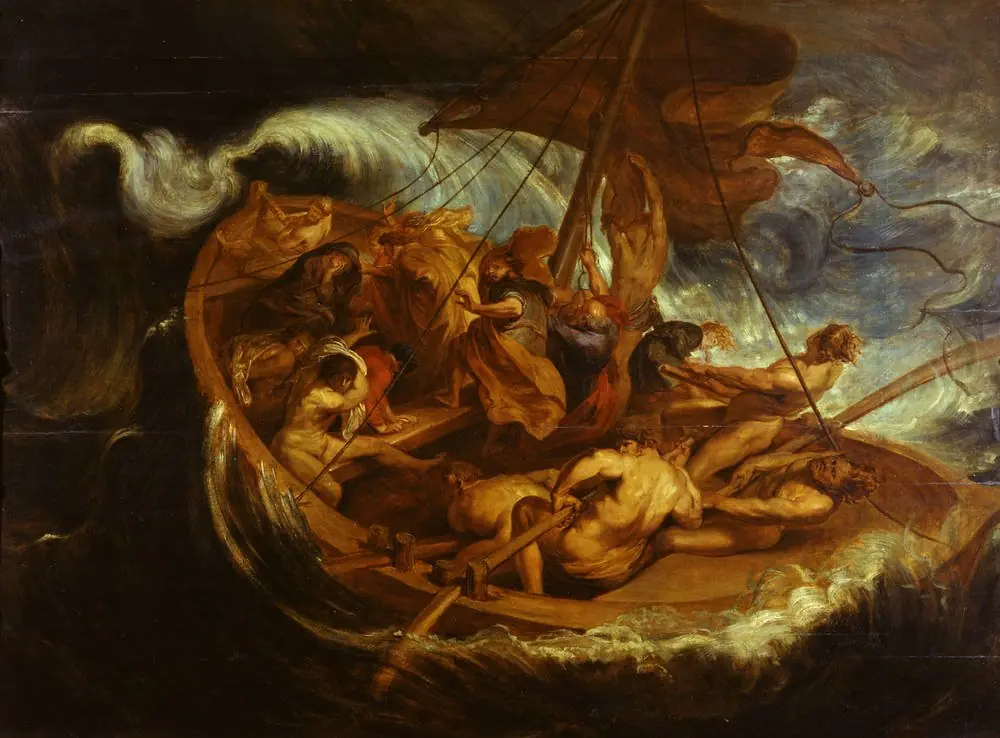
Rubens employs chiaroscuro to heighten emotional tension, contrasting the luminous flesh of the figures against the dark, roiling sea and sky. His brushwork is fluid yet precise, capturing the texture of wet skin, flowing hair, and turbulent water. The composition is diagonal and energetic, guiding the viewer’s eye through the intertwined bodies toward the distant cliffs, reinforcing the narrative’s urgency and isolation.
History & Provenance
Commissioned during Rubens’s formative years in Italy, the painting entered the collection of the Saxon Electors in Dresden by the early 18th century. It has remained in the Gemäldegalerie Alte Meister since then, preserved as part of one of Europe’s most significant holdings of Baroque art. Its continuous institutional ownership has ensured its preservation and scholarly accessibility.
Context
Rubens painted this work shortly after returning from Italy, where he studied Renaissance masters and classical sculpture. The subject reflects a broader European revival of mythological themes in the early 17th century, favored by courts seeking to align themselves with antiquity. His treatment diverges from serene classical ideals, instead embracing physicality and emotional volatility characteristic of the Baroque era.
Legacy
Though less frequently exhibited than Rubens’s larger mythological cycles, *Hero and Leander* remains a key example of his early synthesis of classical narrative and Baroque dynamism. It influenced later artists in its treatment of the human form in motion and its psychological depth. The painting continues to serve as a reference for studies of emotion, myth, and technique in Flemish Baroque painting.
Artist & collection
Artist
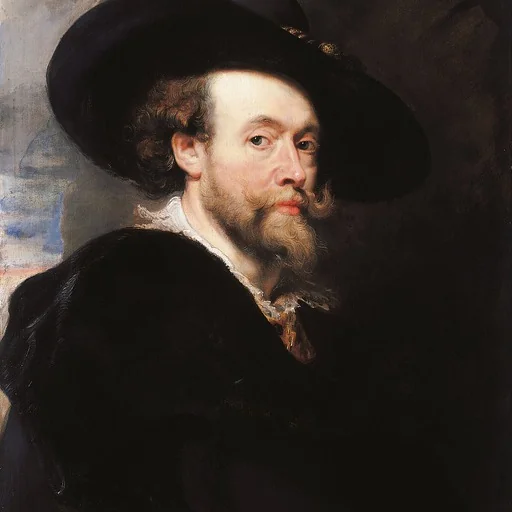
Sir Peter Paul Rubens ( ROO-bənz; Dutch: ; 28 June 1577 – 30 May 1640) was a Flemish artist and diplomat.