Artwork
Chaos
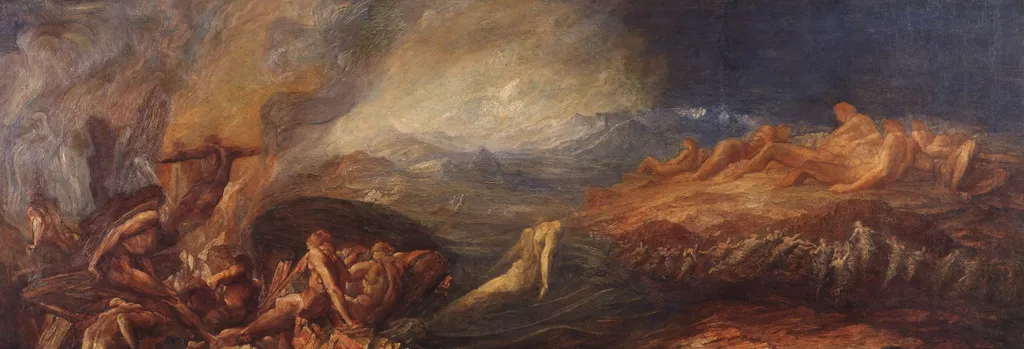
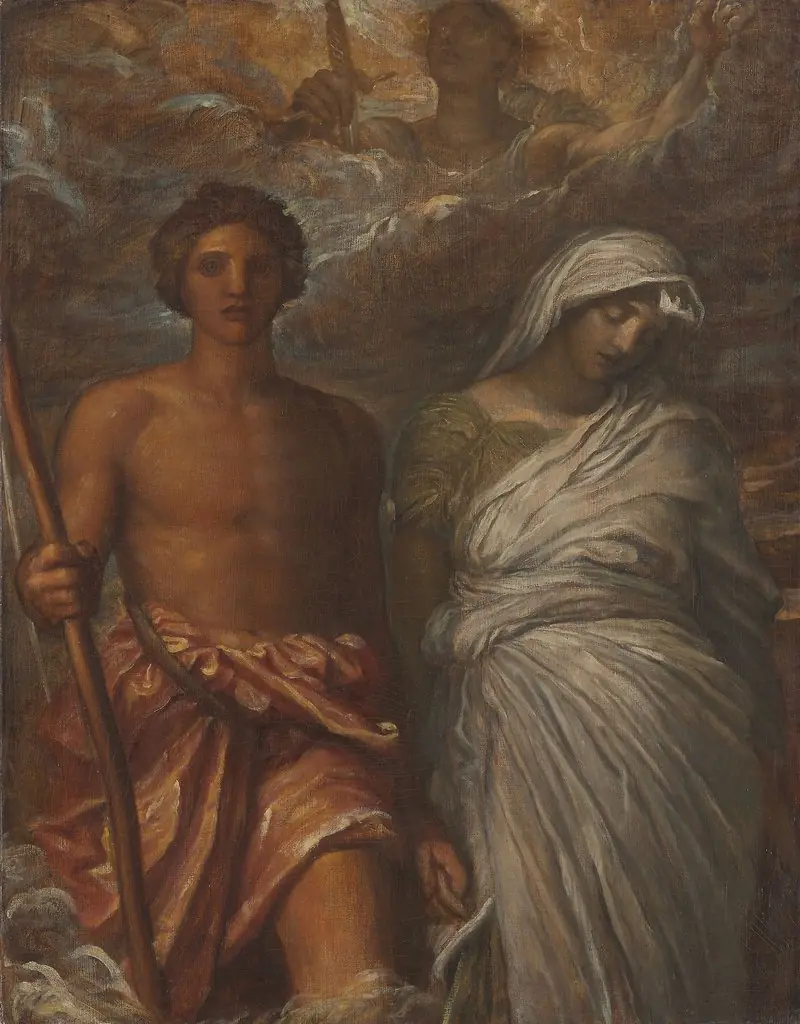
Chaos is an oil painting by the Post-Impressionist artist George Frederic Watts. It dates from 1875 and is held in the collection of the National Gallery.
About this work
Overview
It is part of a larger, unrealized project called the 'House of Life,' a series intended to explore fundamental human conditions through allegory.
George Frederic Watts painted *Chaos* in 1875 using oil on canvas. Though often linked to Symbolism, the work resists strict categorization within movements like Post-Impressionism. It is part of a larger, unrealized project called the 'House of Life,' a series intended to explore fundamental human conditions through allegory. The painting resides in the collection of Tate Britain, where it continues to invite interpretation as a visual meditation on disorder.
Subject & Meaning
*Chaos* presents no clear narrative but evokes a primordial state of upheaval. Figures in the foreground contort in apparent anguish, their forms half-submerged in darkness, suggesting the emergence of life from formlessness. The absence of identifiable mythological or biblical references invites viewers to perceive the scene as a metaphor for existential turmoil, the raw energy preceding cosmic or moral order. Watts sought to express universal emotional states rather than tell specific stories.
Technique & Style
Watts employed chiaroscuro to heighten the painting’s emotional intensity, using stark contrasts between light and shadow to model the figures and suggest depth. Swirling, indistinct backgrounds of smoke and fog dissolve boundaries between forms, enhancing the sense of instability. Brushwork is loose in the atmosphere, yet more defined in the human silhouettes, creating a tension between clarity and obscurity. The palette leans toward muted grays and browns, punctuated by sudden glimmers of pale light.
History & Provenance
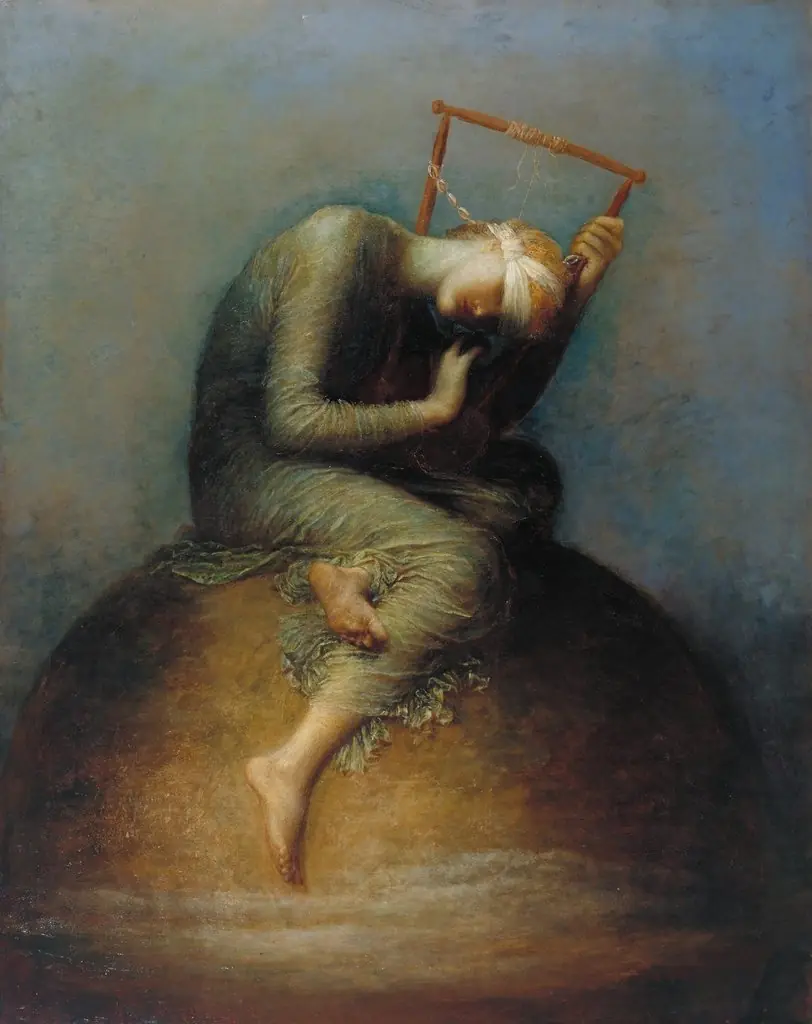
Completed in 1875, *Chaos* was not exhibited publicly during Watts’s lifetime and remained in his personal collection until his death in 1904. It entered the Tate Britain holdings through bequest, as part of a larger donation of his works. Unlike his more famous allegories such as *Hope*, *Chaos* was never widely reproduced or promoted, contributing to its relative obscurity in art historical discourse until later 20th-century reassessments of Symbolist painting.
Context
Watts created *Chaos* amid growing interest in metaphysical themes in late 19th-century British art. Scientific advances in geology and evolutionary theory had unsettled traditional cosmologies, and artists increasingly turned to abstraction and allegory to grapple with existential uncertainty. Watts’s work responded to this climate, positioning painting as a vehicle for philosophical inquiry rather than mere representation.
Legacy
Though never central to public exhibitions in Watts’s era, *Chaos* has gained scholarly attention as a key example of Symbolist sensibility in British art. Its ambiguity and emotional gravity influenced later artists exploring inner states through non-narrative imagery. The painting stands as a quiet counterpoint to the era’s more literal historical or genre scenes, affirming Watts’s commitment to art as a medium for confronting the ineffable.
Artist & collection
Artist
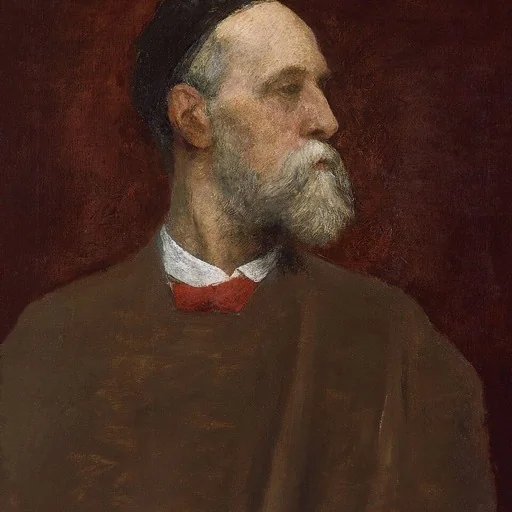
George Frederic Watts (23 February 1817 – 1 July 1904) was a British painter and sculptor associated with the Symbolist movement.

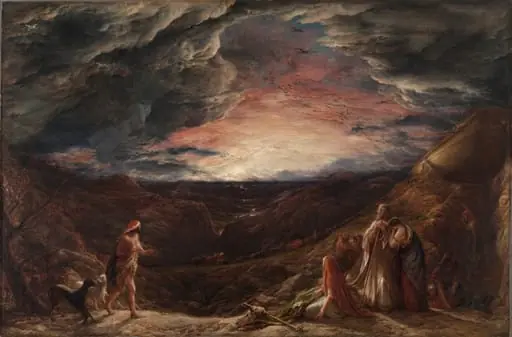 Noah: The Eve of the Deluge
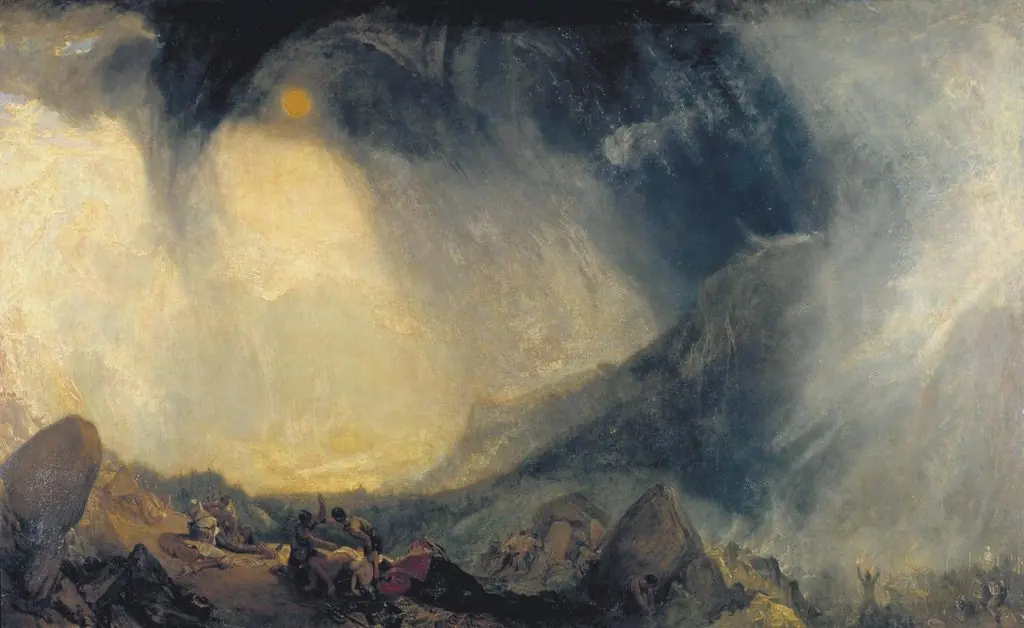 Snow Storm: Hannibal and his Army Crossing the Alps
 Valley of Aosta: Snowstorm, Avalanche, and Thunderstorm
 Valley of Aosta: Snowstorm, Avalanche, and Thunderstorm
 Noah: The Eve of the Deluge
 Mountain mist, sun rise (Lake District)
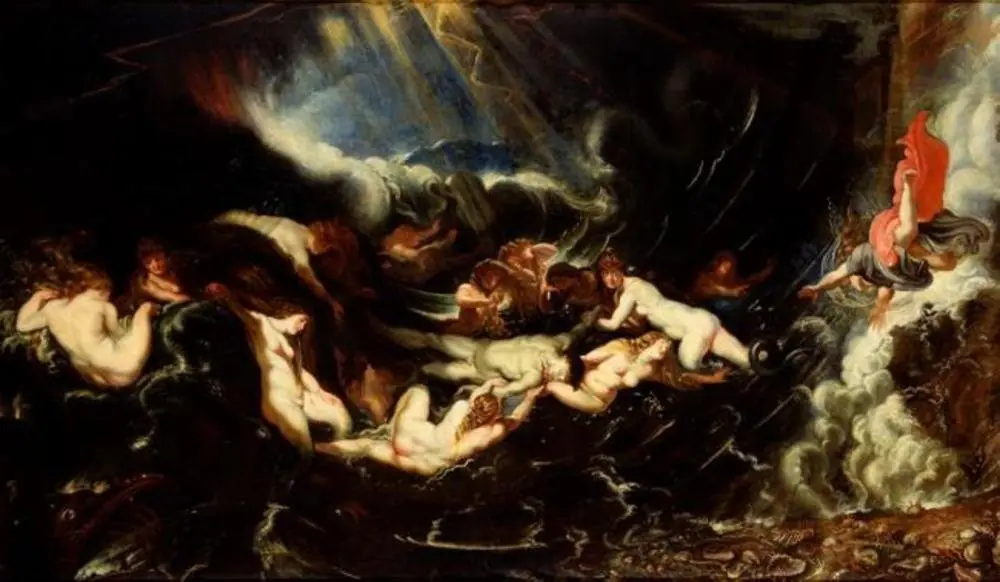 Hero and Leander
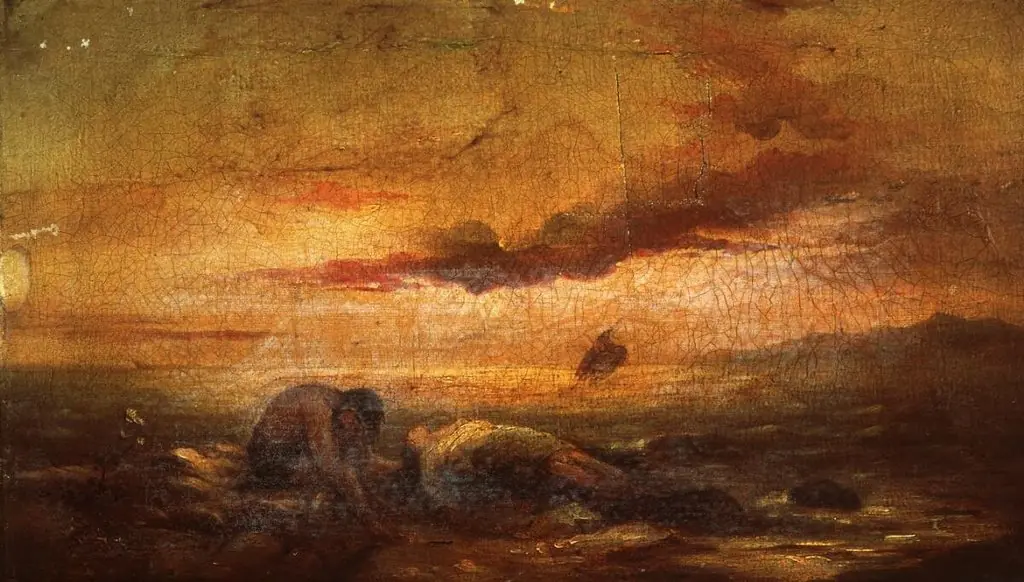 Lover laments the death of his beloved
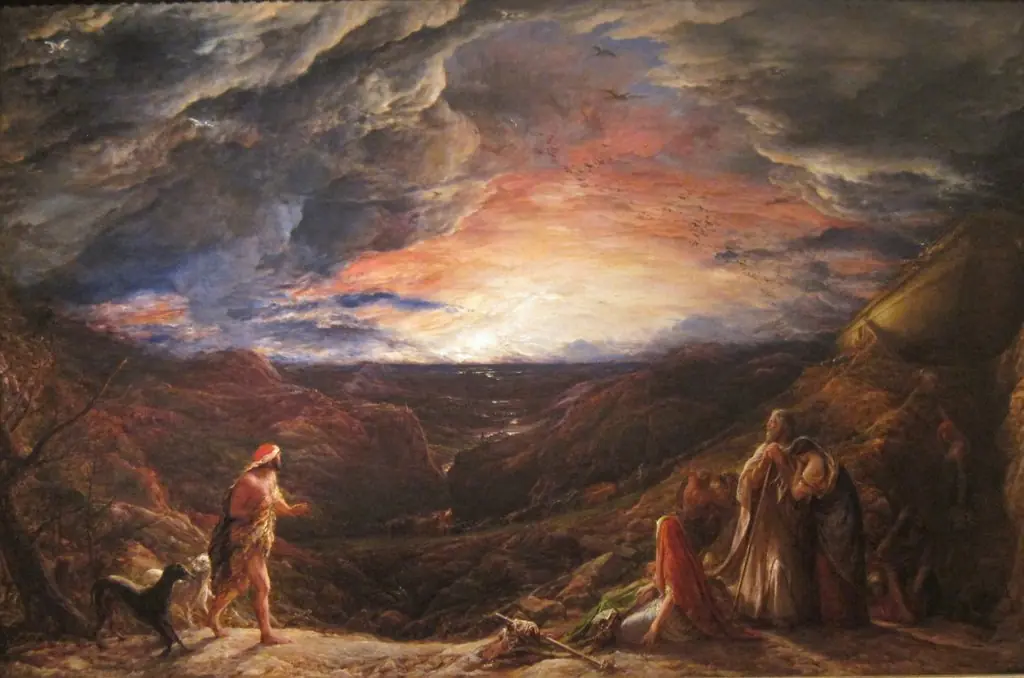 Noah: The Eve of the Deluge
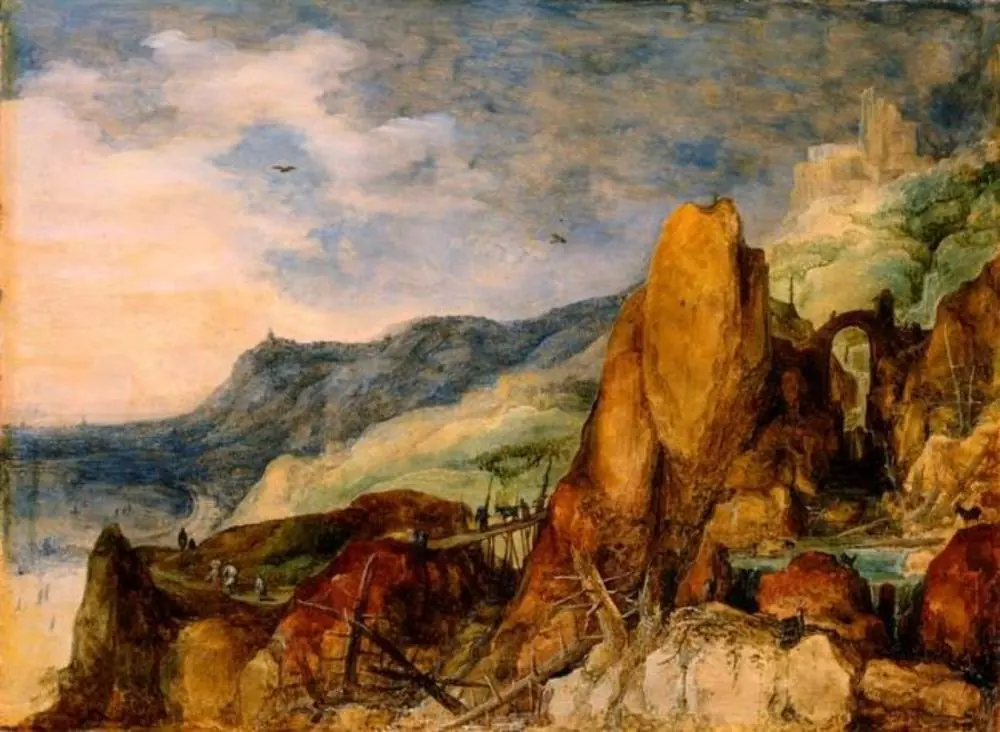 Mountain landscape with fir trunks in a stream
 The Three Wise Men
 The Opening of the Sixth Seal