Artwork
Mercury and Argus (sketch for the Torre de la Parada
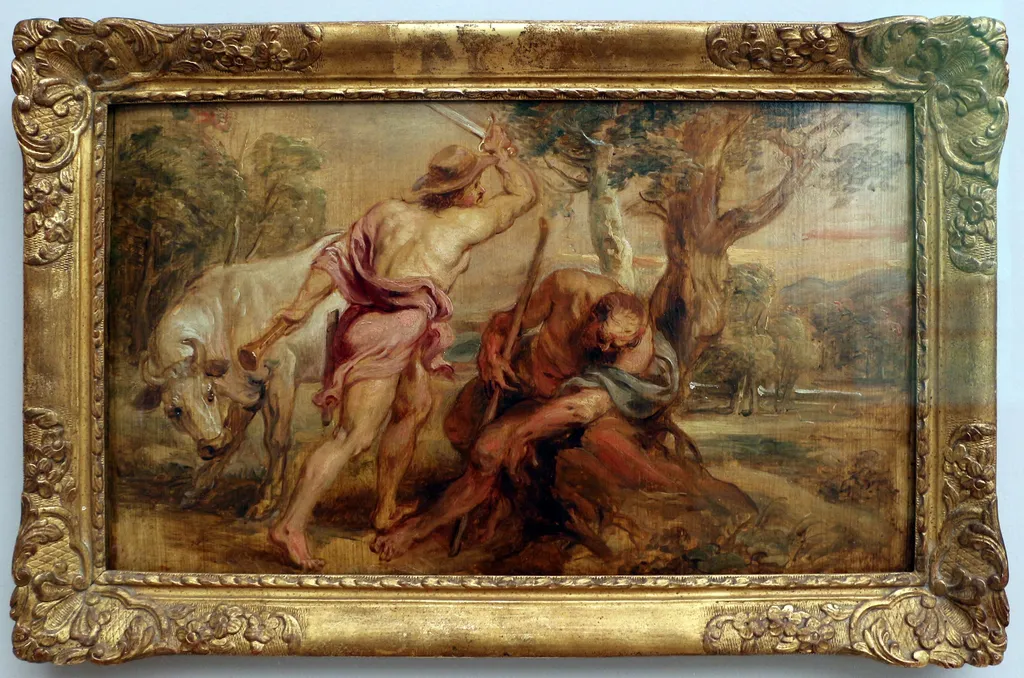
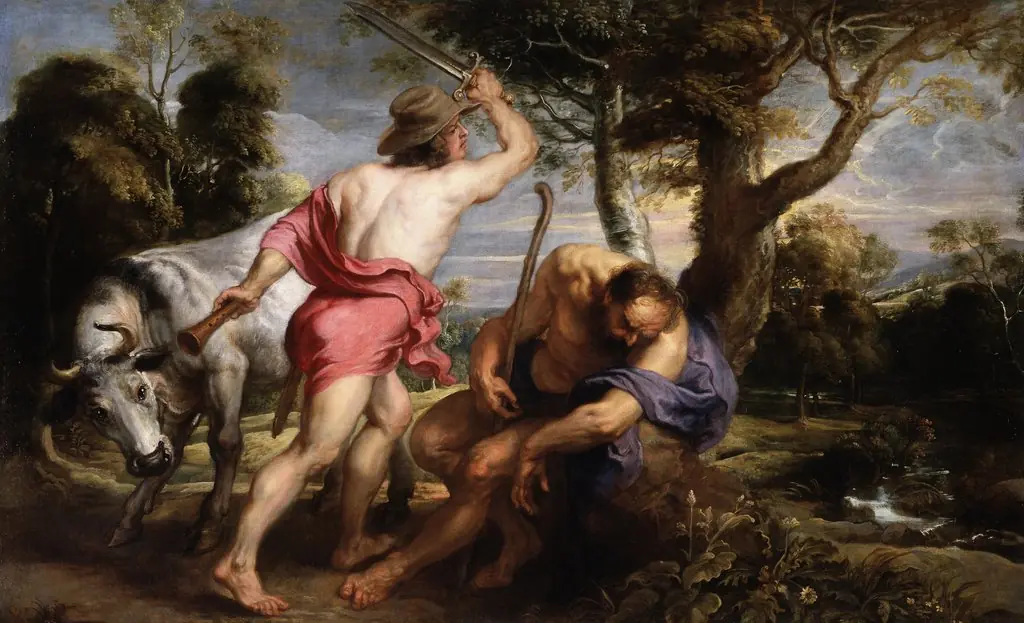
Mercury and Argus (sketch for the Torre de la Parada is an oil painting by the Flemish Baroque painting artist Peter Paul Rubens. It dates from 1636 and is held in the collection of the Royal Museums of Fine Arts of Belgium.
About this work
Overview
Mercury and Argus is an oil sketch created by Peter Paul Rubens in 1636 for the Torre de la Parada. It is a representative work of the Flemish Baroque tradition.
Subject & Meaning
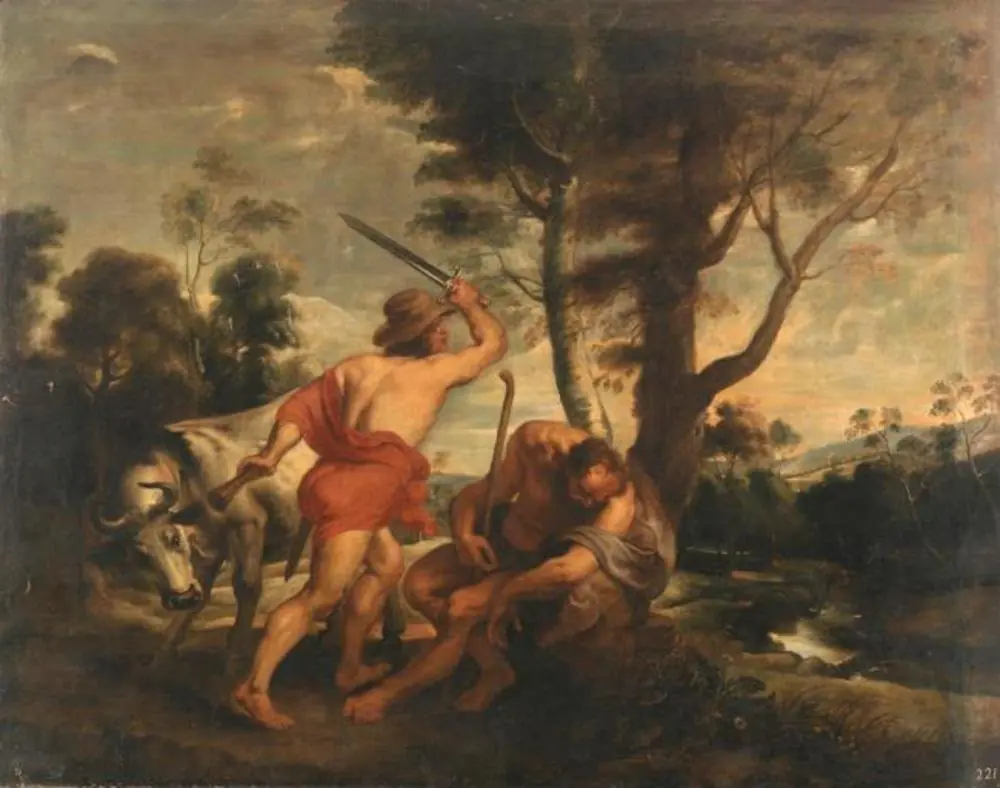
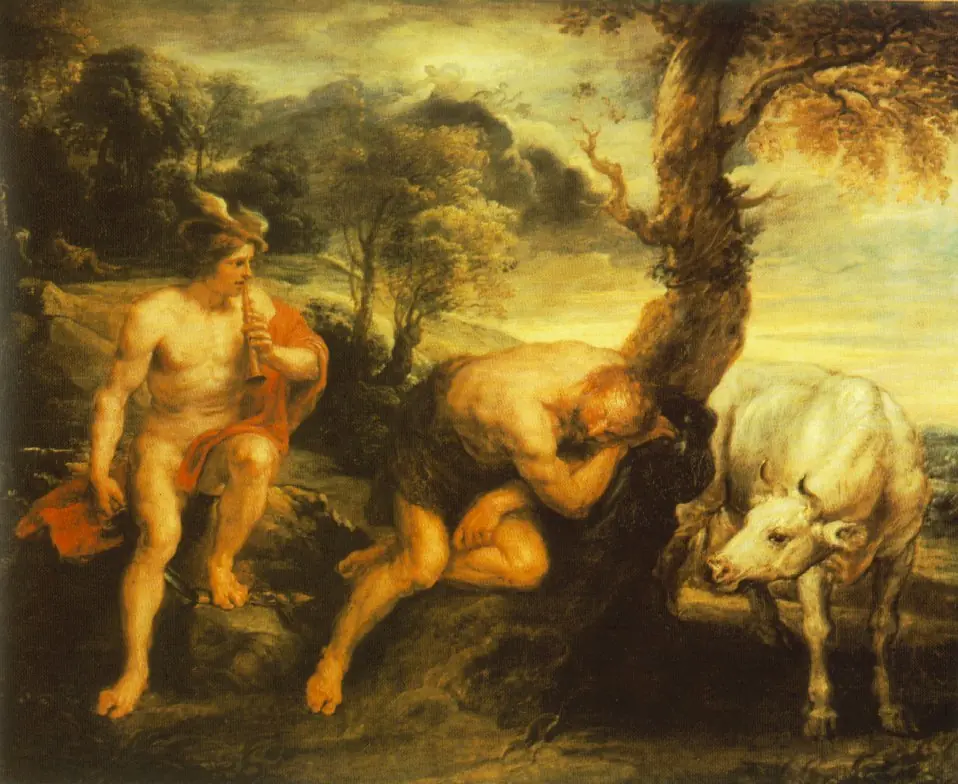
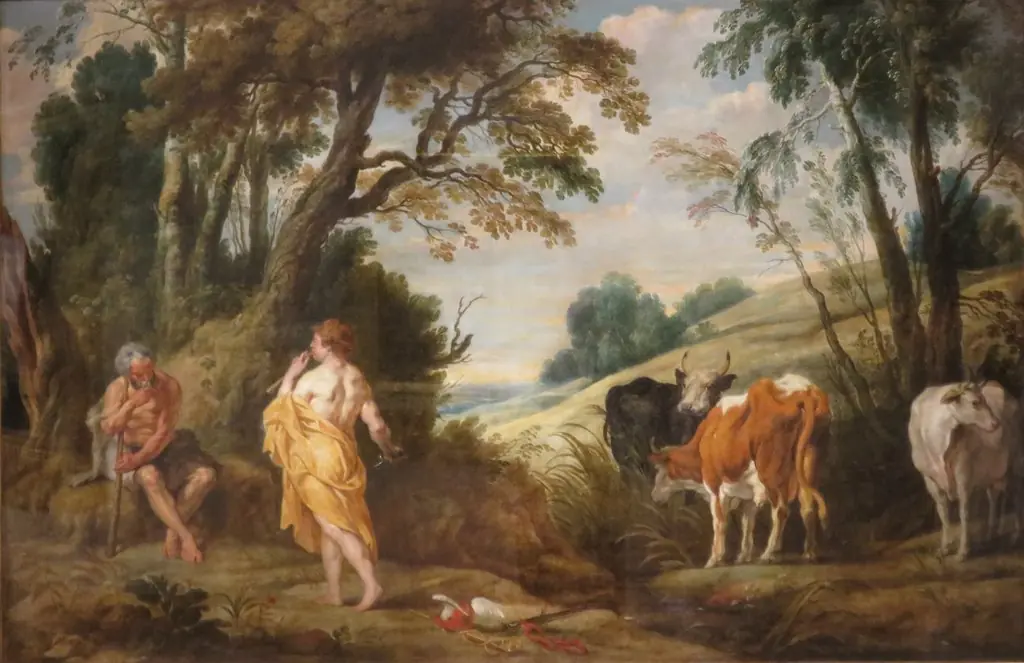
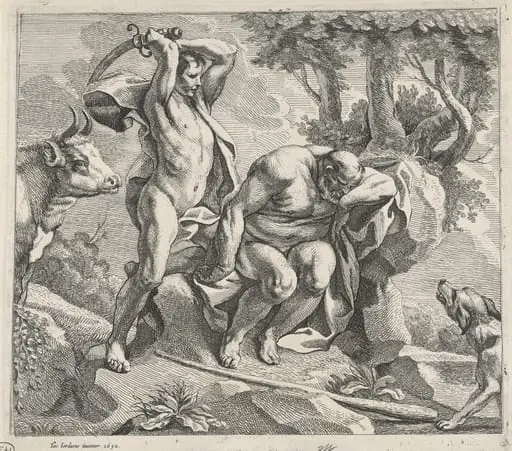
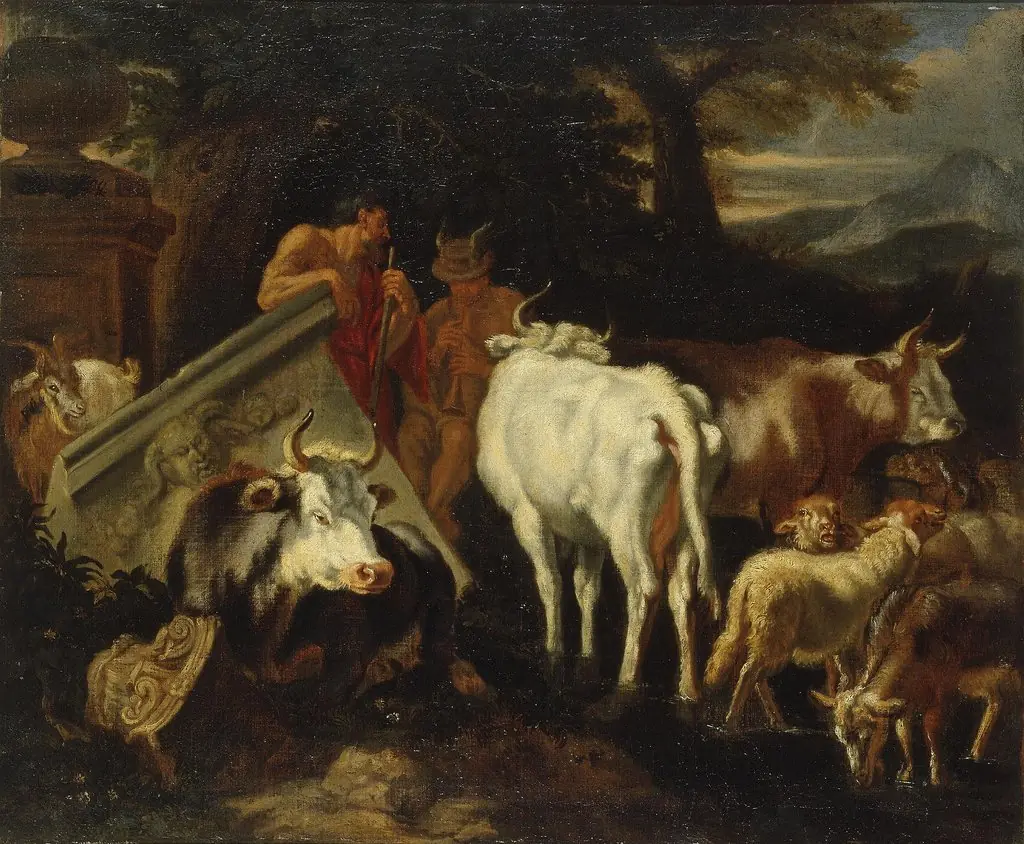
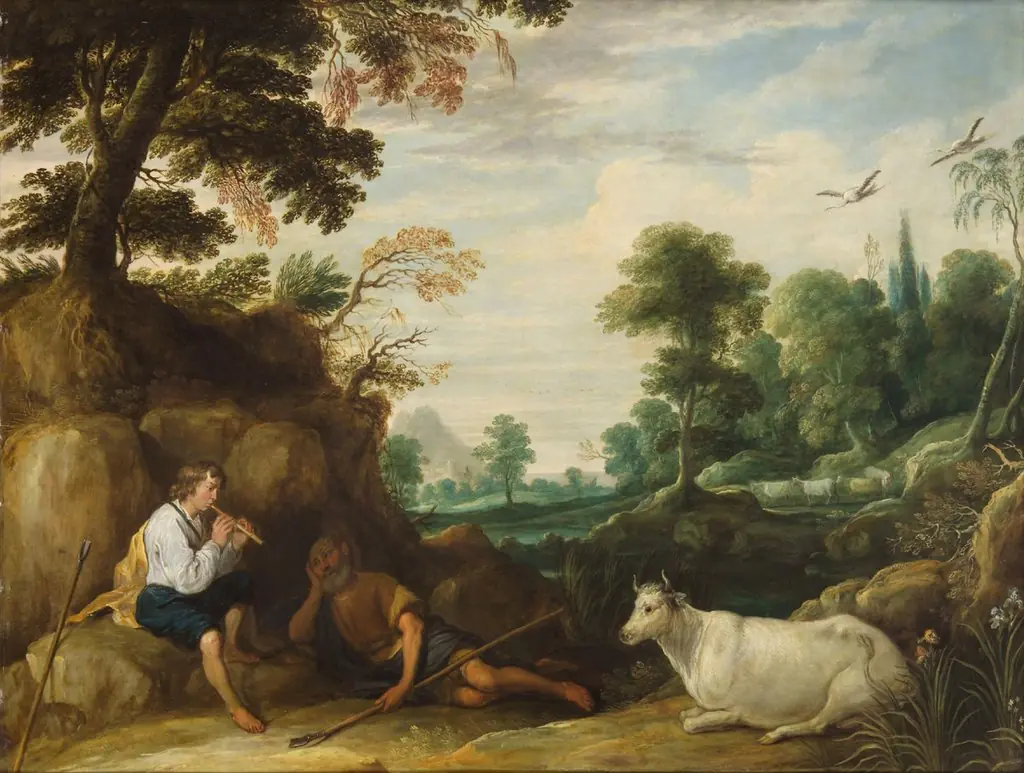
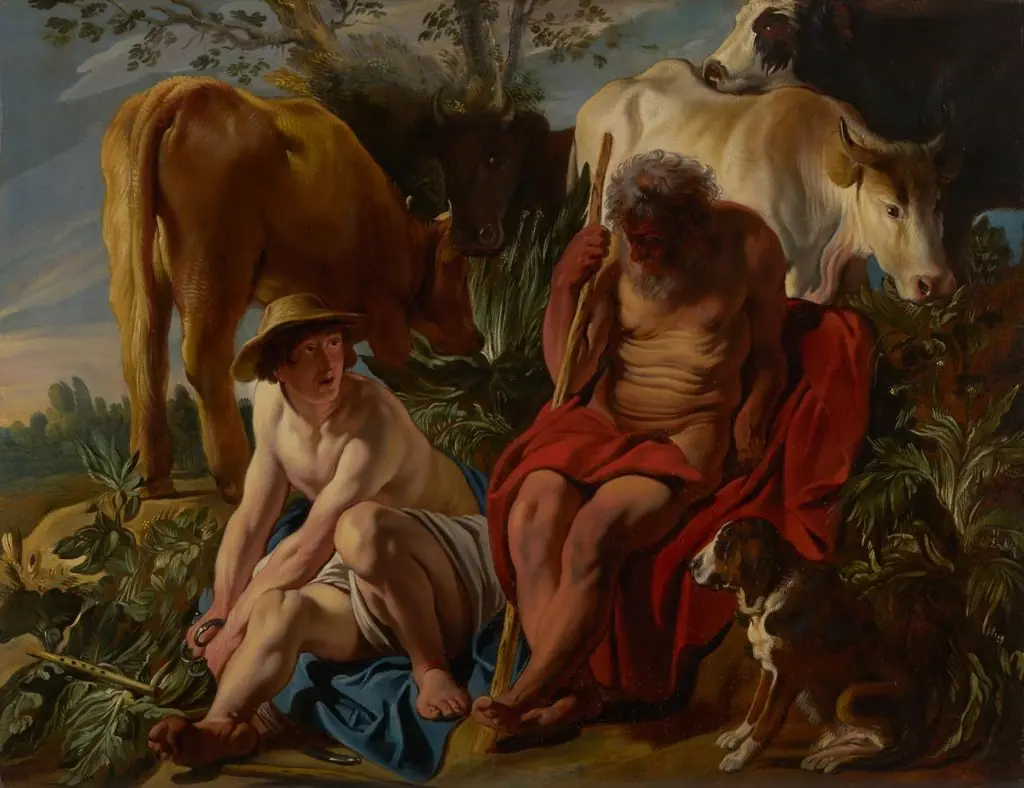
The painting depicts a scene from mythology where Mercury, the messenger god, is about to slay Argus, a many-eyed figure. The composition includes a tree and a cow, blending the figures into a natural setting.
Technique & Style
The sketch showcases Rubens's use of chiaroscuro and his emphasis on movement and dramatic storytelling, characteristic of the Baroque style. The contrast between light and dark creates a harmonious atmosphere, integrating the figures and landscape.
History & Provenance
The painting is part of the collection held by the Royal Museums of Fine Arts of Belgium. It was created as a preparatory work for a larger project at the Torre de la Parada.
Artist & collection
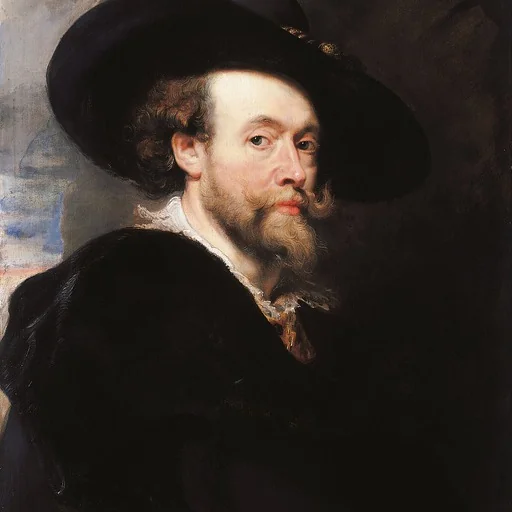
Artist
Sir Peter Paul Rubens ( ROO-bənz; Dutch: ; 28 June 1577 – 30 May 1640) was a Flemish artist and diplomat.

Museum
Royal Museums of Fine Arts of Belgium
Continue through works from the same source collection.