Artwork
Miracle of Saint Ignatius of Loyala (study)
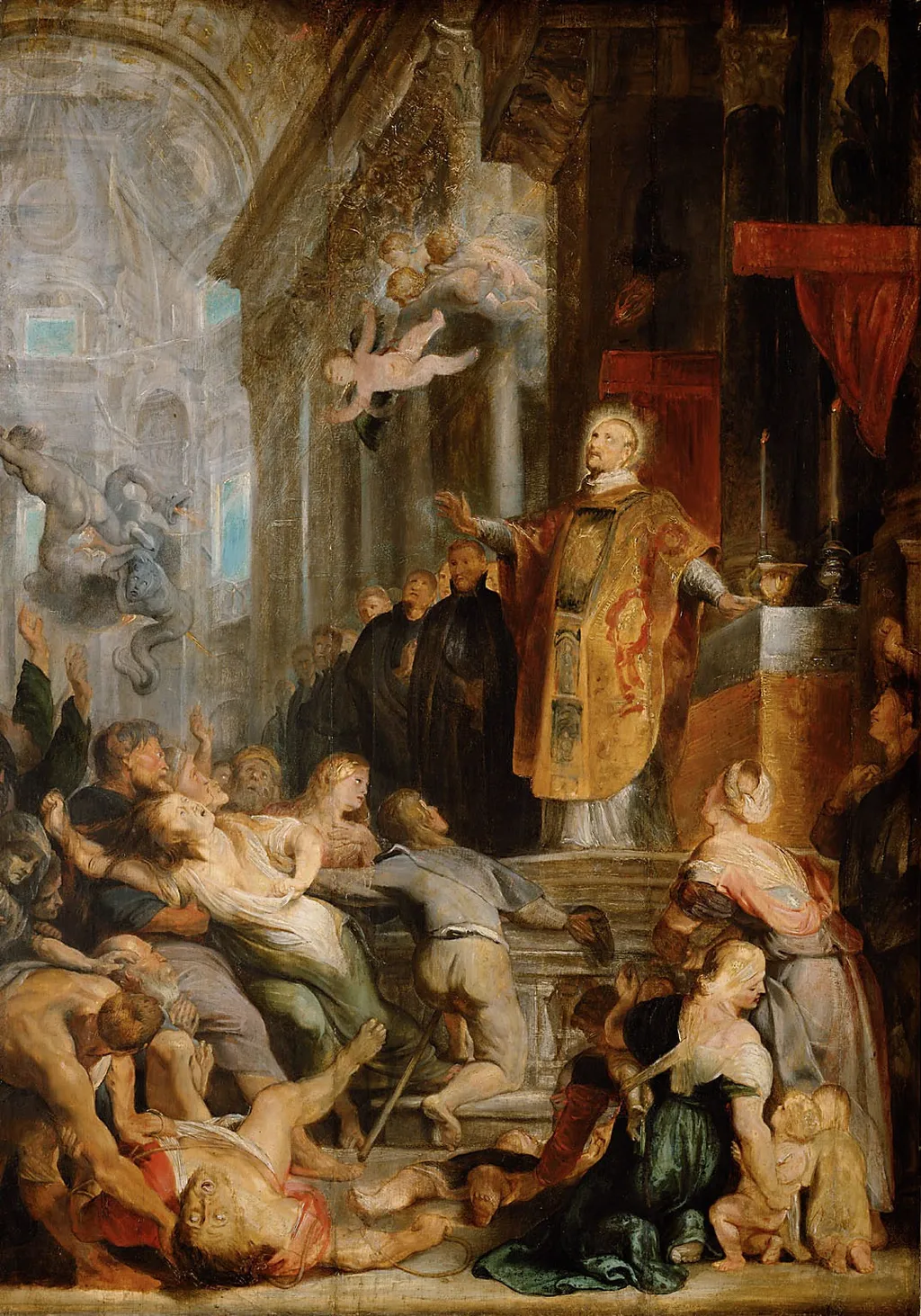
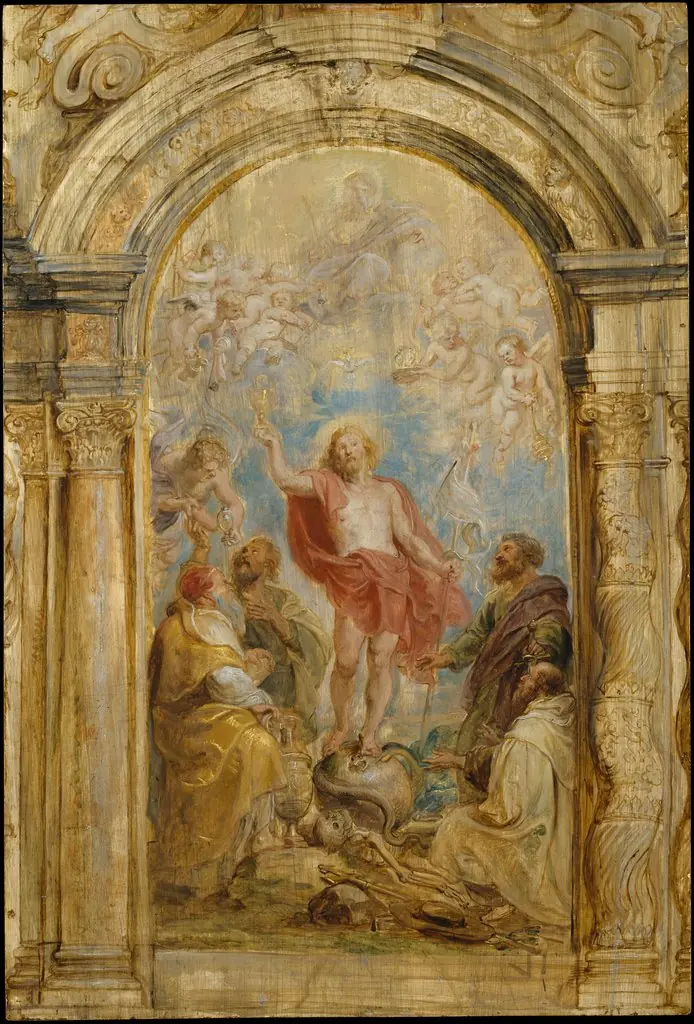
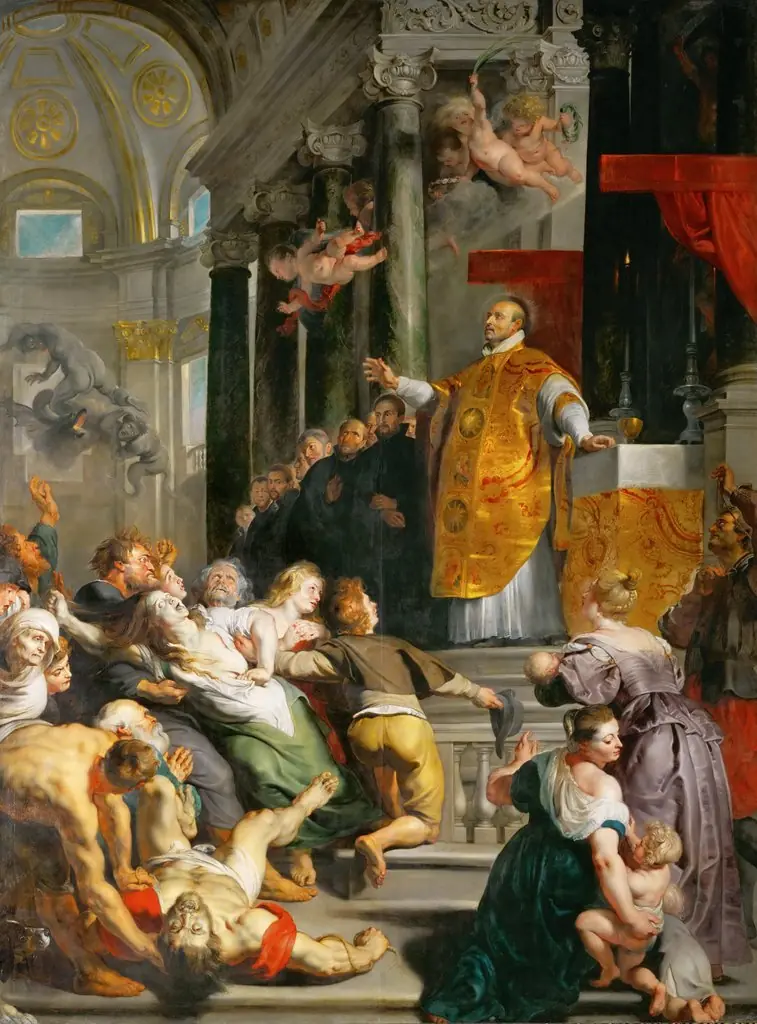
Miracle of Saint Ignatius of Loyala (study) is an oil painting by the Flemish Baroque painting artist Peter Paul Rubens. It dates from 1615 and is held in the collection of the Kunsthistorisches Museum.
About this work
Overview
Created in 1615, this oil study by Peter Paul Rubens belongs to the Flemish Baroque period and is held in the Kunsthistorisches Museum. The work presents a theatrical interior of a church, centering on a priest in a gold vestment whose illuminated presence dominates the composition.
Subject & Meaning
The scene alludes to a miraculous episode involving Saint Ignatius of Loyola, gathering a varied crowd of worshippers, monks, and celestial beings. By juxtaposing ordinary figures with angels, Rubens emphasizes the intersection of earthly devotion and divine intervention.
Technique & Style
Rubens employs a vigorous, textured brushwork that renders flesh and fabric with palpable weight. A warm palette of golds and deep reds contrasts with subdued background tones, while a focused light halo accentuates the central priest, reinforcing the dramatic Baroque sensibility.
History & Provenance
The study was produced as a preparatory work for a larger composition, reflecting Rubens’s practice of sketching complex narratives in oil. It entered the Kunsthistorisches Museum’s collection in the 19th century, where it remains part of the institution’s Baroque holdings.
Context
Rubens, a leading Flemish artist and diplomat, frequently drew on religious and classical sources. This piece exemplifies his ability to fuse dynamic movement with theological themes, a hallmark of the Baroque era’s emphasis on emotional engagement.
Artist & collection
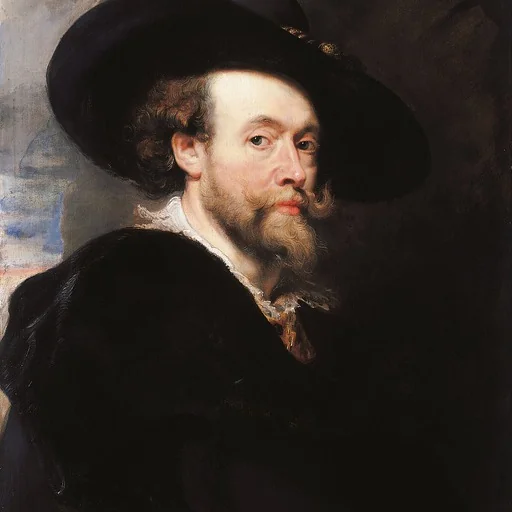
Artist
Sir Peter Paul Rubens ( ROO-bənz; Dutch: ; 28 June 1577 – 30 May 1640) was a Flemish artist and diplomat.