Artwork
Miracle of the Church
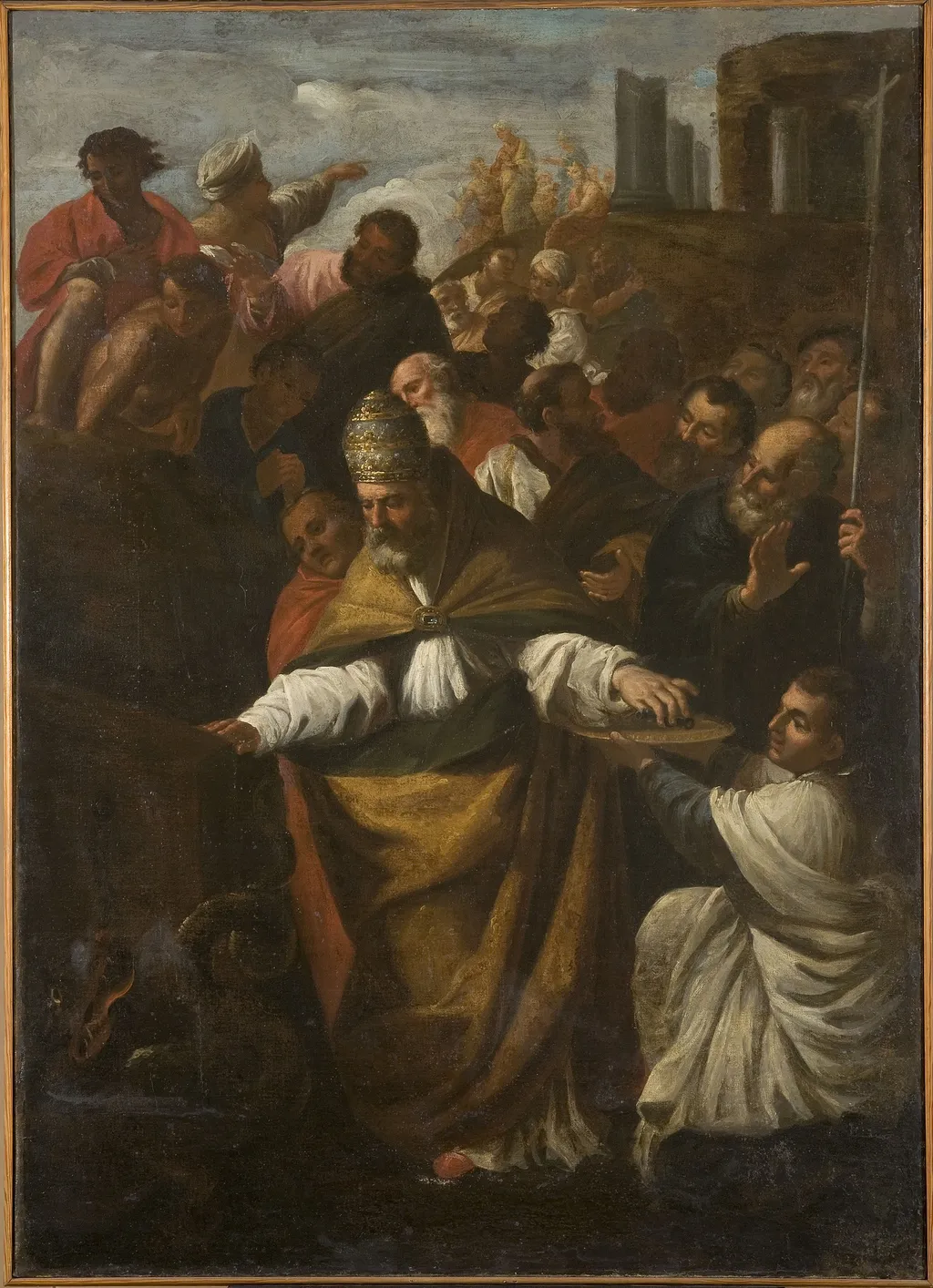
Miracle of the Church is an oil painting by Taddeo Kuntze. It dates from 1770 and is held in the collection of the National Museum in Warsaw.
About this work
Overview
The painting resides today in the National Museum in Warsaw, where it stands as a representative example of devotional imagery from the period.
Painted around 1770 by Taddeo Kuntze, also known as Taddeo Polacco, this oil-on-canvas work reflects the transitional artistic climate of late Baroque and early Neoclassical Europe. Kuntze, active in Kraków, Paris, Spain, and Rome, brought a cosmopolitan sensibility to his religious subjects. The painting resides today in the National Museum in Warsaw, where it stands as a representative example of devotional imagery from the period.
Subject & Meaning
The central figure, crowned and clad in yellow and white, holds a plate as if distributing something sacred. Surrounding him, a diverse crowd gazes upward in quiet reverence, suggesting a moment of divine intervention. Though the specific miracle is not identified, the composition aligns with common themes of ecclesiastical authority and miraculous grace, reinforcing the Church’s role as a conduit of the sacred.
Technique & Style
Kuntze employs chiaroscuro to model the central figure with strong light and shadow, isolating him against a luminous sky and architectural backdrop. The figures are rendered with careful attention to gesture and drapery, balancing naturalism with ceremonial stillness. The palette is restrained, emphasizing gold, white, and deep tones to heighten the spiritual gravity of the scene without overt theatricality.
History & Provenance
Created during Kuntze’s mature period, the painting likely originated in one of the cities where he worked, possibly Rome or Kraków. It entered the National Museum in Warsaw’s collection in the 19th century, where it has remained as part of Poland’s national artistic heritage. Its journey reflects the movement of artists and artworks across Central and Western Europe during the Enlightenment.
Context
In the late 18th century, religious imagery remained vital despite rising secularism. Artists like Kuntze adapted traditional iconography to contemporary tastes, blending Baroque drama with emerging Neoclassical clarity. This painting reflects the Church’s continued cultural authority and the role of visual art in sustaining public devotion amid shifting intellectual currents.
Legacy
Though Kuntze is not widely known today, this work preserves the visual language of ecclesiastical authority in pre-modern Poland. It serves as a quiet testament to the international training of regional artists and the enduring presence of religious narrative in public art, even as Europe moved toward new aesthetic and philosophical paradigms.
Artist & collection
Artist
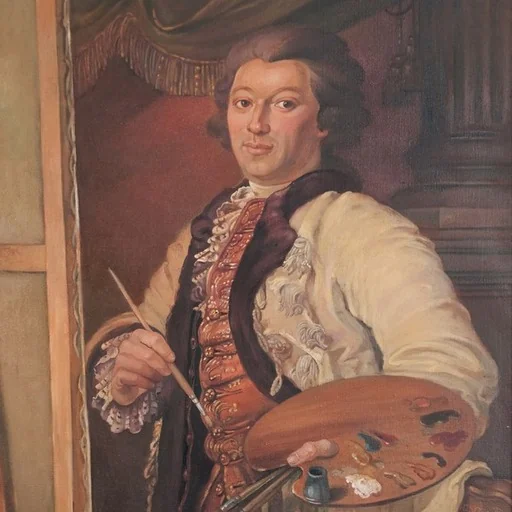
Tadeusz Kuntze (also Taddeo Kuntze or Taddeo Polacco) was the pseudonym of the Polish-Silesian painter Tadeusz Konicz (3 October 1733 – 8 May 1793), who was active in Kraków, in Paris, in Spain and in Rome.

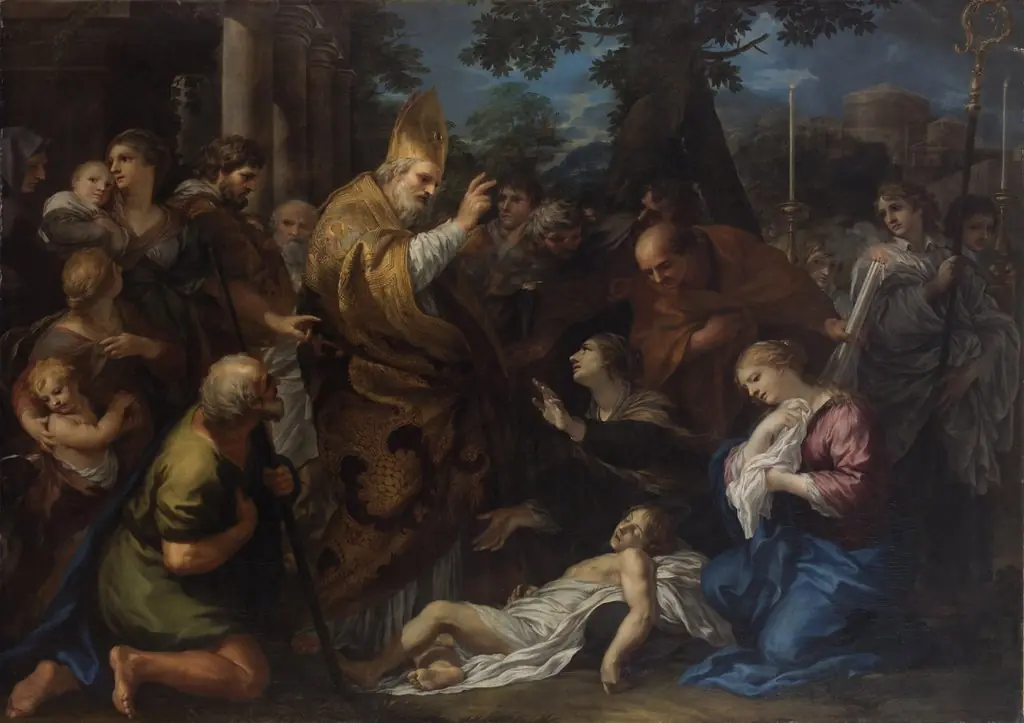 Miracle of Saint Martin of Tours
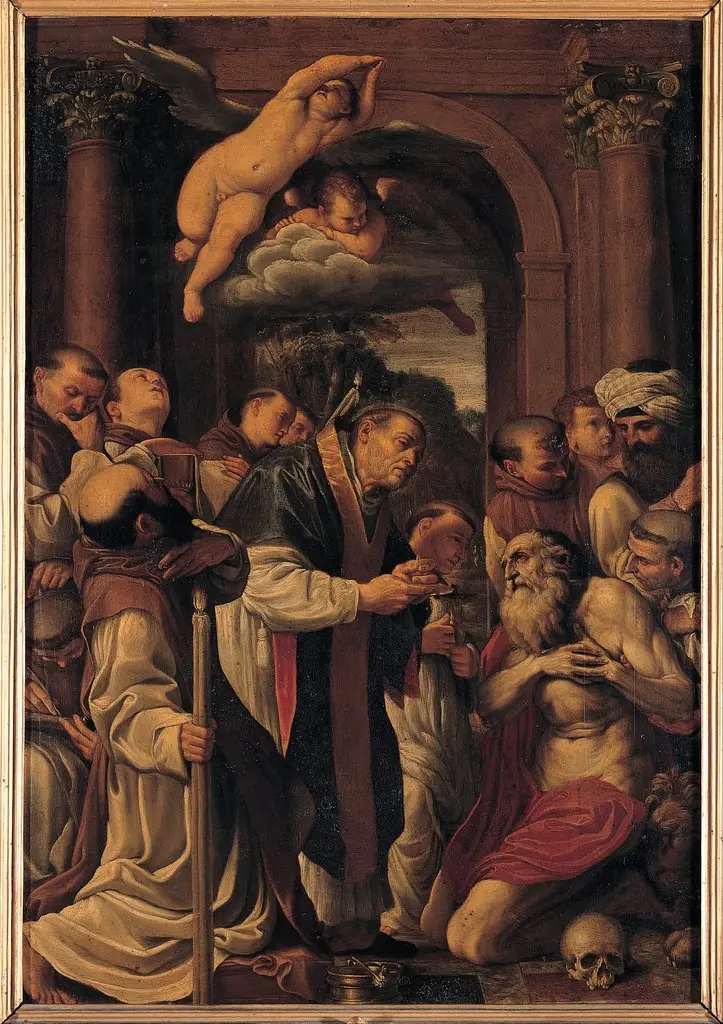 Communion of St. Jerome
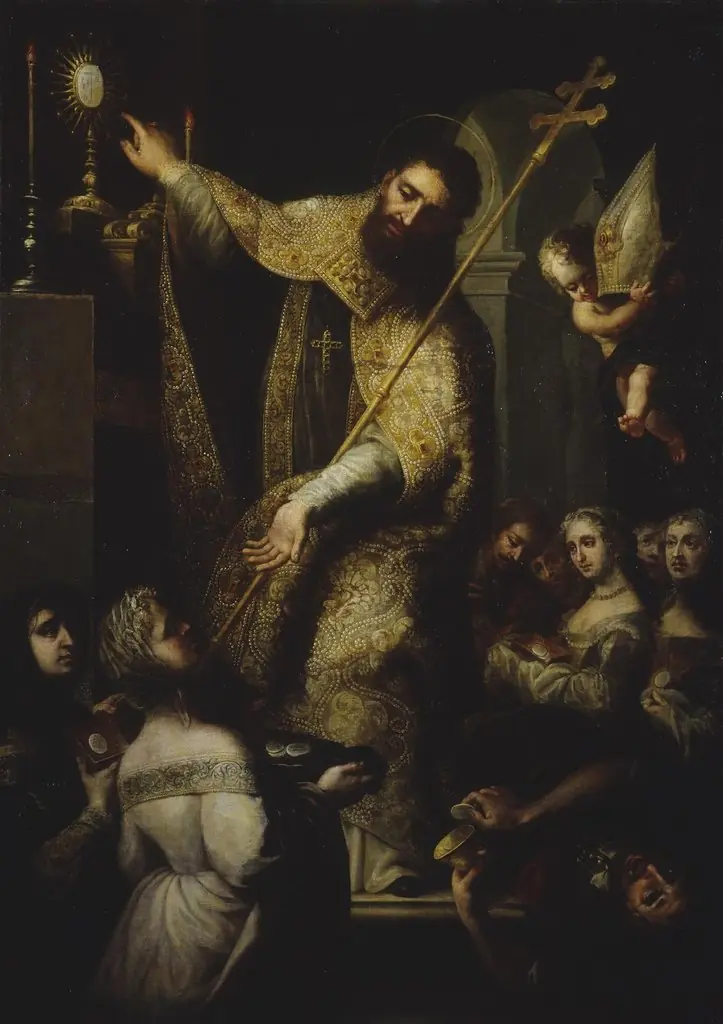 Triumph of St Norbert
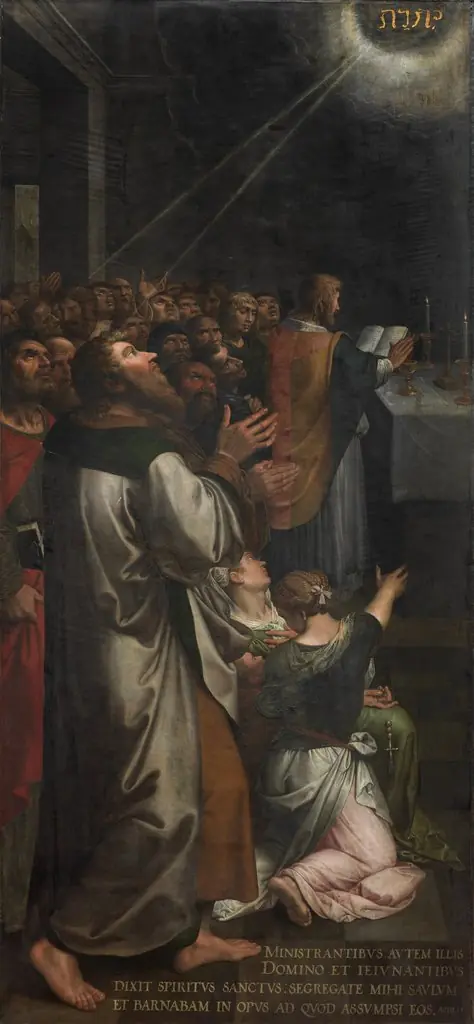 The sending forth of Paul and Barnabas (Acts 13:2)
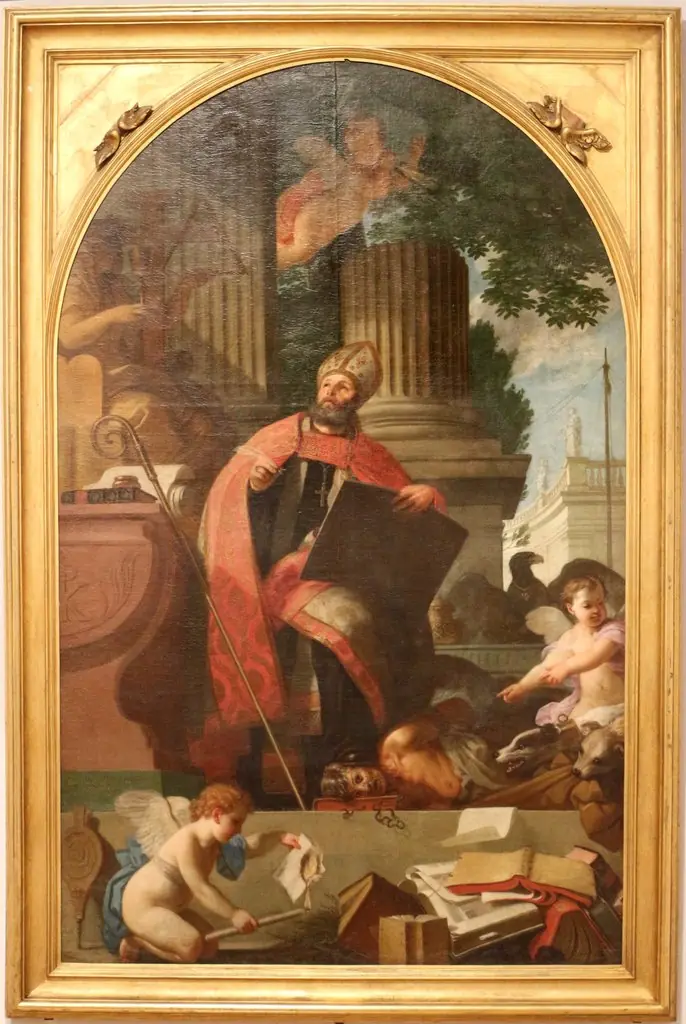 Saint Augustine defeats heresy
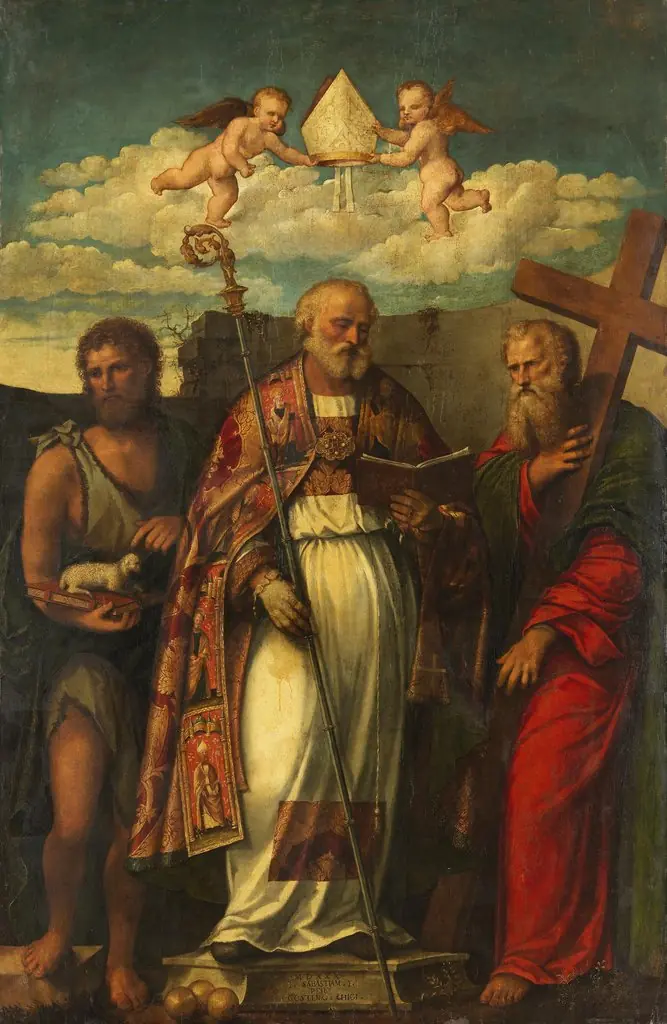 Saint Nicholas of Bari, John the Baptist and Philip
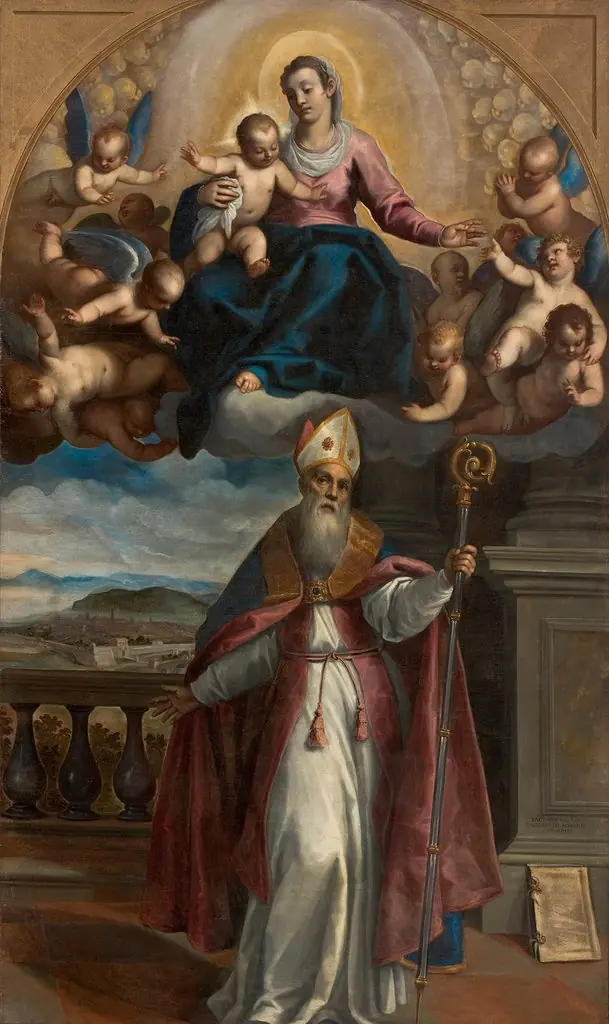 Aparição da Virgem com o Menino a santo Ubaldo, bispo de Gubbio, que indica ao fundo a cidade de Pesaro
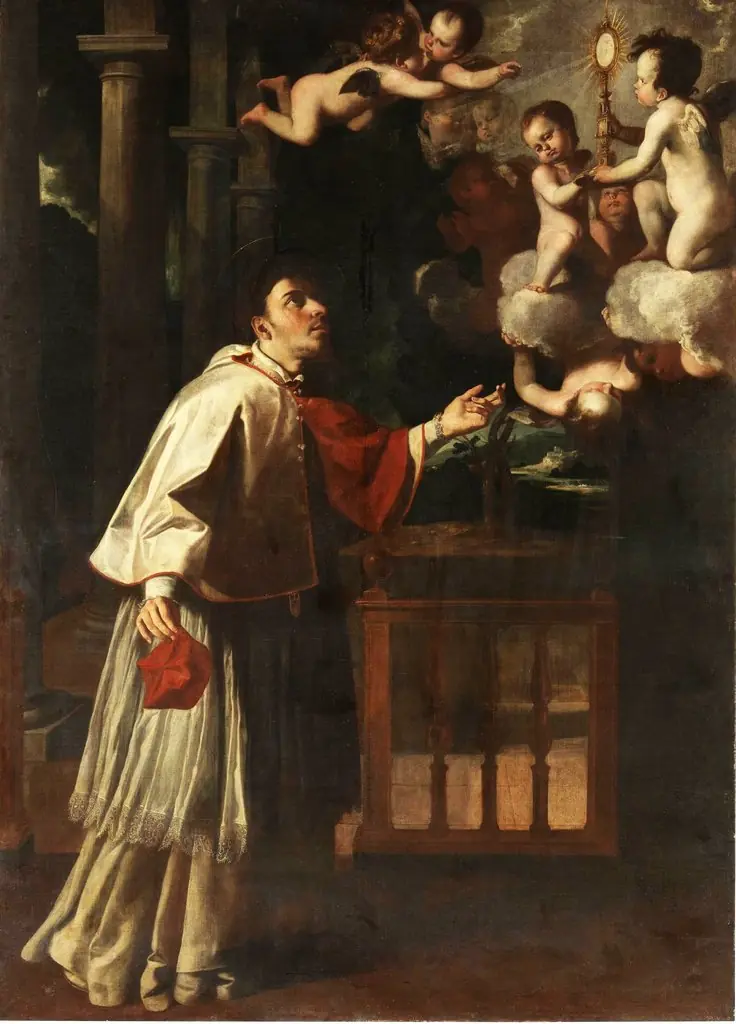 St. Raymond Nonnatus
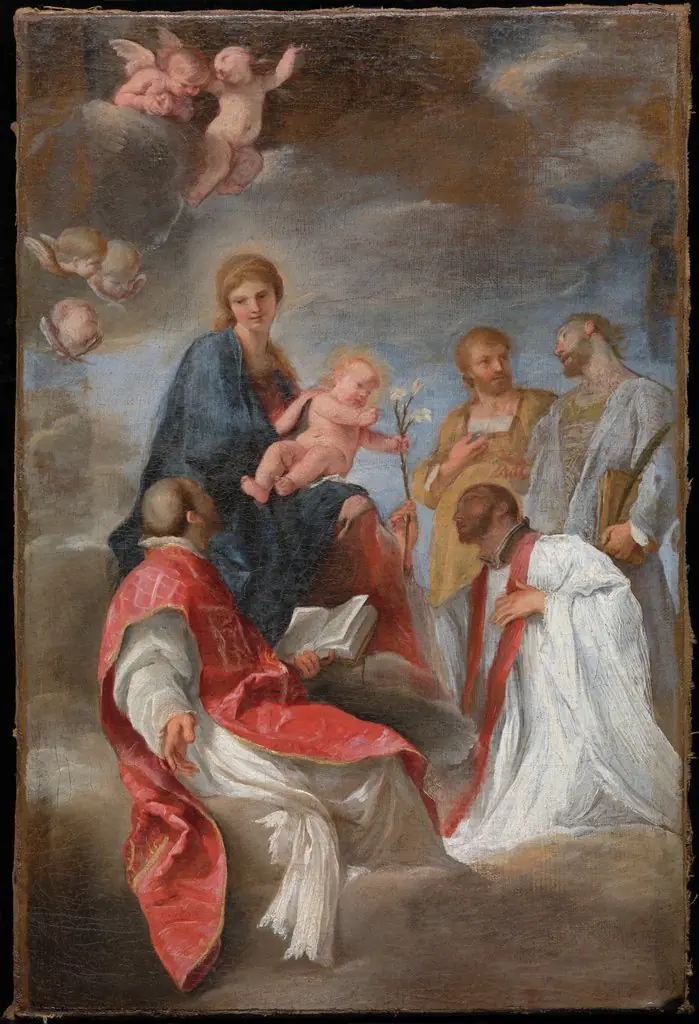 The Madonna and Child with Saints Ignatius of Loyola, Francis Xavier, Cosmas and Damian
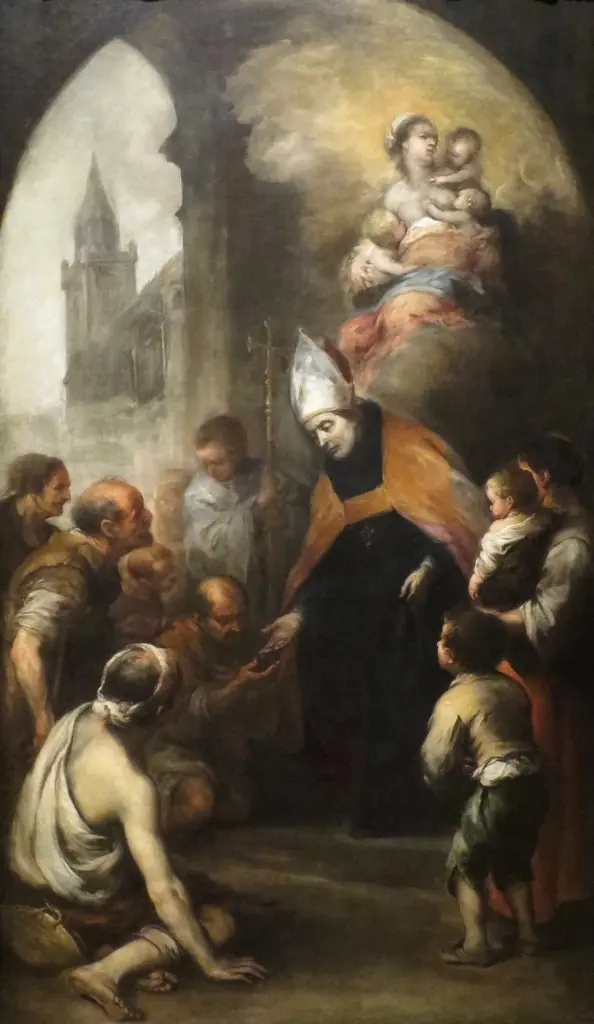 Saint Thomas of Villanueva Giving Alms to the Poor
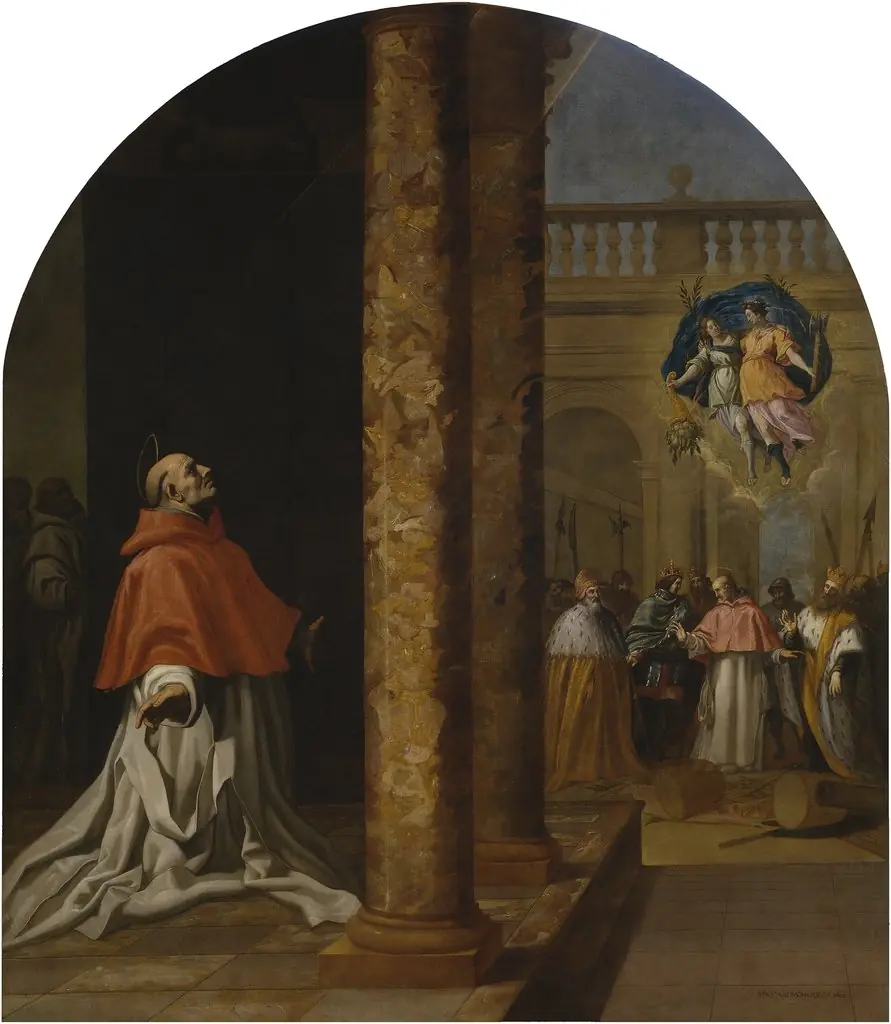 Recognition of the Carthusian Saint Cardinal Niccolò Albergati
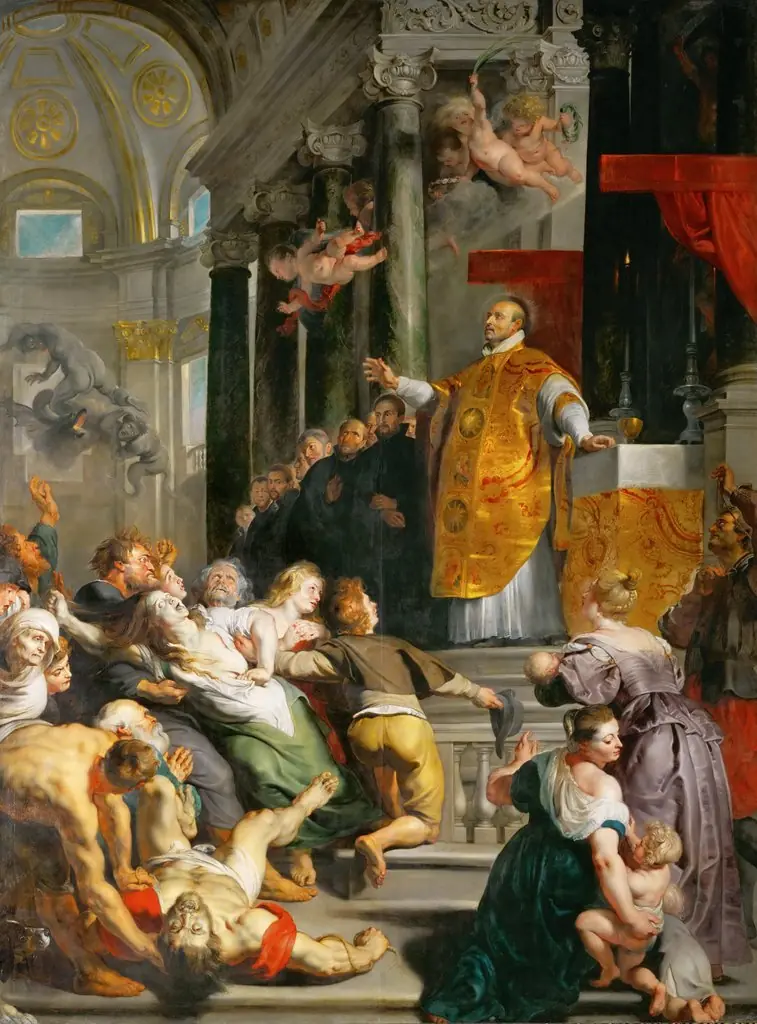 Miracle of Saint Ignatius of Loyola