Artwork
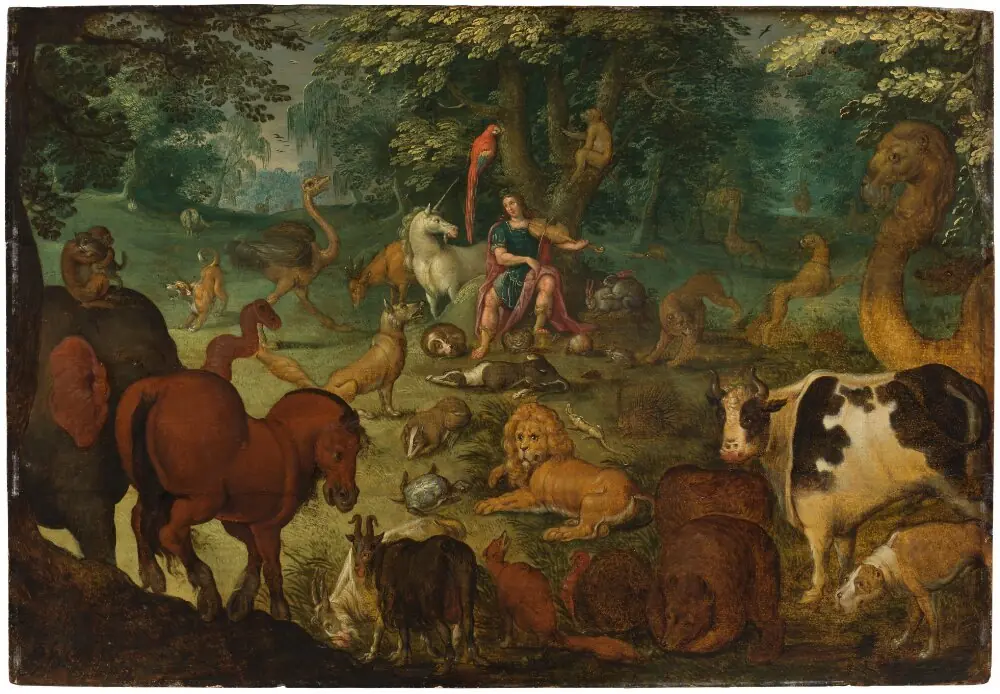
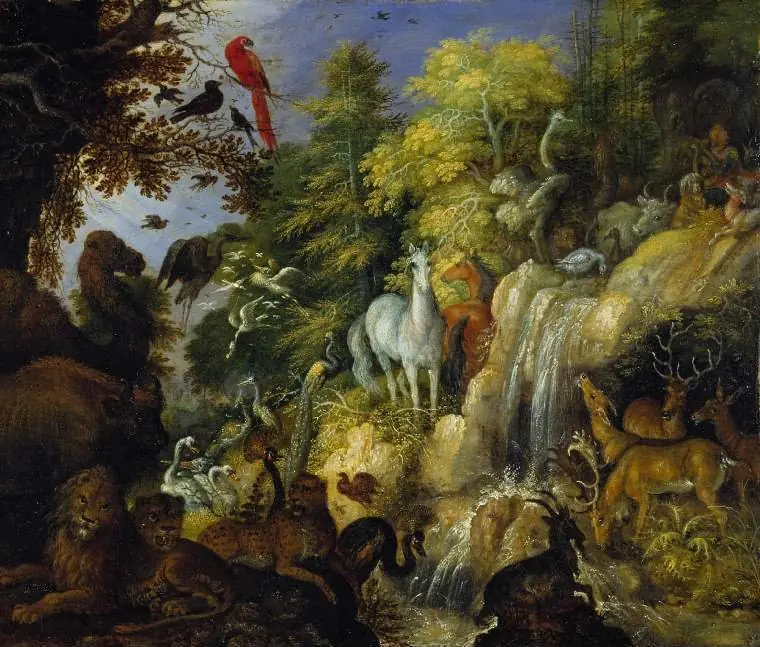
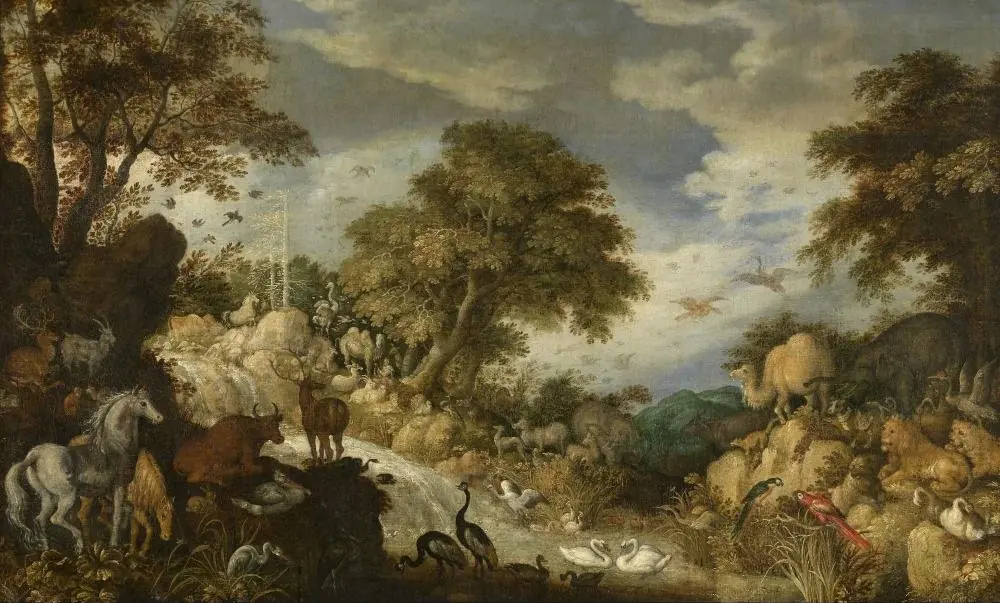
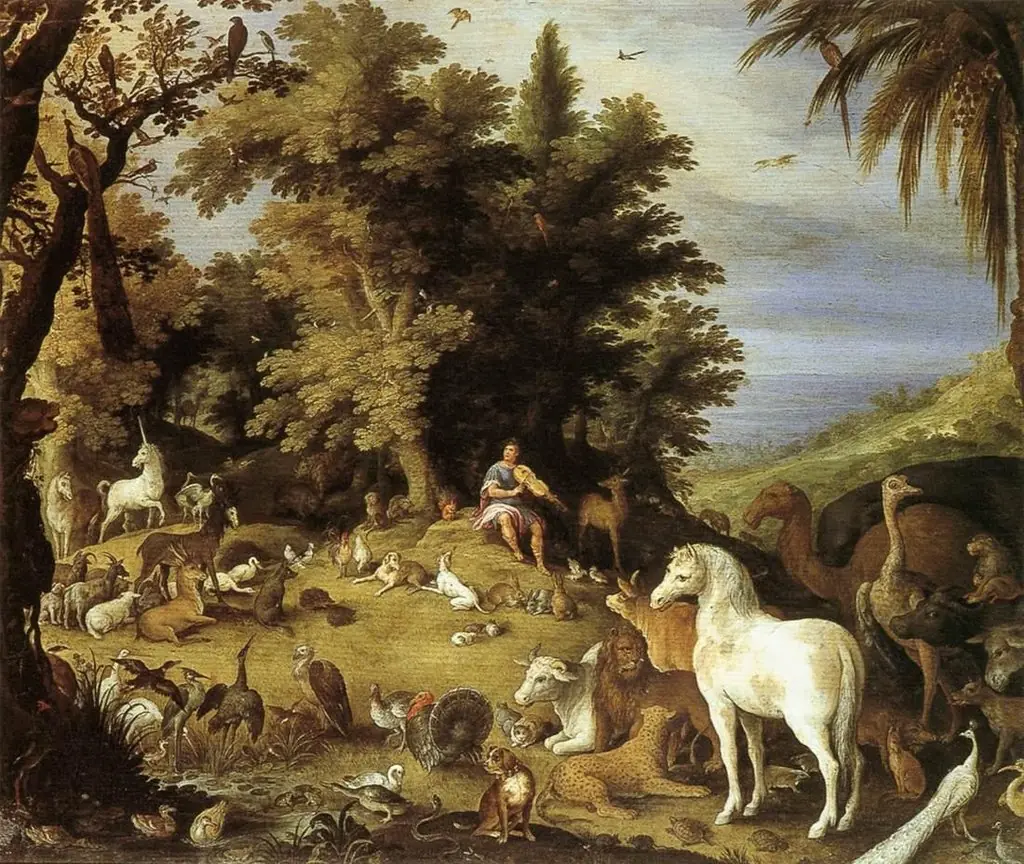
Orpheus and the animals
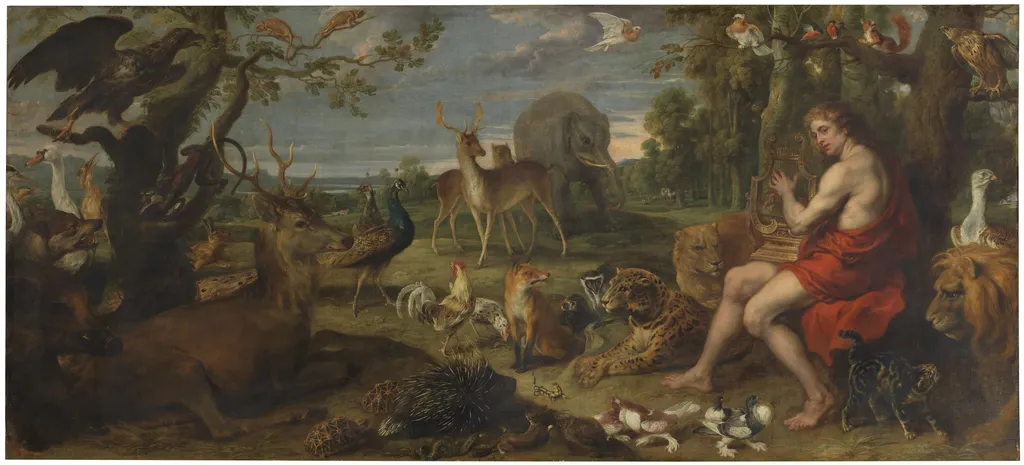
Orpheus and the animals is an oil painting by the Flemish Baroque painting artist Peter Paul Rubens. It dates from 1636 and is held in the collection of the Museo del Prado.
About this work
Overview
Peter Paul Rubens painted *Orpheus and the Animals* in 1636, employing oil on canvas to portray the legendary musician surrounded by a menagerie of creatures. The work is part of the Prado Museum’s collection and exemplifies the artist’s engagement with classical myth as a subject for large‑scale history painting.
Subject & Meaning
The composition centers on the naked Orpheus, cloaked in red, seated upon a rock and playing a lyre. Animals ranging from lions and deer to birds and an elephant gather attentively, suggesting the power of music to harmonize the natural world and echoing the ancient tale of Orpheus’s enchanting art.
Technique & Style
Rubens applies the hallmarks of Flemish Baroque—vigorous movement, dramatic chiaroscuro, and a saturated palette of reds, browns, and greens. Light falls on the musician’s face and the animals’ pelage, creating a luminous contrast that heightens the sense of immediacy and vitality within the dense forest backdrop.
History & Provenance
Created during Rubens’s mature period, the painting was later acquired by the Museo del Prado, where it remains on display. Its presence in the Spanish royal collection reflects the 17th‑century appetite for mythological subjects and the cross‑court exchange of artistic works between Flanders and Spain.
Artist & collection
Artist
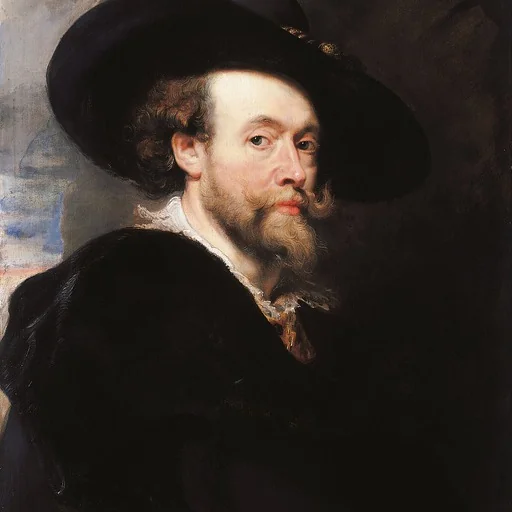
Sir Peter Paul Rubens ( ROO-bənz; Dutch: ; 28 June 1577 – 30 May 1640) was a Flemish artist and diplomat.