Artwork
Resurrection of Lazarus
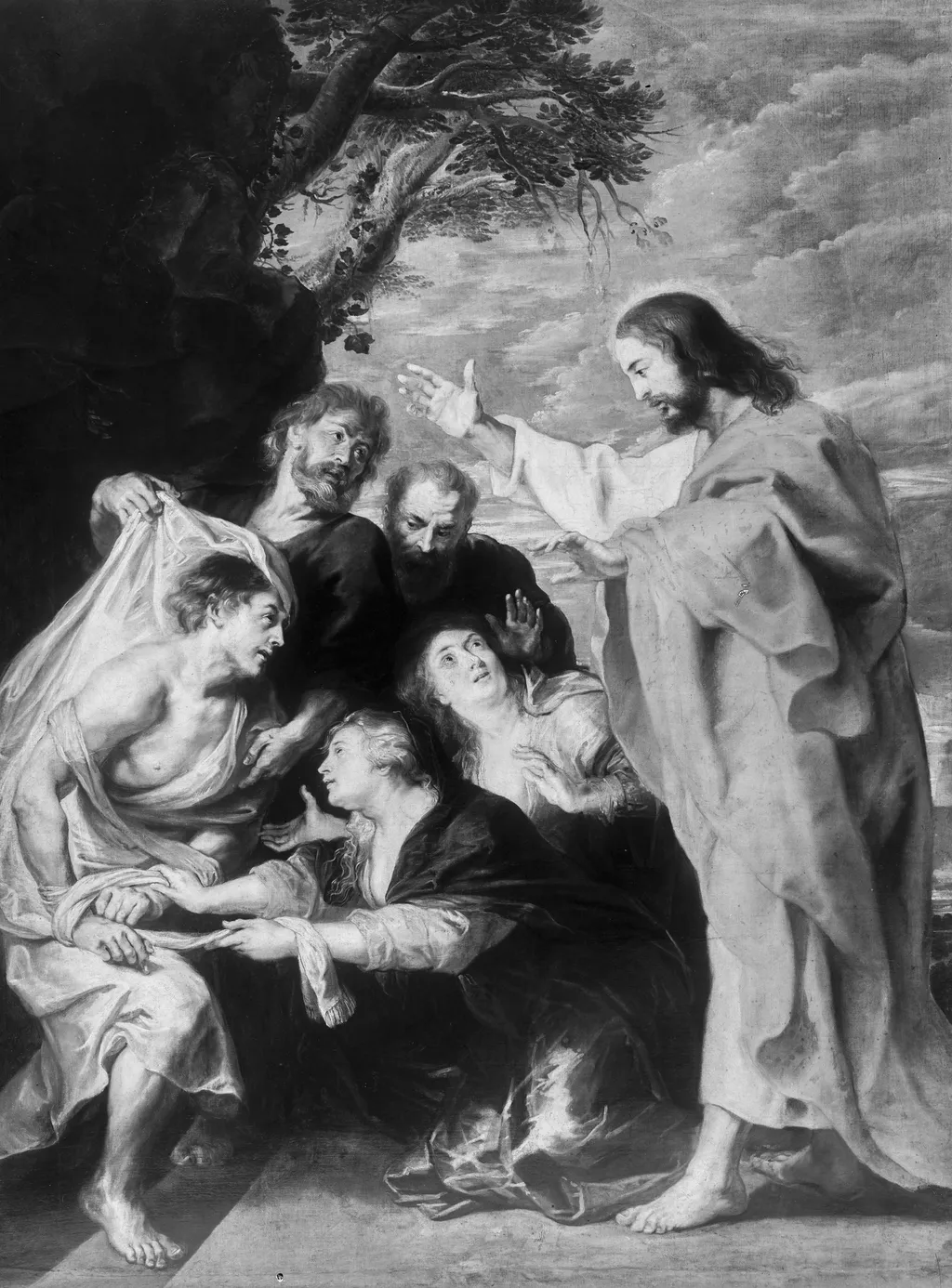
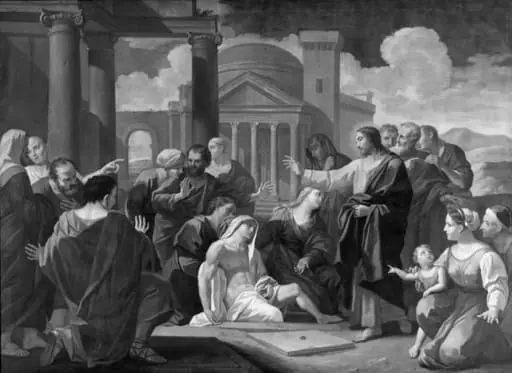
Resurrection of Lazarus is an oil painting by the Flemish Baroque painting artist Peter Paul Rubens. It dates from 1619 and is held in the collection of the Gemäldegalerie Berlin.
About this work
Overview
Painted in 1619 by the Flemish artist Peter Paul Rubens, this oil work portrays the biblical miracle in which Jesus restores Lazarus to life. Executed during the height of the Flemish Baroque, the canvas combines vigorous movement with a tightly organized group of onlookers, directing attention to the central act of resurrection.
Subject & Meaning
The composition visualizes the moment described in the Gospel of John, when Christ commands Lazarus to emerge from his tomb. Figures surrounding the reclined body display a range of reactions—astonishment, anxiety, reverence—reflecting the theological emphasis on divine power and the promise of salvation that resonated with Counter‑Reformation audiences.
Technique & Style
Rubens employs a dramatic chiaroscuro, contrasting illuminated flesh against deep shadows to heighten the scene’s emotional intensity. The brushwork is vigorous, with swirling drapery and dynamic poses that convey motion. A warm palette of reds and earth tones reinforces the sensuality and vitality characteristic of Baroque painting.
History & Provenance
After its completion, the painting entered the collections of European aristocracy before being acquired by the Gemäldegalerie in Berlin, where it remains on display. Its presence in a major public museum reflects the work’s longstanding reputation as a key example of Rubens’s religious output and of early‑17th‑century Flemish art.
Own this work as a print
Artist & collection
Artist
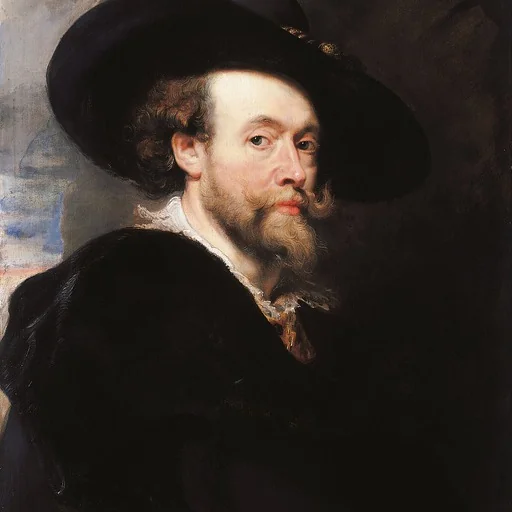
Sir Peter Paul Rubens ( ROO-bənz; Dutch: ; 28 June 1577 – 30 May 1640) was a Flemish artist and diplomat.

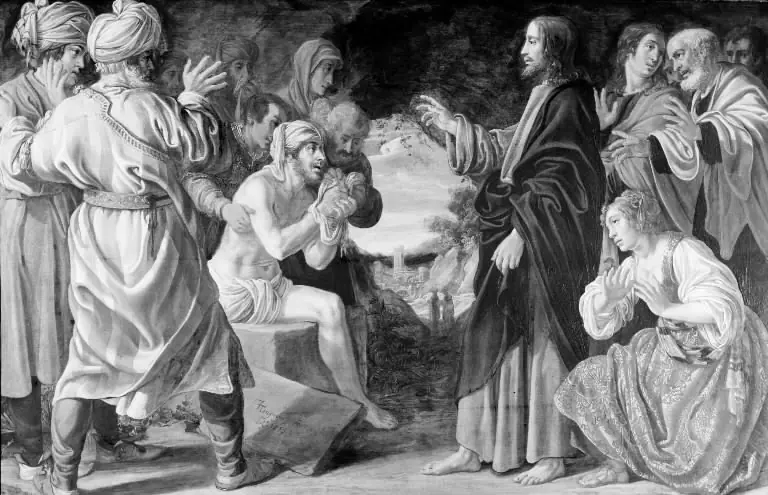 The Raising of Lazarus
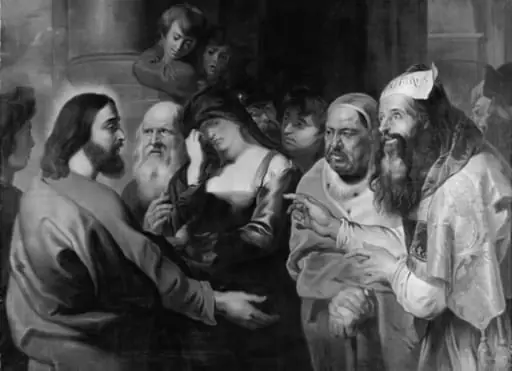 Kristus og synderinden
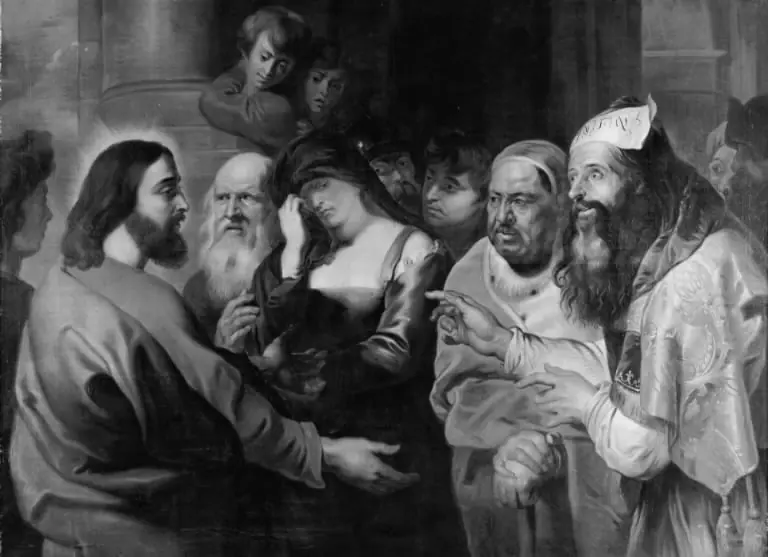 Kristus og synderinden
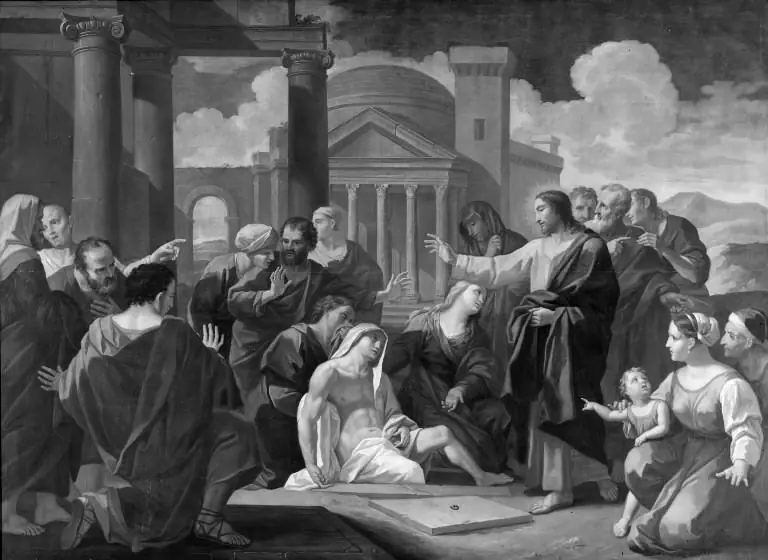 Lazarus' opvækkelse
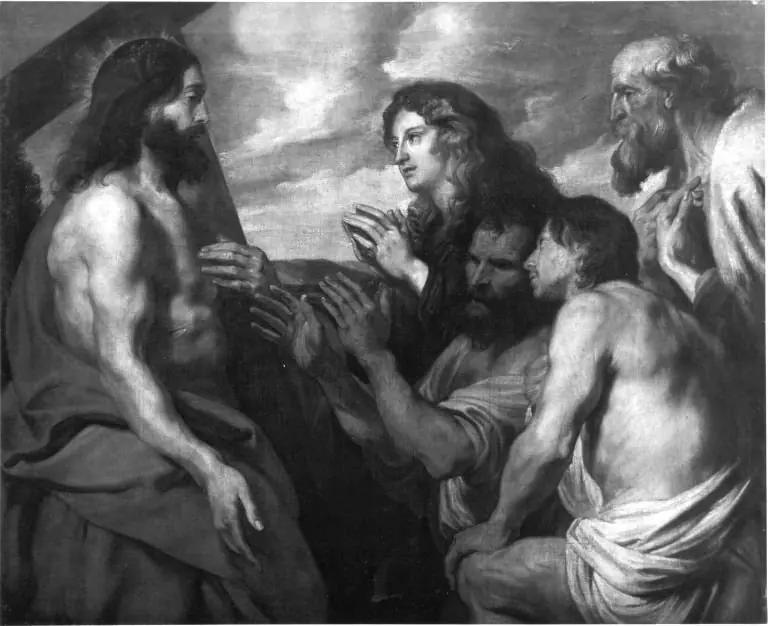 Christ and the repentant sinners
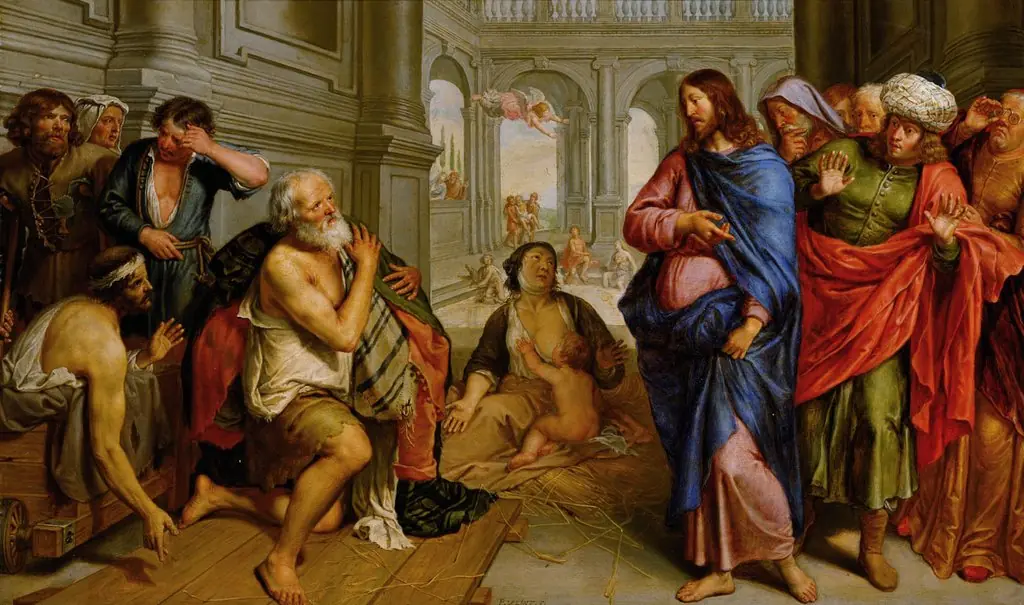 Christ healing the lame at the pool of Bethesda
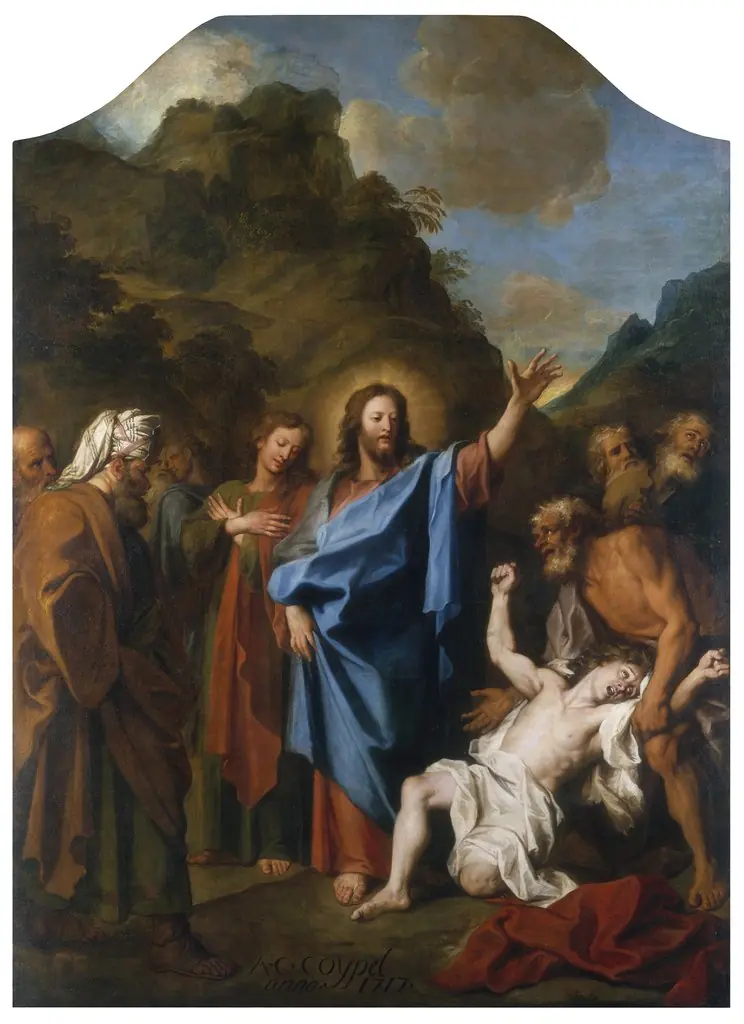 Christ Curing a Possessed Man
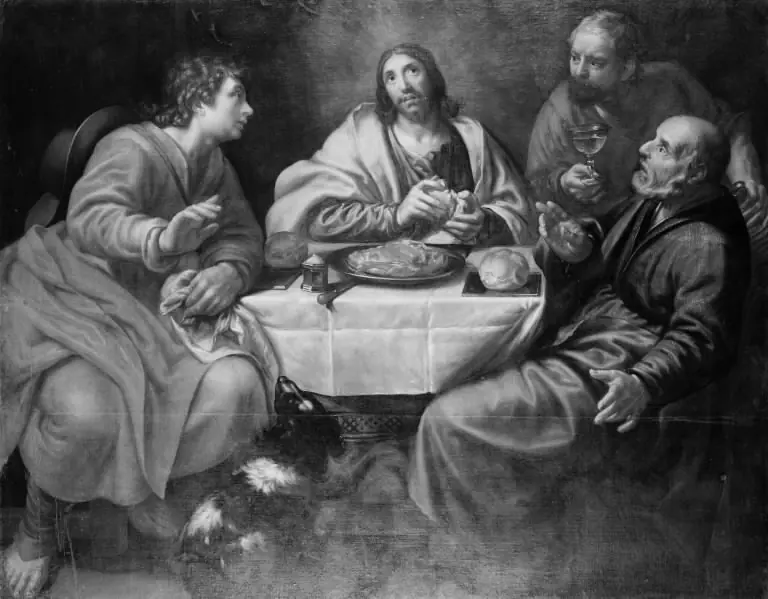 Christ in Emmaus
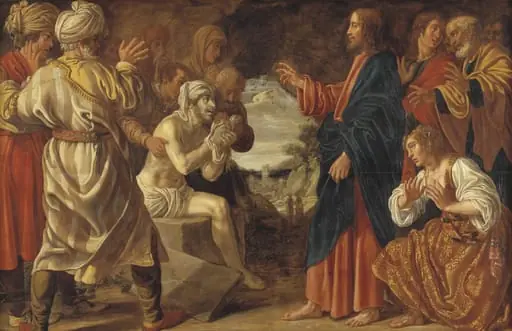 The Raising of Lazarus
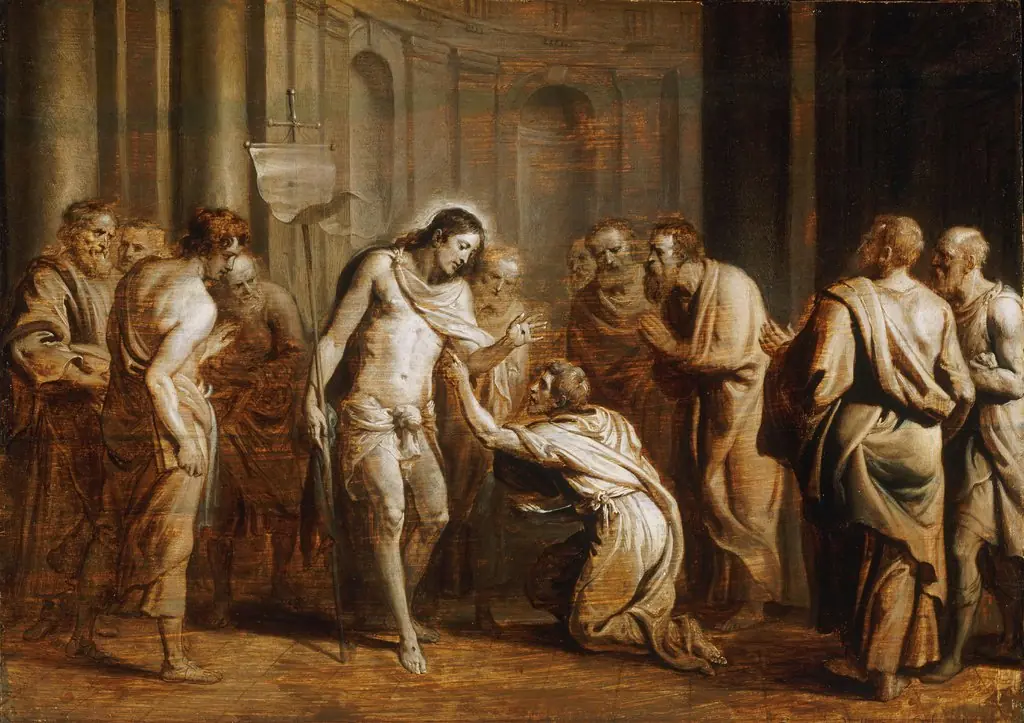 Saint Thomas Touching Christ's Wounds
 Lazarus' opvækkelse
 The Last Supper