Artwork
Silenus march
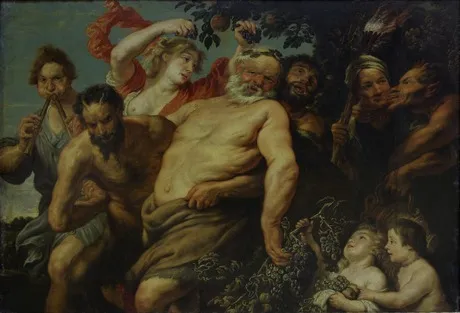
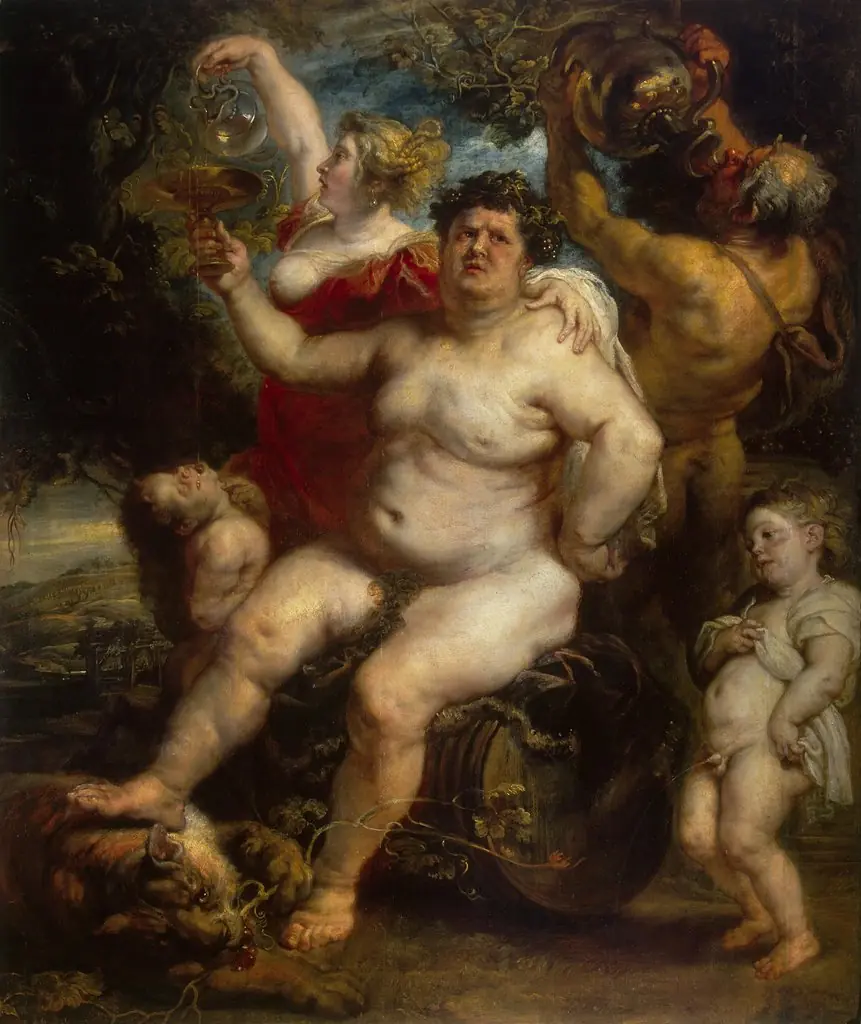
Silenus march is an oil painting by the Flemish Baroque painting artist Peter Paul Rubens. It is held in the collection of the National Gallery of Armenia.
About this work
Overview
Painted around 1650 by Peter Paul Rubens, *Silenus March* is an oil on canvas work rooted in the Flemish Baroque tradition.
Painted around 1650 by Peter Paul Rubens, *Silenus March* is an oil on canvas work rooted in the Flemish Baroque tradition. It portrays a mythological procession centered on Silenus, a companion of Dionysus, amid a lively outdoor gathering. The painting is part of the National Gallery of Armenia’s collection and reflects Rubens’s enduring engagement with classical narratives through dynamic, emotionally charged scenes.
Subject & Meaning
The scene depicts Silenus, an elderly, bearded figure associated with wine and revelry, seated at the center of a festive group. Surrounding him are figures playing instruments, carrying fruit, and interacting with children, evoking the spirit of Dionysian celebration. The grapes held by a child allude to abundance and the cult of Dionysus, while the gathering suggests a moment of communal joy, blending myth with earthly vitality.
Technique & Style
Rubens employs rich, saturated pigments and fluid brushwork to convey movement and texture. The figures are rendered with muscular vitality and naturalistic detail, set against a softly modeled landscape of trees and sky. His use of chiaroscuro enhances the three-dimensionality of the forms, while the loose, energetic handling of foliage and fabric reinforces the sense of spontaneous celebration characteristic of his mature style.
History & Provenance
The painting was likely created in Rubens’s Antwerp studio during the final years of his life, though its early ownership is undocumented. It entered the National Gallery of Armenia’s collection in the 20th century, possibly through state acquisitions or diplomatic exchanges. Its presence in Yerevan reflects broader 20th-century efforts to expand European art holdings in Soviet-era institutions.
Context
Rubens painted *Silenus March* during a period when classical mythology remained a vital source for European artists, even as religious themes dominated public commissions. The work aligns with his lifelong interest in antiquity and humanist ideals, offering a secular vision of harmony and pleasure. It stands apart from his grander historical or religious works, revealing a more intimate, celebratory facet of his practice.
Legacy
Though less widely known than Rubens’s major altarpieces, *Silenus March* exemplifies his ability to infuse myth with human warmth and kinetic energy. It contributes to the understanding of his late style—less monumental, more lyrical—and continues to serve as a reference for how Baroque artists reimagined classical subjects through vivid, emotionally resonant compositions.
Artist & collection
Artist
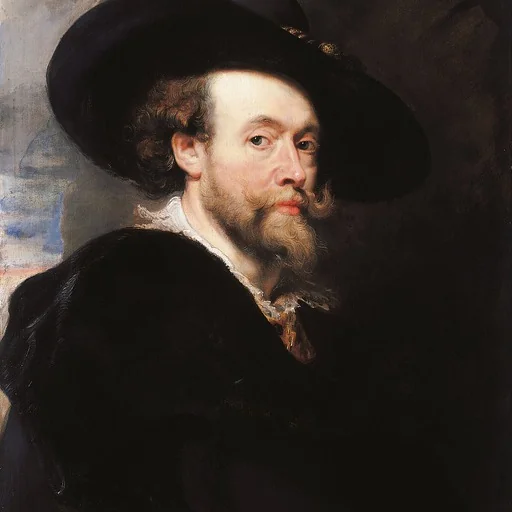
Sir Peter Paul Rubens ( ROO-bənz; Dutch: ; 28 June 1577 – 30 May 1640) was a Flemish artist and diplomat.

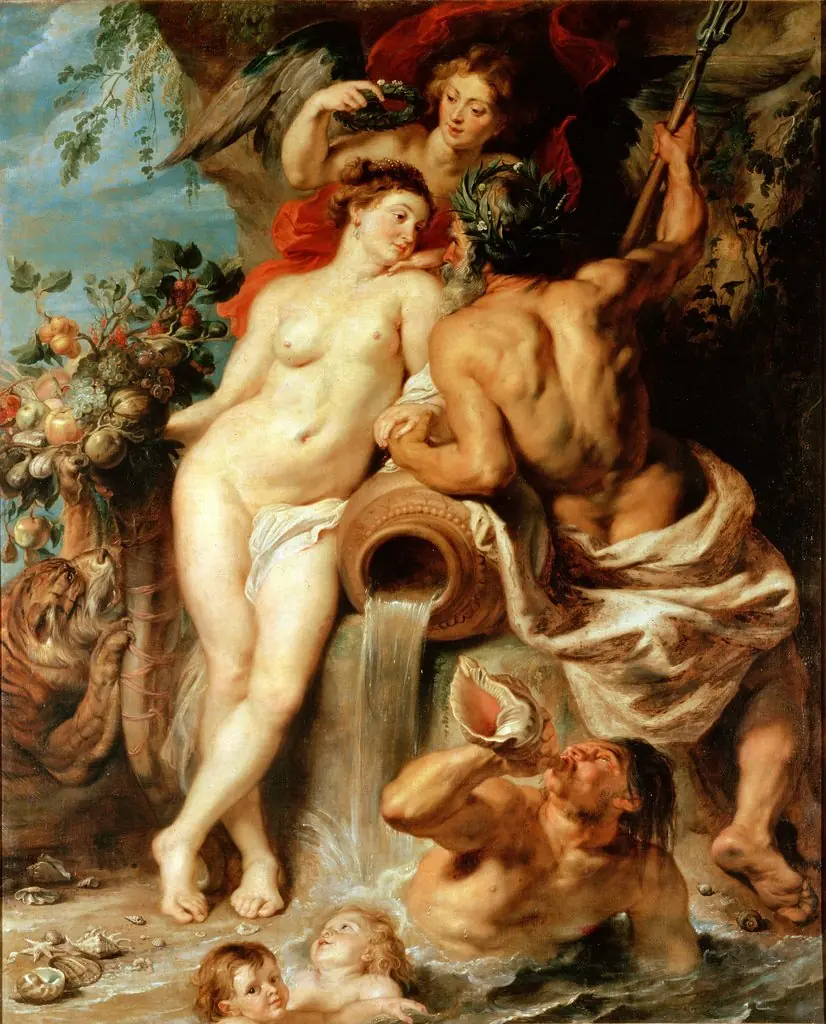
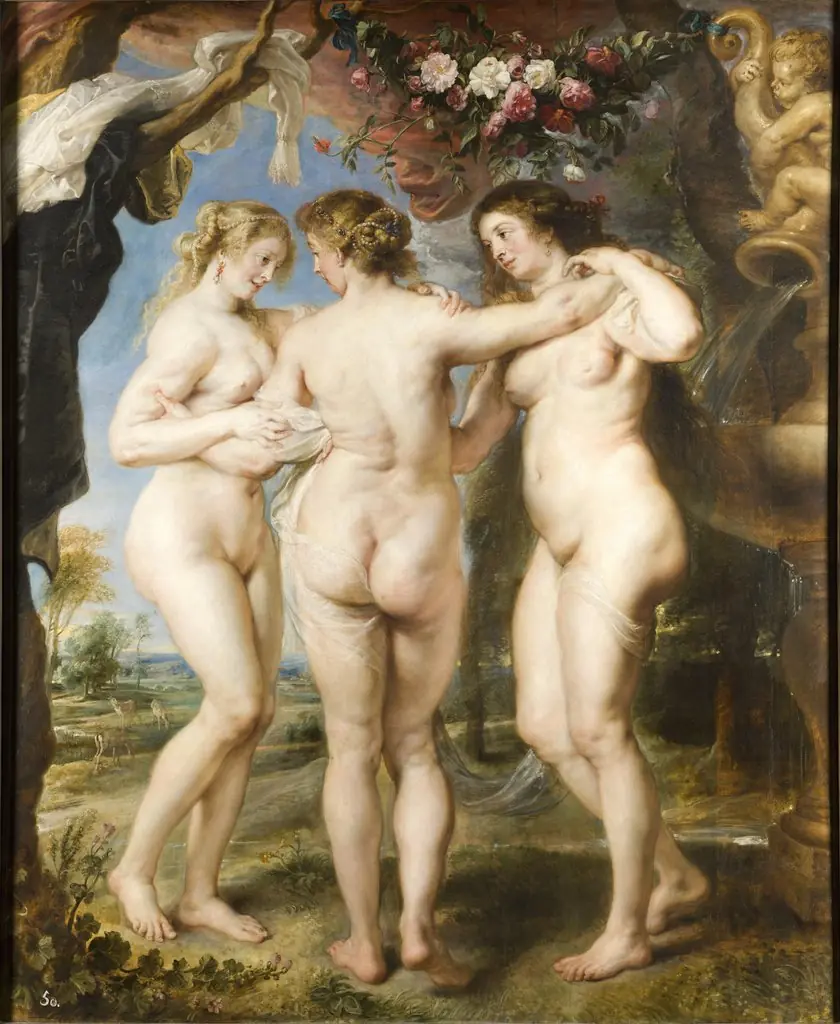
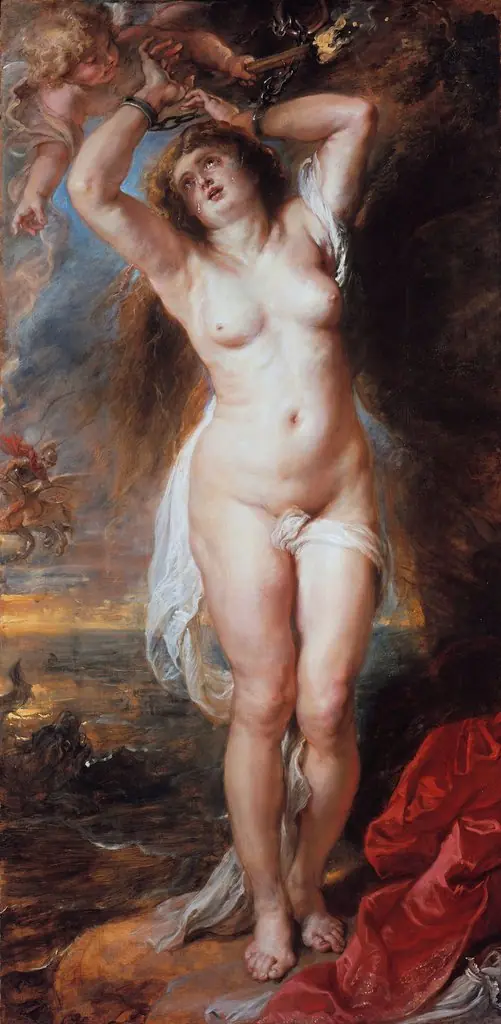
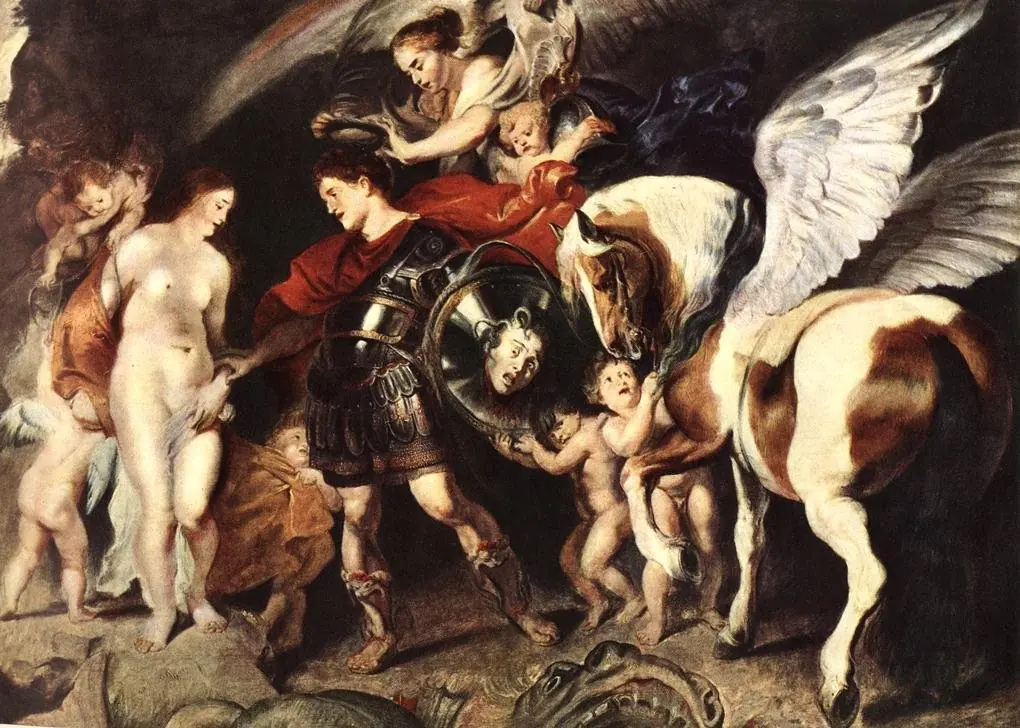
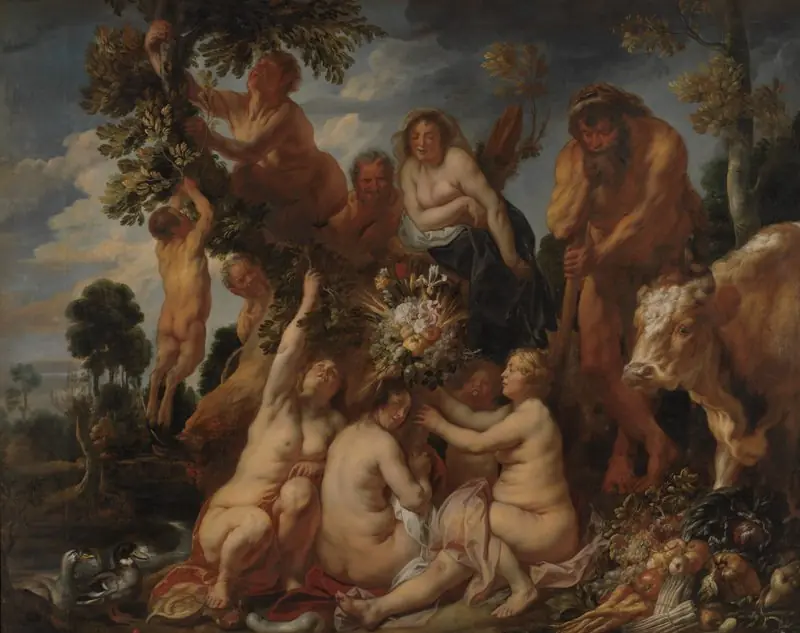 Achelous Defeated by Hercules. The Origin of the Cornucopia. (Allegory of Fruitfulness)
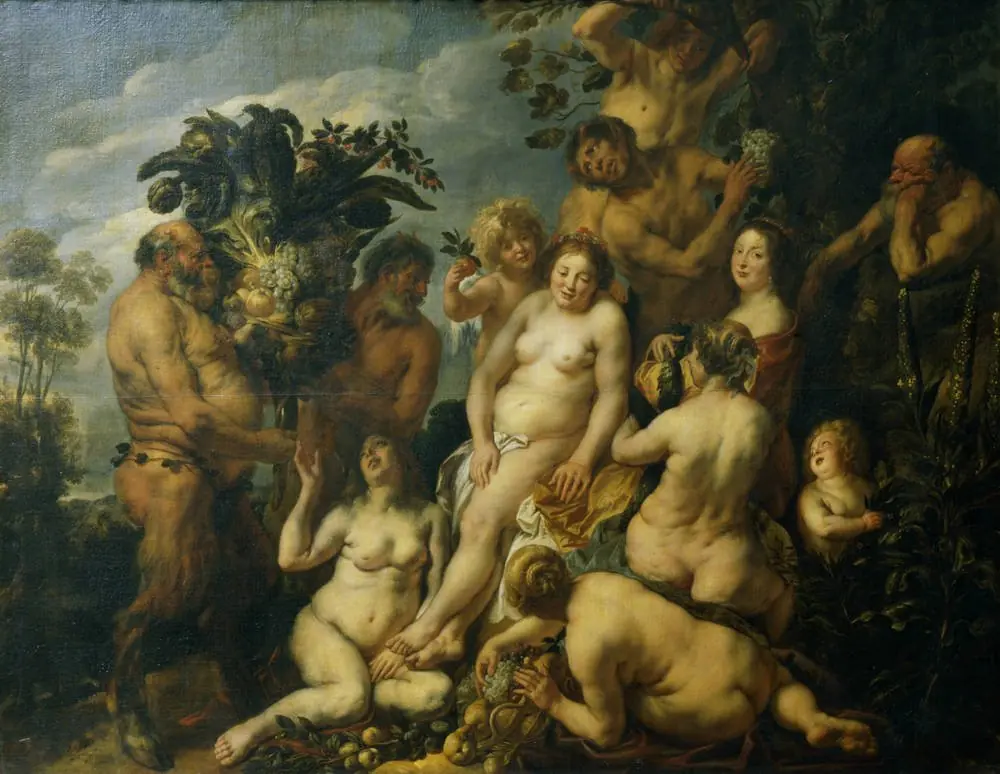 Allegory of Fertility
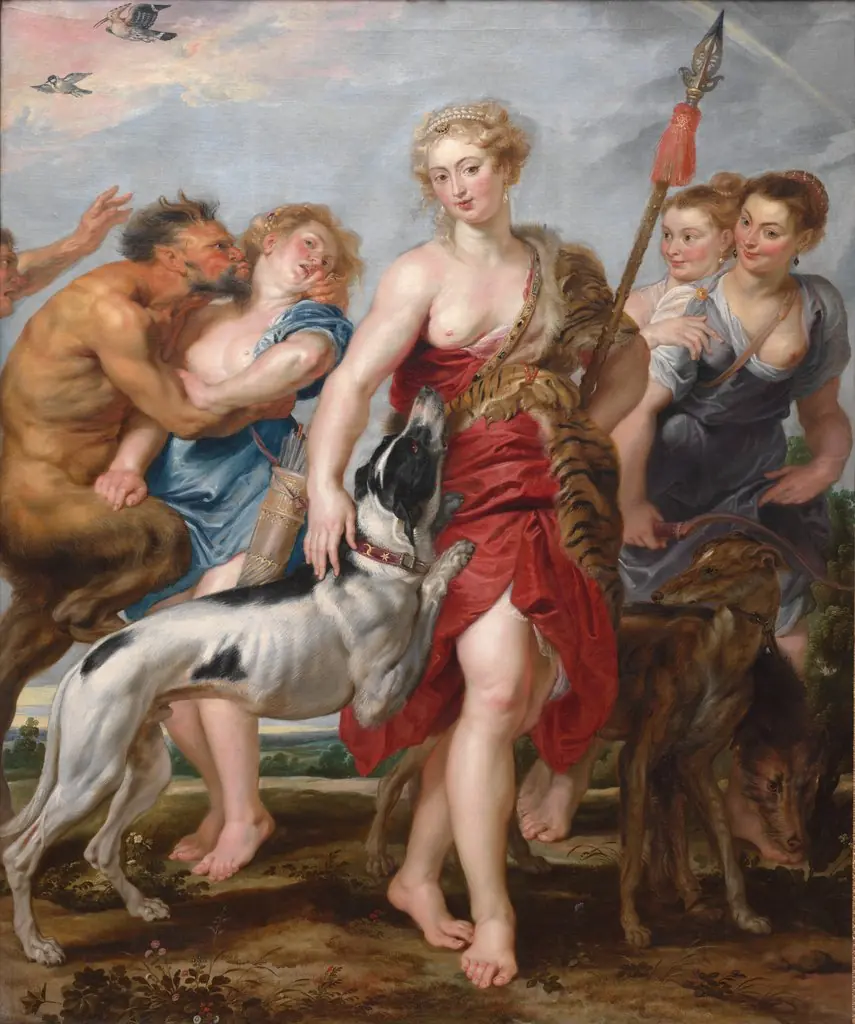
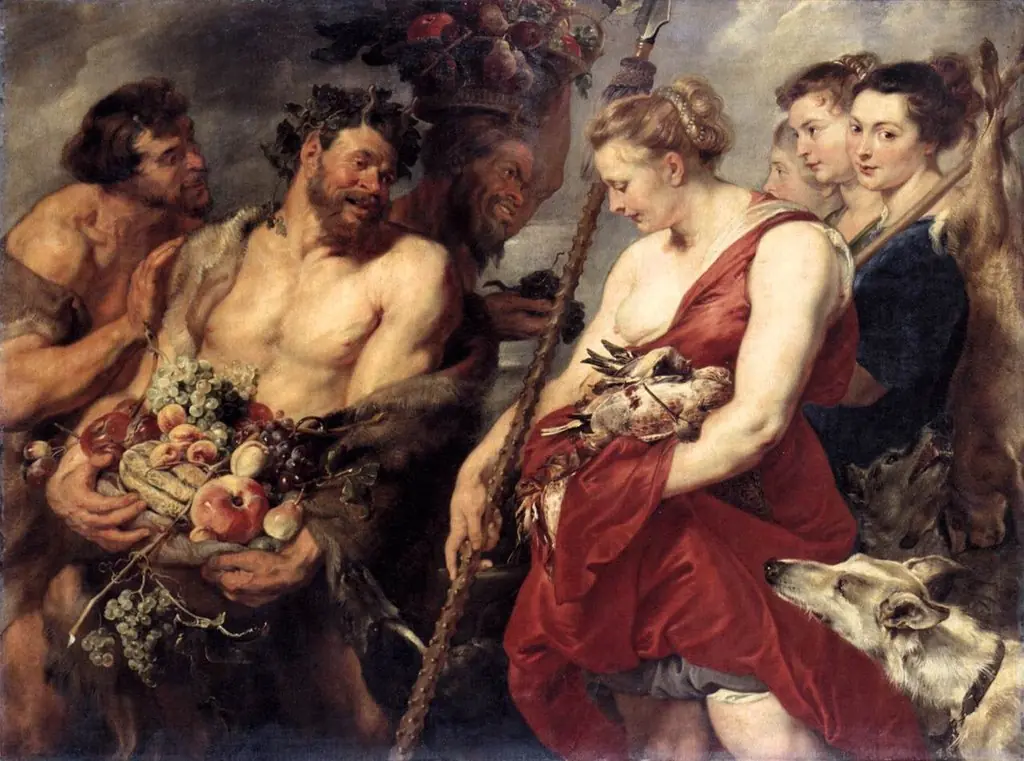 Diana returning from the Hunt
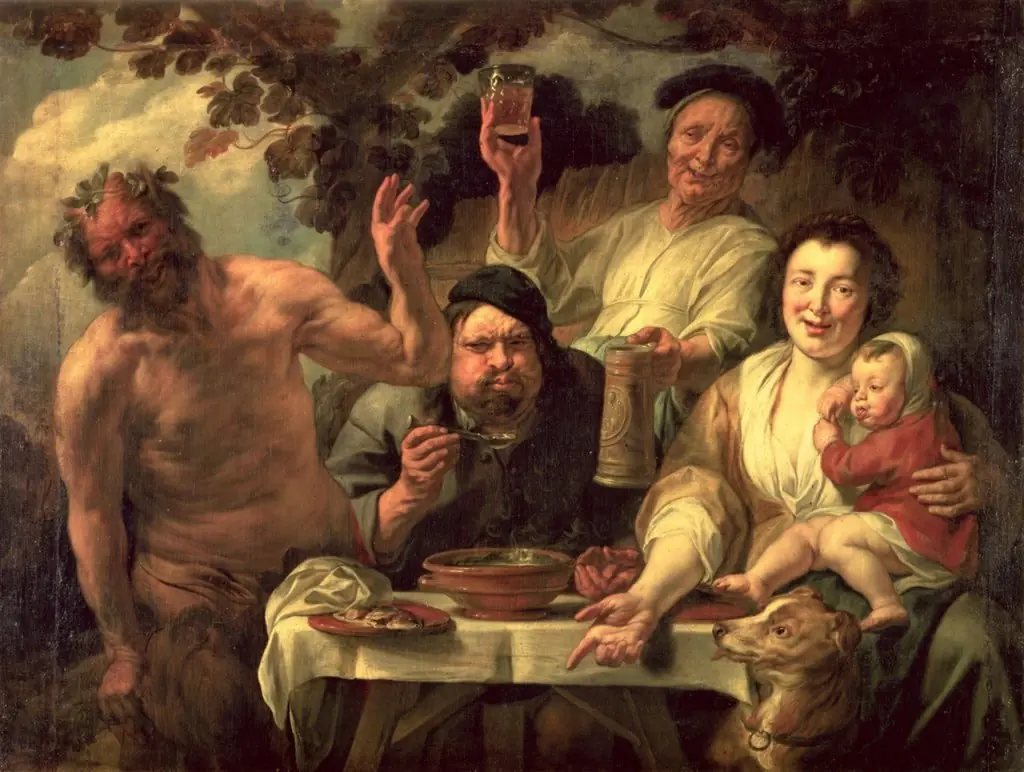 Satyr and the Peasant
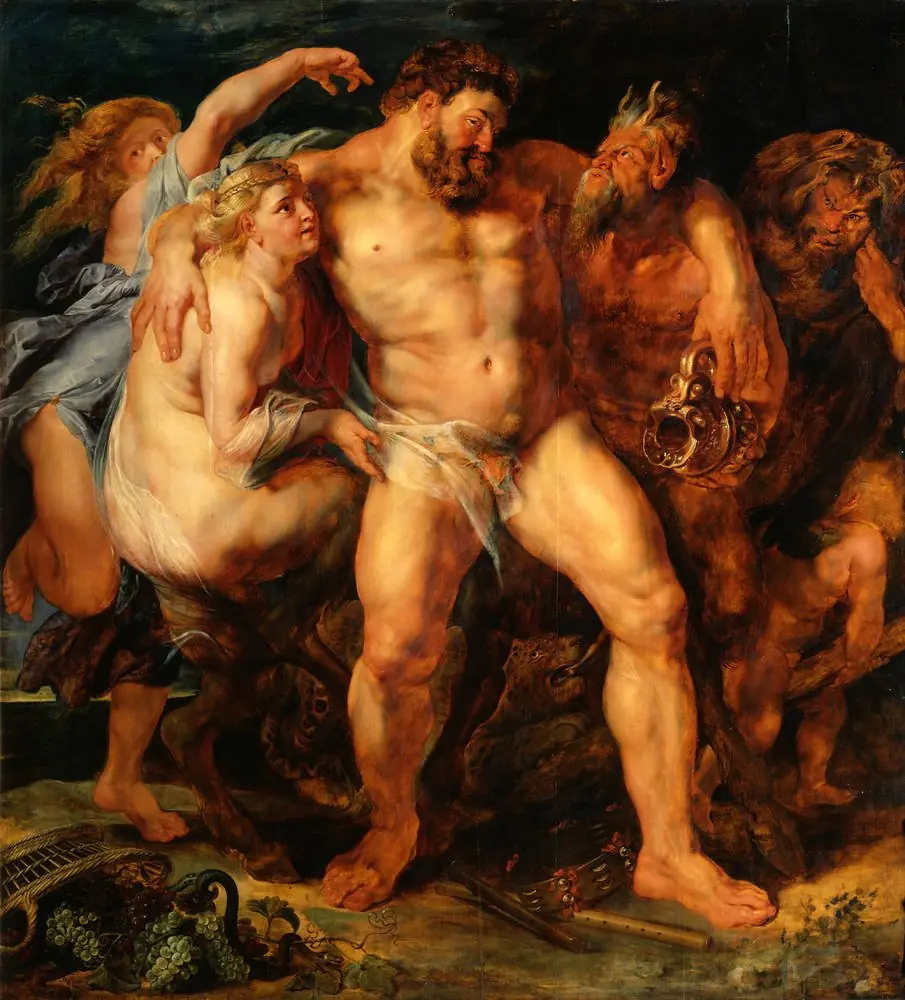 Drunken Hercules
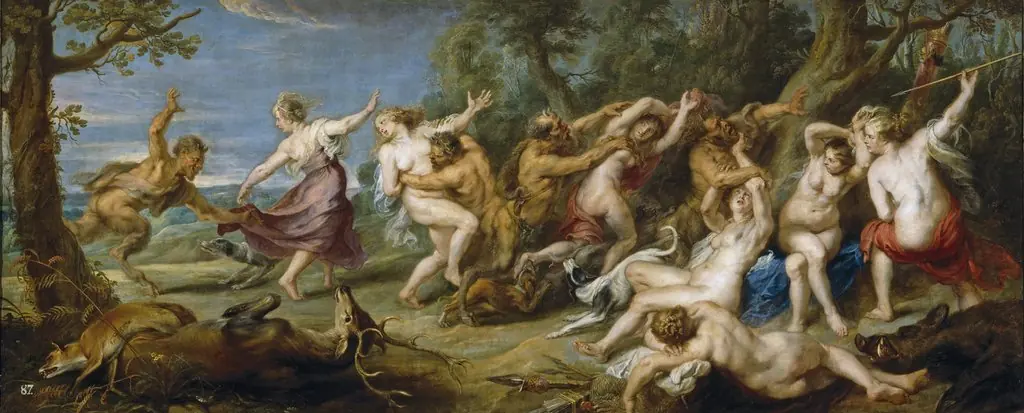 Diana and her Nymphs surprised by Satyrs
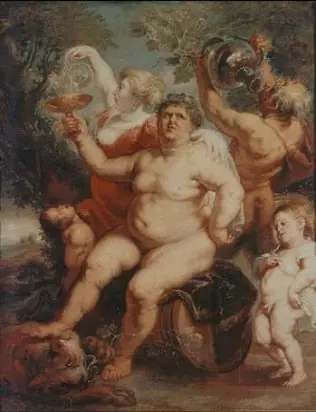 Bacchus sitting on a barrel
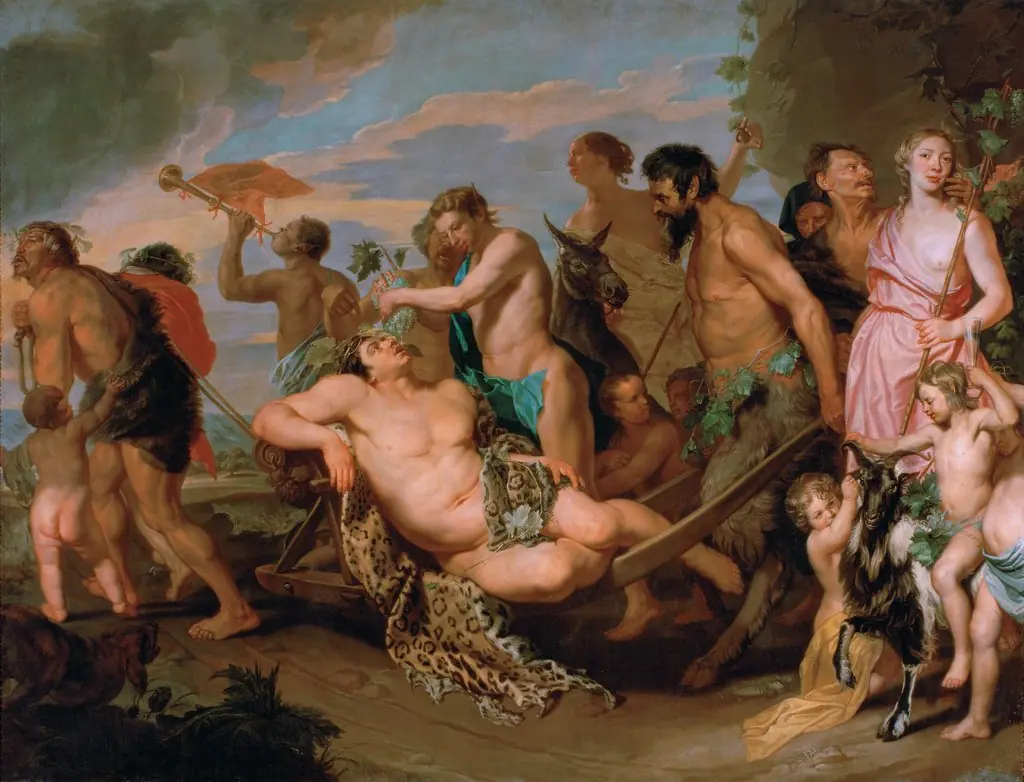 Triumph of Bacchus
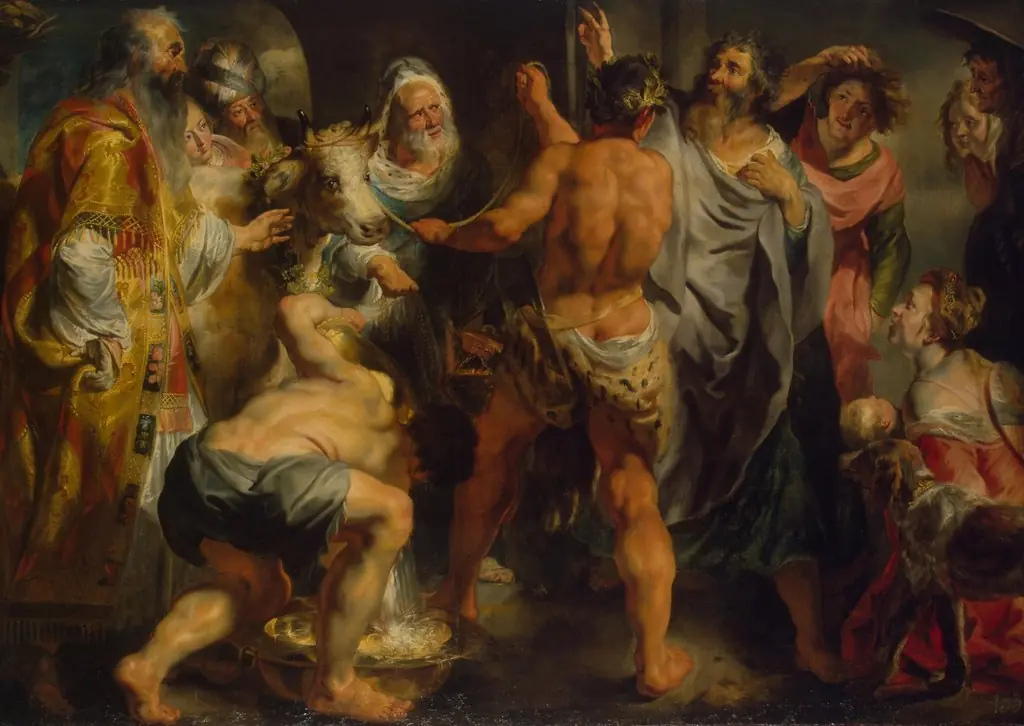 Sts Paul and Barnabas in Lystra
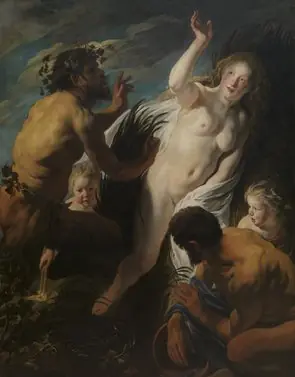 Pan en Syrinx
 Bacchus
 Pan and Syrinx