Artwork
The Arch of the Mint (front)
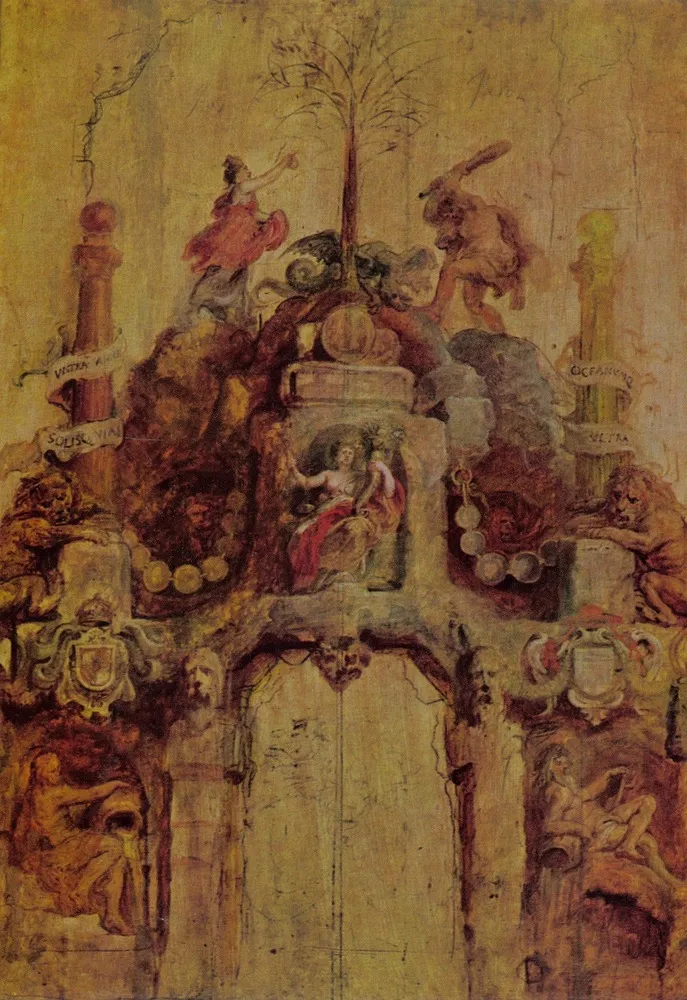
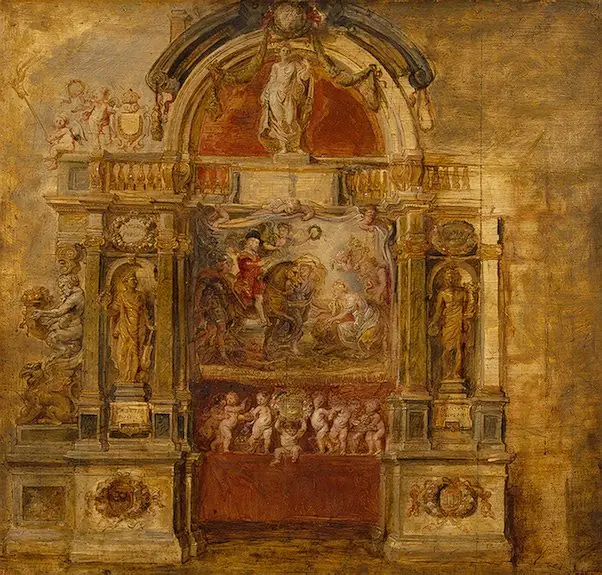
The Arch of the Mint (front) is an oil painting by the Flemish Baroque painting artist Peter Paul Rubens. It dates from 1635 and is held in the collection of the Royal Museum of Fine Arts Antwerp.
About this work
Overview
Painted in 1635 by Peter Paul Rubens, this oil-on-canvas work depicts the front of the Arch of the Mint in Antwerp. Created during the height of Rubens’s career, it belongs to a series of architectural studies commissioned to document civic monuments. Unlike his grand mythological scenes, this piece focuses on a real structure, blending topographical accuracy with Baroque vitality.
Subject & Meaning
The composition emphasizes verticality and symmetry, reflecting the values of order and stability central to Antwerp’s identity in the early 17th century.
The Arch of the Mint was a ceremonial gateway to Antwerp’s coinage facility, symbolizing civic authority and economic power. Rubens rendered it not merely as a structure but as a monument of civic pride, imbuing its stonework with a sense of enduring grandeur. The composition emphasizes verticality and symmetry, reflecting the values of order and stability central to Antwerp’s identity in the early 17th century.
Technique & Style
Rubens employed thick, layered oil paint to capture the texture of weathered stone and the play of light across architectural surfaces. His brushwork is both precise and energetic, combining detailed rendering with loose, expressive strokes in the sky and surrounding elements. The palette favors warm earth tones with subtle highlights, enhancing the monument’s solidity while maintaining a sense of atmospheric depth.
History & Provenance
Commissioned as part of a civic documentation project, the painting remained in Antwerp throughout its early history. It entered the collection of the Royal Museum of Fine Arts Antwerp in the 19th century, where it has been consistently displayed as an example of Rubens’s engagement with urban architecture. Its provenance is well-documented, with no significant gaps in ownership since its creation.
Context
In the 1630s, Antwerp was recovering from decades of religious conflict and economic disruption. Rubens, serving as both artist and diplomat, was deeply involved in civic life. His architectural studies, including this one, were part of a broader effort to reinforce civic identity through art, aligning with the city’s desire to project stability and cultural continuity after the turmoil of the Reformation.
Legacy
This painting stands as a rare example of Rubens’s interest in secular architecture, distinguishing it from his more famous religious and mythological works. It influenced later artists documenting urban spaces with historical sensitivity. Today, it remains a key reference for understanding how Baroque artists engaged with the built environment as a vessel of collective memory and civic values.
Artist & collection
Artist
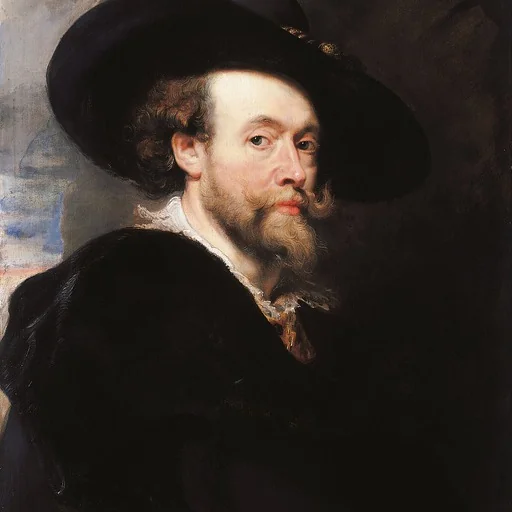
Sir Peter Paul Rubens ( ROO-bənz; Dutch: ; 28 June 1577 – 30 May 1640) was a Flemish artist and diplomat.

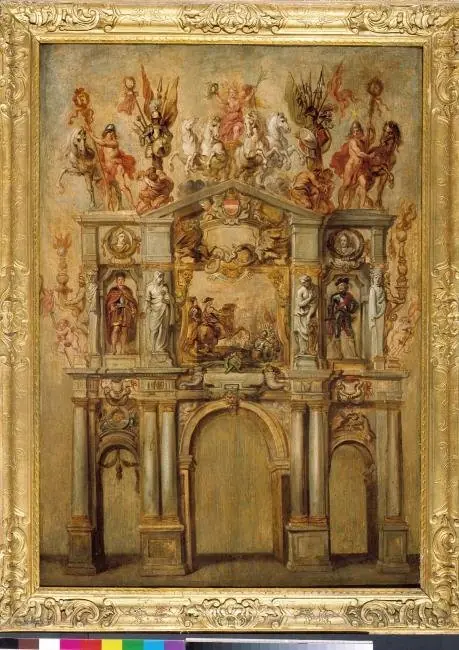 Sketch of the front of the triumphal arch of the Cardinal-Infant Ferdinand
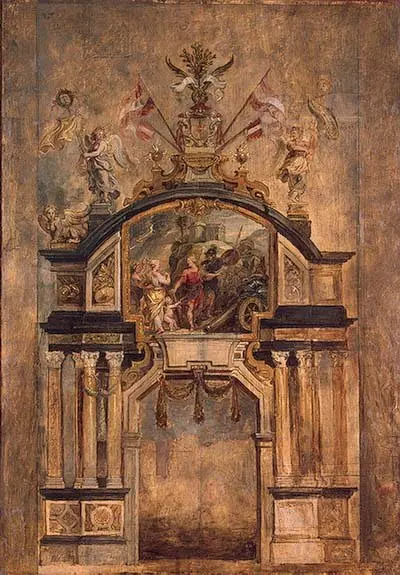
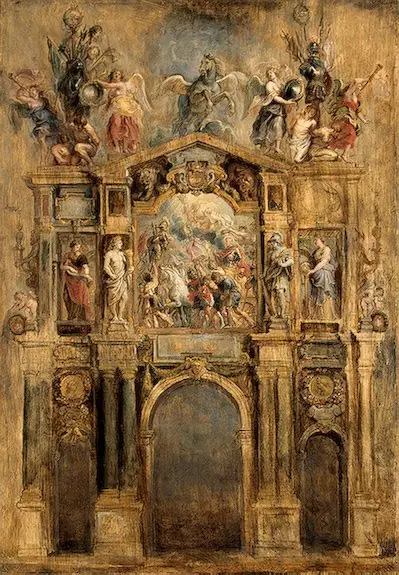 Arch of Ferdinand, the Reverse Side (Arcus Ferdinandi, pars posterior)
 Congratulations on the Arrival of Prince Ferdinand (Adventus Seren. Princ. Gratulatio)
 Arch of Hercules, the Right Side (Hercules Prodicius, pars anterior)
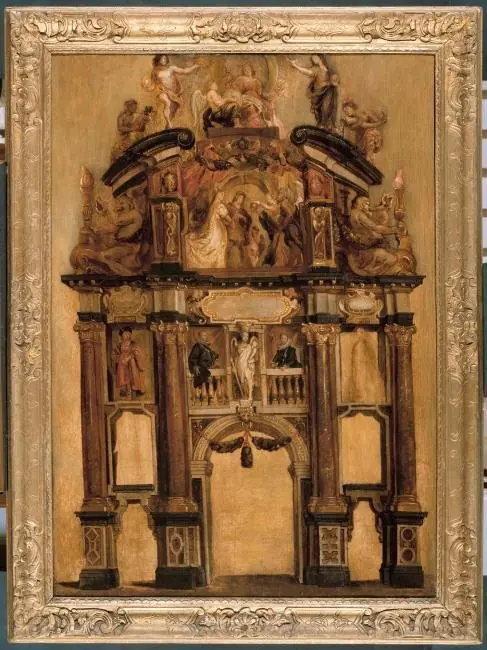 Sketch of the back of the triumphal arch of Philip IV
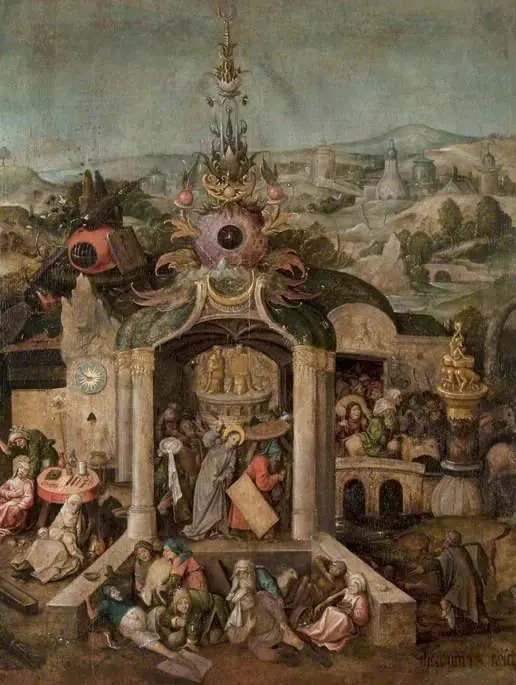 Christ driving the money-changers from the Temple
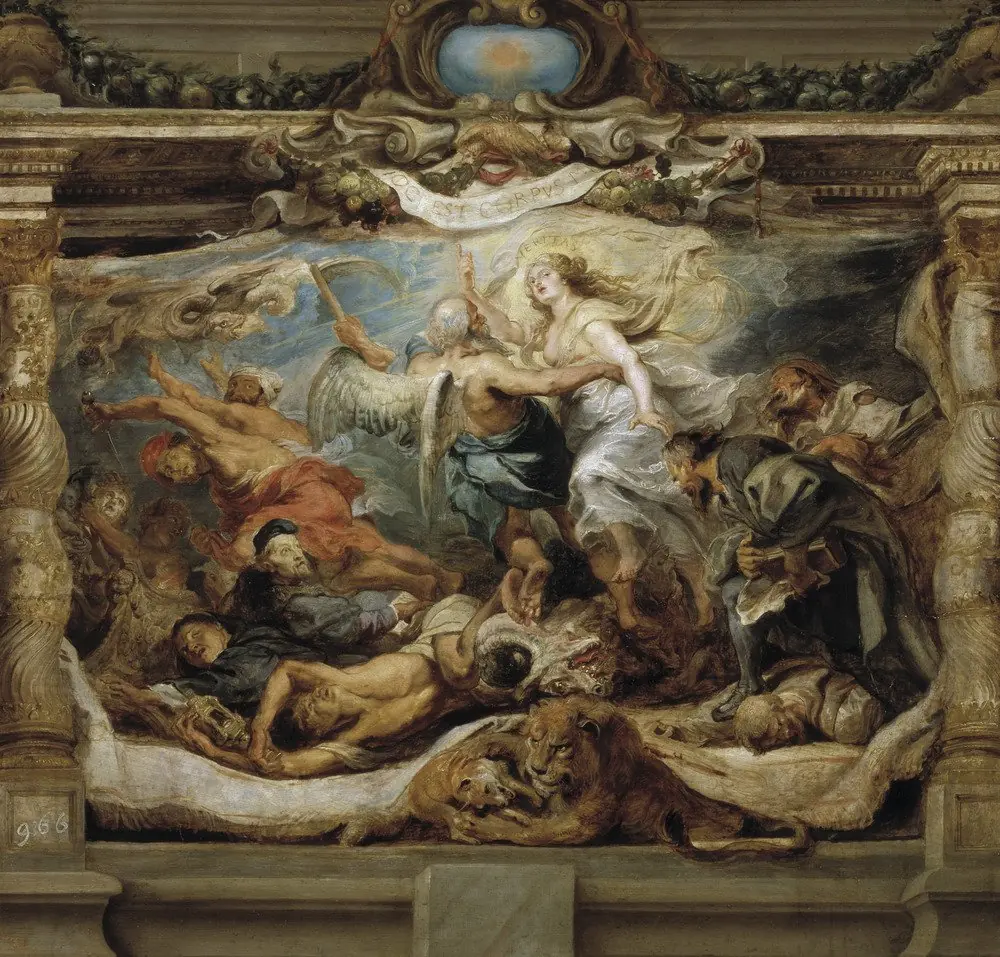 The Victory of Truth over Heresy
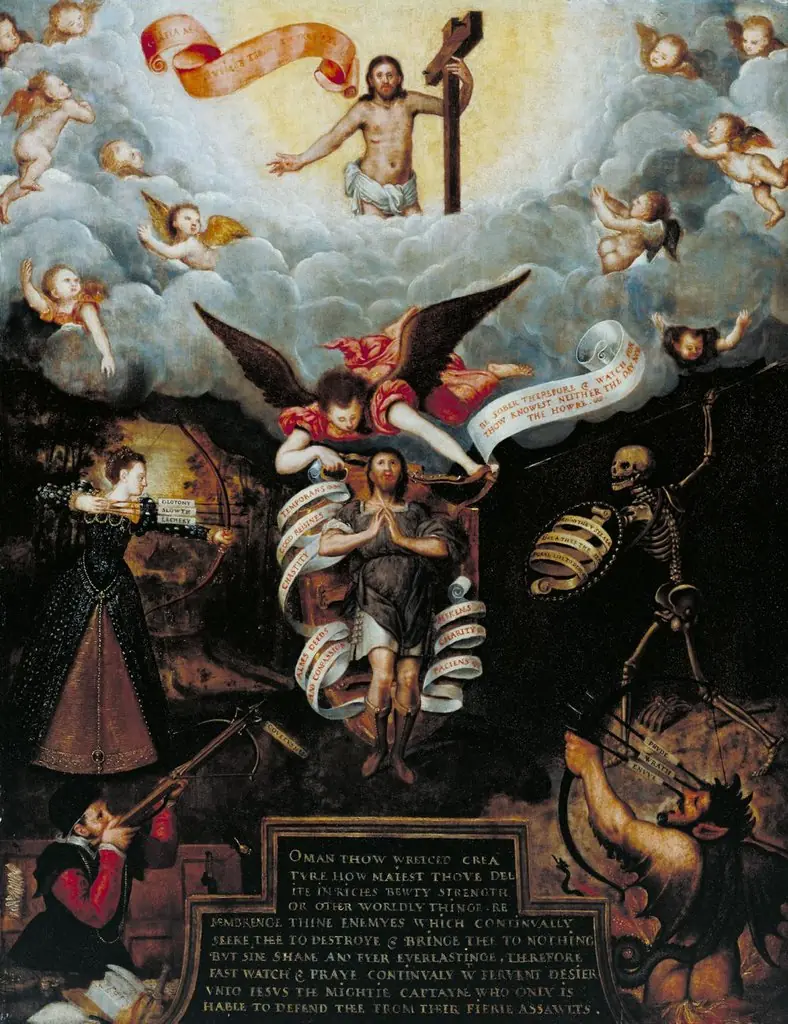 Allegory of Man
 Fructe pe un piedestal antic cu Sfânta Familie
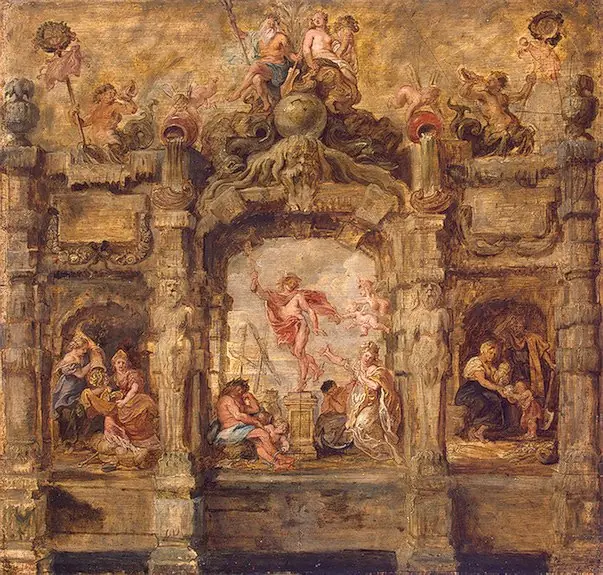 Mercury Moving away (Mercurius Abituriens)