Artwork
The Assumption of the Virgin
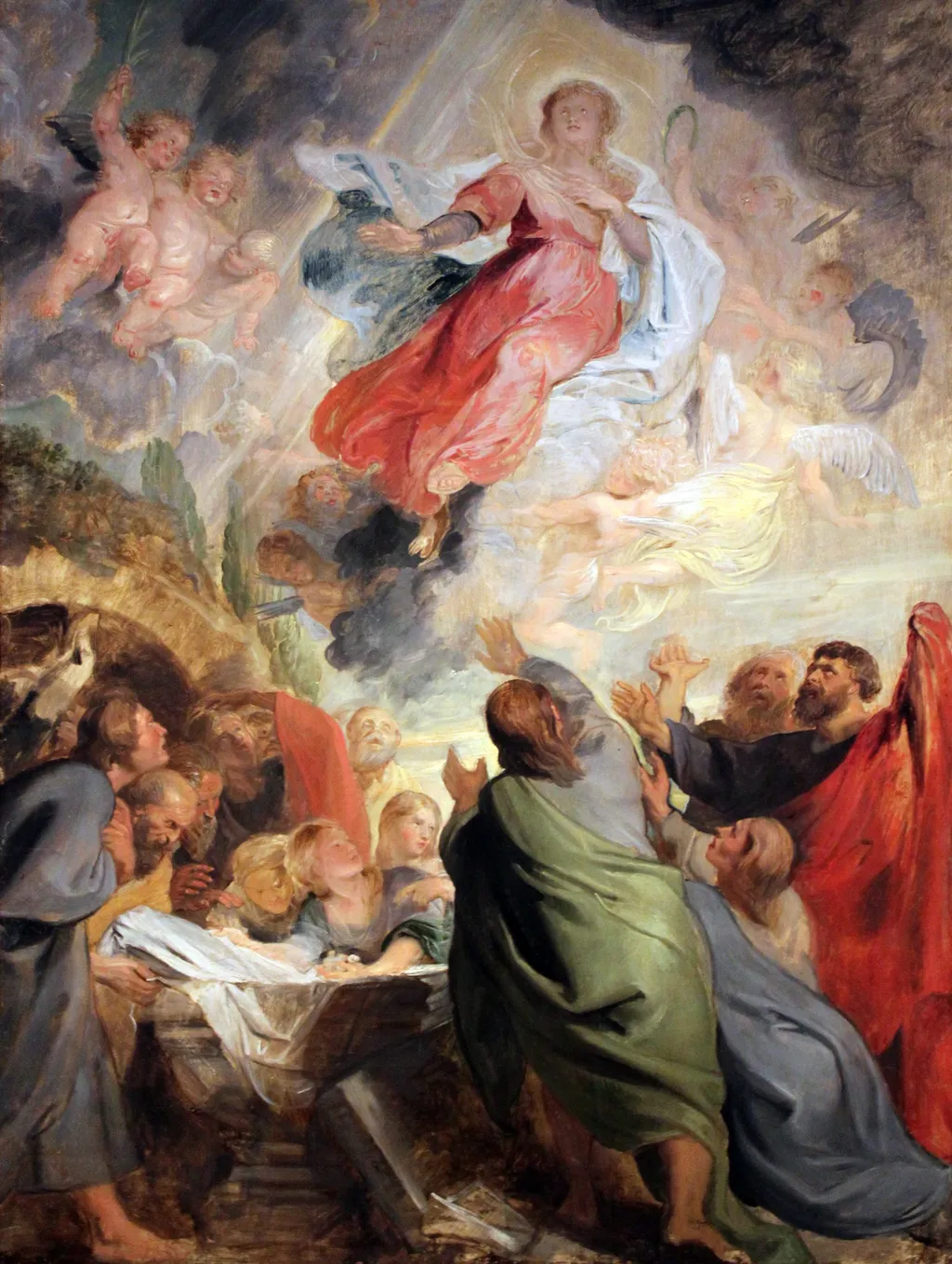
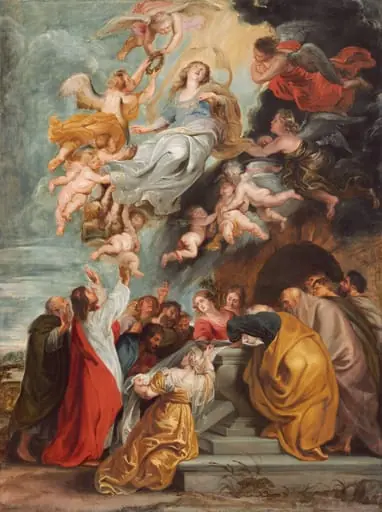
The Assumption of the Virgin is an oil painting by the Flemish Baroque painting artist Peter Paul Rubens. It dates from 1618 and is held in the collection of the Hamburger Kunsthalle.
About this work
Overview
Created in 1618 by the Flemish painter and diplomat Peter Paul Rubens, this oil on canvas illustrates the biblical episode of the Virgin Mary's ascent to heaven. The work is part of the collection of the Hamburger Kunsthalle and exemplifies the energetic visual language of the Flemish Baroque.
Subject & Meaning
The composition centers on Mary, clothed in a red garment beneath a white veil, being lifted upward by a group of angels while other celestial beings observe. The upward movement conveys the theological concept of the Assumption, emphasizing divine elevation and heavenly glory.
Technique & Style
Rubens employs a dynamic arrangement of figures, vigorous gestures, and a vivid palette typical of Baroque painting. Strong chiaroscuro models the bodies, while a luminous sky and radiant light enhance depth and dramatize the scene.
History & Provenance
Since its completion, the painting has remained in the hands of various collectors before entering the Hamburger Kunsthalle, where it is displayed as part of the museum’s Baroque holdings.
Own this work as a print
Artist & collection
Artist
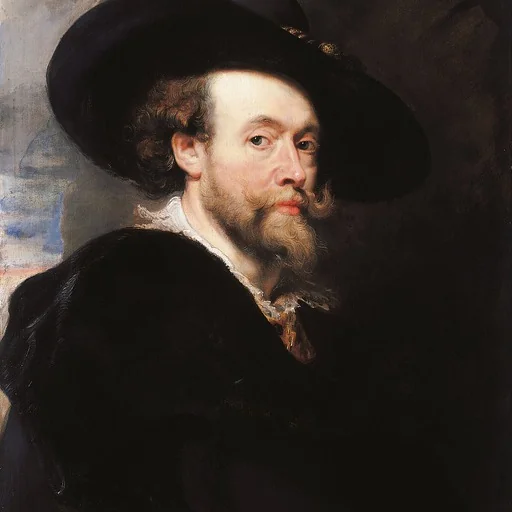
Sir Peter Paul Rubens ( ROO-bənz; Dutch: ; 28 June 1577 – 30 May 1640) was a Flemish artist and diplomat.

 The Assumption of the Virgin
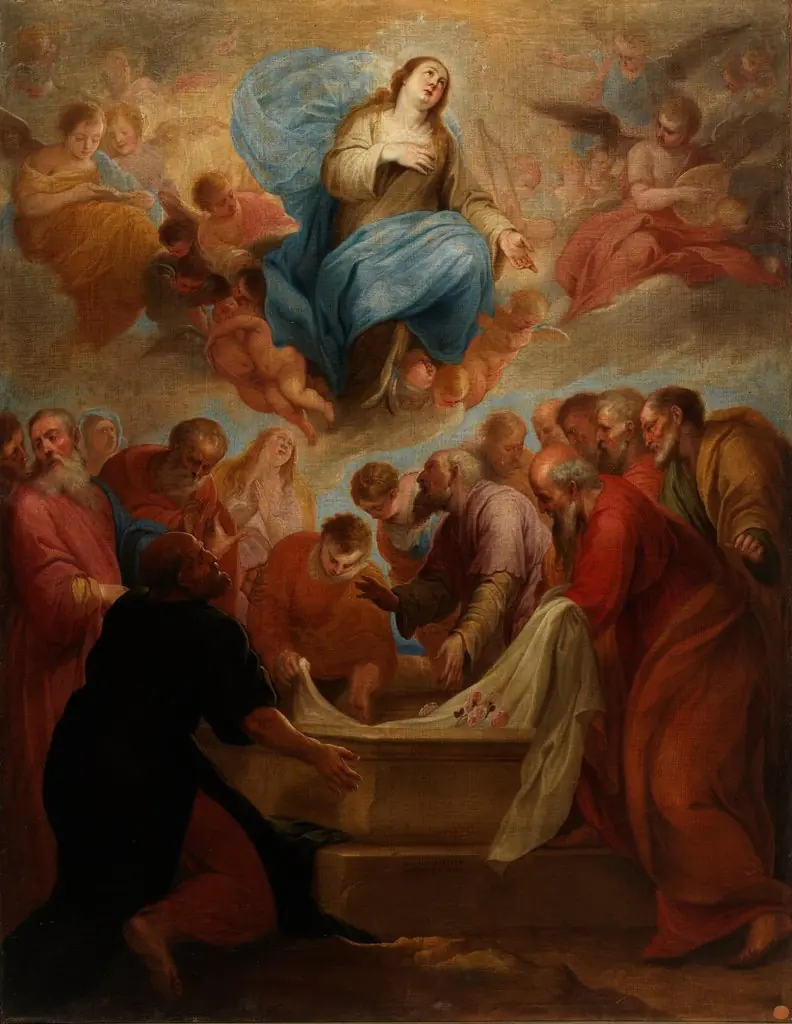 The Assumption of the Virgin
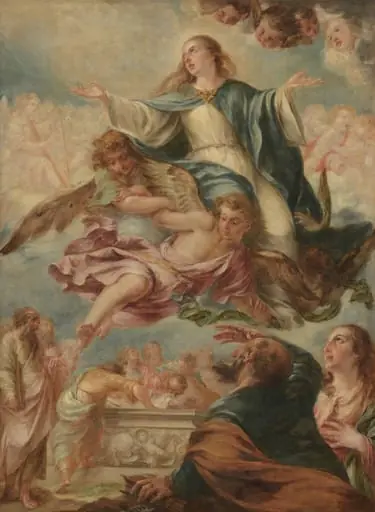 The Assumption of the Virgin
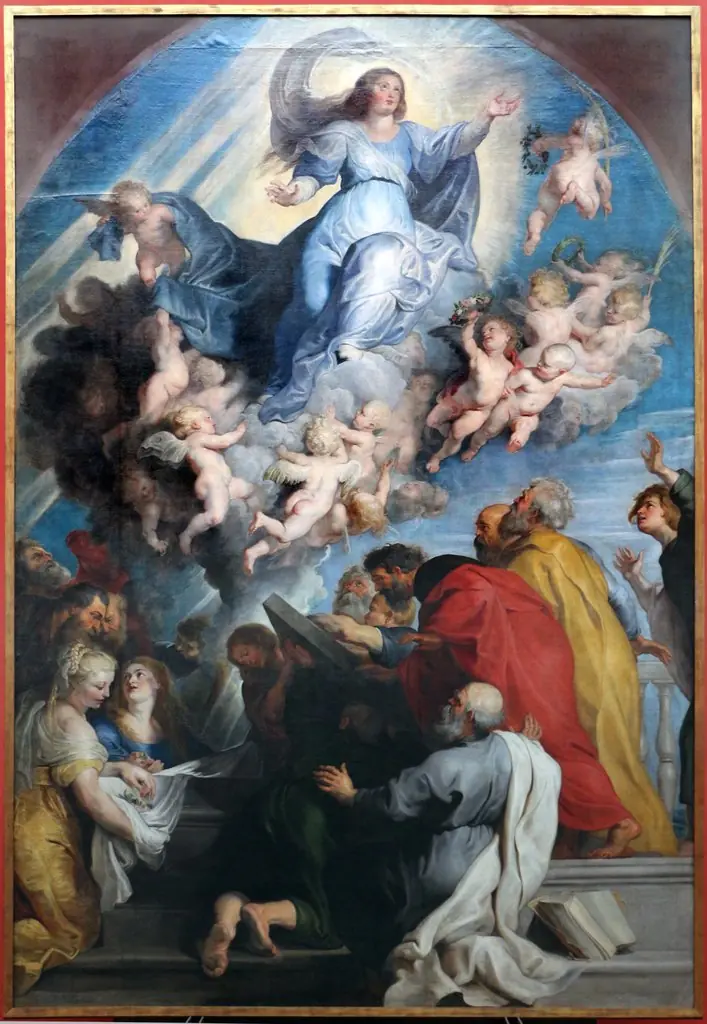 The assumption of the Virgin
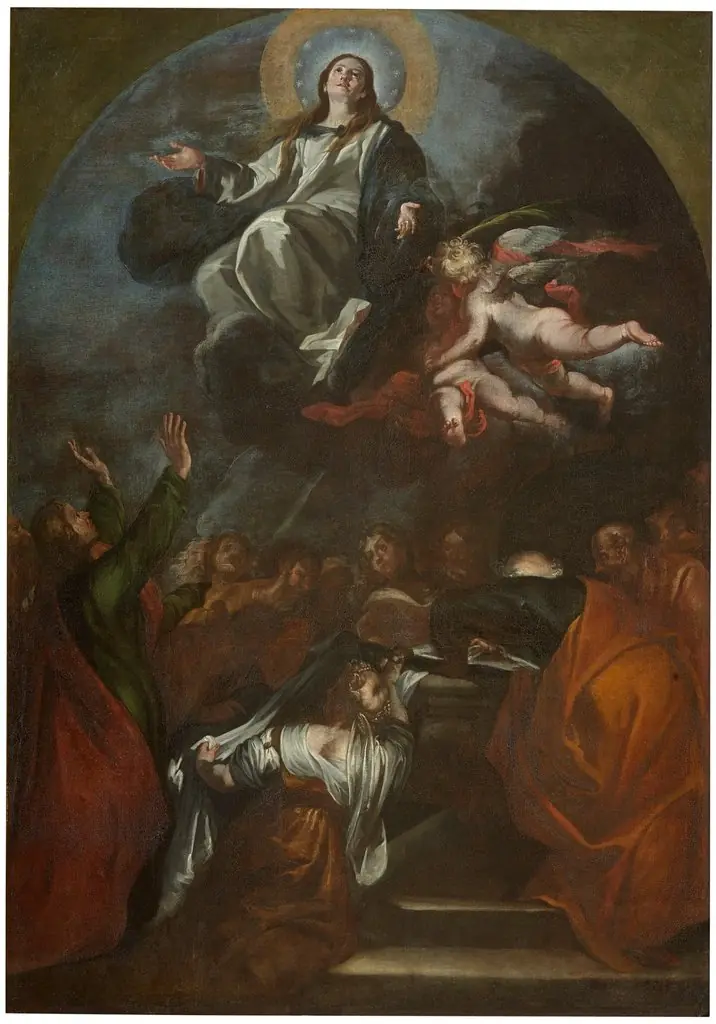 The Assumption of the Virgin
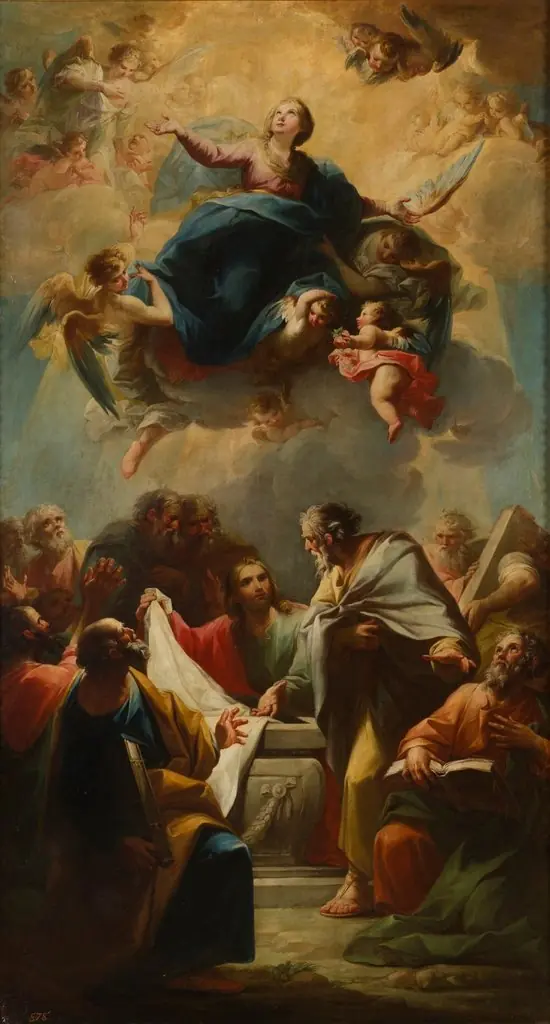 The Assumption of the Virgin
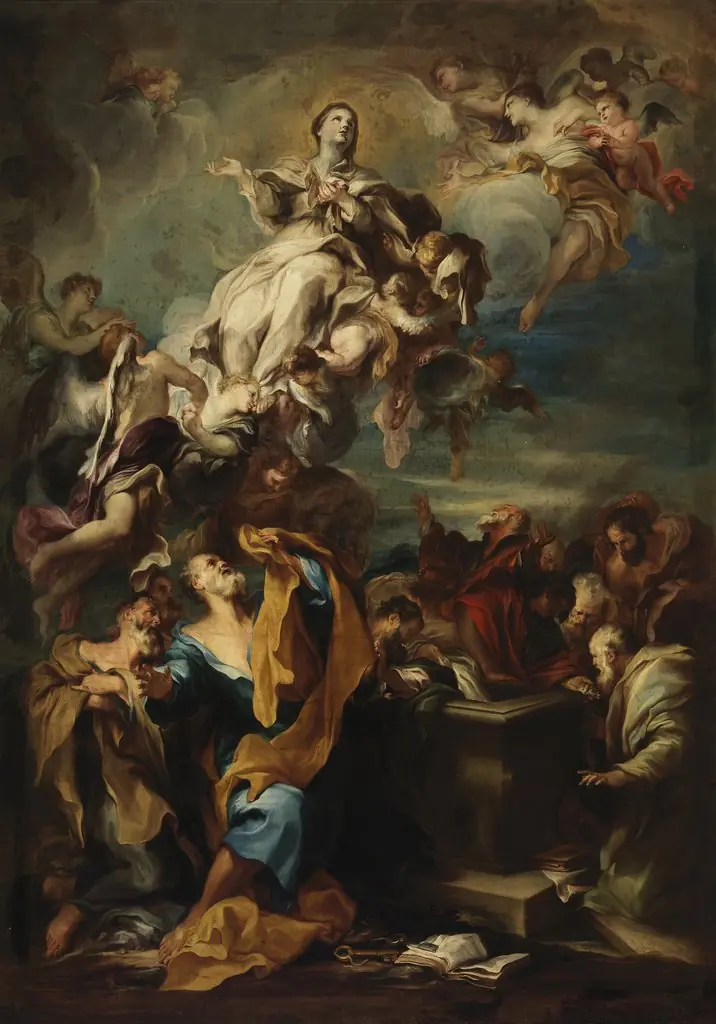 The Assumption of the Virgin
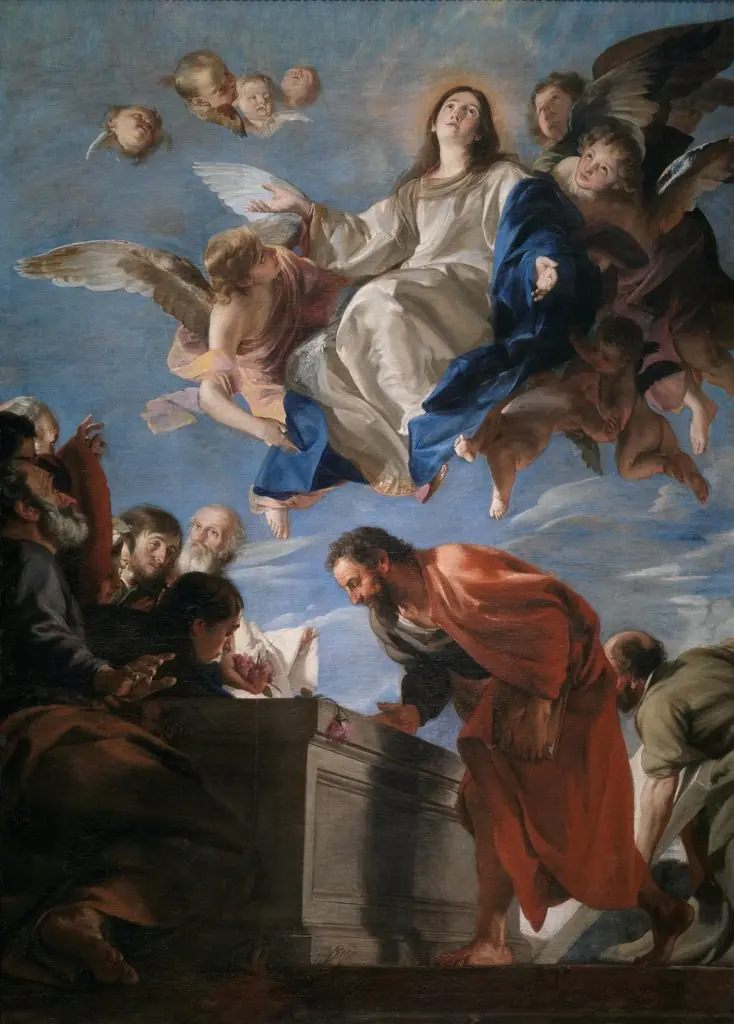 The Assumption of the Virgin
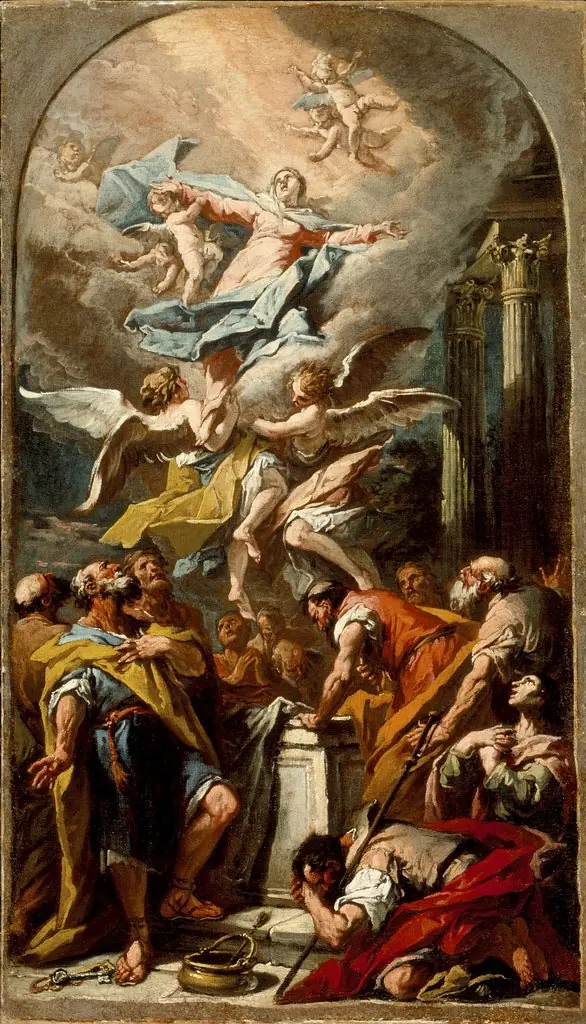 The Assumption of the Virgin
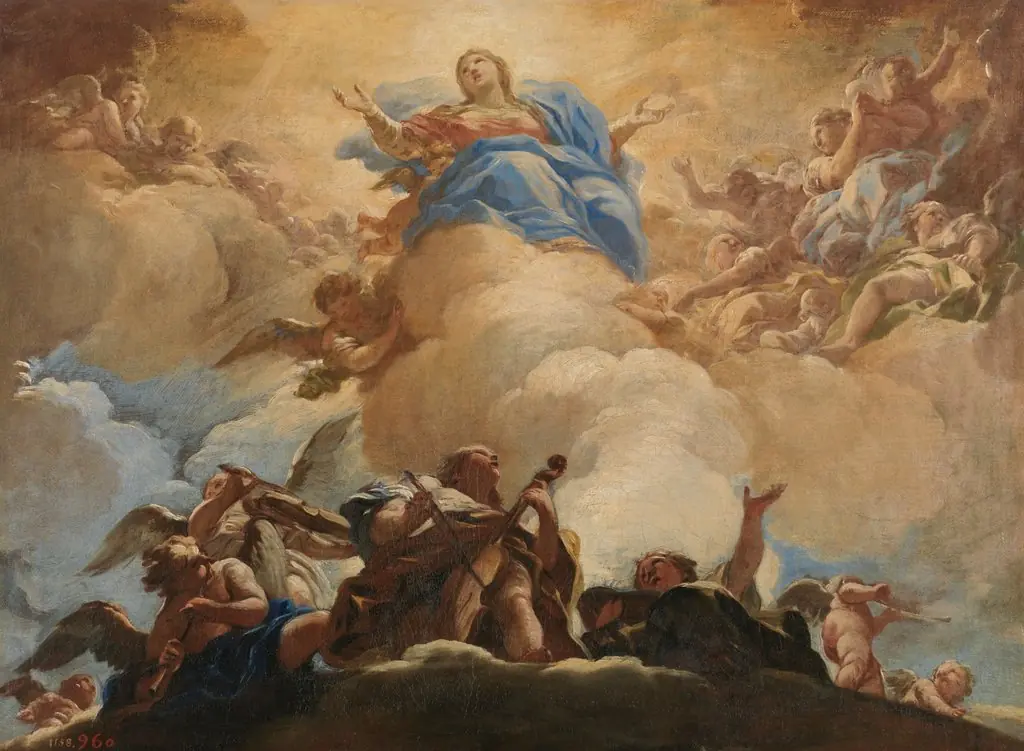 The Assumption of the Virgin
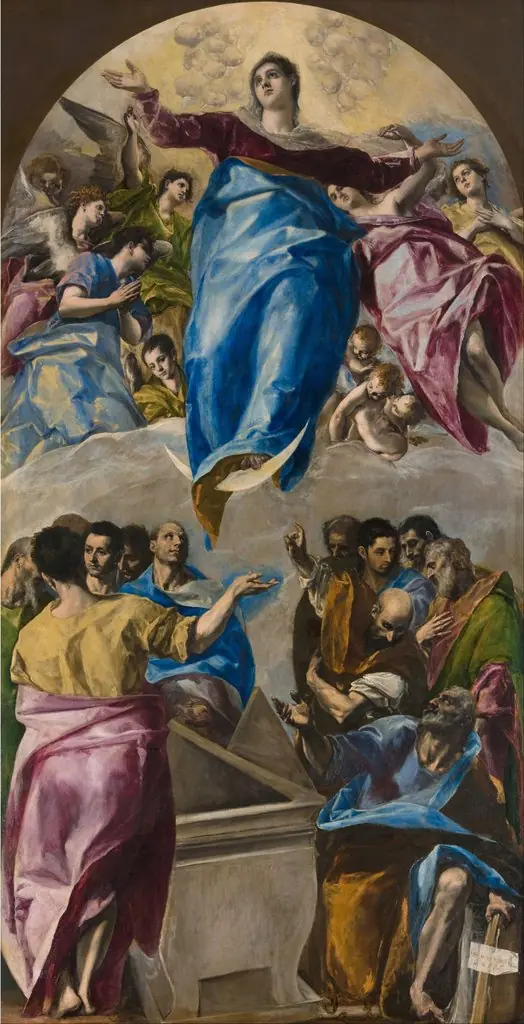 The Assumption of the Virgin
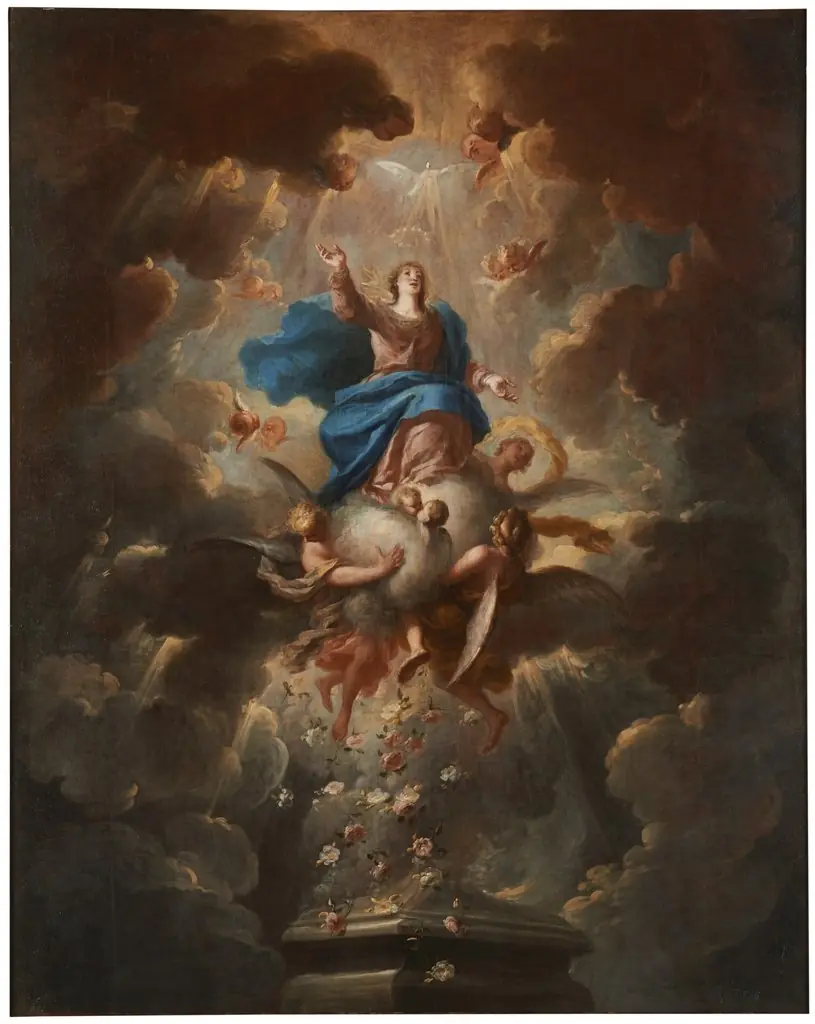 The Assumption of the Virgin