Artwork
The Assumption of the Virgin
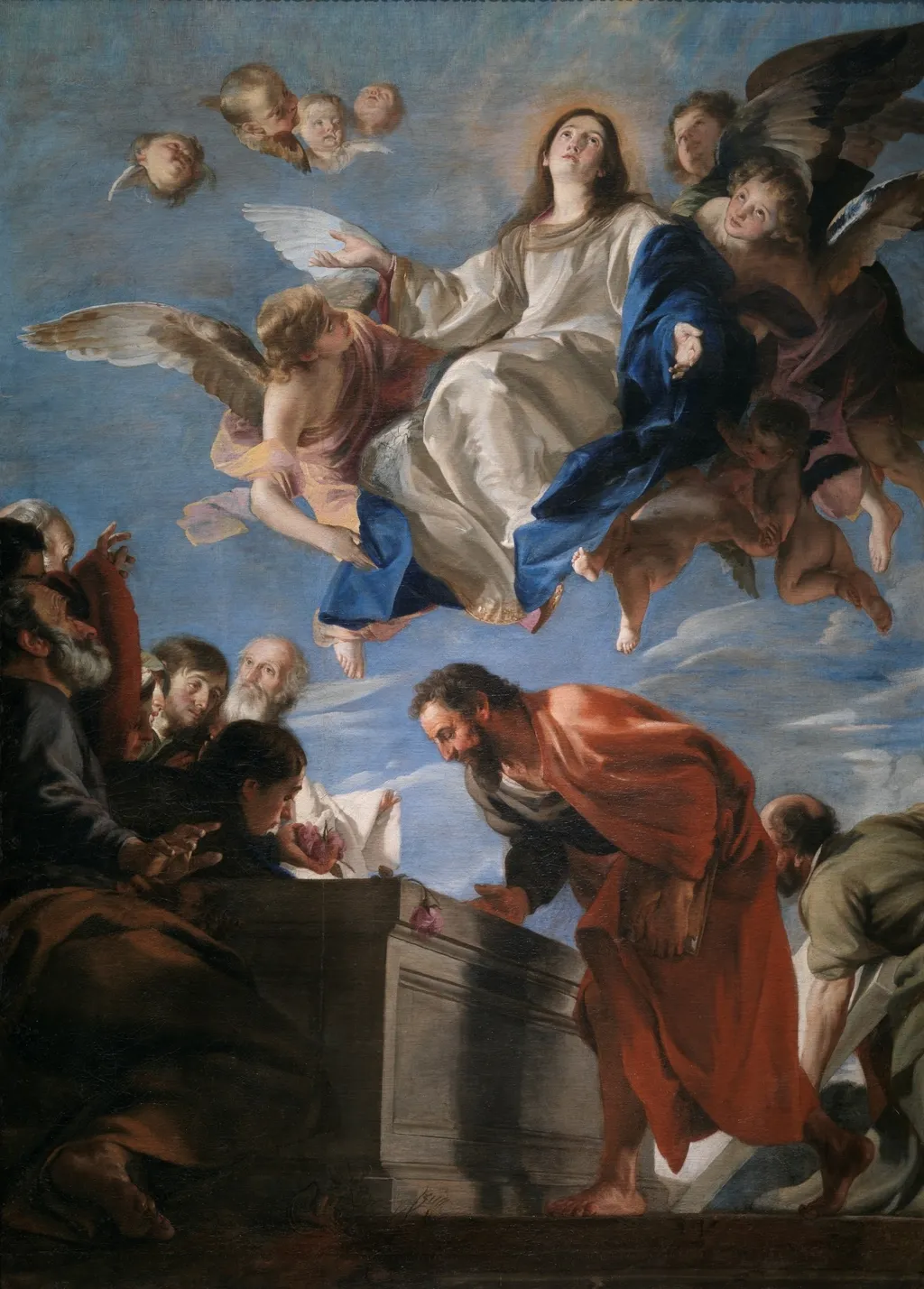
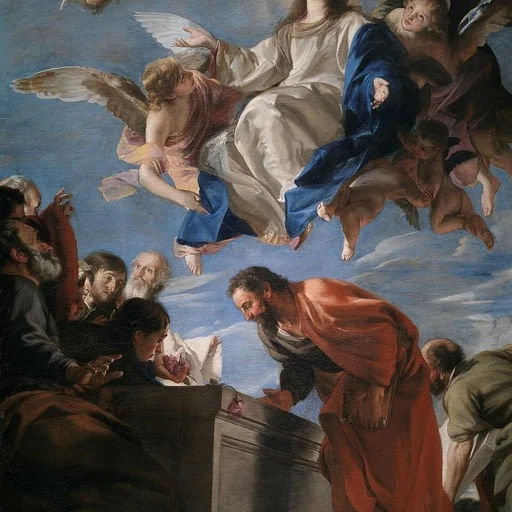
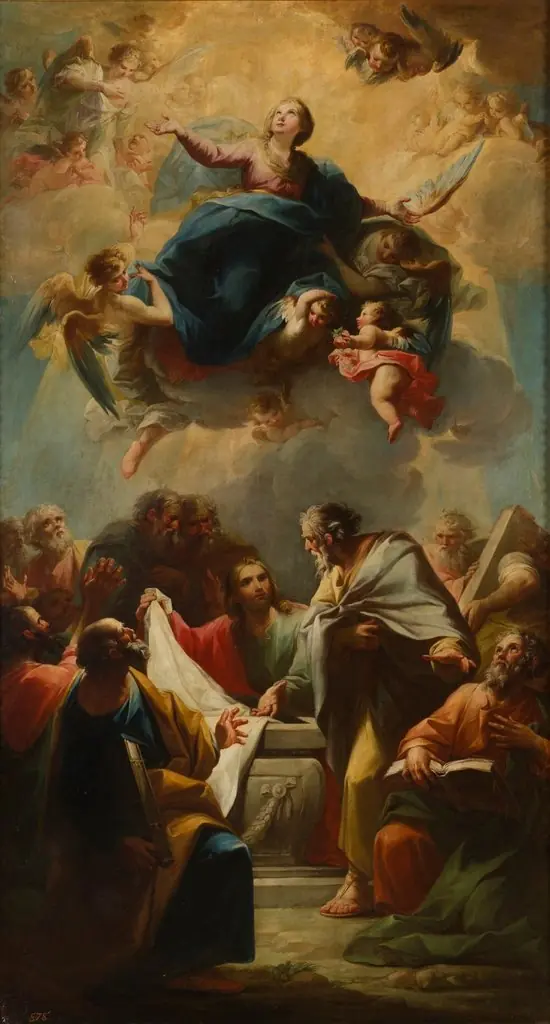
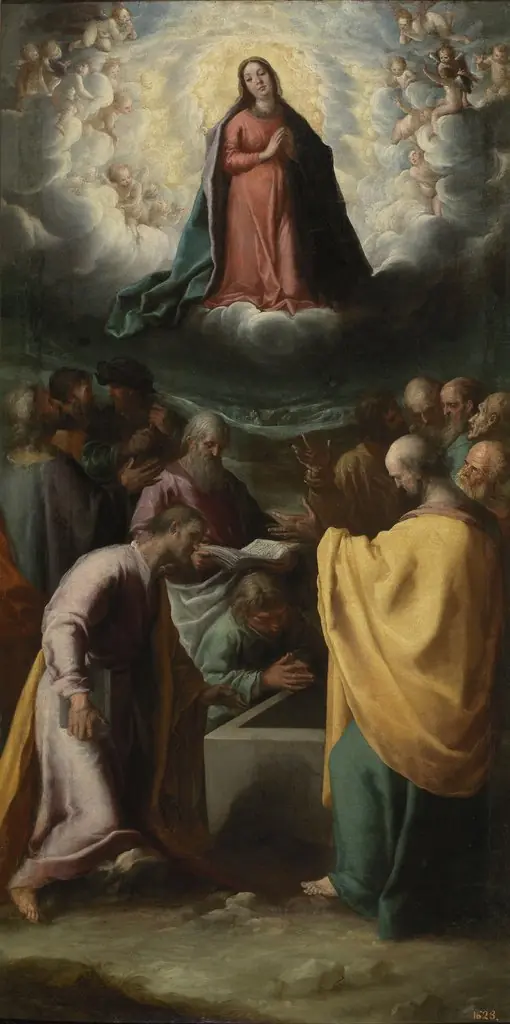
The Assumption of the Virgin is an oil painting by the Early Baroque Italian artist Juan Martín Cabezalero. It dates from 1660 and is held in the collection of the Museo del Prado.
About this work
Overview
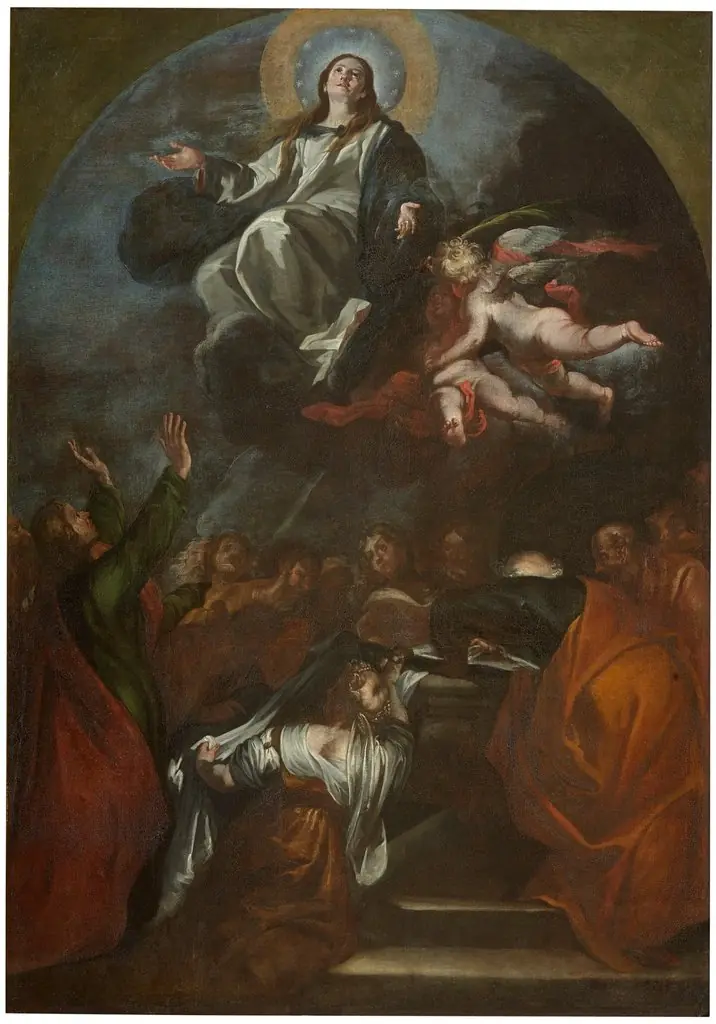
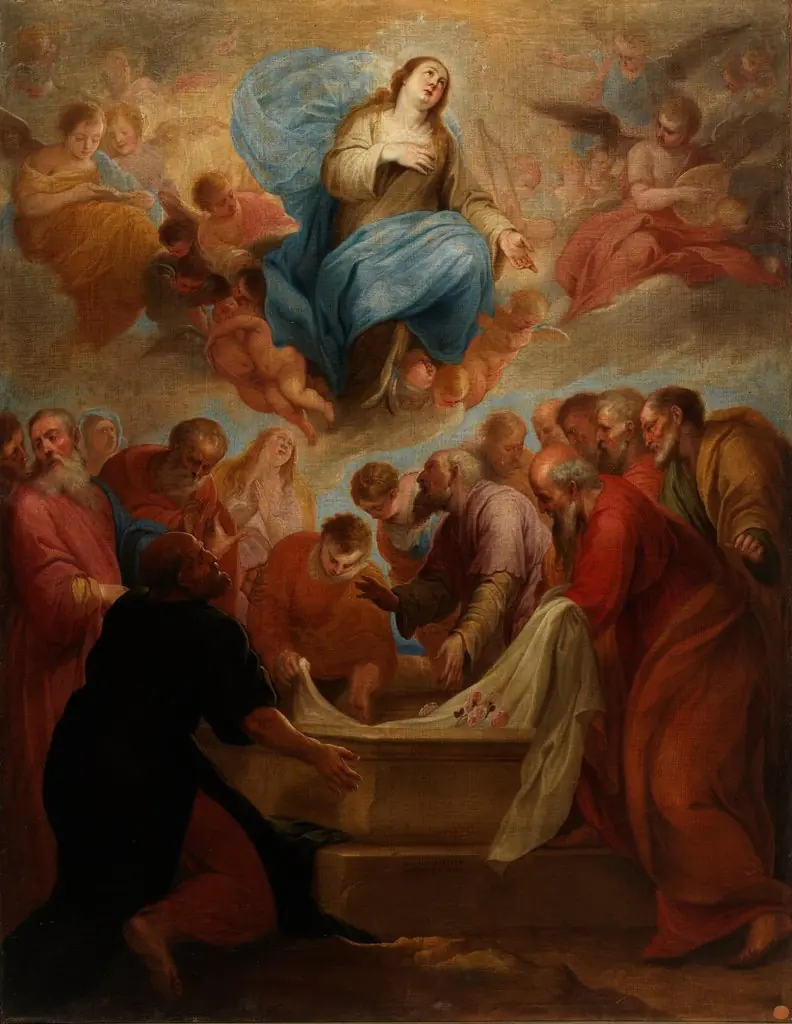
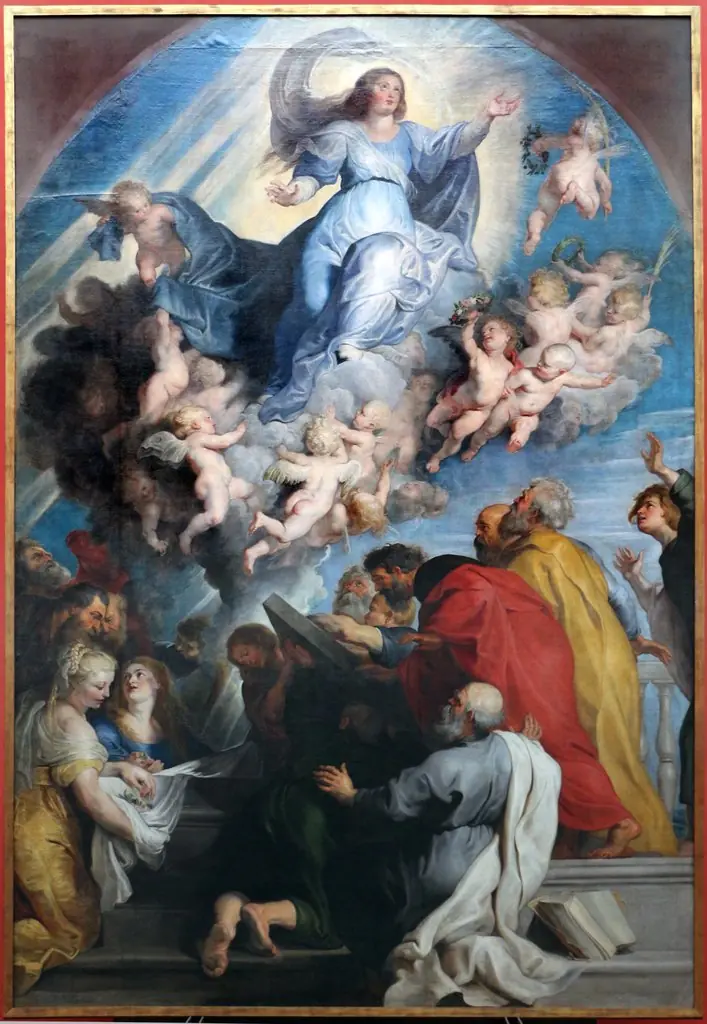
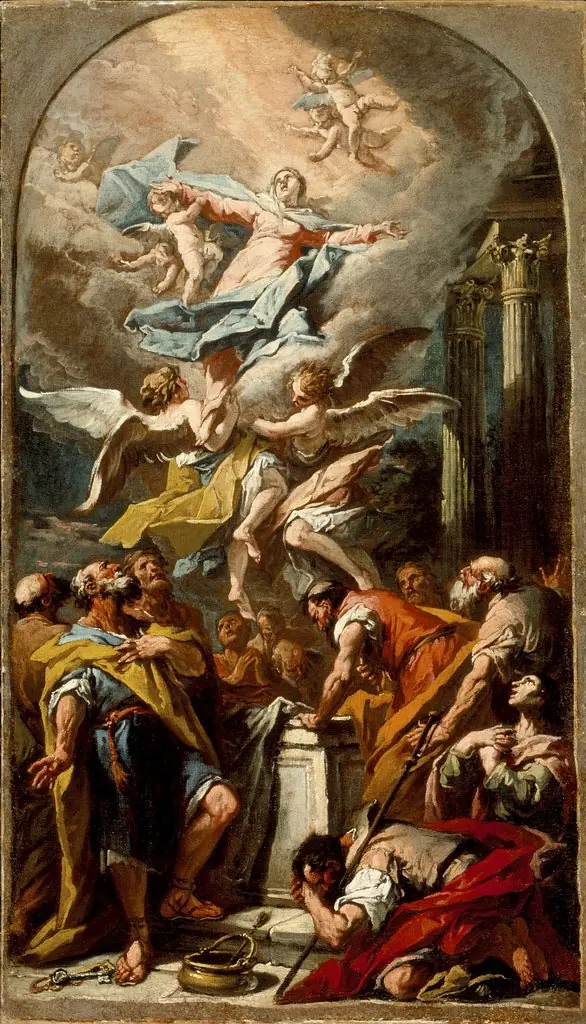
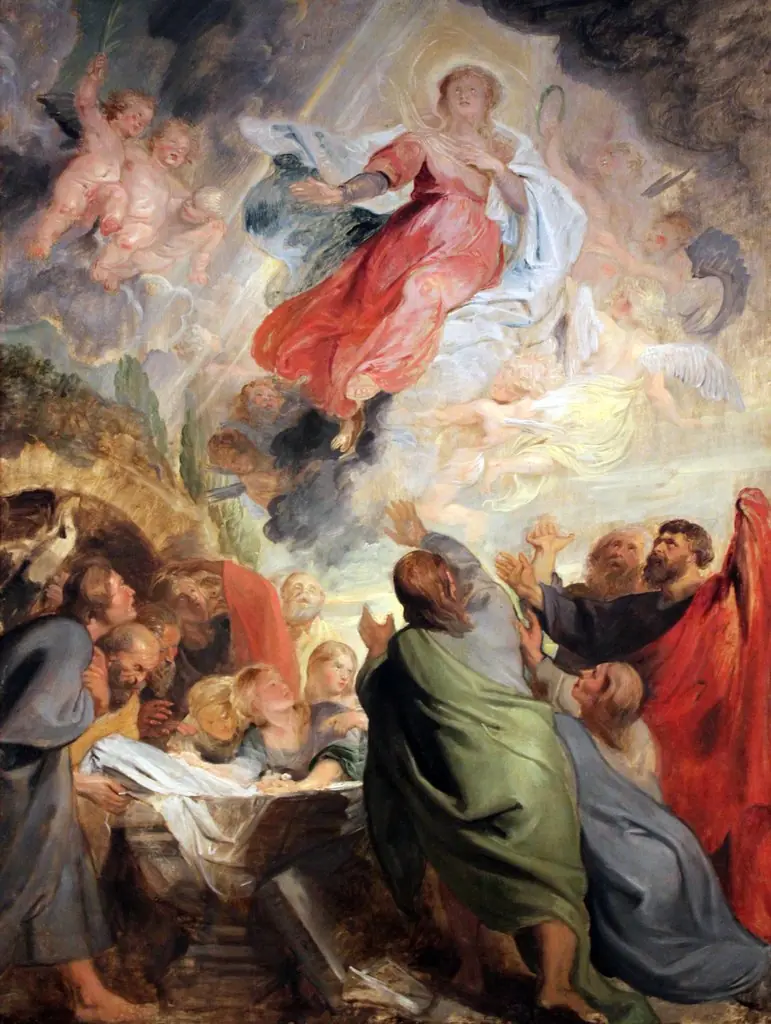
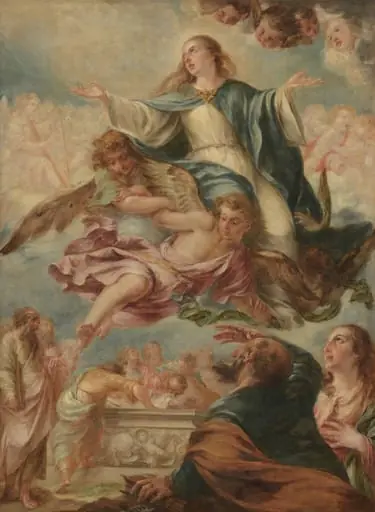
Juan Martín Cabezalero’s oil on canvas, The Assumption of the Virgin (1660), is part of the Prado Museum’s collection. The work depicts the Virgin Mary ascending into heaven, surrounded by a host of angels, while a crowd of figures watches from below. The composition balances celestial movement with a grounded terrestrial audience, creating a narrative bridge between the divine and the earthly.
Subject & Meaning
The painting illustrates the traditional Christian episode in which Mary is taken up to heaven after her earthly life.
The painting illustrates the traditional Christian episode in which Mary is taken up to heaven after her earthly life. The upward motion of the Virgin, illuminated and encircled by winged angels, emphasizes her sanctity, while the onlookers—dressed in period attire—represent the faithful witnessing a miraculous event. The gesture of the man in red reaching toward her adds a dynamic element of human yearning.
Technique & Style
Cabezalero employs a pronounced chiaroscuro, allowing light to model the Virgin’s face and garments with a near‑sculptural depth. The luminous halo surrounding her head contrasts sharply with the deep shadows that envelop the figures below, diminishing their visual weight. The rendering of the angels’ wings and the delicate folds of fabric showcase the artist’s skill in handling oil pigment to convey texture and movement.
History & Provenance
Executed in 1660, the work entered the Spanish royal collection before being transferred to the Museo del Prado, where it remains on display. Its provenance reflects the typical path of 17th‑century Spanish religious paintings, moving from ecclesiastical patronage to national museum holdings as part of Spain’s cultural heritage preservation.
Context
Created during the Baroque period, the painting aligns with contemporary Spanish religious art that emphasized dramatic lighting and emotional intensity. The composition’s vertical thrust and the interplay of light and shadow echo the Counter‑Reformation’s aim to inspire devotion through vivid, theatrical imagery, situating Cabezalero’s work within broader ecclesiastical artistic trends of the mid‑1600s.
Own this work as a print
Artist & collection