Artwork
The Sacrifice of Noah
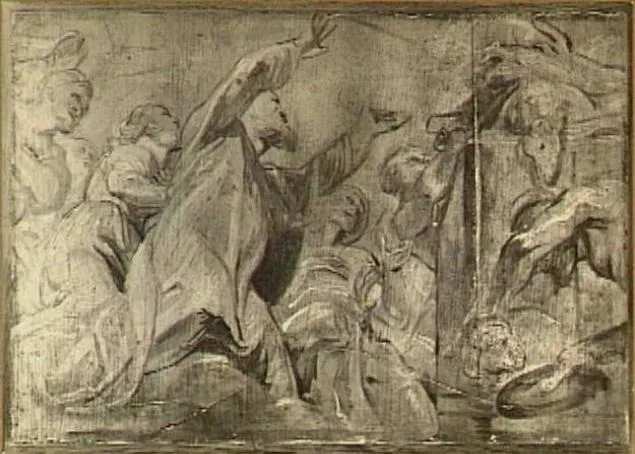
The Sacrifice of Noah is an oil painting by the Flemish Baroque painting artist Peter Paul Rubens. It dates from 1620 and is held in the collection of the Ashmolean Museum.
About this work
Overview
Painted in 1620 by Peter Paul Rubens, this oil-on-canvas work captures a moment from the biblical story of Noah after the flood. Executed in the Flemish Baroque style, the painting reflects Rubens’s mastery of dynamic movement and emotional intensity. It is currently held in the Ashmolean Museum, Oxford, as part of its collection of early modern European art.
Subject & Meaning
The scene illustrates Noah offering a sacrifice to God following the subsiding of the great flood. Central to the composition is Noah, arms raised in gratitude, surrounded by figures reacting with awe, fear, or reverence. The moment underscores themes of divine covenant and human humility, rendered not as a serene ritual but as a charged, communal event steeped in emotional gravity.
Technique & Style
The swirling composition and flowing drapery convey urgency, characteristic of Baroque dynamism and Rubens’s signature handling of the human form in motion.
Rubens employs chiaroscuro to heighten drama, contrasting deep shadows with sharp highlights on flesh and fabric. Figures are rendered with muscular vitality and expressive gestures, while the background dissolves into loose, atmospheric brushwork. The swirling composition and flowing drapery convey urgency, characteristic of Baroque dynamism and Rubens’s signature handling of the human form in motion.
History & Provenance
Commissioned during Rubens’s mature period, the painting likely originated as part of a private collection in the Low Countries. It entered the Ashmolean Museum’s holdings in the 19th century, having passed through several European collections. Its documented history aligns with the broader circulation of Flemish religious works among aristocratic patrons of the era.
Context
Created shortly after the Peace of Westphalia negotiations, the painting reflects a cultural moment in which religious narratives were reasserted amid political instability. Rubens, deeply engaged with classical and biblical themes, drew on both theological texts and contemporary humanist scholarship to infuse his imagery with intellectual depth alongside emotional power.
Legacy
The painting exemplifies Rubens’s influence on the development of Baroque religious art in Northern Europe. Its emphasis on physical presence and psychological immediacy informed later generations of painters. Though not widely reproduced, it remains a key example of how Flemish artists translated sacred stories into visceral, human-centered experiences.
Artist & collection
Artist
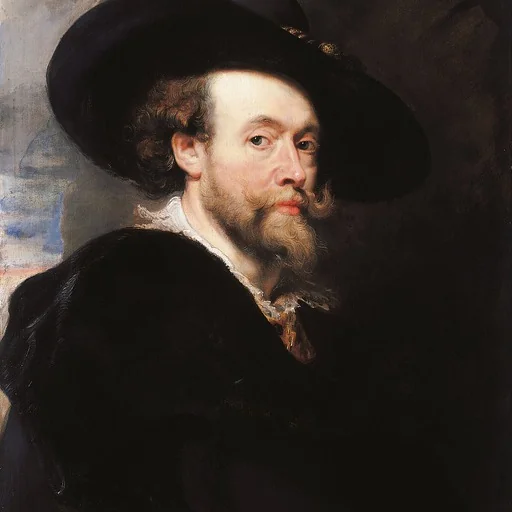
Sir Peter Paul Rubens ( ROO-bənz; Dutch: ; 28 June 1577 – 30 May 1640) was a Flemish artist and diplomat.

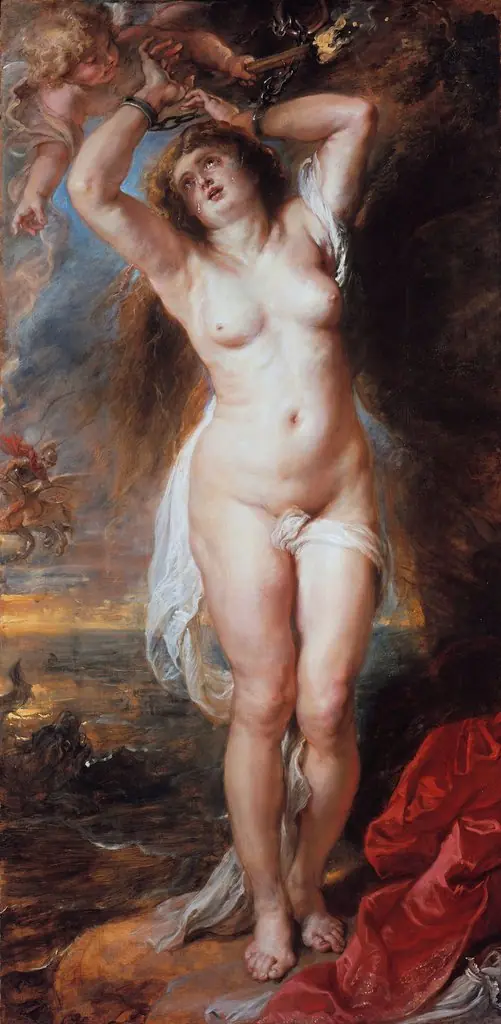
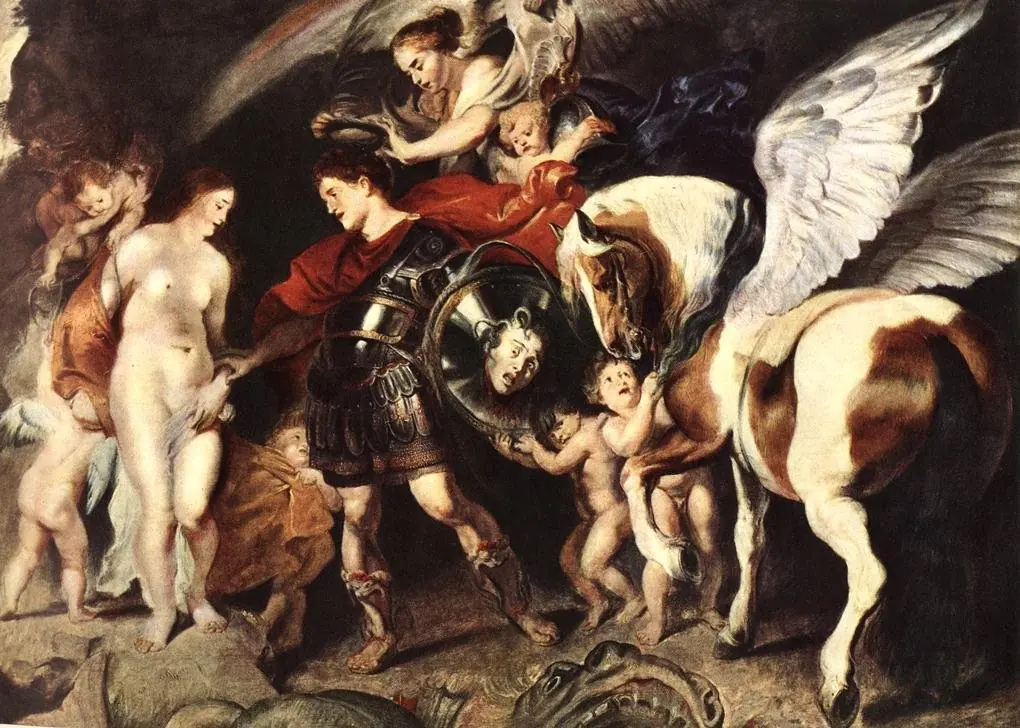
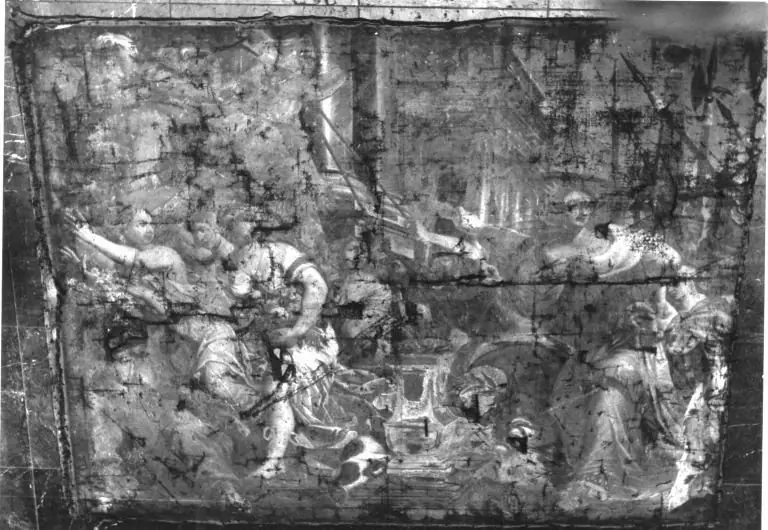 Niobe lässt die Bildsäule der Diana niederreißen
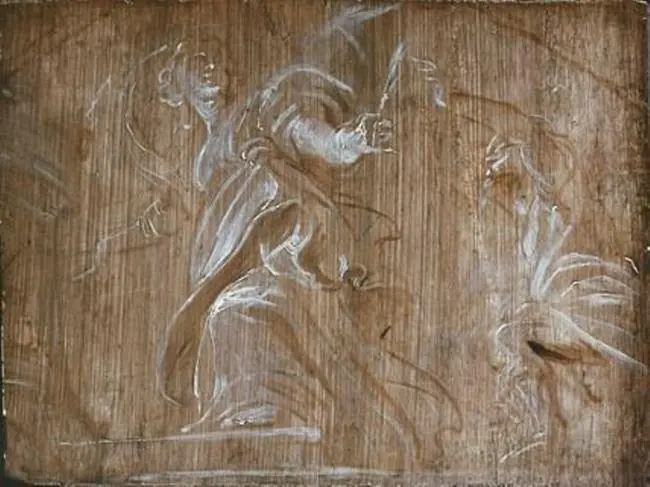 St Barbara pursued by her Father
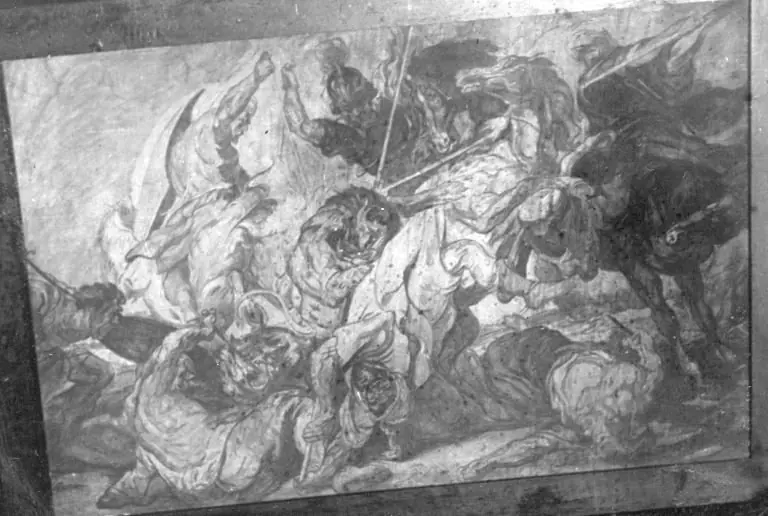 Löwenjagd (Kopie nach)
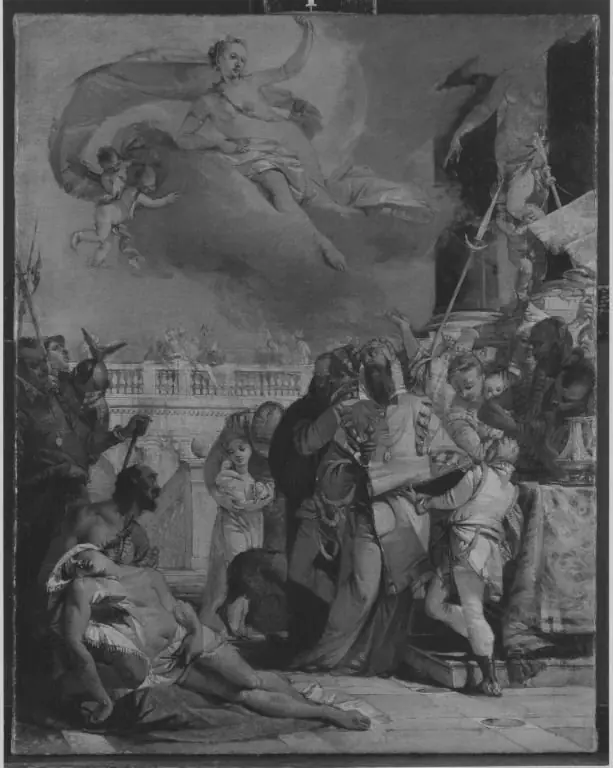 Opferung der Iphigenie
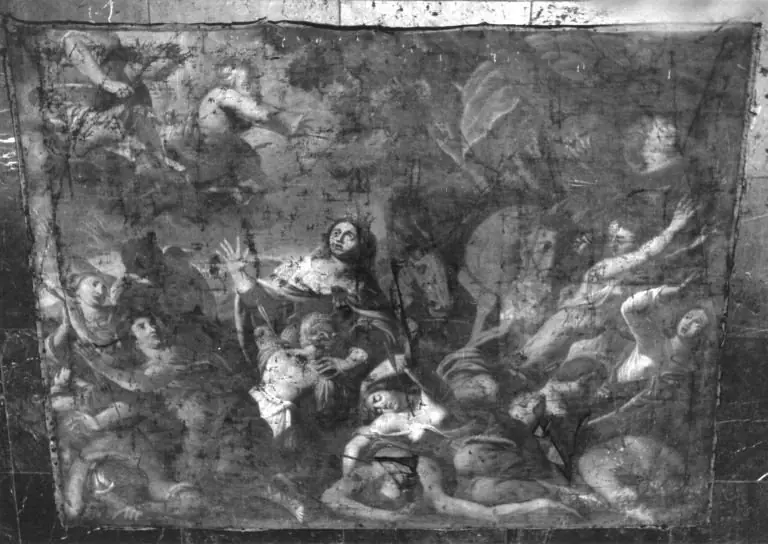 Die Kinder der Niobe
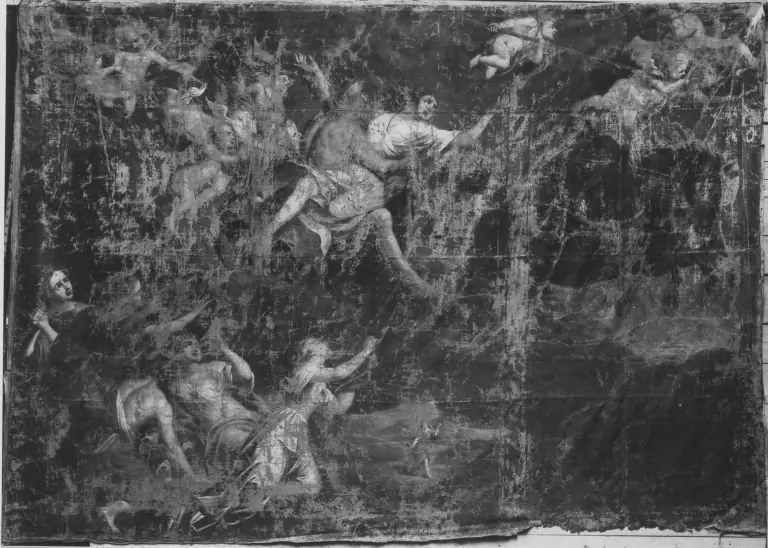 Pluto entführt Proserpina (zugeschrieben)
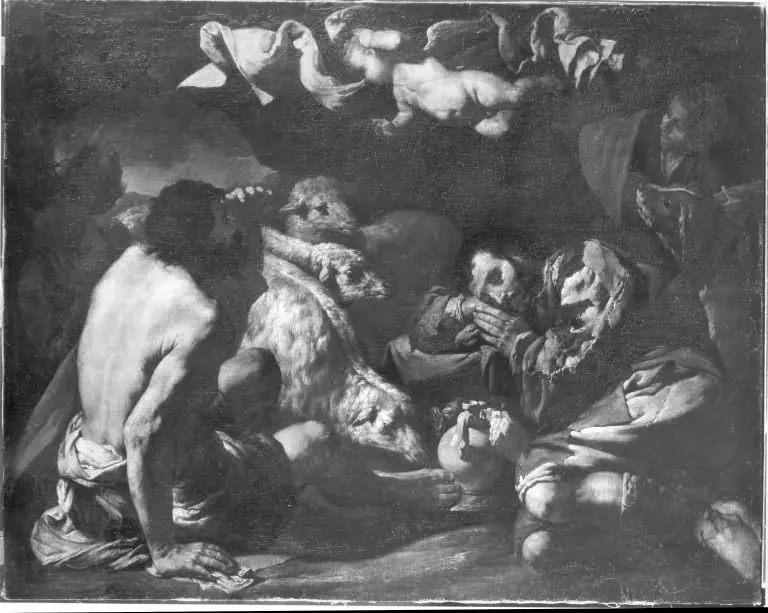 Verkündigung an die Hirten
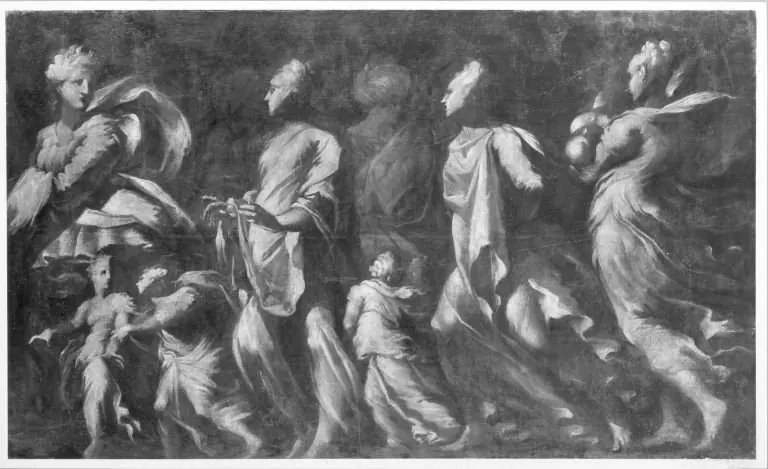 Captured Women and Children
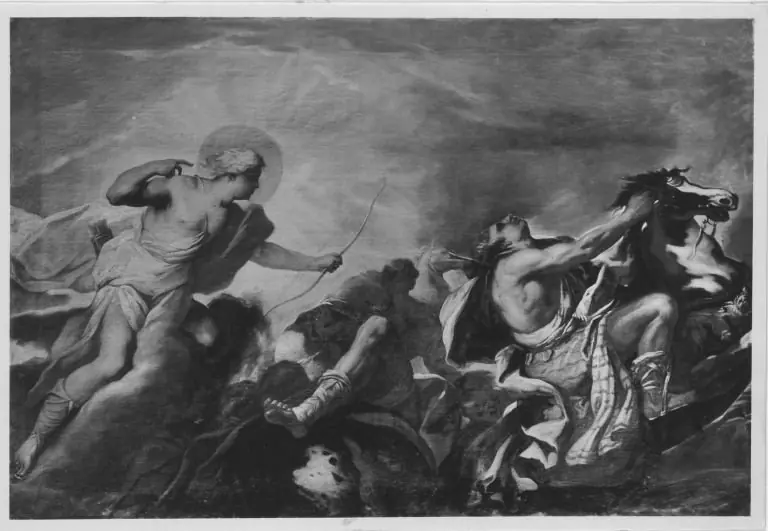 Apollo tötet die Kinder der Niobe
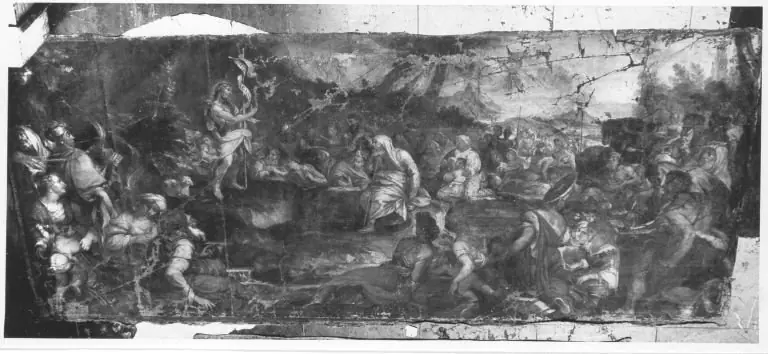 Predigt Johannes des Täufers
 Raising Lazarus from the Dead
 Verklärung Christi