Artwork
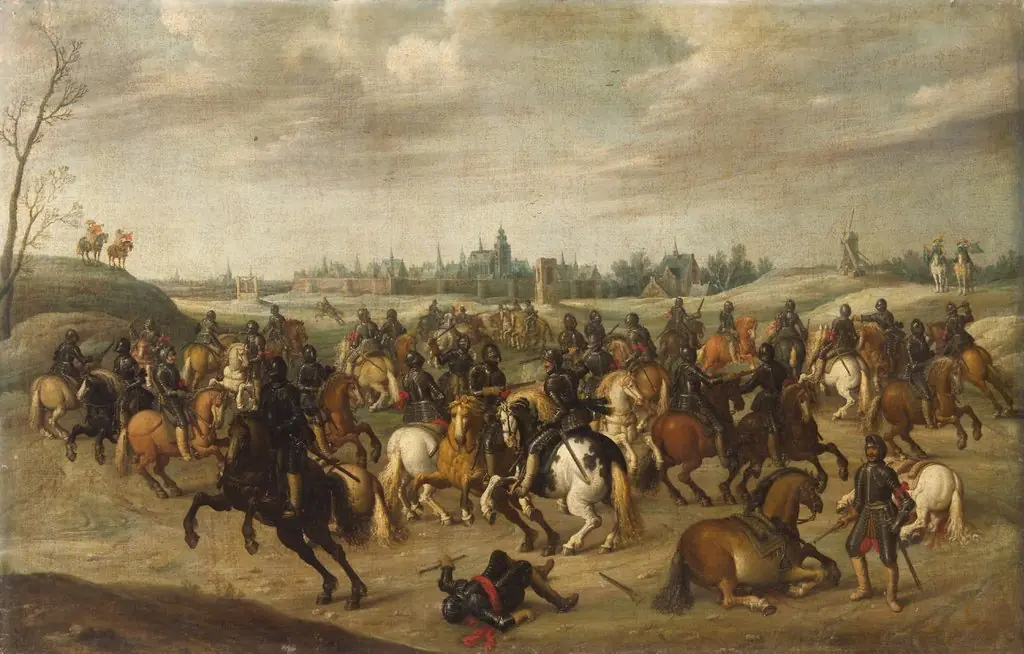
Battle on Vught Heath
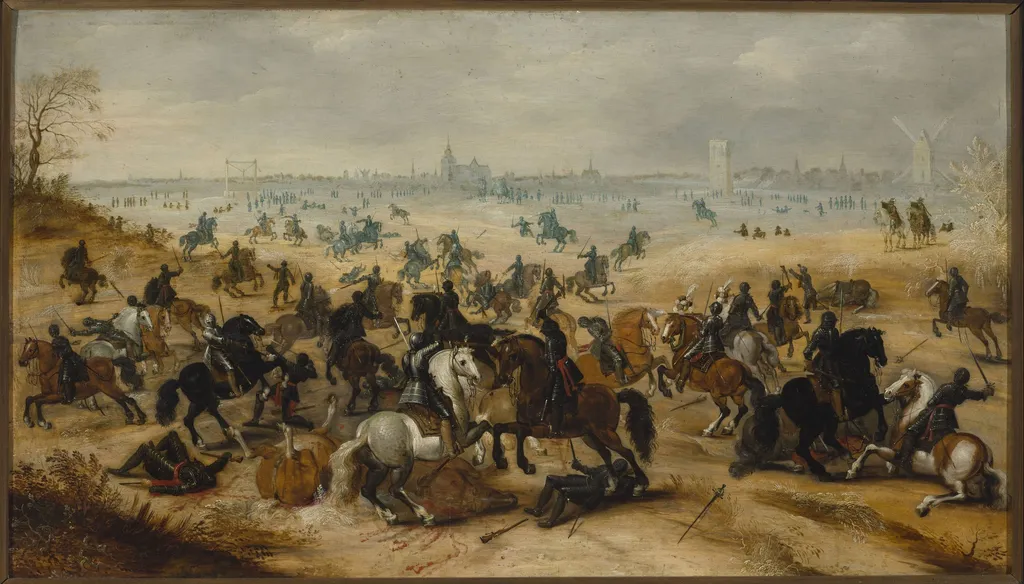
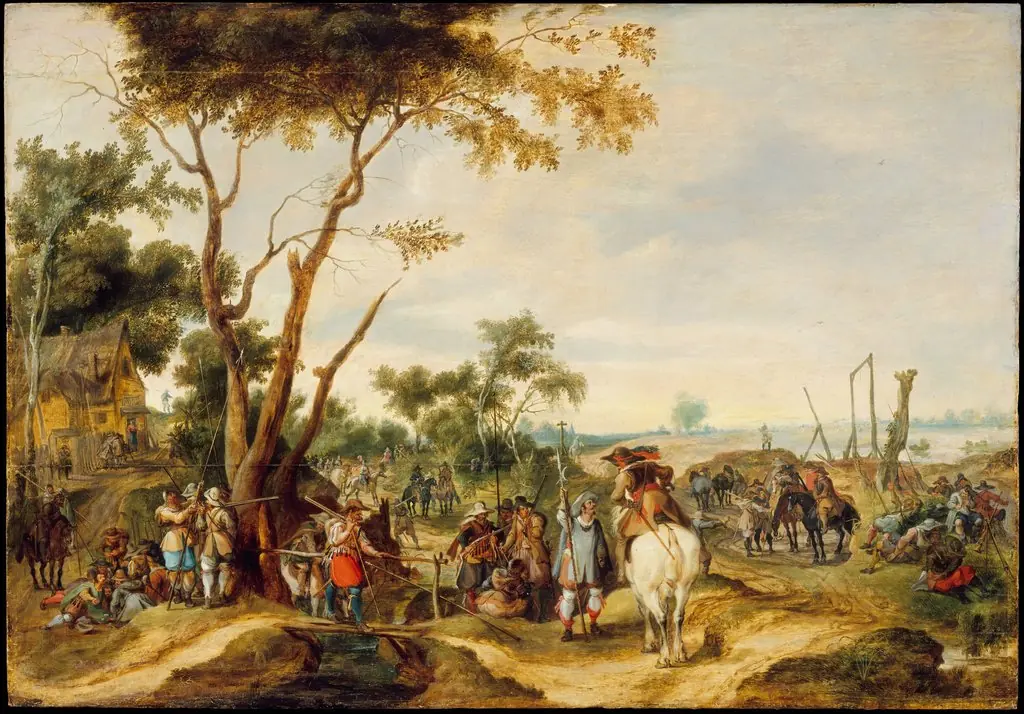
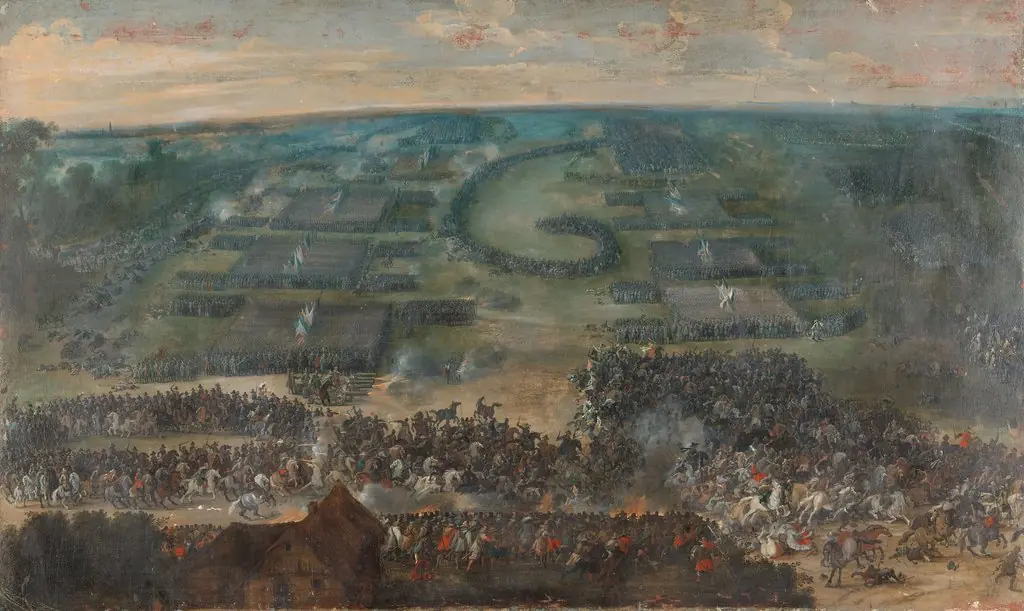
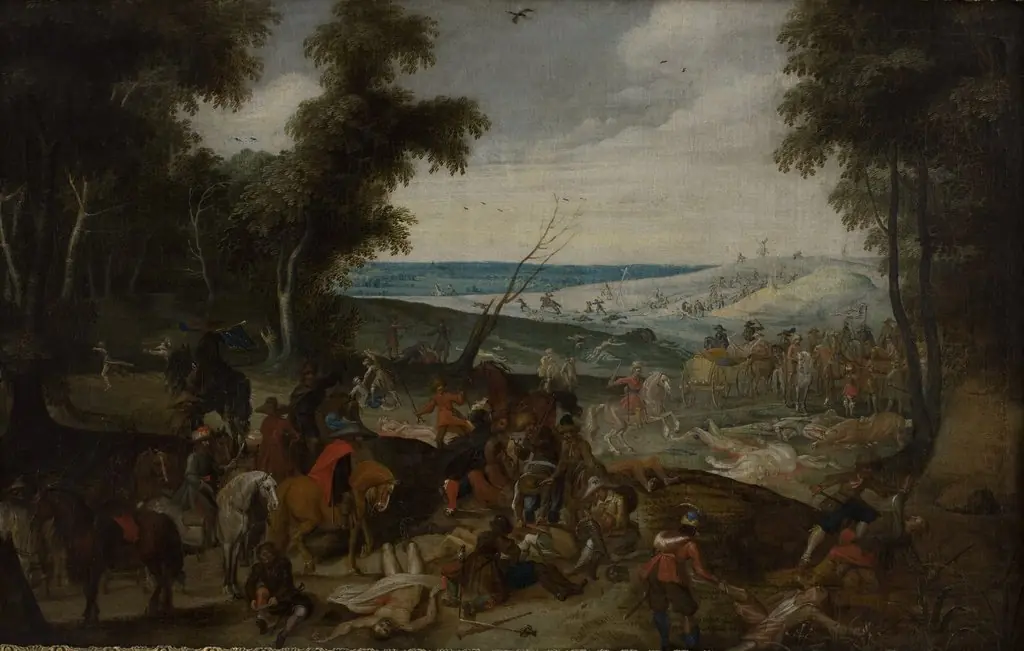
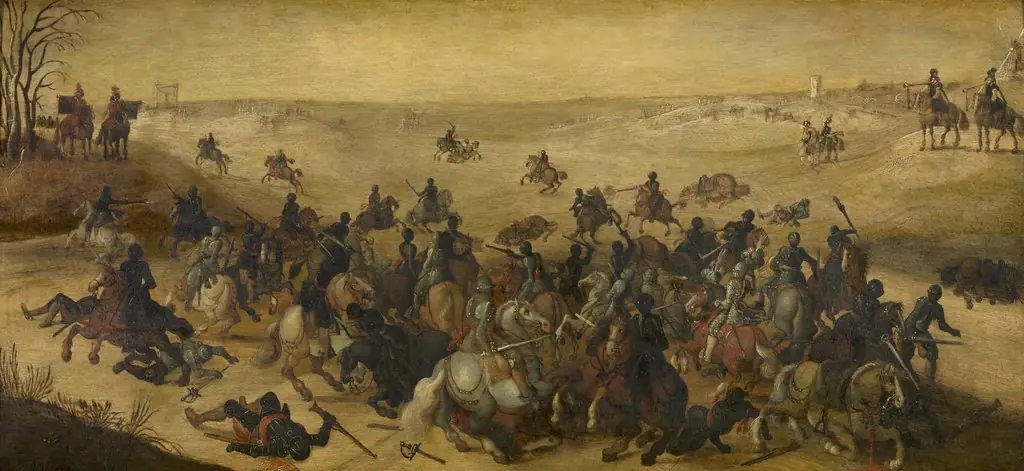
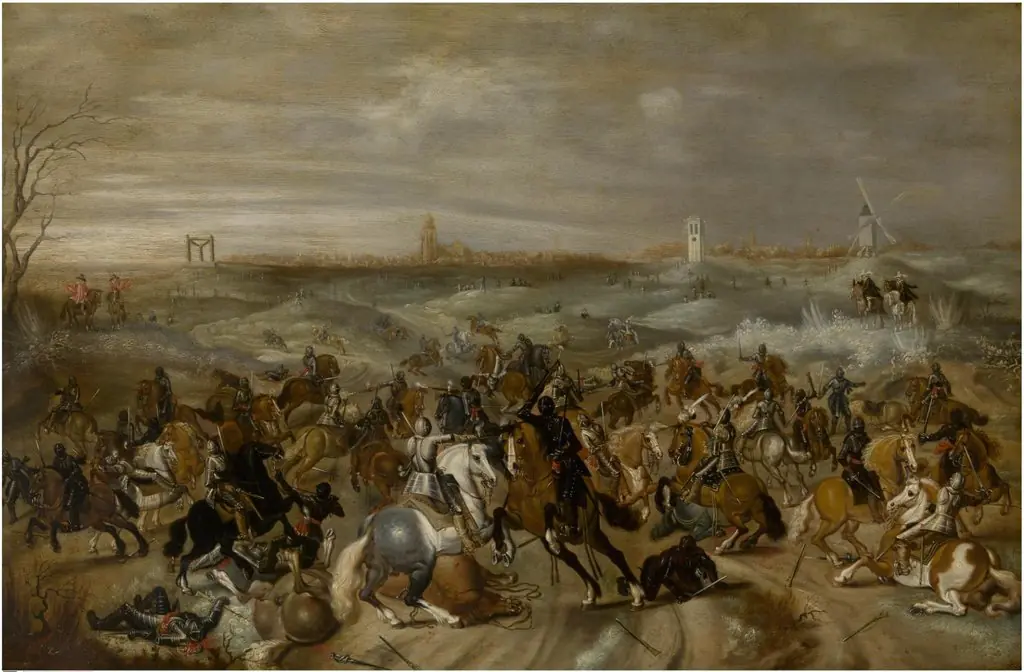
Battle on Vught Heath is an oil painting by the Flemish Baroque painting artist Peter Snayers. It dates from 1638 and is held in the collection of the National Museum in Warsaw.
About this work
Overview
Created in 1638 by the Flemish artist Peter Snayers, this oil on canvas records a cavalry clash set on the open expanse of Vught Heath. The composition presents a wide‑angle view of soldiers on horseback, their weapons and armor rendered with meticulous attention, while a distant settlement with a windmill punctuates the horizon.
Subject & Meaning
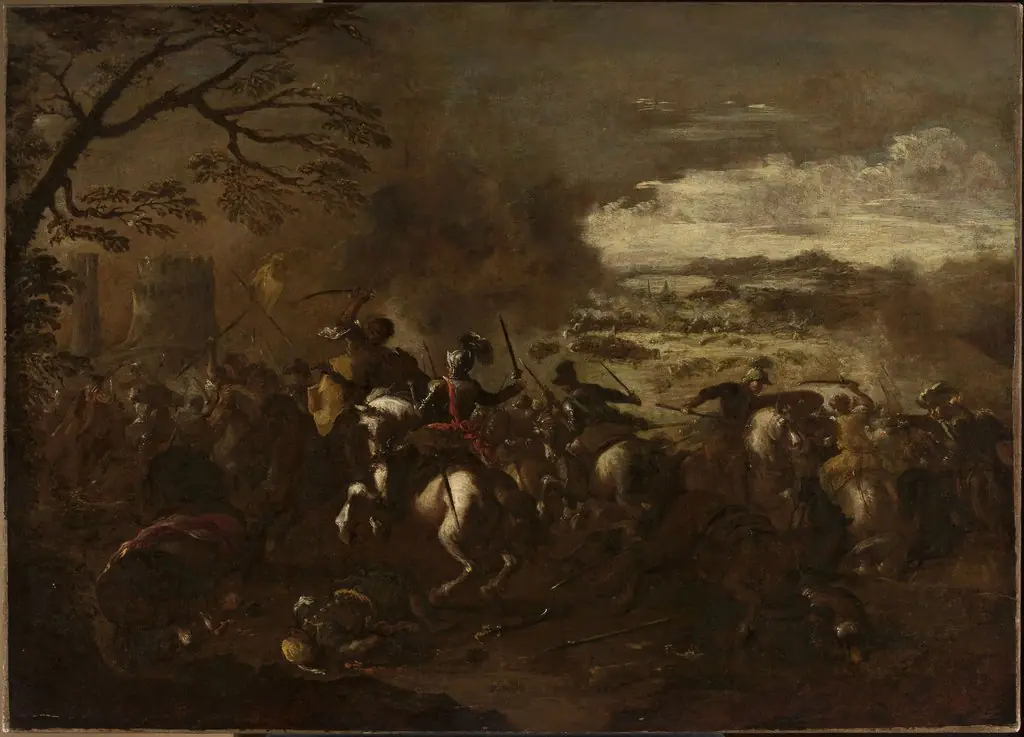
The work captures the turbulence of a 17th‑century skirmish, emphasizing the disorder of close‑quarter combat. Infantry and cavalry are interwoven in a tangled mass, suggesting the confusion of battle and the precarious balance between order and chaos that defined early modern warfare.
Technique & Style
Executed in oil, Snayers employs a restrained palette of browns, grays, and muted earth tones, allowing the intricate detailing of armor, horse tack, and terrain to emerge. His bird’s‑eye perspective and precise rendering of individual figures reflect the Flemish Baroque penchant for realism combined with a panoramic narrative scope.
History & Provenance
After its completion, the painting entered private collections before being acquired by the National Museum in Warsaw, where it remains part of the permanent holdings. Its provenance traces a typical path for Dutch‑Flemish military works, moving from aristocratic patrons to public institutions in the 19th and 20th centuries.
Context
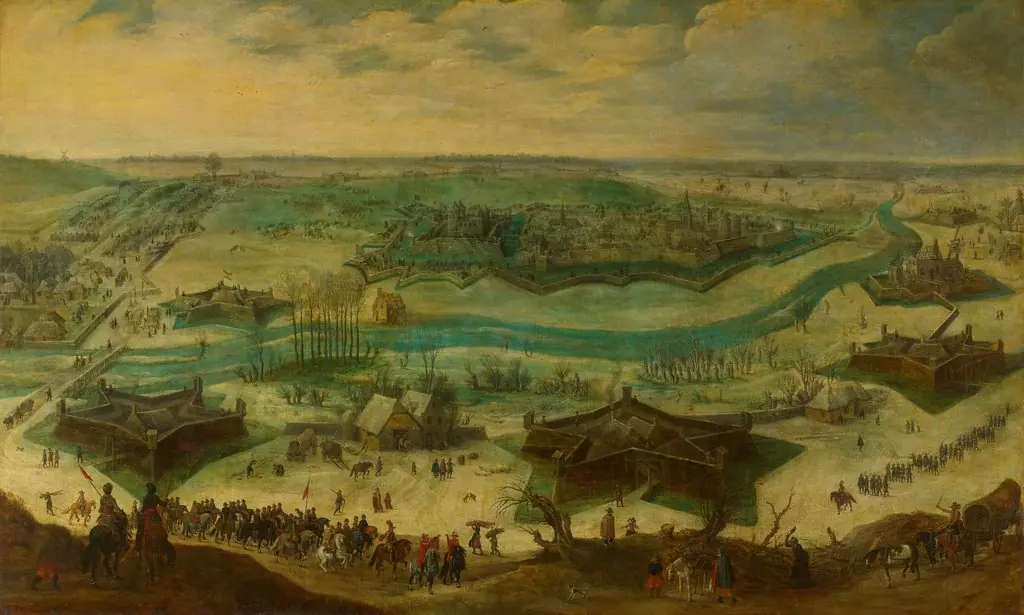
Snayers built his reputation on topographic battle scenes that served both documentary and decorative purposes for patrons interested in military achievements. This piece aligns with contemporary Flemish Baroque interests in detailed, almost cartographic depictions of conflict, offering viewers both visual drama and a record of tactical formations.
Artist & collection
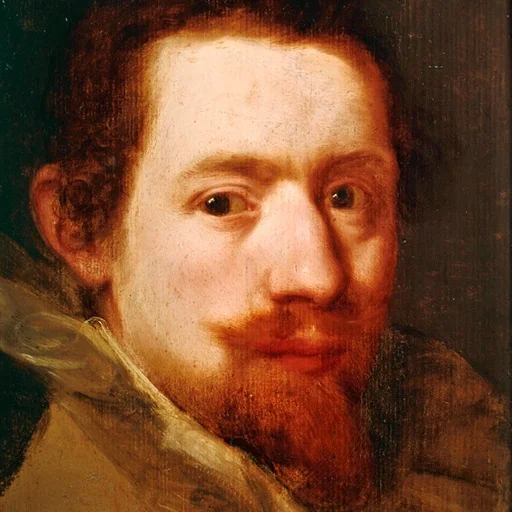
Artist
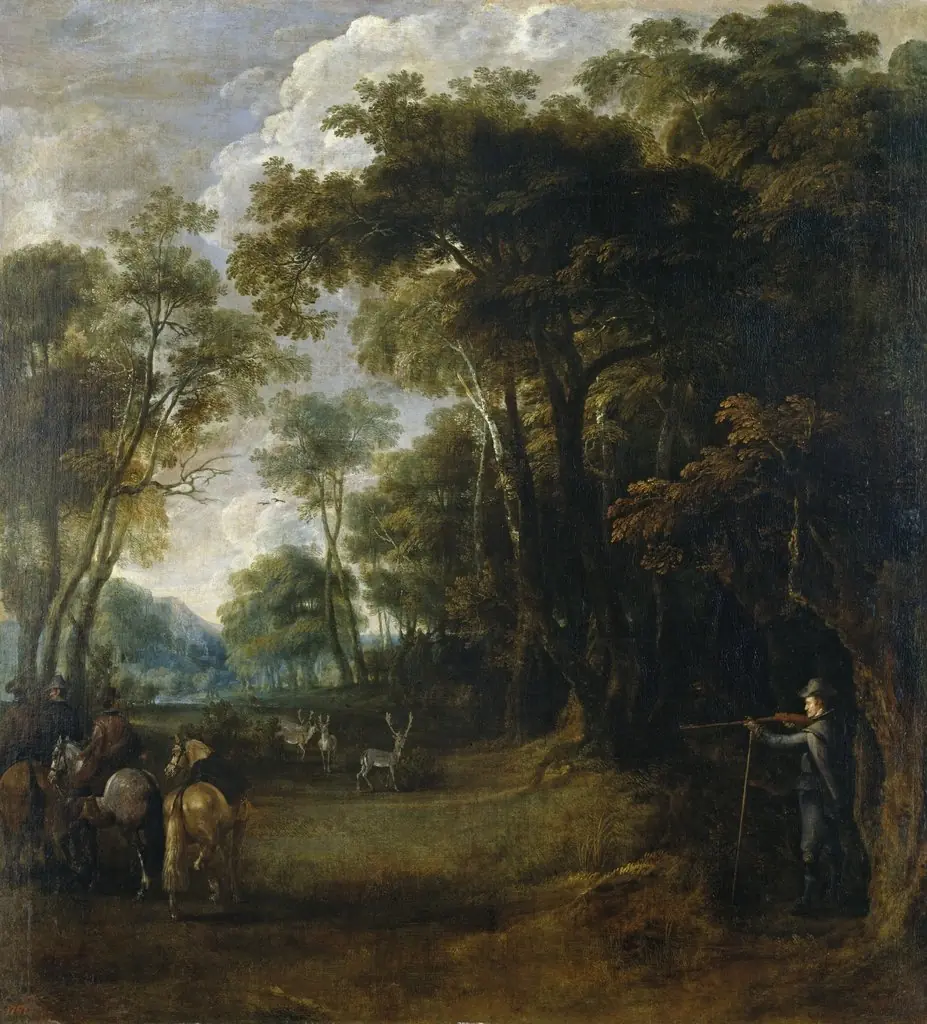
Peter Snayers or Pieter Snayers (1592–1667) was a Flemish painter known for his panoramic battle scenes, depictions of cavalry skirmishes, attacks on villages, coaches and convoys and hunting scenes.