Artwork
Johannes der Täufer
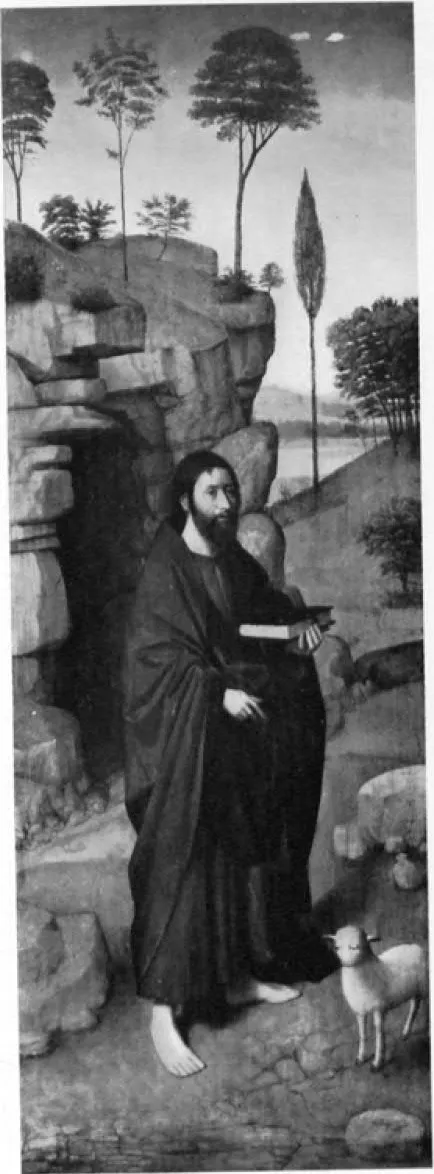
Johannes der Täufer is a paint painting by the Northern Renaissance artist Petrus Christus. It dates from 1462 and is held in the collection of the Gemäldegalerie Berlin.
About this work
Overview
Created in 1462, *Johannes der Täufer* is an oil painting by the Bruges‑based artist Petrus Christus. The work portrays the biblical figure John the Baptist standing on a rocky outcrop, barefoot and holding a modest object, while a sheep gazes at him. A steep cliff and a distant landscape form the background, illuminated from a single light source that casts sharp shadows across the scene.
Subject & Meaning
The composition presents John the Baptist in his traditional ascetic attire, emphasizing his role as a prophetic forerunner. The presence of the sheep alludes to his identification of Christ as the Lamb of God, while the barren terrain underscores his renunciation of worldly comforts. The calm expression combined with tense fingers suggests a contemplative yet resolute character.
Technique & Style
Light falls from the left, producing crisp highlights and deep shadows that model the forms with a realistic three‑dimensionality.
Christus employs a meticulous handling of oil paint, characteristic of Early Netherlandish practice, achieving fine detail in the textures of the robe and the animal's fleece. The painting demonstrates an early use of linear perspective, guiding the viewer’s eye toward the distant landscape. Light falls from the left, producing crisp highlights and deep shadows that model the forms with a realistic three‑dimensionality.
History & Provenance
After its completion, the panel entered various private collections before being acquired by the Gemäldegalerie in Berlin, where it remains on display. Documentation traces its ownership through 16th‑century inventories, confirming its attribution to Christus and its continuous identification as a devotional image of John the Baptist.
Context
The work belongs to the Northern Renaissance, a period when artists in the Low Countries blended meticulous observation with emerging spatial concepts. Christus, working in Bruges, absorbed influences from Jan van Eyck’s detailed realism and Rogier van der Weyden’s emotive figures, integrating these approaches into a composition that reflects both devotional purpose and evolving artistic techniques.
Artist & collection
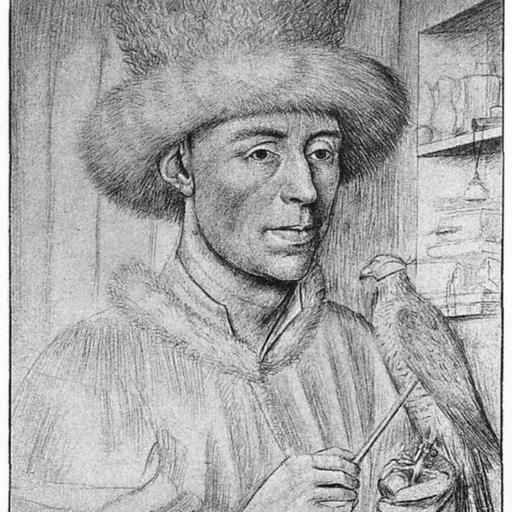
Artist
Petrus Christus (Dutch: ; c. 1410/1420 – c. 1475/1476) was an Early Netherlandish painter active in Bruges from 1444, where, along with Hans Memling, he became the leading painter after the death of Jan van Eyck. He was…

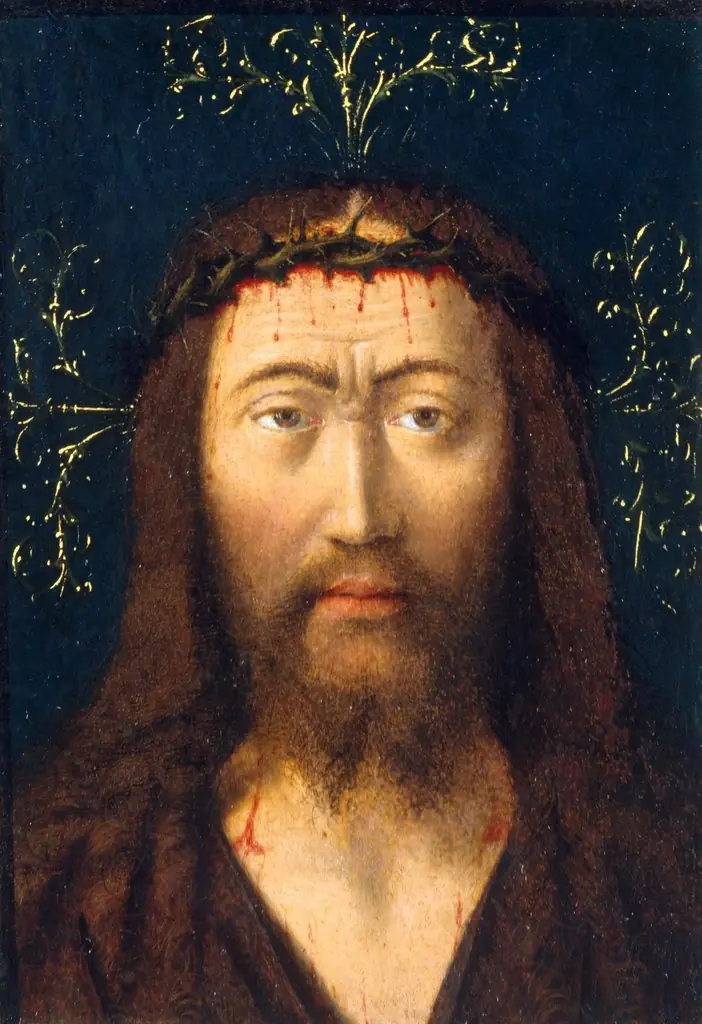
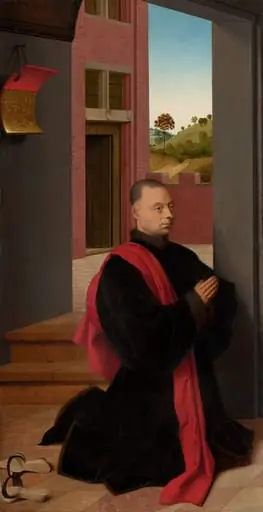
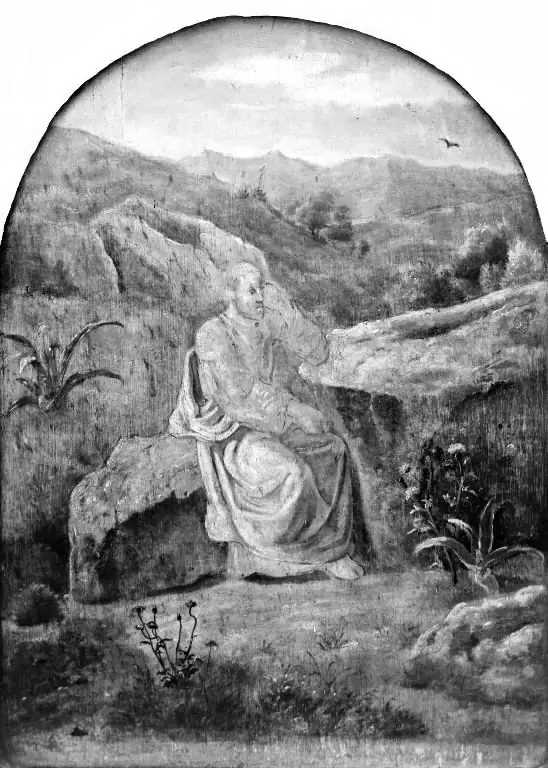 The Prophet Elijah in the Desert
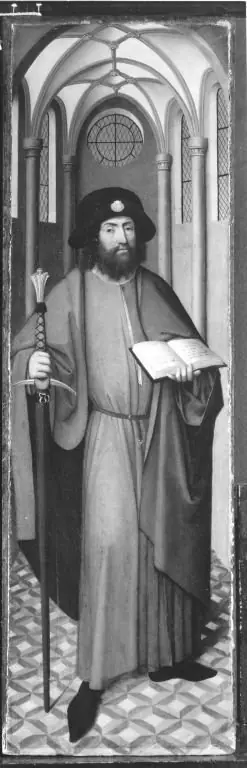 Saint James the Great
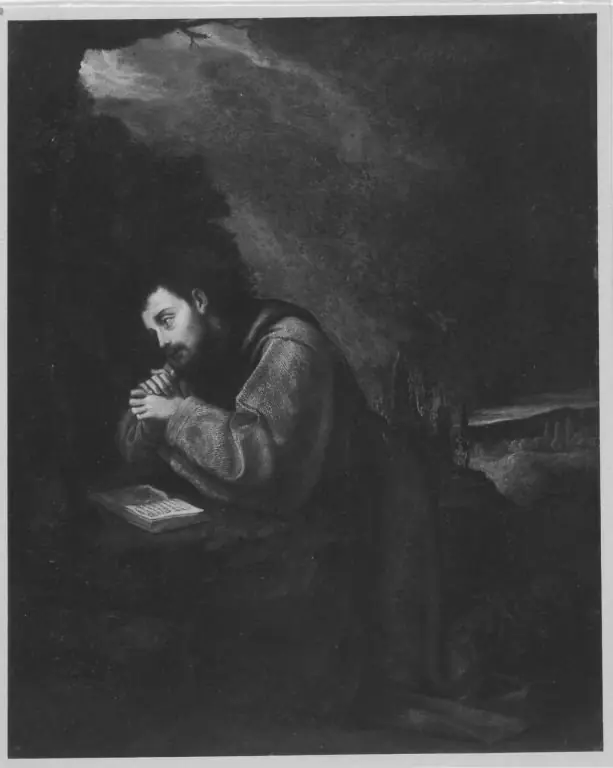 Hl. Franziskus
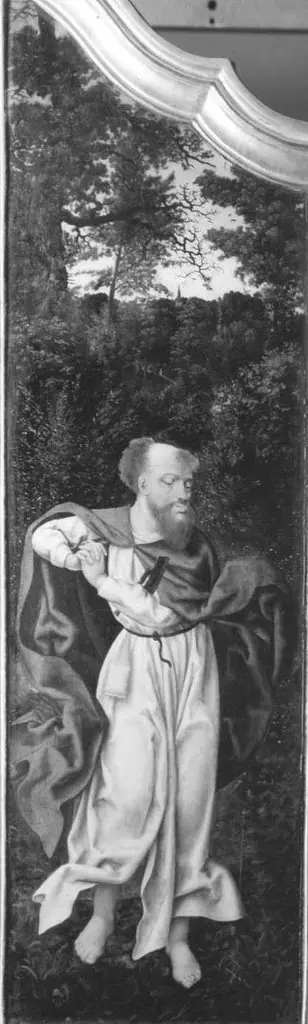 Lamentation triptych: St. Matthew On reverse: Maria of the Annunciation
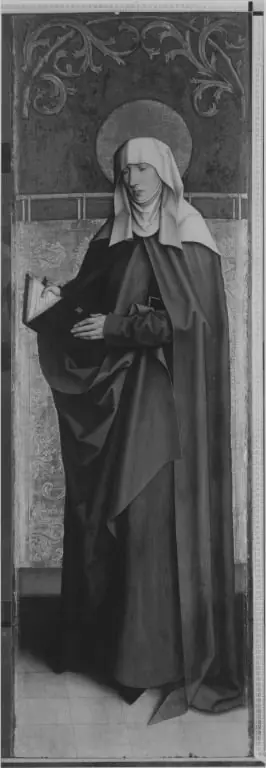 Flügel eines Altares: Hl. Brigitta (abgesägte Rückseite von WAF 1205)
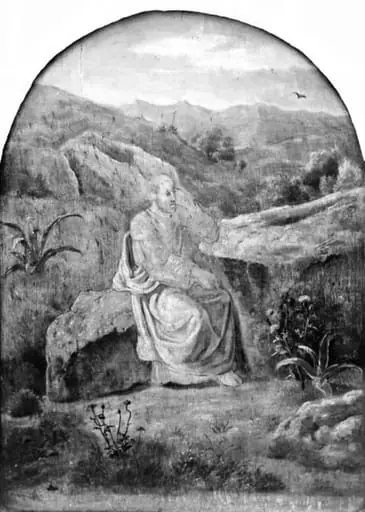 The Prophet Elijah in the Desert
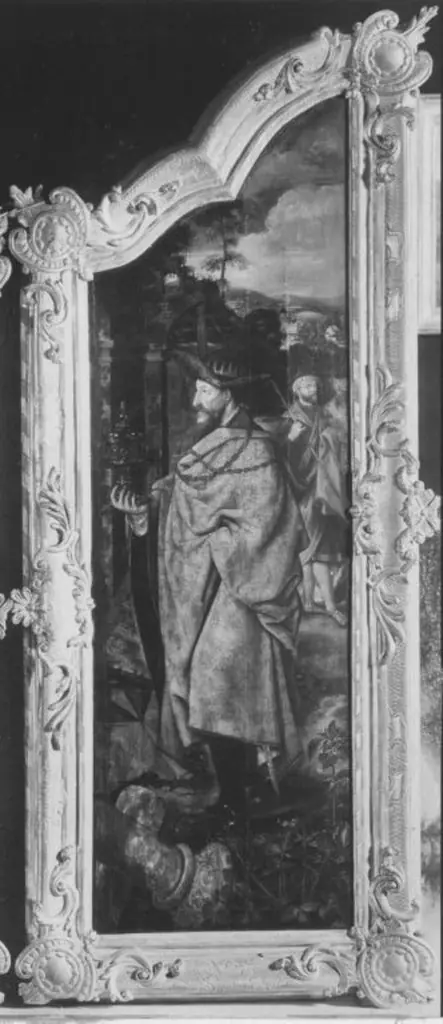 Triptych: King Caspar
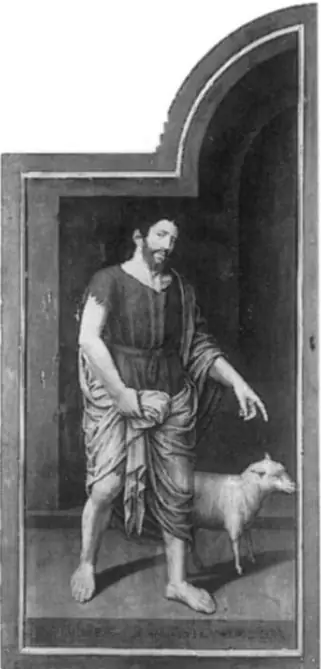 Johannes de Doper met het Lam Gods, linkerpaneel van een drieluik (dicht)
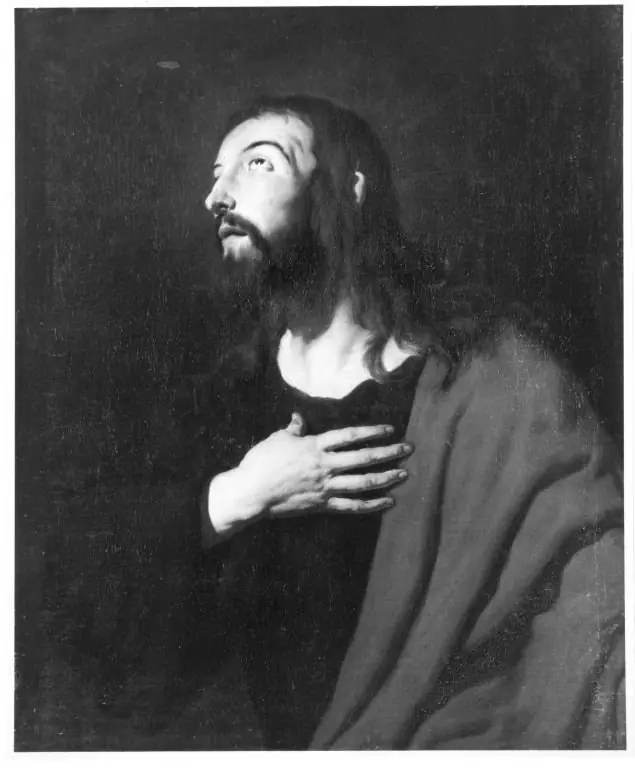 Christus am Ölberg (?)
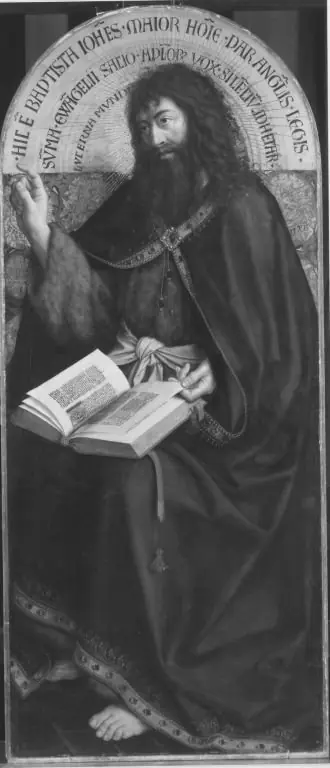 Saint John the Baptist (after The Ghent Altarpiece)
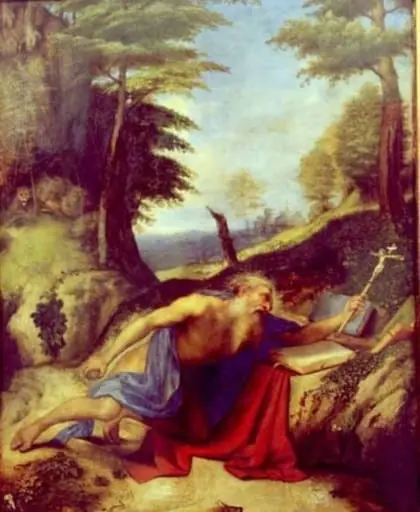 Sfântul Ieronim în meditație
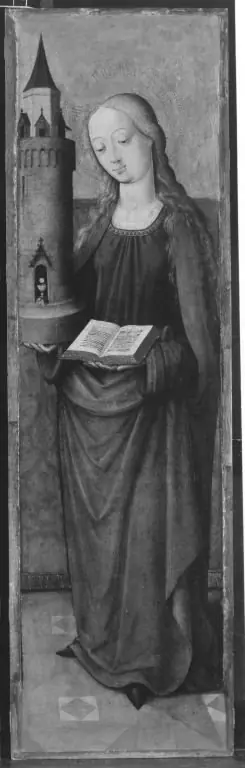 Heilige Barbara