Artwork
Portrait of Adriana Johanna van Wijck, Wife of Johannes Ploos van Amstel
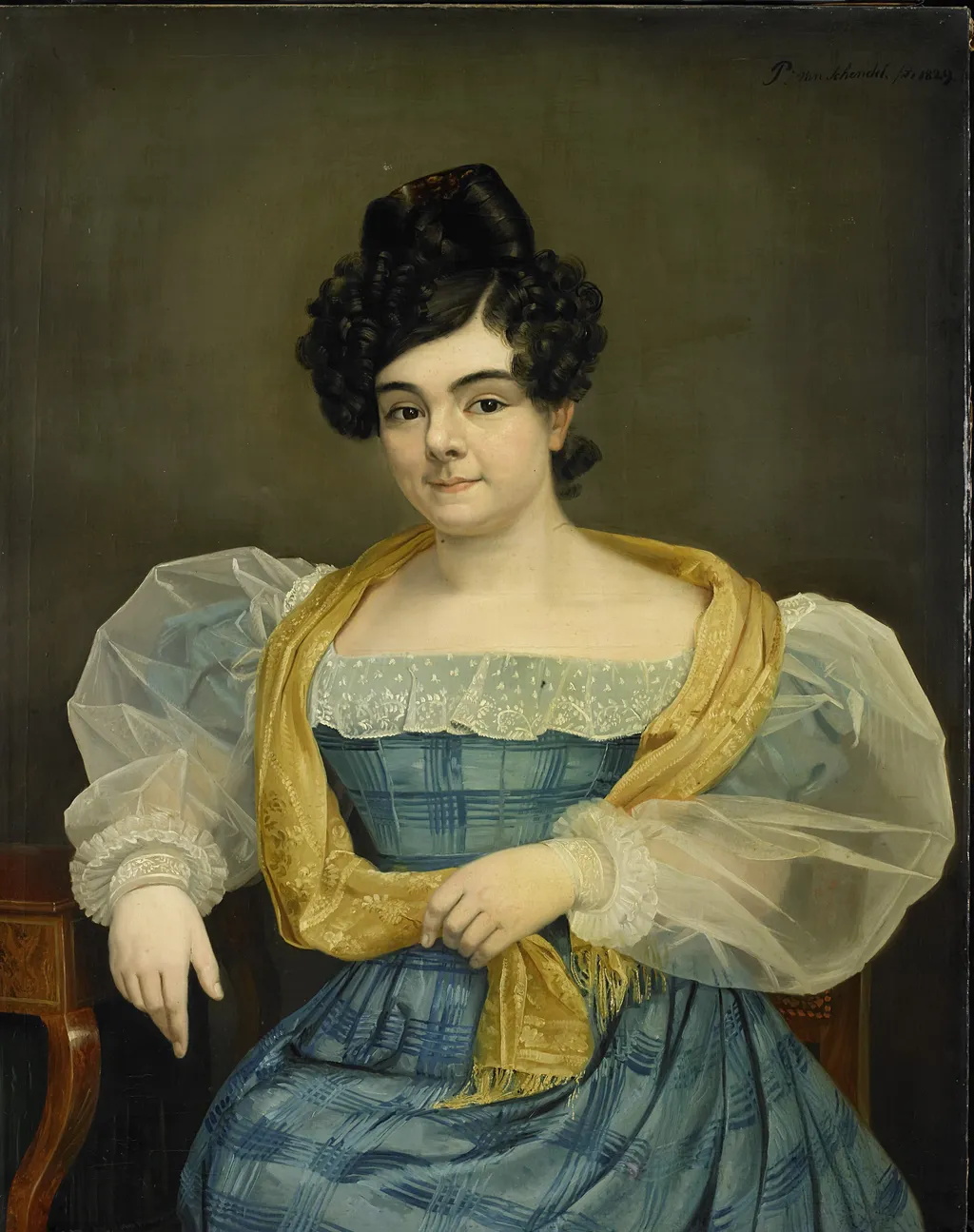
Portrait of Adriana Johanna van Wijck, Wife of Johannes Ploos van Amstel is an oil painting by Petrus van Schendel. It dates from 1829 and is held in the collection of the Rijksmuseum.
About this work
Overview
Painted in 1829 by Petrus van Schendel, this oil portrait depicts Adriana Johanna van Wijck, wife of Johannes Ploos van Amstel.
Painted in 1829 by Petrus van Schendel, this oil portrait depicts Adriana Johanna van Wijck, wife of Johannes Ploos van Amstel. Van Schendel, a Dutch-Belgian artist known for nocturnal scenes lit by artificial light, applied his sensitivity to illumination here to capture a quiet domestic presence. The work resides in the Rijksmuseum’s collection, reflecting the era’s interest in intimate portraiture among the Dutch elite.
Subject & Meaning
Adriana Johanna van Wijck is portrayed with composed dignity, her posture relaxed yet formal, suggesting social standing without ostentation. The absence of symbolic objects or elaborate settings directs attention to her presence alone. Her attire—blue dress with lace and gold ribbon—signals refinement, not wealth, aligning with early 19th-century ideals of modest elegance among the urban bourgeoisie.
Technique & Style
Van Schendel employed subtle glazing to build luminous skin tones and delicate fabric textures. Soft, directional light models her face and shoulders, enhancing volume without harsh contrast. The dark, unbroken background isolates the figure, a technique echoing portraiture traditions while emphasizing tactile realism. The gold ribbon and lace are rendered with precision, suggesting craftsmanship without overt display.
History & Provenance
Commissioned by her husband, the portrait entered the Rijksmuseum’s holdings in the 19th century, likely through familial donation or acquisition. Its preservation reflects its significance as a personal artifact and a representative example of regional portraiture. No major alterations or restorations are documented, preserving its original tonal harmony and surface integrity.
Context
Created during the Romantic era, the portrait diverges from grand historical or mythological themes, favoring quiet individuality. Van Schendel’s reputation for candlelit interiors informed his handling of light here, adapting it to domestic portraiture. The work aligns with a broader Dutch trend of portraying private life with emotional restraint and visual clarity.
Legacy
Though not widely exhibited outside the Netherlands, the portrait remains a quiet reference in studies of 19th-century Dutch portraiture. It exemplifies how artists like Van Schendel translated their lighting expertise from genre scenes to personal commissions, influencing later regional painters who prioritized subtlety over spectacle.
Own this work as a print
Artist & collection
Artist
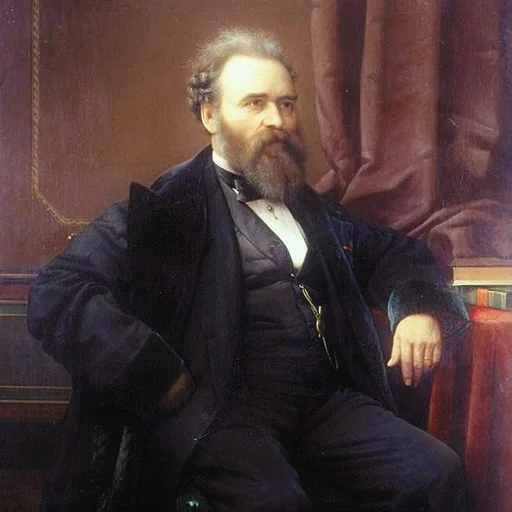
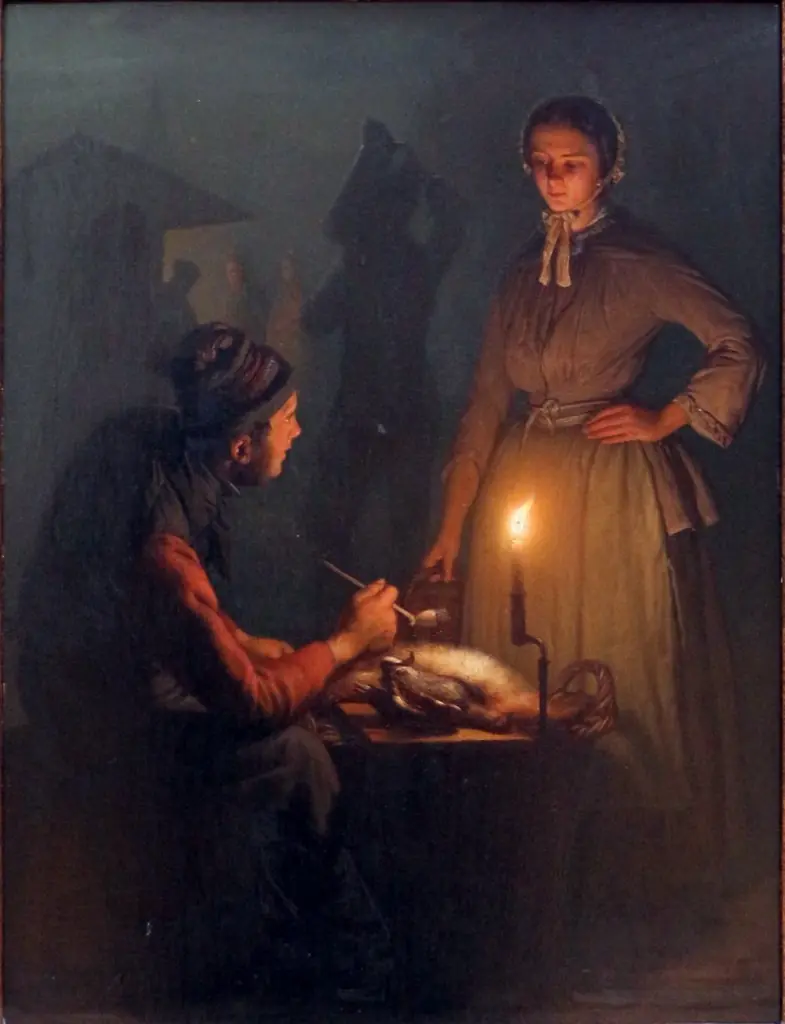
Petrus van Schendel (21 April 1806 – 28 December 1870) was a Dutch-Belgian genre painter in the Romantic style who specialized in nighttime scenes, lit by lamps or candles. This led to him being known as "Monsieur Chandelle".

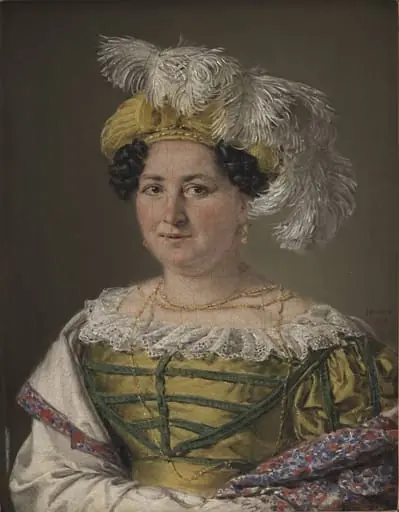 Portrait of Mrs. Pauline Hagen
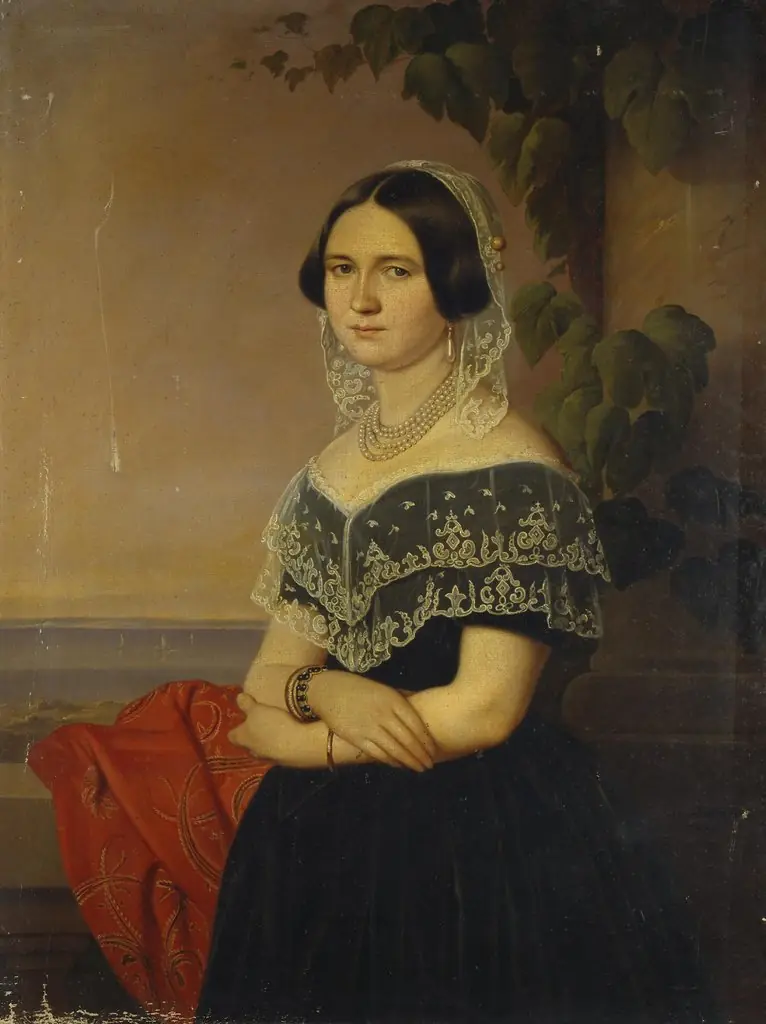 Portrait of ES Zhadimerovskaya
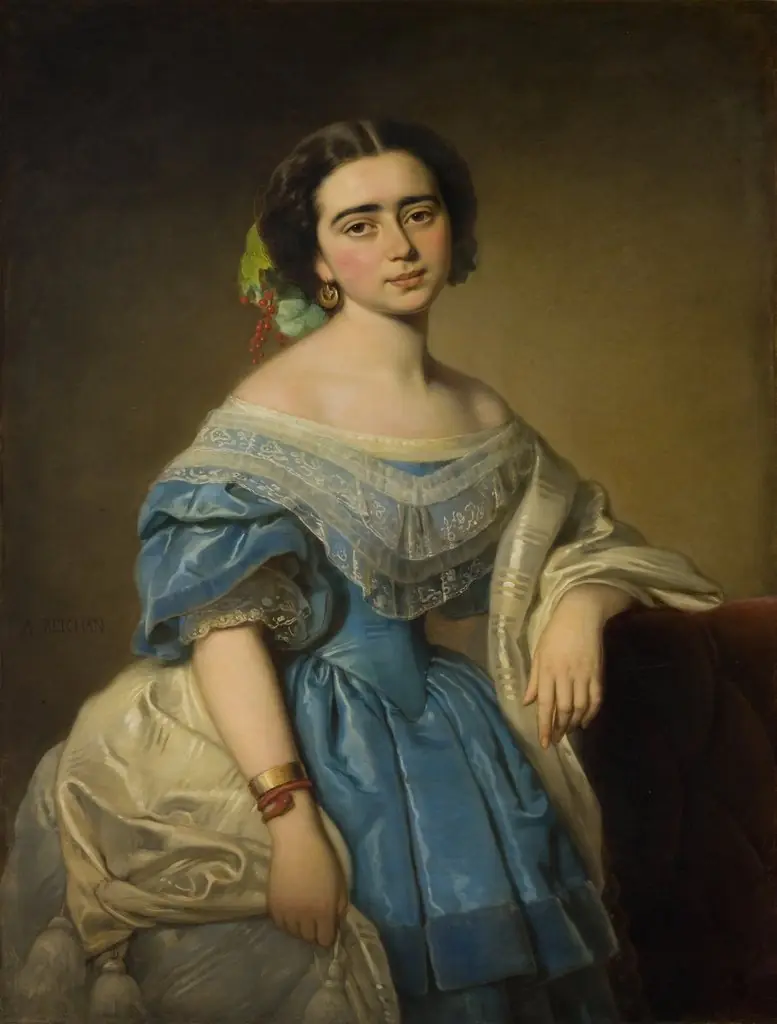 Portrait of Leontyna Aniela Aszpergerówna
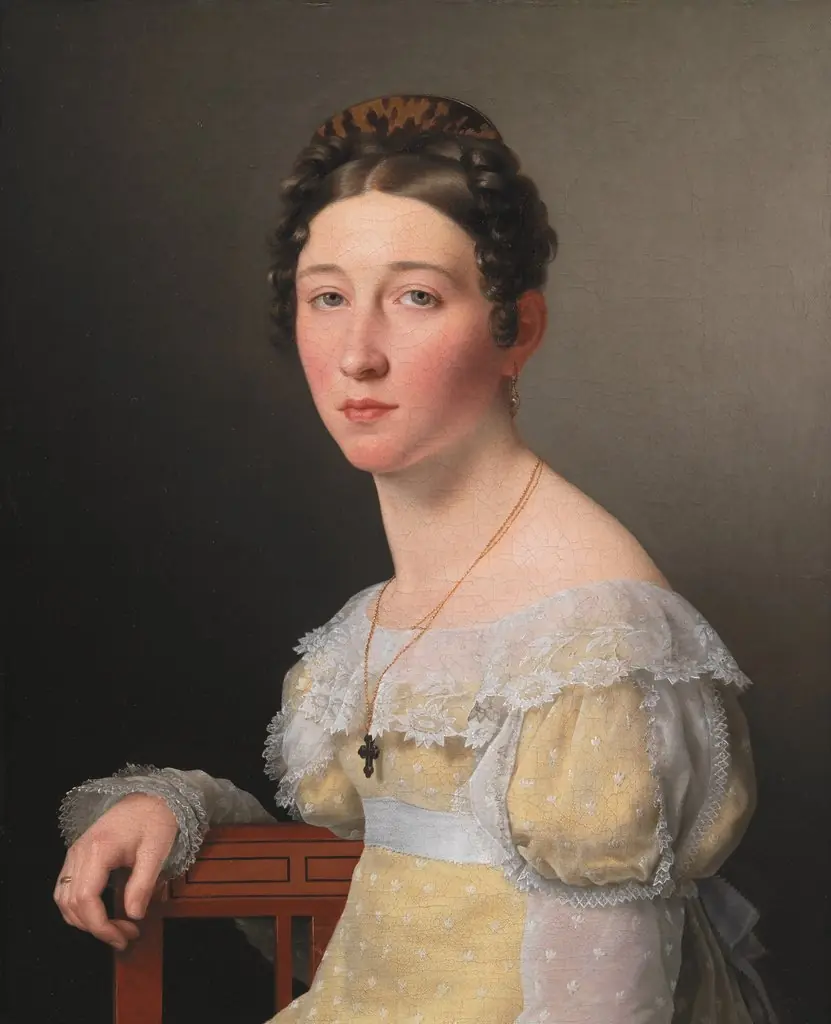 Emilie Henriette Massmann, gift 1824 med kammerjunker Frederik Wilhelm Caspar von Benzon
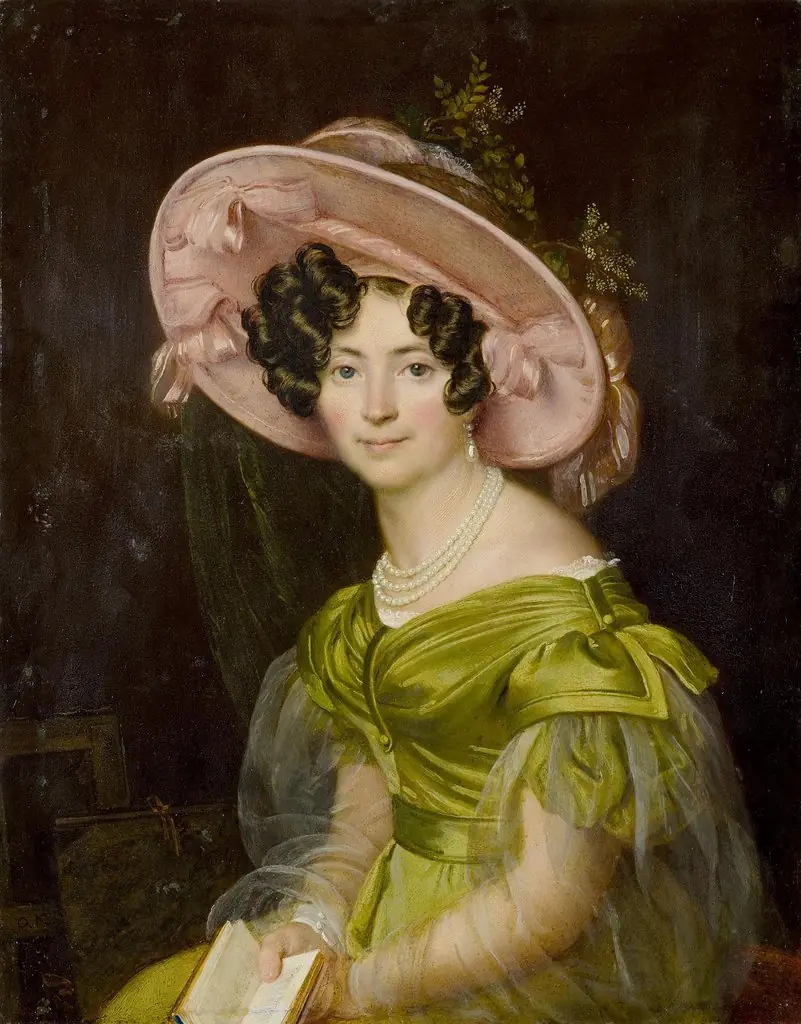 Portrait of Zinaida Volkonskaya
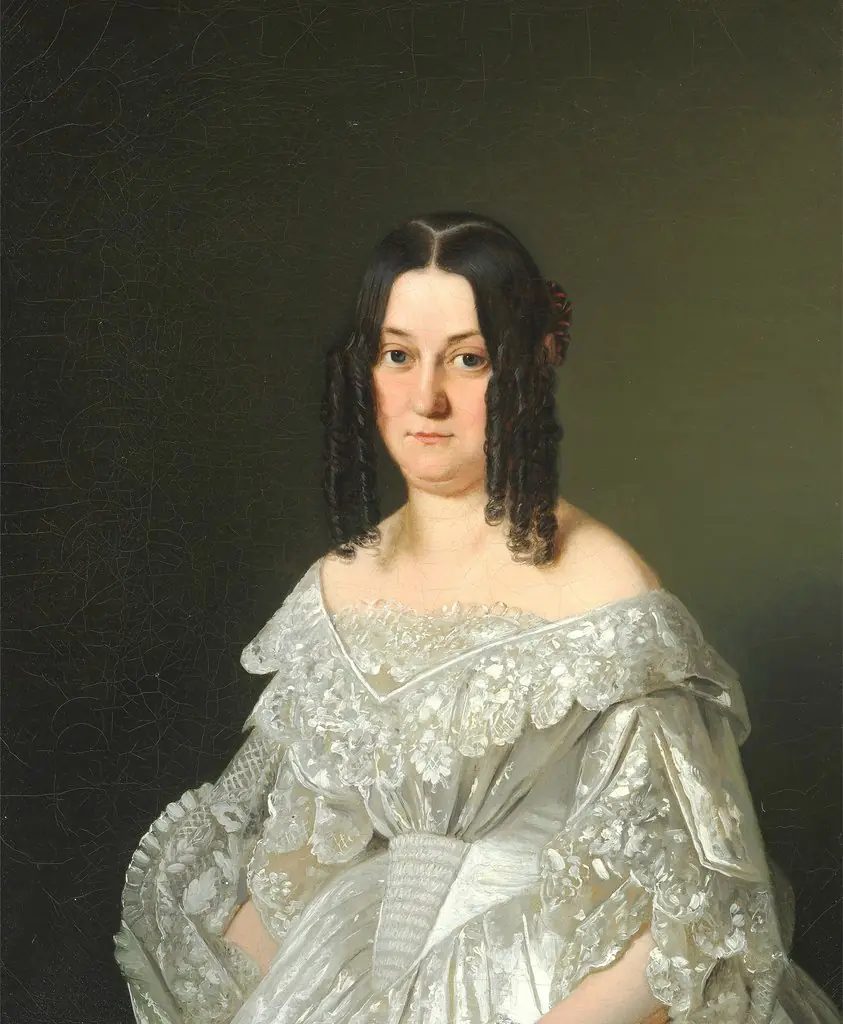 Emilie Benzon, née Lazar
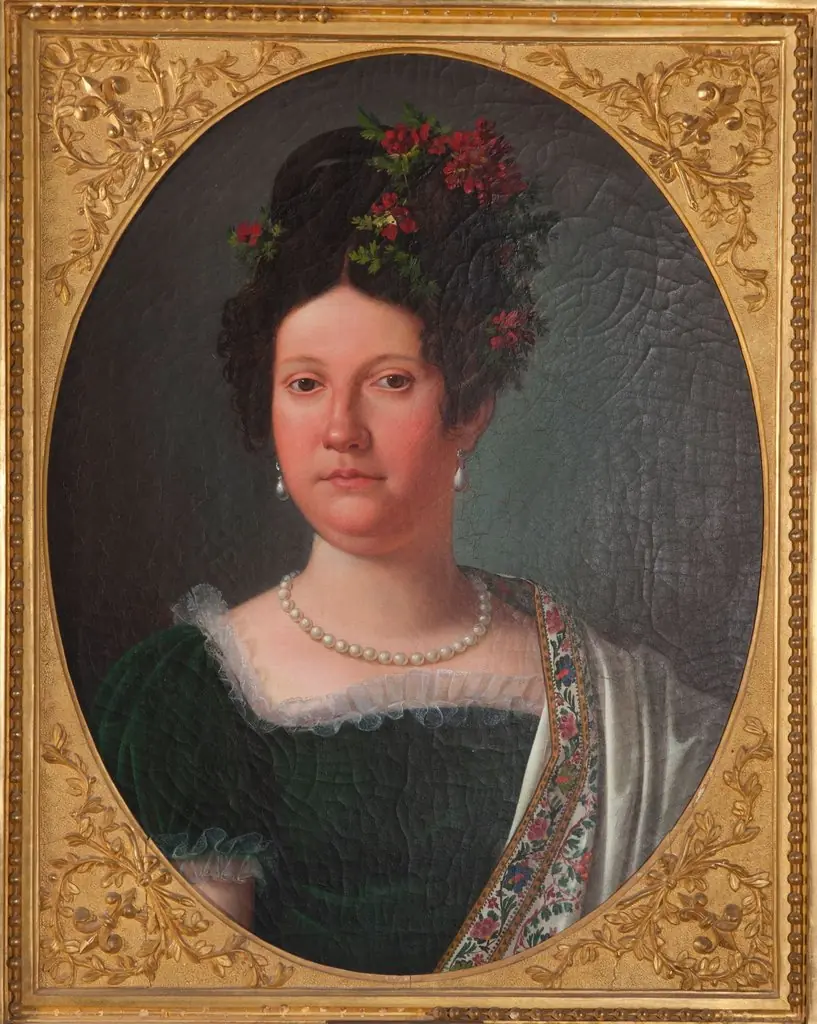 Portrait of María Isabella of Spain (1789-1848), Gueen of the Two Sicilies
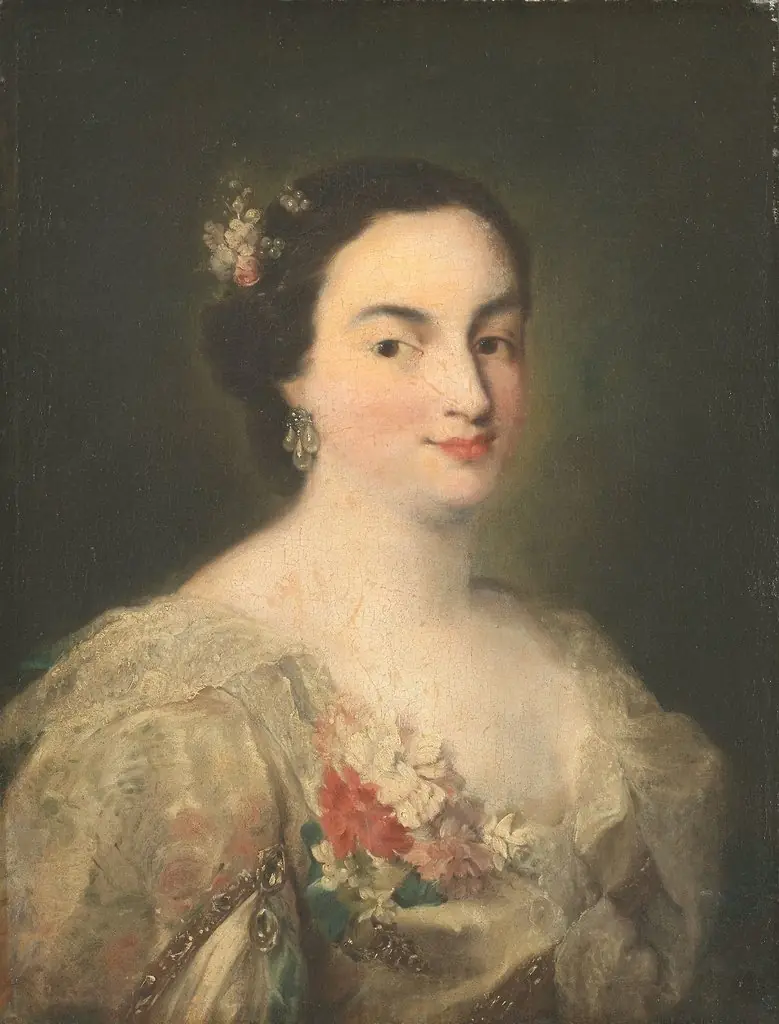 Portrait of a Young Woman
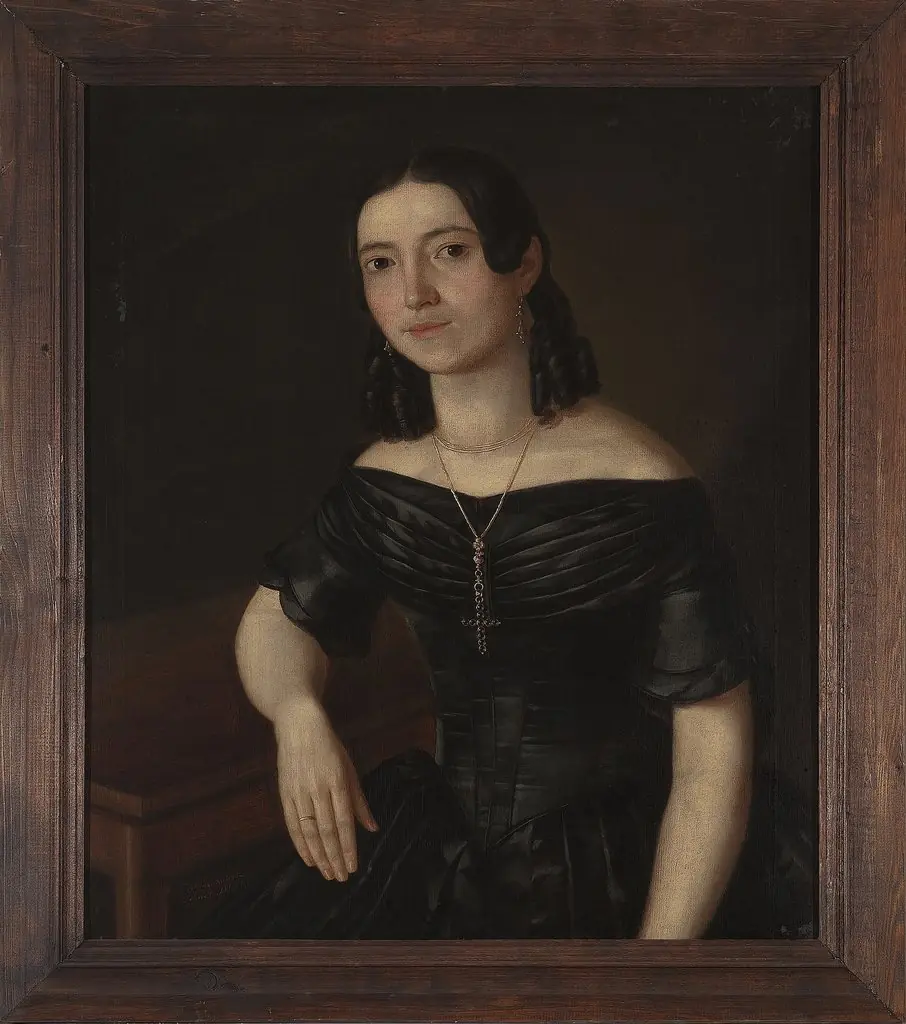 Portrait of a young woman
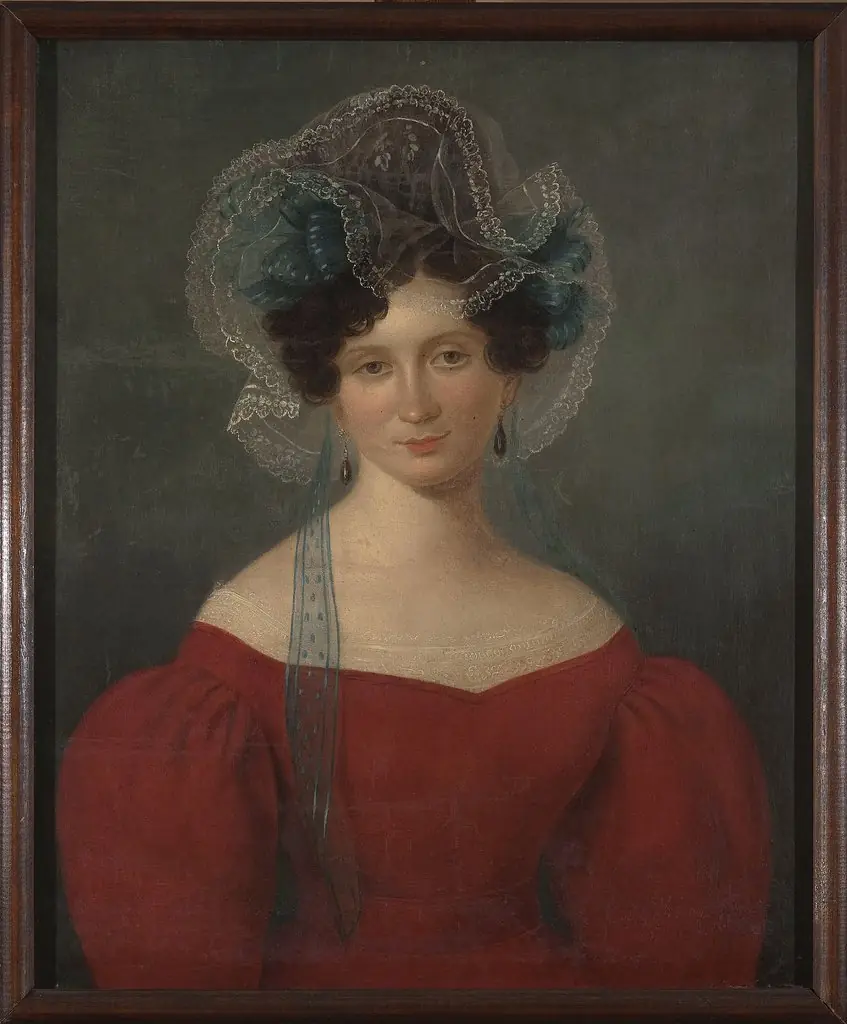 Portrait of a lady in a red dress
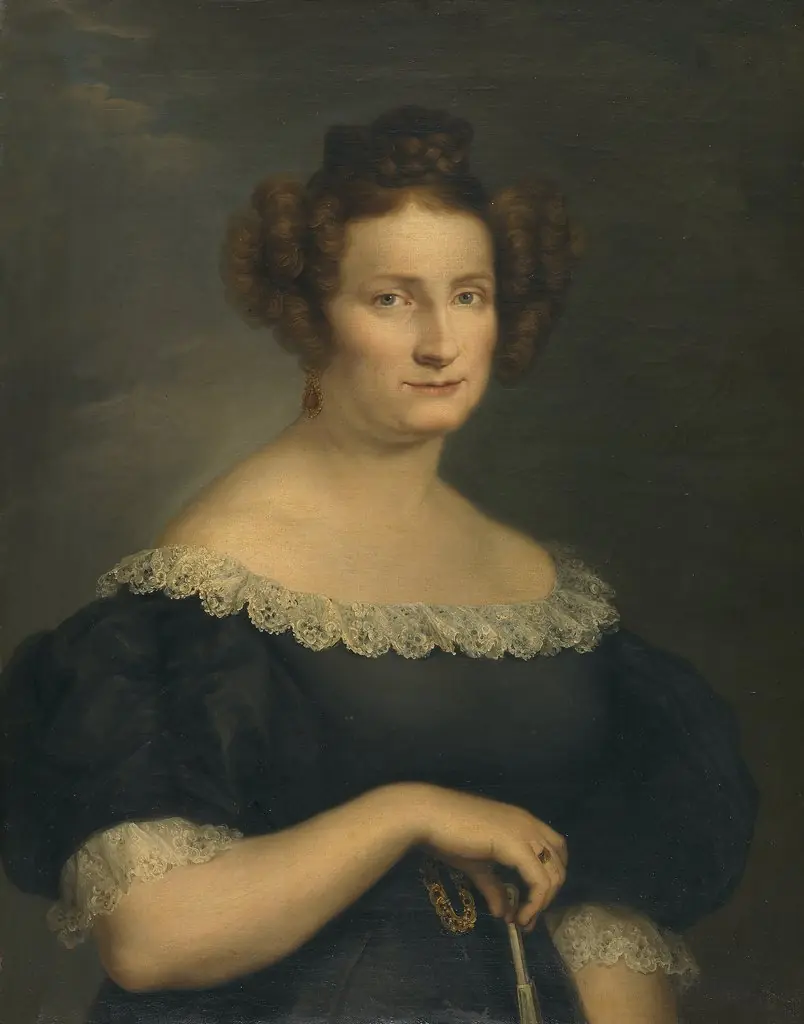 Cecilia Santos
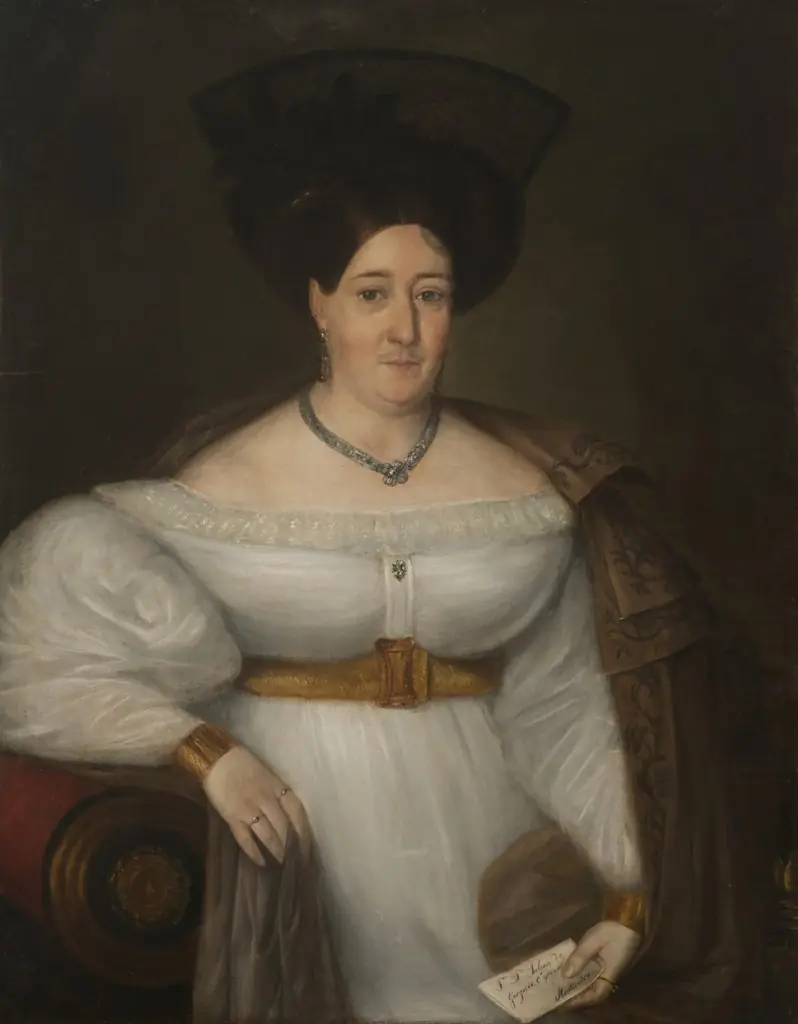 Candelaria Somellera de Espinosa