Artwork
A Landscape
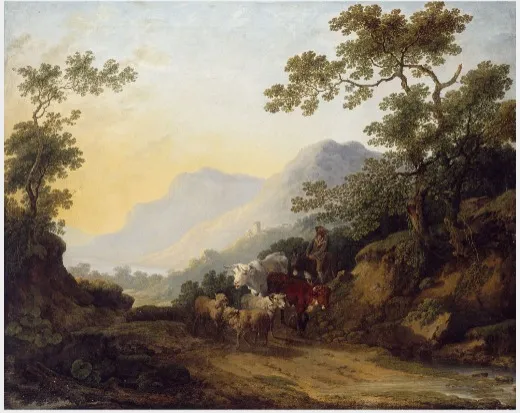
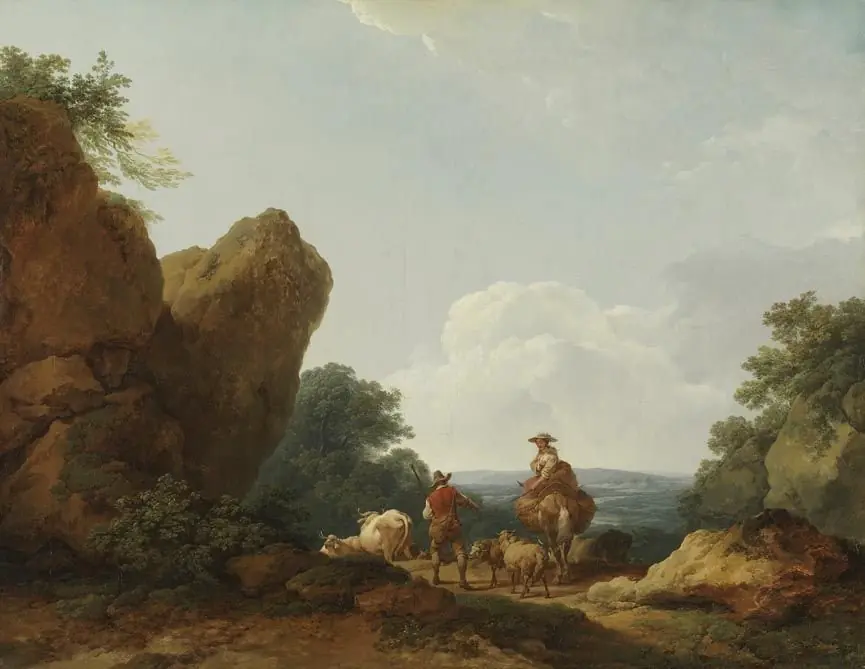
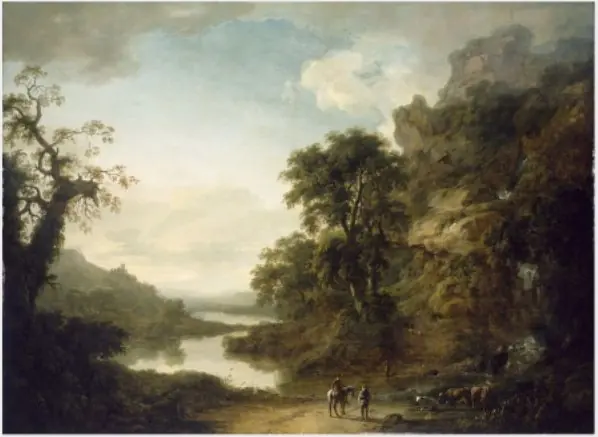
A Landscape is an oil painting by Philip James de Loutherbourg. It dates from 1786 and is held in the collection of the National Gallery of Ireland.
About this work
Overview
Philip James de Loutherbourg, a French-born artist active in Britain during the late 18th century, produced this oil painting around 1786. Though best known for his naval scenes and theatrical innovations, he also engaged with landscape as a subject. The work resides in the National Gallery of Ireland, reflecting his broader artistic range beyond spectacle and military themes.
Subject & Meaning
The painting presents a quiet rural scene: a dirt path winds through open land, guiding the eye toward distant hills. A lone rider and a herd of cattle move slowly along the route, introducing subtle motion into the stillness. The absence of human dwellings or dramatic events suggests an idealized, unspoiled countryside, evoking contemplation rather than narrative.
Technique & Style
De Loutherbourg employed soft brushwork and muted tones to convey atmospheric depth. The hazy yellow sky blends gently with the rolling terrain, creating a sense of warm, diffused light. Sparse tree placement and layered hills establish spatial recession without sharp detail, favoring mood over topographical precision, a hallmark of his landscape approach.
History & Provenance
The painting entered the National Gallery of Ireland’s collection in the 19th century, though its earlier ownership remains undocumented. It was likely acquired during a period when British and Irish institutions expanded their holdings of contemporary landscape works. Its survival and preservation reflect its quiet significance within de Loutherbourg’s oeuvre.
Context
In the 1780s, British landscape painting was shifting toward romanticized nature, influenced by pastoral poetry and early Romantic sensibilities. De Loutherbourg’s work aligns with this trend, yet retains a restrained, almost theatrical composition—echoing his stage design experience—distinguishing it from more dramatic contemporaries like Turner.
Legacy
While not among de Loutherbourg’s most celebrated works, this landscape demonstrates his versatility and sensitivity to natural atmosphere. It contributes to a broader understanding of his artistic practice beyond his mechanical theatre and naval scenes, offering insight into how he translated controlled composition into serene, observational art.
Artist & collection
Artist
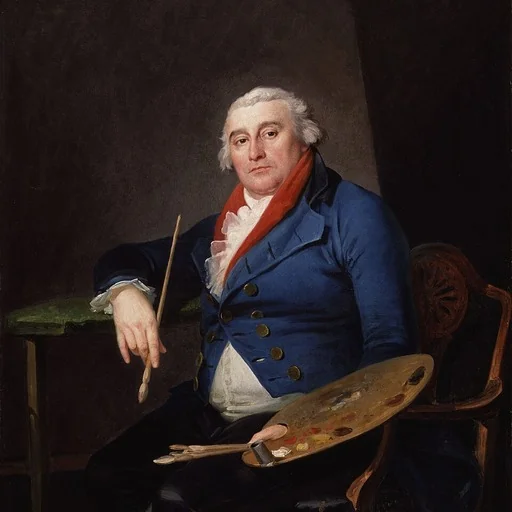
Philip James de Loutherbourg, RA (born Philippe Jacques de Loutherbourg; 31 October 1740 – 11 March 1812) was a French-born British painter who became known for his large naval works, his elaborate set designs for…

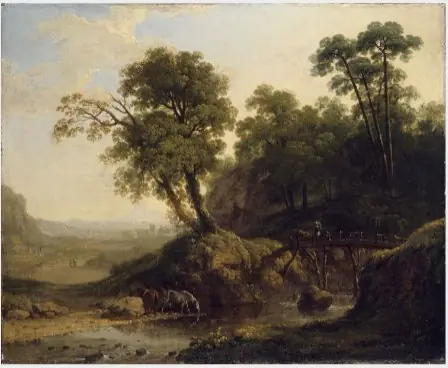 Landscape with a River and Horses by a Wooden Bridge
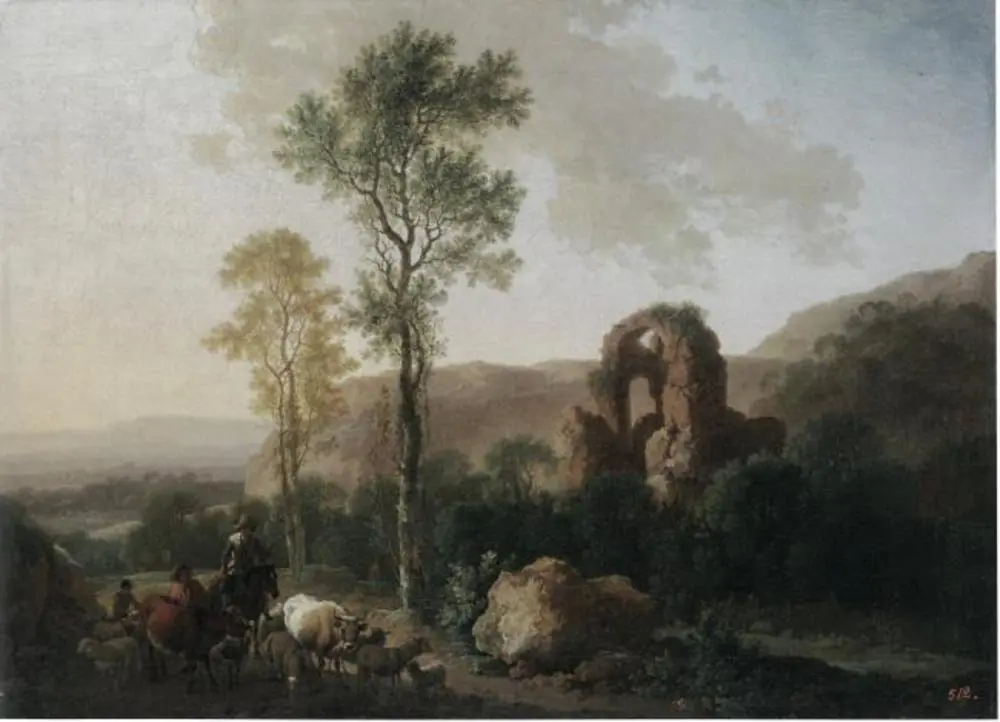 View of the Roman Campagna
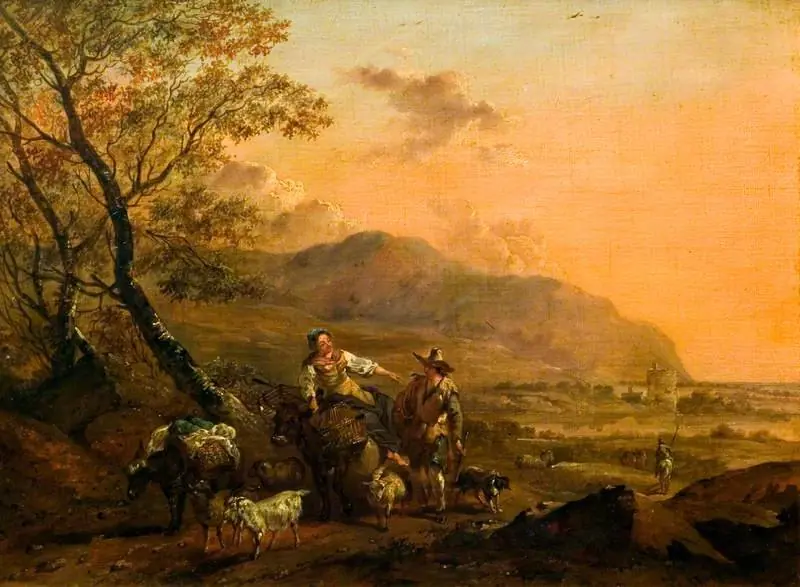 Landscape with Figures
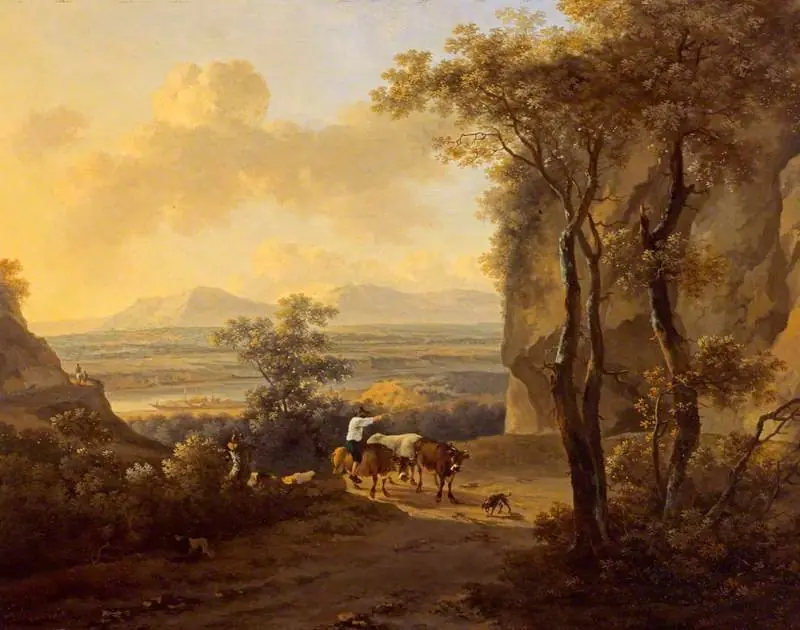 Italianate Landscape
 Italianate Landscape
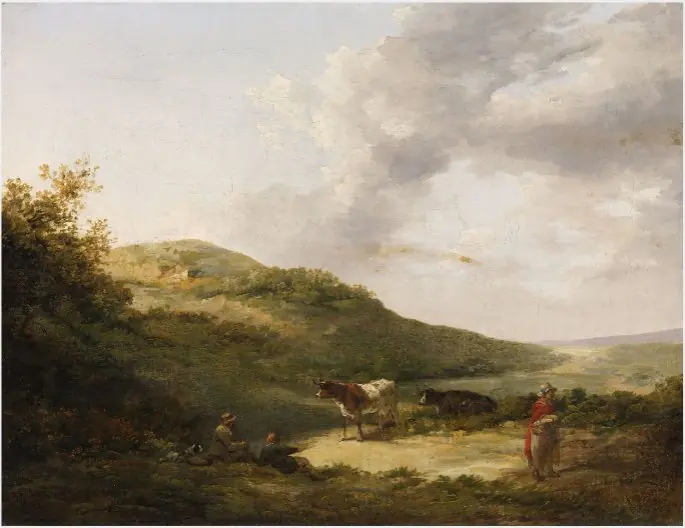 A Landscape with Figures and Cattle
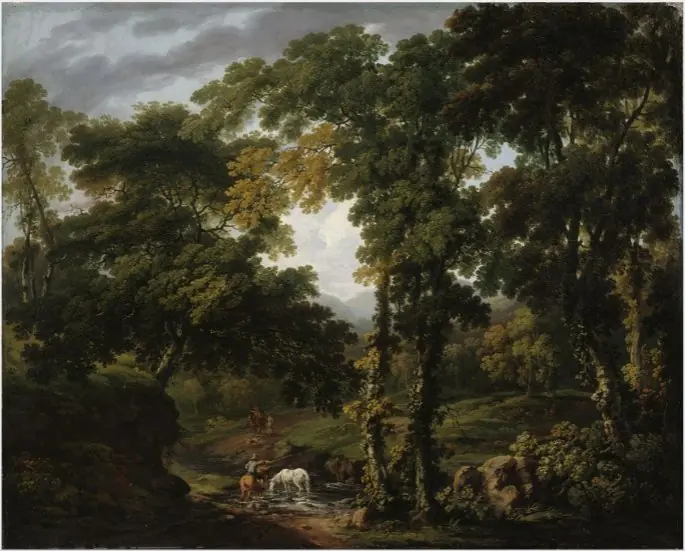 A Wooded River Landscape with Figures and Horses at a Ford and Fallow Deer in a Clearing
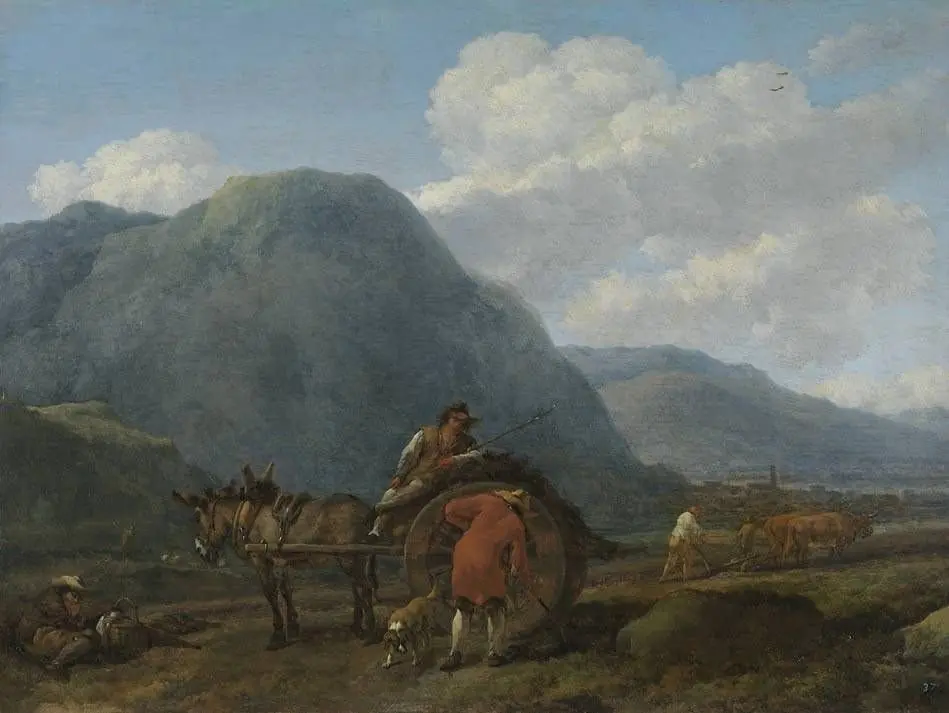 Italianate landscape with donkey cart
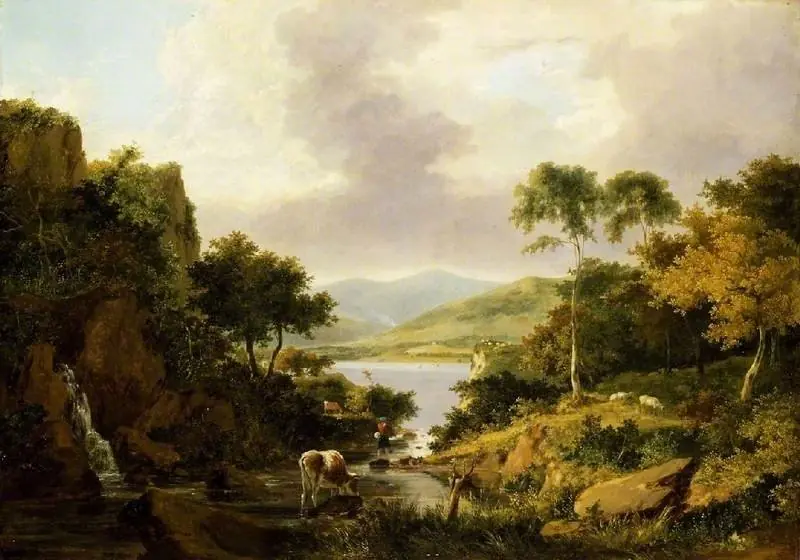 Loch Etive, Argyllshire
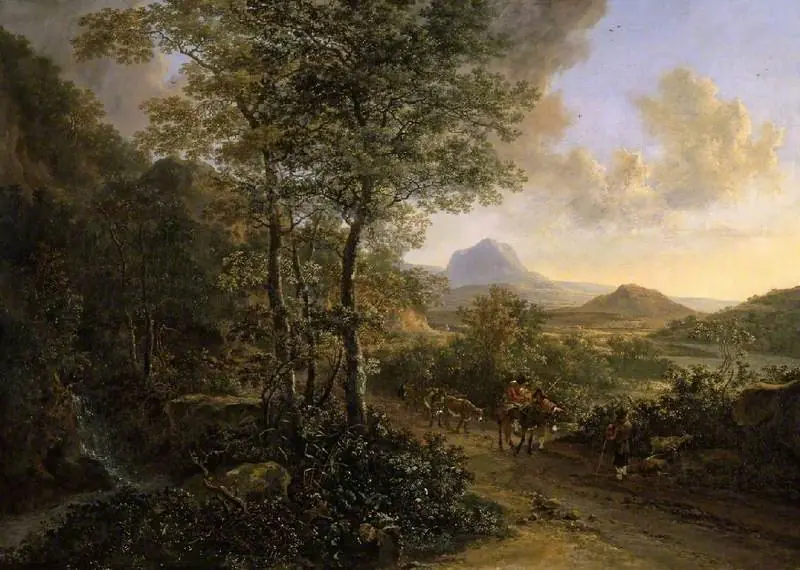 Italian Landscape with Monte Socrate
 A Landscape