Artwork
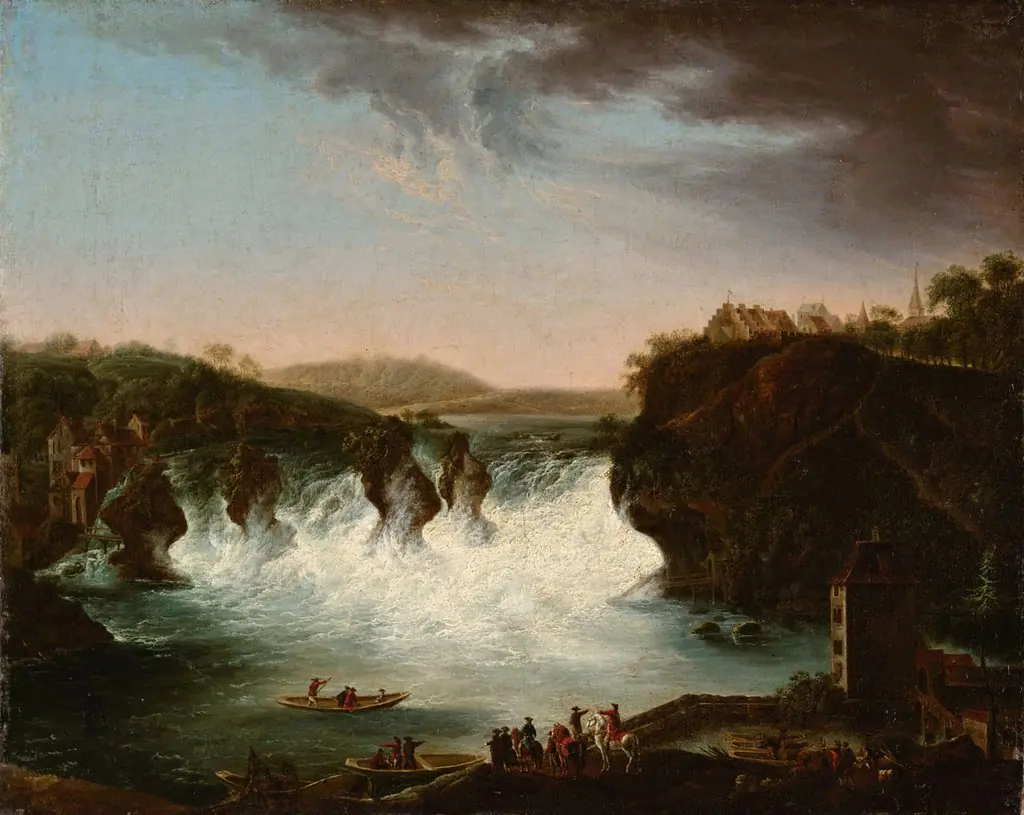
The Falls of the Rhine at Schaffhausen
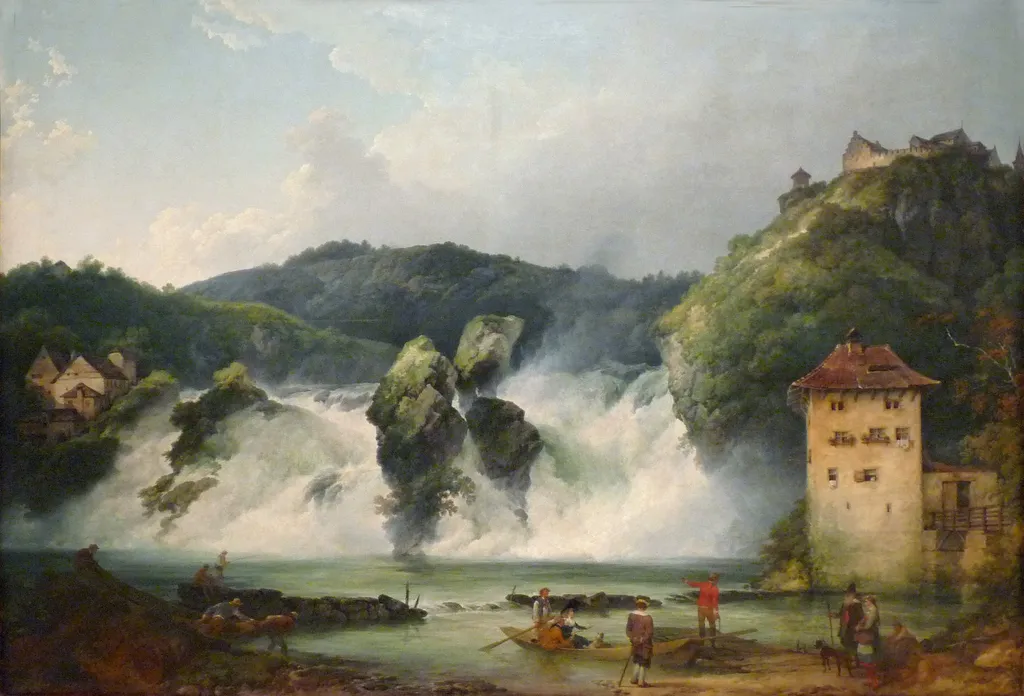
The Falls of the Rhine at Schaffhausen is an oil painting by the Rococo painting artist Philip James de Loutherbourg. It dates from 1794 and is held in the collection of the Victoria and Albert Museum. Painted in 1788, this oil on canvas work depicts the natural spectacle of the Rhine Falls near Schaffhausen.
About this work
Overview
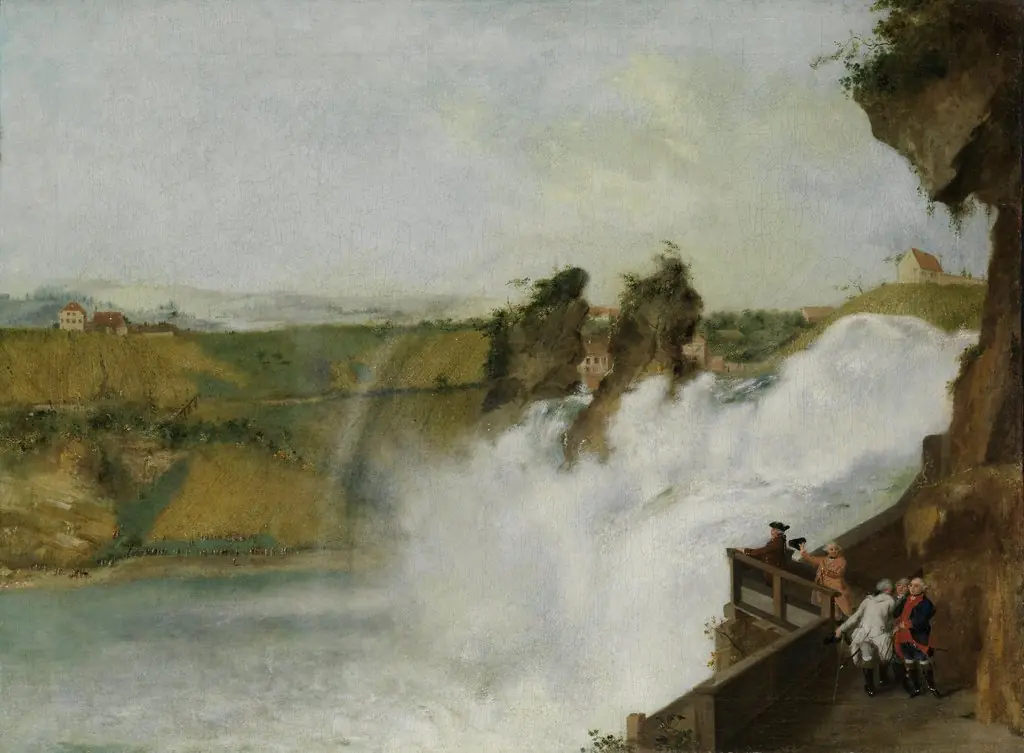
Painted in 1788, this oil on canvas work depicts the natural spectacle of the Rhine Falls near Schaffhausen. Created by Philip James de Loutherbourg, a French-born artist active in Britain, the painting captures a dramatic stretch of water where the river plunges over a rocky ledge, framed by dense woodland and mist-laced air.
Subject & Meaning
The scene emphasizes the raw power and scale of nature, not as a pastoral idyll but as a force beyond human control. De Loutherbourg presents the falls without human figures, directing attention to the water’s motion and the geological structure beneath, suggesting a quiet reverence for natural phenomena rather than narrative or allegory.
Technique & Style
The artist employs layered glazes to render the water’s translucence and spray, while dark, angular brushwork defines the surrounding cliffs. Light is carefully modulated to highlight the cascading flow against shadowed rock, creating a sense of depth and movement. The composition is tightly framed, focusing the viewer’s gaze on the central cascade.
History & Provenance
Commissioned by a British patron, the painting was completed during de Loutherbourg’s period of prominence in London. It remained in private collections in England for much of the 19th century before entering a public collection in the 20th century, where it is now held as part of a broader survey of 18th-century landscape painting.
Context
Created during the height of Romanticism’s early influence, the work reflects a growing European interest in sublime natural sites. Unlike idealized classical landscapes, this painting embraces the untamed character of the Rhine Falls, aligning with contemporary travel accounts and scientific curiosity about geology and hydrology in the Alpine region.
Legacy
Though less widely known than some contemporaneous works, the painting contributes to the shift in landscape art toward direct observation of nature’s grandeur. It stands as an early example of how European artists began to treat natural wonders as subjects worthy of serious artistic study, independent of mythological or historical framing.
Own this work as a print
Artist & collection
Artist
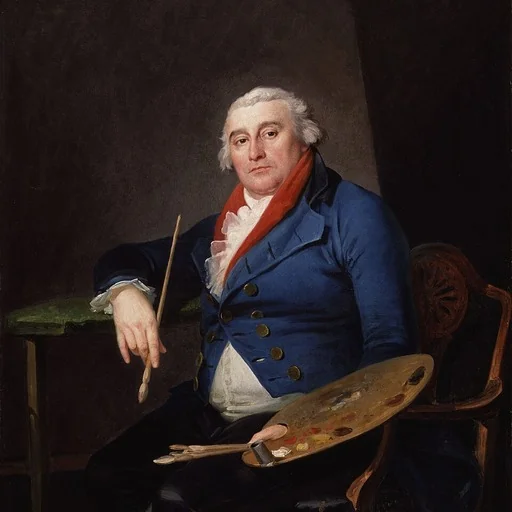
Philip James de Loutherbourg, RA (born Philippe Jacques de Loutherbourg; 31 October 1740 – 11 March 1812) was a French-born British painter who became known for his large naval works, his elaborate set designs for…

 Joseph II. beim Rheinfall
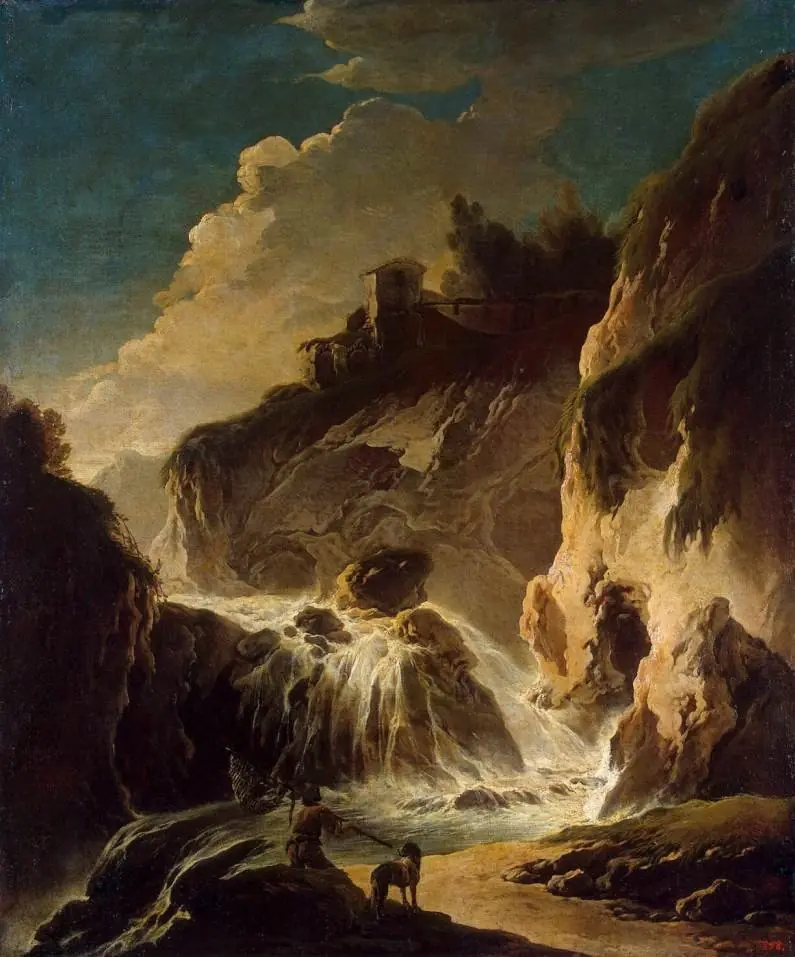 Landscape with a Waterfall
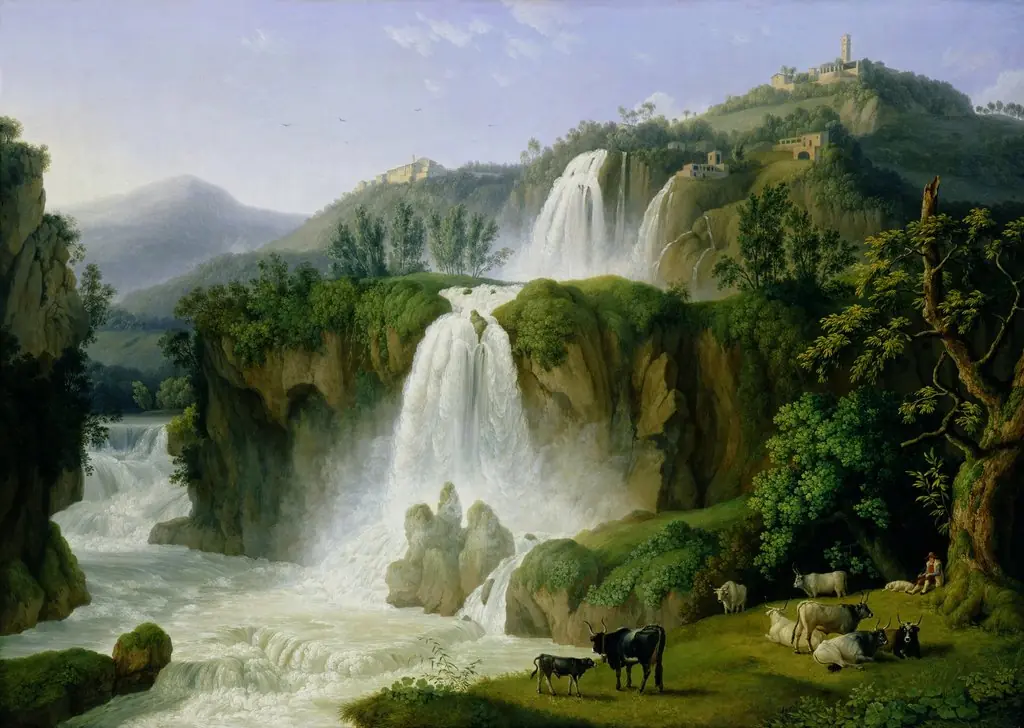 The Waterfalls at Tivoli
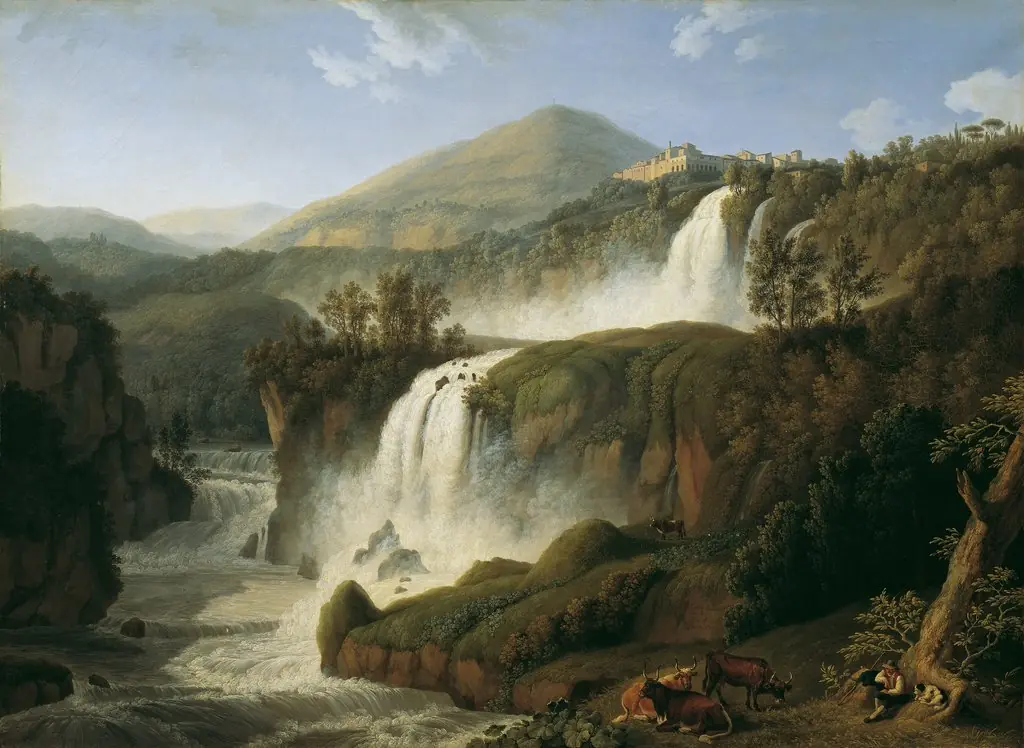 The Large Waterfall at Tivoli near Rome
 Tivoli
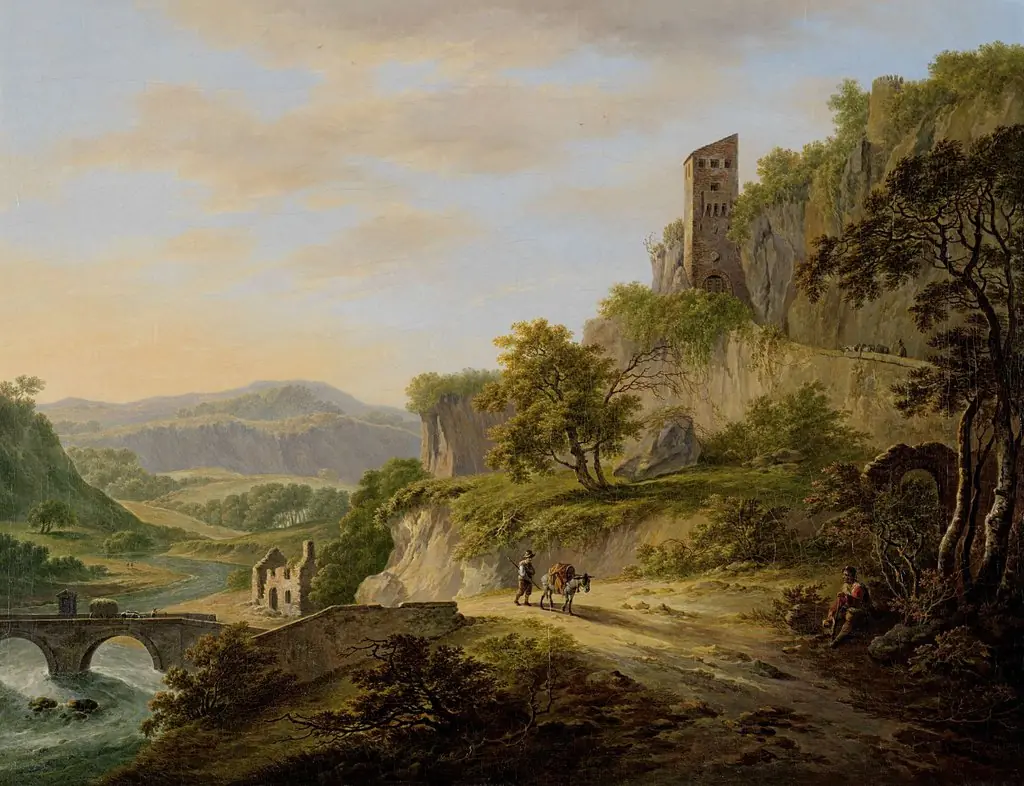 Gezicht op Civita Castellana
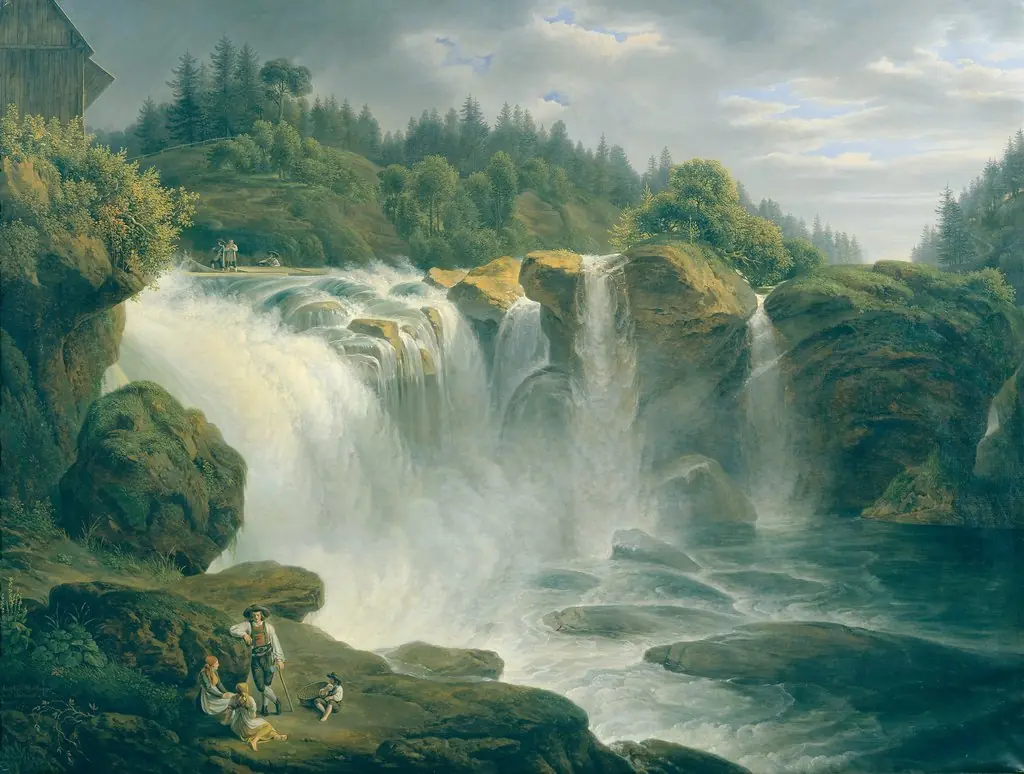 Der Traunfall bei Gmunden
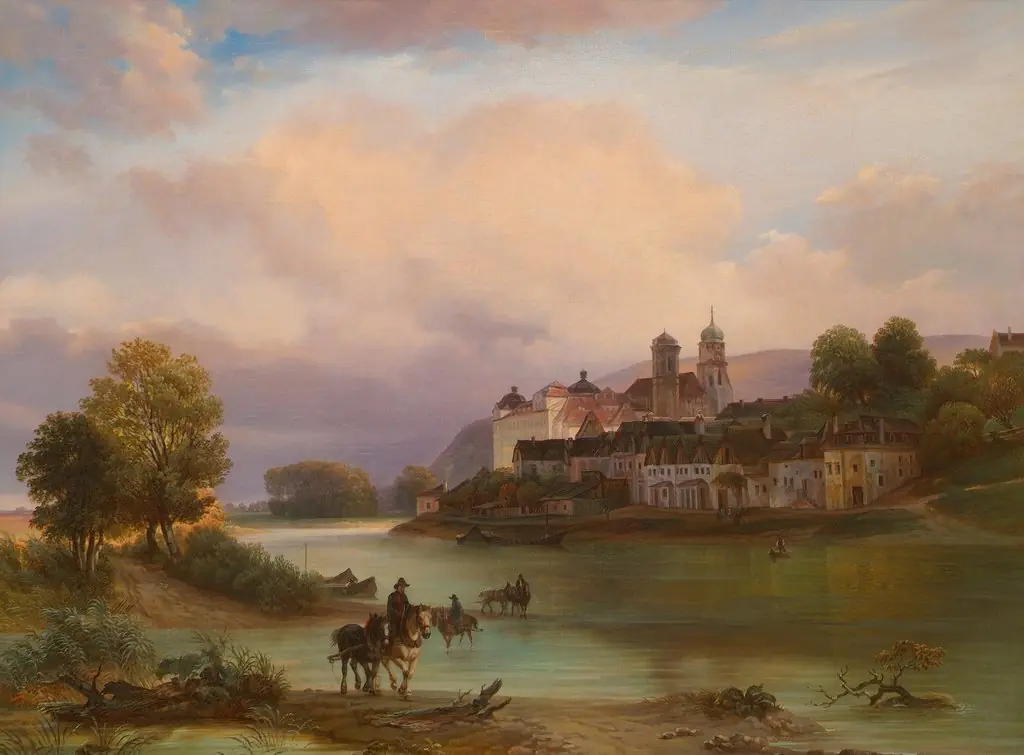 Stift Klosterneuburg
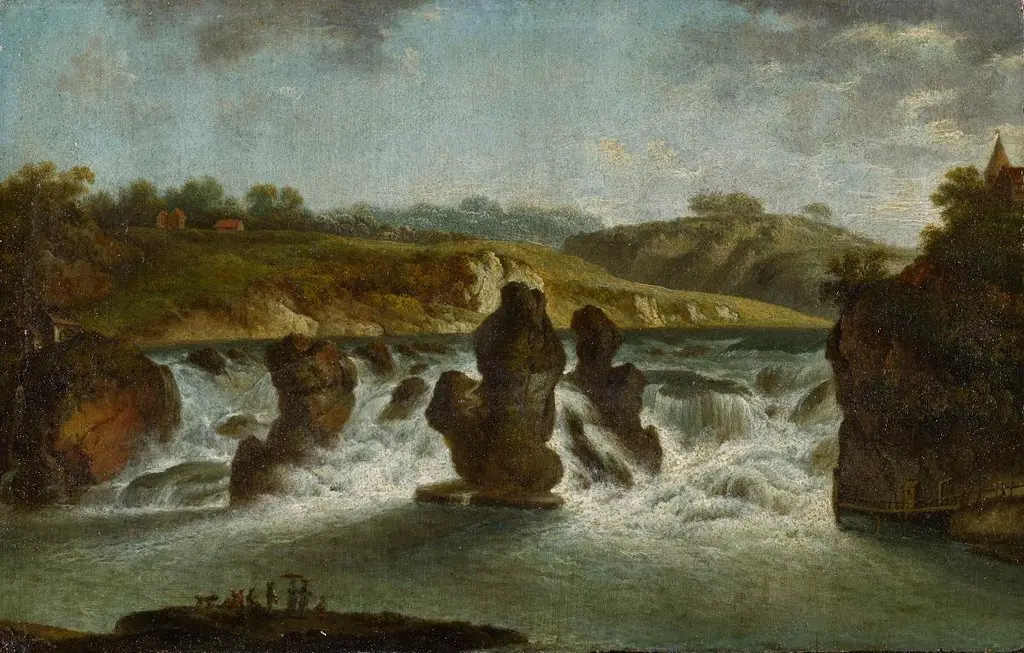 Schaffhauser Rheinfall
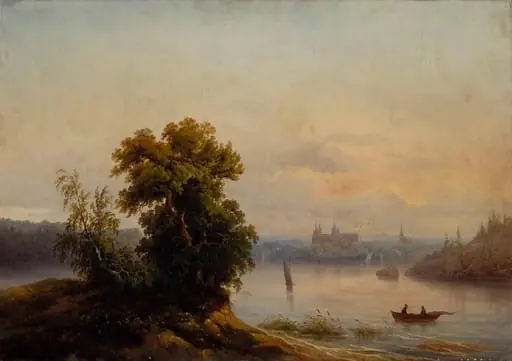 Gripsholmin linna
 A Scottish waterfall
 Der Rheinfall bei Schaffhausen mit Kurfürst Karl Theodor von der Pfalz und Gefolge