Artwork
Antoine Singlin
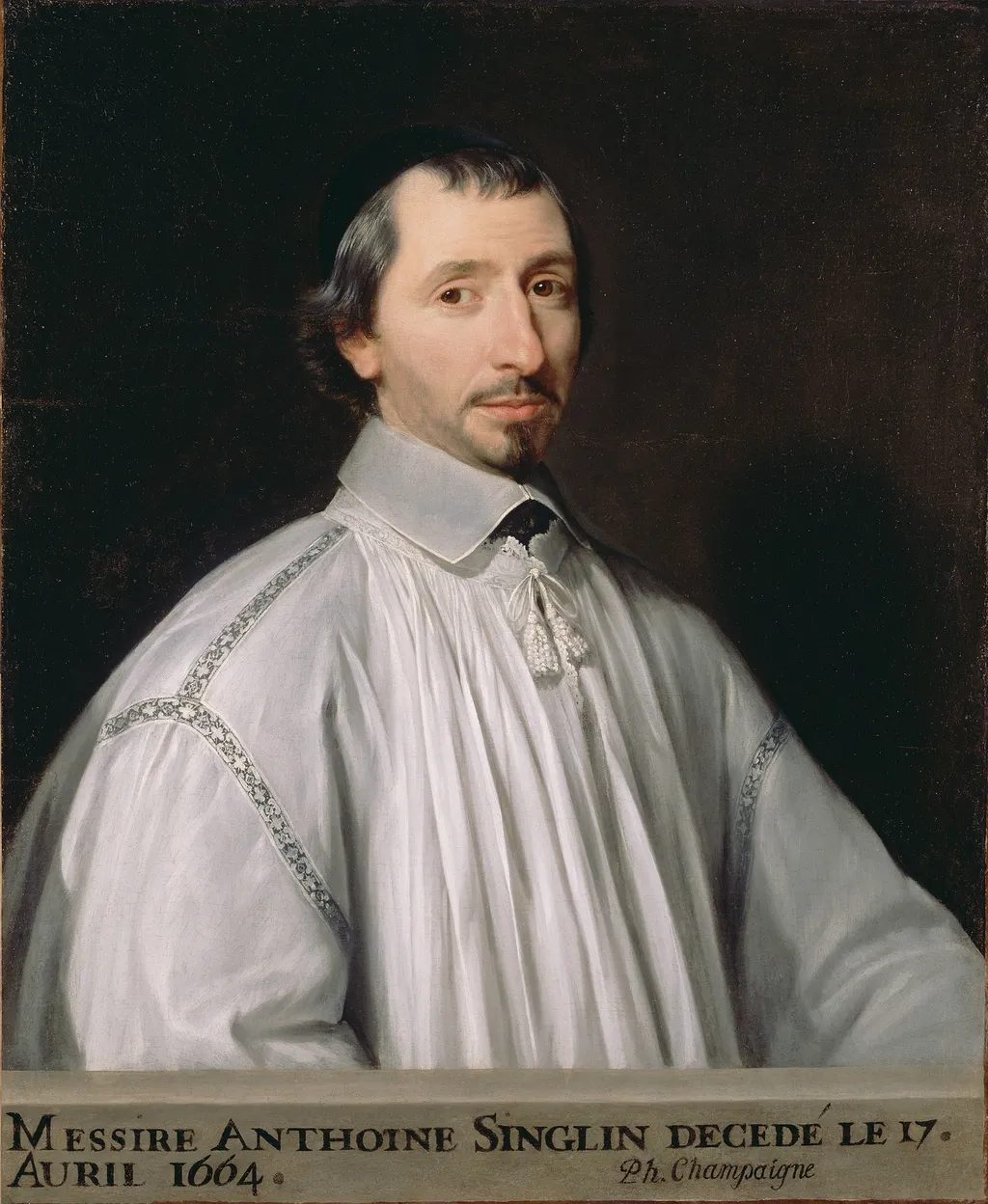
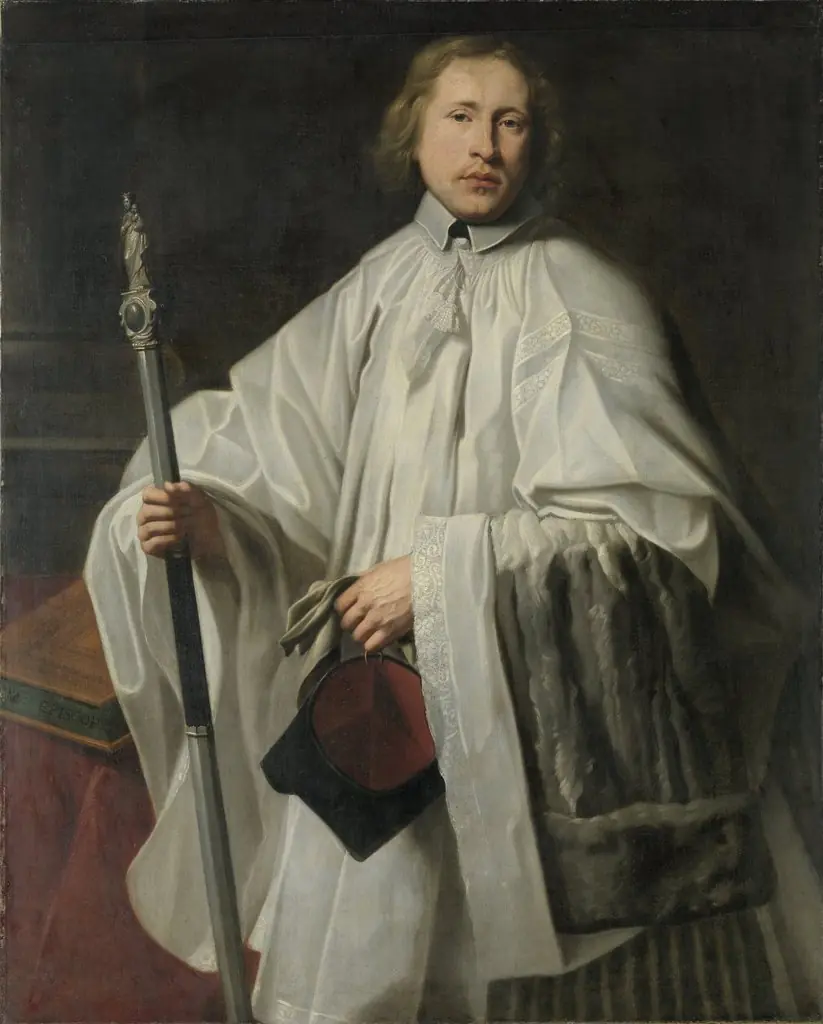
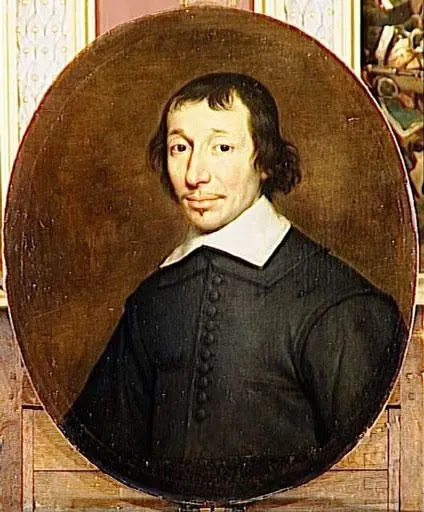
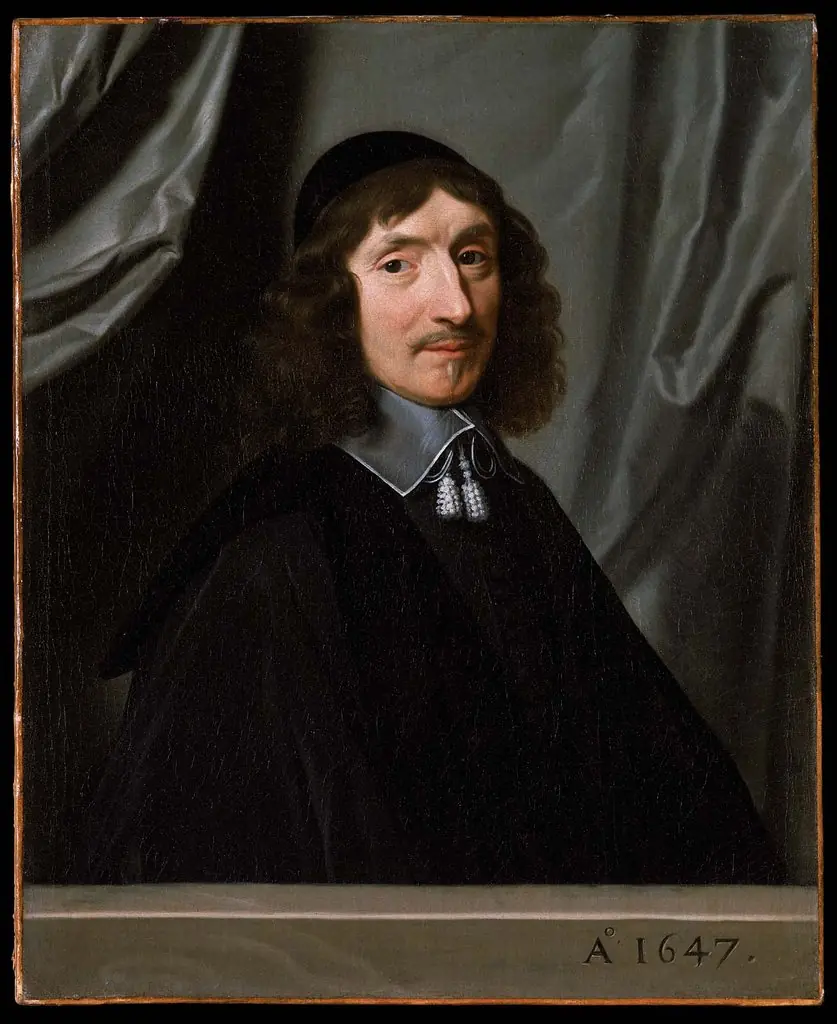
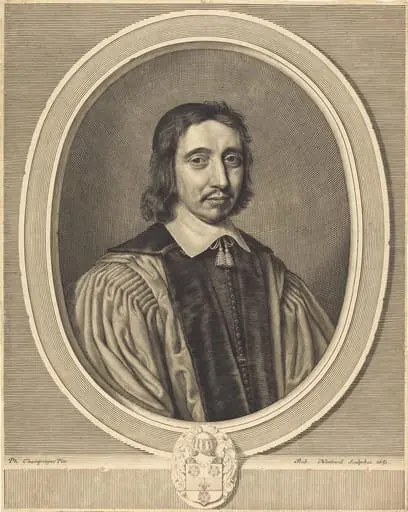
Antoine Singlin is an oil painting by the French Classical Baroque artist Philippe de Champaigne. It dates from 1646 and is held in the collection of the J. Paul Getty Museum.
About this work
Overview
Painted in 1646, this oil portrait by Philippe de Champaigne depicts Antoine Singlin, a French Jansenist theologian and educator. Executed in the French Classical Baroque style, the work reflects the period’s emphasis on restraint and psychological depth. It is part of the J. Paul Getty Museum’s permanent collection, where it is valued for its quiet intensity and refined technique.
Subject & Meaning
Antoine Singlin was a prominent figure in the Jansenist movement at Port-Royal, known for his intellectual rigor and moral discipline.
Antoine Singlin was a prominent figure in the Jansenist movement at Port-Royal, known for his intellectual rigor and moral discipline. Champaigne portrays him without adornment, focusing on a composed, introspective gaze. The absence of symbolic objects or elaborate setting underscores Singlin’s association with asceticism and spiritual contemplation, aligning his image with the values of his religious community.
Technique & Style
Champaigne employs a muted palette and precise brushwork to render Singlin’s features with subtle realism. The dark background isolates the figure, drawing attention to the texture of the white linen collar and the soft gradations of skin tone. The headband, a practical garment, is rendered with careful attention to its folds and shadow, reinforcing the portrait’s quiet dignity and absence of theatricality.
History & Provenance
Commissioned during Champaigne’s peak years as a portraitist for French religious and aristocratic circles, the painting likely originated within the Port-Royal network. It entered the Getty Museum’s collection in the late 20th century, having passed through private hands since its creation. Its documented history reflects its status as a significant example of mid-17th-century French portraiture.
Context
In 1640s France, portraiture served both personal and ideological functions. Champaigne’s depiction of Singlin aligns with the Jansenist emphasis on humility and inner life, contrasting with the grandeur typical of royal portraiture. The work reflects broader cultural tensions between the Church, monarchy, and reformist religious groups, making it a visual document of its era’s spiritual climate.
Legacy
This portrait remains a key example of Champaigne’s ability to convey character through minimal means. It influenced later French portrait traditions that favored psychological subtlety over ornamentation. As one of the few surviving images of Singlin, it continues to inform scholarly understanding of Jansenist identity and the role of visual culture in religious life.
Artist & collection
Artist
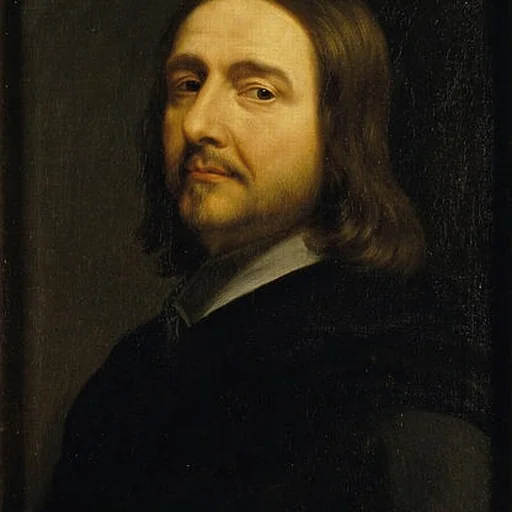
Philippe de Champaigne (French pronunciation: ; 26 May 1602 – 12 August 1674) was a Brabant-born French Baroque era painter, a major exponent of French Baroque painting.