Artwork
Ferdinand de Neufville
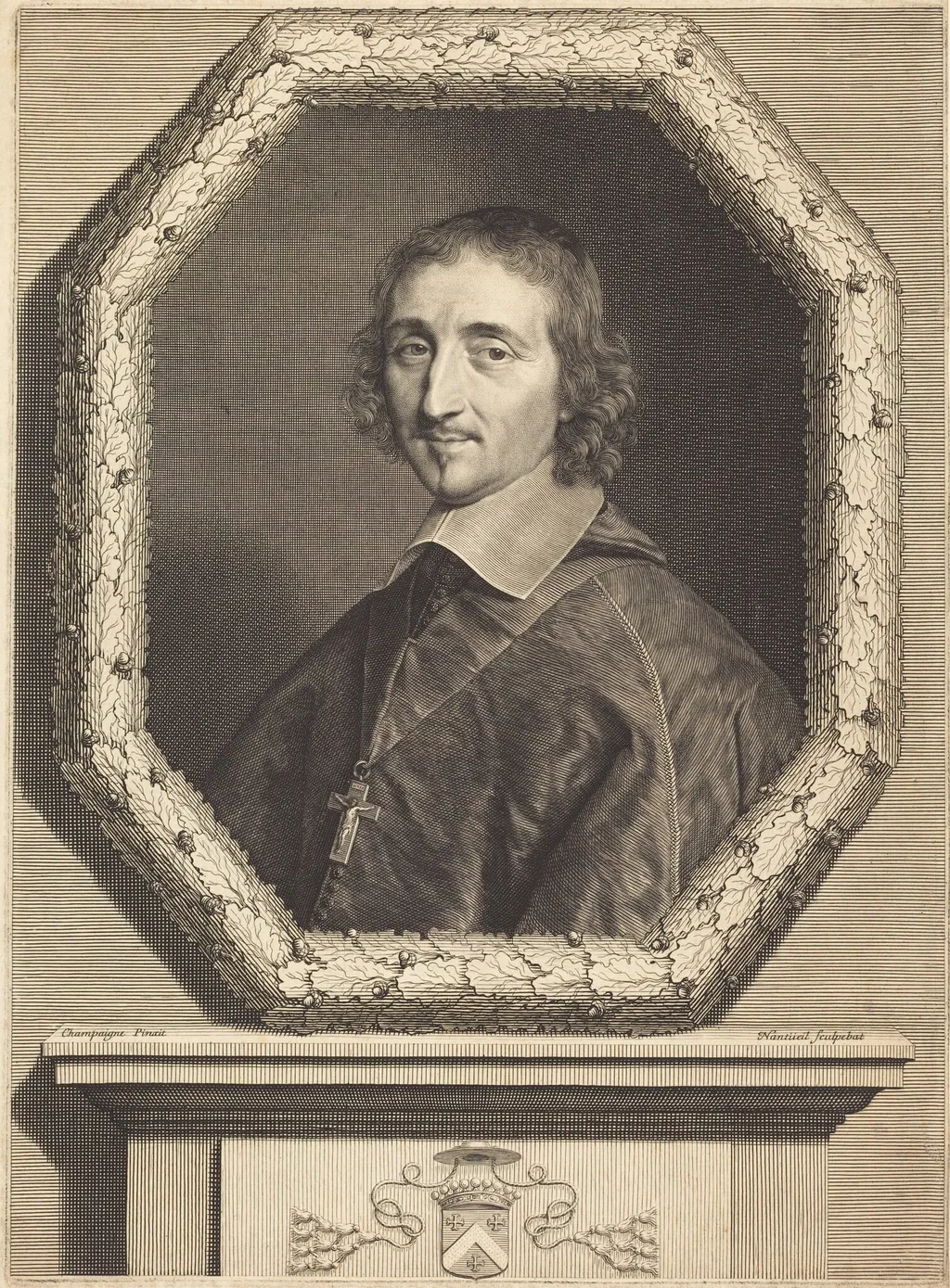
Ferdinand de Neufville is an ink print by the Baroque artist Robert Nanteuil. It dates from 1656 and is held in the collection of the National Gallery of Art.
About this work
Overview
This engraving, created by Robert Nanteuil in 1656, portrays Ferdinand de Neufville in a formal portrait. The work features a detailed, centrally focused likeness of the subject against a dark background, framed by an octagonal border.
Subject & Meaning
The engraving depicts Ferdinand de Neufville, likely a figure of religious significance, indicated by the cross around his neck. His attire, including a dark robe and white collar, further suggests a position of dignity or clerical status.
Technique & Style
Nanteuil employed meticulous line work and shading techniques, notably cross-hatching, to achieve depth and dimension in the subject's face, drawing the viewer's attention to it as the primary focus.
History & Provenance
Created in 1656 for the court of Louis XIV, this engraving is a product of Nanteuil's work as a royal portrait artist, utilizing his skills as an engraver, draughtsman, and pastellist.
Context
As a court artist, Nanteuil's work, including this engraving, would have been intended for an aristocratic or noble audience, reflecting the artistic and social values of 17th-century France under Louis XIV.
Legacy
While specific lasting impacts of this individual engraving are not detailed, it contributes to the broader legacy of Nanteuil's contributions to French portrait art during the Louis XIV era, showcasing technical proficiency in engraving.
Artist & collection
Artist
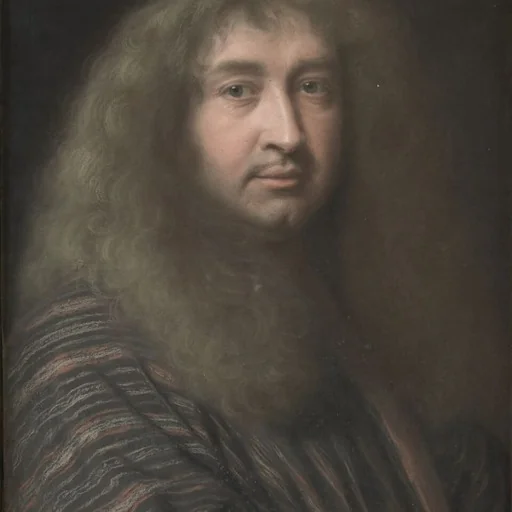
Robert Nanteuil (French pronunciation: ; 1623 – 9 December 1678) was a French portrait artist: engraver, draughtsman and pastellist to the court of Louis XIV.

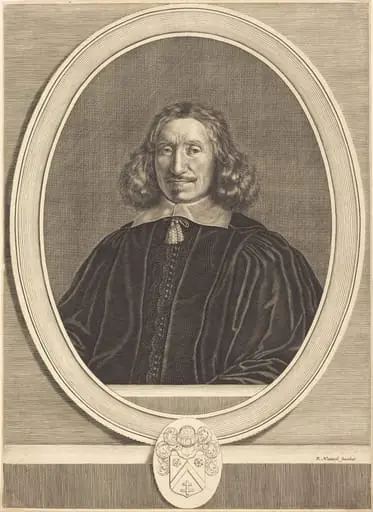
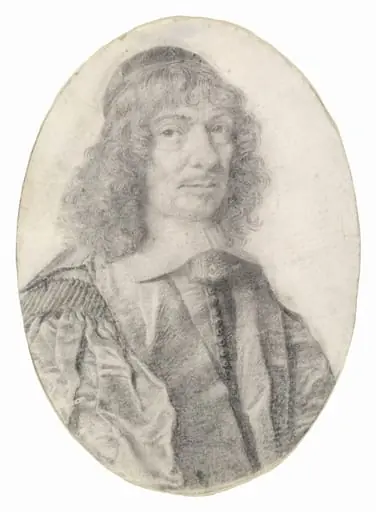
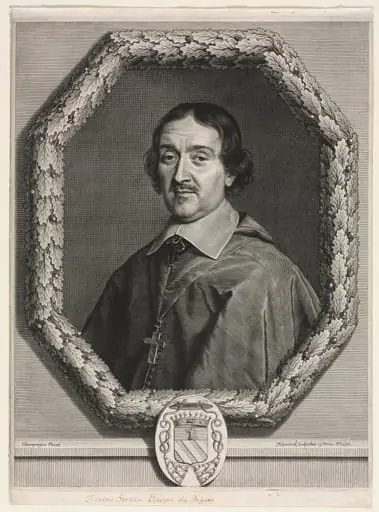 François Servien, Bishop of Bayeux
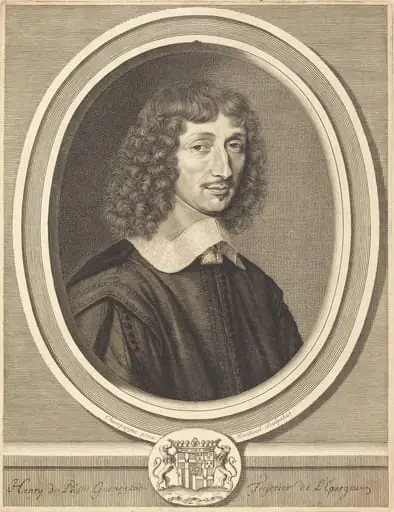 Henri de Guenegaud
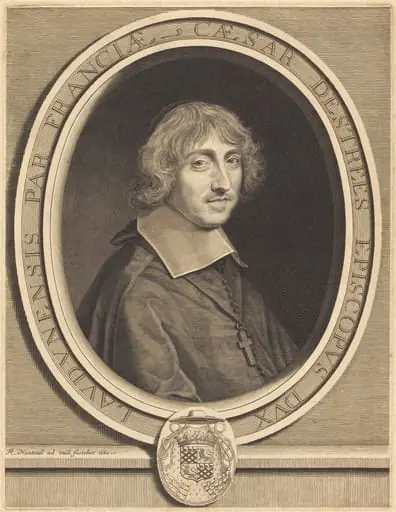 Cardinal d'Estrees
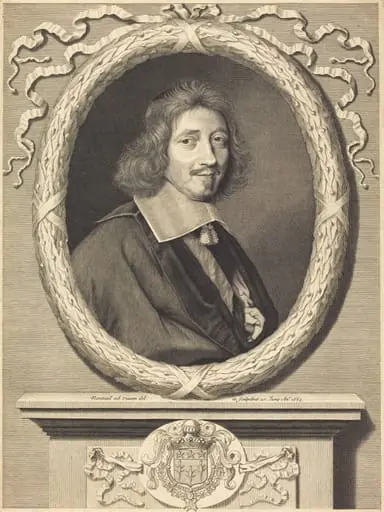 Chancellor Michel Le Tellier
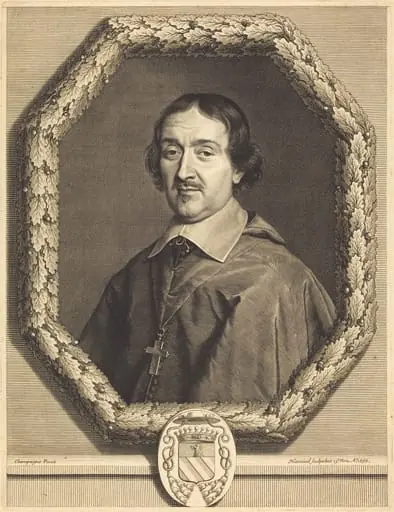 Francois Servien
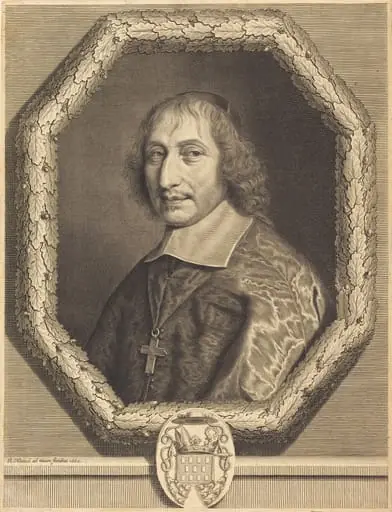 Philibert-Emmanuel de Beaumanoir Lavardin
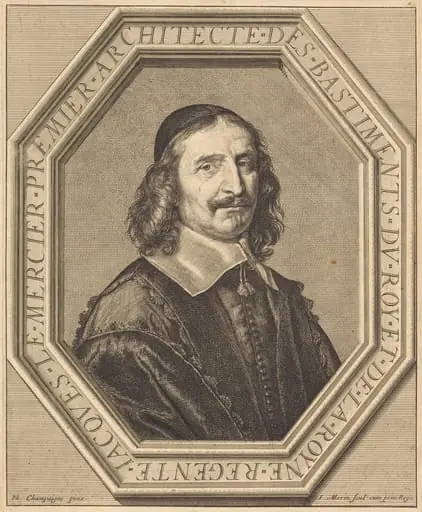 Jacques le Mercier
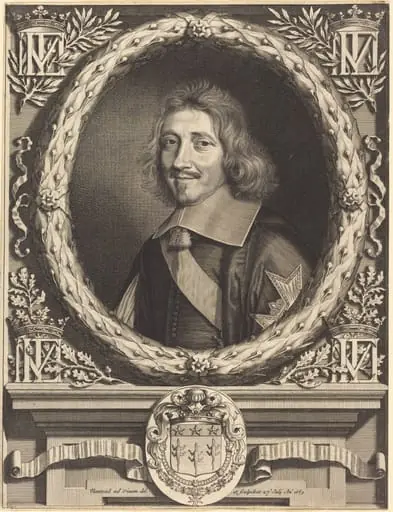 Chancellor Michel Le Tellier
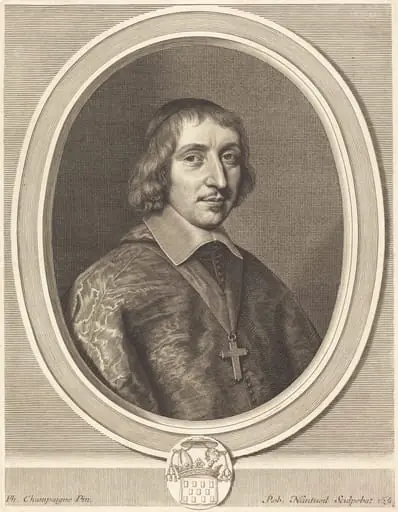 Philibert-Emmanuel de Beaumanoir Lavardin
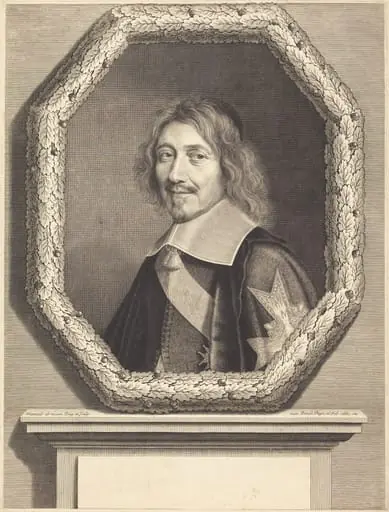 Chancellor Michel Le Tellier
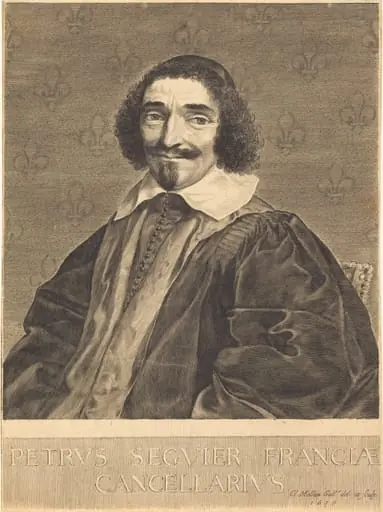 Pierre Seguier
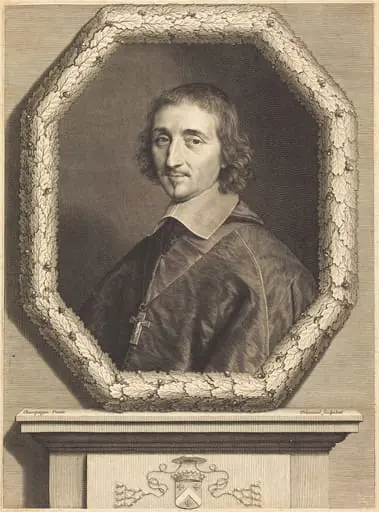 Ferdinand de Neufville