Artwork
Louis-Isaac Le Maître de Sacy
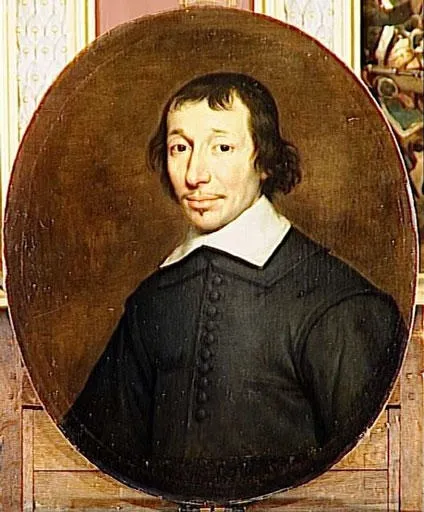
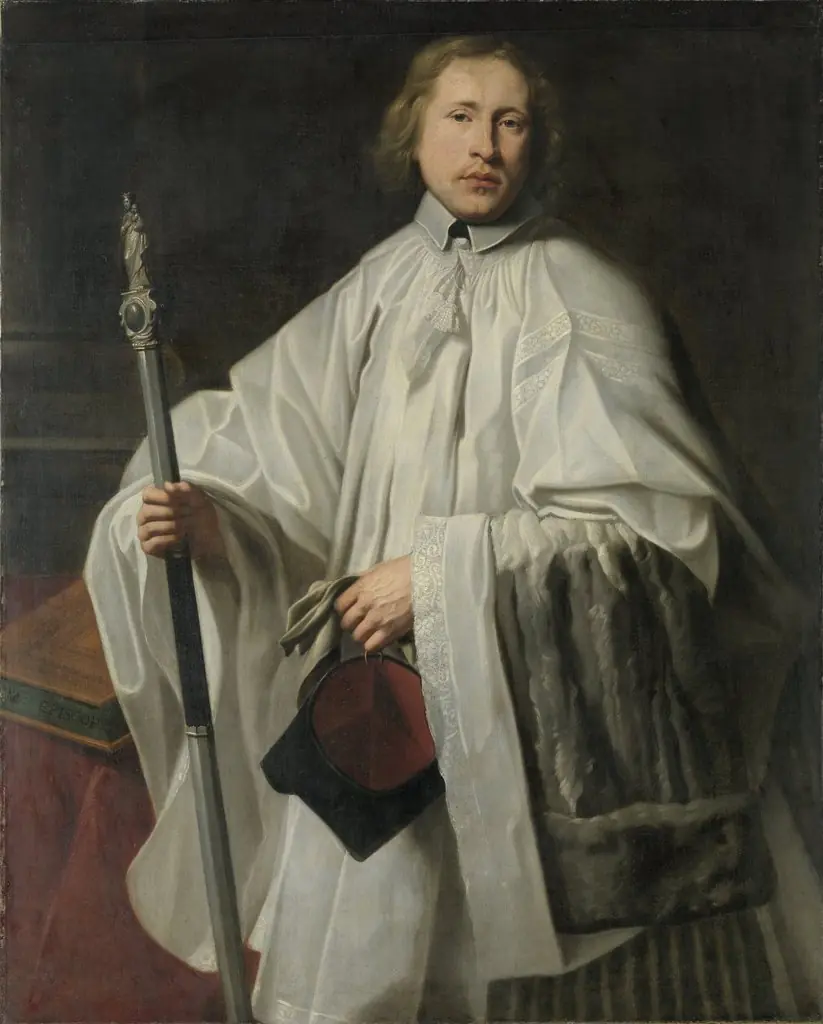
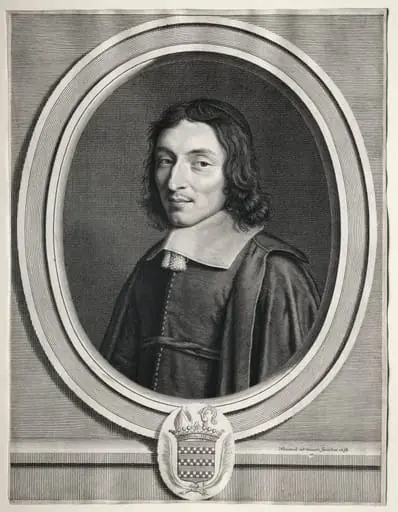
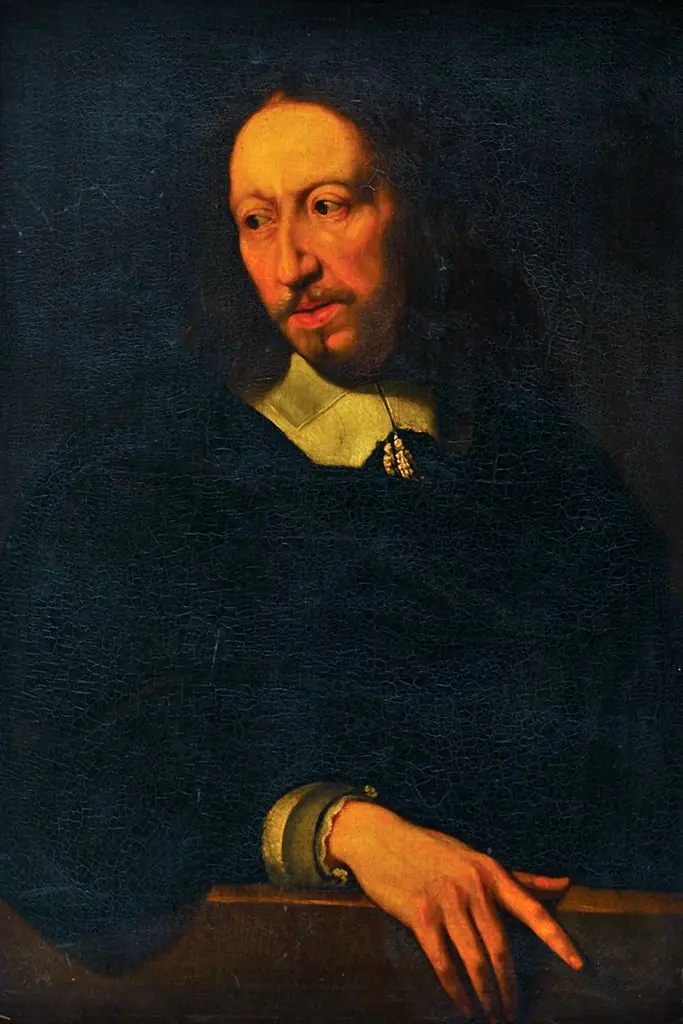
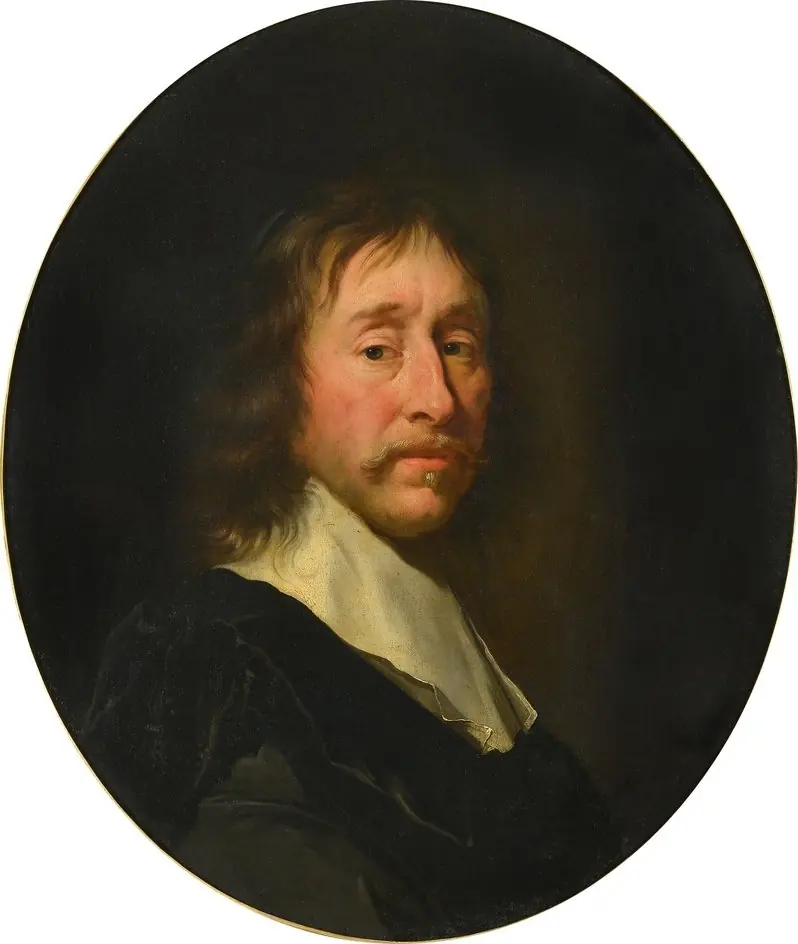
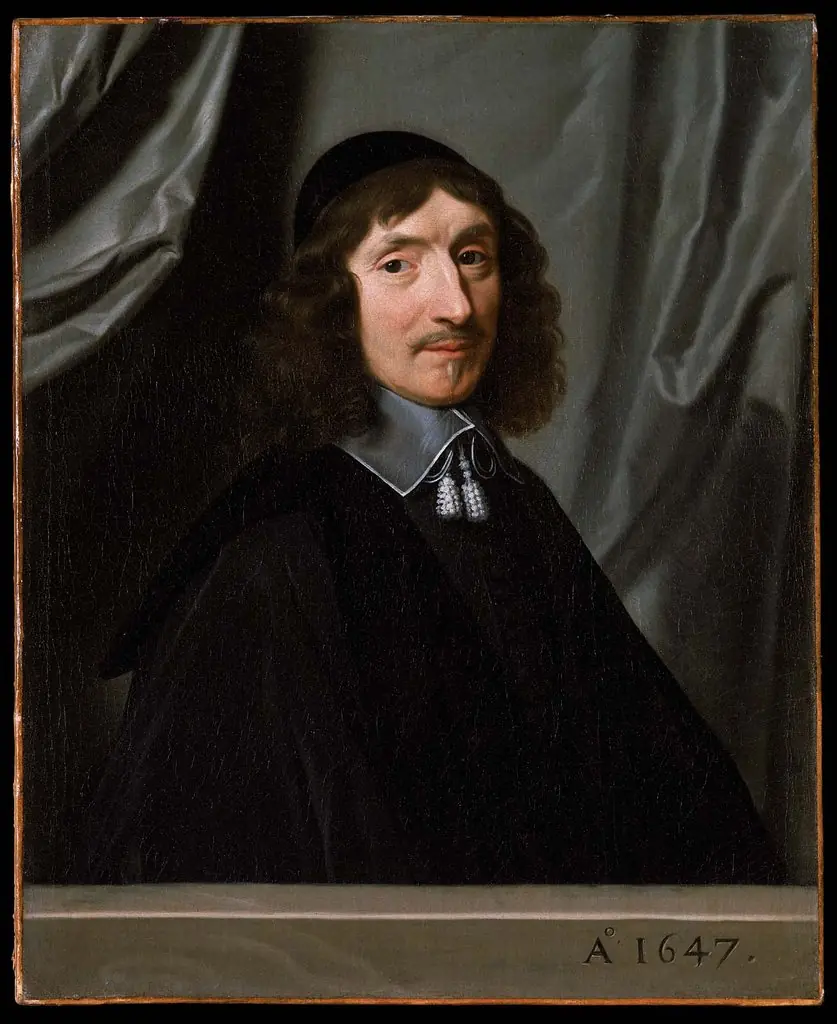
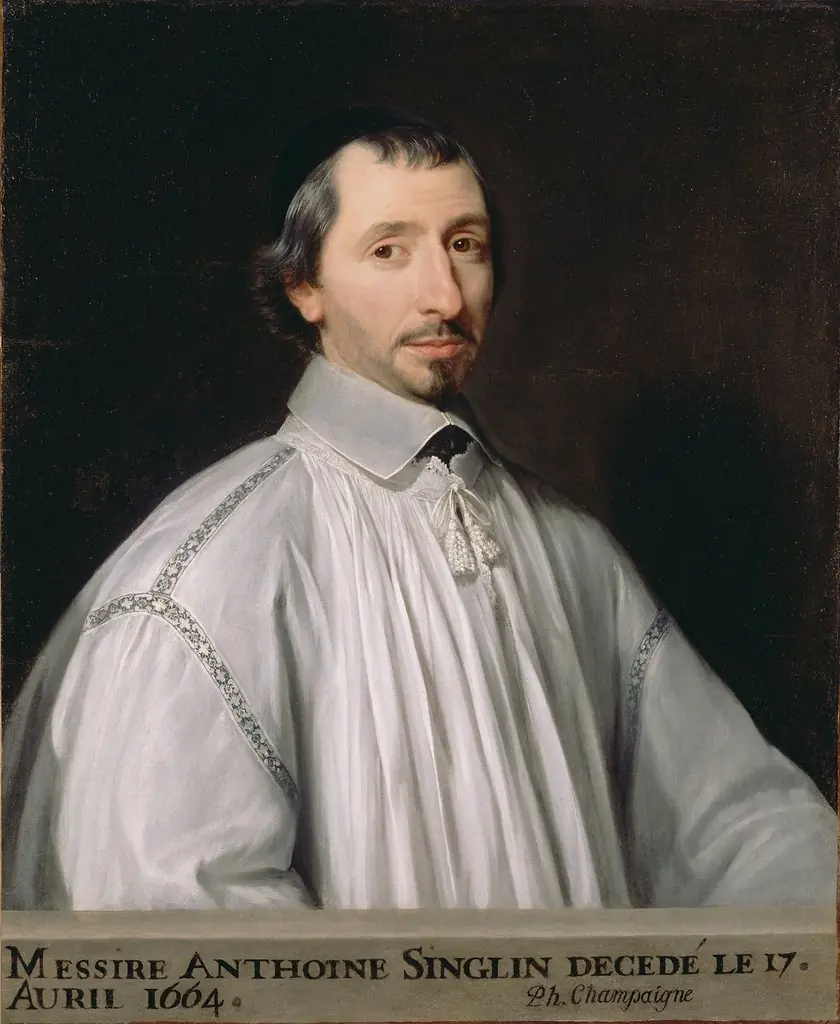
Louis-Isaac Le Maître de Sacy is an oil painting by the French Classical Baroque artist Philippe de Champaigne. It dates from 1658 and is held in the collection of the Palace of Versailles.
About this work
Overview
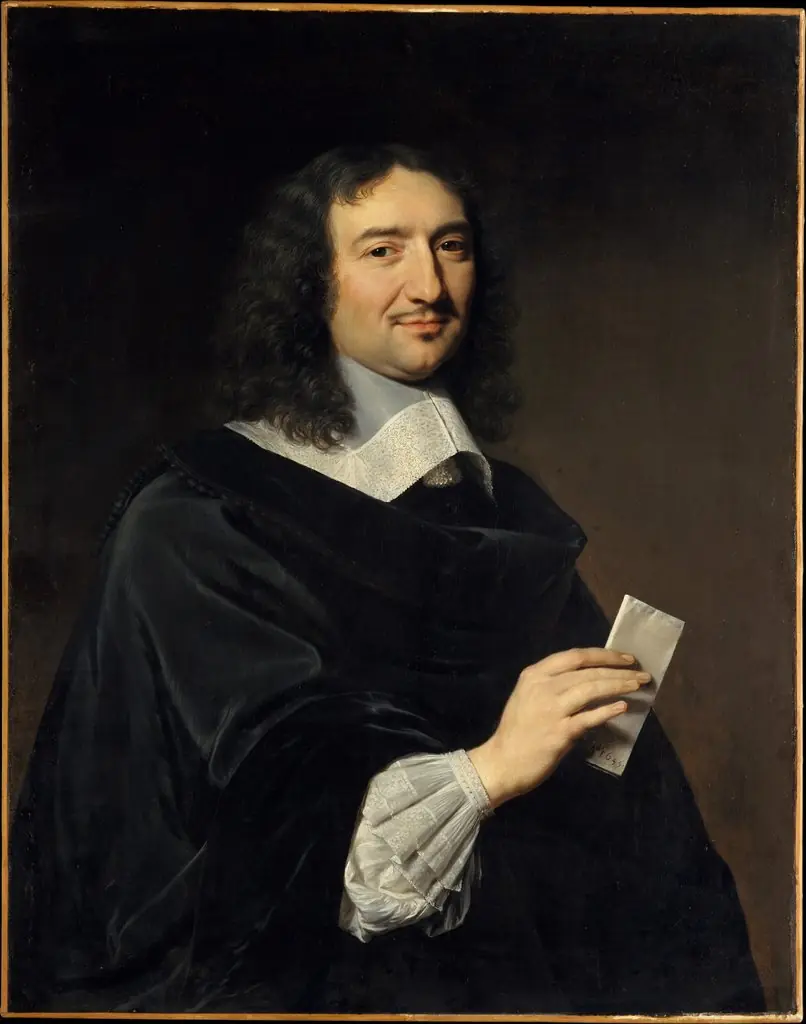
Painted in 1658, this oil portrait by Philippe de Champaigne captures Louis-Isaac Le Maître de Sacy, a French theologian and biblical scholar.
Painted in 1658, this oil portrait by Philippe de Champaigne captures Louis-Isaac Le Maître de Sacy, a French theologian and biblical scholar. Executed during the height of Champaigne’s career, the work reflects the restrained elegance of French Classical Baroque portraiture. It was created for a learned elite and later entered the royal collection at Versailles, where it remains today as part of a broader effort to document key intellectual figures of the era.
Subject & Meaning
Louis-Isaac Le Maître de Sacy was a central figure in the Jansenist movement and a principal translator of the Bible into French. His portrayal emphasizes intellectual gravitas: the direct gaze, composed posture, and somber attire convey authority and introspection. The absence of ornate symbols or allegorical elements underscores his identity as a man of scholarship rather than ecclesiastical power, aligning with Jansenist values of humility and textual fidelity.
Technique & Style
Champaigne employed a muted palette and precise brushwork to isolate the sitter against a neutral brown background. The texture of the black garment is rendered with subtle tonal shifts, while the crisp white collar draws attention to the face. Light falls evenly, avoiding dramatic contrasts, reinforcing the portrait’s quiet dignity. The composition is tightly framed, focusing attention on the subject’s expression and presence without distraction.
History & Provenance
Commissioned during Champaigne’s tenure as a leading court painter, the portrait entered the French royal collection shortly after its completion. It was later housed at the Palace of Versailles, where it was preserved among other portraits of intellectuals and court figures. Its continuous presence in royal holdings suggests its recognition as a significant representation of learned authority in 17th-century France.
Context
In mid-17th century France, portraiture served not only as personal representation but as a tool for legitimizing intellectual and religious influence. Champaigne, a founding member of the Académie royale, was uniquely positioned to document figures like Le Maître de Sacy, whose theological work intersected with royal and ecclesiastical politics. This portrait reflects the era’s convergence of faith, scholarship, and state patronage.
Legacy
The portrait endures as a quiet testament to the role of scholarship in French cultural life. Unlike grander royal commissions, it avoids spectacle, instead offering a sober, intimate glimpse into the character of a theologian whose biblical translations shaped religious discourse for generations. Its preservation in Versailles affirms its status as a document of intellectual history rather than mere artistic achievement.
Artist & collection
Artist
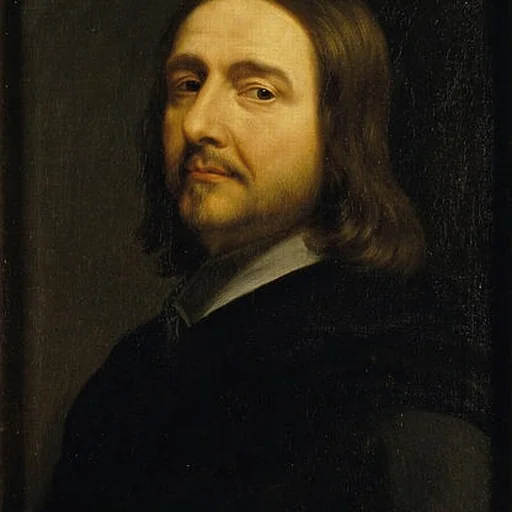
Philippe de Champaigne (French pronunciation: ; 26 May 1602 – 12 August 1674) was a Brabant-born French Baroque era painter, a major exponent of French Baroque painting.