Artwork
Ferdinand de Neufville
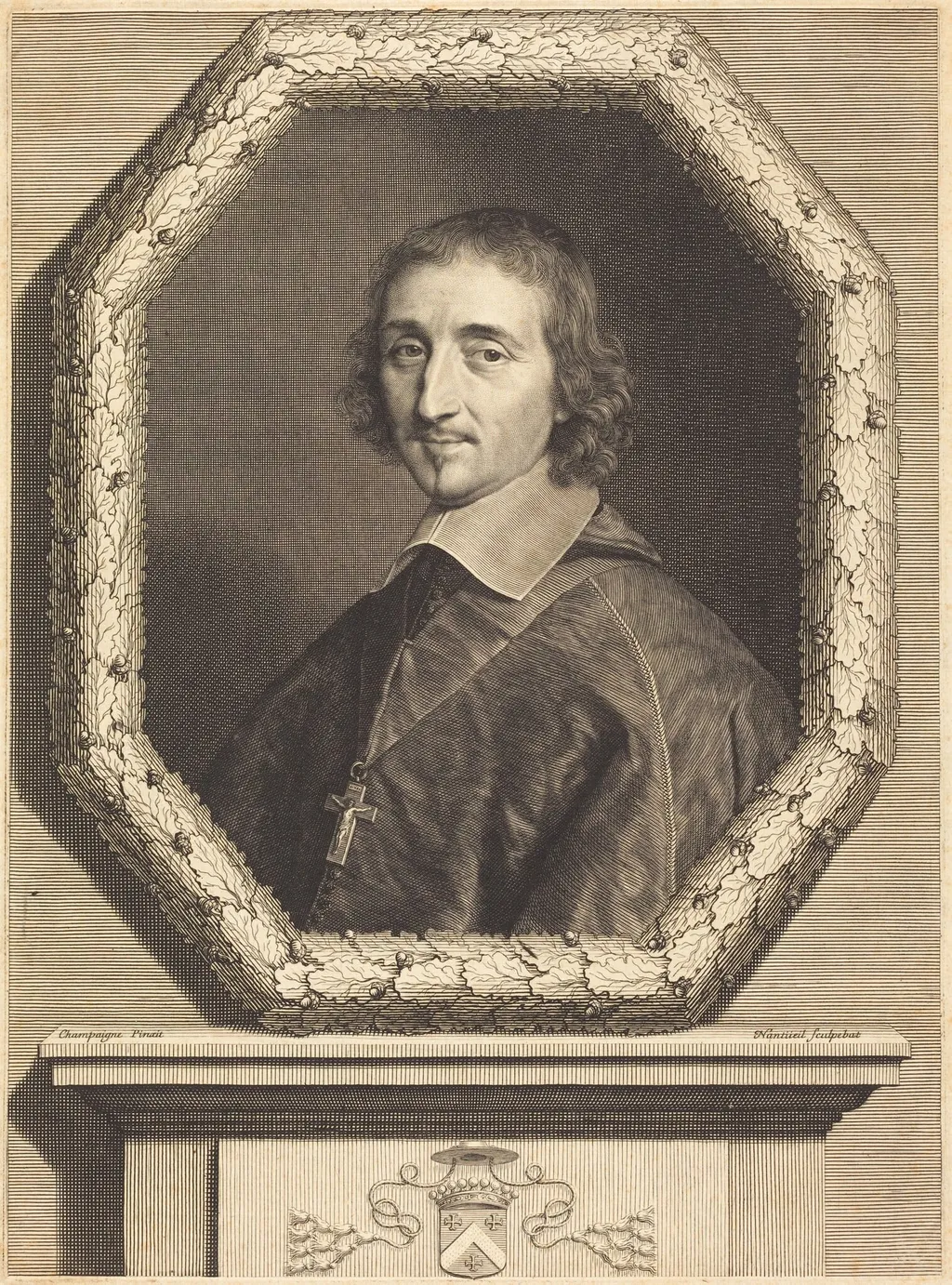
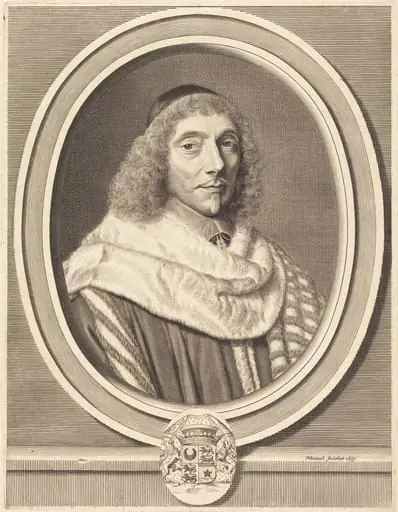
Ferdinand de Neufville is an ink print by the Baroque artist Robert Nanteuil. It dates from 1656 and is held in the collection of the National Gallery of Art.
About this work
Overview
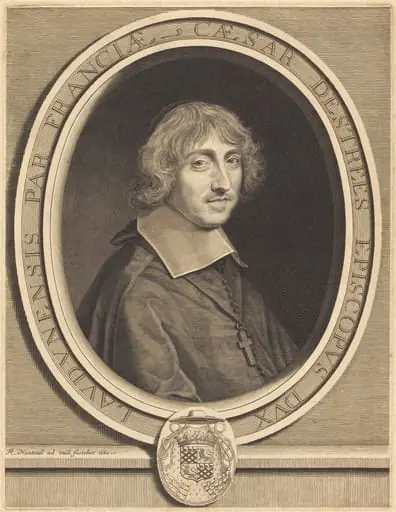
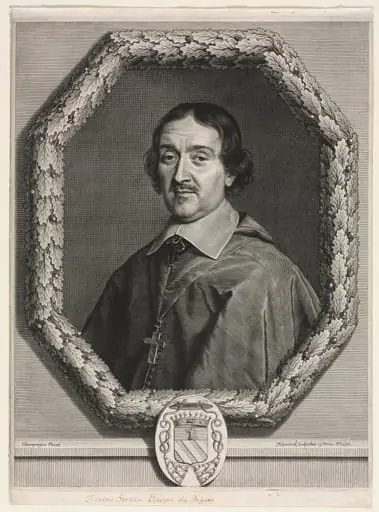
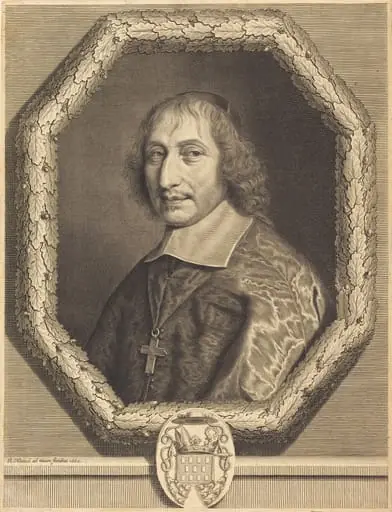
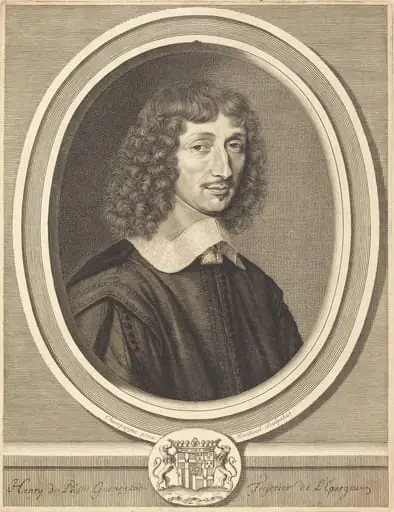
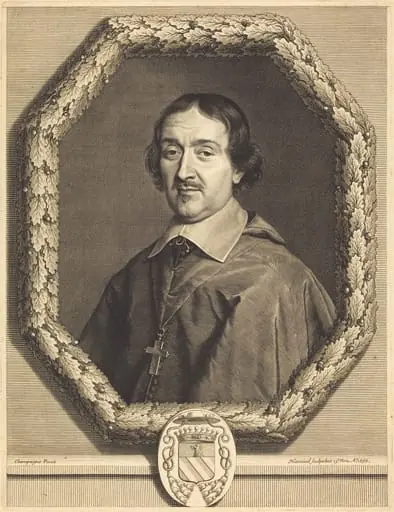
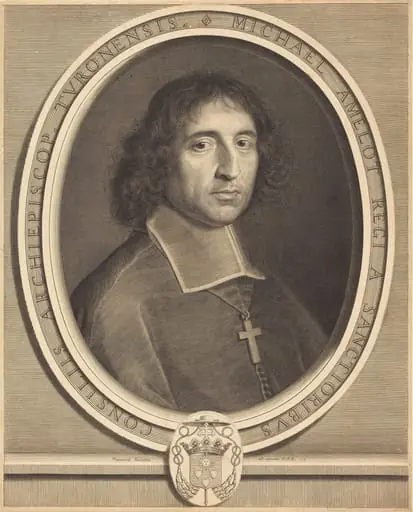
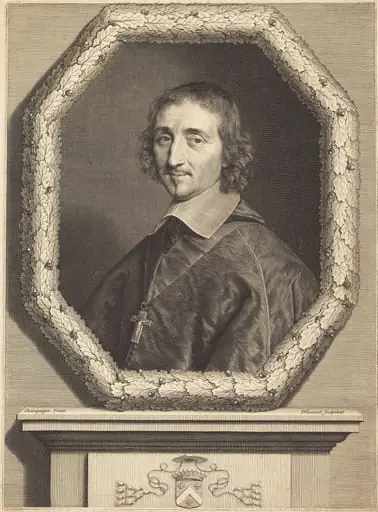
This engraving by Robert Nanteuil, completed in 1656, portrays Ferdinand de Neufville, a French nobleman and military officer. Executed in fine line work on paper, the portrait reflects the precision and elegance characteristic of Nanteuil’s courtly portraiture. The image is framed within an ornamental border, reinforcing its status as a formal likeness commissioned for elite circulation.
Subject & Meaning
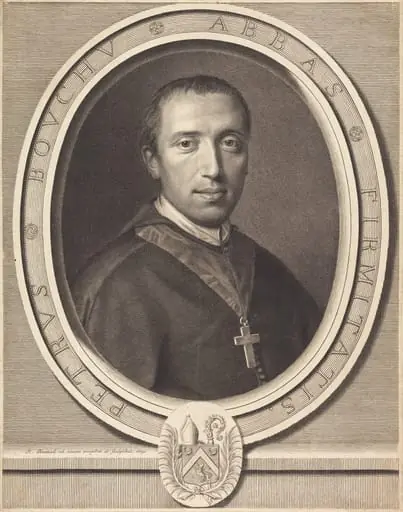
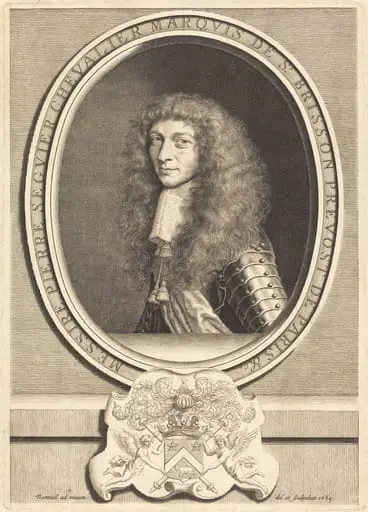
The cross at his throat signals piety, while the heraldic crest and crown in the foreground denote lineage and noble rank.
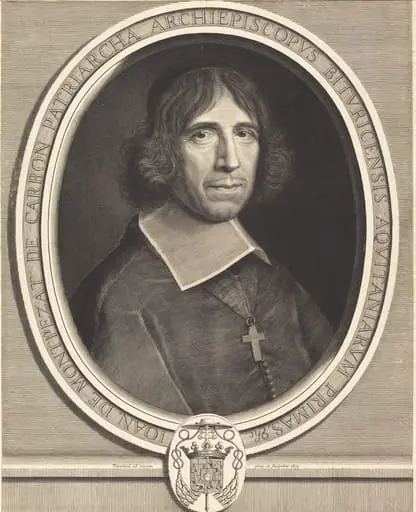
Ferdinand de Neufville is depicted with dignified stillness, his prominent facial features and curled hair suggesting individuality within aristocratic convention. The cross at his throat signals piety, while the heraldic crest and crown in the foreground denote lineage and noble rank. The absence of overt symbols of office implies a focus on personal identity rather than official role, aligning with mid-17th century ideals of refined self-presentation.
Technique & Style
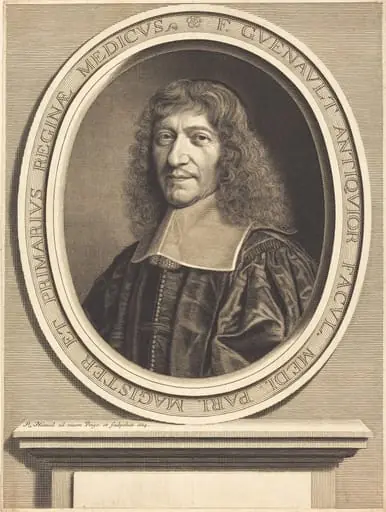
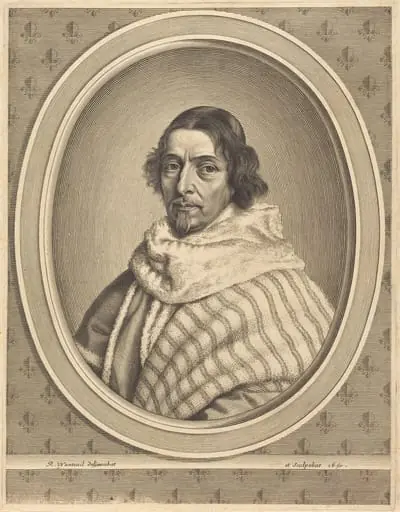
Nanteuil employed fine, controlled engraving lines to render texture and form with remarkable subtlety. The contrast between the dark robe and luminous collar enhances facial definition, while the solid background isolates the figure for maximum visual impact. The ornate frame, rendered with delicate botanical motifs, reflects the Baroque taste for decorative integration, though the portrait itself remains restrained and psychologically acute.
History & Provenance
Created during Nanteuil’s tenure as a favored portraitist at the court of Louis XIV, the engraving likely served as a gift or archival record for the Neufville family. Such prints were circulated among nobility to affirm status and connections. Though specific early ownership records are sparse, the work’s survival in institutional collections attests to its enduring value as a document of aristocratic identity in early modern France.
Context
In mid-17th century France, engraved portraits were vital tools for aristocratic self-representation, especially when painted originals were inaccessible. Nanteuil’s work stood apart for its lifelike detail and psychological nuance, distinguishing French portraiture from more stylized continental traditions. His prints helped define a visual language of nobility that emphasized quiet authority over flamboyance.
Legacy
Nanteuil’s engravings, including this portrait, became benchmarks for subsequent generations of printmakers. His ability to capture likeness with minimal yet precise lines influenced both French and international portrait engraving well into the 18th century. Though largely forgotten by the public today, his technical mastery remains studied in art historical circles for its contribution to the evolution of print-based portraiture.
Artist & collection
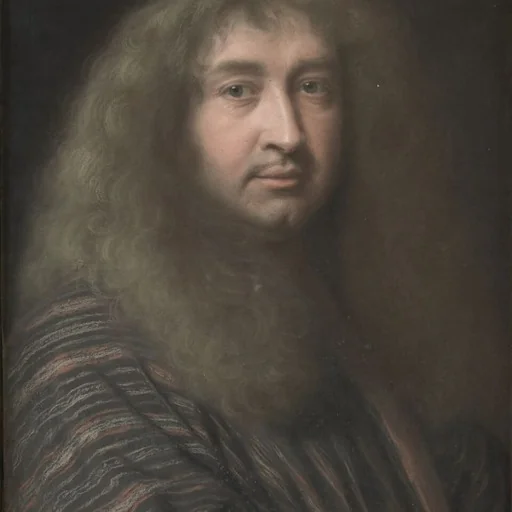
Artist
Robert Nanteuil (French pronunciation: ; 1623 – 9 December 1678) was a French portrait artist: engraver, draughtsman and pastellist to the court of Louis XIV.