Artwork
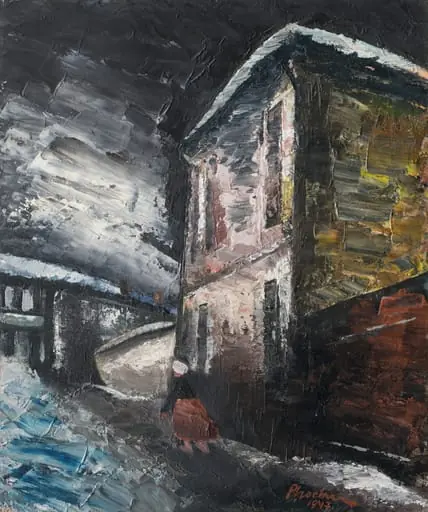
Stradă mizeră
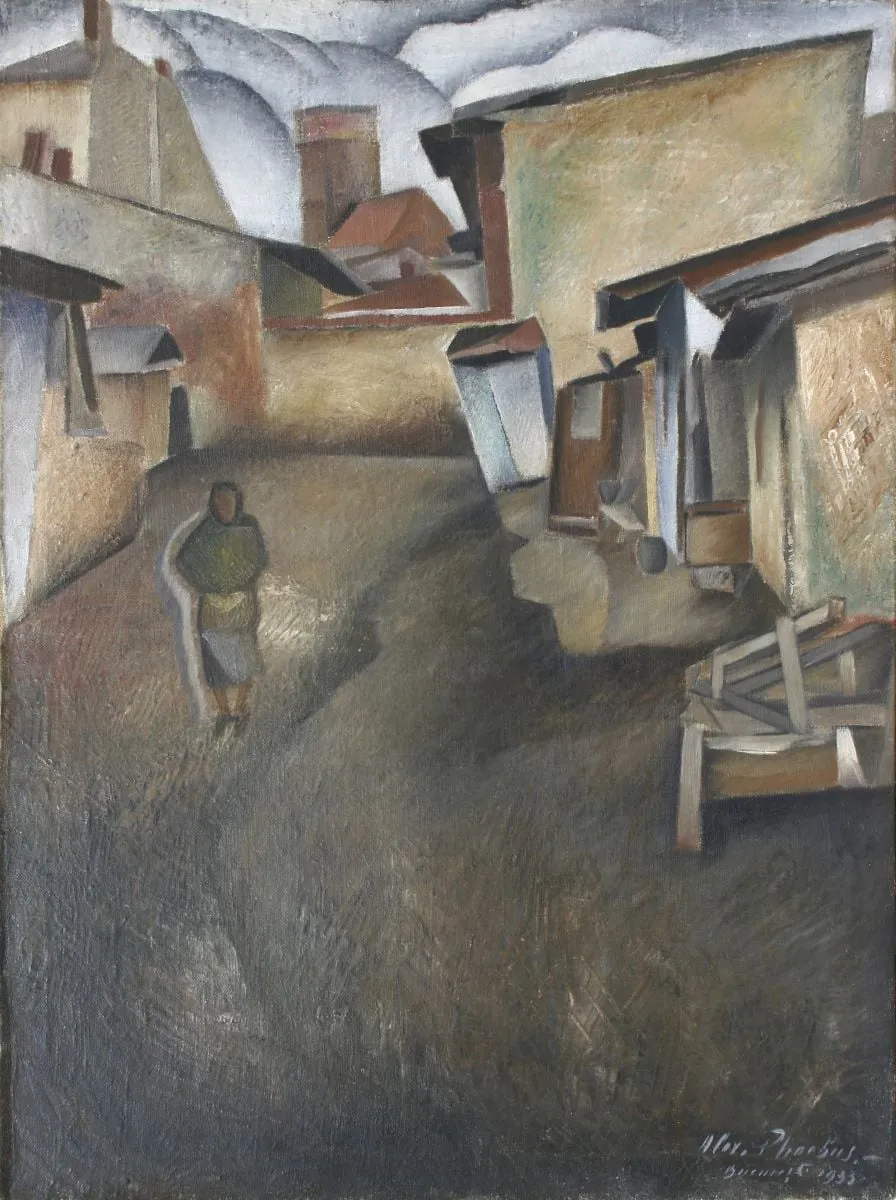
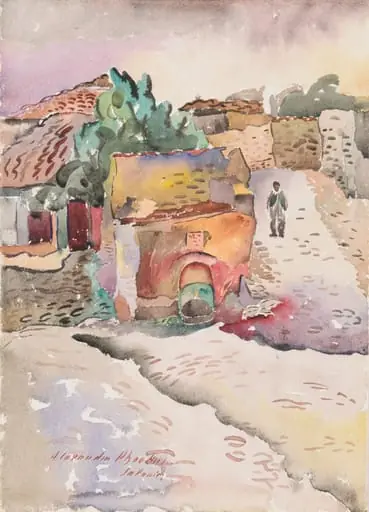
Stradă mizeră is a print by Alexandru Phoebus. It dates from 1933 and is held in the collection of the Gavrilă Simion Eco-Museum Research Institute Tulcea - Art Museum.
About this work
Overview
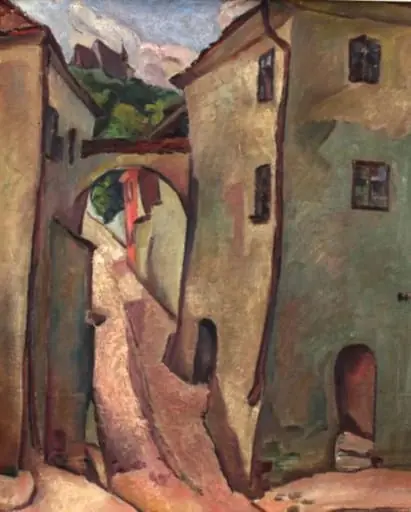
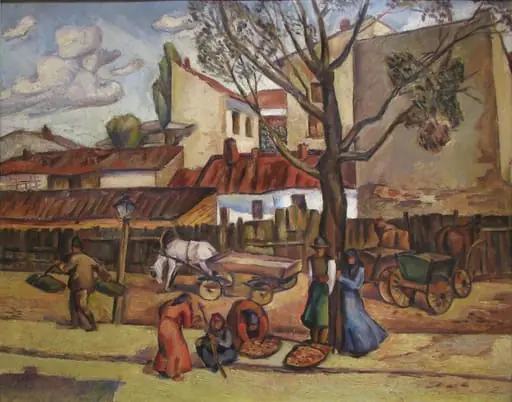
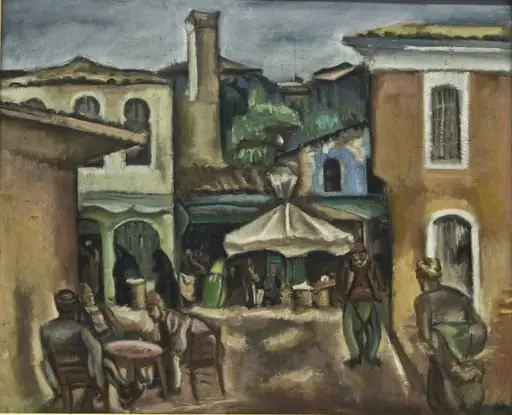
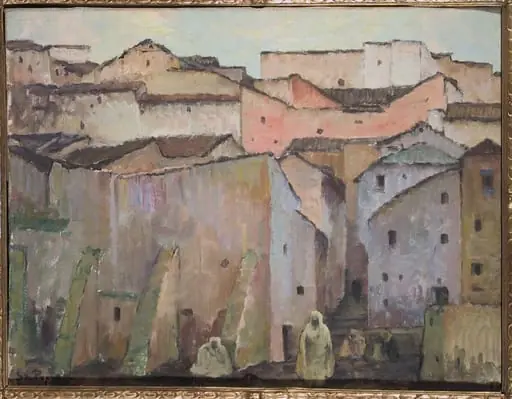
Created in 1933 by Romanian painter Alexandru Phoebus, this oil work—titled Stradă mizeră / Peisaj cu case—is part of the collection of the Museum of Ethnography. The composition captures a cramped urban lane, its architecture rendered in blocky, muted tones that convey a sense of modesty and wear.
Subject & Meaning
The scene depicts a narrow thoroughfare lined with tightly packed, uneven façades. A solitary figure, clad in a dark coat and lighter trousers, walks centrally, while a wooden cart rests nearby. The wet, reflective pavement and the huddled structures suggest everyday life in a modest neighborhood, emphasizing the persistence of routine amid modest surroundings.
Technique & Style
Phoebus employs a palette of flat, subdued colors applied with pronounced, textured brushwork that gives the walls and street a tactile quality. The use of thick paint—reminiscent of impasto—creates a palpable surface, especially on the ground and building edges, while the sharp, geometric delineation of forms lends the image a near‑architectural clarity.
History & Provenance
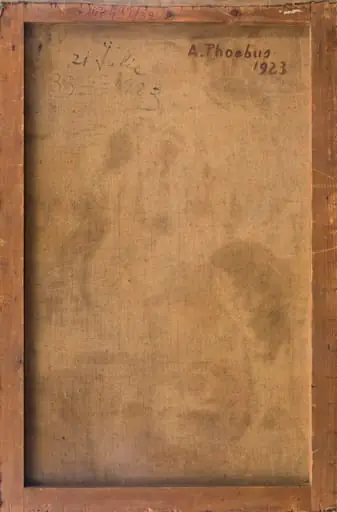
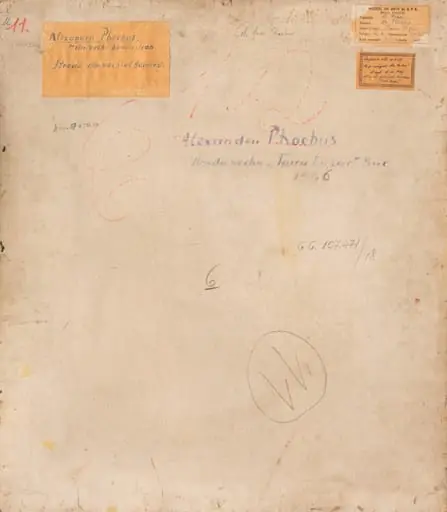
Since its completion in the early 1930s, the painting has remained within public holdings, eventually entering the Museum of Ethnography’s permanent collection. Its presence there underscores the institution’s interest in documenting Romanian urban environments and the visual culture of everyday life during the interwar period.
Artist & collection
Museum
Gavrilă Simion Eco-Museum Research Institute Tulcea - Art Museum
Continue through works from the same source collection.