Artwork
Winter: Juno Beseeching Aeolus to Destroy the Fleet
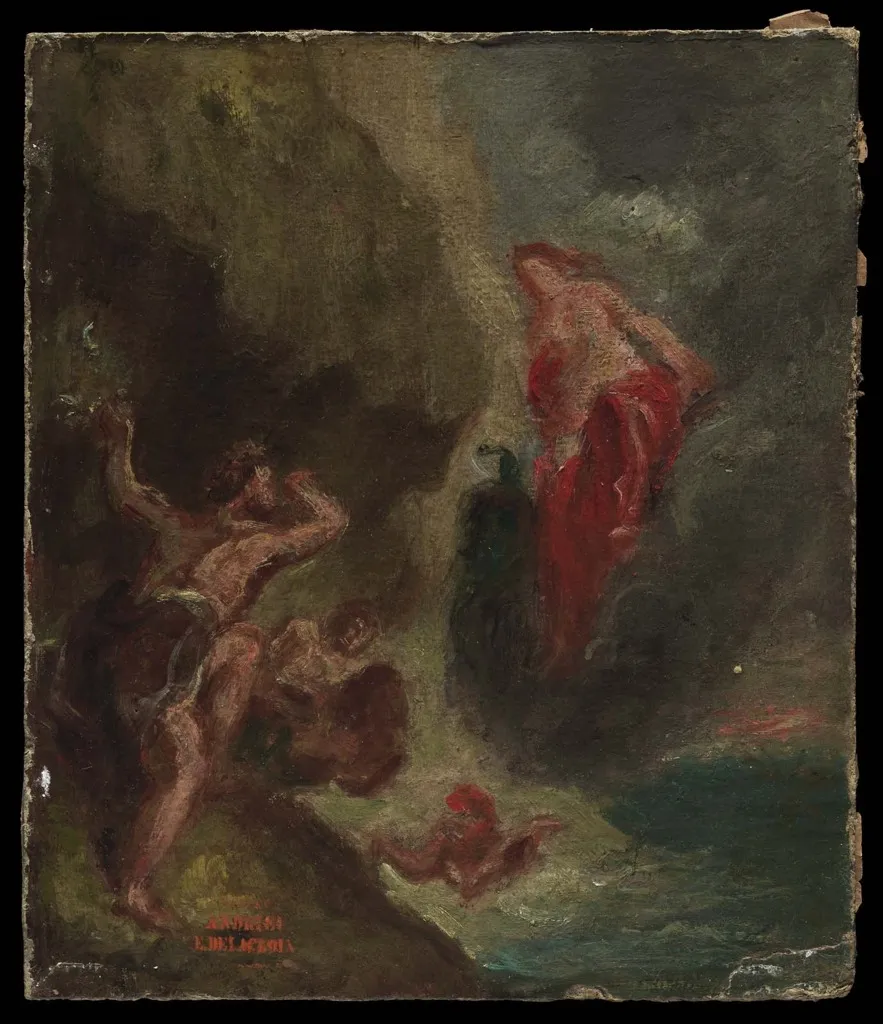
Winter: Juno Beseeching Aeolus to Destroy the Fleet is an unspecified painting by Pierre Andrieu. It dates from 1866 and is held in the collection of the Museum of Fine Arts Boston.
About this work
Overview
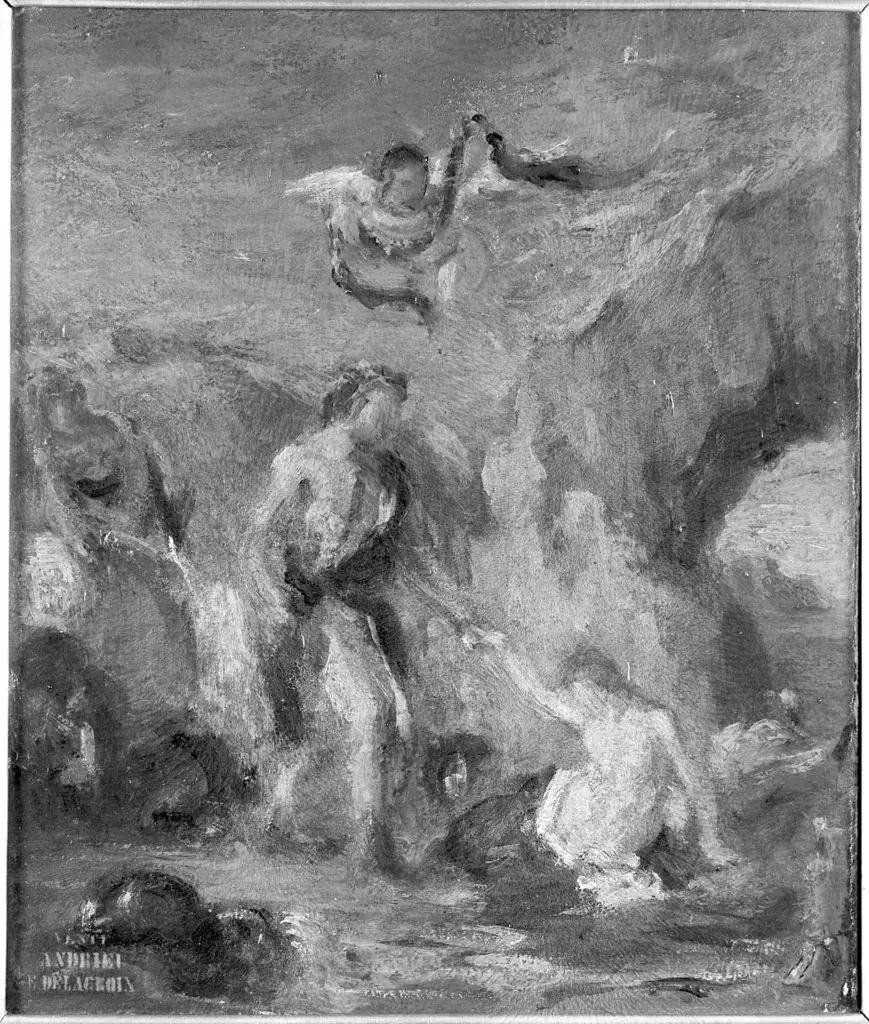
Created around 1866, this oil canvas by French painter Pierre Andrieu depicts a mythological encounter set in a wintry atmosphere. The composition is anchored by two central figures—Juno, the Roman goddess, and Aeolus, the keeper of winds—set against a dark, earthy backdrop that suggests a stormy sea. The work is part of the collection at the Museum of Fine Arts in Boston.
Subject & Meaning
The scene illustrates the moment Juno implores Aeolus to unleash destructive winds upon an enemy fleet, a narrative drawn from classical mythology. Juno’s crimson garment and upward gaze convey pleading authority, while Aeolus, semi‑nude and wielding a staff, appears poised to obey. The surrounding shadows hint at unseen sailors and ships, emphasizing the impending chaos.
Technique & Style
Andrieu employs a limited palette of browns, greens, and deep reds to generate a somber, atmospheric tone. Strong chiaroscuro models the figures, giving them a three‑dimensional presence amid the murky background. Dynamic brushwork around Aeolus’s staff suggests motion, while the softer rendering of distant forms creates depth and a sense of impending turmoil.
History & Provenance
The painting was executed circa 1866, during a period when French academic artists frequently revisited classical themes. It entered the Museum of Fine Arts, Boston, where it remains on view, having been acquired through the museum’s 19th‑century European holdings program. Its provenance prior to museum acquisition is not extensively documented.
Context
Andrieu’s work reflects the 19th‑century fascination with mythological subjects as vehicles for moral and dramatic expression. By choosing a winter setting, the artist heightens the narrative’s tension, aligning the cold, bleak environment with the destructive power Juno seeks. The piece aligns with contemporary academic traditions that emphasized historical accuracy and theatrical composition.
Artist & collection

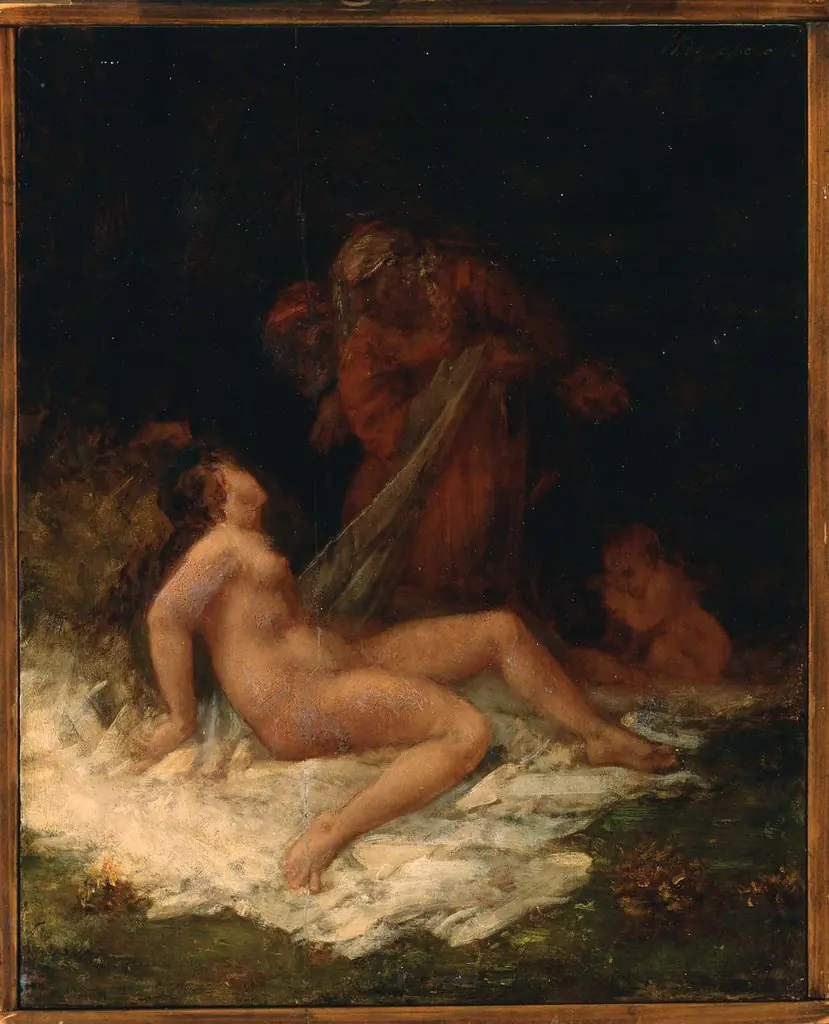 Susanna and the Elders
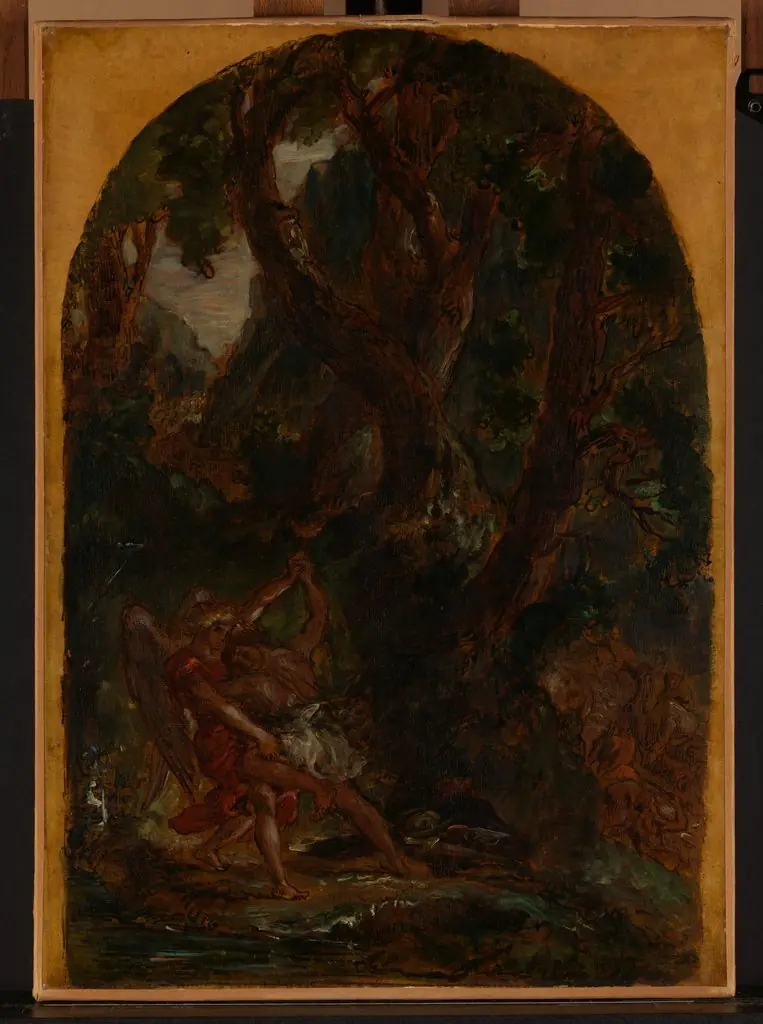 Jacob Wrestling with the Angel
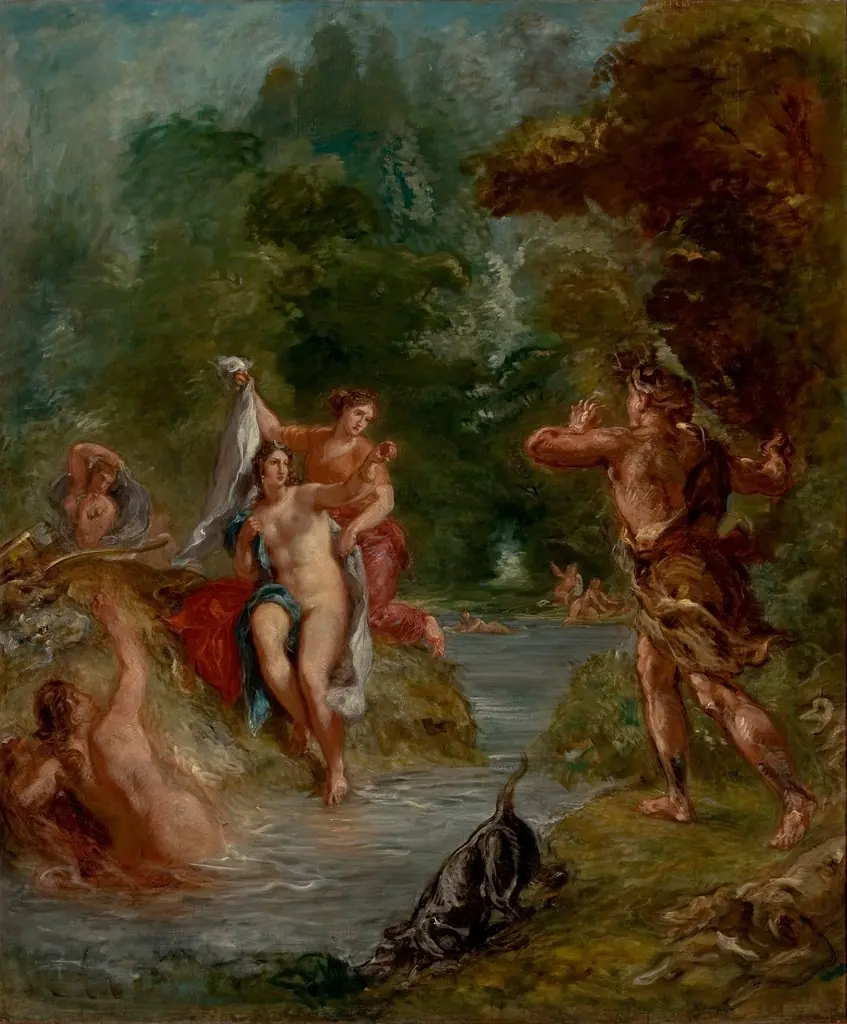 The Summer - Diana surprised by Actaeon
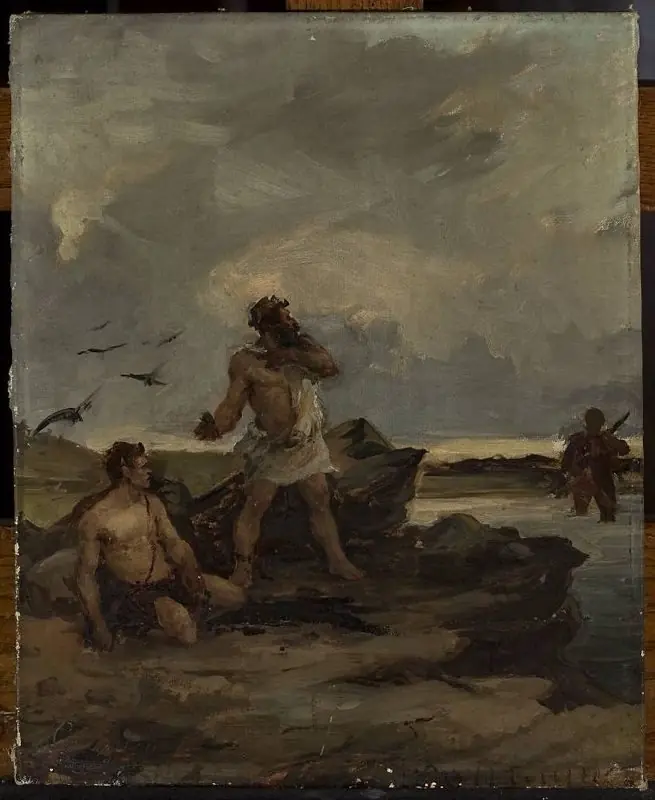 Brother robbers, sketch for a painting
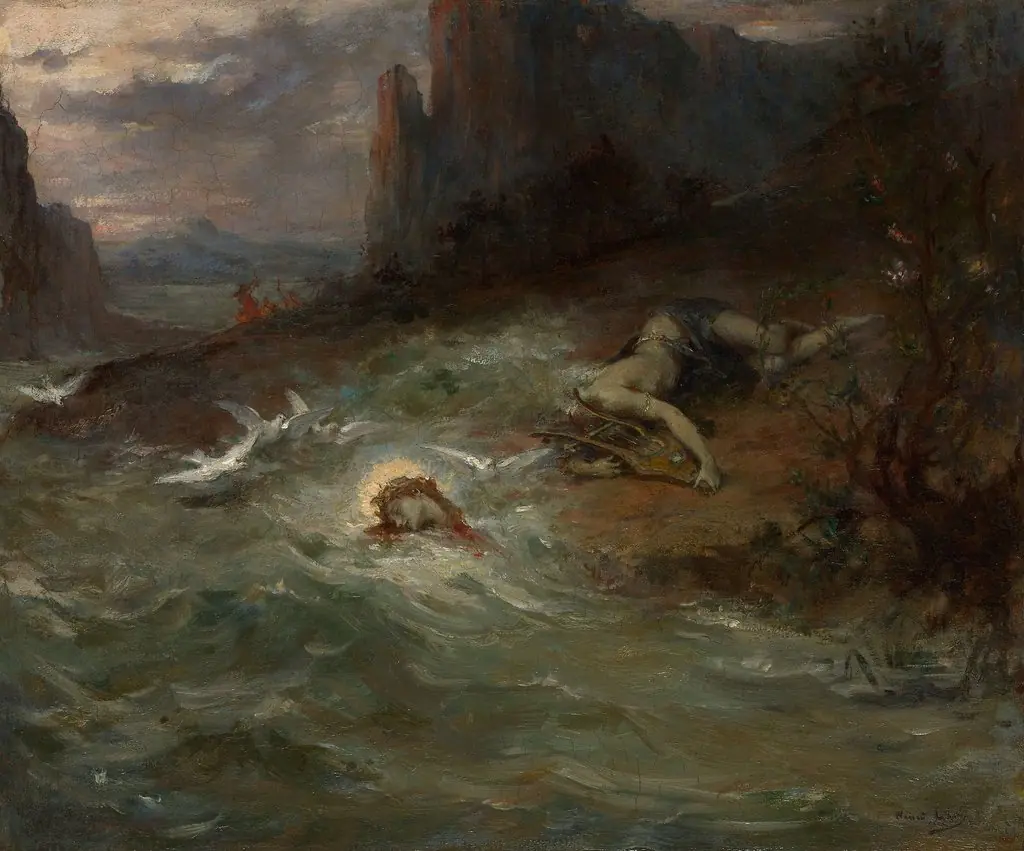 The Death of Orpheus
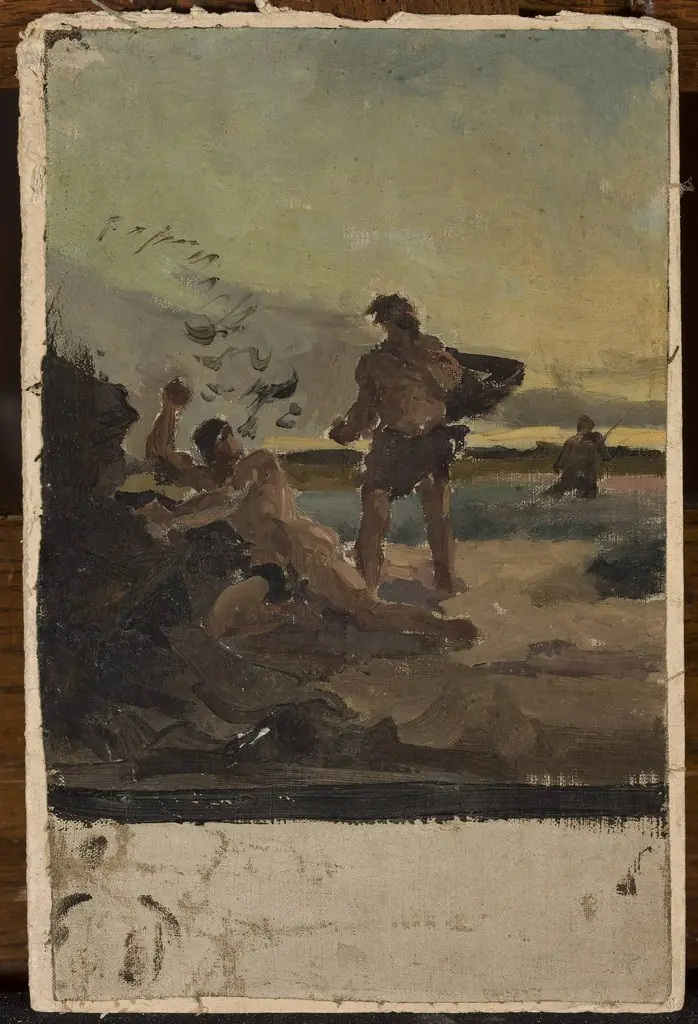 Brother robbers, sketch for a painting
 Landscape
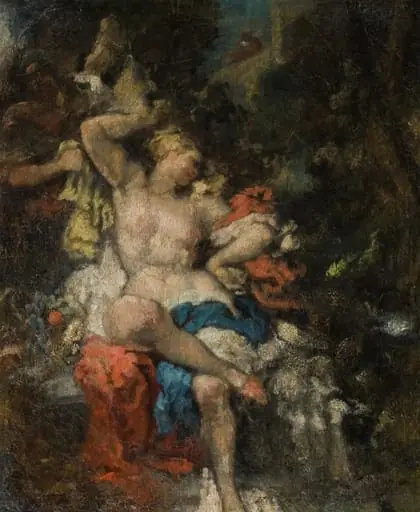 Betsabeea
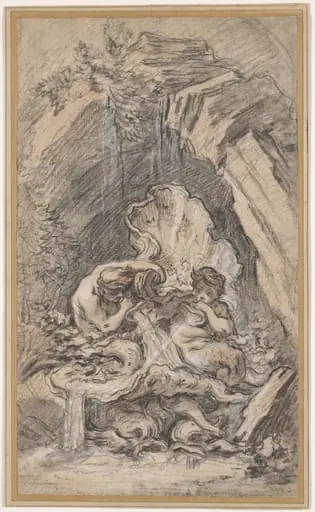 Fountain with Two Tritons Blowing Conch Shells
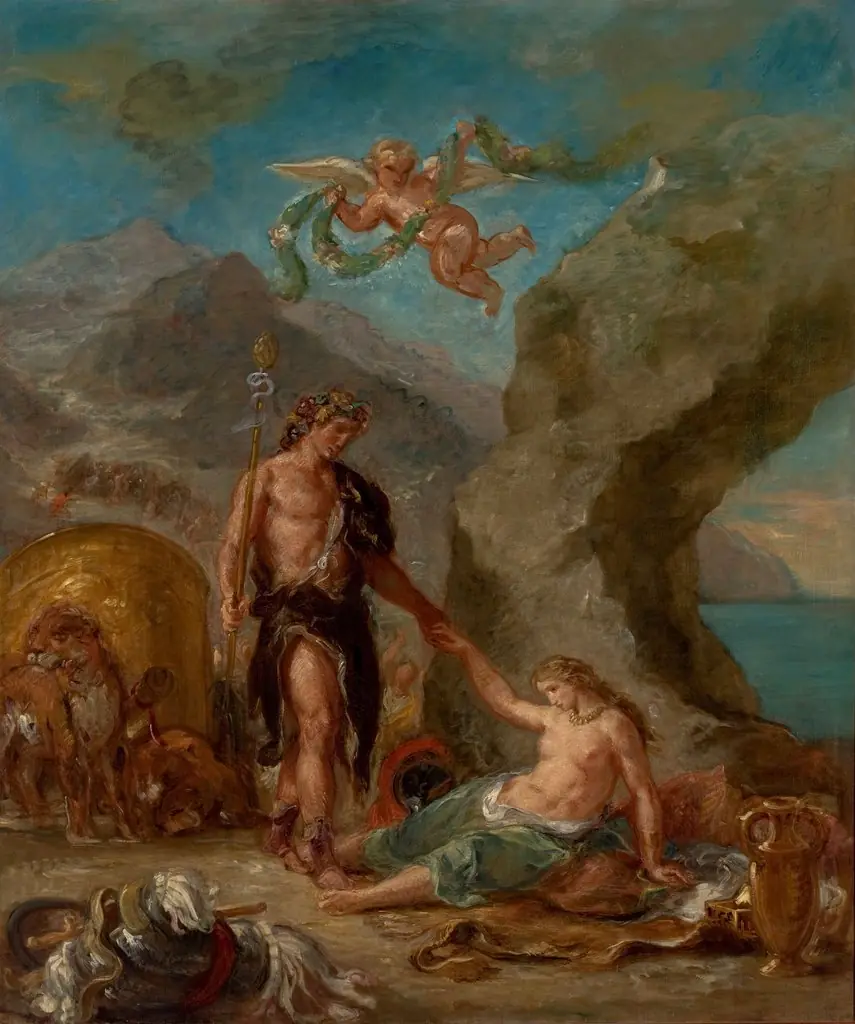 The Autumn - Baccus and Ariadne
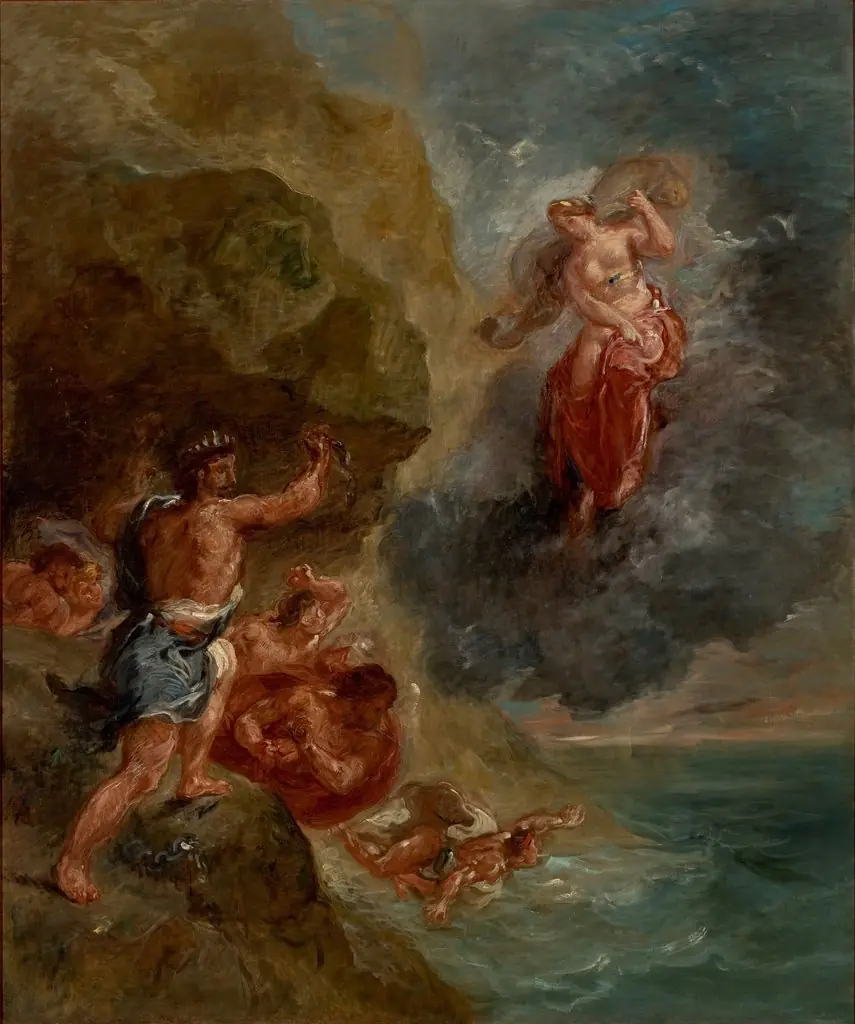 The Winter - Juno beseeches to destroy Eneas' Fleet