Artwork
Portrait of marquise de la Roche-sur-Yon (1696-1750)
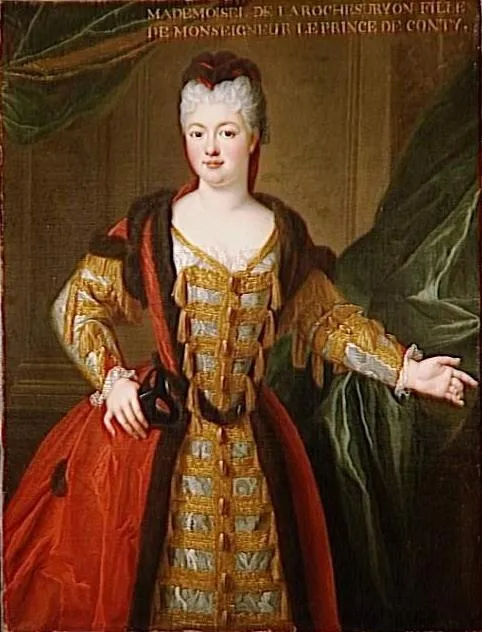
Portrait of marquise de la Roche-sur-Yon (1696-1750) is an oil painting by the Rococo painting artist Pierre Gobert. It dates from 1710 and is held in the collection of the Palace of Versailles.
About this work
Overview
Gobert, a favored painter of the nobility, rendered his subject with precision and restraint, reflecting the refined aesthetics of the Regency period.
Painted in 1710 by Pierre Gobert, this oil portrait captures Louise Adélaïde de Bourbon, later known as the Marquise de la Roche-sur-Yon. The work belongs to the French courtly tradition of the early 18th century and is part of the collection at the Palace of Versailles. Gobert, a favored painter of the nobility, rendered his subject with precision and restraint, reflecting the refined aesthetics of the Regency period.
Subject & Meaning
The sitter, Louise Adélaïde de Bourbon, was a member of the legitimatized branch of the French royal family. Her portrayal emphasizes status through attire and composure rather than overt symbolism. The composed gaze and dignified posture convey aristocratic poise, aligning with expectations of female nobility at court. The painting serves as both personal likeness and social statement, affirming her place within the hierarchical structure of the monarchy.
Technique & Style
Gobert employed fine brushwork to render the textures of silk, lace, and embroidery with meticulous care. The dress’s gold detailing and white trim are rendered with subtle highlights, while the dark background and green drapery create depth without distraction. Soft modeling of the face avoids dramatic chiaroscuro, favoring even illumination to enhance clarity and elegance. The composition is balanced and intimate, focusing attention on the sitter’s refined presence.
History & Provenance
Commissioned during the early years of the Regency, the portrait entered the royal collection shortly after its completion. It remained in the possession of the French crown and was later transferred to the Palace of Versailles, where it has been displayed as part of the court’s visual archive. Its continuous presence in royal holdings underscores its significance as a documented representation of aristocratic identity in the early 1700s.
Context
Created during a transitional phase in French portraiture, the work reflects the shift from the grandeur of Louis XIV’s reign to the more intimate, decorative style of the Regency. While still rooted in formal conventions, Gobert’s approach softens the rigidity of earlier court portraits. The emphasis on textile detail and quiet demeanor mirrors broader cultural trends favoring elegance over spectacle in aristocratic representation.
Legacy
The portrait remains a representative example of Gobert’s contribution to French court art. Though not widely exhibited outside Versailles, it continues to inform scholarly understanding of how noblewomen were visually constructed in early 18th-century France. Its preservation within the royal collection ensures its role as a historical document of fashion, status, and artistic practice during the period.
Artist & collection

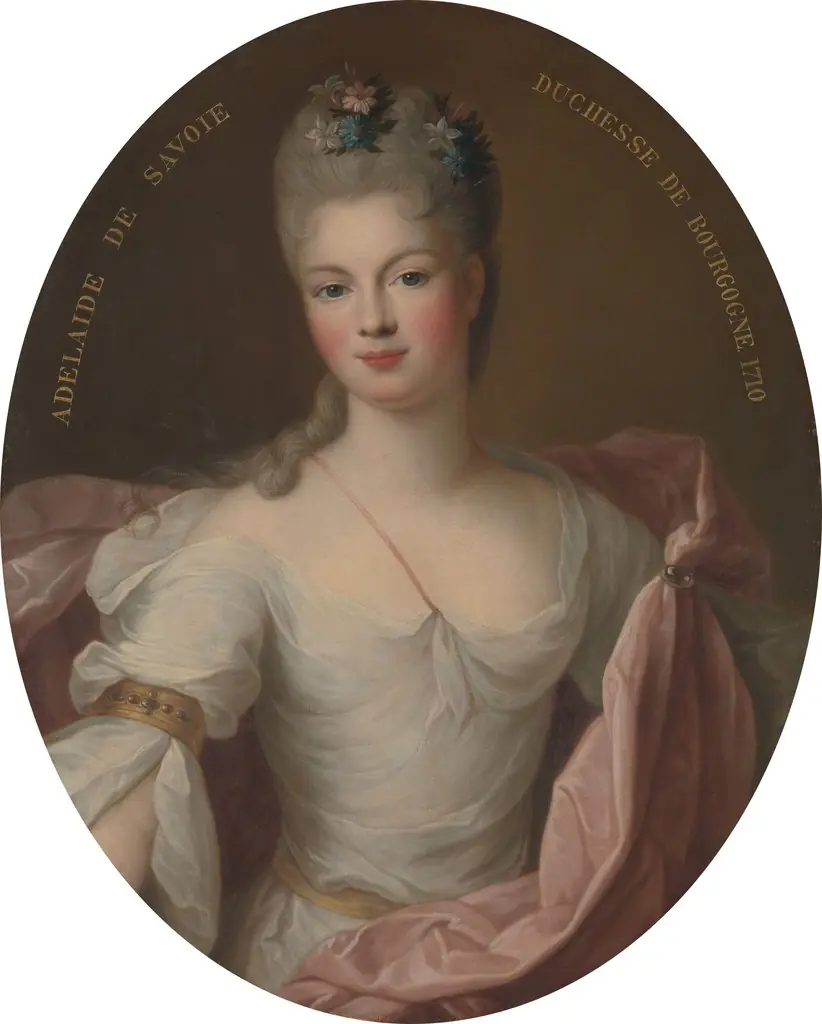 Marie Adélaïde de Savoie (1685–1712), Duchesse de Bourgogne
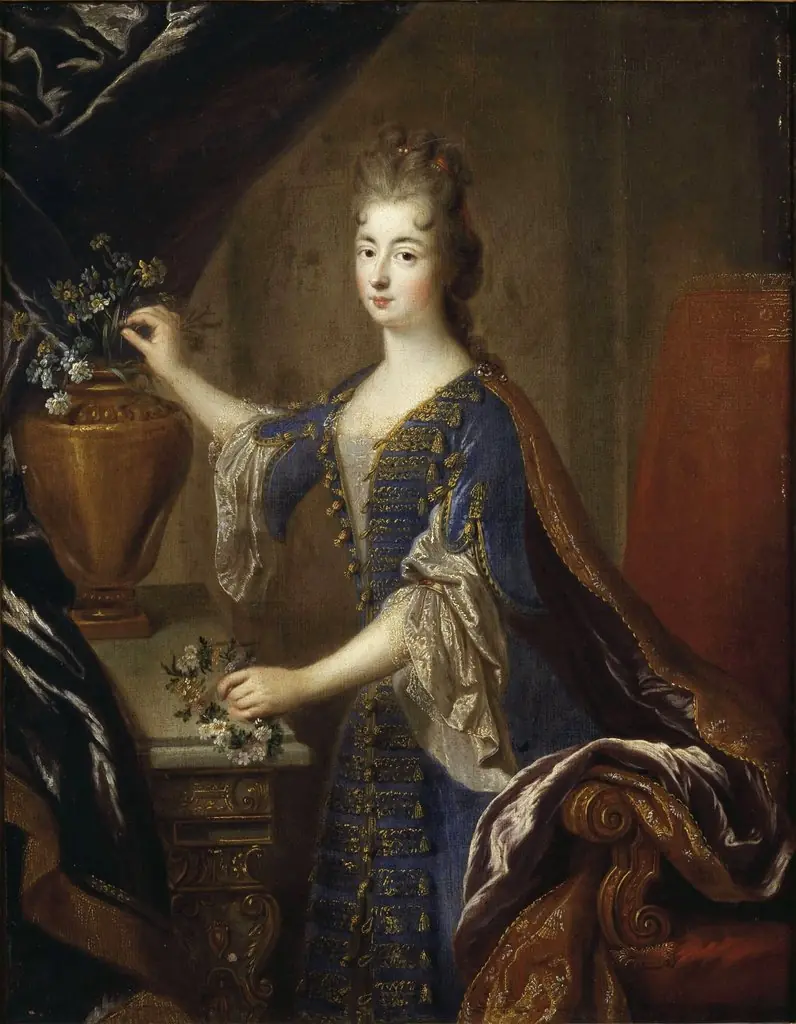 Marie-Anne de Bourbon, Princess of Conti (1666-1739)
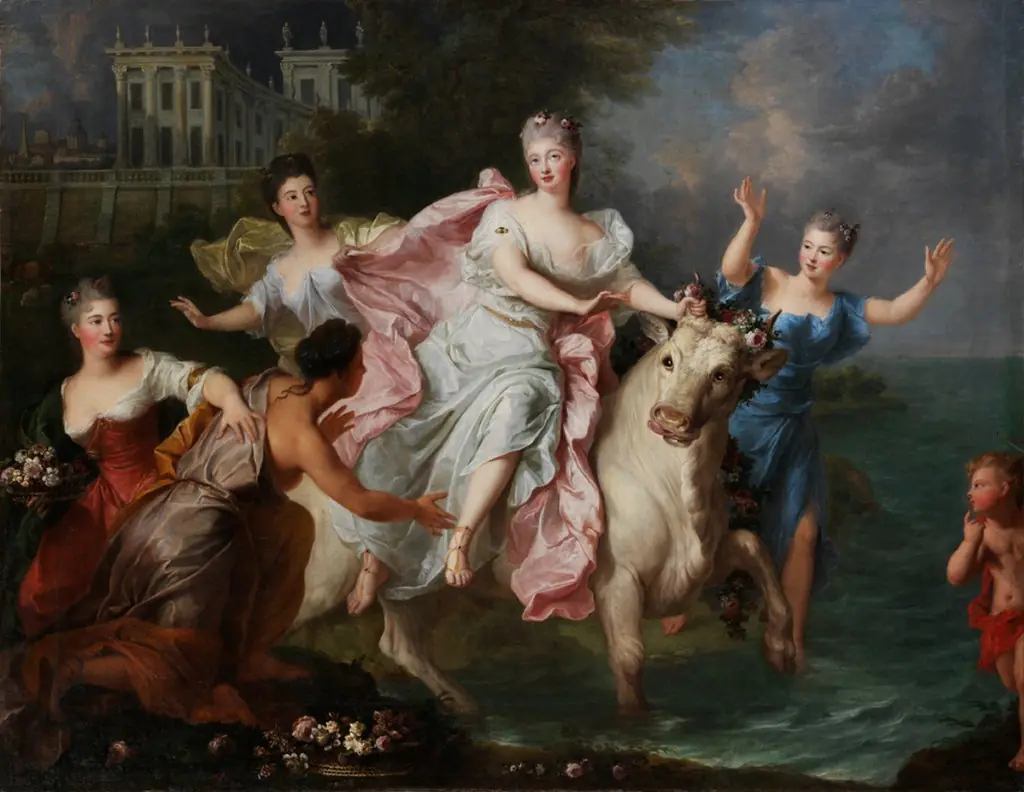 The Rape of Europa
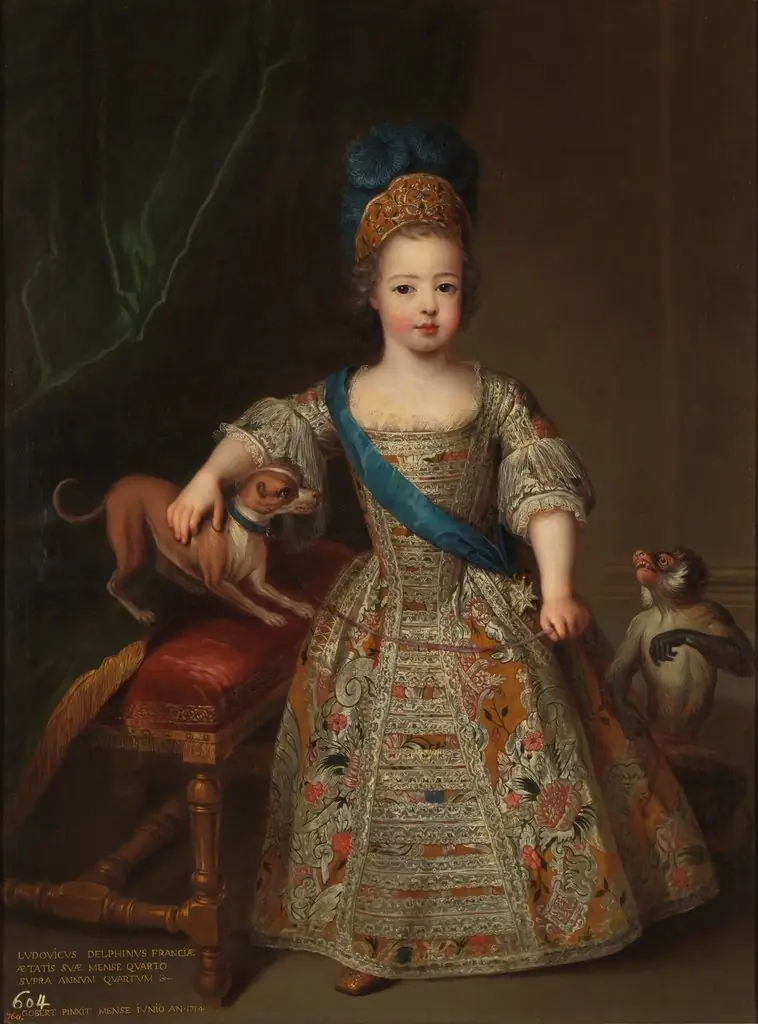 The Young Louis XV
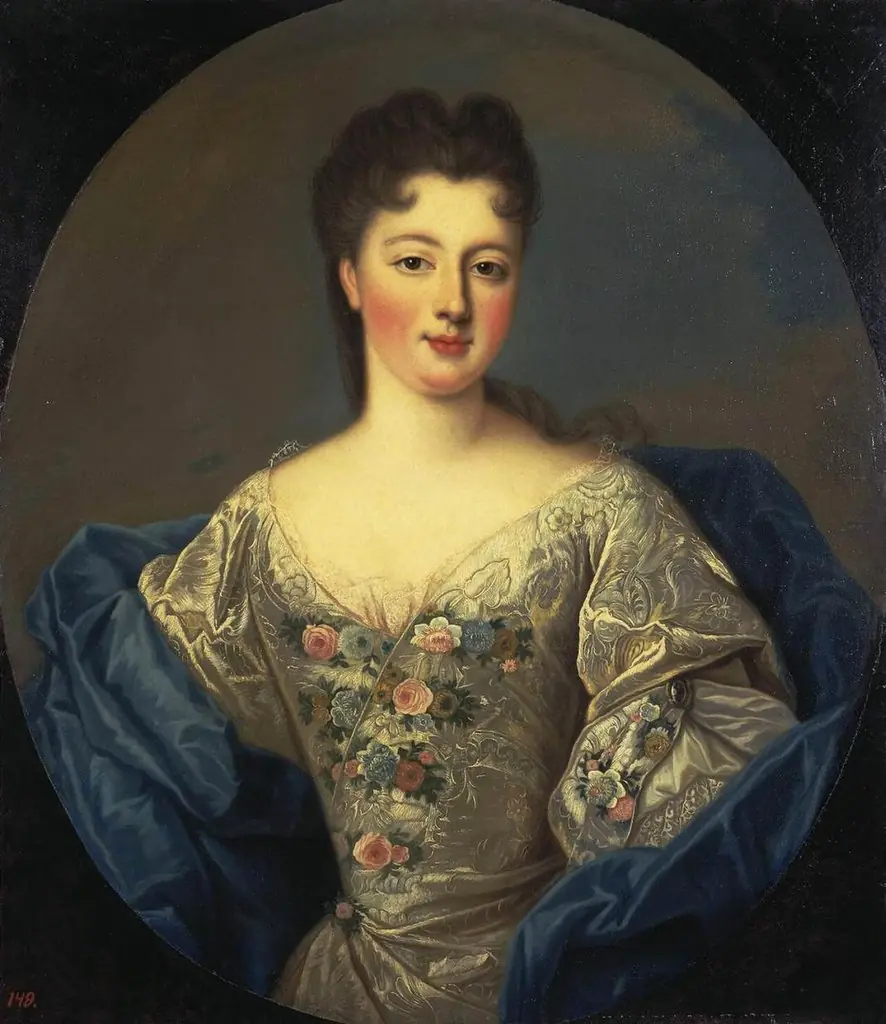 Portrait of Luiza Adelaida of Orleans
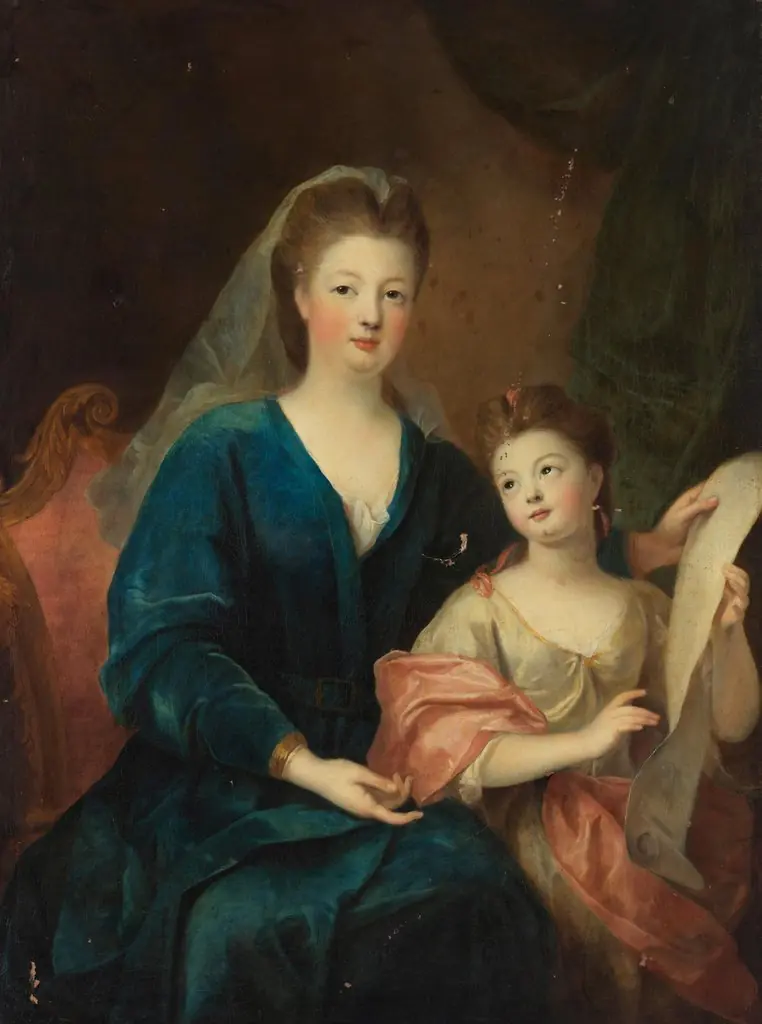 The Duchess of Bourbon and her daughter
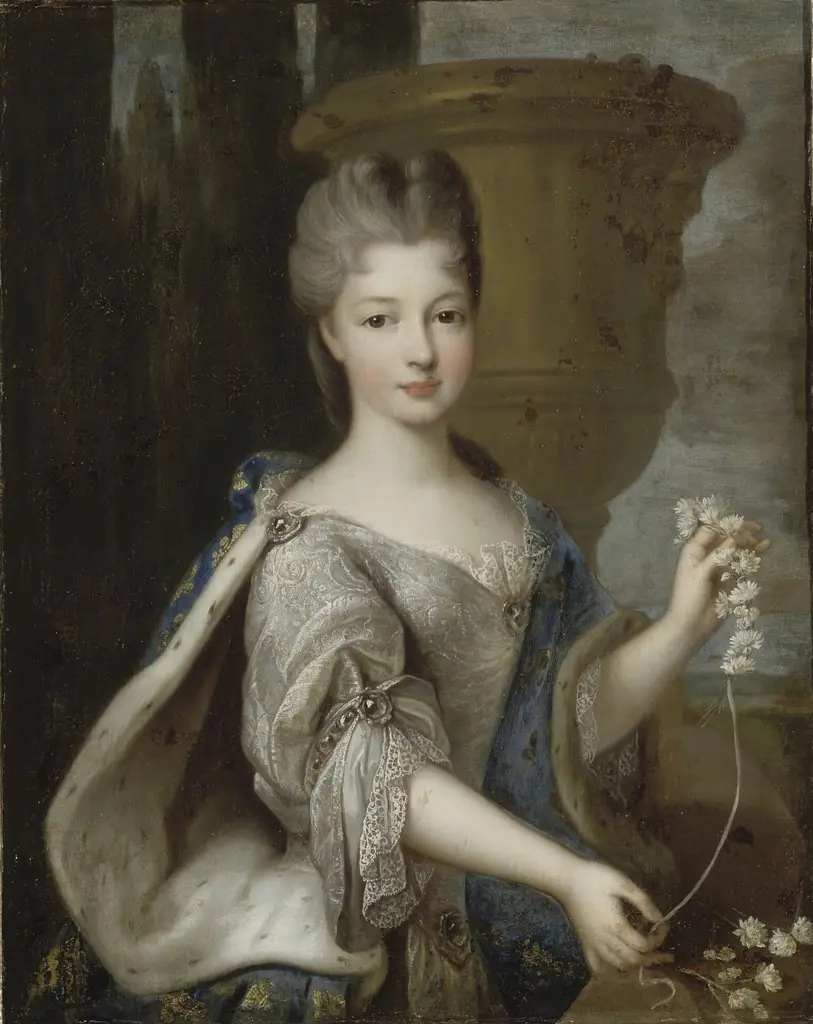 Louise-Elisabeth de Bourbon-Condé, Princess of Conti (1699-1775)
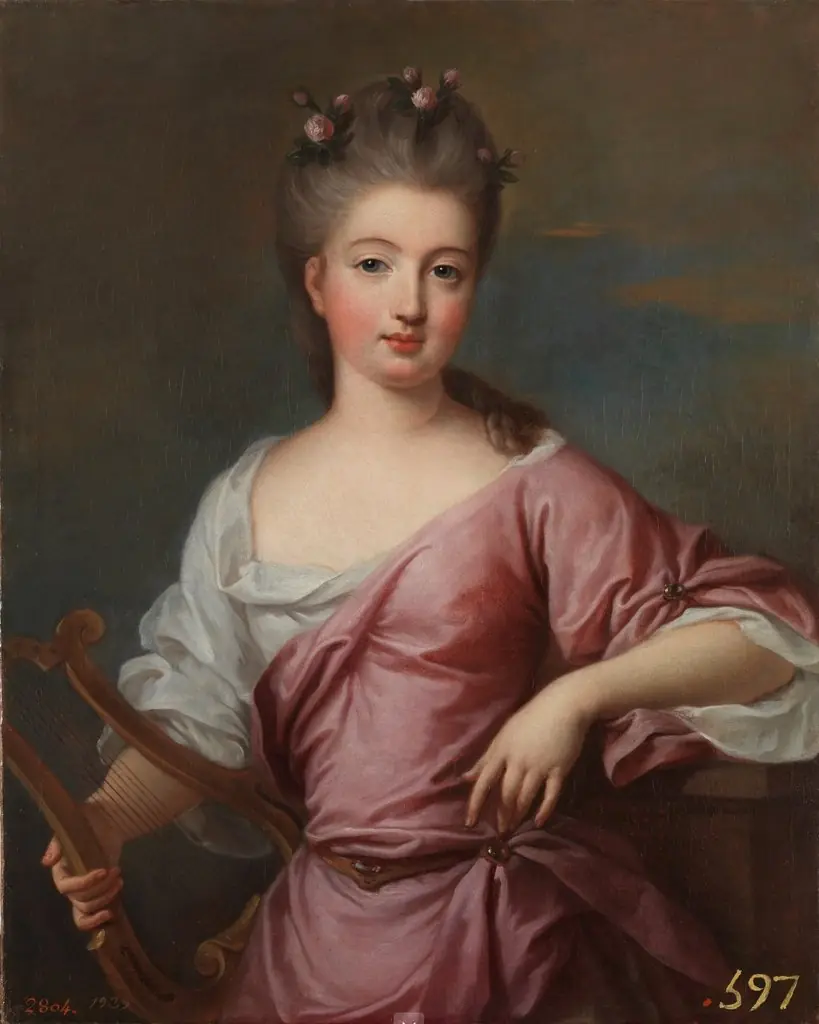 Portrait of Mlle de Berry
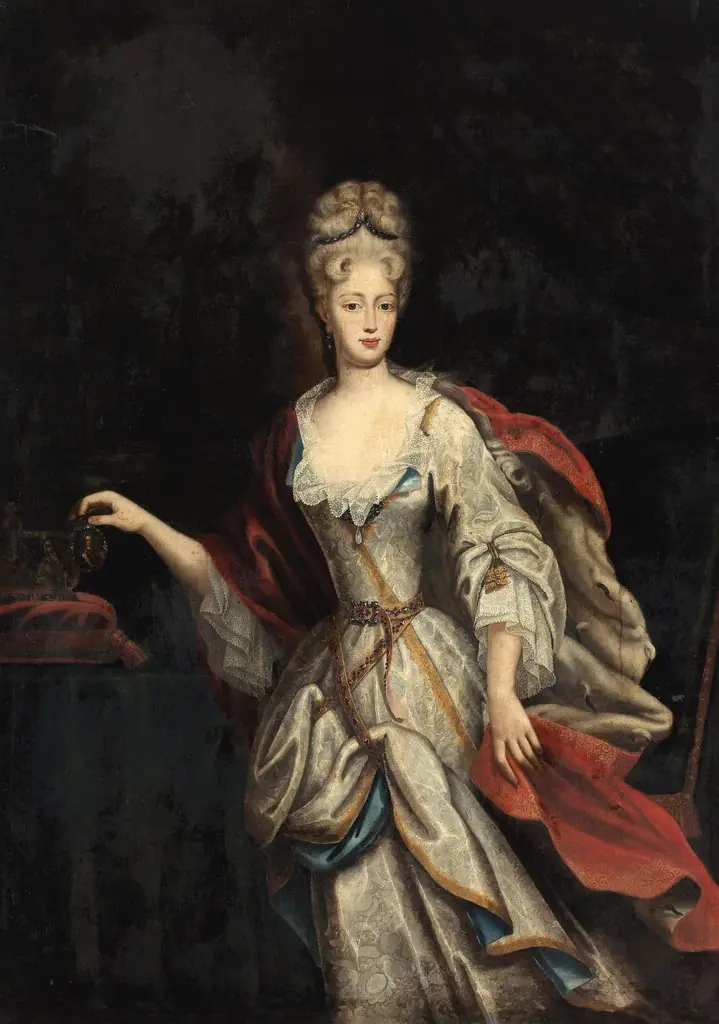 Bildnis einer Fürstin
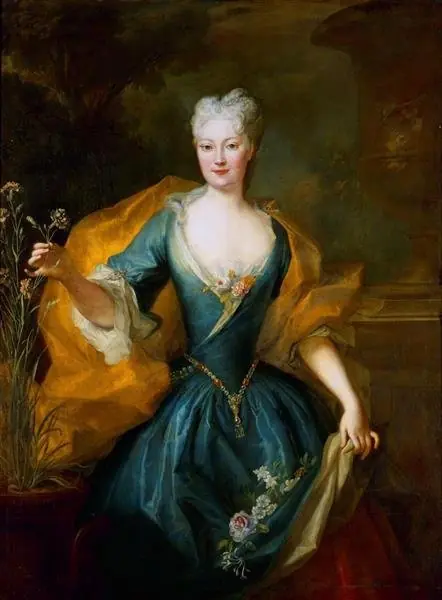 Friederike Charlotte Fürstin Lubomirska (1701-1755)
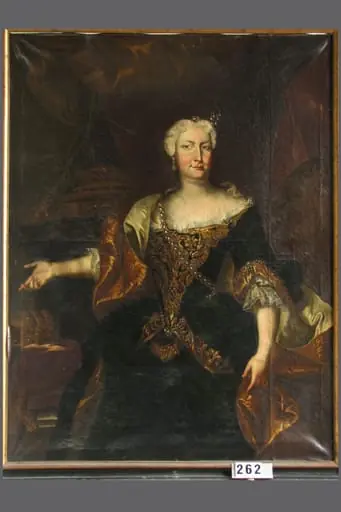 Împărăteasa Elisabetha Christina ; în registrul inventar: Prințesă necunoscută
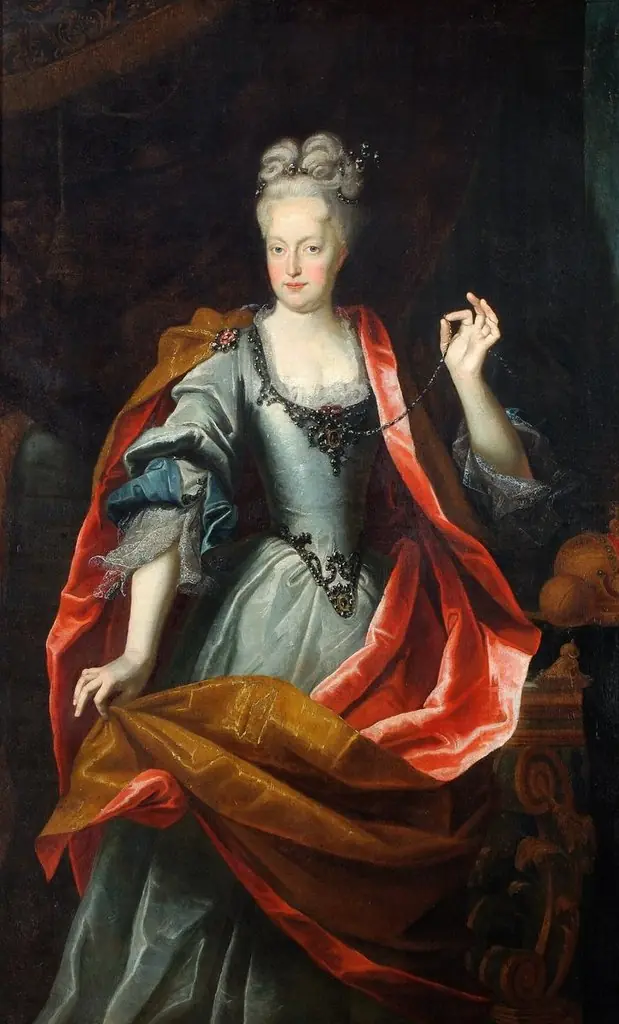 Portrait of Elisabeth Christine von Braunschweig-Wolfenbüttel
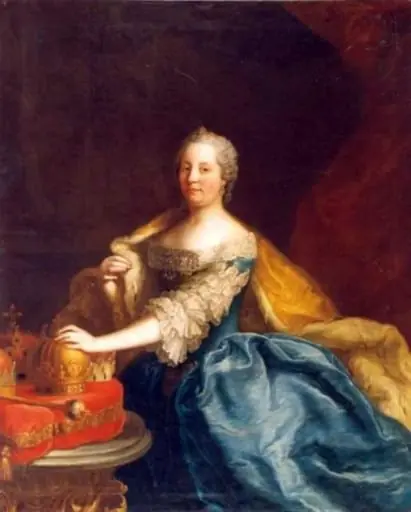 Împărăteasa Maria Theresia
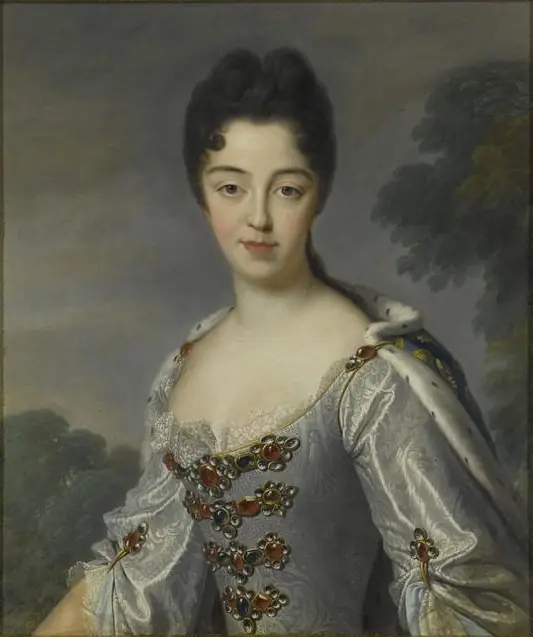 Marie Adélaïde of Savoy, Duchess of Burgundy
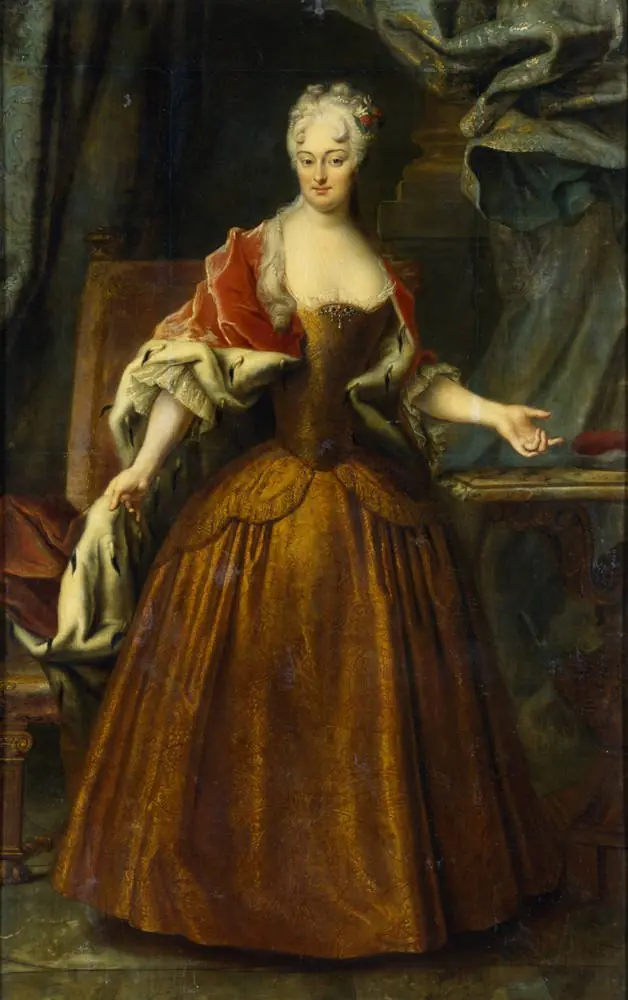 Sophie, Markgräfin von Brandenburg-Bayreuth, geb. Herzogin Sachsen-Weißenfels (1684-1752)
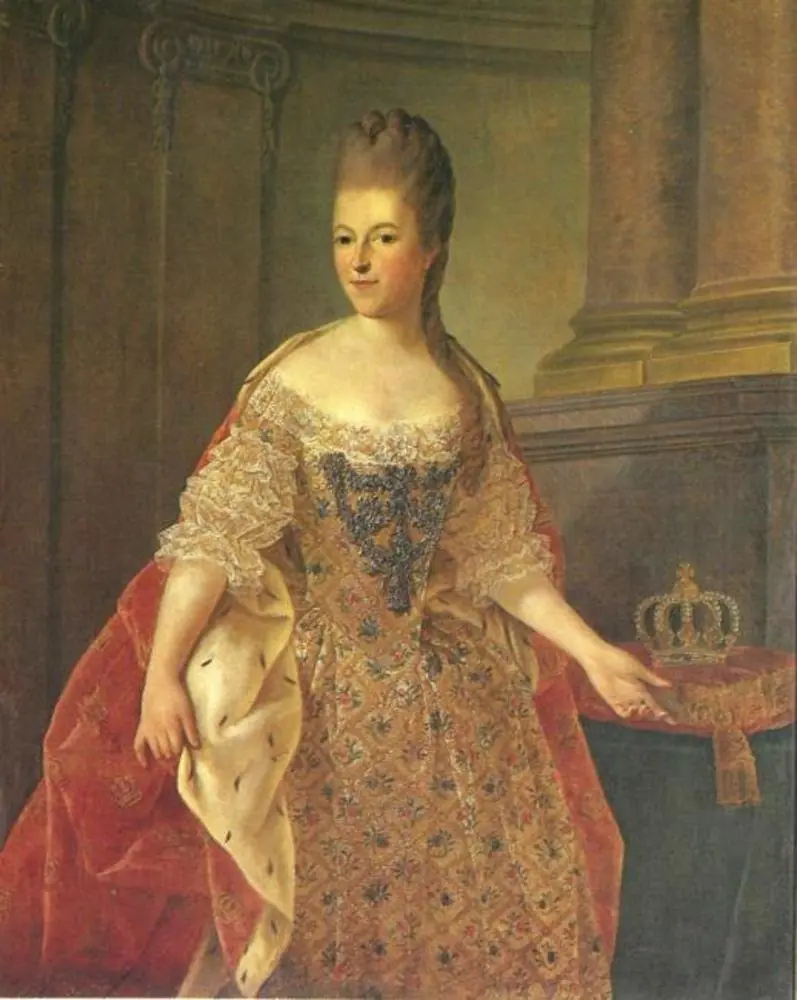 Frederika Sophia Wilhelmina (Wilhelmina; 1751-1820), prinses van Pruisen. Echtgenote van prins Willem V
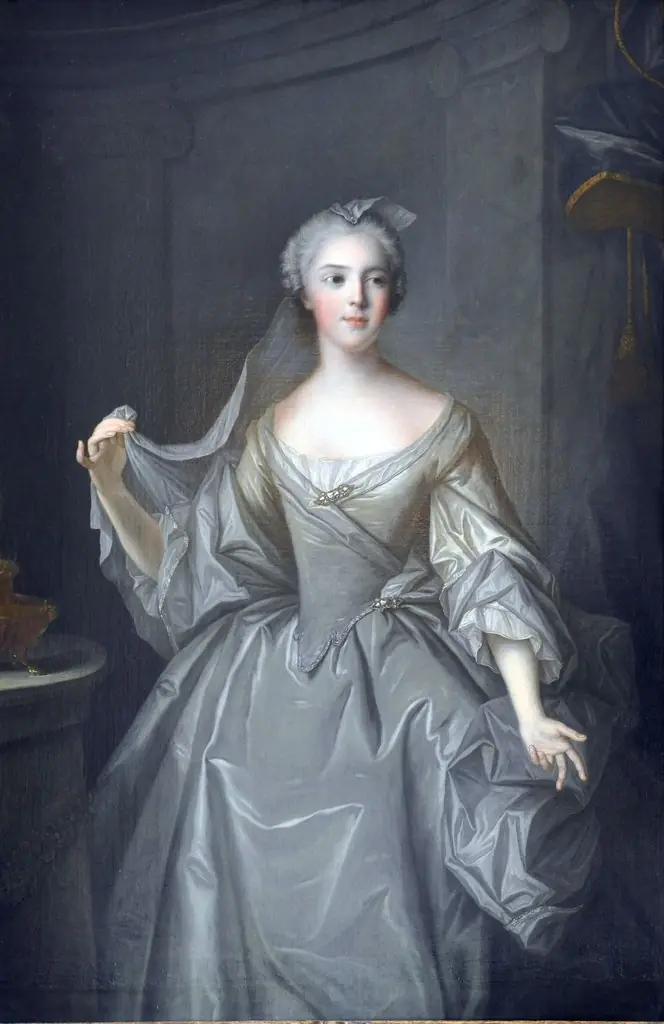 Madame Sophie of France as a Vestal Virgin
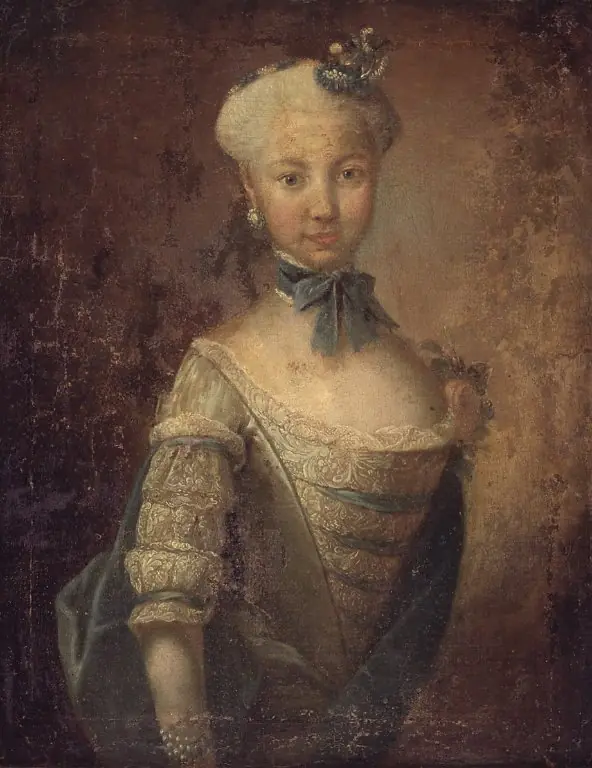 Portræt af en lille pige
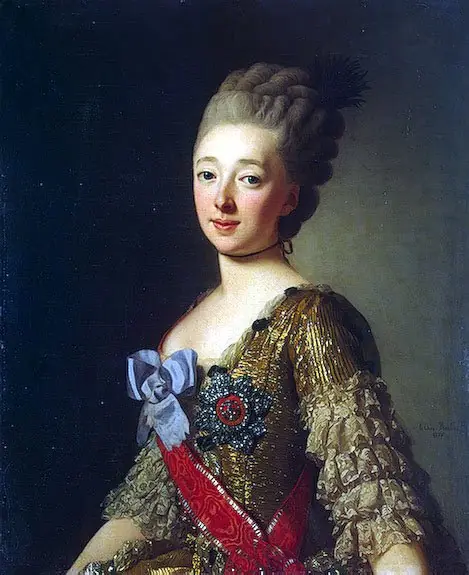 Portrait of Grand Duchess Natalia Alexeievna (Wilhelmina Louisa of Hesse-Darmstadt)