Artwork
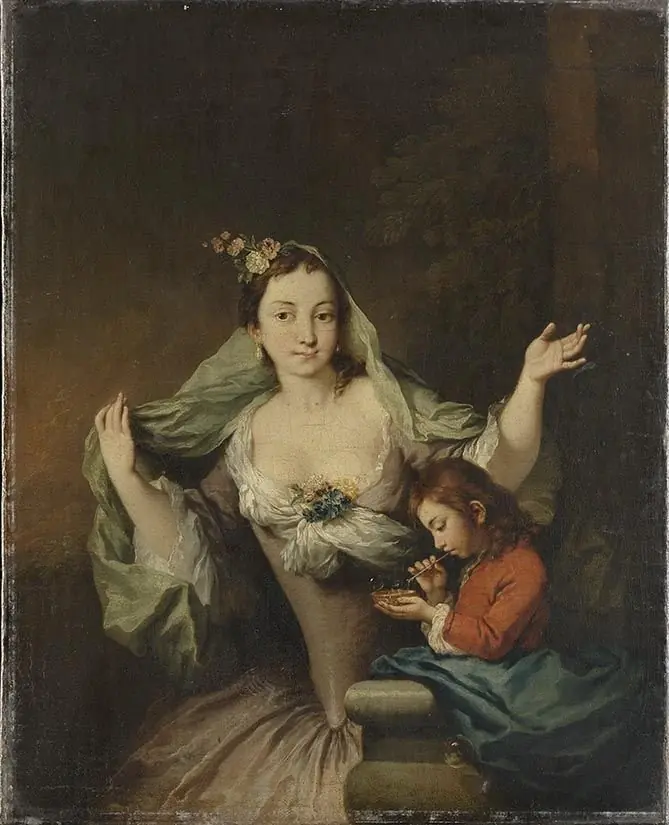
Bildnis einer Dame als Venus
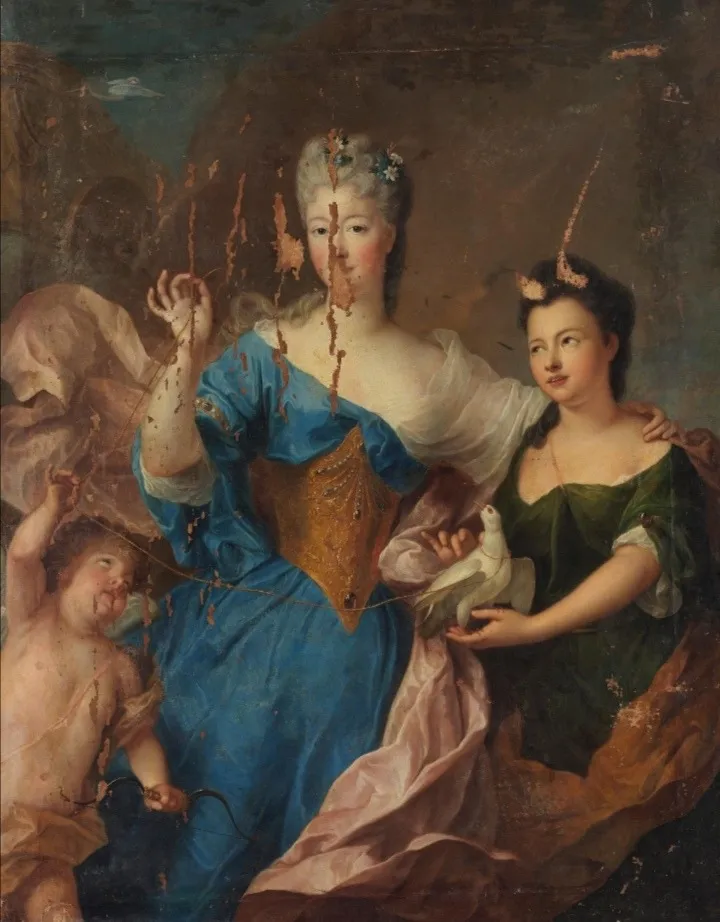
Bildnis einer Dame als Venus is an unspecified painting by Pierre Gobert. It dates from 1712 and is held in the collection of the Bavarian State Painting Collections.
About this work
Overview
The composition is intimate, centered on the figure’s calm demeanor and symbolic accessories, avoiding theatricality in favor of restrained elegance.
Painted around 1712 by Pierre Gobert, this portrait presents a noblewoman idealized as Venus, the Roman goddess of love. The work resides in the Alte Pinakothek in Munich and exemplifies early 18th-century French portraiture that blends aristocratic likeness with mythological allegory. The composition is intimate, centered on the figure’s calm demeanor and symbolic accessories, avoiding theatricality in favor of restrained elegance.
Subject & Meaning
The central figure, dressed in blue and adorned with a gold corset, is identified as Venus through her association with the cherub holding a bow and arrow—symbols of love’s power. The white bird in her hand may reference doves, sacred to the goddess. A younger attendant in green, possibly a nymph or lady-in-waiting, reinforces the scene’s domesticated mythological setting. The imagery suggests virtue, grace, and quiet authority rather than overt sensuality.
Technique & Style
Gobert employs subtle chiaroscuro to model the figures with soft volume, enhancing the texture of silk and skin without dramatic contrast. The muted palette, punctuated by the blue and green garments, creates harmony while drawing focus to the central pair. Brushwork is precise yet fluid, particularly in the rendering of fabric folds and the cherub’s delicate features. The distant landscape behind the drapery adds spatial depth without distracting from the figures.
History & Provenance
The painting entered the Alte Pinakothek’s collection in the 19th century, likely acquired as part of a broader effort to expand its holdings of French court portraiture. Its attribution to Gobert, a favored painter of the French aristocracy under Louis XIV and Louis XV, aligns with its refined execution and aristocratic subject. No significant alterations or reworkings are documented, preserving its original composition and intent.
Context
In early 18th-century France, portraiture often merged personal identity with classical allusion to elevate the sitter’s status. Gobert’s work reflects this trend, common among court artists who catered to noble patrons seeking to align themselves with mythological ideals. The painting’s quiet tone contrasts with the more exuberant styles emerging in Italy, reflecting French preference for discretion and psychological nuance over spectacle.
Legacy
Though not widely reproduced, the painting remains a representative example of French court portraiture’s symbolic language. It illustrates how mythological references were adapted for private, intimate settings rather than public monuments. Scholars value it for its nuanced depiction of femininity and its role in understanding the visual culture of the Regency period in France.
Artist & collection

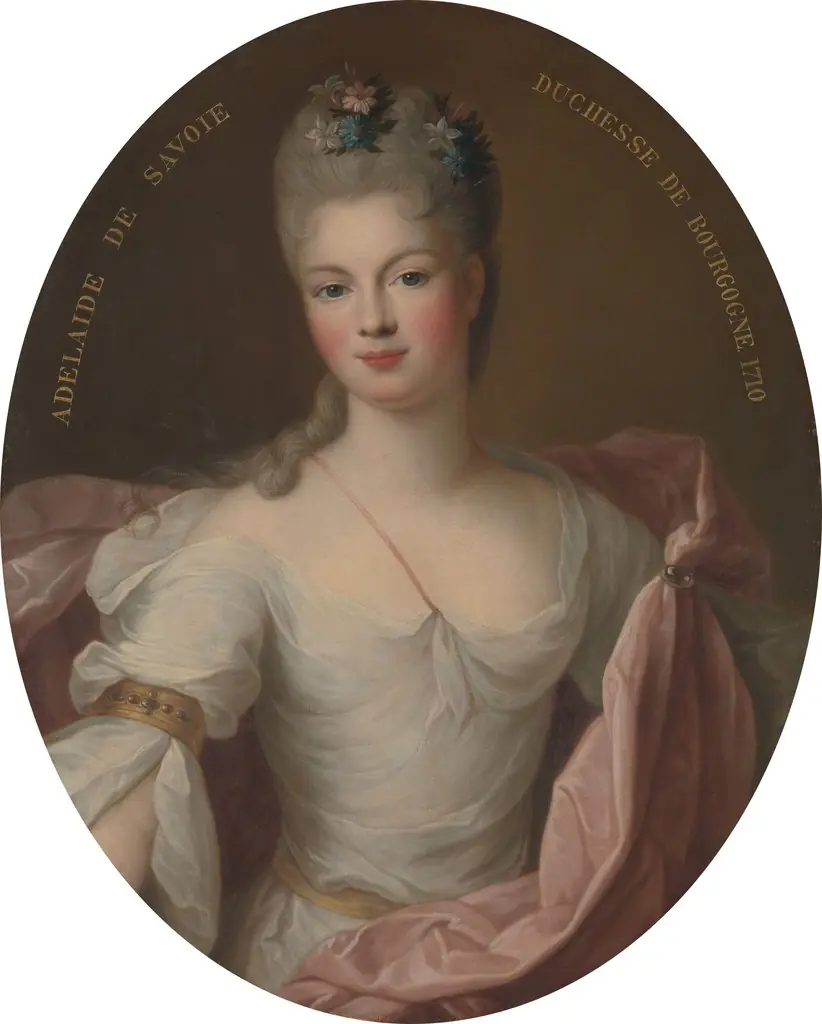 Marie Adélaïde de Savoie (1685–1712), Duchesse de Bourgogne
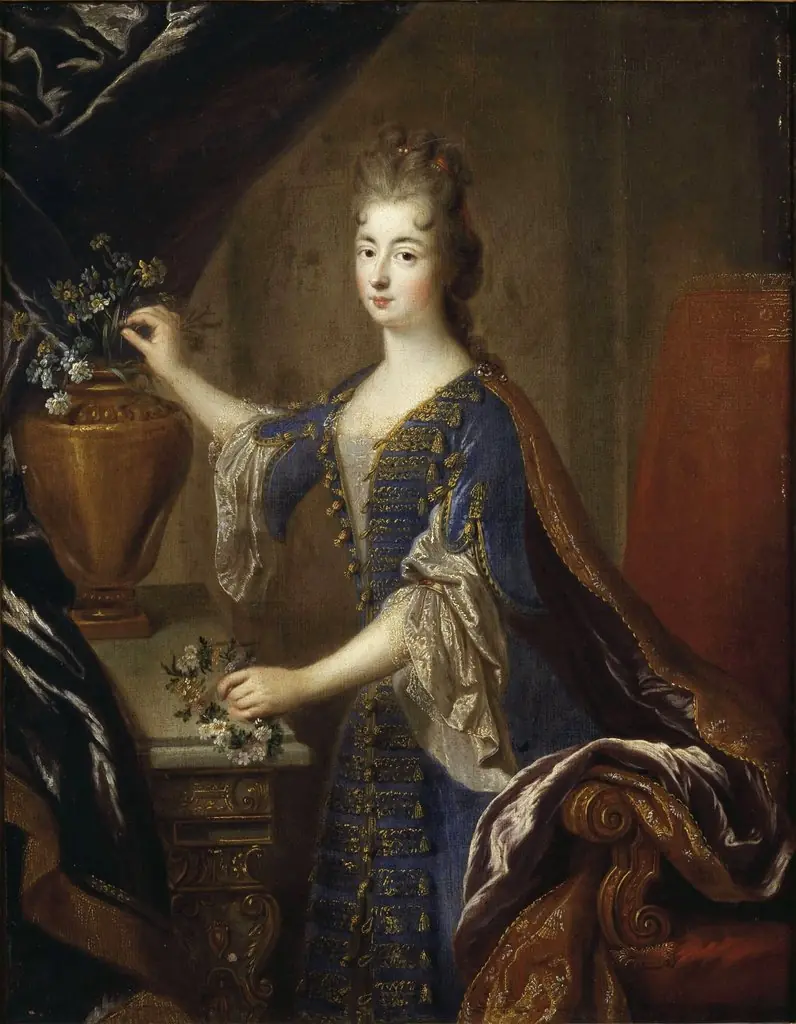 Marie-Anne de Bourbon, Princess of Conti (1666-1739)
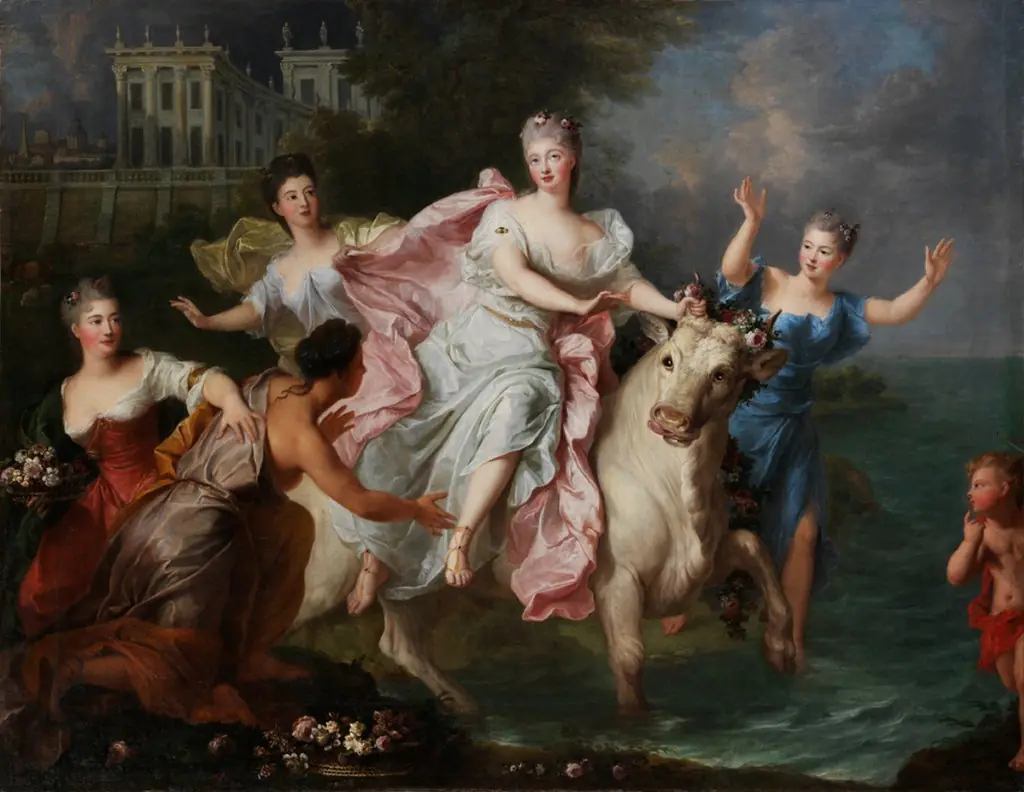 The Rape of Europa
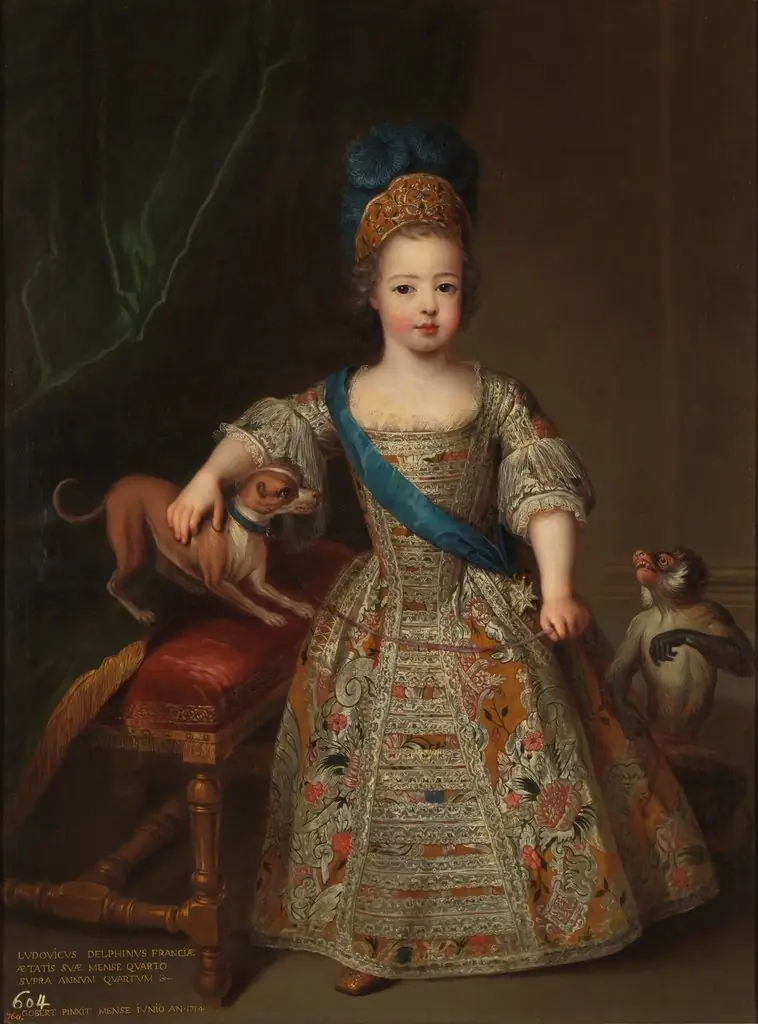 The Young Louis XV
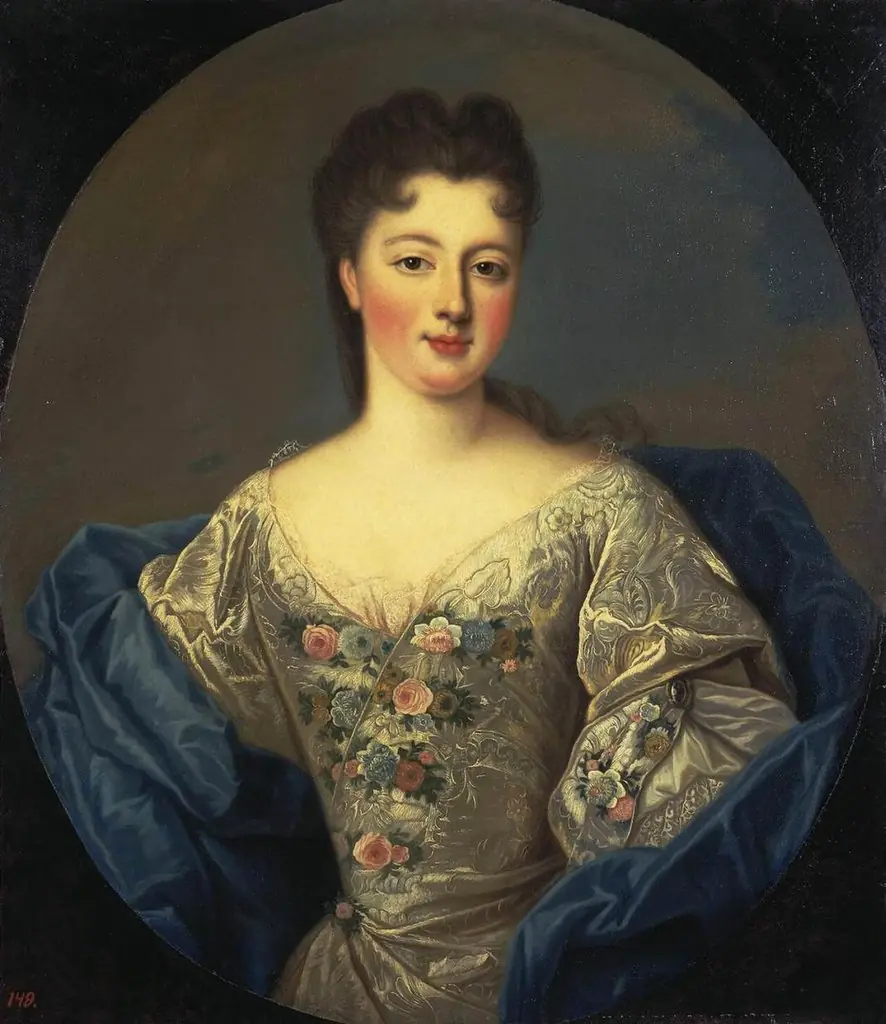 Portrait of Luiza Adelaida of Orleans
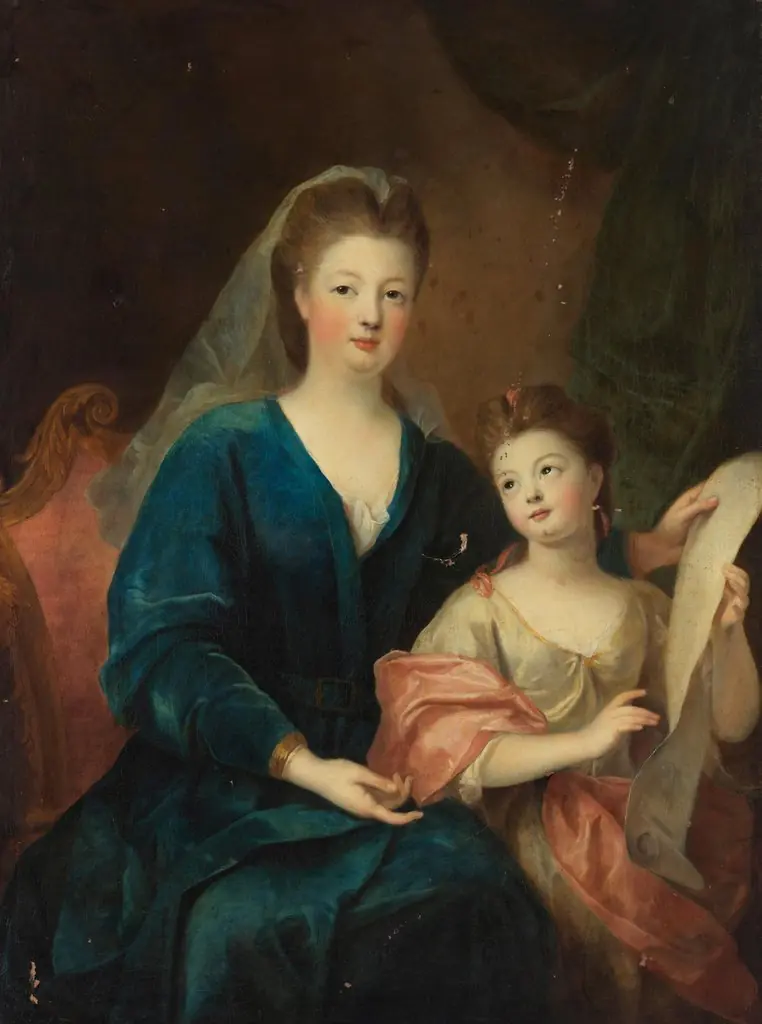 The Duchess of Bourbon and her daughter
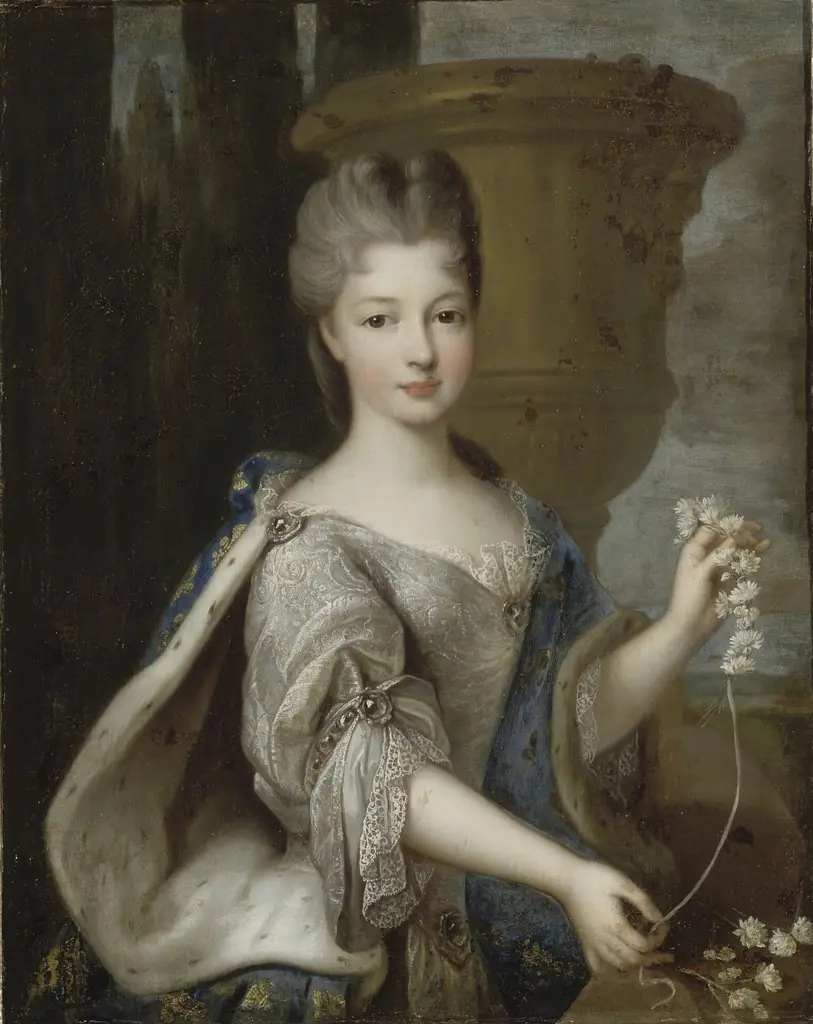 Louise-Elisabeth de Bourbon-Condé, Princess of Conti (1699-1775)
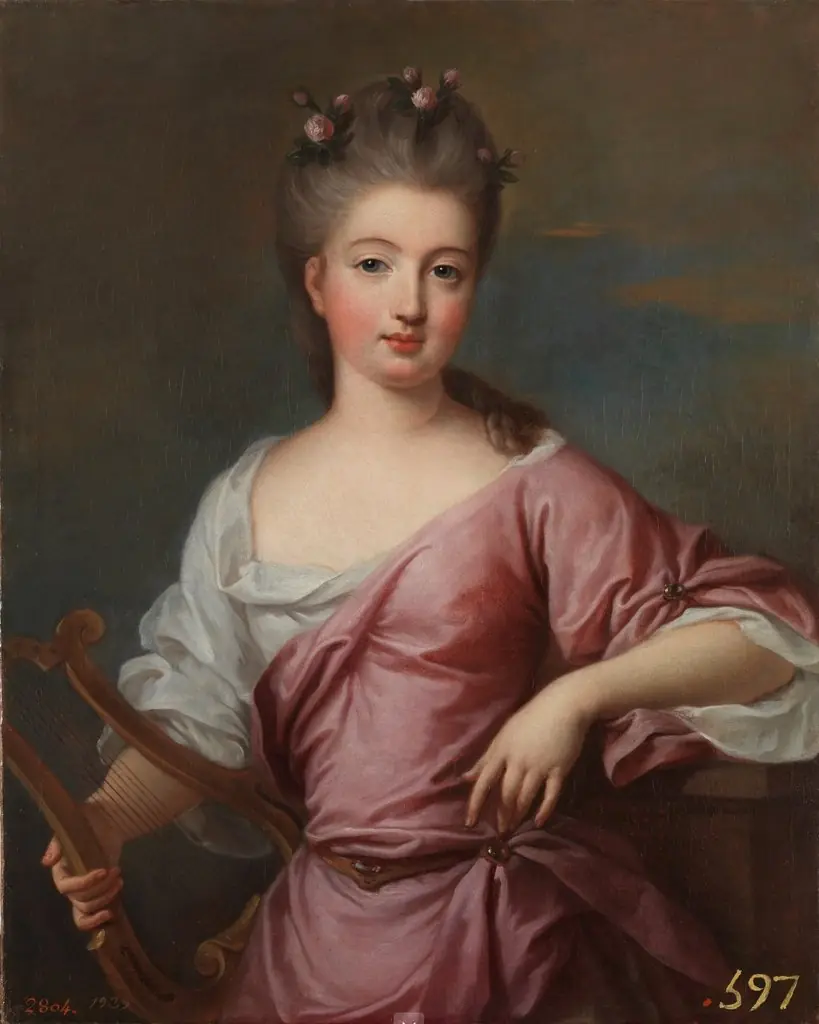 Portrait of Mlle de Berry
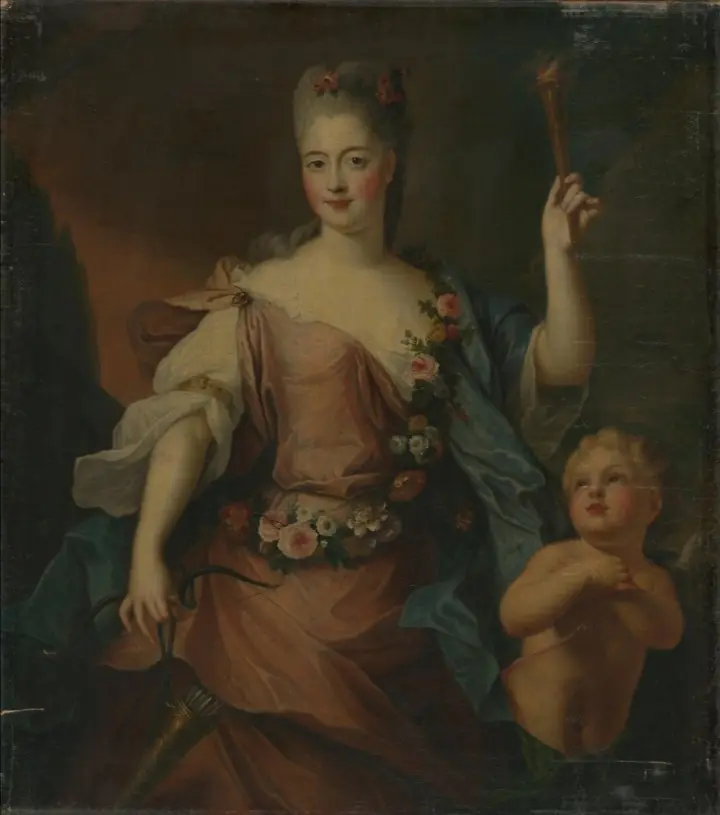 Madame de Lambesque
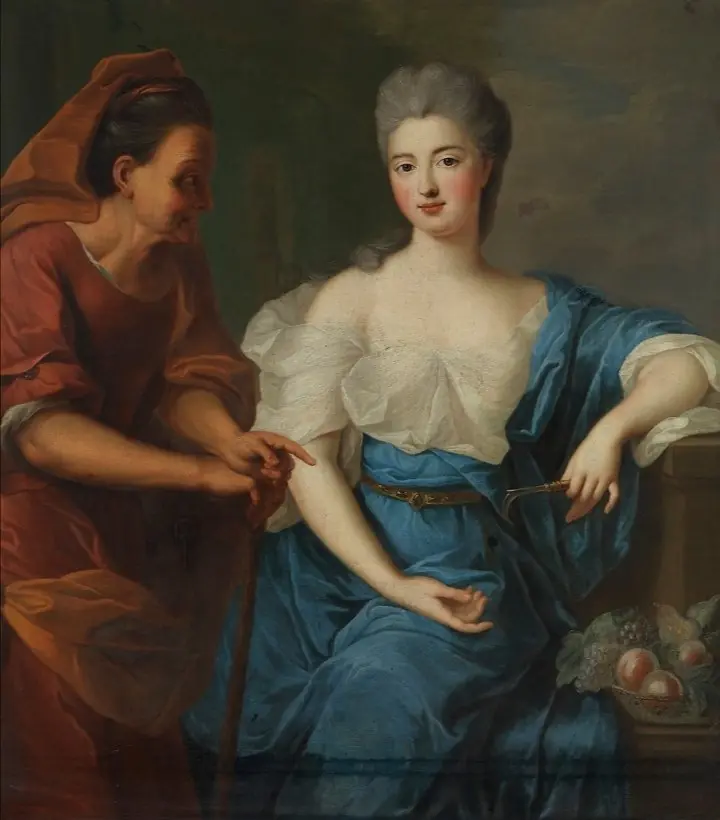 Bildnis Gräfin Polignac
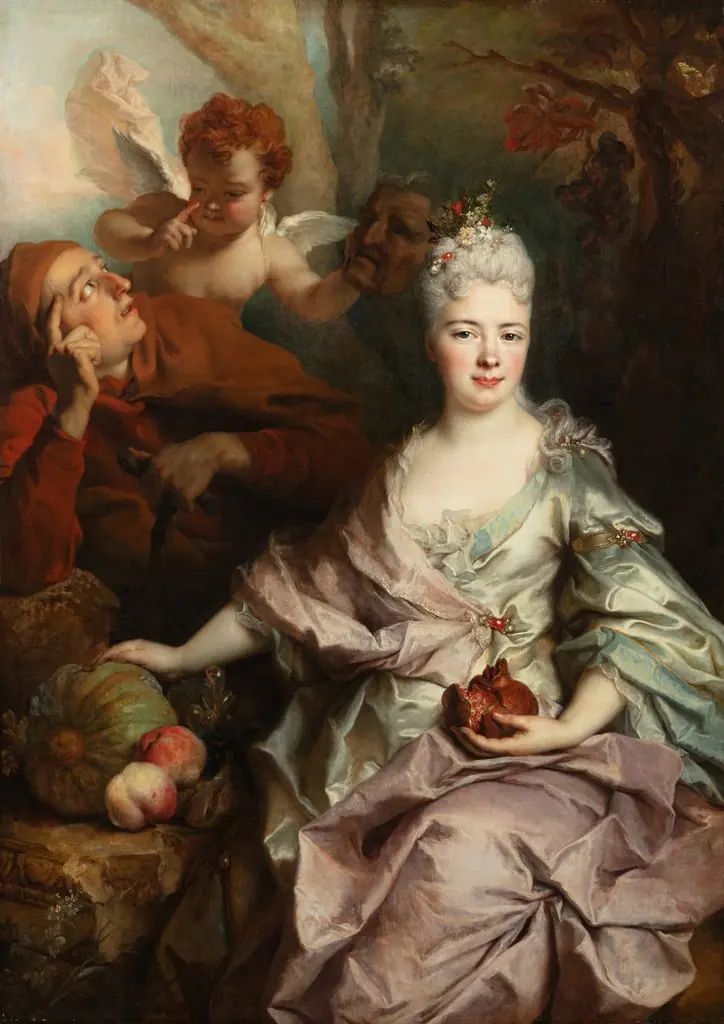 Portrait of a lady as Pomona, traditionally identified as the Marquise de Parabère
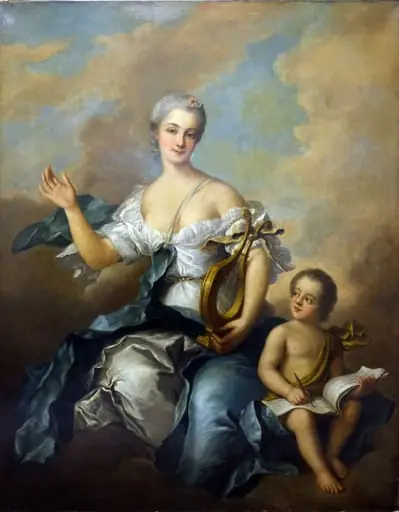 Inspirația
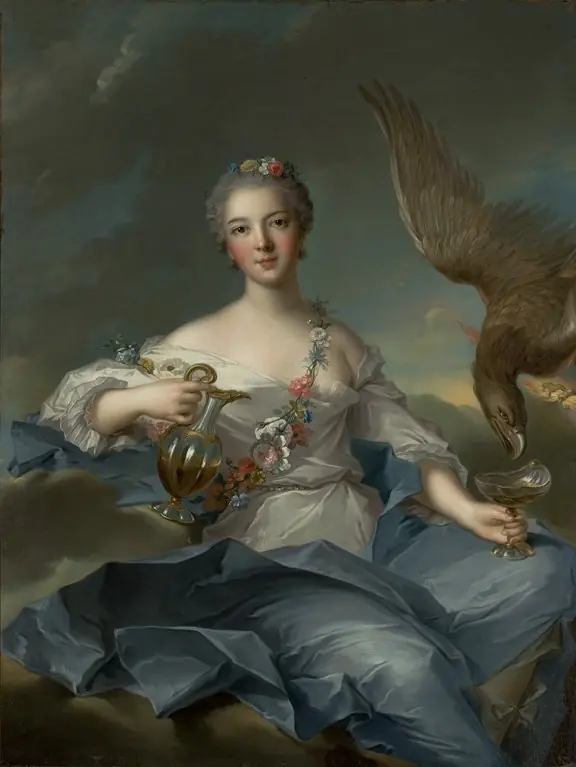 Louise Henriette de Bourbon, future Duchess of Orleans, as Hebe
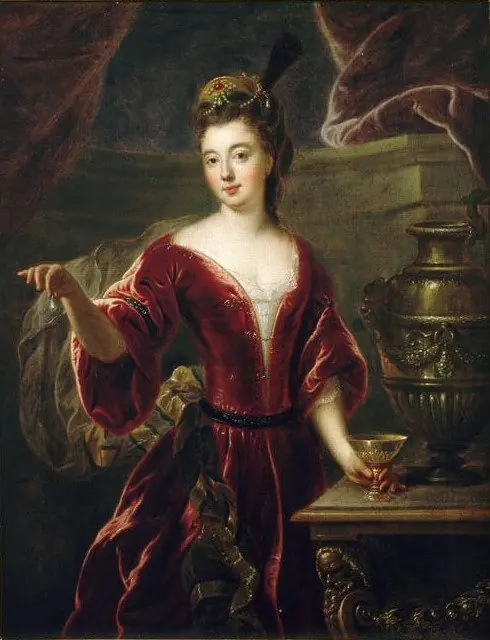 The Duchess of Maine as Cleopatra
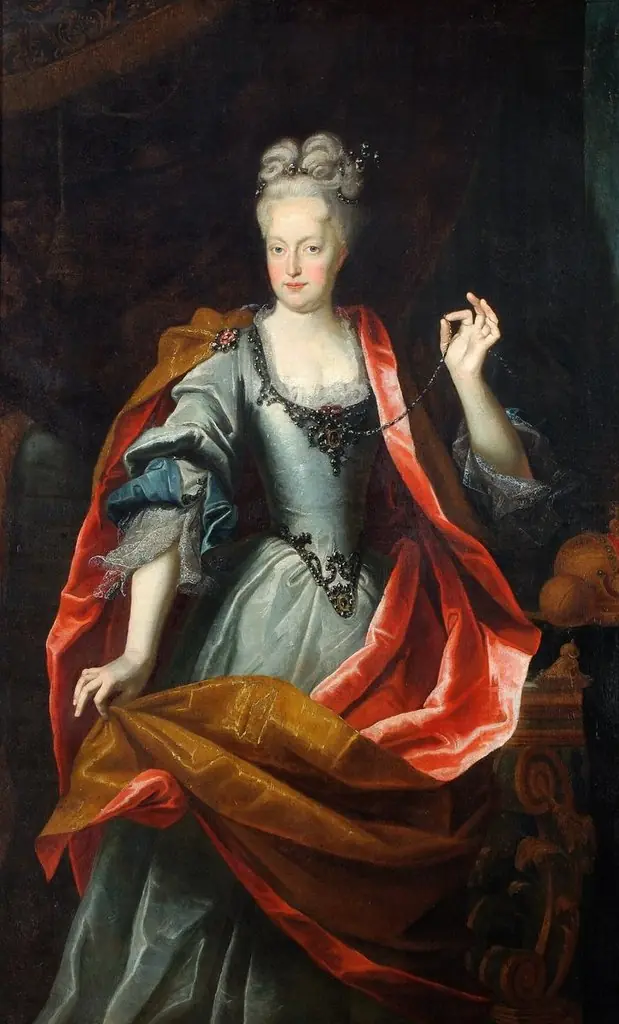 Portrait of Elisabeth Christine von Braunschweig-Wolfenbüttel
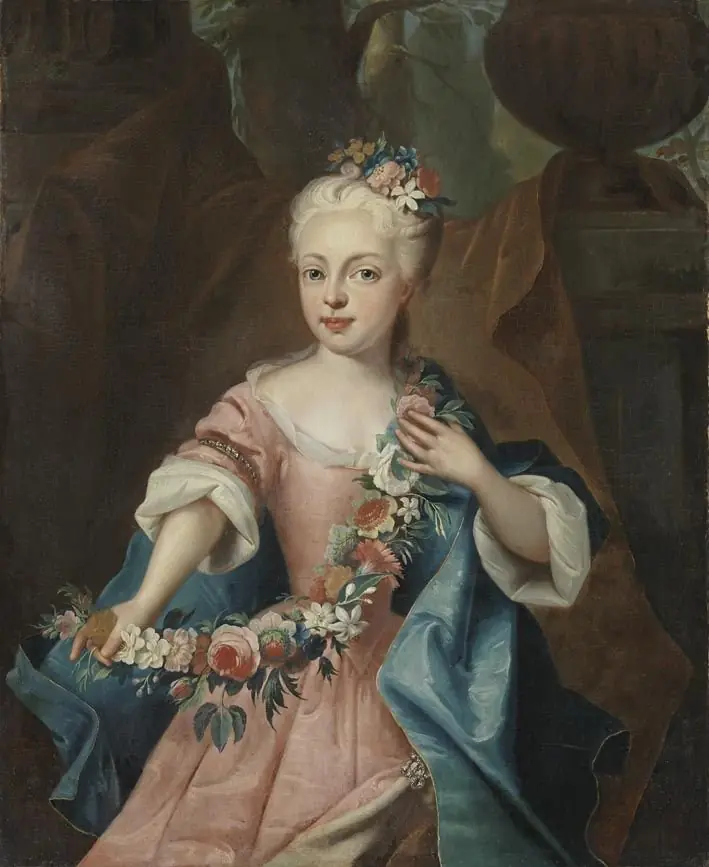 Bildnis der Erzherzogin Maria Theresia von Österreich, spätere Kaiserin (1717-1780) (Replik)
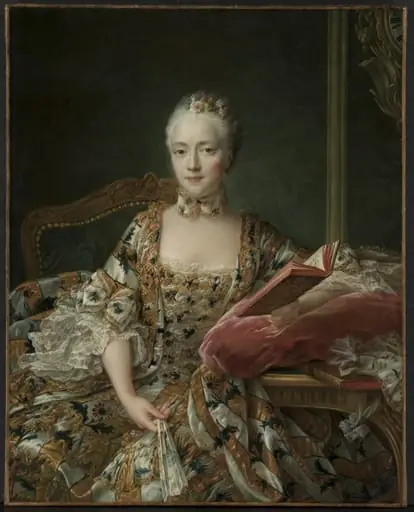 Portrait of the Marquise d'Aguirandes
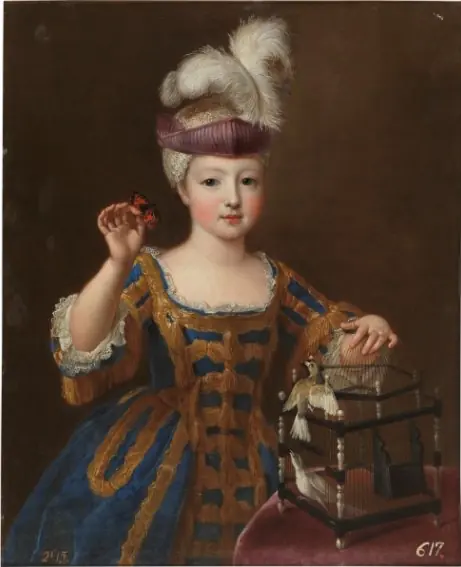 Girl with a Bird Cage
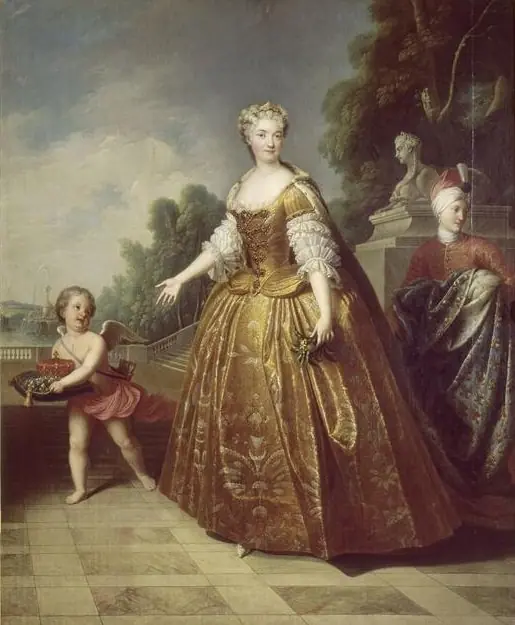 Portrait of Marie Leszczyńska, Queen consort of France
 Bildnis einer Dame mit Knaben