Artwork
Bildnis einer Dame mit Knaben
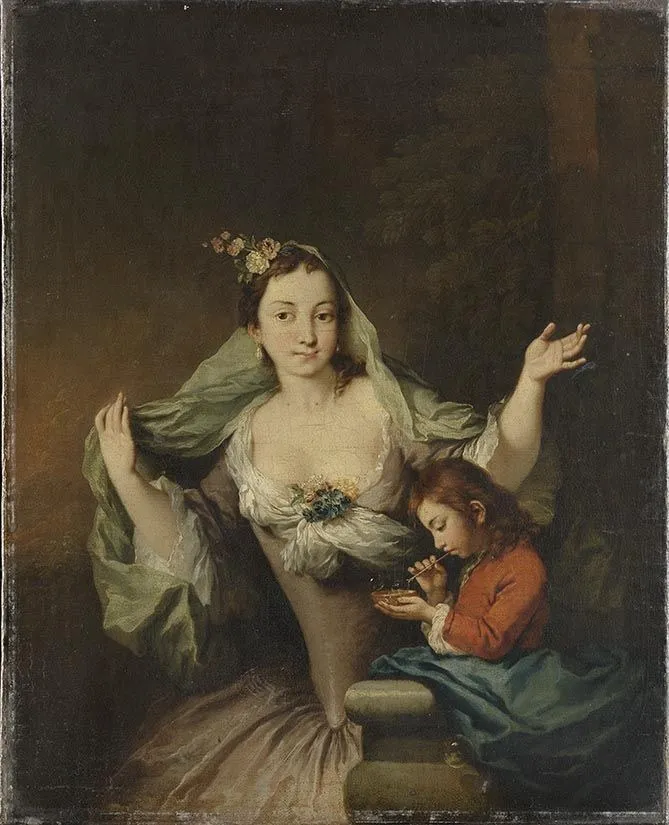
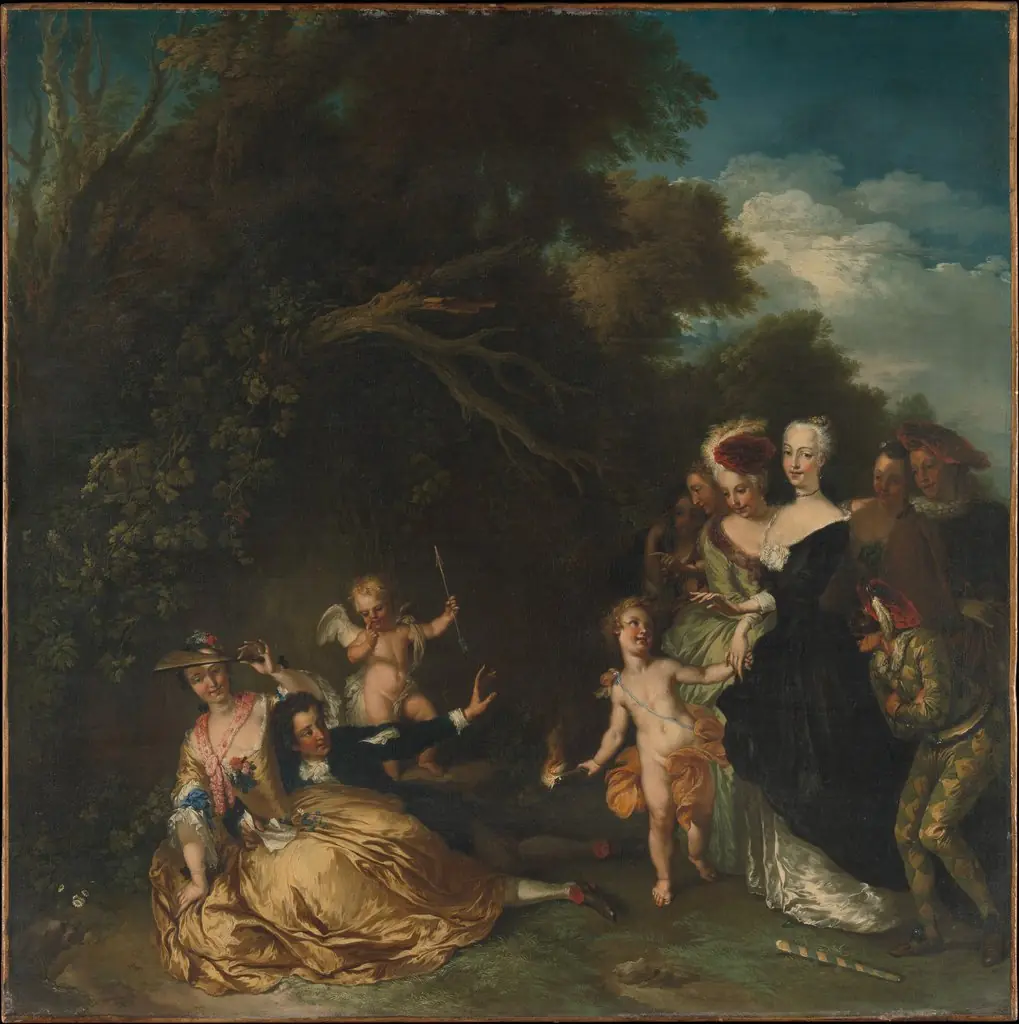
Bildnis einer Dame mit Knaben is an unspecified painting by the Rococo painting artist Christian Wilhelm Ernst Dietrich. It dates from 1755 and is held in the collection of the Bavarian State Painting Collections.
About this work
Overview
Dietrich, active as both painter and art administrator, was known for his skill in adopting historical styles rather than forging a unique visual language.
Painted in 1755 by German artist Christian Wilhelm Ernst Dietrich, this portrait captures a woman and a young boy in a domestic setting. Dietrich, active as both painter and art administrator, was known for his skill in adopting historical styles rather than forging a unique visual language. The work reflects the Rococo era’s preference for intimate, refined subjects and is part of the Alte Pinakothek’s permanent collection in Munich.
Subject & Meaning
The composition centers on a woman and child engaged in quiet companionship. The woman, seated with one arm raised and the other resting gently on the boy’s head, conveys a sense of tender guardianship. The child, absorbed in an object held in his hands, appears at ease, suggesting a private, unposed moment. The interaction implies familial affection rather than formal portraiture, emphasizing emotional connection over social display.
Technique & Style
Dietrich employs chiaroscuro to model the figures with soft gradations of light and shadow, lending volume and spatial presence to the scene. The textures of fabric—white silk, green shawl, red jacket, and blue skirt—are rendered with careful attention to detail, typical of 18th-century portraiture. The brushwork remains controlled, avoiding overt expressiveness, aligning with the period’s emphasis on elegance and restraint.
History & Provenance
The painting entered the collection of the Alte Pinakothek in Munich, where it has remained since the 19th century. Its documented history traces back to Dietrich’s workshop in the mid-1750s, though specific patrons or original owners are not recorded. As a work by a respected but non-innovative artist of the time, it was likely commissioned by a local noble or affluent family seeking a refined domestic portrait.
Context
Created during the height of the Rococo, the painting reflects a cultural shift toward intimate, emotionally resonant imagery in portraiture. While grand historical or mythological themes dominated public art, private commissions increasingly favored scenes of domestic life. Dietrich’s adherence to established conventions mirrors a broader trend among German artists who prioritized technical fidelity over stylistic innovation.
Legacy
Though Dietrich did not pioneer new artistic directions, his works, including this portrait, serve as valuable records of 18th-century German domestic aesthetics. The painting contributes to the understanding of how familial bonds were visually articulated in private commissions. Its preservation in a major public collection ensures continued study of Rococo portraiture beyond its most celebrated practitioners.
Artist & collection
Artist
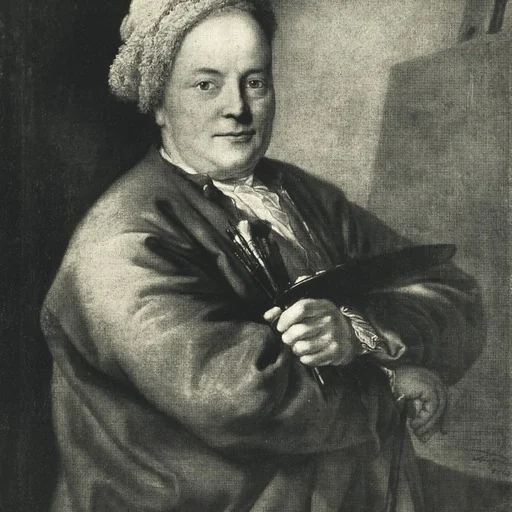
Christian Wilhelm Ernst Dietrich
Christian Wilhelm Ernst Dietrich (30 October 1712 – 23 April 1774) was a German painter and art administrator. In his own works, he was adept at imitating many earlier artists, but never developed a style of his own.

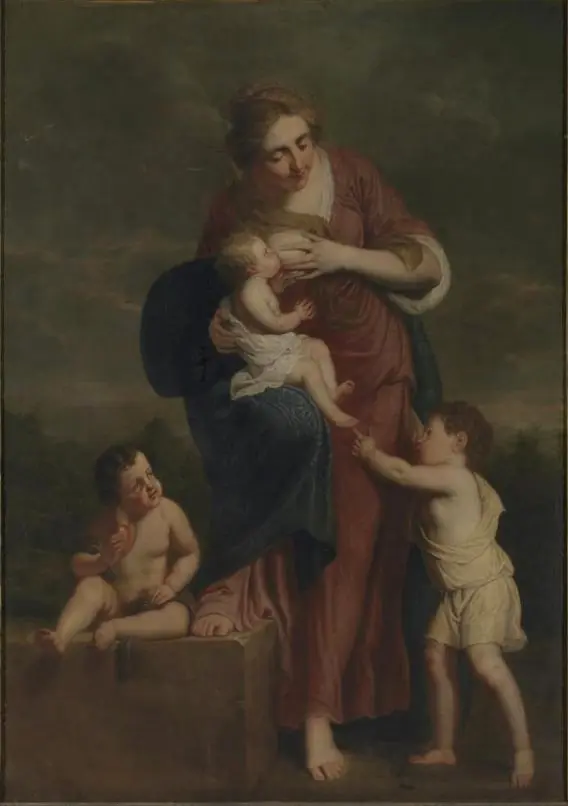 Caritas
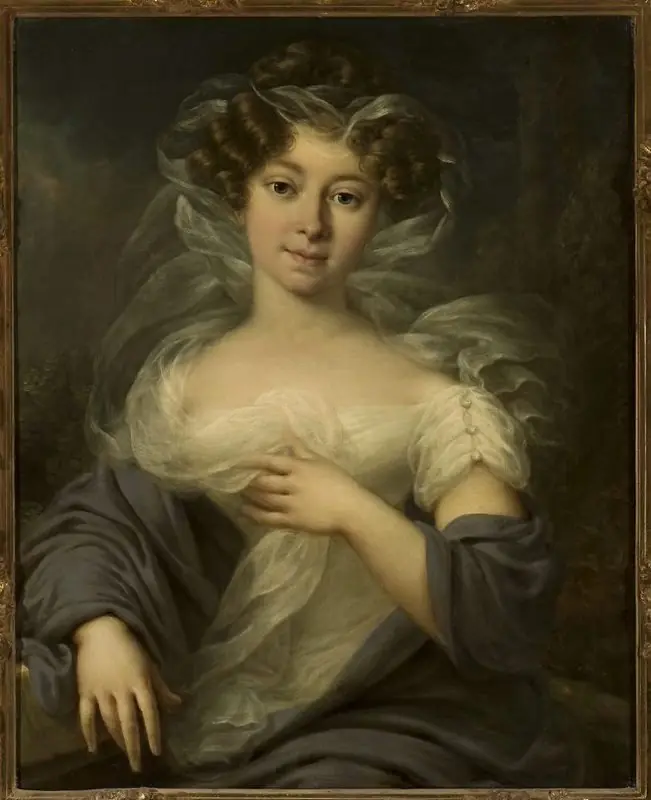 Portrait of Nina Łuszczewska née Żółtowska
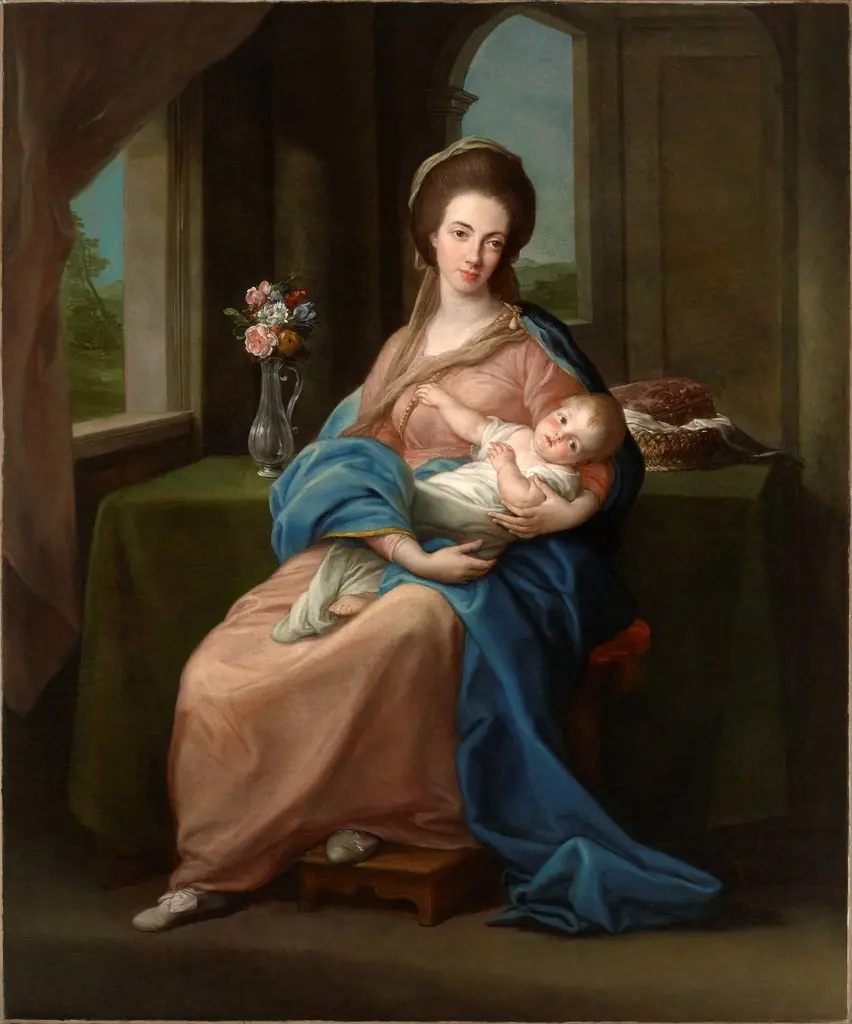 Mary Taylour, Viscountess of Headfort, later Countess of Bective and Marchioness of Headfort (1776–1795)
 Portrait of Baroness Elizabeth .D. Rosen, née Zubova, with Her Daughter
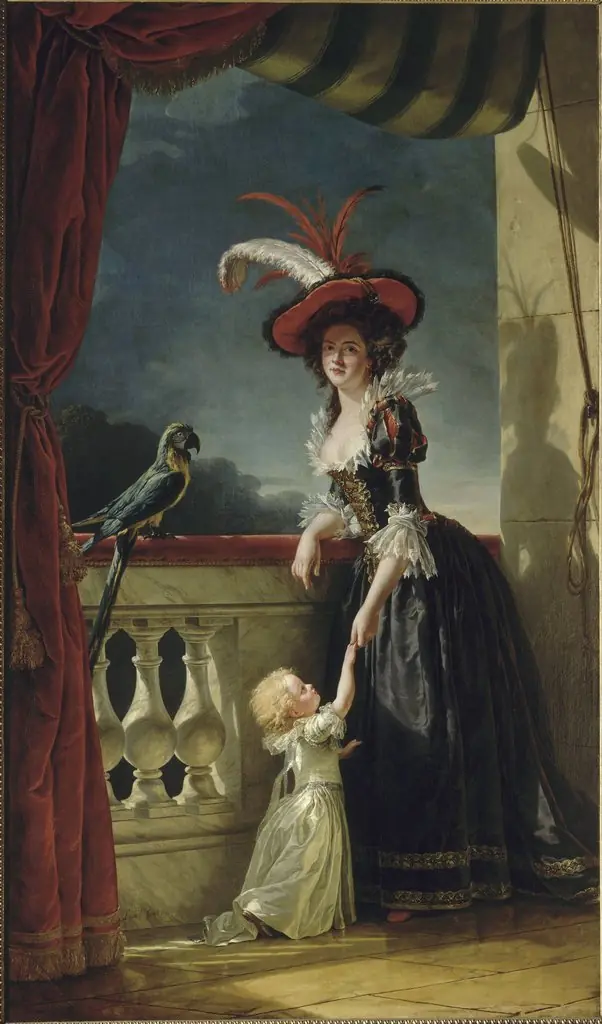 Portrait of Elisabeth of France, Duchess of Parma (1727-1759)
 The Goddess Juno
 Horticulture
 Mrs. Hugh Morgan and Her Daughter
 Madame de Lambesque
 The portrait of princess Ekaterina Nikolaevna Menshikova
 The Good Mother
 Mother with her Three Children (Maria Ovens, the Wife of the Painter)