Artwork
Brother Philippe's Geese
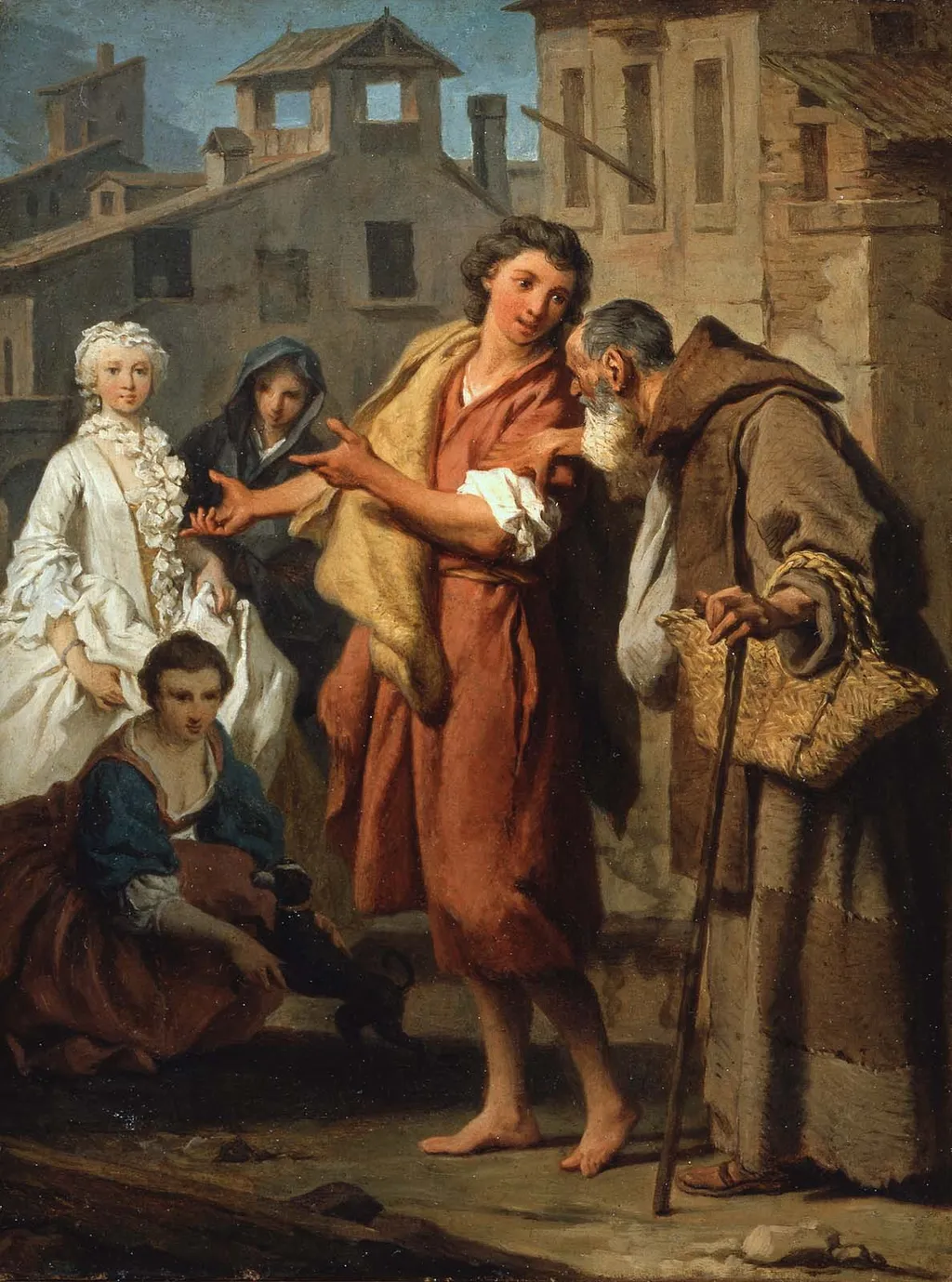
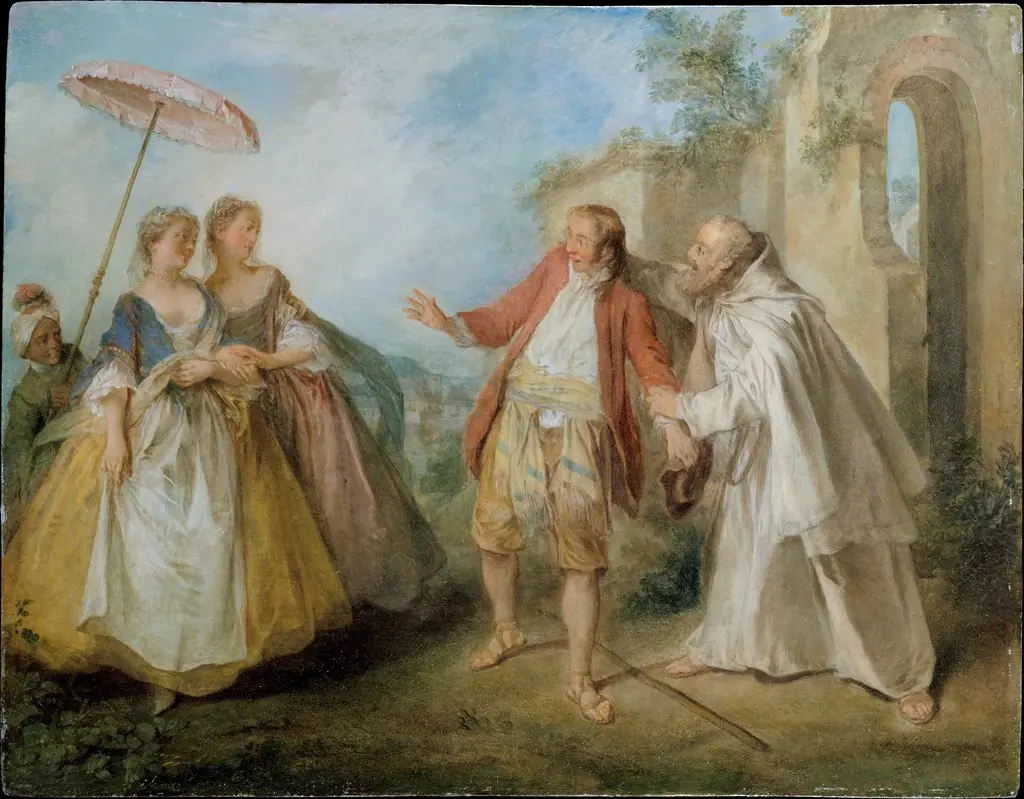
Brother Philippe's Geese is an oil painting by the Rococo painting artist Pierre Subleyras. It dates from 1745 and is held in the collection of the Museum of Fine Arts Boston.
About this work
Overview
Painted in 1745 by French artist Pierre Subleyras, this oil work depicts a quiet moment between two religious figures. Subleyras, who spent much of his career in Italy, blended French sensibility with Italian compositional traditions. The painting is part of the Museum of Fine Arts, Boston’s collection and reflects the transitional aesthetic between late Baroque and early Neoclassical styles.
Subject & Meaning
The interaction hints at mentorship, though the elder’s expression remains ambiguous, leaving the nature of their exchange open to interpretation.
The scene portrays a younger monk in a red robe addressing an elder in brown, who holds a staff and listens intently. The gesture of the younger figure suggests narrative or instruction, possibly conveying spiritual guidance. The setting, with distant architecture and open sky, implies a contemplative space, perhaps a cloister or courtyard. The interaction hints at mentorship, though the elder’s expression remains ambiguous, leaving the nature of their exchange open to interpretation.
Technique & Style
Subleyras employed soft modeling and delicate tonal transitions to render fabric and skin, characteristic of Rococo refinement. The brushwork is precise yet unobtrusive, avoiding dramatic contrasts in favor of naturalistic light. The background is rendered with loose, atmospheric strokes, grounding the figures in a plausible environment without distracting from their intimate exchange. Color is restrained, with the red robe serving as a subtle focal point against muted earth tones.
History & Provenance
Created during Subleyras’s time in Rome, the painting likely originated as a private commission, possibly for a religious institution or collector familiar with monastic life. It entered the Museum of Fine Arts, Boston, in the early 20th century, having passed through European collections before its acquisition. Its survival and preservation reflect its quiet appeal among collectors drawn to understated narrative painting.
Context
In mid-18th-century Italy, French artists like Subleyras were valued for their refined draftsmanship and sensitivity to human expression. While grand historical and religious themes dominated public commissions, smaller-scale works like this one catered to private devotion and intellectual taste. The painting’s focus on a mundane, introspective moment aligns with a broader trend toward intimate, psychologically nuanced subjects in religious art.
Legacy
Though not widely known today, Subleyras’s work influenced contemporaries and later Neoclassical painters through his restrained emotional tone and attention to quiet human interaction. 'Brother Philippe's Geese' exemplifies a lesser-known facet of 18th-century painting—its capacity to convey depth without spectacle. The painting remains a quiet testament to the value placed on contemplative moments within religious life.
Artist & collection
Artist
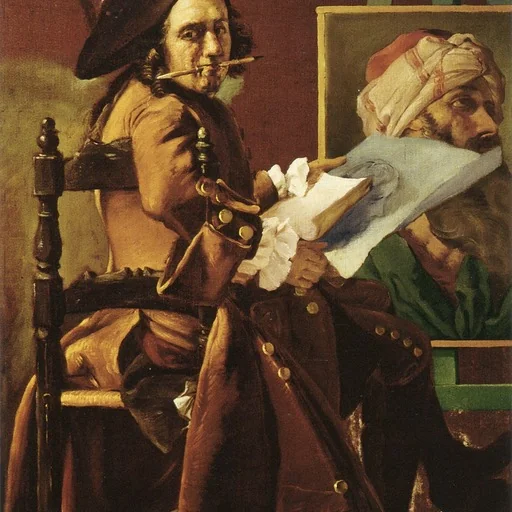
Pierre Subleyras (French: ; November 25, 1699 – May 28, 1749) was a French painter, active during the late-Baroque and early-Neoclassic period, mainly in Italy.

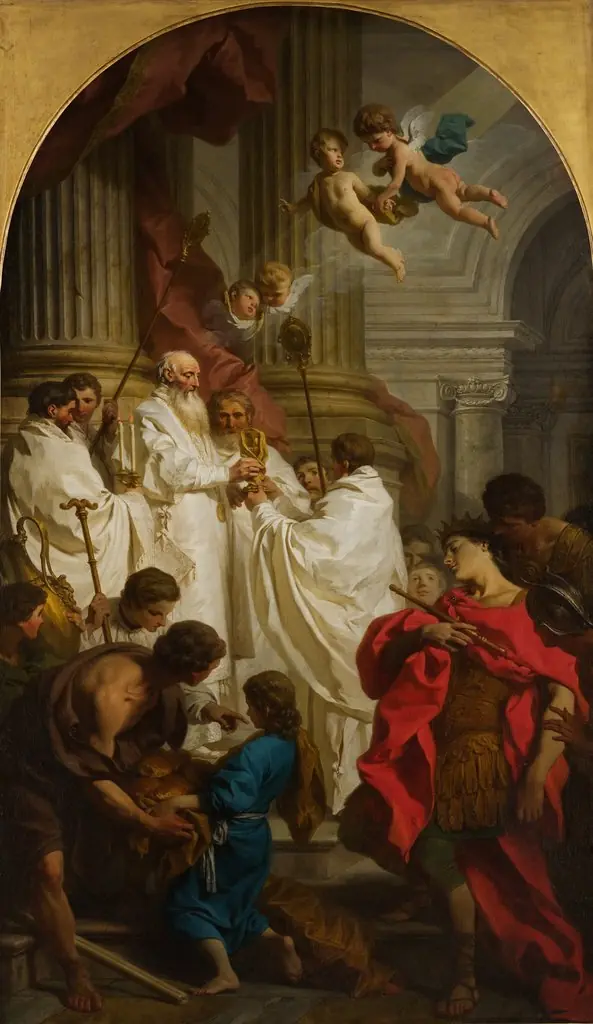 The Mass of Saint Basil
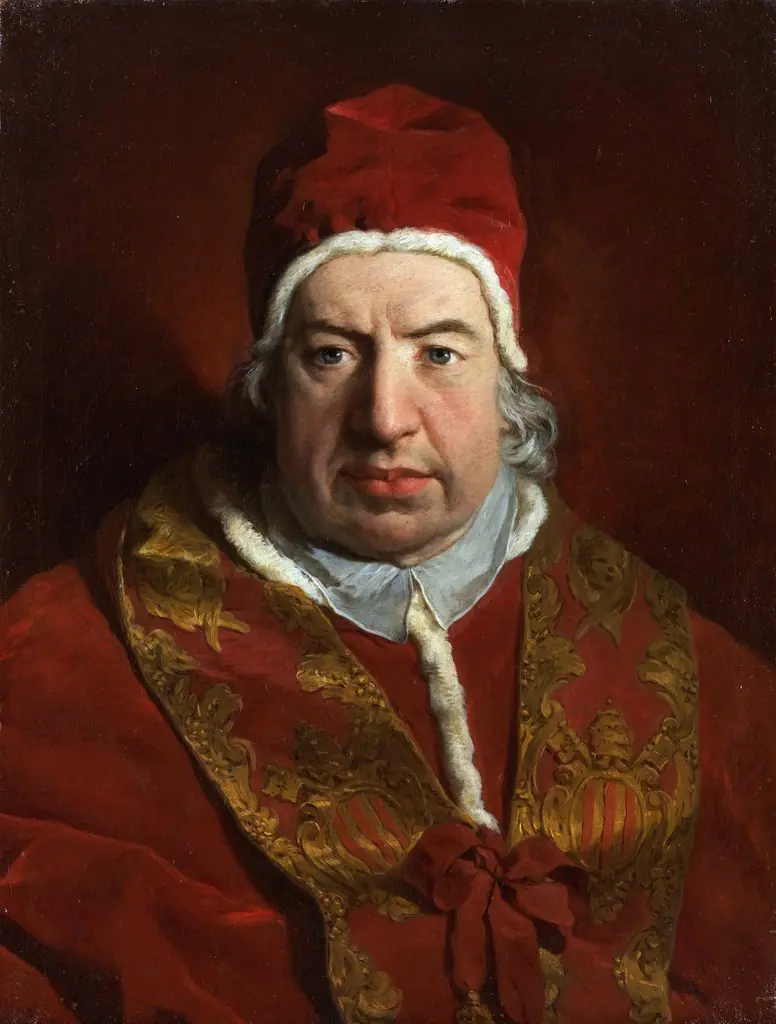 Pope Benedict XIV (Prospero Lambertini, 1675–1758)
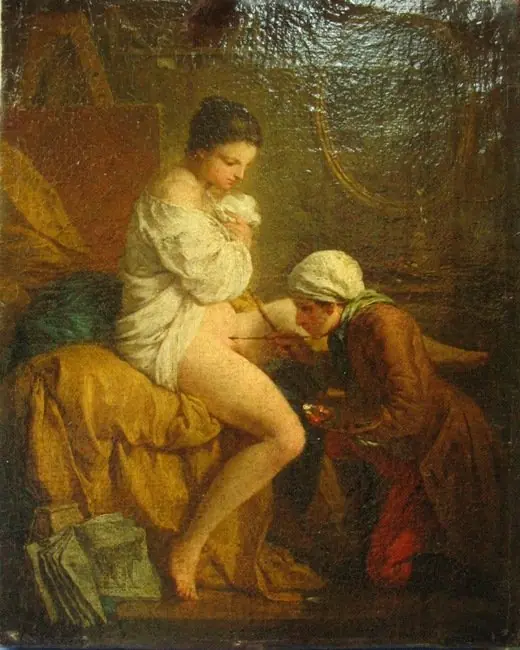 Scene from La Fontaine's Fable 'The Mare of Peasant Pierre'
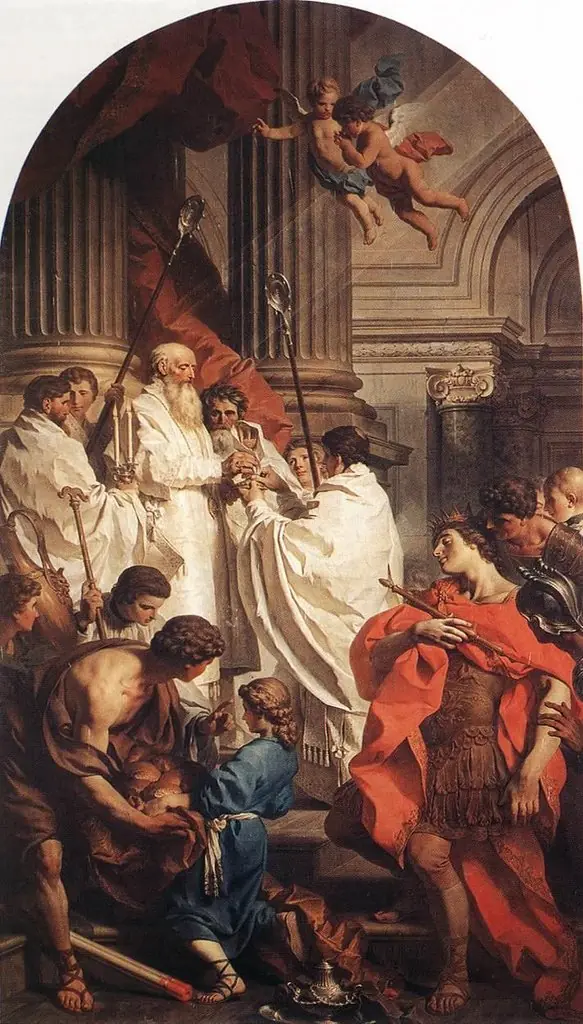 Emperor Valens before Bishop Basil (The Mass of St Basil)
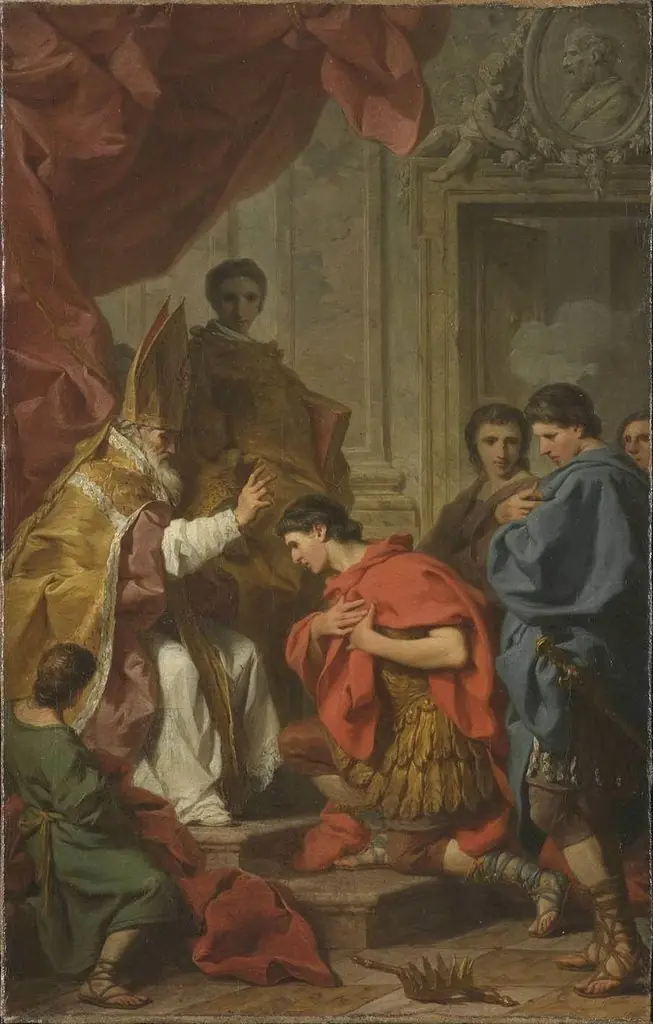 Kaiser Theodosius vor dem hl. Ambrosius
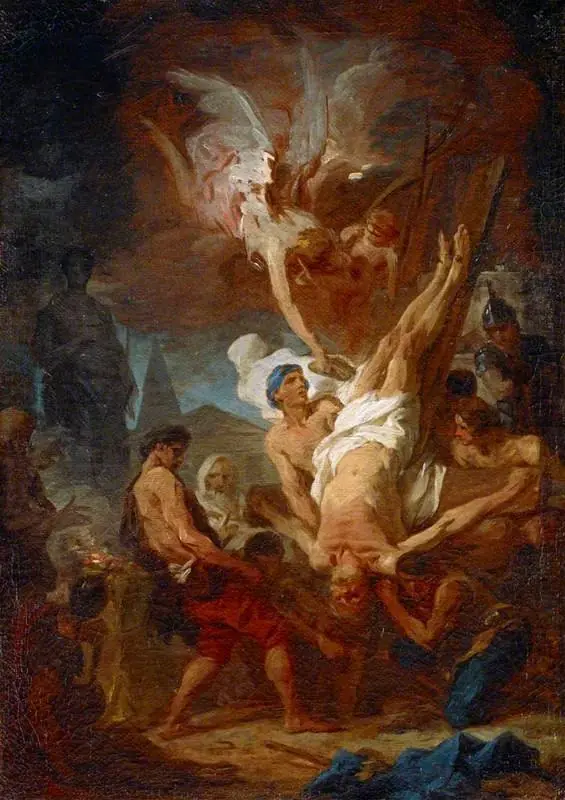 The Crucifixion of Saint Peter
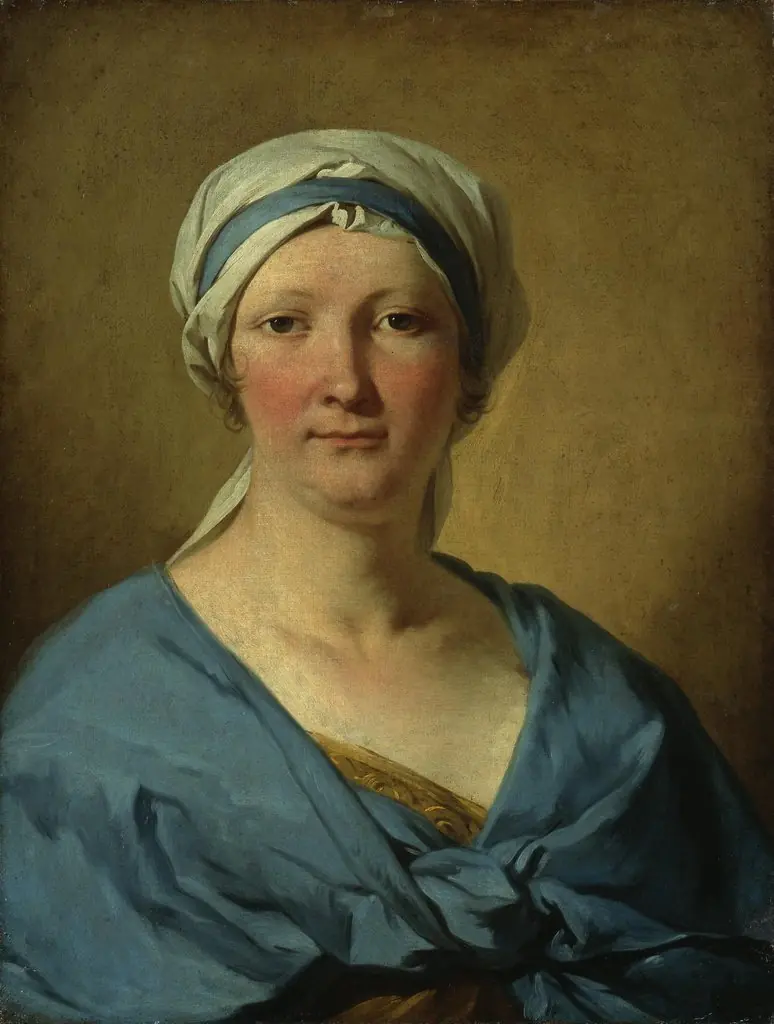 Portrait of a Woman
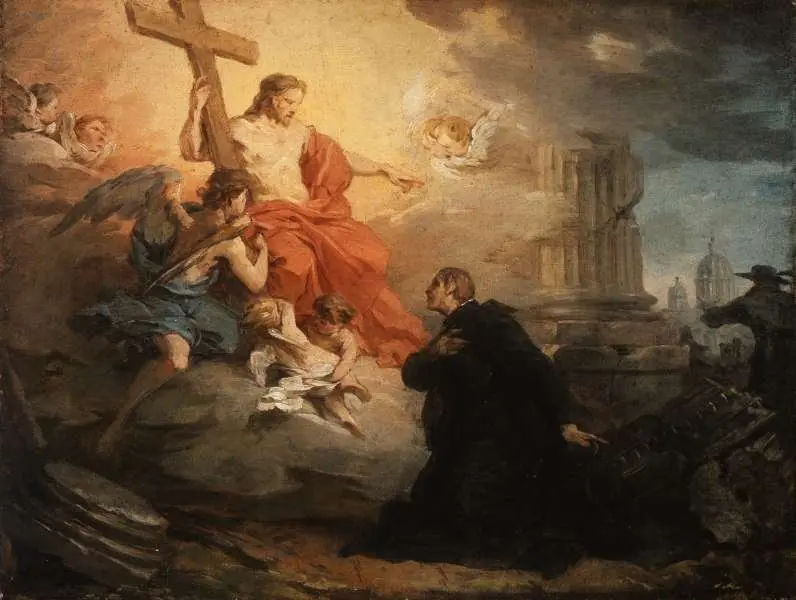 The Vision St. Ignatius of Loyola
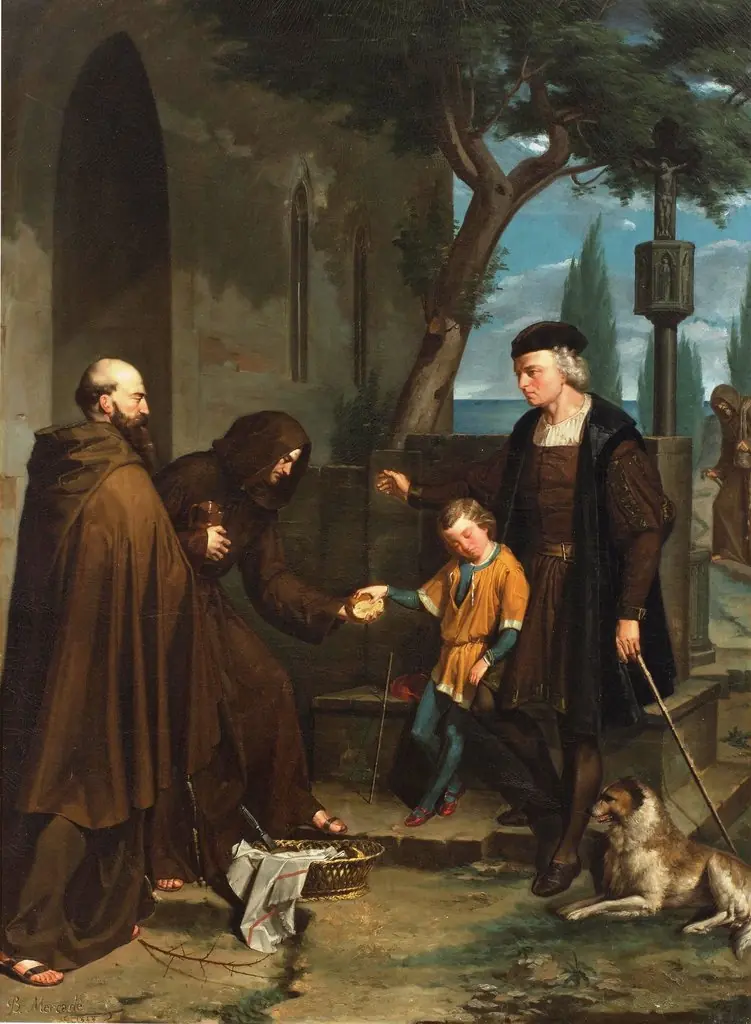 Colón en las puertas del convento de Santa María de la Rábida pidiendo pan y agua para su hijo
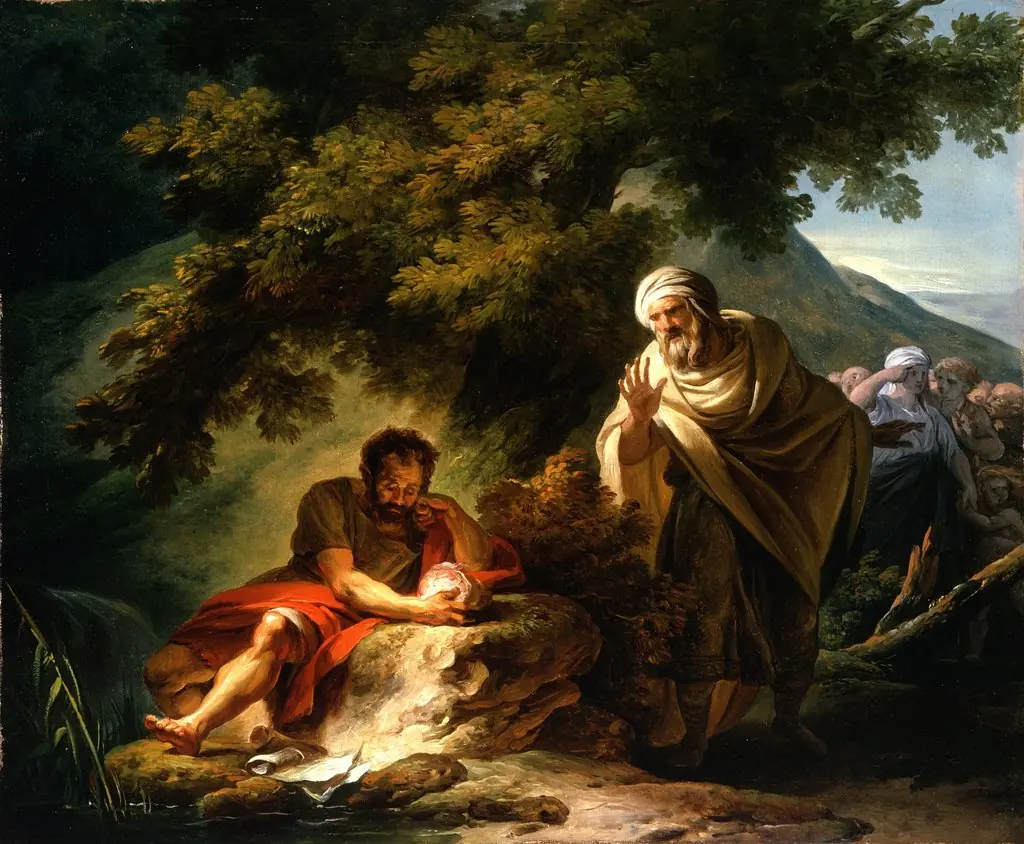 Democritus among the Abderitans
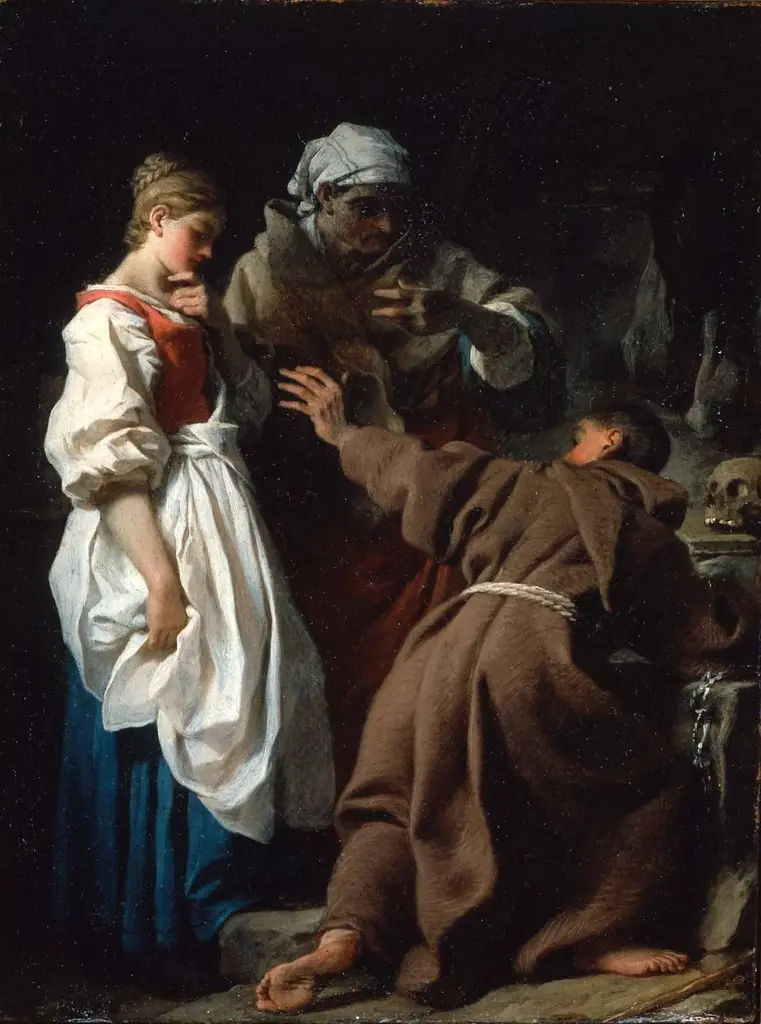 Brother Luce, the Hermit, with the Widow and her Daughter
 Joseph's Brothers Find the Silver Goblet in Benjamin's Pack.
 Joosefin verinen viitta
 La conversión del lobo de Gubbio
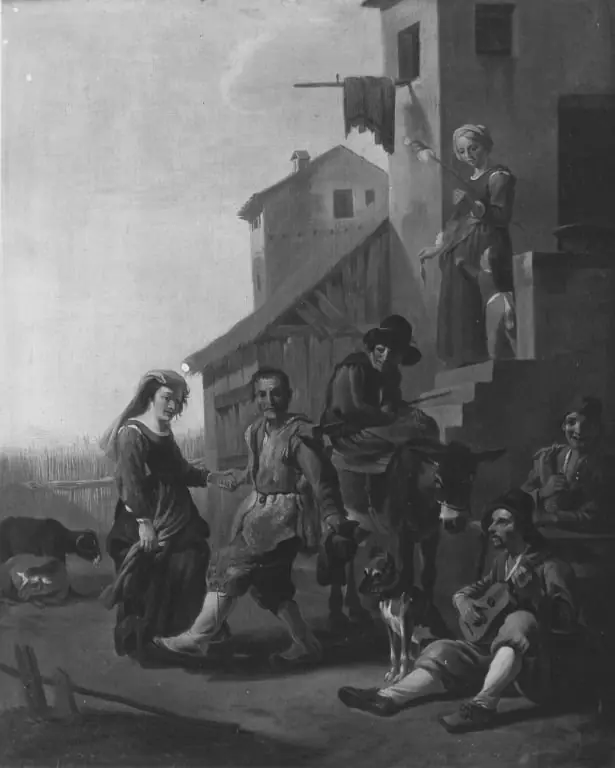 Tanz in der Campagna
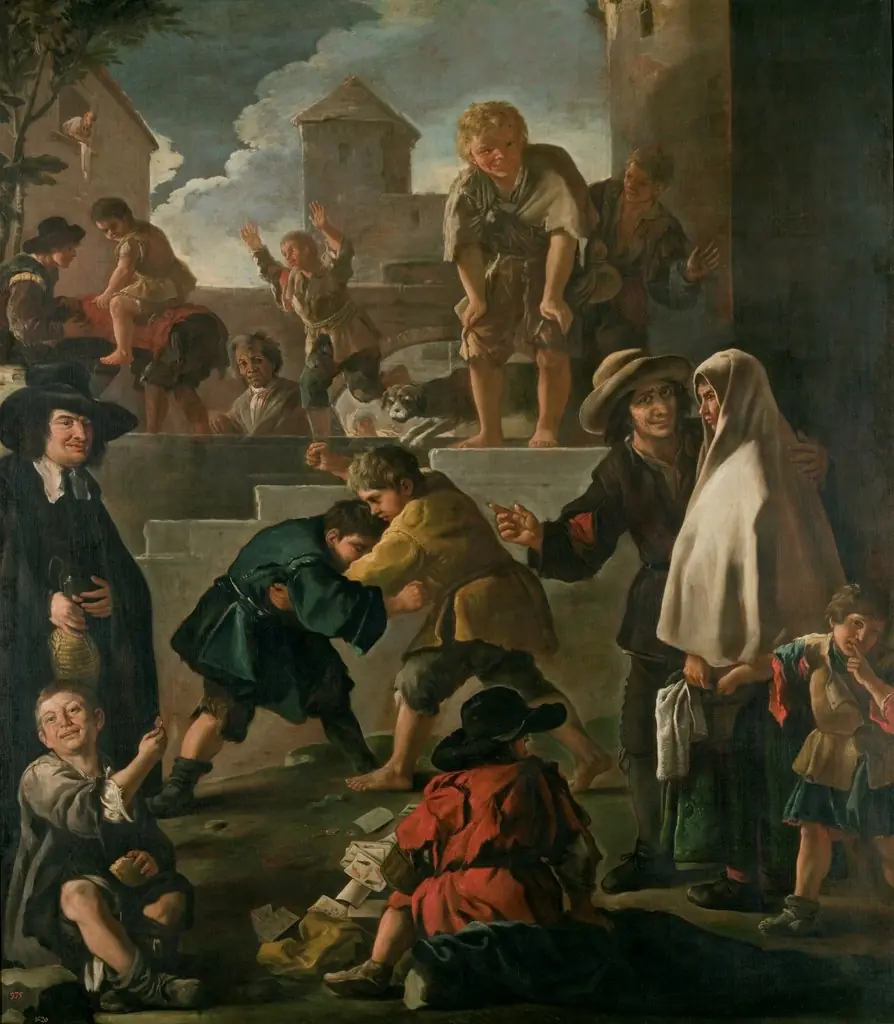 Riña de muchachos
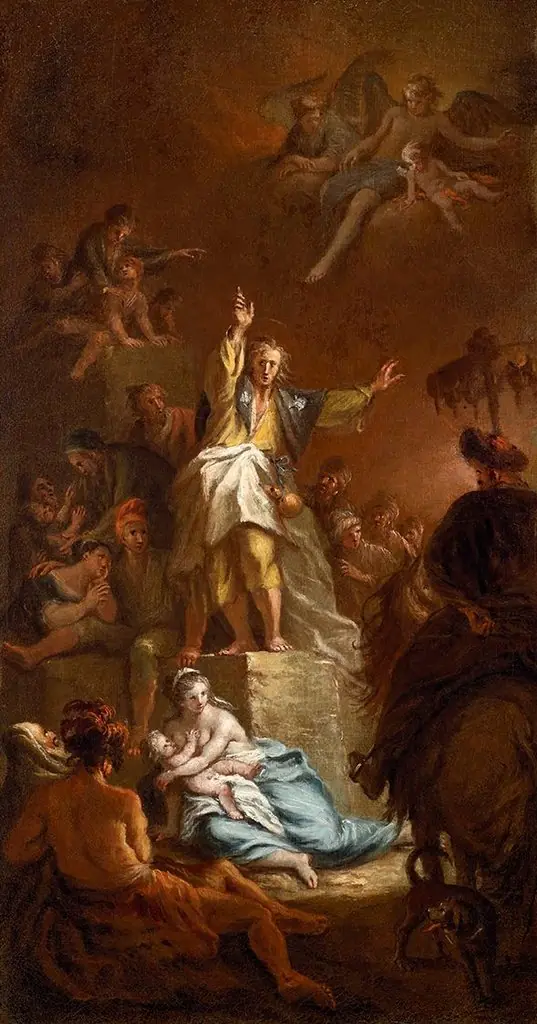 The Sermon of the Apostle Jacobus Maior
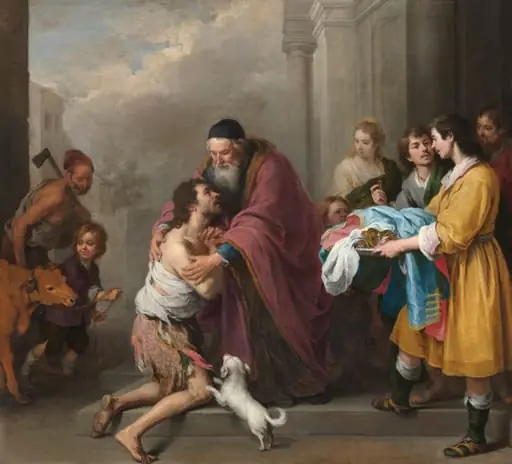 The Return of the Prodigal Son
 The Miracles of Saint James the Greater
 Brother Philippe's Geese