Artwork
De koets van Mangkoe Nagoro IV
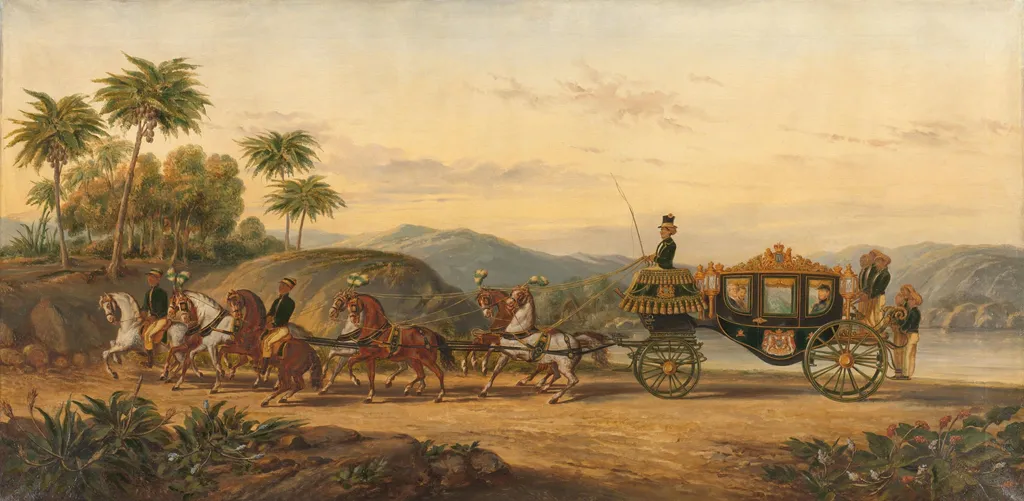
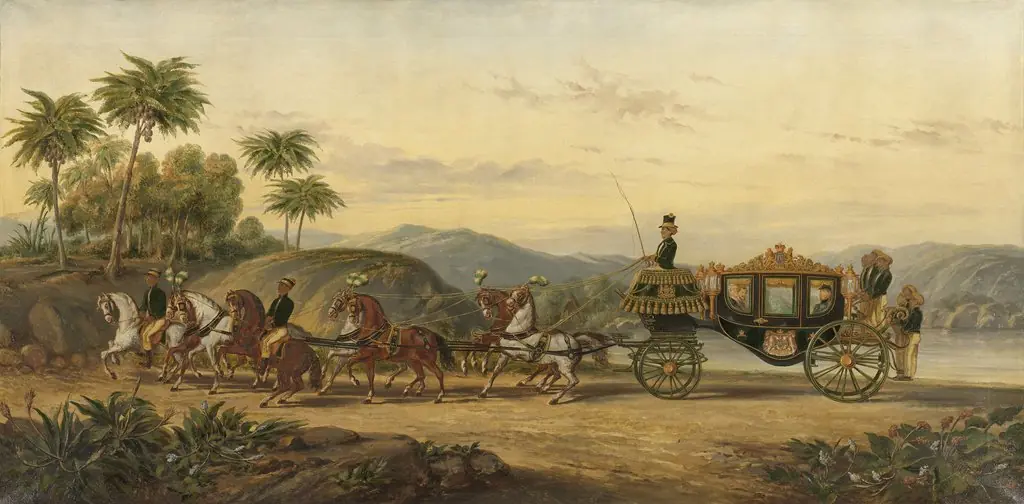
De koets van Mangkoe Nagoro IV is an unspecified painting by the Biedermeier artist Pieter Alardus Haaxman. It dates from 1870 and is held in the collection of the Rijksmuseum. This oil painting, created by Haaxman, depicts a black carriage with gilded detailing, drawn by four white horses.
About this work
Overview
This oil painting, created by Haaxman, depicts a black carriage with gilded detailing, drawn by four white horses. The work functions as a commercial illustration for the The Hague carriage manufacturer Hermans en Co., highlighting a vehicle that was commissioned for the Javanese ruler Mangkoe Nagoro IV.
Subject & Meaning
The carriage’s door bears the Dutch coat of arms, within which the Roman numeral IV signals the patron’s title. Though presented as a gift to the Javanese sultan, the image emphasizes the intertwined authority of colonial officials and local rulers around the turn of the twentieth century, rather than a personal portrait of the monarch.
Technique & Style
Rendered with a polished, almost photographic clarity, the composition foregrounds the gleaming black hull and gold trim of the coach, while the four white horses are painted with precise musculature. Haaxman’s approach mirrors contemporary advertising aesthetics, focusing on the product’s elegance and craftsmanship.
History & Provenance
Commissioned as promotional material for Hermans en Co., the painting was never intended to document an actual royal procession. The sultan never rode in the depicted vehicle; the work served to advertise the firm’s capacity to serve elite colonial clients.
Context
At the dawn of the twentieth century, European colonial powers often used visual media to assert dominance and commercial reach in their overseas territories. This painting exemplifies how trade, imperial authority, and visual culture were combined to project Dutch influence in the Dutch East Indies.
Artist & collection

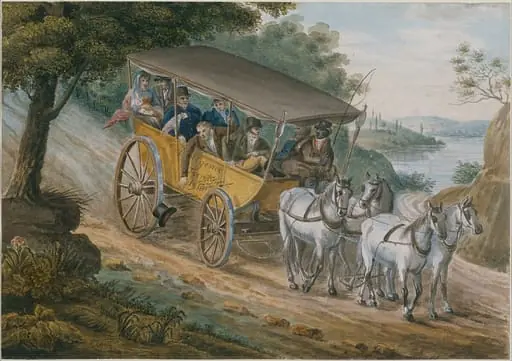 Travel by Stagecoach Near Trenton, New Jersey
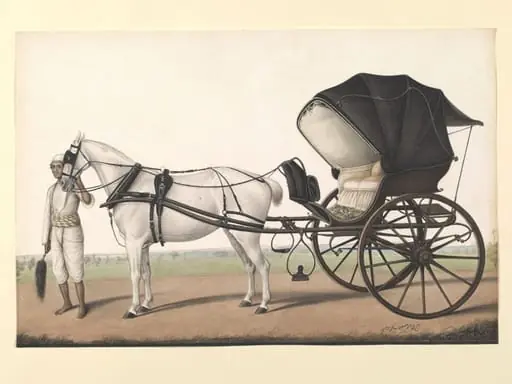 A groom with a horse and carriage
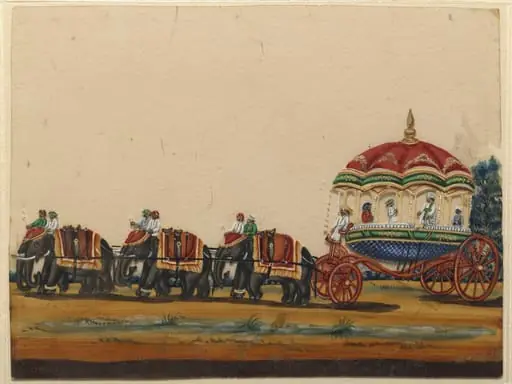 A carriage drawn by six elephants
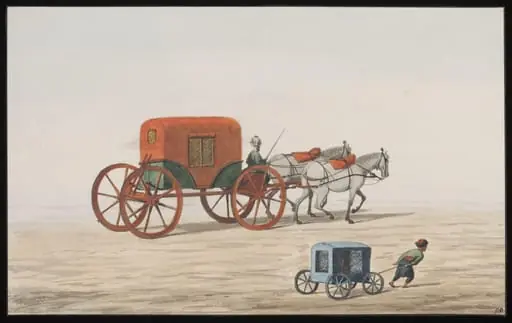 Araba or carriage, and a small araba for children
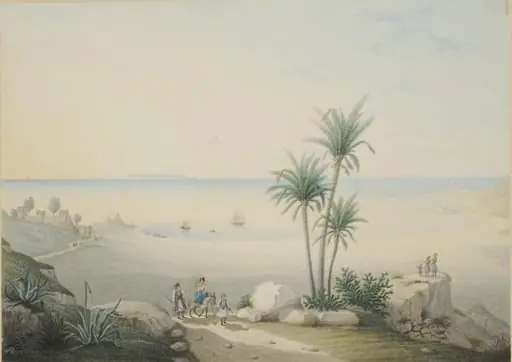 Λιμάνι της Πάρου
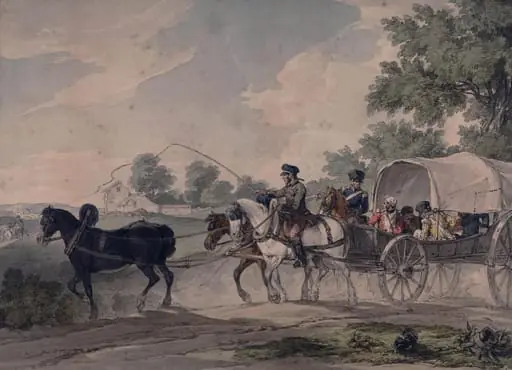 A Belgian Waggon Conveying Wounded from the Field after the Battle of Waterloo
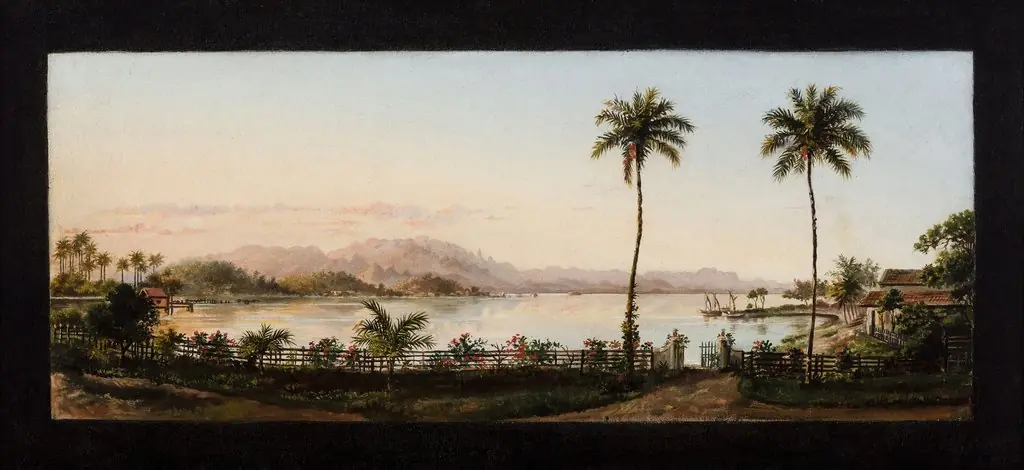 Enseada de Paquetá com Serra dos Órgãos ao fundo (atribuído)
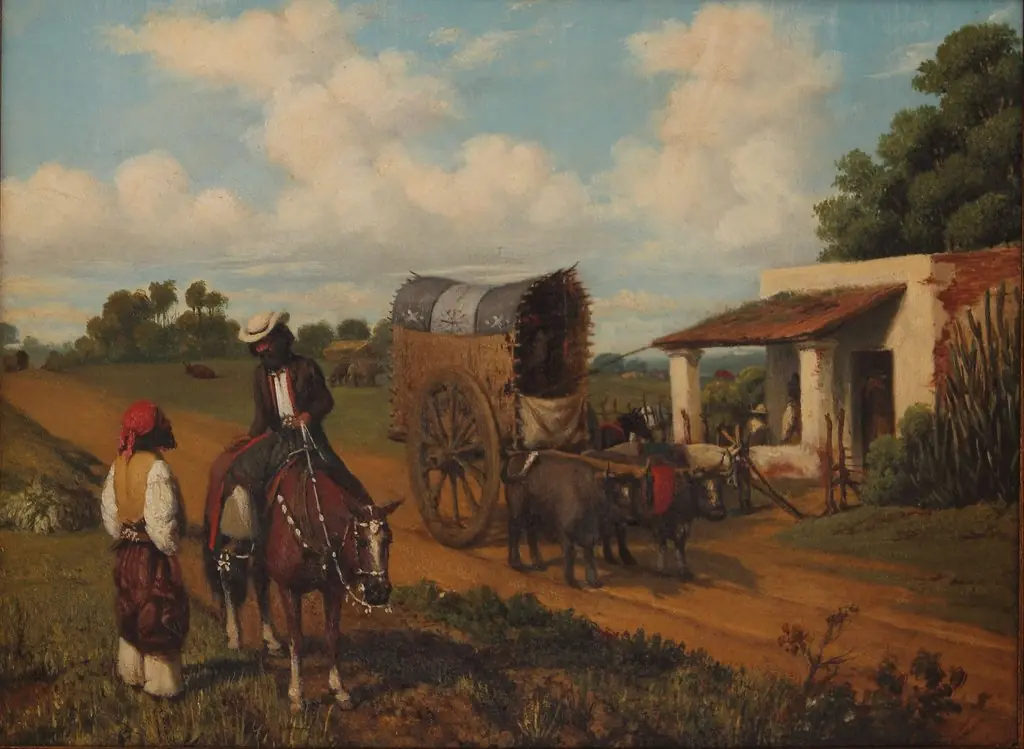 Un alto en la pulpería
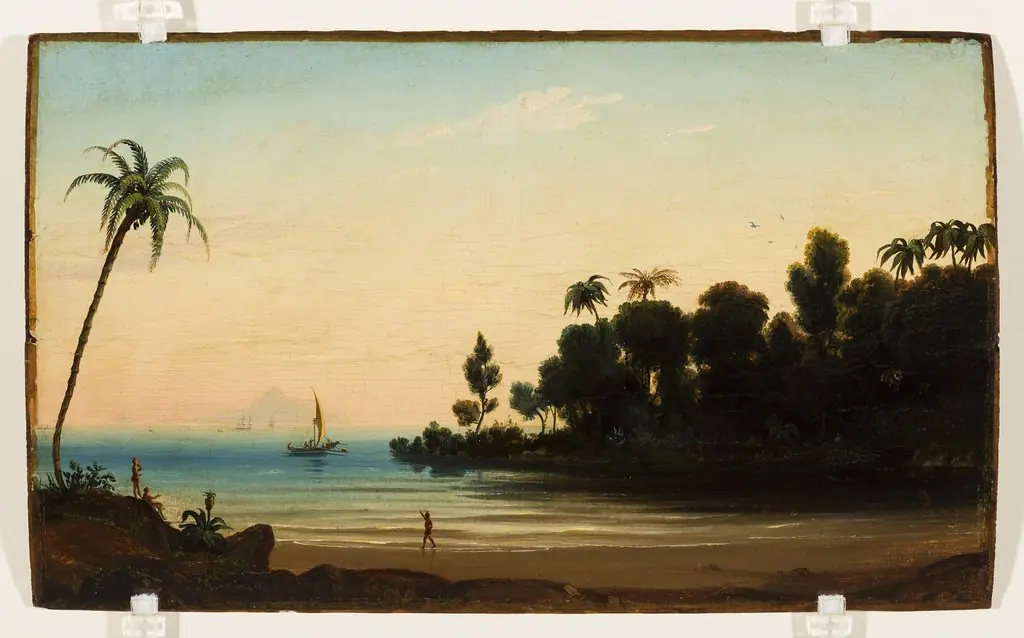 Praia com índios e veleiro (atribuído)
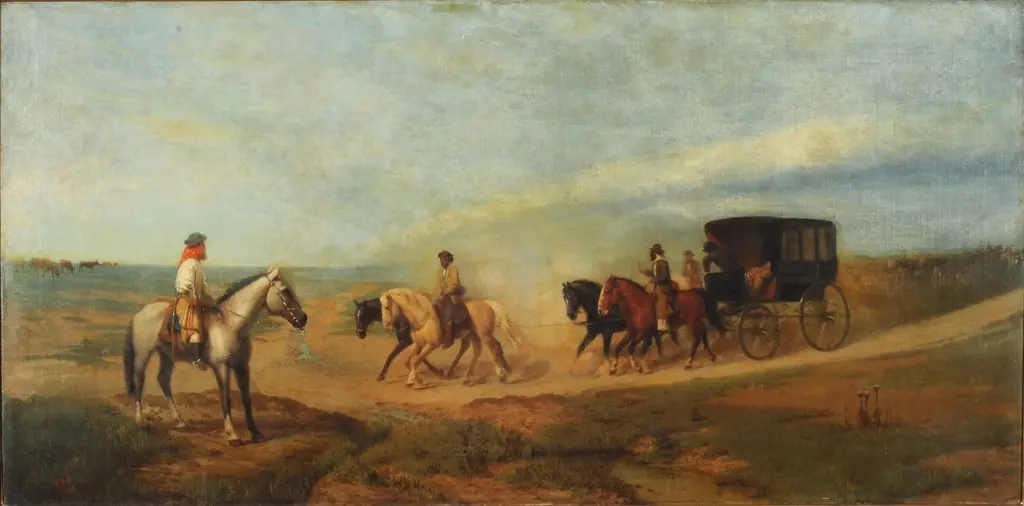 Staying the Walk
 Ousreff Pasha returning to Joannina
 The Coach of Mangkoe Nagoro IV