Artwork
Pieter Brueghel de Oude. De Kreupelen
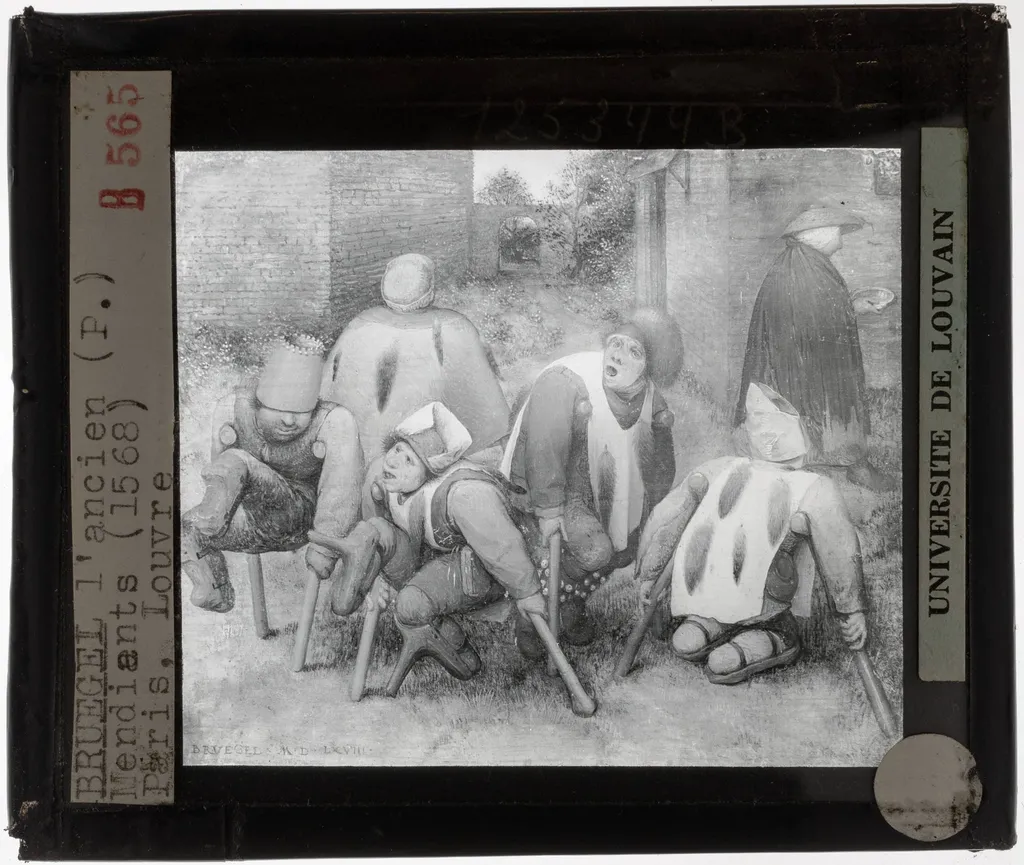
Pieter Brueghel de Oude. De Kreupelen is an unspecified painting by the Northern Renaissance artist Pieter Brueghel the Elder. It dates from 1568 and is held in the collection of the Catholic University of Leuven.
About this work
Overview
Pieter Bruegel the Elder’s 1568 oil on panel entitled *De Kreupelen* (The Cripples) presents a gathering of individuals with physical impairments.
Pieter Bruegel the Elder’s 1568 oil on panel entitled *De Kreupelen* (The Cripples) presents a gathering of individuals with physical impairments. Executed in the Northern Renaissance style, the work is now part of the Musée du Louvre’s collection in Paris. The composition foregrounds a group of figures using crutches, being carried, or otherwise supported, offering a rare glimpse into the lives of marginalized persons in 16th‑century Europe.
Subject & Meaning
The painting functions as an allegorical study of human frailty and societal attitudes toward disability. By assembling a crowd of crippled figures in a communal setting, Bruegel invites contemplation of compassion, charity, and the social structures that both isolate and bind such individuals together.
Technique & Style
Rendered in oil on wood panel, the work exhibits Bruegel’s characteristic attention to detail and subtle tonal modeling. While not a strict chiaroscuro piece, the artist employs modest contrasts of light and shadow to give volume to the figures and to emphasize the textures of clothing and assistive devices.
History & Provenance
Created in 1568, the painting remained in private hands before entering the French national collection. It is currently displayed at the Louvre in Paris, where it is catalogued among the museum’s Northern Renaissance holdings.
Context
*De Kreupelen* belongs to a broader tradition of genre scenes that Bruegel explored, portraying everyday life with a focus on the lower strata of society. The work reflects contemporary concerns about poverty, health, and the moral responsibilities of the community toward its most vulnerable members.
Legacy
The painting continues to be referenced in scholarly discussions of disability representation in early modern art. Its inclusion in museum collections and academic resources underscores its value as a visual document of social history and as an example of Bruegel’s nuanced approach to humanist themes.
Artist & collection
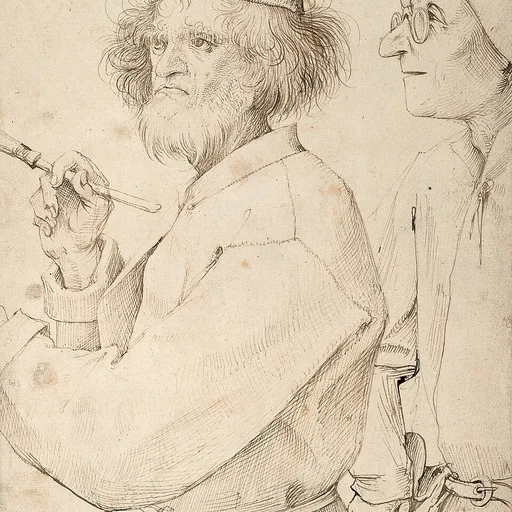
Artist
Pieter Bruegel (also Brueghel or Breughel) the Elder ( BROY-gəl, US also BROO-gəl; Dutch: ; c.
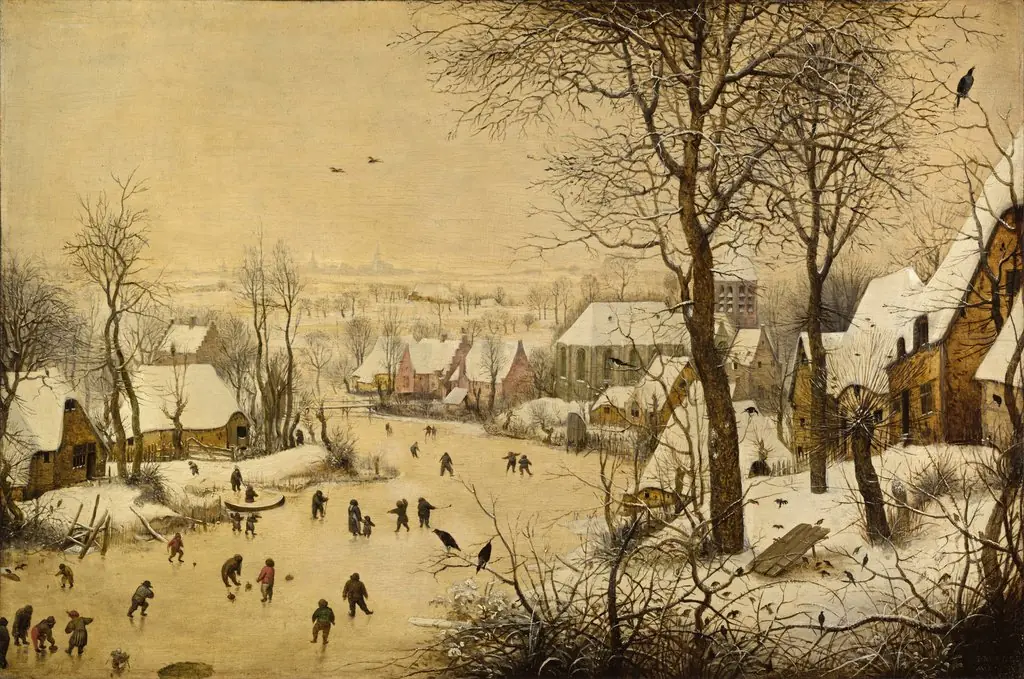
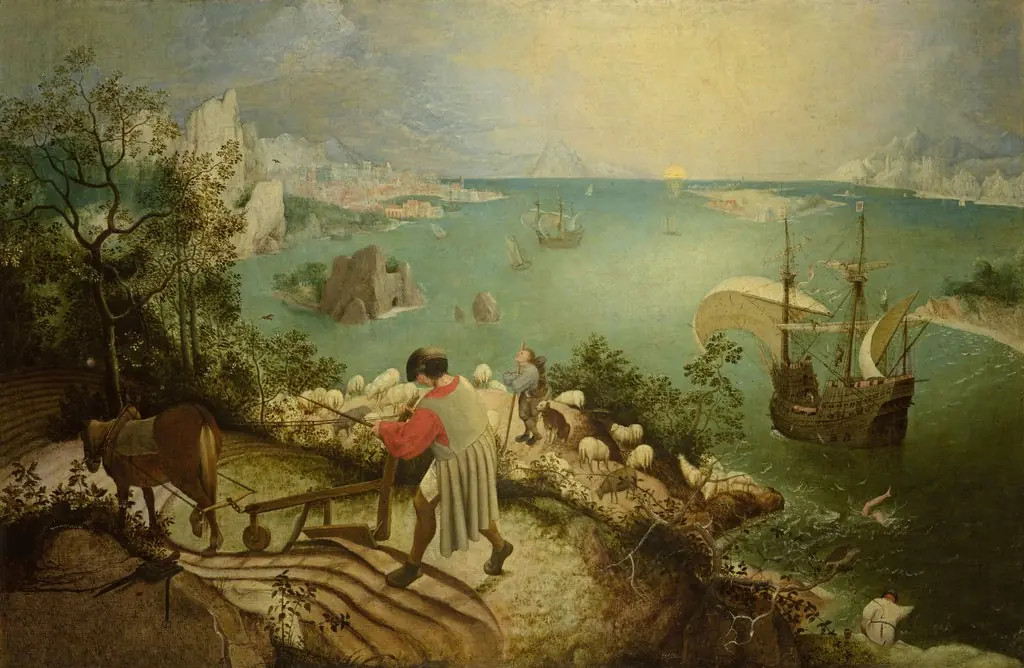
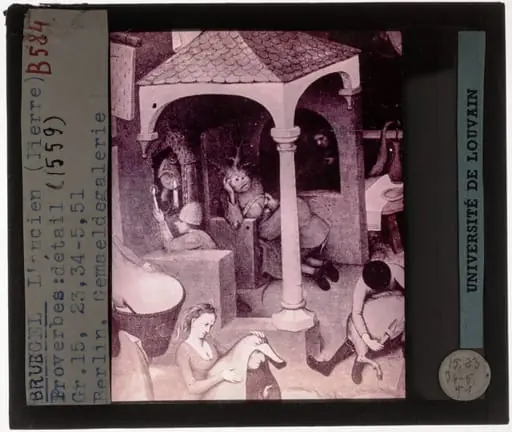 Pieter Brueghel de Oude. Nederlandse spreekwoorden Detail: Vijf spreekwoorden
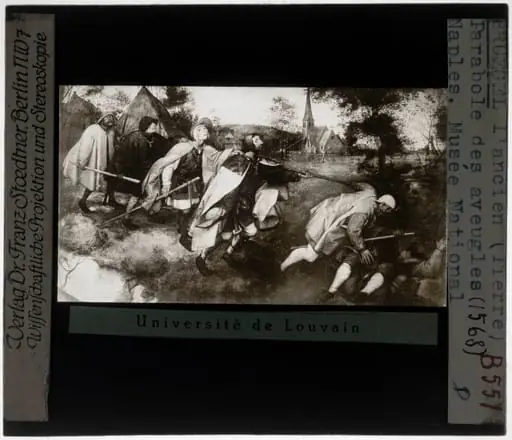 Pieter Brueghel the Elder. The Parable of the Blind
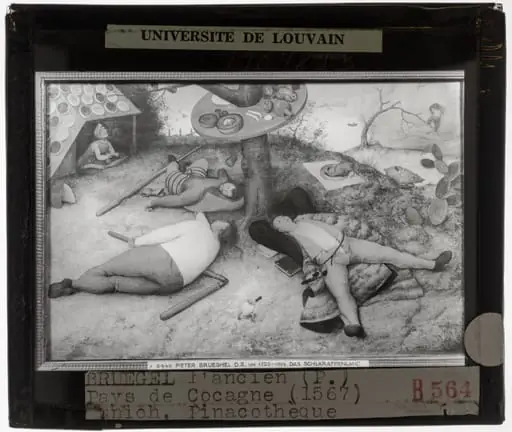 Pieter Brueghel de Oude. Luilekkerland
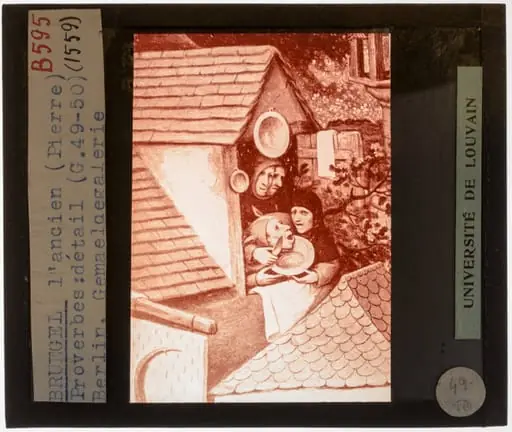 Pieter Brueghel the Elder. Dutch proverbs Detail: Two proverbs
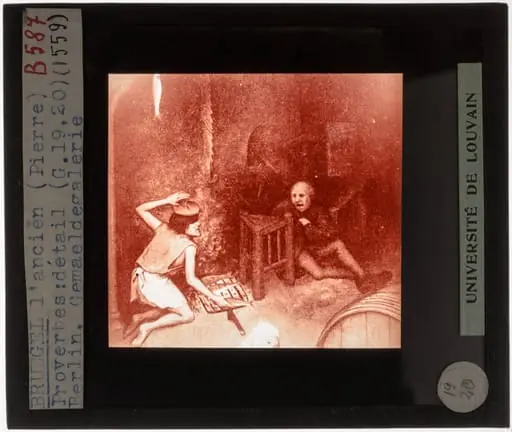 Pieter Brueghel de Oude. Nederlandse spreekwoorden Detail: Twee spreekwoorden
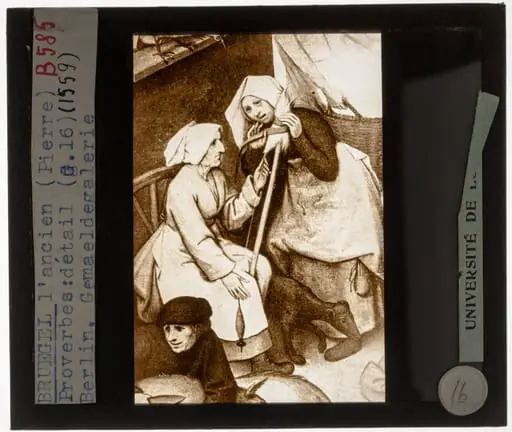 Pieter Brueghel de Oude. Nederlandse spreekwoorden Detail: De ene rokkent wat de andere spint
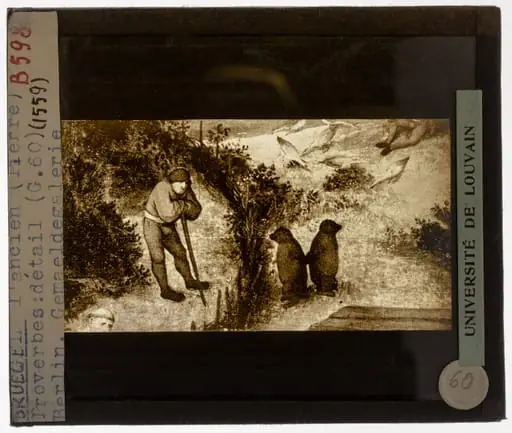 Pieter Brueghel de Oude. Nederlandse spreekwoorden Detail: Wilde beeren, die zijn bij den ander gheeren
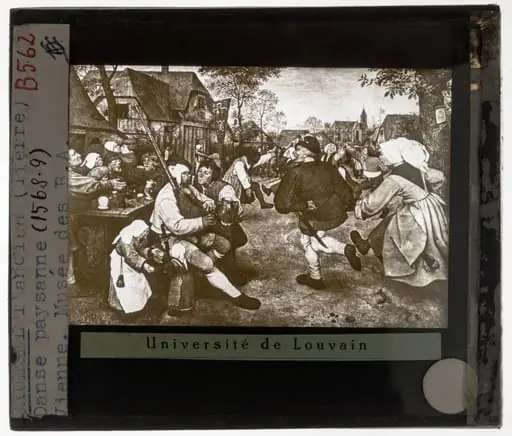 Pieter Brueghel de Oude. Boerendans
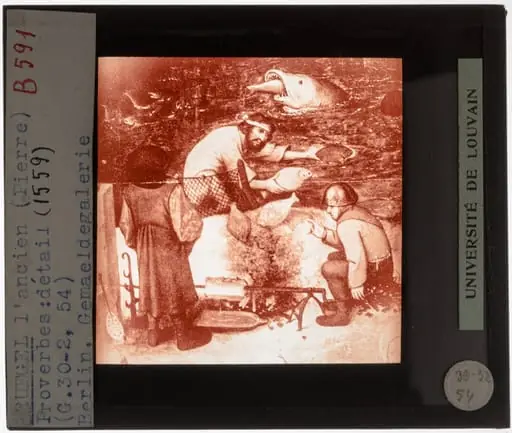 Pieter Brueghel the Elder. Dutch proverbs Detail: Five proverbs
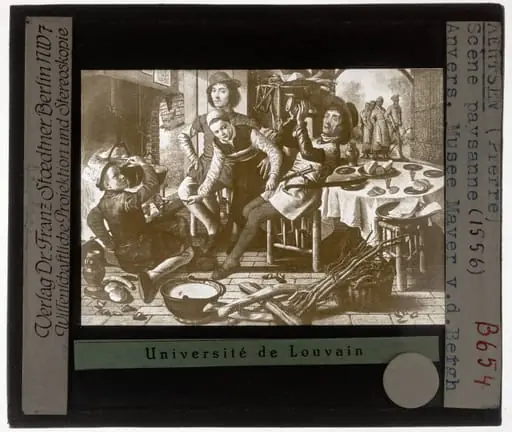 Pieter Aertsen. Boerengezelschap bij de haard
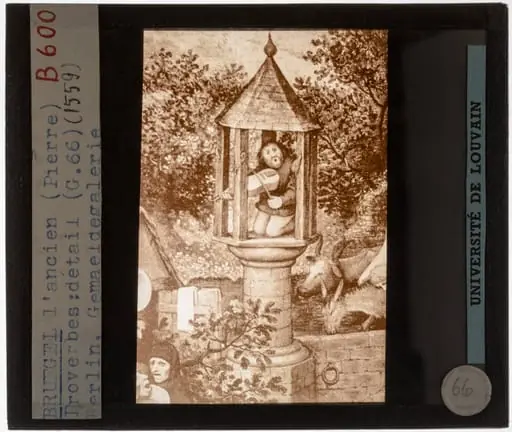 Pieter Brueghel de Oude. Nederlandse spreekwoorden Detail: Hij speelt op die kake
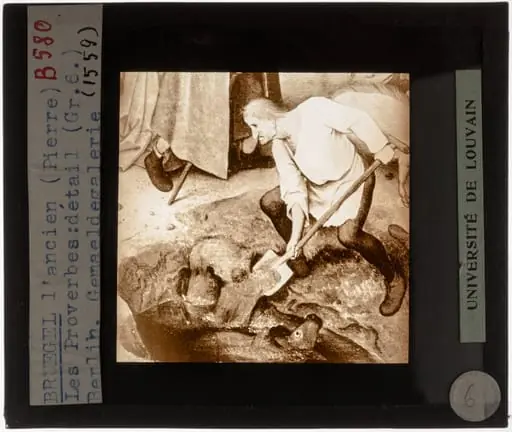 Pieter Brueghel de Oude. Nederlandse spreekwoorden Detail: Als 't kalf verdronken is, dempt men de put