Artwork
Still Life with Stone Jug, Kipper and smoker's requisites.
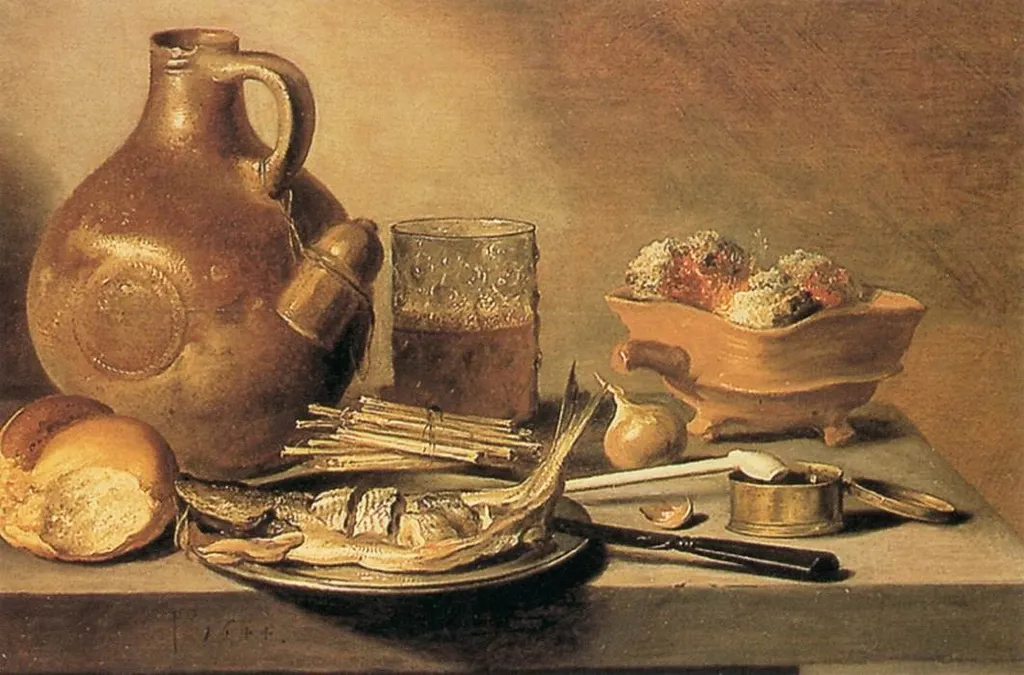
Still Life with Stone Jug, Kipper and smoker's requisites. is an oil painting by the Dutch Golden Age artist Pieter Claesz. It dates from 1644 and is held in the collection of the Mauritshuis.
About this work
Overview
Pieter Claesz’s oil painting, created in 1644, presents a modest tabletop arrangement that includes a stone jug, a glass of dark liquid, a plate of smoked kipper, a bowl of fruit, a loaf of bread, a clay pipe and a small metal cup. The work is part of the Mauritshuis collection in The Hague and exemplifies the Dutch still‑life tradition of the mid‑seventeenth century.
Subject & Meaning
The composition gathers everyday objects associated with domestic consumption: the smoked fish, a staple of Dutch fare; the pipe, representing tobacco use; and the simple foodstuffs of bread and fruit. By juxtaposing these items, the painting reflects the material culture of the Dutch Republic, hinting at themes of abundance, modesty and the fleeting nature of pleasure.
Technique & Style
Claesz renders each surface with meticulous attention to light and texture. The stone jug’s matte finish, the translucent glaze of the glass, and the glistening scales of the kipper are all depicted with subtle chiaroscuro, creating a realistic yet slightly worn appearance that suggests prior use. The brushwork is restrained, emphasizing the quiet dignity of the objects.
History & Provenance
Since its creation, the painting has remained in the Netherlands, eventually entering the Mauritshuis collection, where it is displayed among other Dutch Golden Age works. Its provenance is documented through museum records that trace its acquisition to the early twentieth century.
Context
In the 1640s, Dutch still‑life painters often focused on “ontbijt” (breakfast) scenes that celebrated everyday provisions. Claesz, a leading figure in this genre, employed a subdued palette and careful composition to elevate ordinary items to subjects worthy of artistic attention.
Legacy
The work continues to be studied for its precise rendering of material culture and its contribution to the development of still‑life painting in the Dutch Golden Age. It offers insight into contemporary tastes and the visual language that artists used to convey domestic realism.
Artist & collection
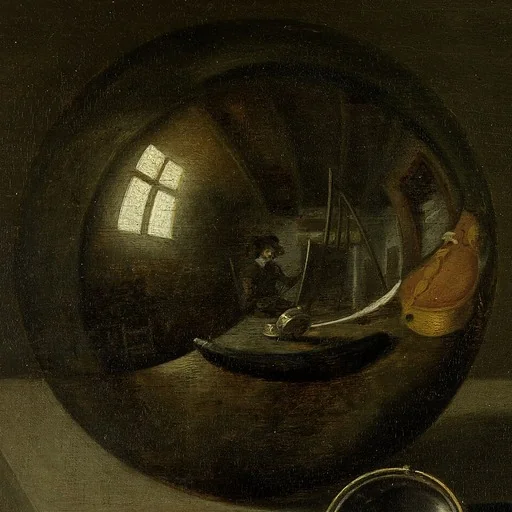
Artist
Pieter Claesz was born in 1596 or 1597 in Berchem, near Antwerp, and moved to Haarlem in the Dutch Republic around 1620.

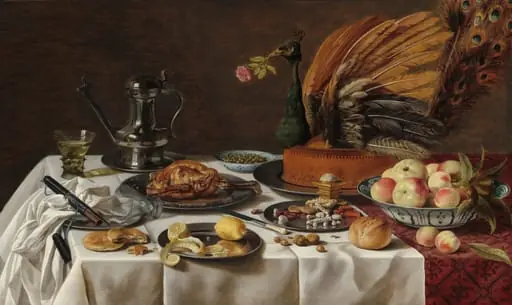
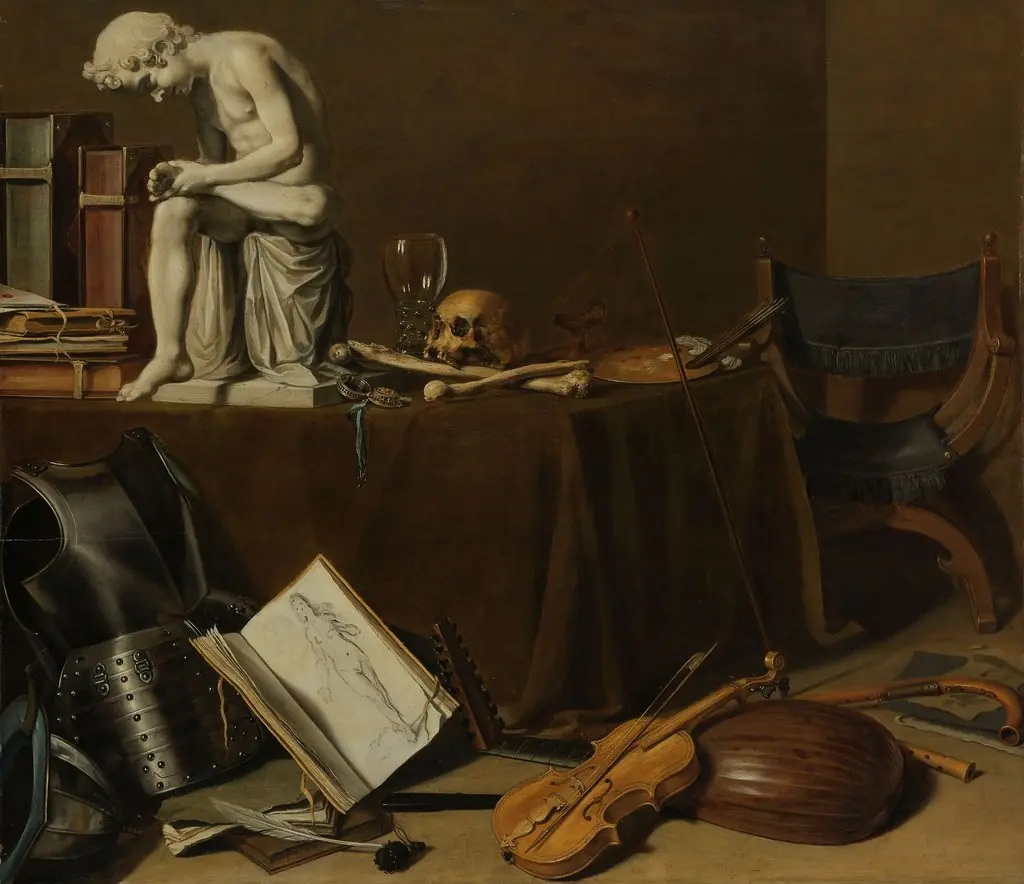
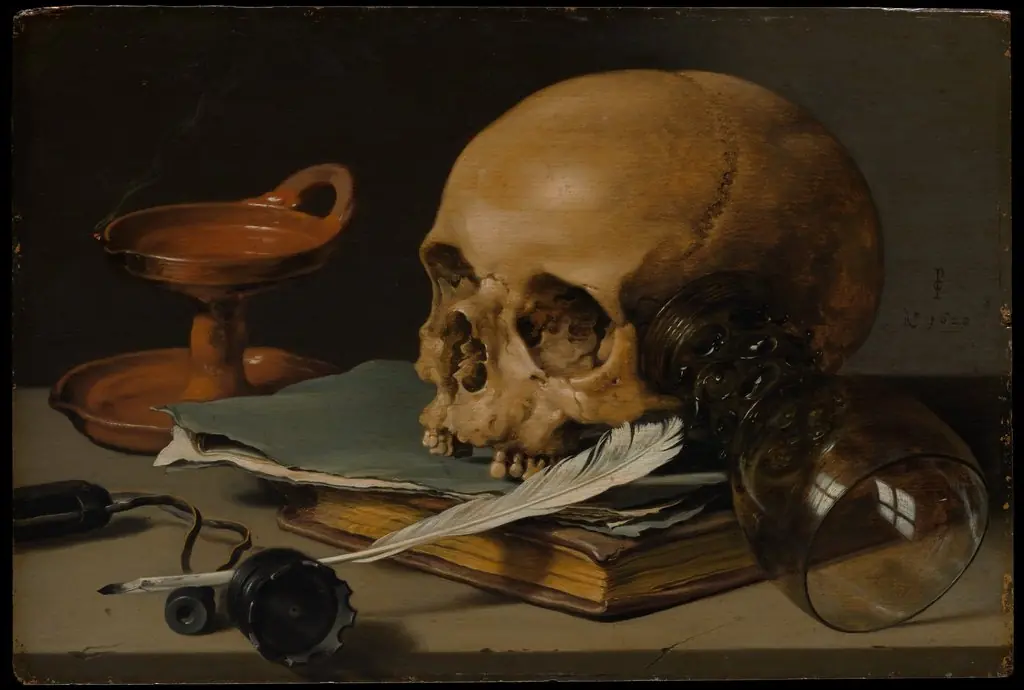
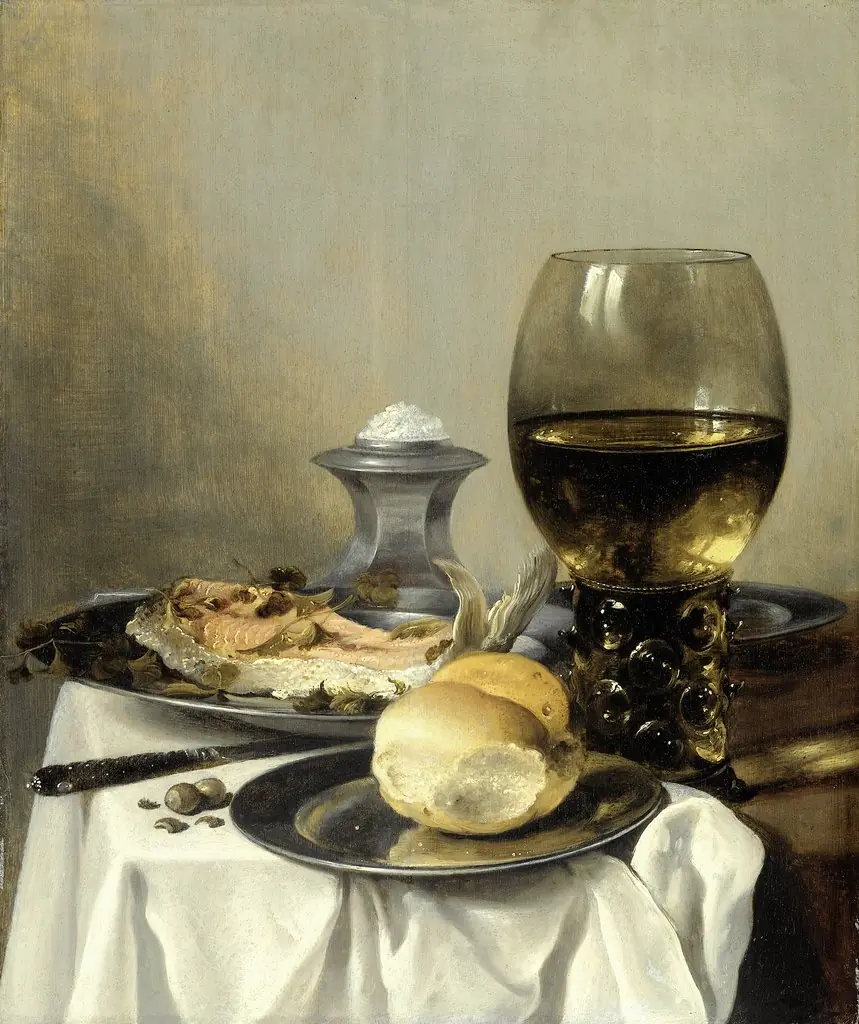
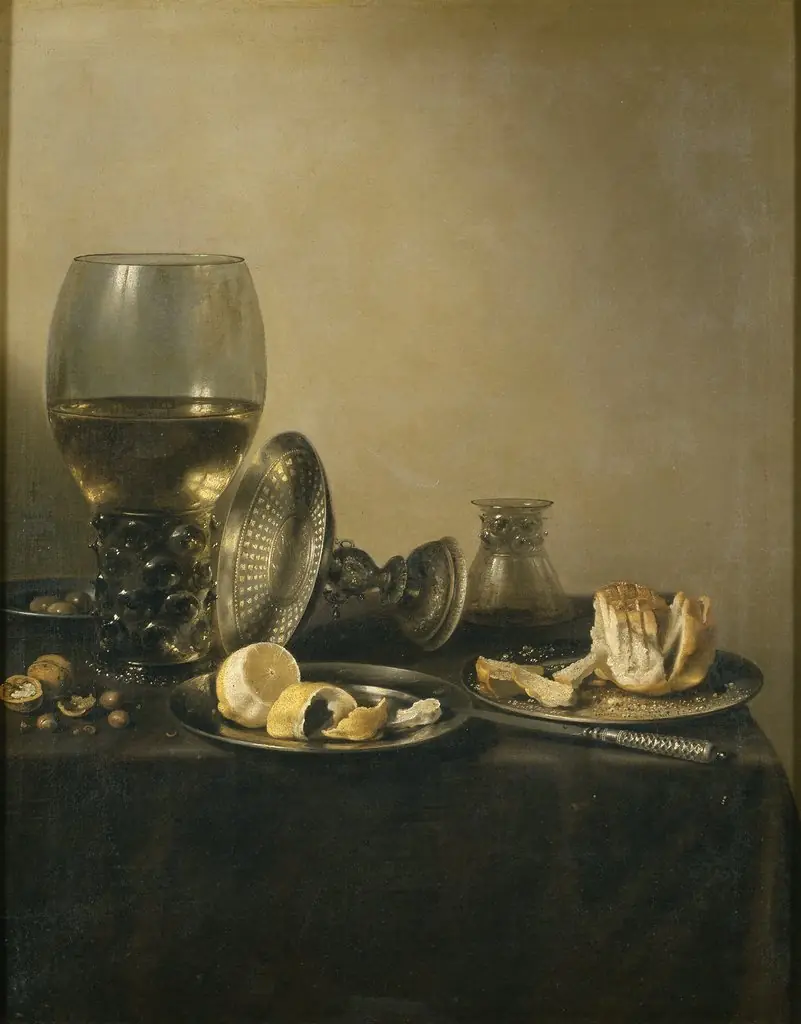
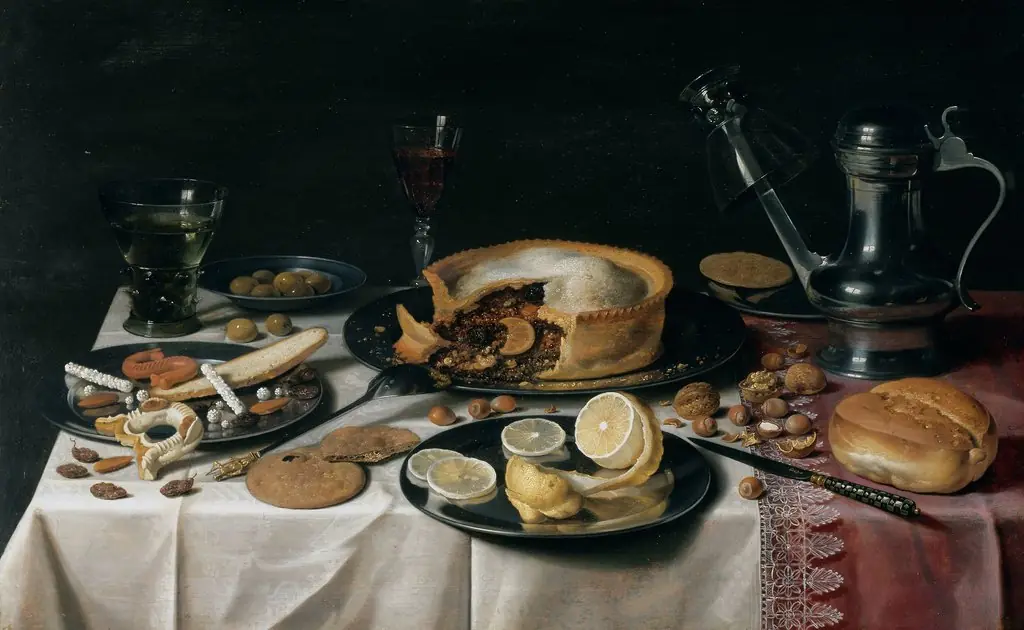
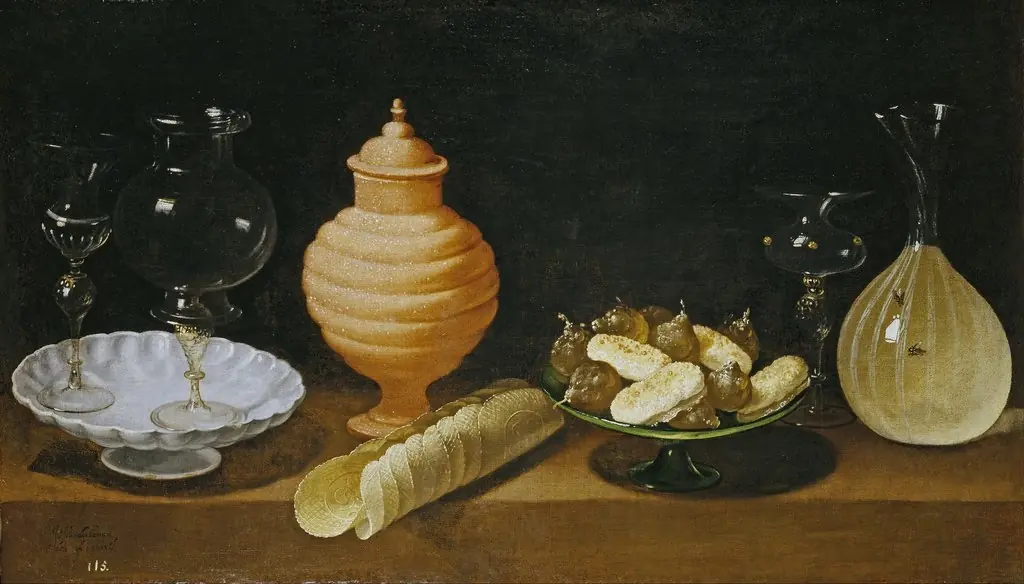 Still-Life of Glass, Pottery, and Sweets
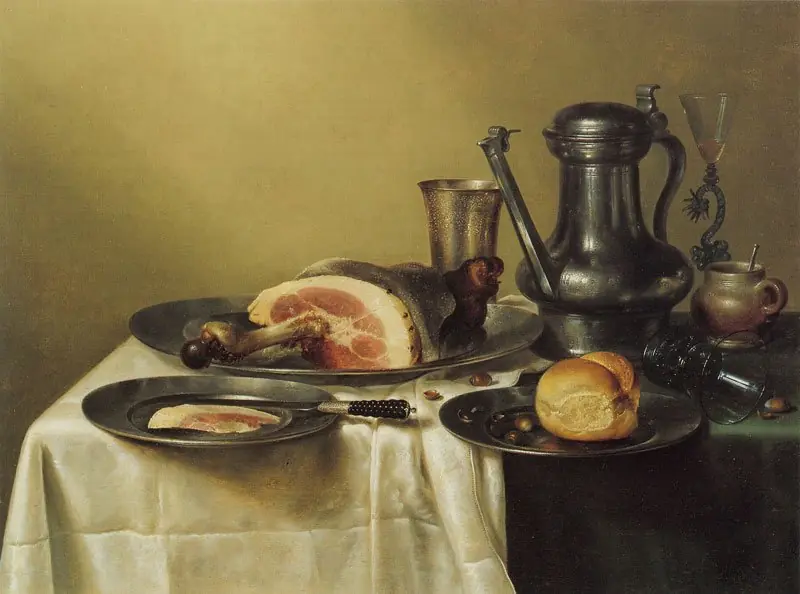 Laid Table with Ham and a Roll
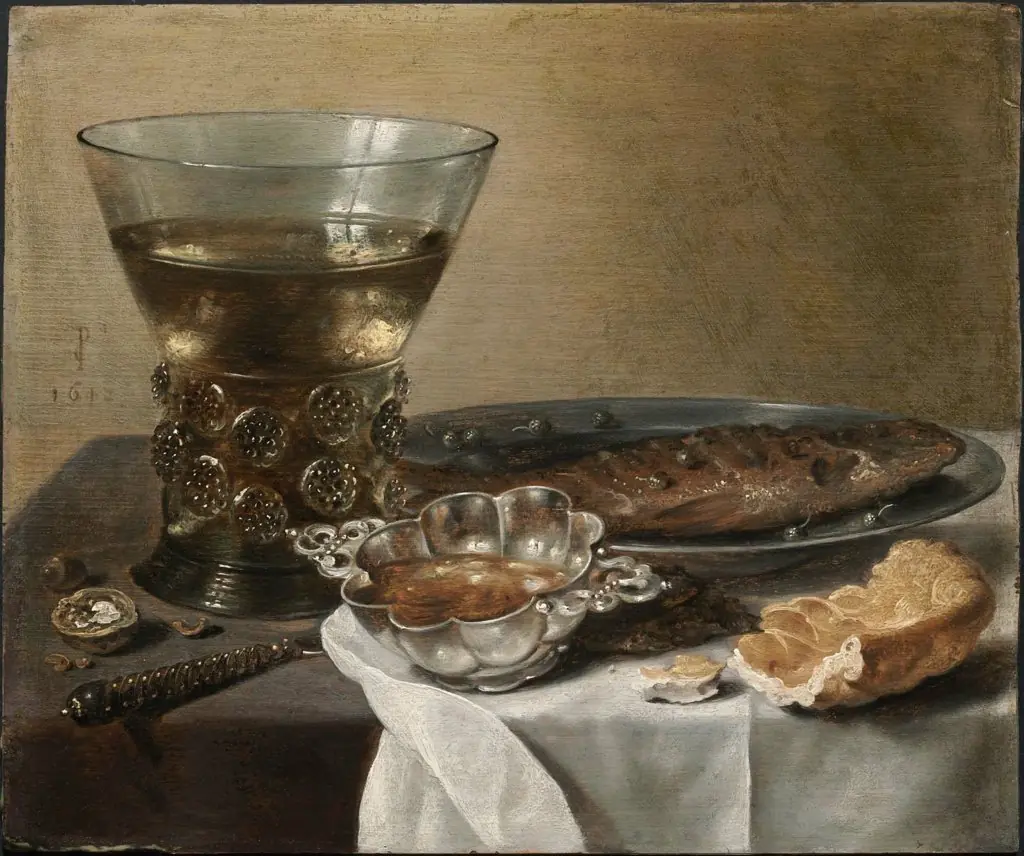 Still Life with Silver Brandy Bowl, Wine Glass, Herring, and Bread
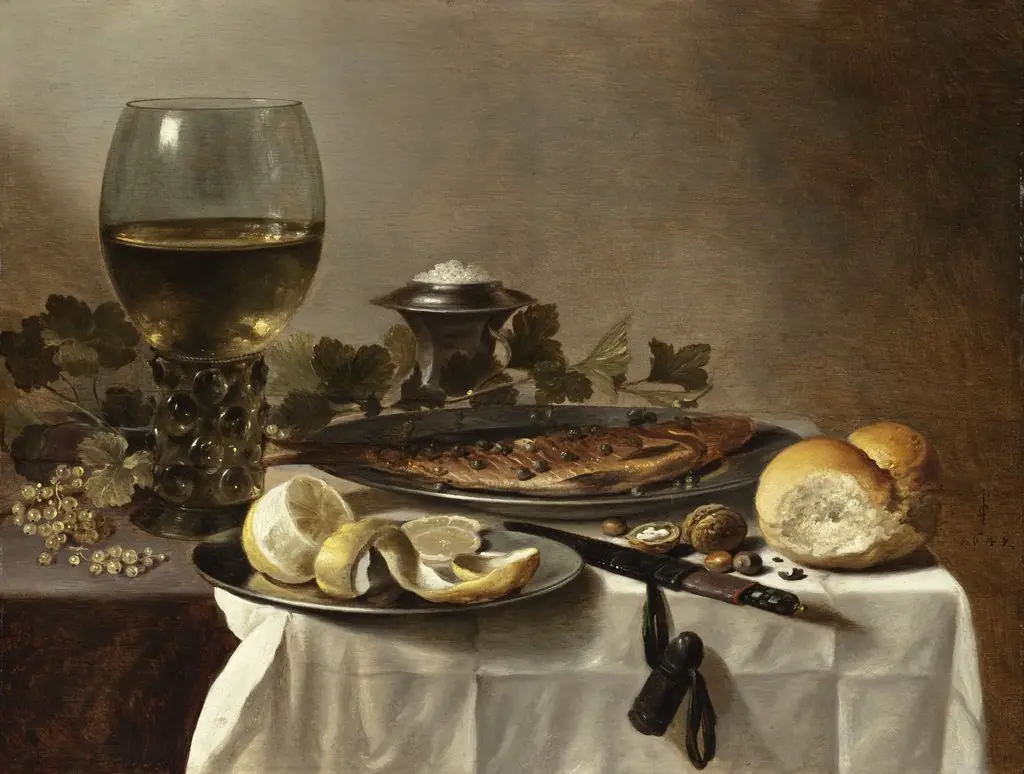 Still Life with Herring, Wine and Bread
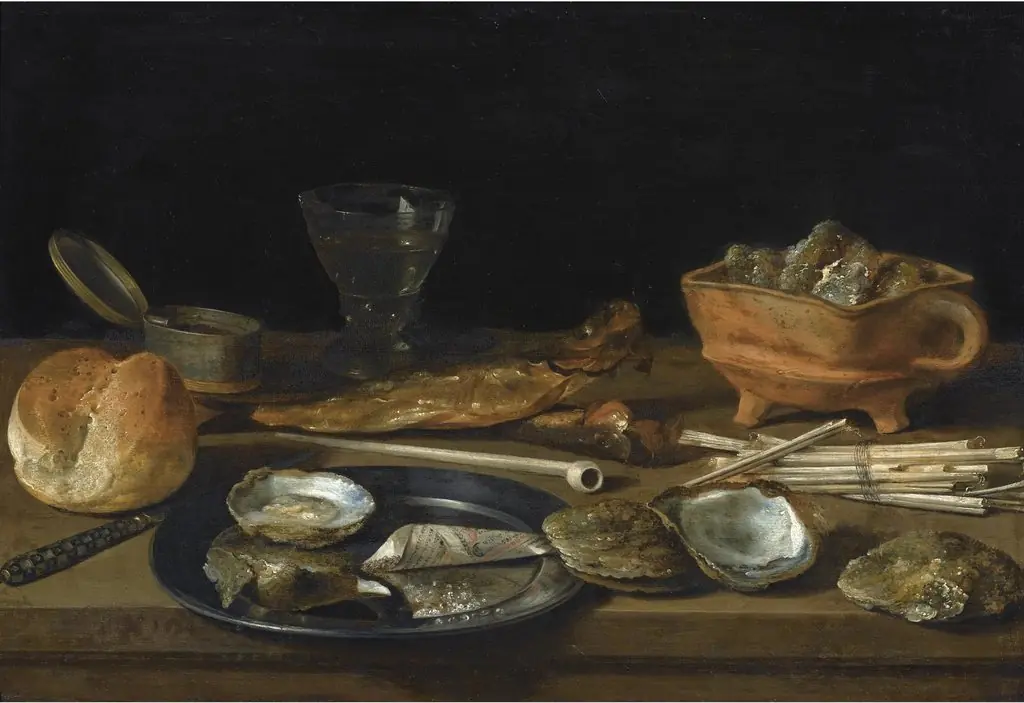 Still life with a brazier, a wine-glass, herring, oysters, bread, smoking paraphenalia, and a pewter plate
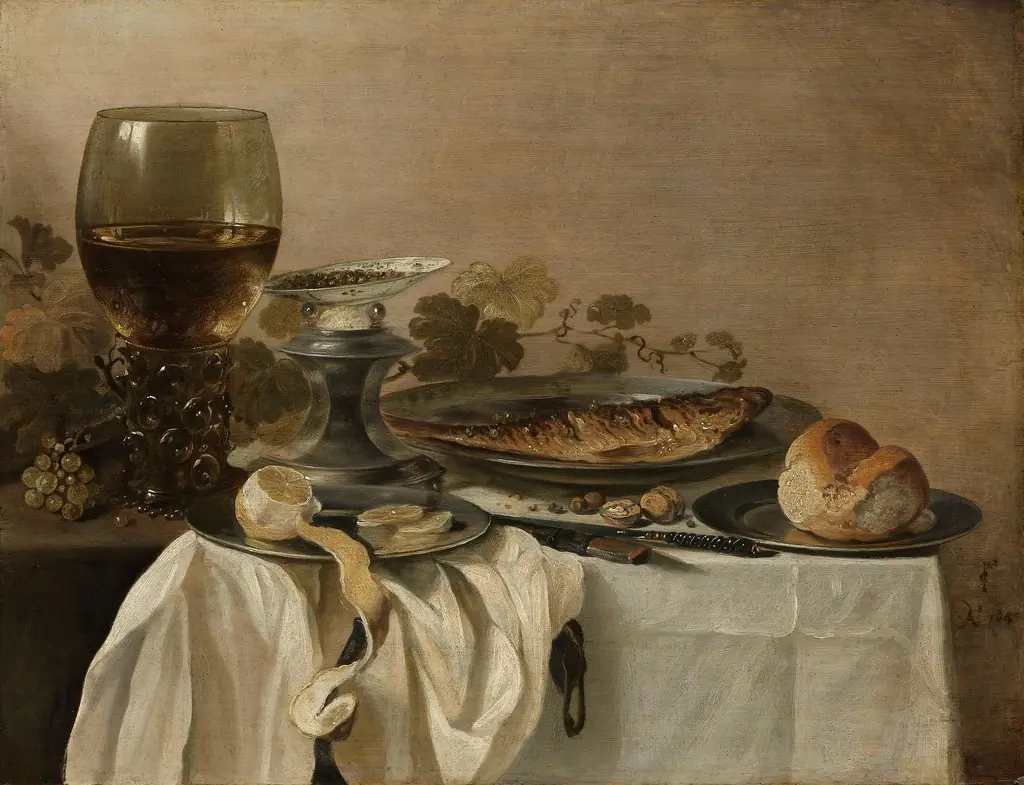 Still life with a fish
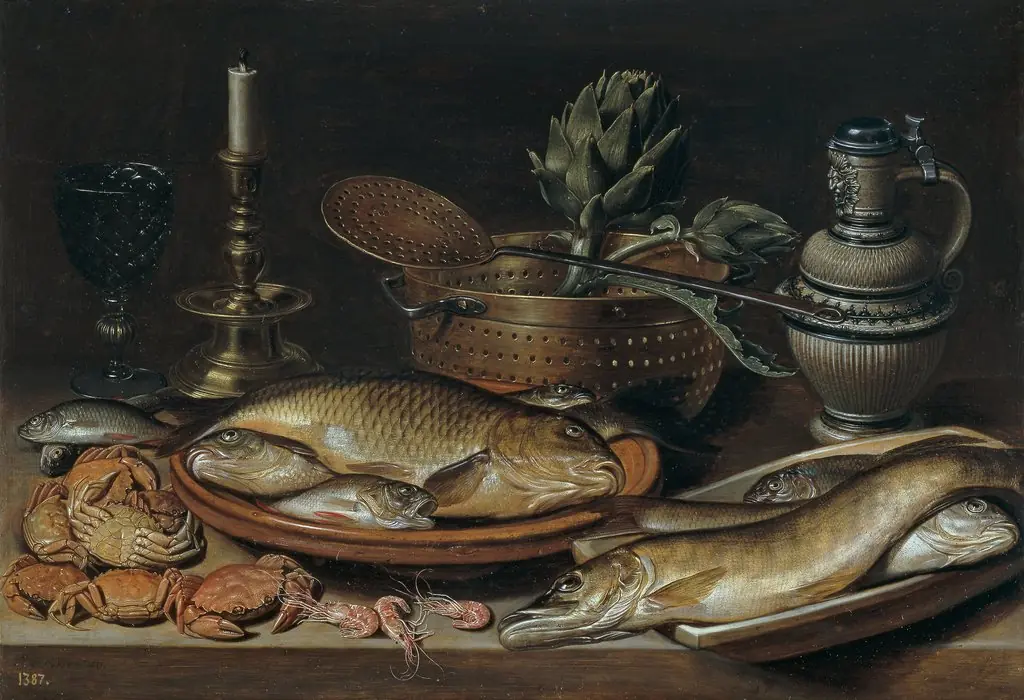 Still life of fish with a candlestick
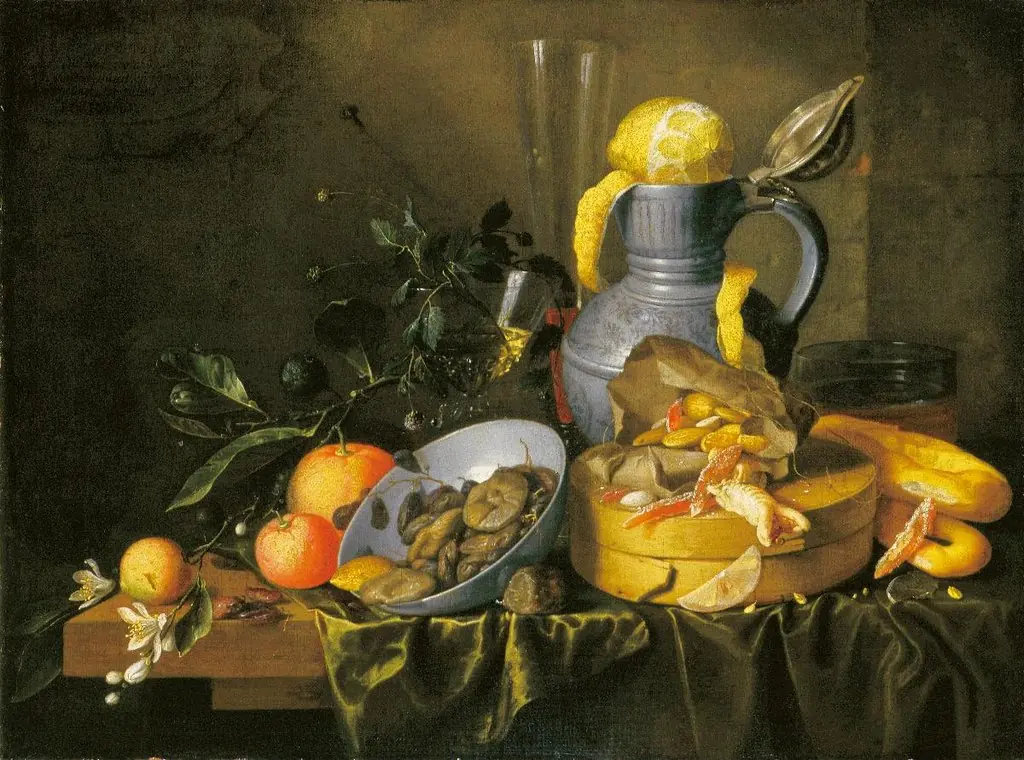 Stillleben mit Sinnspruch und Fastenspeisen