Artwork
Portrait of Jacquemyne Buuck
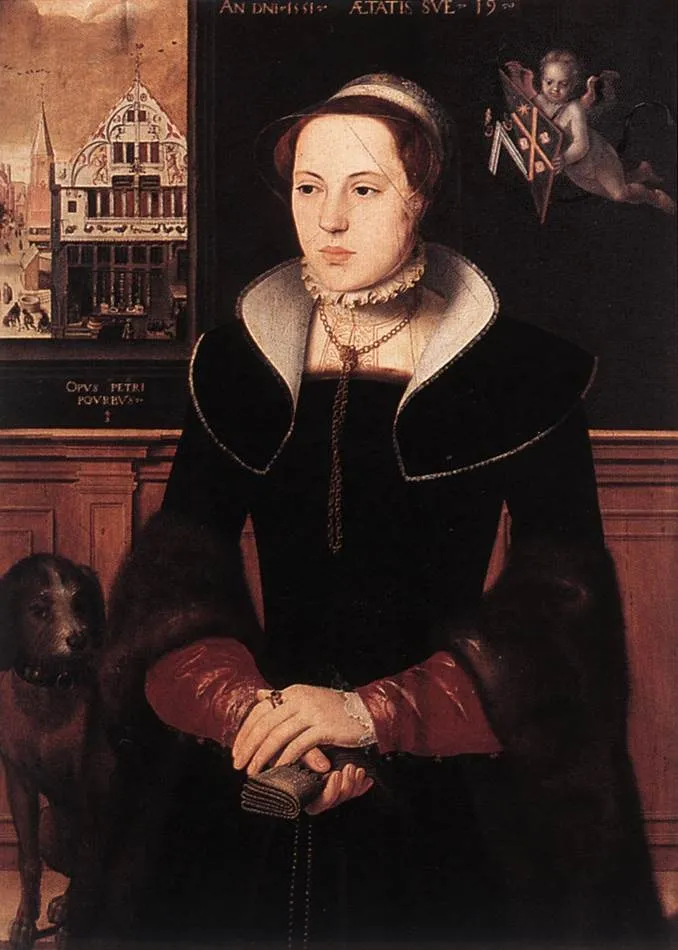
Portrait of Jacquemyne Buuck is an oil painting by the Northern Renaissance artist Pieter Pourbus. It dates from 1551 and is held in the collection of the Groeningemuseum.
About this work
Overview
Created in 1551 by the Bruges‑based painter Pieter Pourbus, this oil on panel presents a seated woman accompanied by a dog. The work belongs to the collection of the Groeningemuseum and exemplifies the artist’s focus on portraiture during the mid‑sixteenth century.
Subject & Meaning
The sitter, identified as Jacquemyne Buuck, is shown in a dark gown trimmed with a white ruff and a modest hat, her hands clasping a book. A small dog stands at her side, gazing outward, a common symbol of fidelity. Behind them, a dimly lit architectural scene with a cherubic figure adds a subtle narrative layer.
Technique & Style
Pourbus employs a meticulous oil technique, rendering fabrics, fur and architectural details with a high degree of realism. The contrast between the deep background and the illuminated figure highlights the sitter’s features, while the fine brushwork on the red sleeve and the dog’s fur demonstrates the painter’s skill in texture and light.
History & Provenance
The portrait entered the Groeningemuseum’s holdings as part of its core Flemish Renaissance collection. Its attribution to Pourbus rests on stylistic comparison with his documented religious and secular works, confirming its place within his oeuvre.
Context
During the 1550s Bruges maintained a thriving market for private portraiture, reflecting the growing desire of the mercantile class to assert status through commissioned images. Pourbus, known for both devotional panels and individual likenesses, catered to this demand, integrating contemporary fashion and symbolic elements such as the dog to convey personal virtues.
Artist & collection
Artist
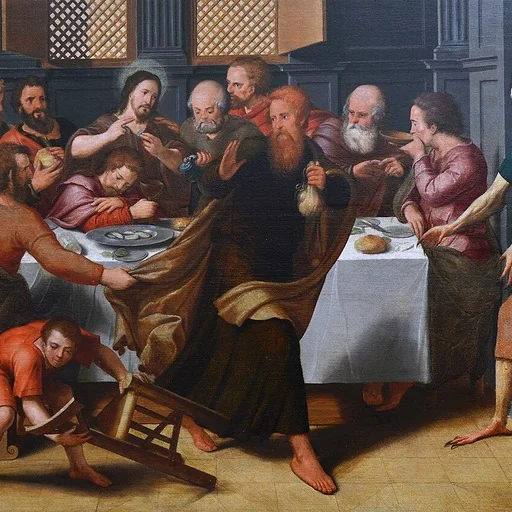
Pieter Jansz. Pourbus (c. 1523–1584) was a Flemish Renaissance painter, draftsman, engineer and cartographer who was active in Bruges during the 16th century. He is known primarily for his religious and portrait paintings.

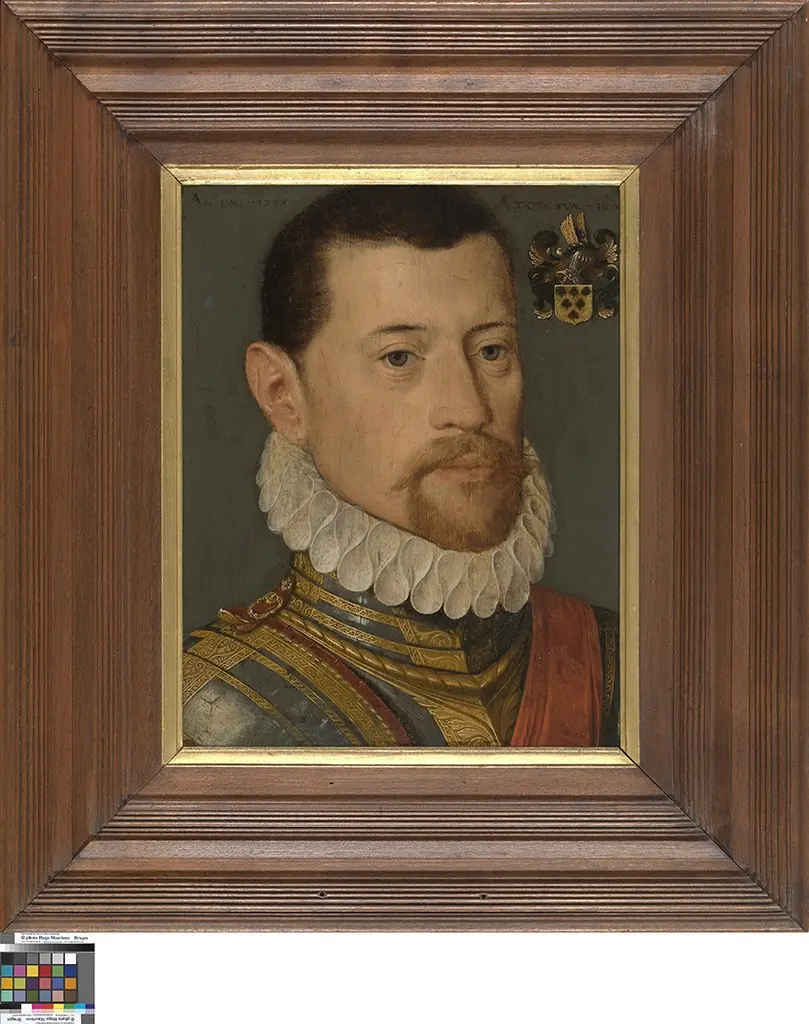
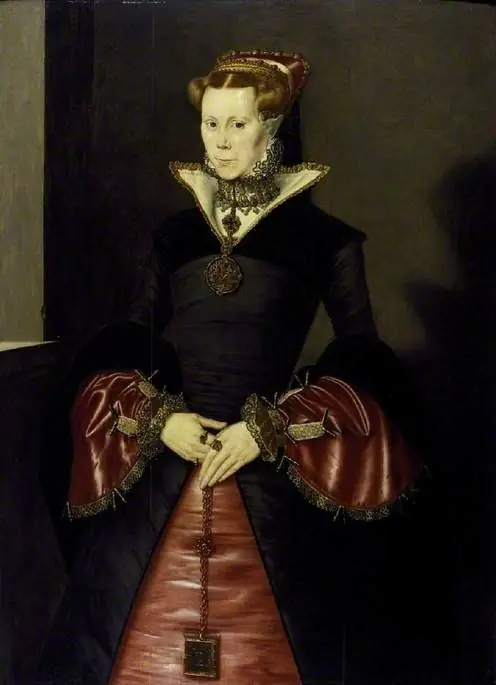 Unknown lady (perhaps Lady Jane Grey)
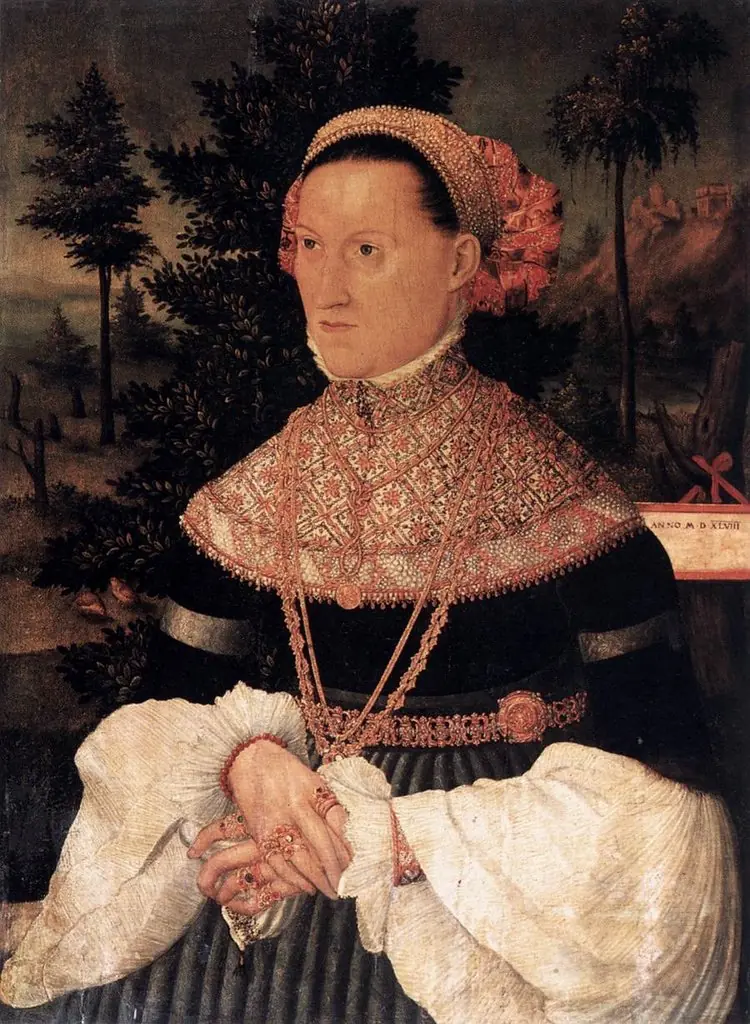 A Lady
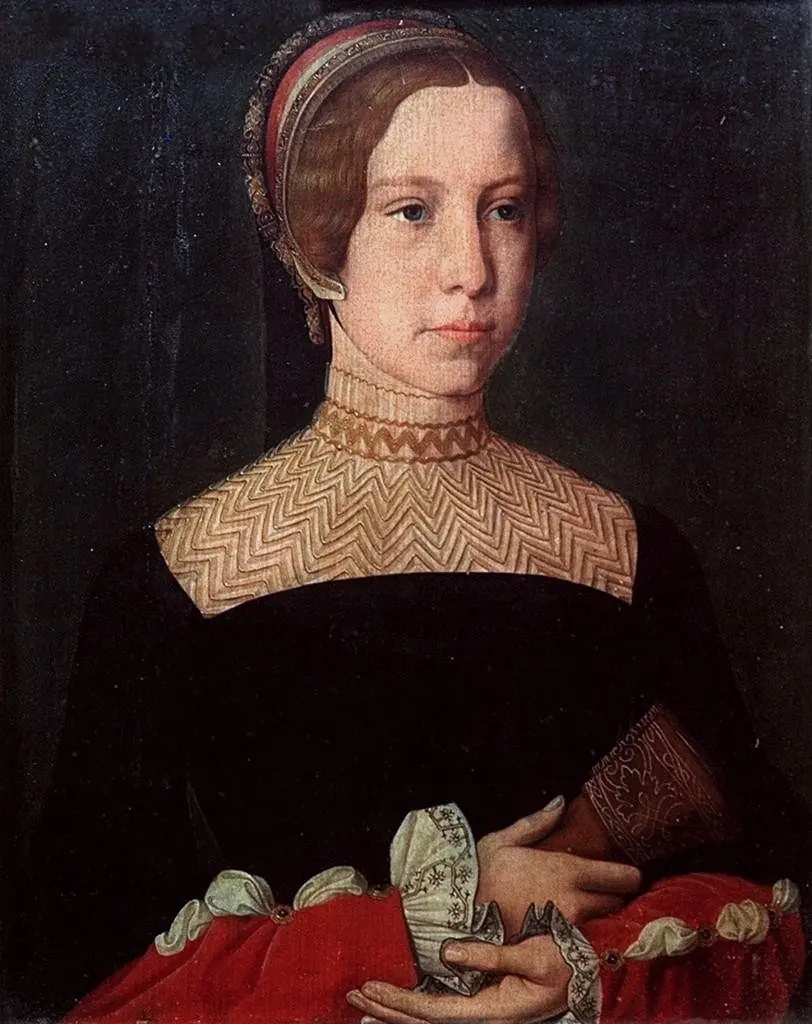 Ritratto di donna (Madeleine de la Tour d'Auvergne ?)
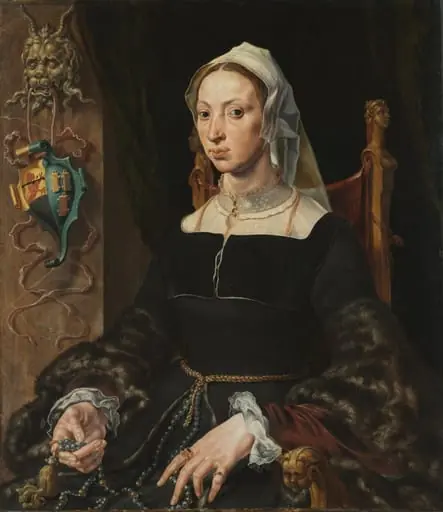 Portrait of Machtelt Suijs
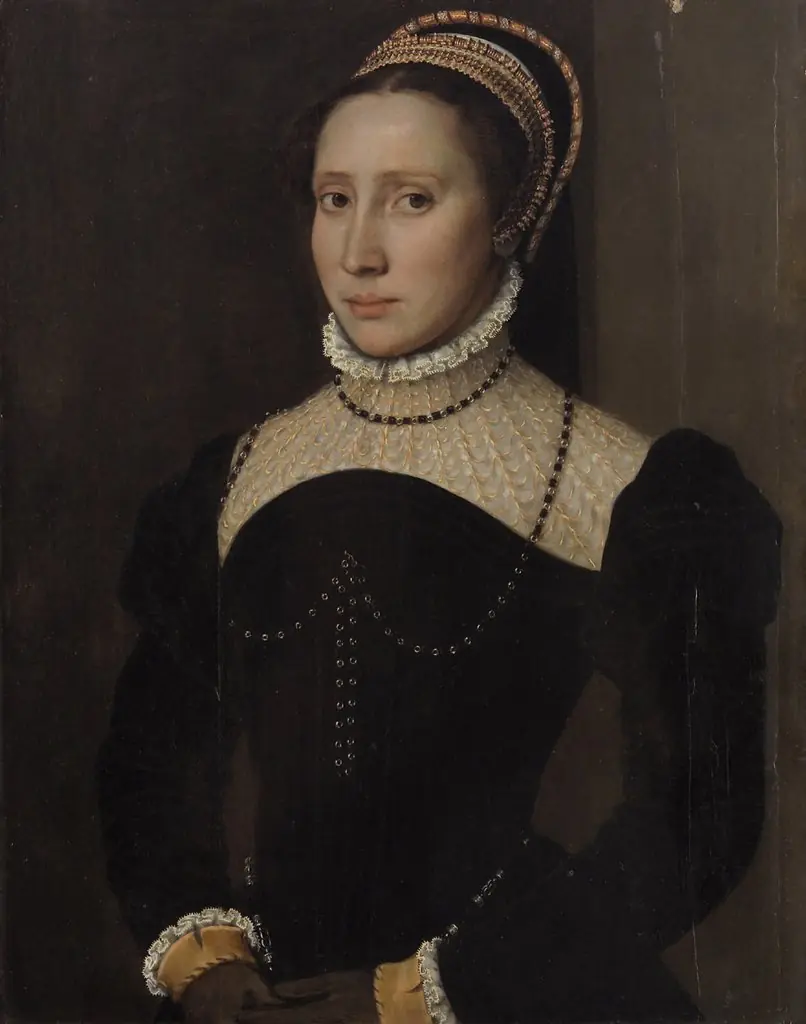 Weibliches Bildnis
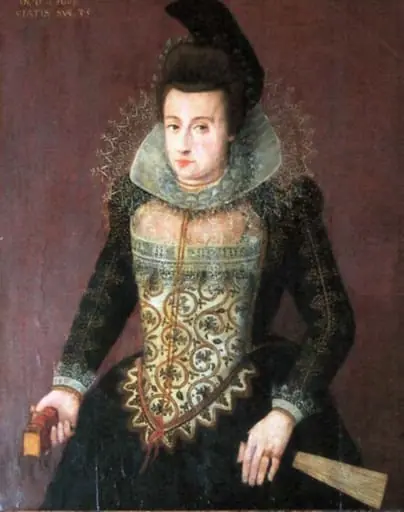 Portret de englezoaică aristocrată
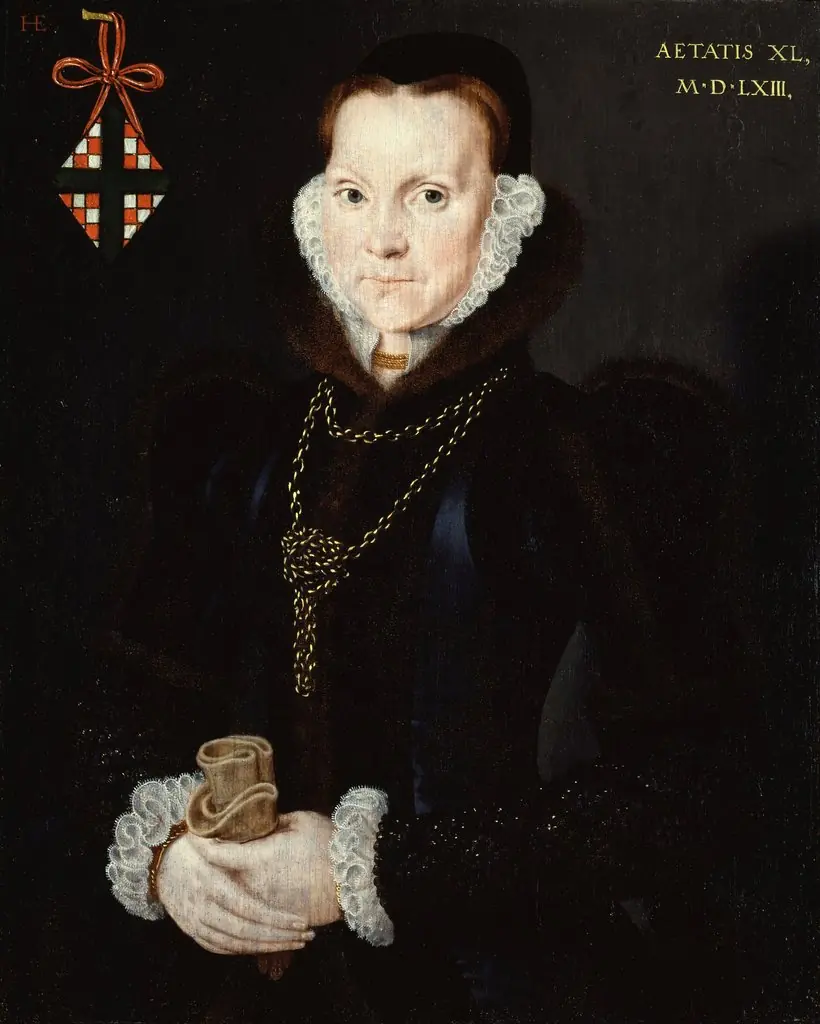 Elizabeth Roydon, Lady Golding
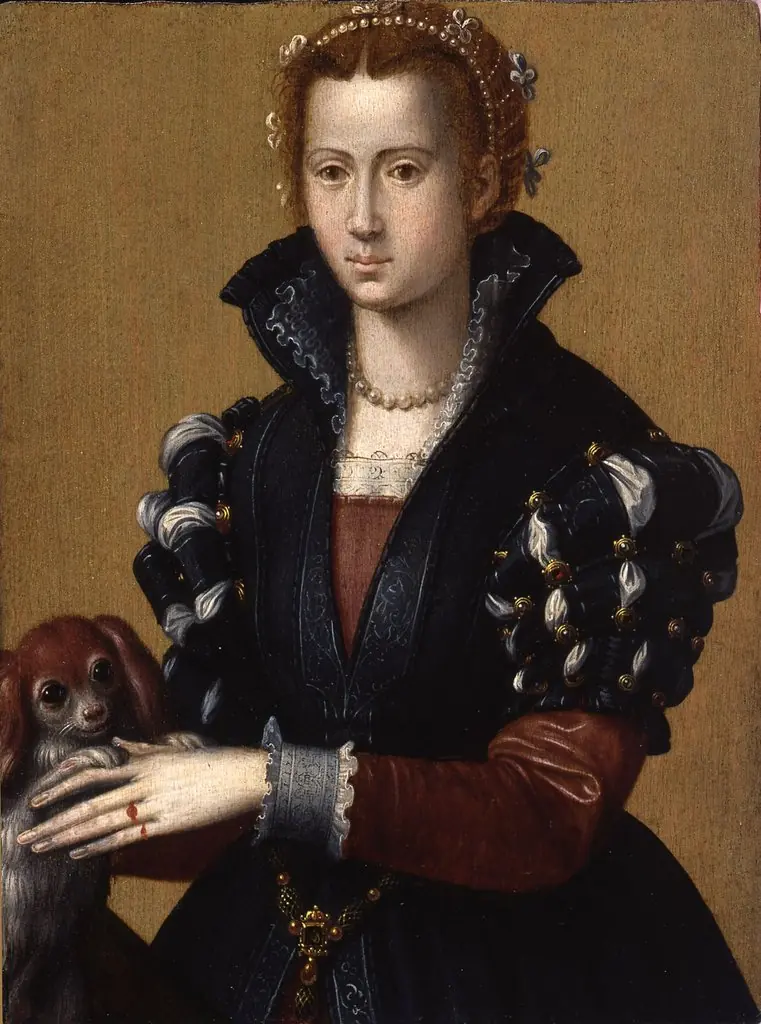 Portrait of Eleanora of Toledo
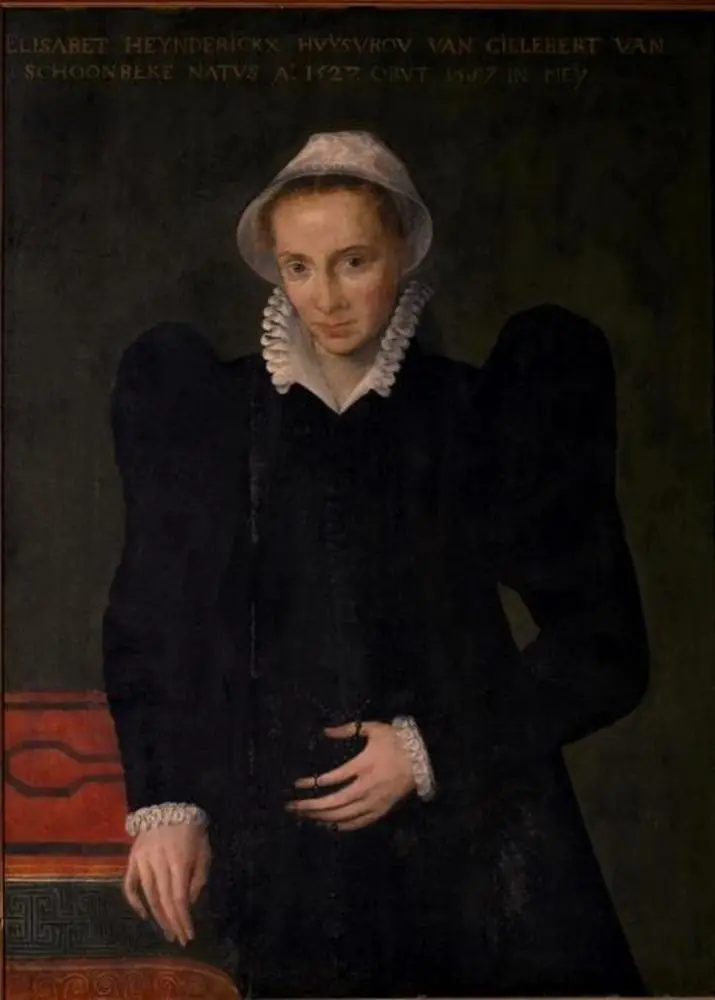 Portrait of Elisabeth Heynderickx, wife of Gilbert van Schoonbeke
 Portrait of Marie of Baden
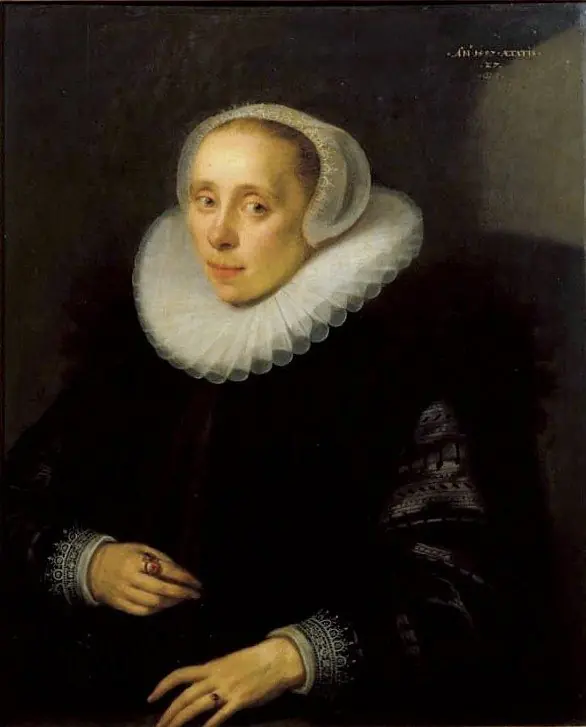 Portrait of a Lady
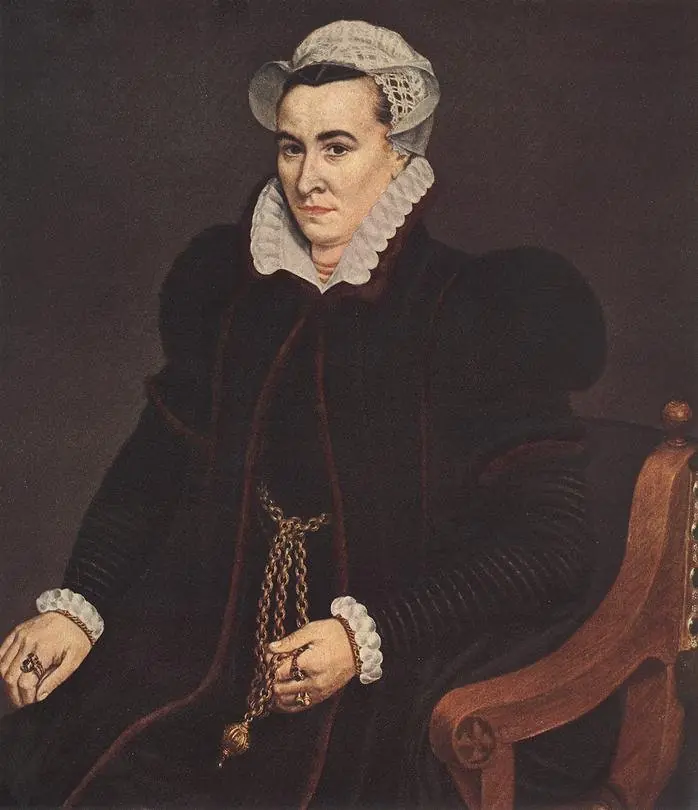 Portrait of a Lady