Artwork
Socrates and two students
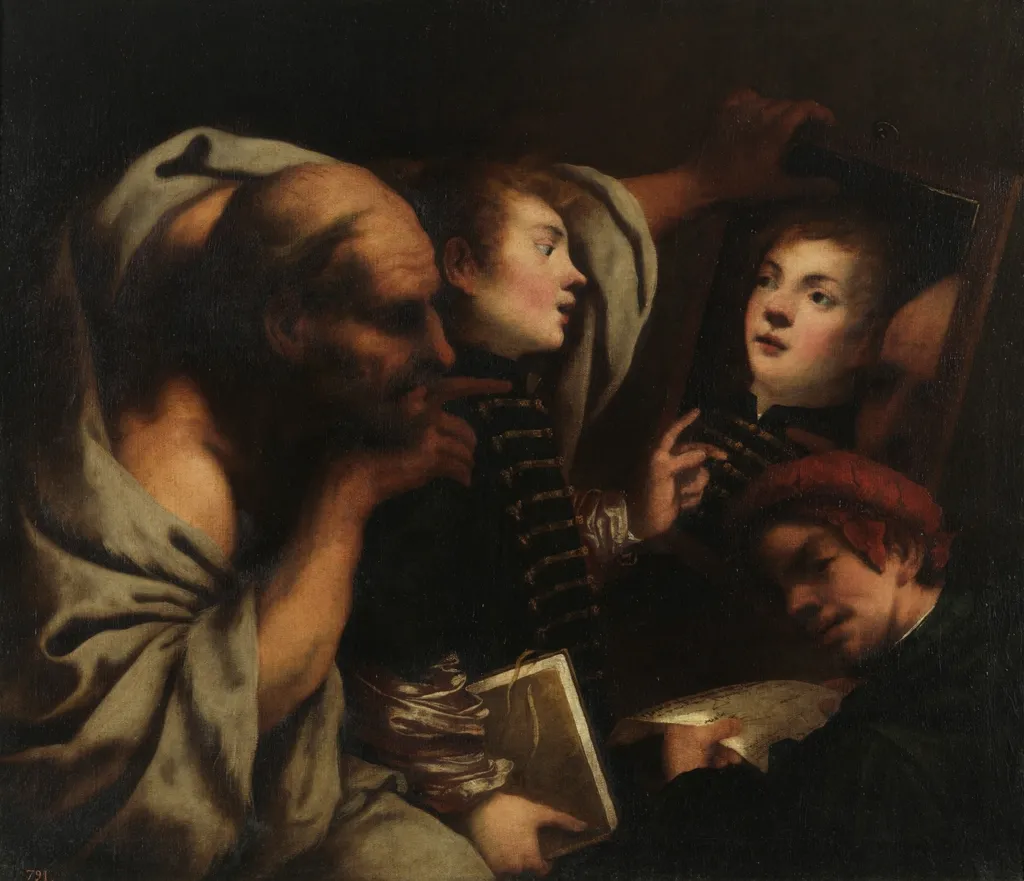
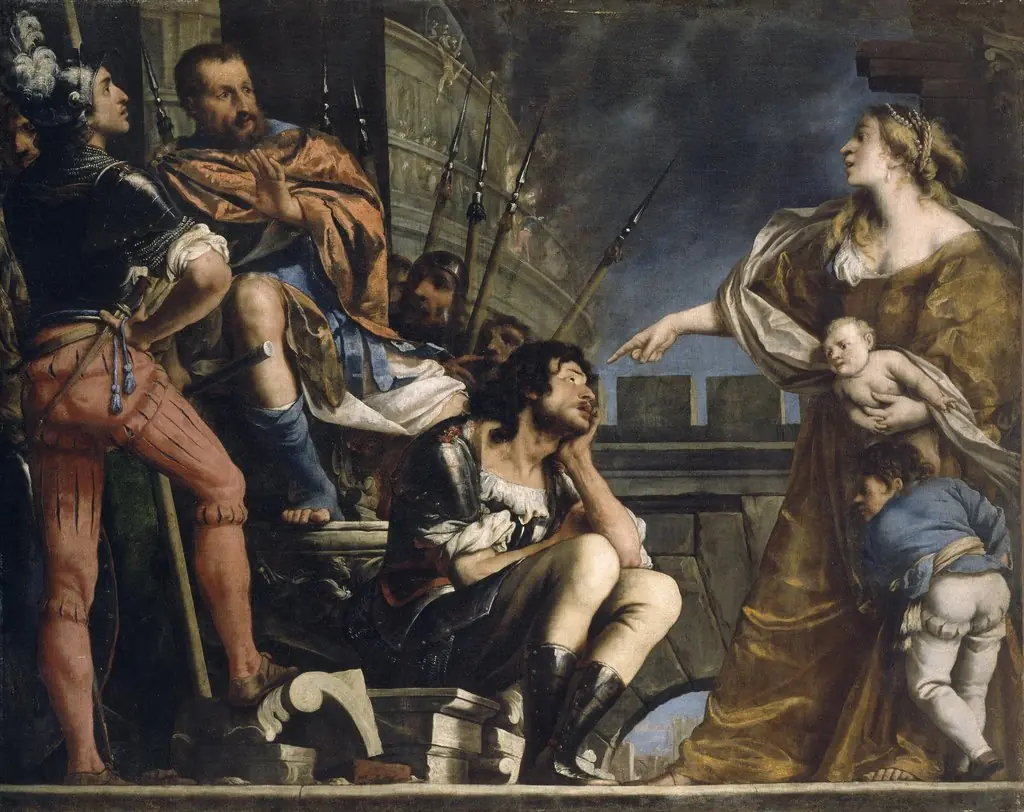
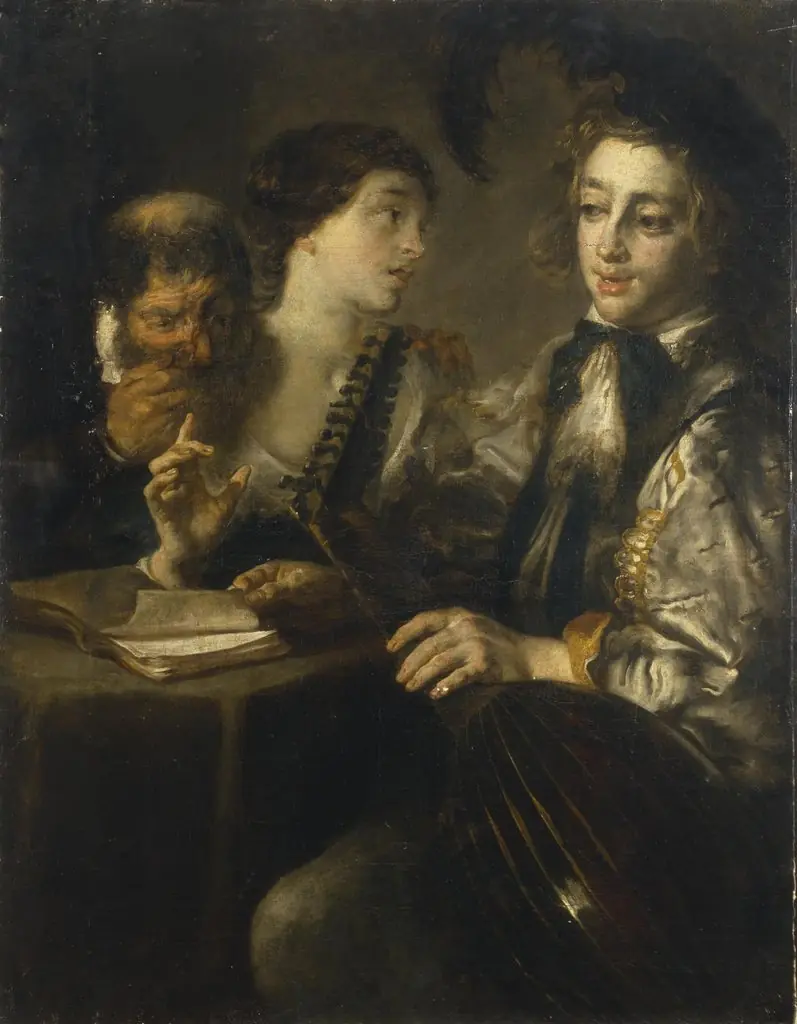
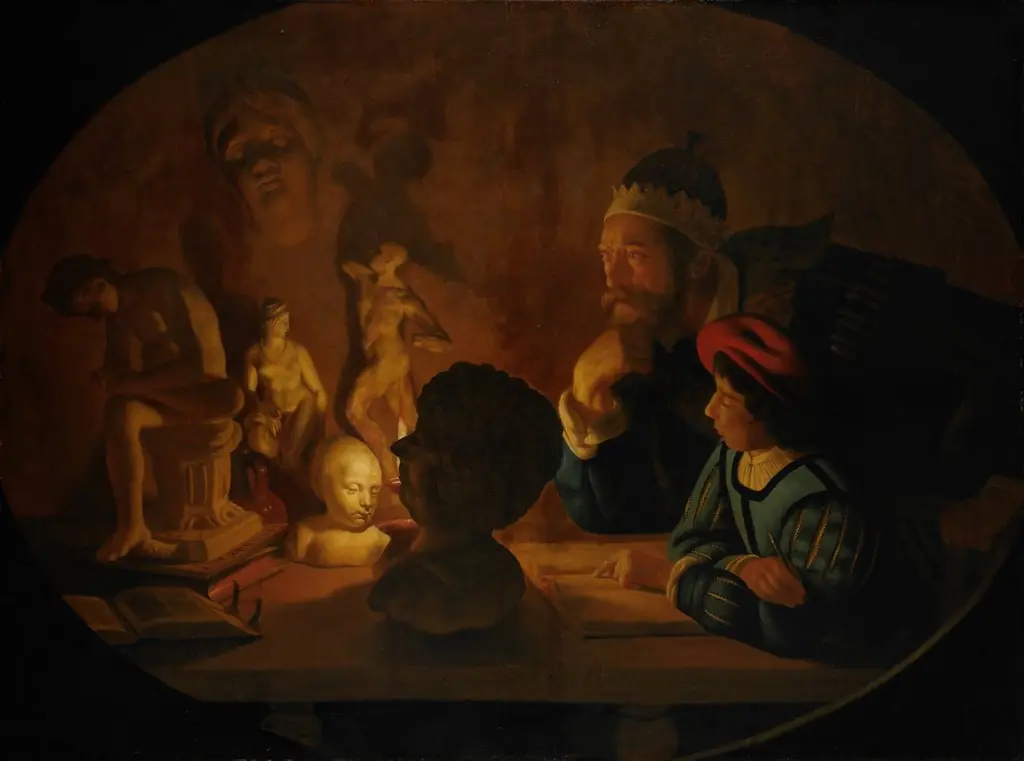
Socrates and two students is an oil painting by the Early Baroque Italian artist Pietro della Vecchia. It dates from 1601 and is held in the collection of the Museo del Prado.
About this work
Overview
Painted in 1601 by Pietro della Vecchia, this oil-on-canvas work captures a quiet moment of intellectual exchange. Rooted in the transitional phase between late Mannerism and early Baroque, the painting reflects Venice’s evolving artistic language. It is part of the Museo del Prado’s collection, where its subdued tone and intimate composition distinguish it from more dramatic contemporaries.
Subject & Meaning
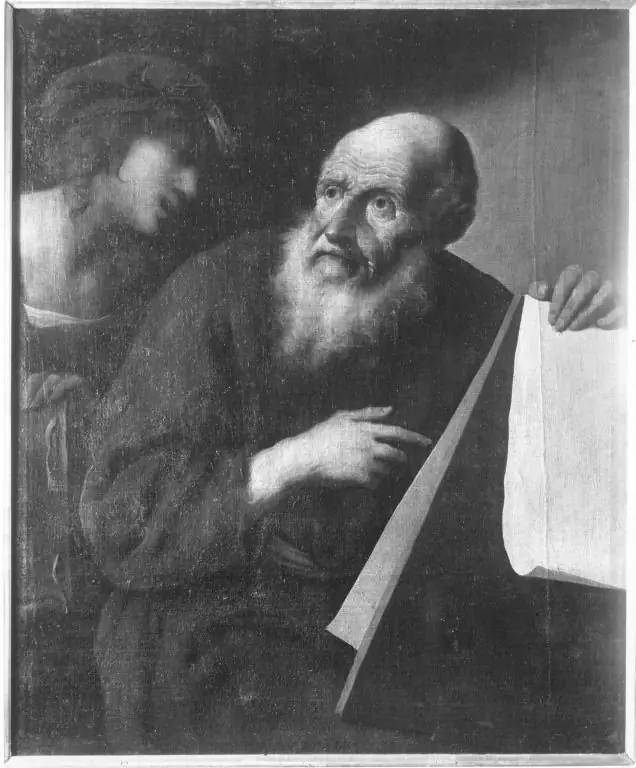
The central figure, draped in a flowing robe, leans forward as if absorbing knowledge, while another gestures toward an open book—emphasizing textual study.
The scene portrays Socrates engaged with two disciples, likely representing philosophical instruction. The central figure, draped in a flowing robe, leans forward as if absorbing knowledge, while another gestures toward an open book—emphasizing textual study. The third figure, shrouded in shadow, observes silently, suggesting contemplation as an essential part of learning. The focus on dialogue and text underscores the value placed on reasoned discourse in humanist tradition.
Technique & Style
Della Vecchia employs chiaroscuro to model the figures with soft, directional light, isolating faces and hands against a near-black background. The brushwork is restrained, favoring subtle gradations over bold strokes. Textures of fabric and aged parchment are rendered with quiet precision, enhancing the scene’s intimacy. The composition avoids theatricality, instead cultivating a mood of concentrated attention through restrained gesture and lighting.
History & Provenance
The painting entered the Museo del Prado’s collection in the 19th century, though its earlier ownership remains undocumented. It was likely acquired during a period of increased interest in Italian Renaissance and Baroque works. Its attribution to della Vecchia has been consistently supported by stylistic analysis, though its original commission or purpose is unknown.
Context
In early 17th-century Venice, classical themes were revived as vehicles for moral and intellectual reflection. Artists like della Vecchia drew from antiquity to explore humanism without overt religious messaging. This painting aligns with a broader trend of depicting philosophers in domestic, contemplative settings—moving away from grand historical narratives toward quieter, more personal moments of learning.
Legacy
Though not widely exhibited, the work exemplifies how Venetian painters adapted classical subjects with psychological nuance and atmospheric lighting. It contributes to the understanding of how early Baroque artists in northern Italy balanced emotional restraint with narrative depth, influencing later generations interested in the quiet dignity of intellectual life.
Own this work as a print
Artist & collection
Artist
Pietro della Vecchia, Pietro della Vècchia or Pietro Vècchia, formerly incorrectly called Pietro Muttoni (1603 – 8 September 1678) was a versatile Venetian artist between late Mannerism and early Baroque, who worked in…