Artwork
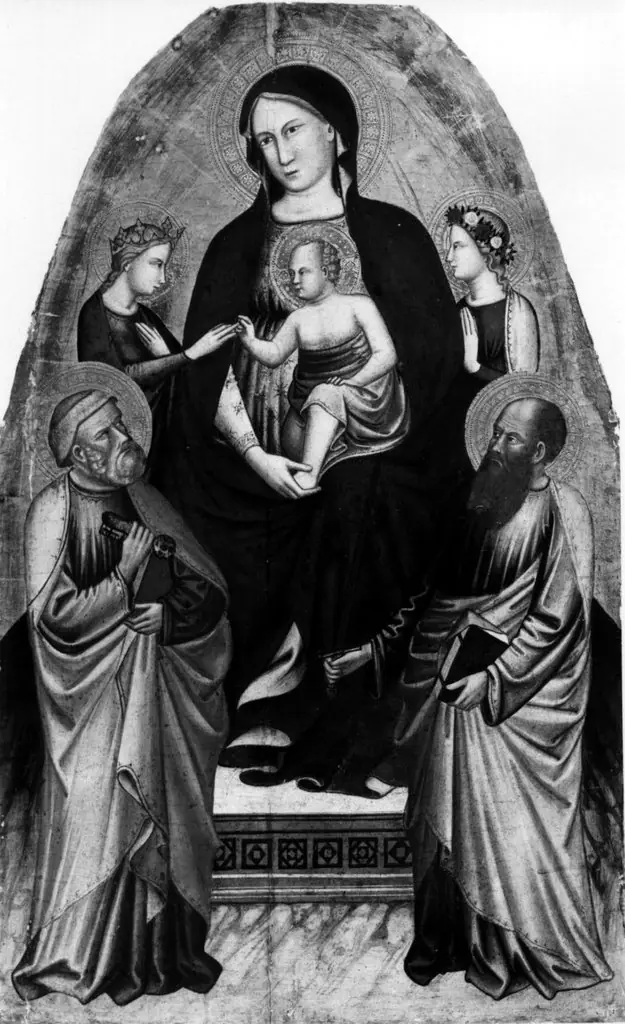
The Marriage of St. Catherine of Siena with the Christ Child
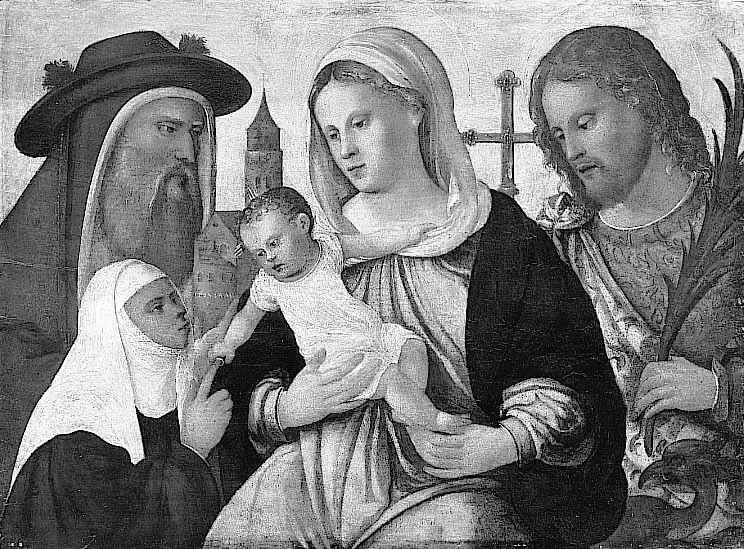
The Marriage of St. Catherine of Siena with the Christ Child is a paint painting by the Early Baroque Italian artist Pietro Paolo da Santacroce. It dates from 1596 and is held in the collection of the Gemäldegalerie Berlin.
About this work
Overview
Painted in 1596 by Pietro Paolo da Santacroce, this work depicts a mystical vision of Saint Catherine of Siena united with the Christ Child in a symbolic marriage. Executed in oil on panel, the painting is part of the Gemäldegalerie Berlin’s collection. Its quiet composition and restrained palette reflect late Mannerist tendencies, emphasizing spiritual intimacy over dramatic spectacle.
Subject & Meaning
The scene illustrates the mystical marriage of Saint Catherine of Siena to Christ, a vision recorded in her hagiography.
The scene illustrates the mystical marriage of Saint Catherine of Siena to Christ, a vision recorded in her hagiography. The Christ Child, held by the saint, represents divine union; the cross behind them signifies his future sacrifice. The surrounding figures—likely Dominican friars and a novice—witness the event, reinforcing the saint’s spiritual authority and her place within the Dominican Order’s devotional tradition.
Technique & Style
Santacroce employs soft modeling and muted tones to create a contemplative atmosphere. The figures are arranged in a stable, pyramidal composition, with gentle gestures and minimal spatial depth enhancing the sense of stillness. The light-colored background isolates the group, directing focus to their interaction. Brushwork is precise but unobtrusive, avoiding theatricality in favor of quiet reverence.
History & Provenance
The painting was completed in 1596, likely for a Dominican convent or private devotional use. It entered the Gemäldegalerie Berlin’s collection in the 19th century, possibly through the acquisition of ecclesiastical artworks dispersed after secularization. Its preservation reflects its continued recognition as a devotional image, though it never achieved widespread fame beyond regional circles.
Context
Created during the Counter-Reformation, the painting aligns with Catholic efforts to promote personal piety and saintly intercession. Saint Catherine, a Dominican tertiary and mystic, was a favored subject for devotional imagery. Santacroce’s depiction follows established iconography but avoids the emotional intensity of contemporary Baroque works, favoring instead the calm authority of late Mannerism.
Legacy
Though not widely reproduced or studied today, the painting remains a quiet example of late 16th-century Italian devotional art. It preserves the visual language of mystical experience as understood by Counter-Reformation communities, offering insight into how spiritual visions were rendered for private contemplation rather than public spectacle.
Artist & collection

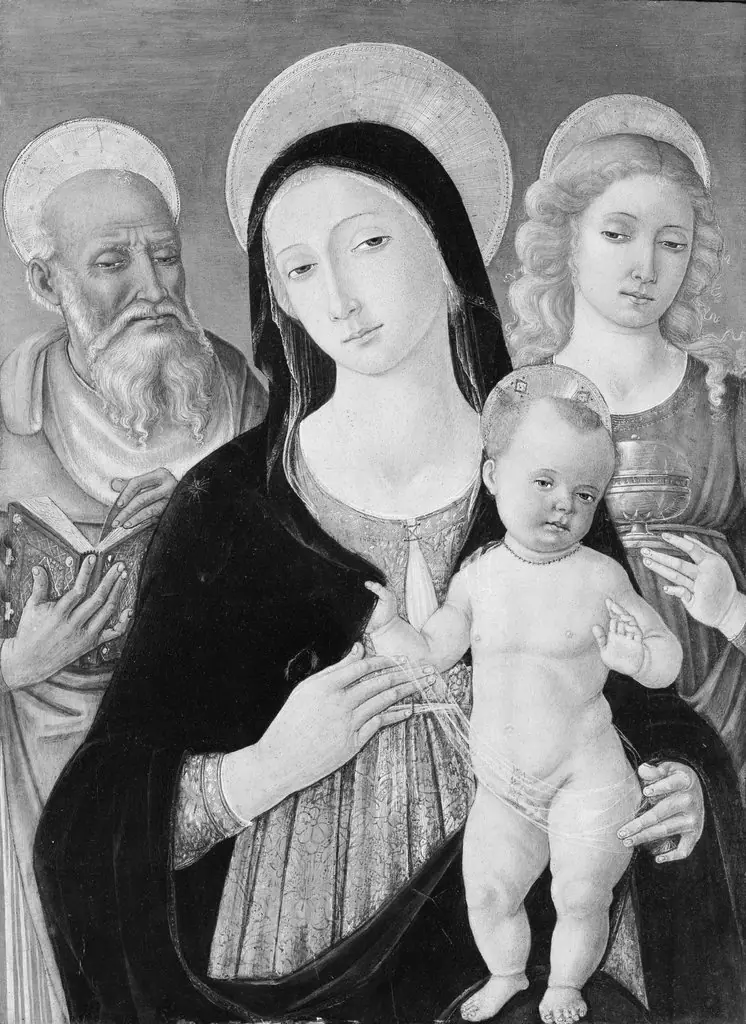 Madonna and Child with Saints Jerome and Mary Magdalen
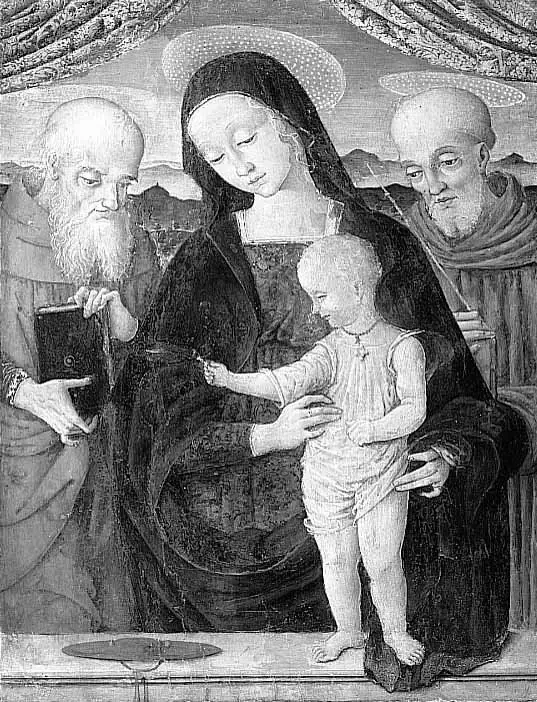 The Virgin with Child and two Saints
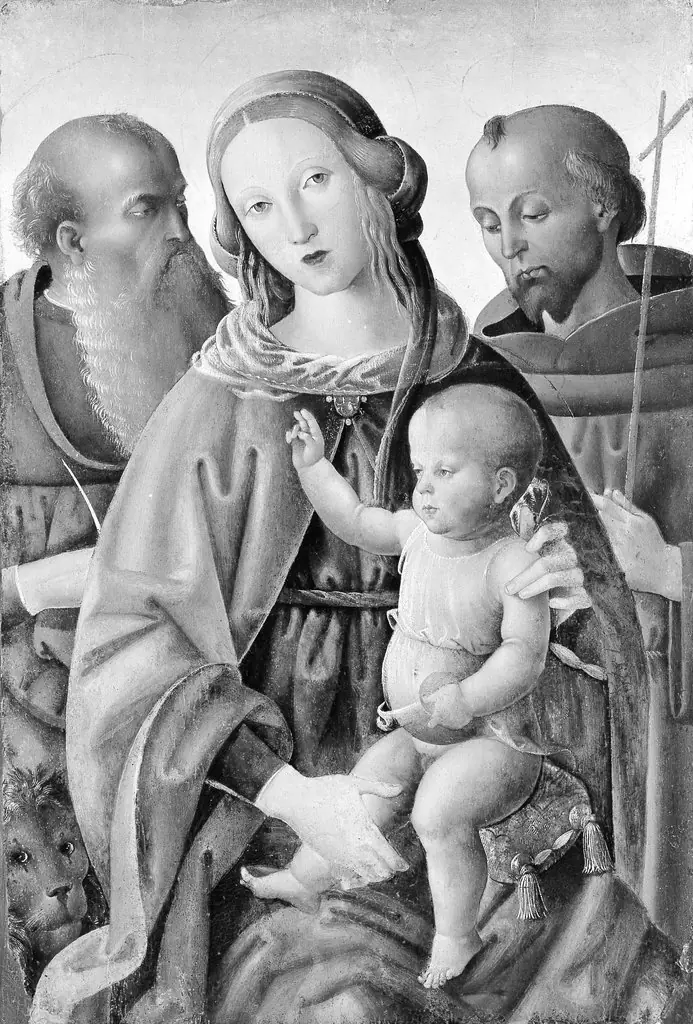 Madonna and Child with Saints Jerome and Francis
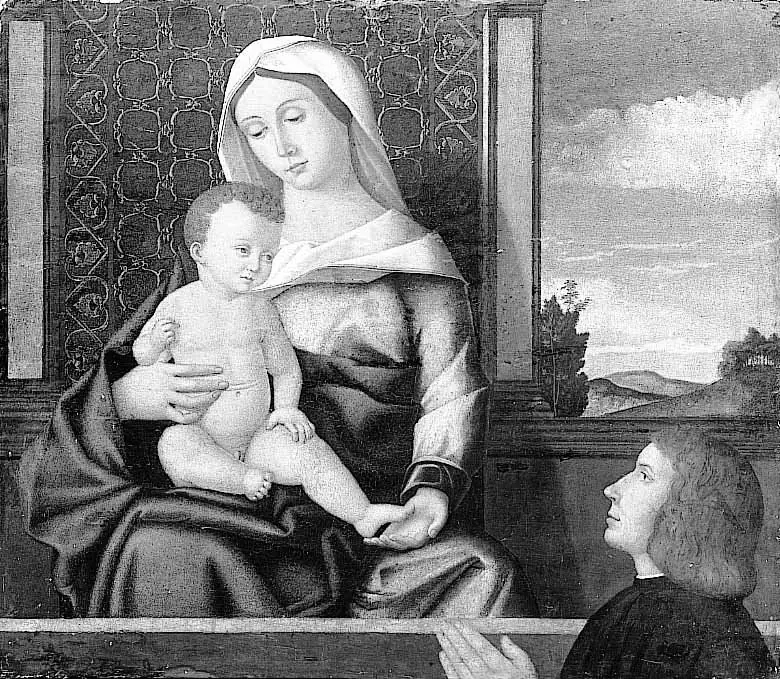 The Virgin and Child with a Donor
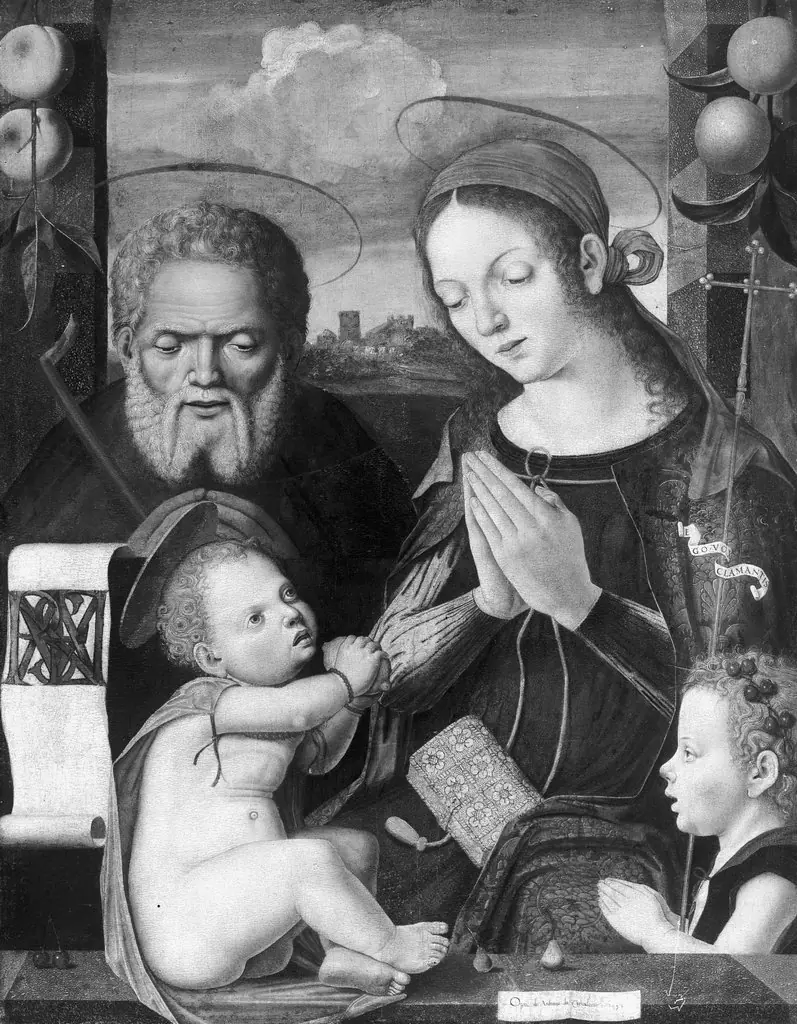 The Holy Family with little John
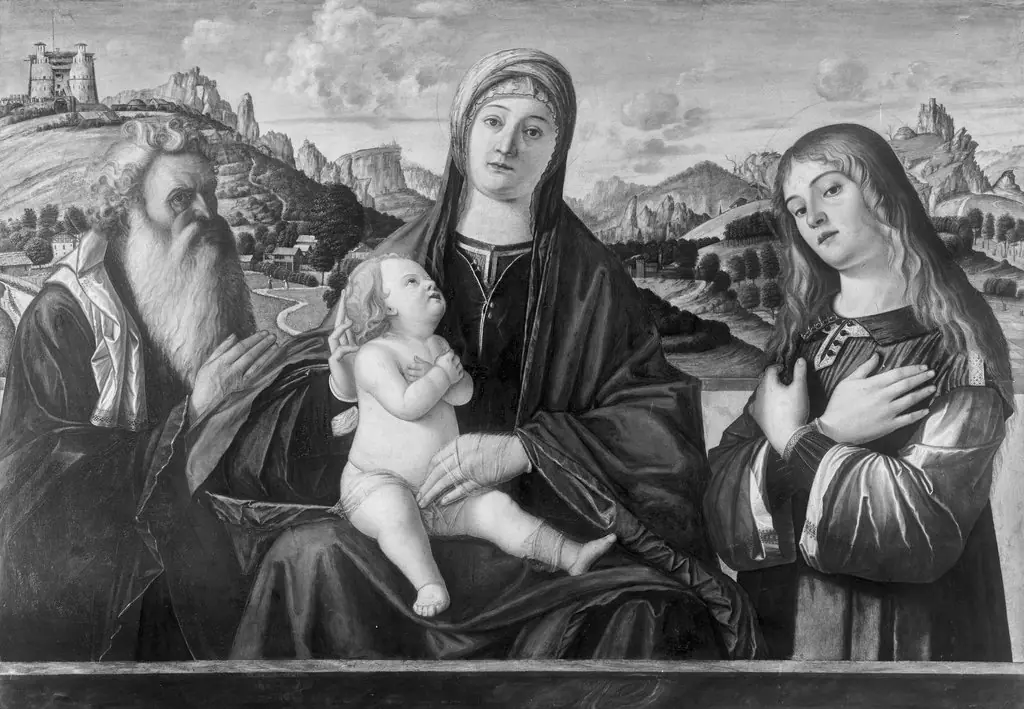 Madonna and Child with two Saints
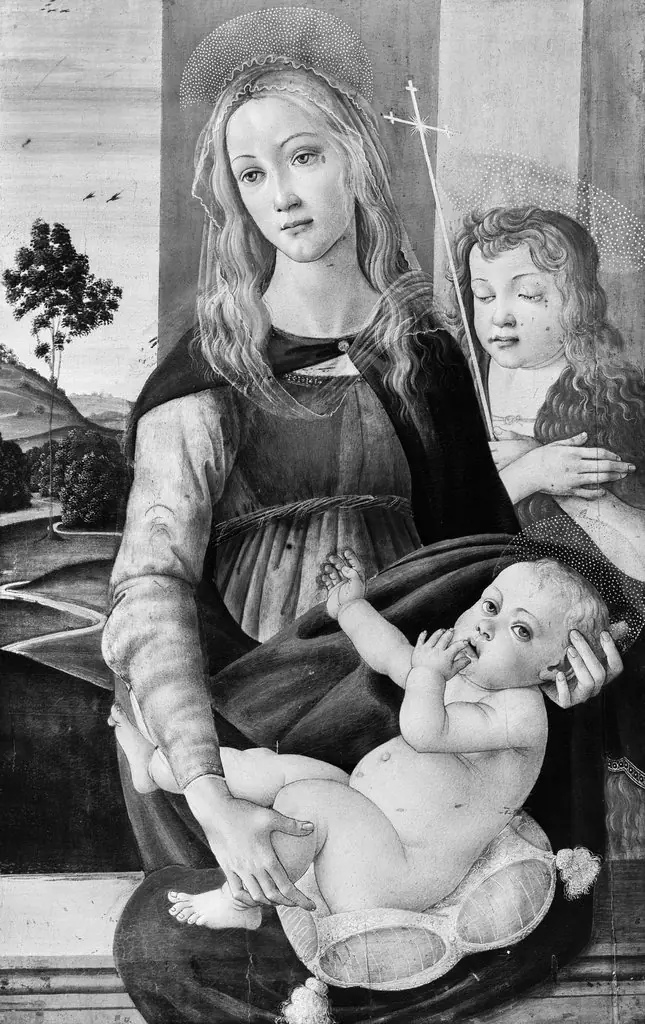 Virgin and Child with young st. John
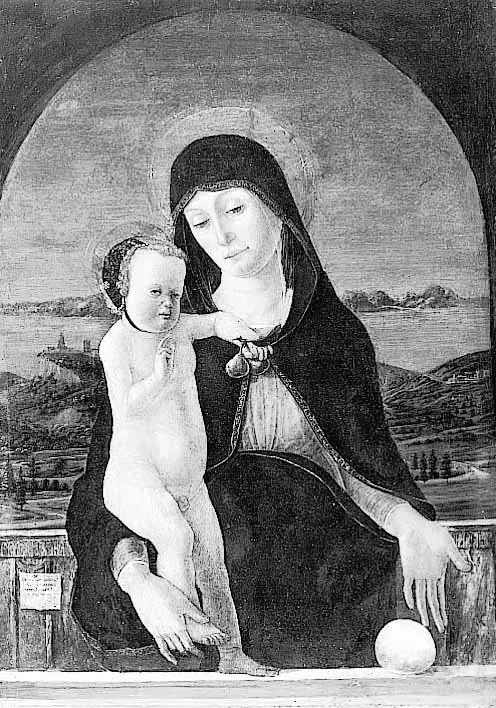 The Virgin and Child
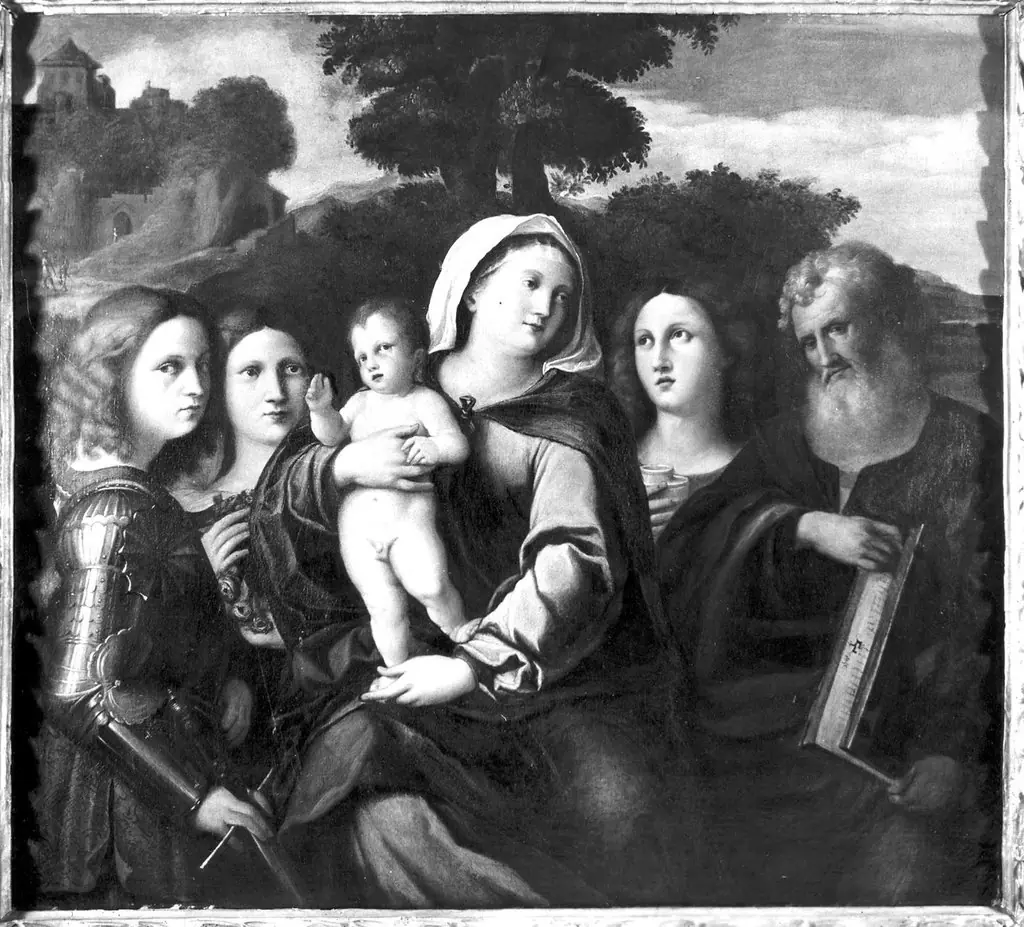 Mary with the Child and four Saints in front of a Landscape
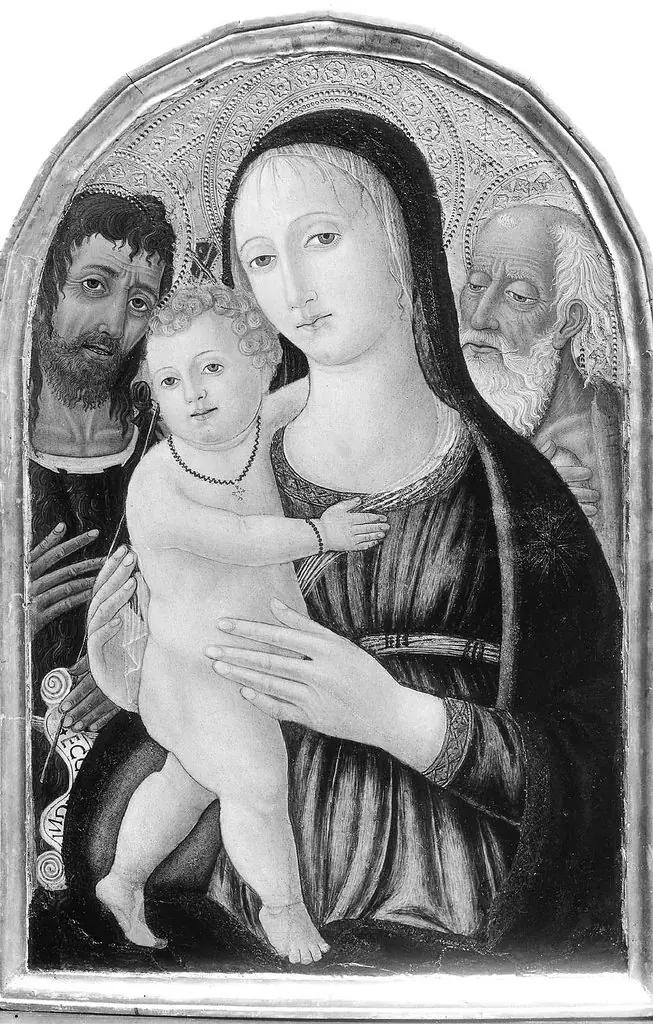 Virgin and Child with Saints Jerome and John the Baptist
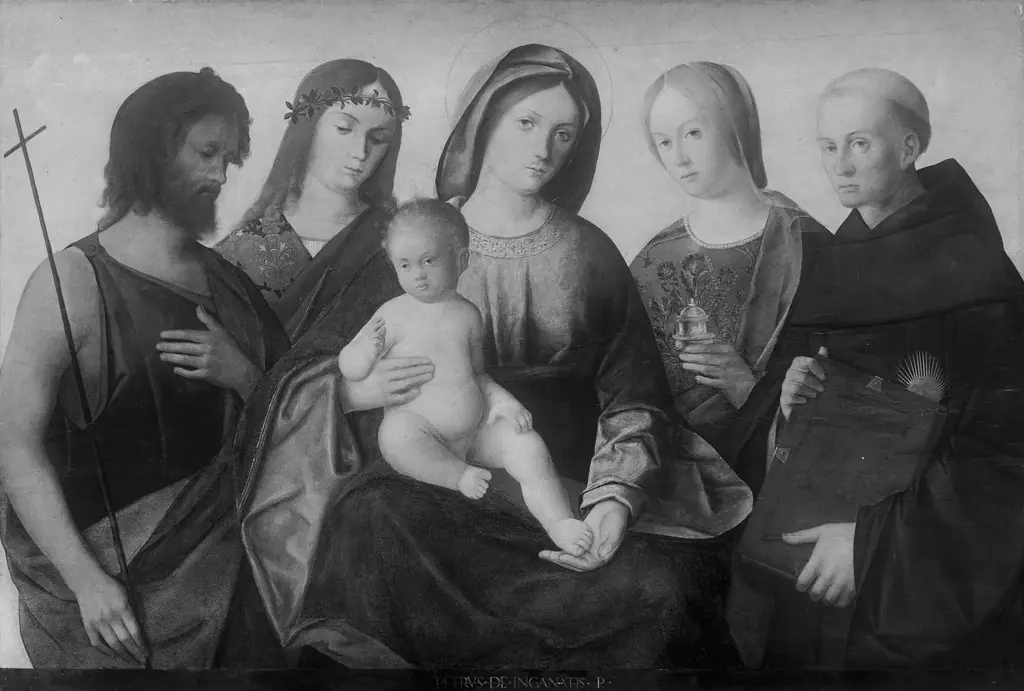 Mary with the child and four saints
 The marriage of St. Catherine