Artwork
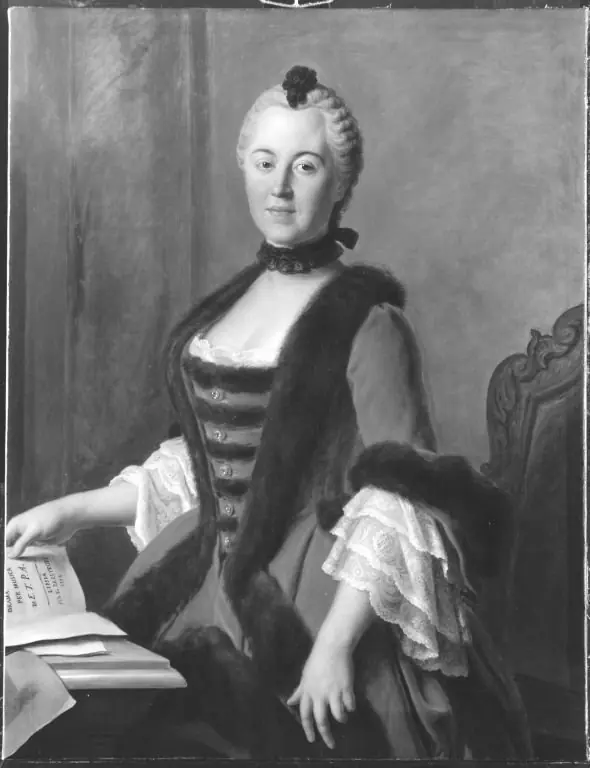
Maria Antonia of Bavaria, spouse of Elector Frederick Christian of Saxony
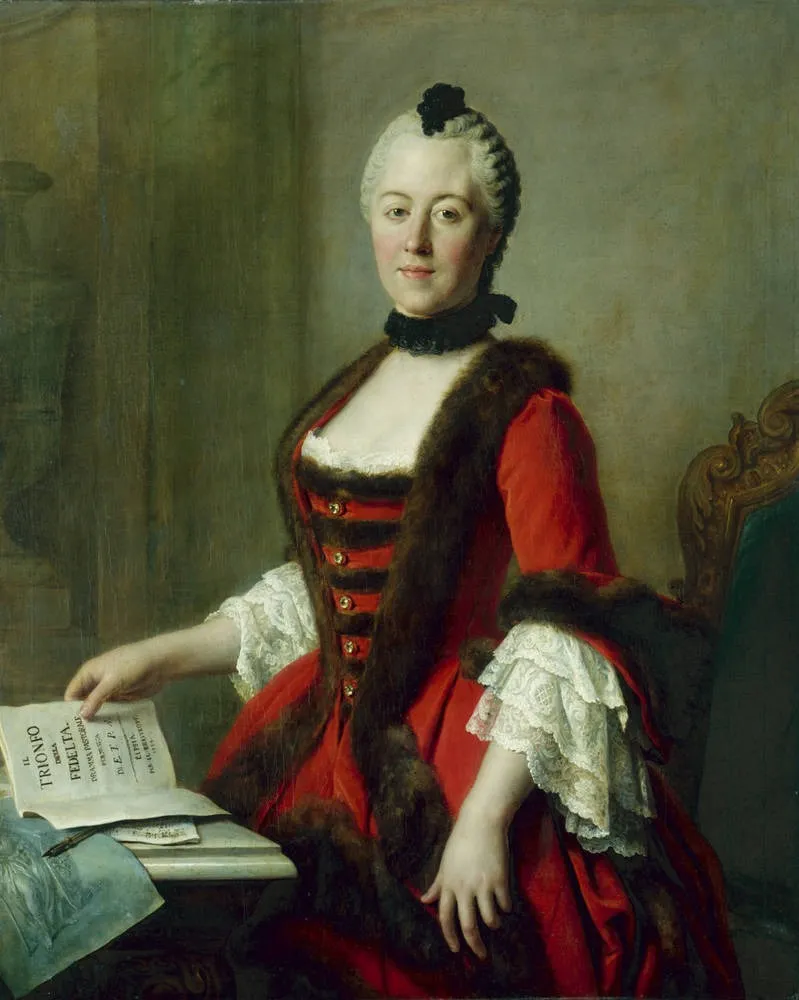
Maria Antonia of Bavaria, spouse of Elector Frederick Christian of Saxony is an oil painting by the Rococo painting artist Pietro Rotari. It dates from 1755 and is held in the collection of the Gemäldegalerie Alte Meister.
About this work
Overview
Painted in 1755 by Italian artist Pietro Rotari, this oil portrait captures Maria Antonia of Bavaria, wife of Frederick Christian, Elector of Saxony.
Painted in 1755 by Italian artist Pietro Rotari, this oil portrait captures Maria Antonia of Bavaria, wife of Frederick Christian, Elector of Saxony. Rotari, known for his refined depictions of noblewomen, executed the work during a period of extensive European travel. The painting is now part of the Gemäldegalerie Alte Meister’s collection in Dresden, reflecting its status as a documented example of 18th-century aristocratic portraiture.
Subject & Meaning
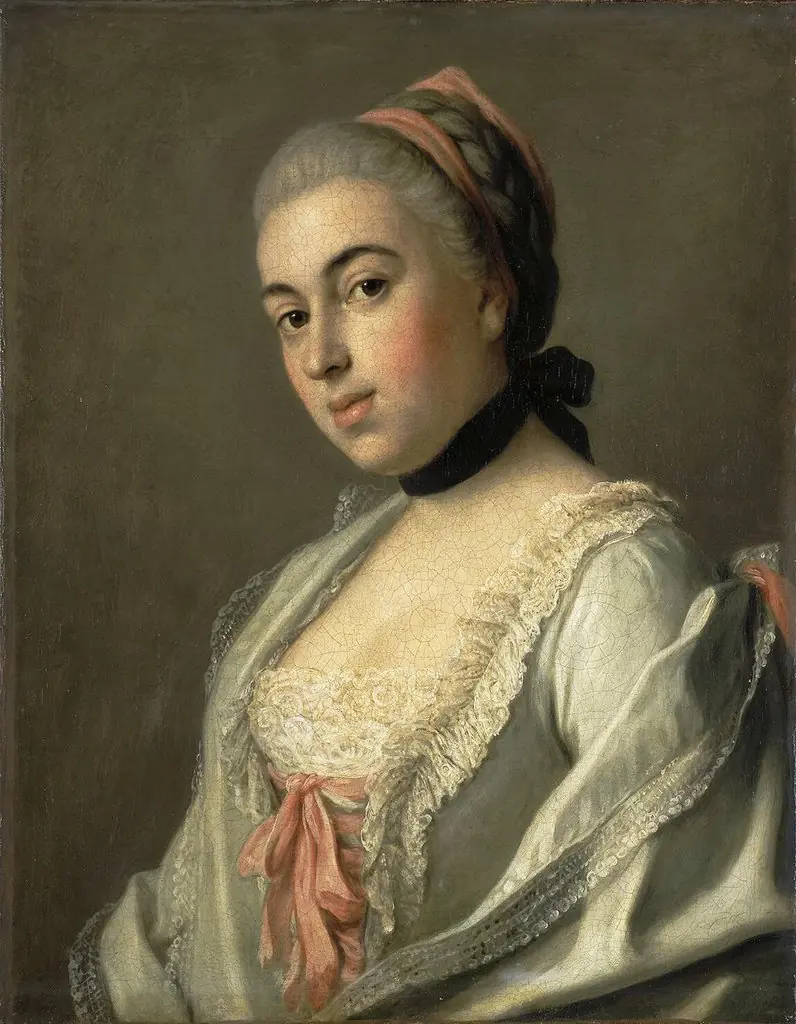
Maria Antonia is portrayed as a noblewoman of high status, dressed in formal attire that signals her position within the Saxon court. The paper she holds suggests literacy and engagement with official or personal correspondence, reinforcing her role as an active participant in courtly life. Her composed expression and restrained gesture convey dignity rather than flamboyance, aligning with the sober elegance favored by her husband’s administration.
Technique & Style
Rotari employs subtle chiaroscuro to model the sitter’s form, lending volume to her fur-trimmed red gown and lace sleeves. The background, softly graded and unobtrusive, directs focus to her figure. Fine brushwork renders textures—lace, silk, and hair—with precision, while the black choker and bow in her updo add contrast without ornamentation. The style reflects Rococo refinement but avoids theatricality, favoring quiet realism.
History & Provenance
Commissioned during Rotari’s time in Central Europe, the portrait entered the Saxon royal collection before being transferred to the Gemäldegalerie Alte Meister. Its documented lineage traces back to the Dresden court, where it remained part of the elector’s private holdings. Rotari’s reputation as a portraitist for European royalty ensured its preservation and institutional recognition in the 19th century.
Context
Rotari’s work emerged amid a broader European trend of aristocratic portraiture that emphasized lineage and decorum. In Saxony, where the court sought to project stability after political upheaval, such images served as visual affirmations of dynastic continuity. The painting’s restrained aesthetic contrasts with more exuberant Rococo styles elsewhere, reflecting the Saxon preference for understated authority.
Legacy
Though not widely exhibited outside Germany, the portrait remains a key example of Rotari’s mature style and his contribution to court portraiture in Central Europe. It illustrates how Italian artists adapted their techniques to Northern European tastes, blending naturalism with aristocratic restraint. The work continues to inform studies of gender, status, and visual culture in 18th-century courts.
Artist & collection
Artist
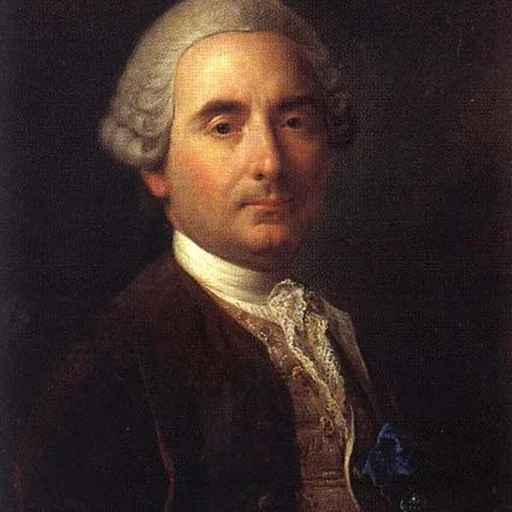
Pietro Antonio Rotari (30 September 1707 – 31 August 1762) was an Italian painter of the Baroque period.

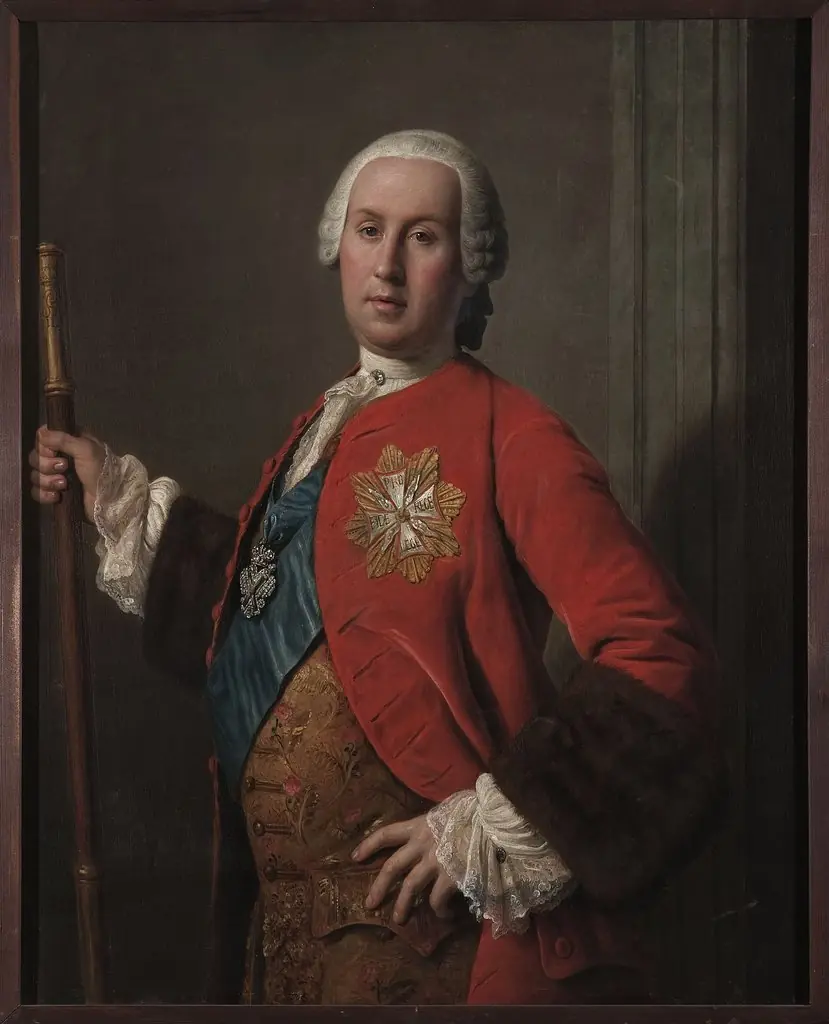
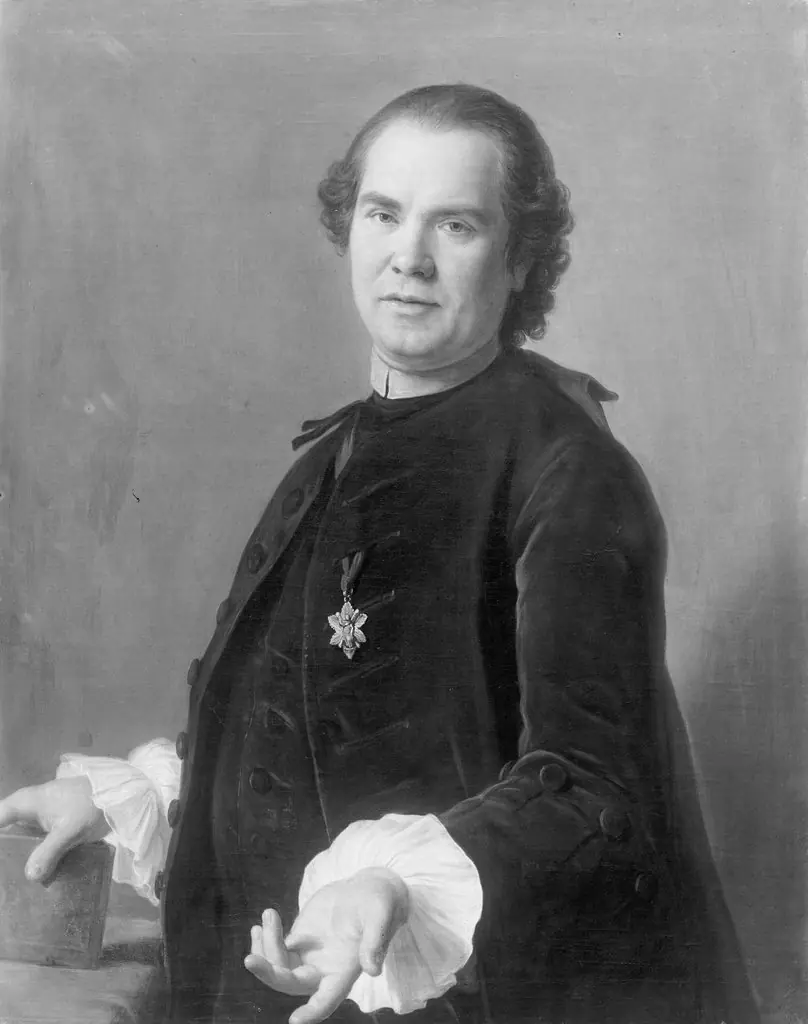
 Kronprinzessin Maria Antonia von Sachsen
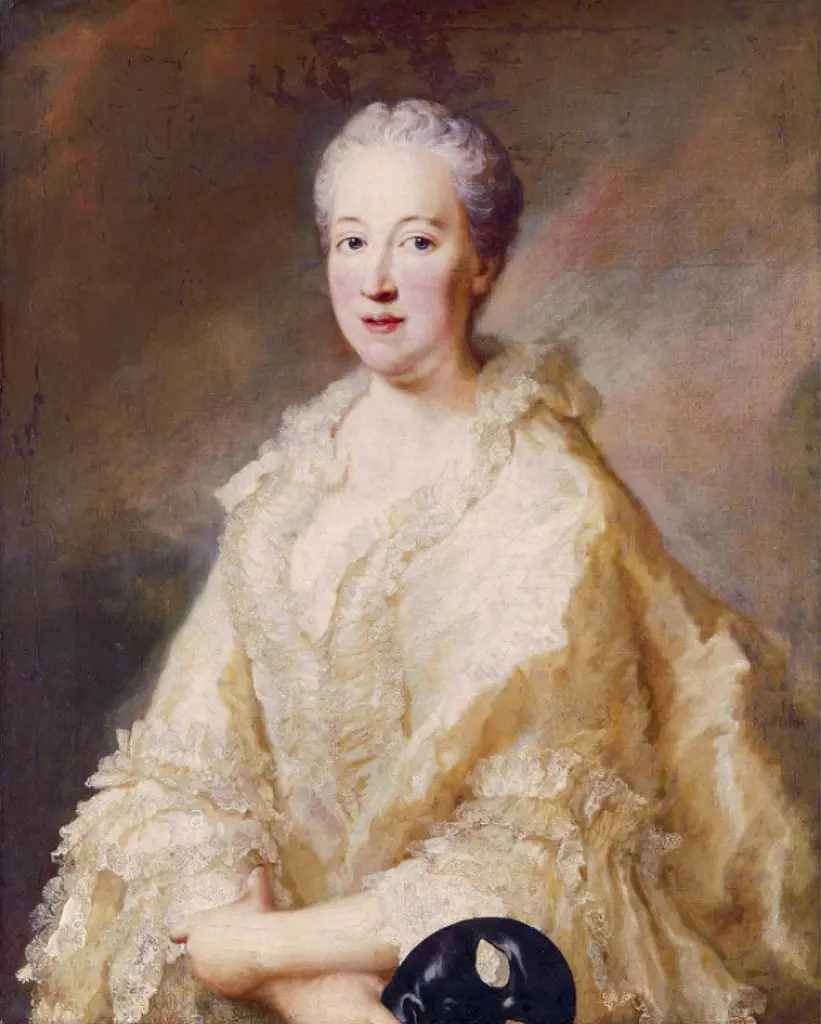 Portrait of Countess Palatine Maria Anna of Sulzbach (1722-1790)
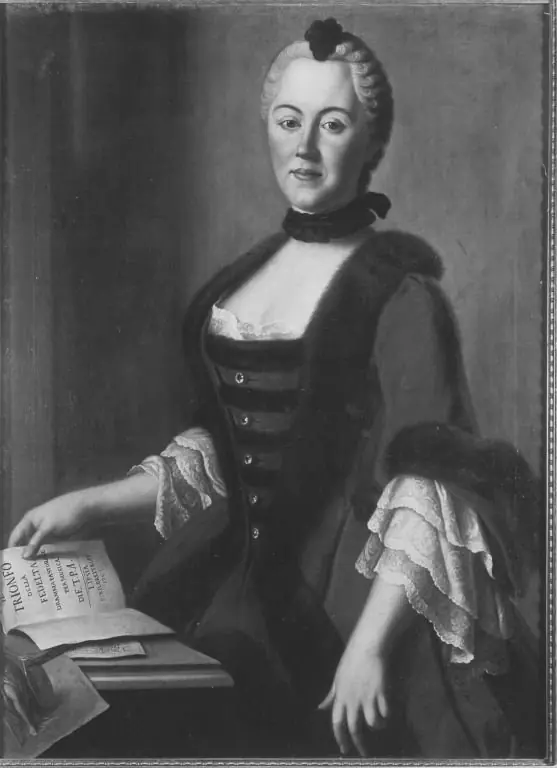 Kurfürstin Maria Antonie von Sachsen, Tochter Kaiser Karls VII
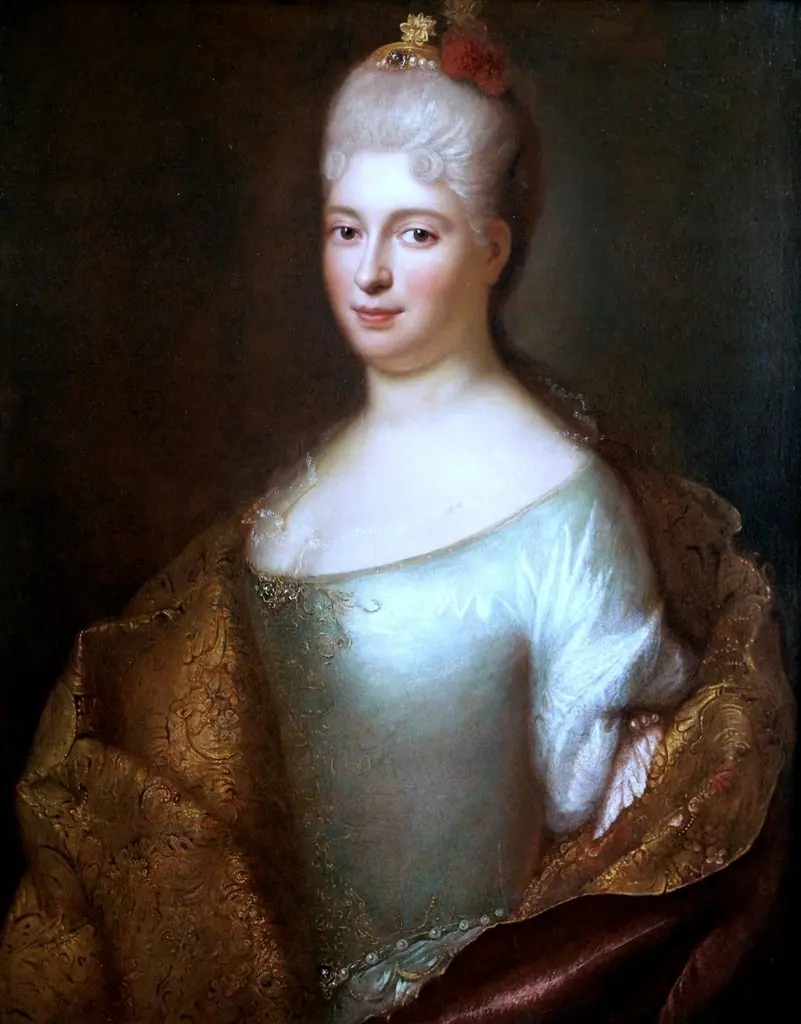 Portrait of Elżbieta Sieniawska.
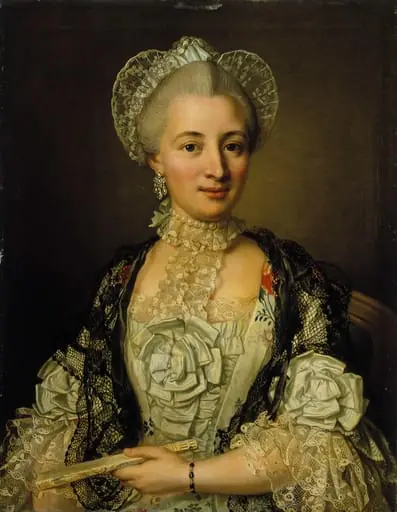 Naisen muotokuva
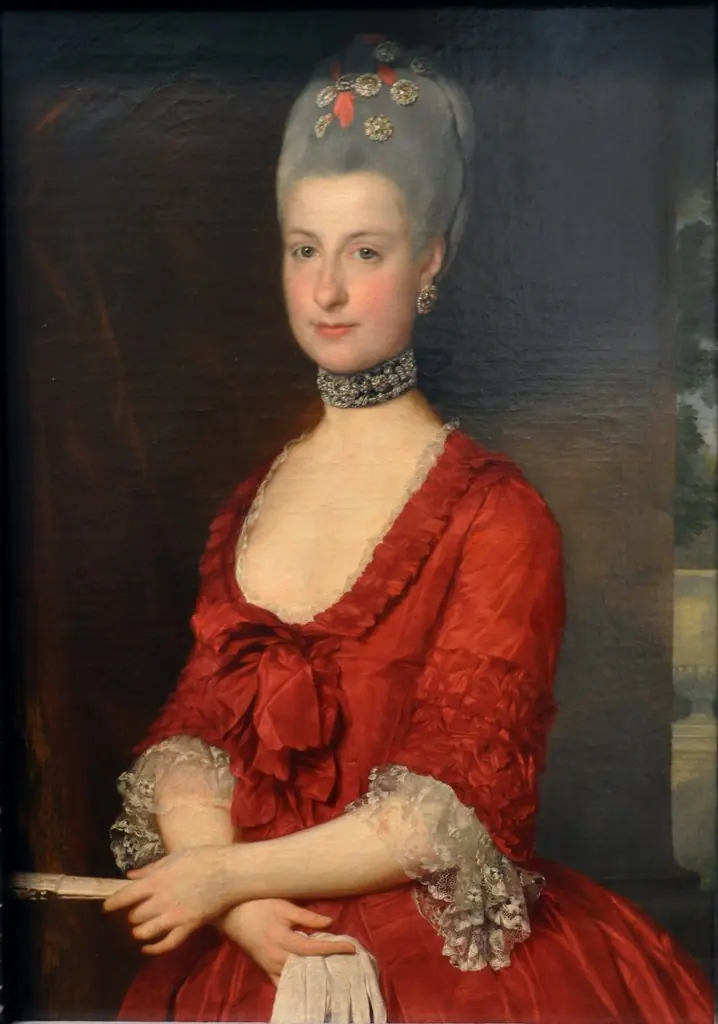 Portrait of Archduchess Maria Christina (1742-1798), Duchess of Teschen
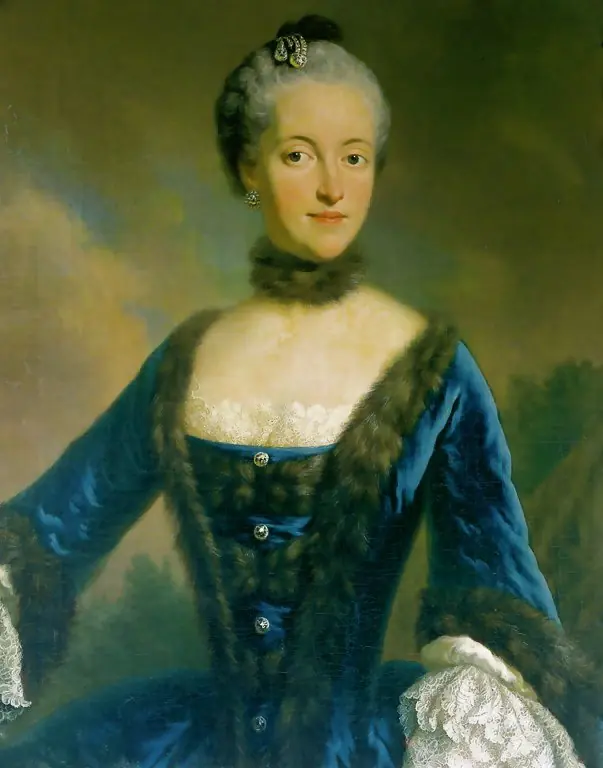 Portrait of Maria Josepha of Bavaria (1739-1767)
 Portrait of a Lady
 Portrait of a Lady
 Portrait of Countess Caroline Schimmelmann(?)
 Mrs. Paul Cobb Methuen
 Princess Elisabeth of Saxe