Artwork
Delta
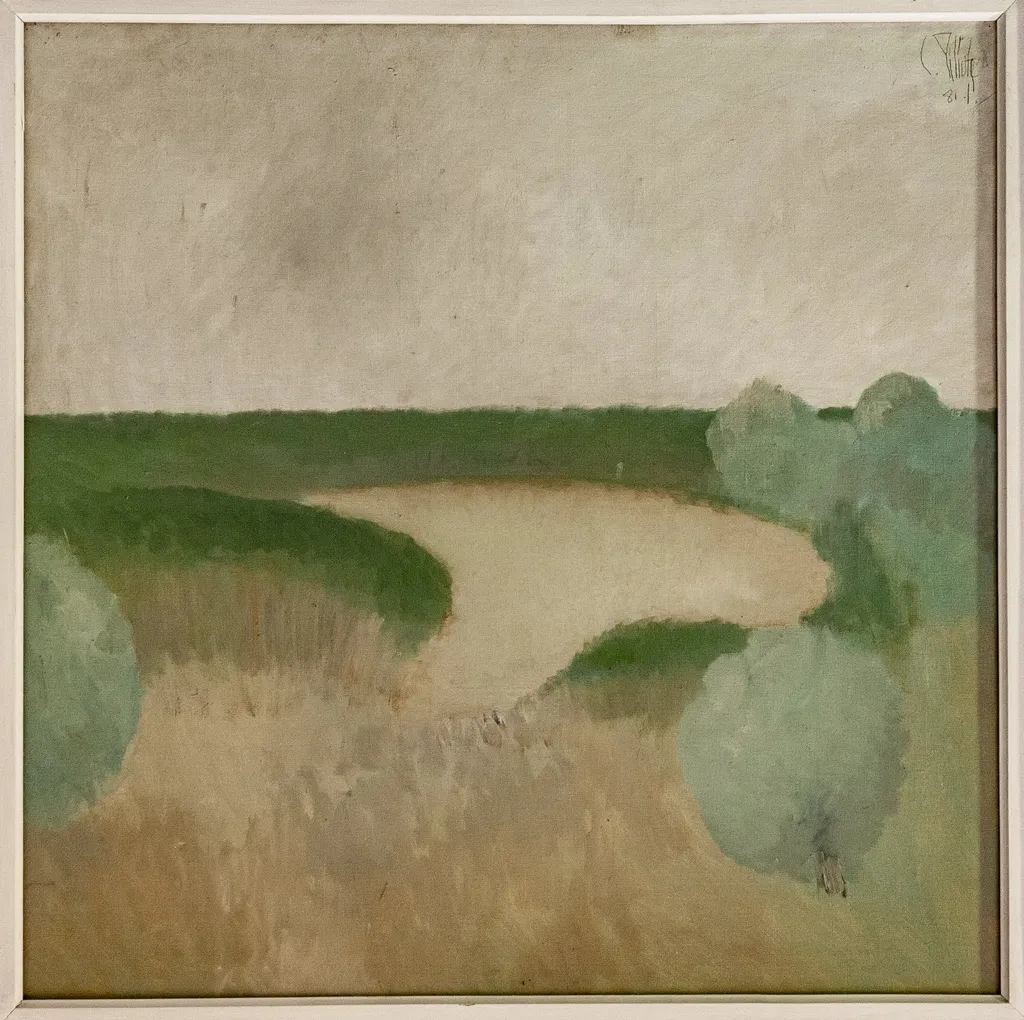
Delta is an unspecified painting by Constantin Piliuță. It dates from 1981 and is held in the collection of the Gavrila Simion Eco-Museum Research Institute Tulcea.
About this work
Overview
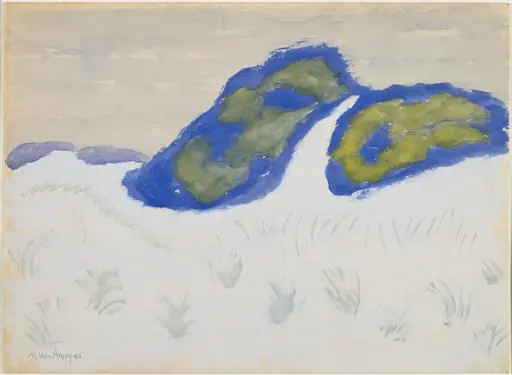
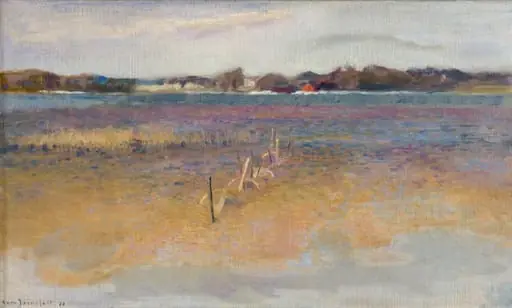
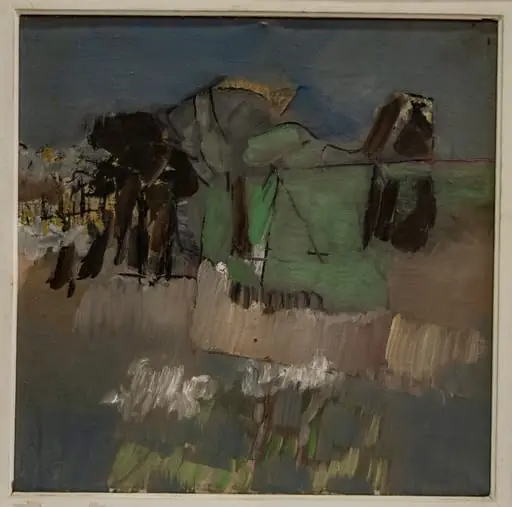
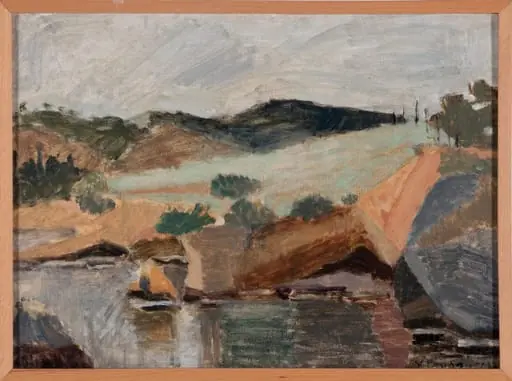
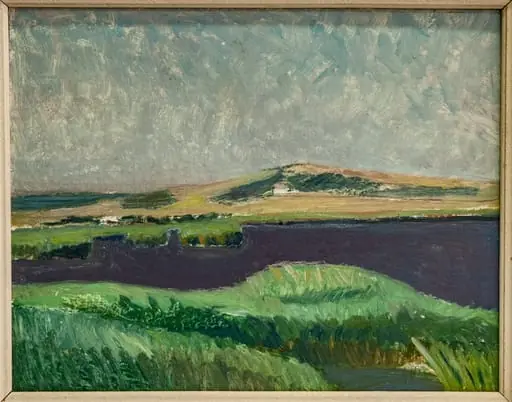
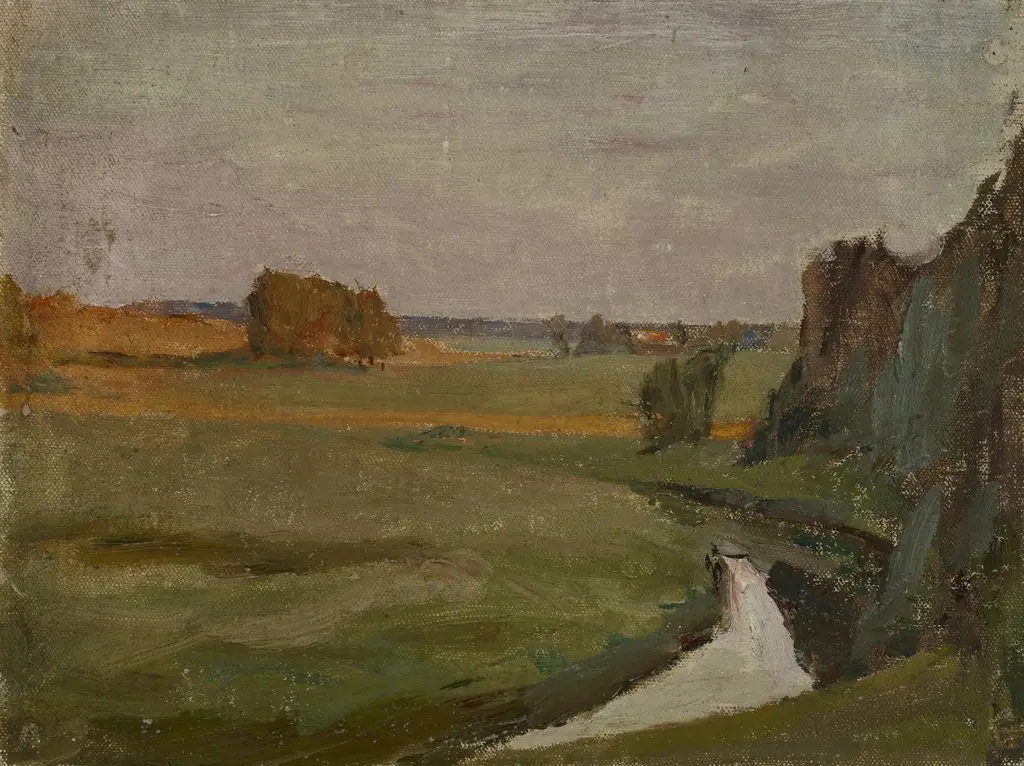
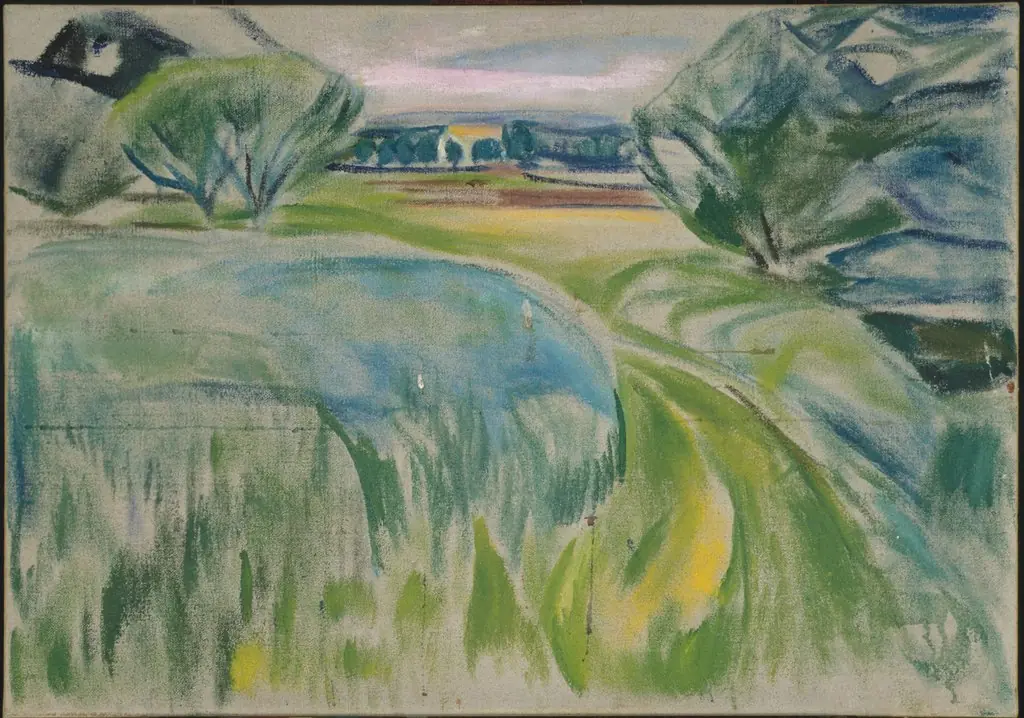
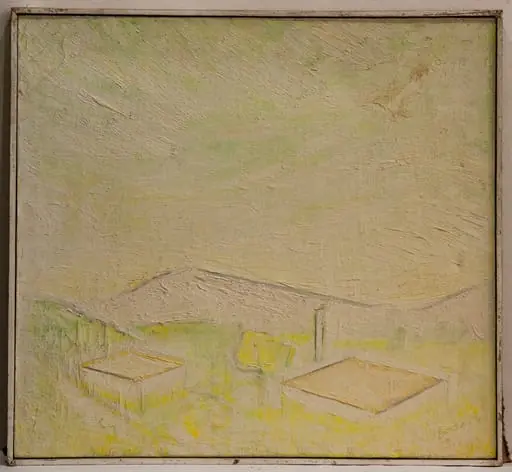
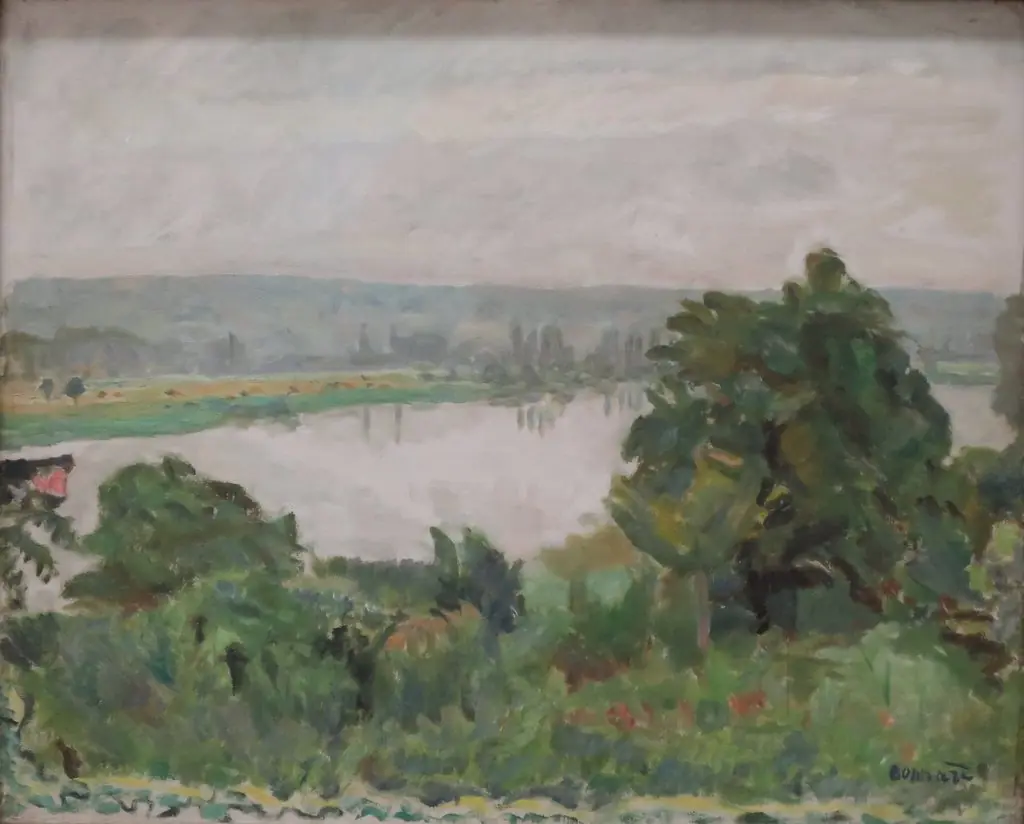
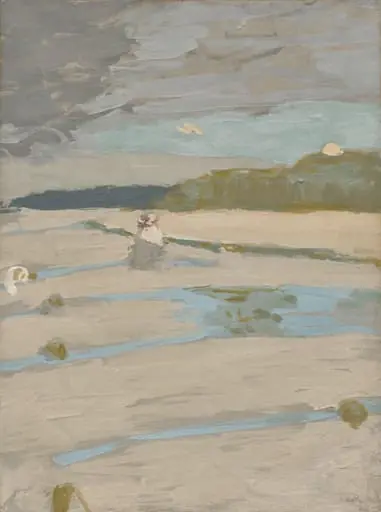
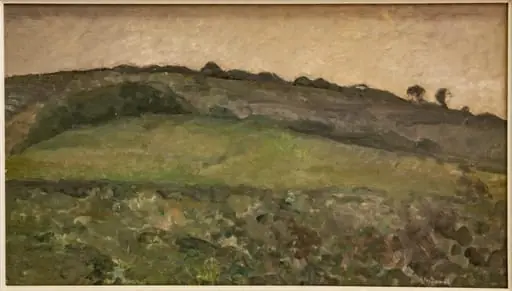
Created in 1981 by Romanian artist Constantin Piliuță, Delta is a landscape painting depicting a tranquil river meandering through a low-lying plain. The work resides in the Museum of Ethnography, where it is valued for its quiet contemplation of natural form. Its subdued palette and soft transitions reflect a deliberate departure from detailed realism, favoring atmosphere over precision.
Subject & Meaning
The painting portrays a serene riverine environment, likely inspired by Romania’s Danube Delta region. There are no figures or human structures, emphasizing the land’s stillness and self-sufficiency. The absence of narrative suggests a meditation on nature’s rhythms, inviting reflection rather than storytelling. The quietude of the scene evokes a sense of time suspended in elemental balance.
Technique & Style
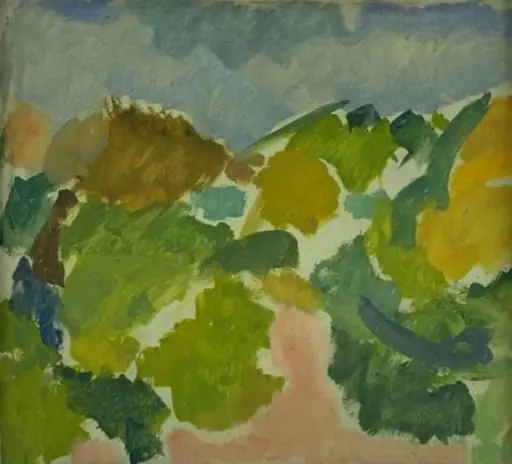
Piliuță employed loose, fluid brushwork that mimics the qualities of watercolor, even though the medium is oil. Colors blend seamlessly—earthy browns, muted greens, and pale grays—without hard edges. Light and shadow are used to model form, not outline it, creating depth through tonal gradation. The effect is hazy and lyrical, aligning with a poetic rather than documentary approach to landscape.
History & Provenance
Delta was completed in 1981 during a period when Romanian artists navigated state-imposed aesthetic constraints.
Delta was completed in 1981 during a period when Romanian artists navigated state-imposed aesthetic constraints. Though not overtly political, its introspective tone offered a subtle alternative to official socialist realism. The painting entered the Museum of Ethnography’s collection shortly after its creation, where it has remained as part of a broader effort to preserve regional artistic expression.
Context
In early 1980s Romania, landscape painting often served as a refuge from ideological pressure. Piliuță’s work aligns with a quieter strain of Romanian modernism that prioritized personal observation over state-sanctioned themes. The painting’s emphasis on natural light and muted tones reflects broader European tendencies toward lyrical realism, while remaining rooted in local topography and sensory experience.
Legacy
Delta endures as an example of understated Romanian modernism, valued for its emotional restraint and technical sensitivity. It has influenced later artists seeking to convey place through atmosphere rather than detail. Though not widely exhibited beyond its home institution, it remains a quiet touchstone in discussions of postwar Romanian landscape painting and its resistance to overt narrative.
Artist & collection
Museum
Gavrila Simion Eco-Museum Research Institute Tulcea
Continue through works from the same source collection.
 Natură statică
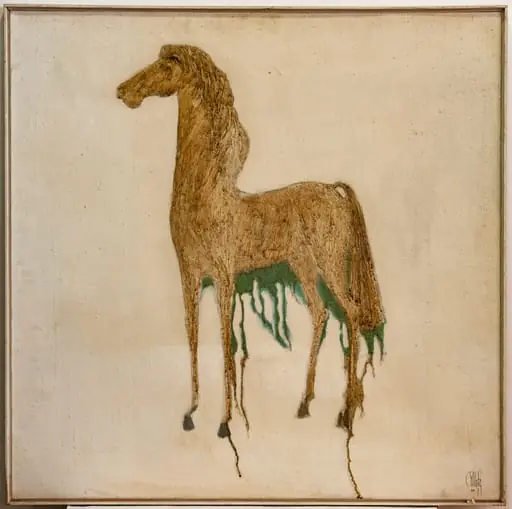 Mânzul
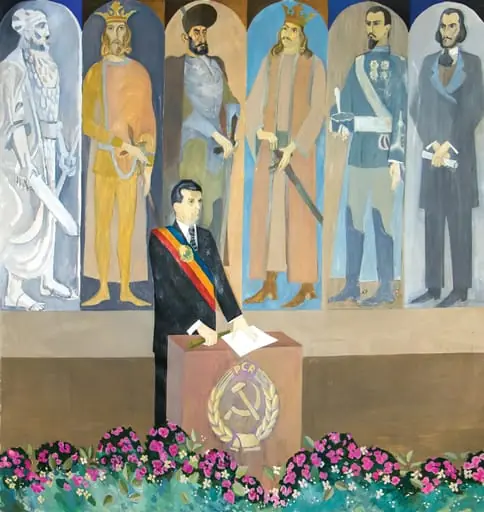 Tablou, ulei pe pânză, ”Omagiu”, semnat Constantin Piliuță. Nicolae Ceaușescu la un pupitru cu însemnele PCR depunând jurământul de învestire; poarte însemnele prezidențiale eșarfa tricoloră cu stema RSR, sceptrul, însemnul de ”Erou al Republicii Socialiste România”. Pe fundal sunt reprezentați Burebista, Mircea cel Bătrân, Mihai Viteazul, Ștefan cel Mare, Alexandru Ioan Cuza, Nicolae Bălcescu, personajele au o mimică solemnă, dau impresia că sunt garanții jurământului pe care-l face Nicolae Ceaușescu. Comandat și oferit lui Nicolae Ceaușescu de Consiliul Culturii și Educației Socialiste, ianuarie 1978.