Artwork
Drunken Peasant at an Inn
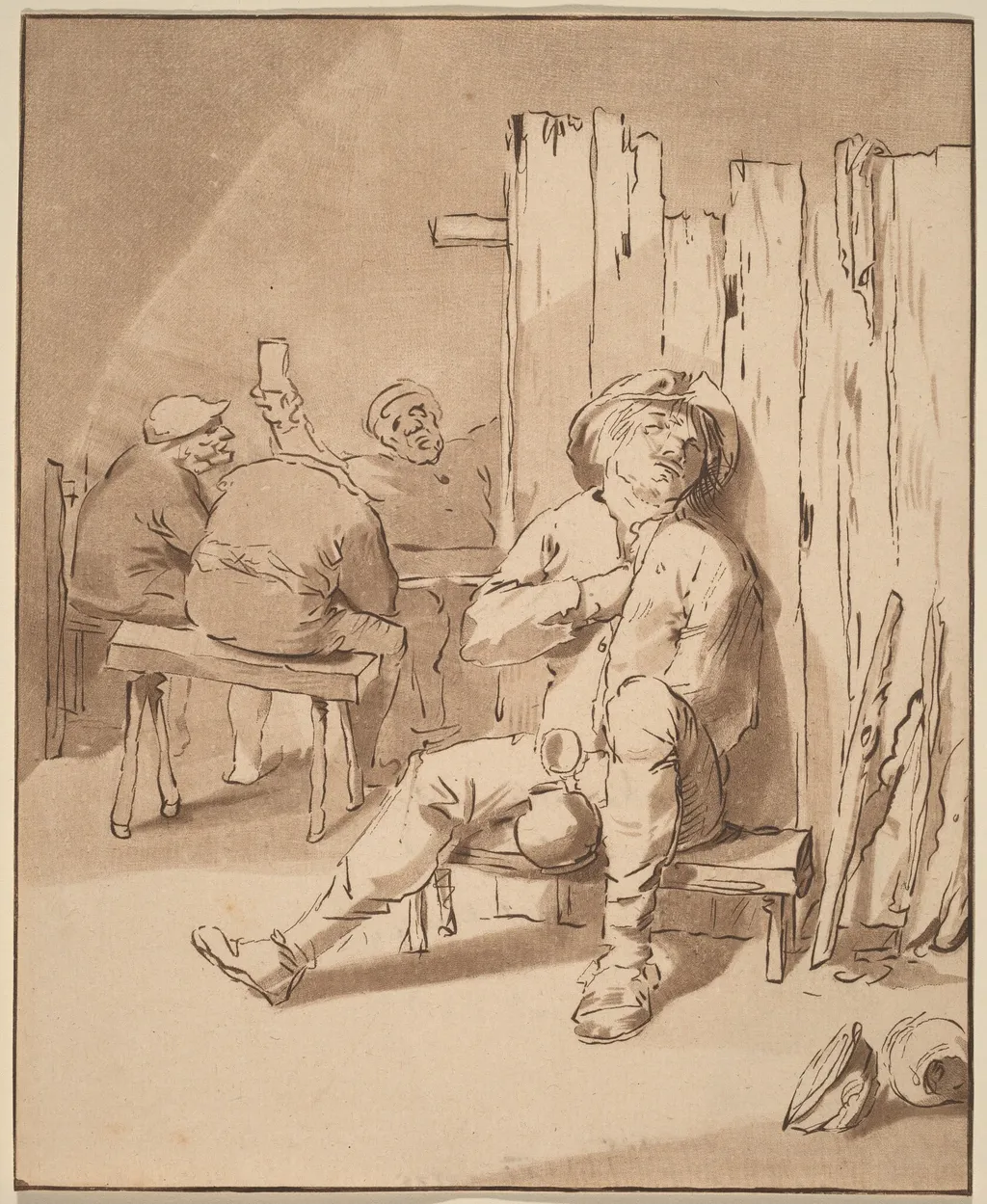
Drunken Peasant at an Inn is an ink print by the Romanticist artist Jacobus Buys. It dates from 1775 and is held in the collection of the National Gallery of Art.
About this work
Overview
Executed on laid paper with brown ink, the work combines etching, mezzotint, and roulette techniques, finished by burnishing.
Created in 1775, Drunken Peasant at an Inn is a print by Dutch artist Cornelis Ploos van Amstel. Executed on laid paper with brown ink, the work combines etching, mezzotint, and roulette techniques, finished by burnishing. The composition presents a solitary peasant seated at a tavern table, his posture and expression suggesting inebriation, while the surrounding details evoke the modest interior of an 18th‑century inn.
Subject & Meaning
The central figure is a rural laborer, rendered with a slouched posture and a half‑filled mug before him. His weary face and relaxed limbs convey a moment of temporary escape from daily toil. By focusing on this unidealized individual, the print offers a candid glimpse into everyday social life, highlighting the customs of communal drinking and the informal atmosphere of local inns.
Technique & Style
Ploos van Amstel employed a layered approach: a fine etched line work defines the figure and furnishings, while mezzotint provides rich tonal depth in shadows and the brown ink unifies the surface. The roulette tool adds texture to the background, and selective burnishing creates highlights that draw attention to the peasant’s clothing and the gleam of the mug. This blend of methods results in a nuanced, atmospheric rendering.
History & Provenance
The print was produced in the latter part of Ploos van Amstel’s career, a period when he explored genre scenes of Dutch daily life. Though specific ownership records are scarce, the work has appeared in several 19th‑century collections of Dutch prints, reflecting continued interest in his detailed depictions of ordinary subjects.
Context
In the late 18th century, Dutch printmakers often turned to genre subjects to document social customs. Ploos van Amstel’s focus on a solitary peasant aligns with contemporary interests in realism and the moralizing potential of everyday scenes, contrasting with the grand historical or religious themes dominant in earlier Dutch art.
Artist & collection
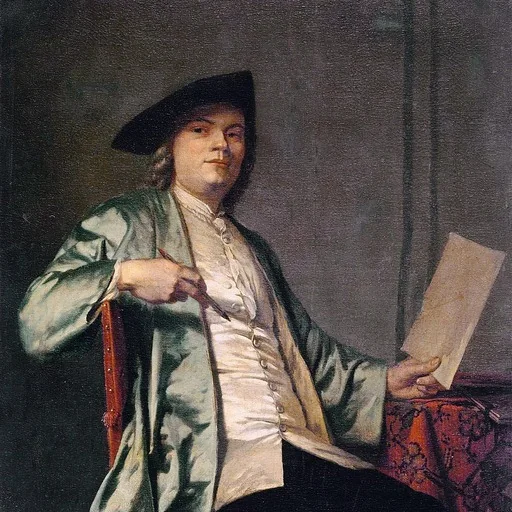

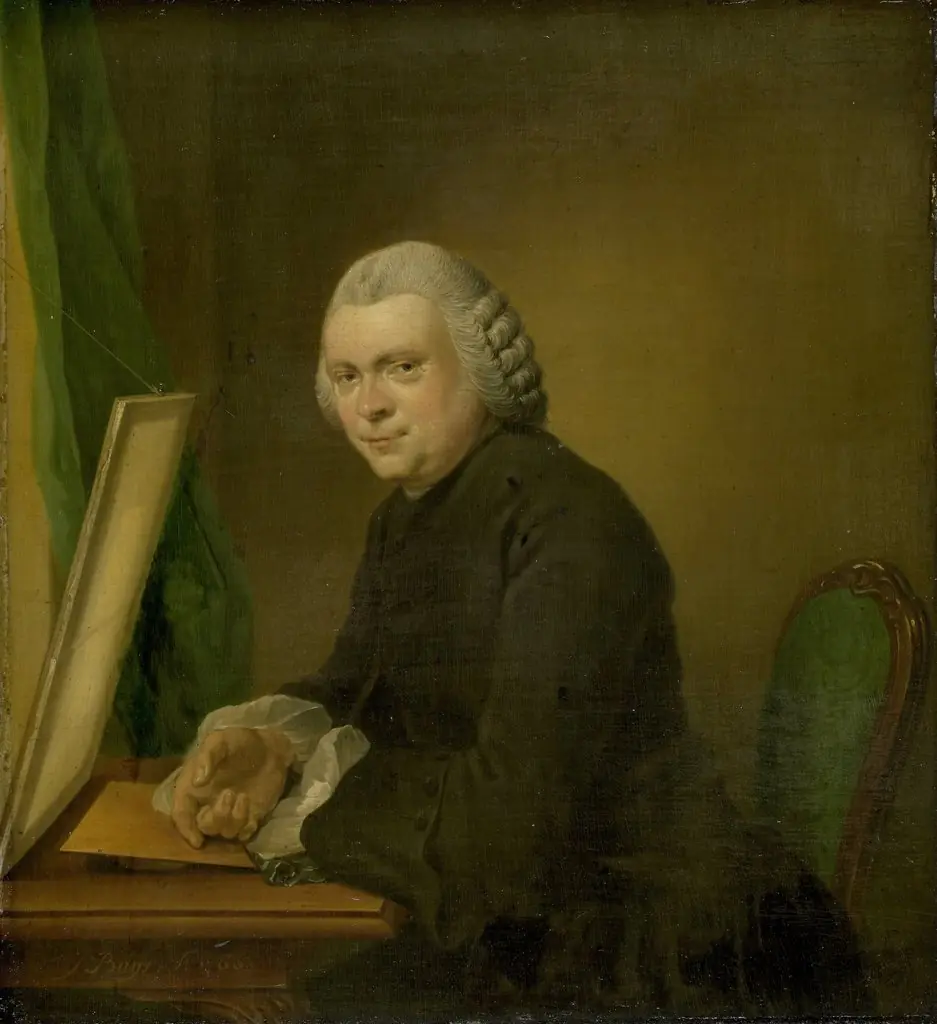 Portrait of Cornelis Ploos van Amstel
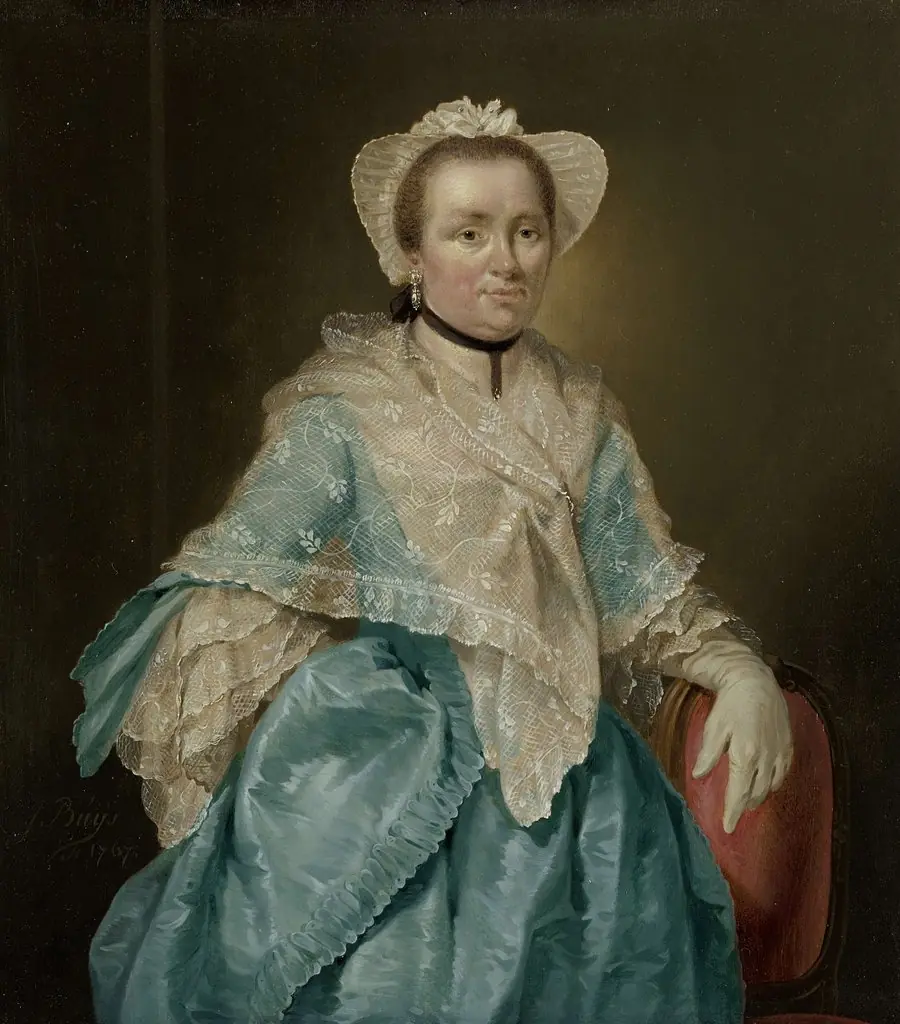 Portrait of Elisabeth Troost (1730-1790)
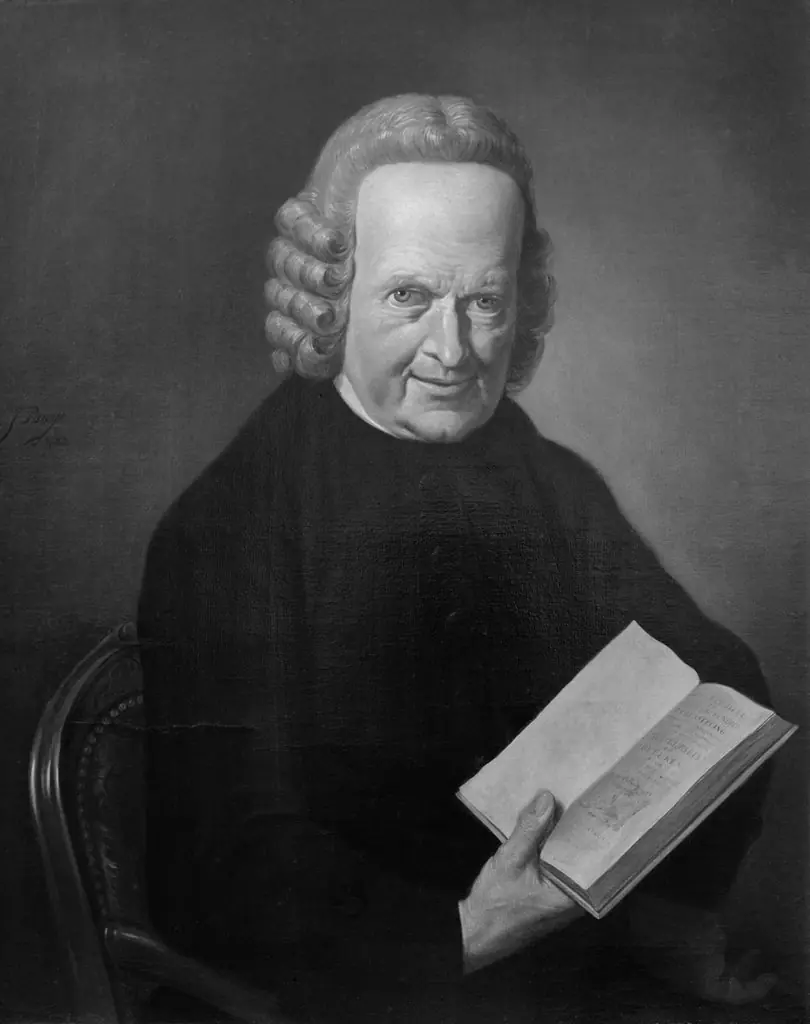 Johannes Monnikhoff (1707-1787)
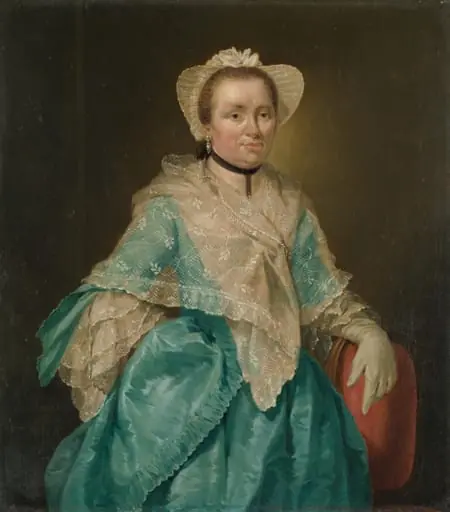 Portrait of Elisabeth Troost (1730-1790)
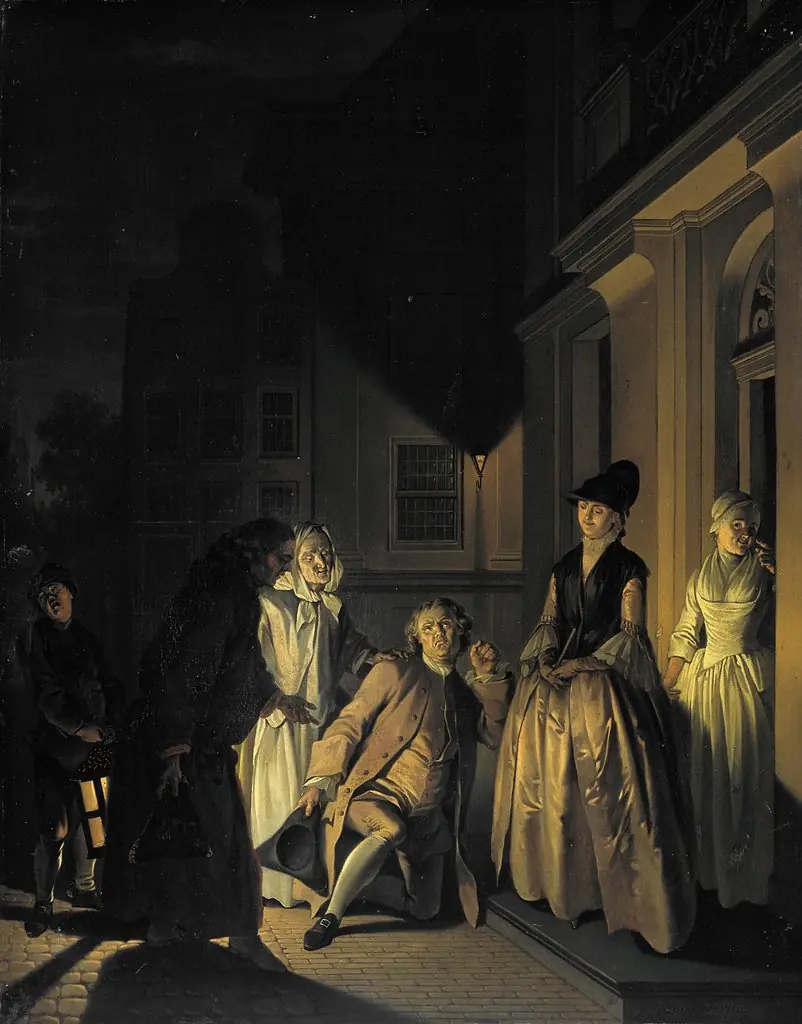 Scene from the Play 'Lubbert Lubbertse of de geadelde boer' by M. van Breda
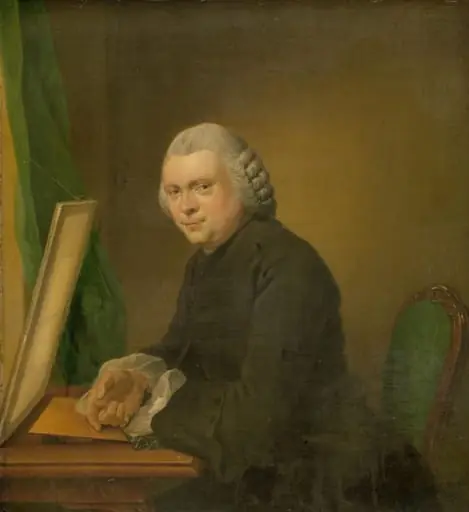 Portrait of Cornelis Ploos van Amstel
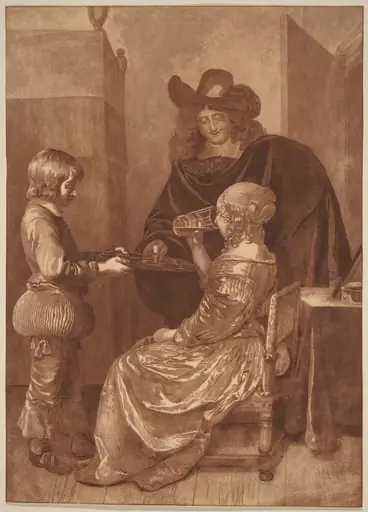 Cavalier and Lady with a Page
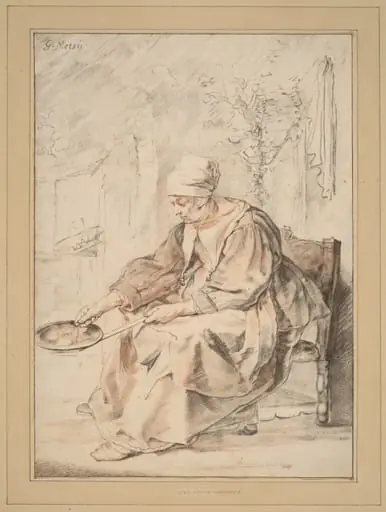 Pancake Woman
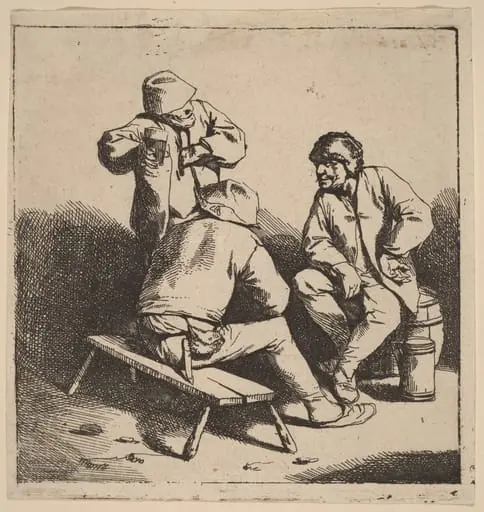 The Three Drinkers
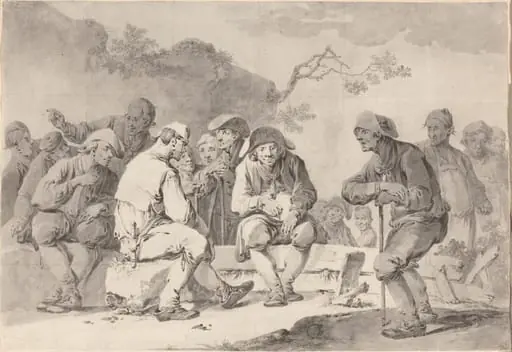 Self-Portrait with Country Folk from Appenzell
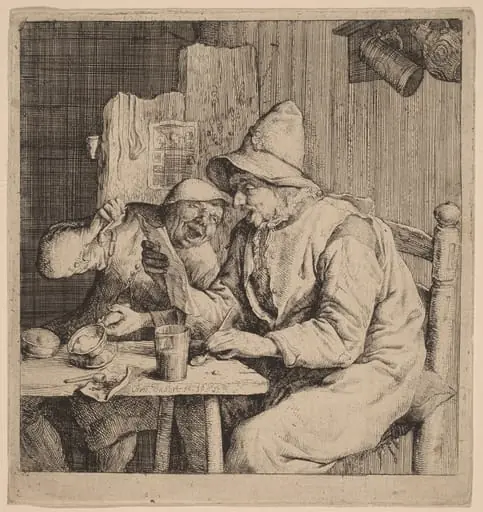 Two Peasants Singing
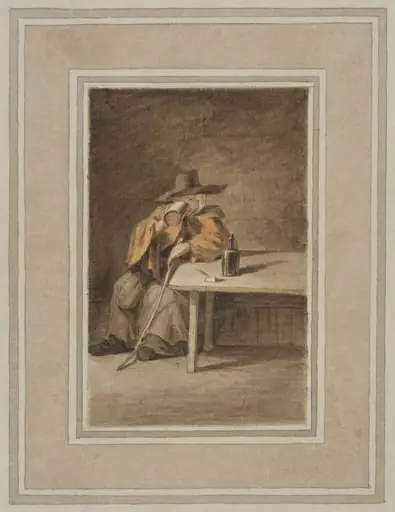 The Queen of Patterdale
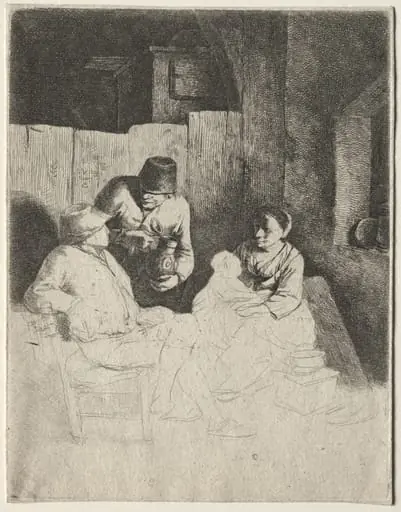 The Mother Seated in an Inn
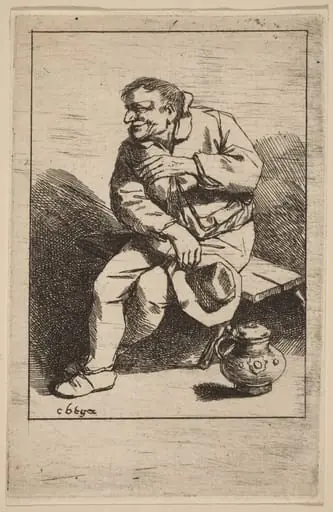 Sitting Man with His Hat in His Right Hand
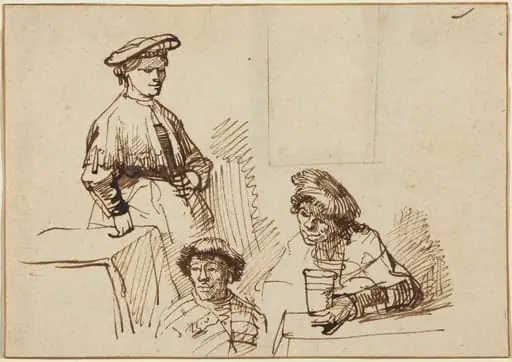 Sketches from a Tavern: Woman Standing and Two Men Seated
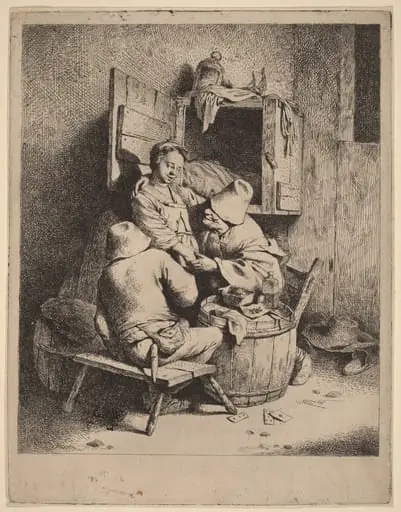 The Flirtation of a Young Innkeeper
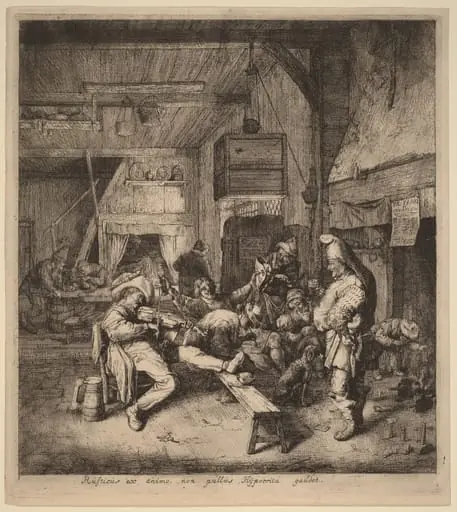 Violin Player Seated in a Tavern
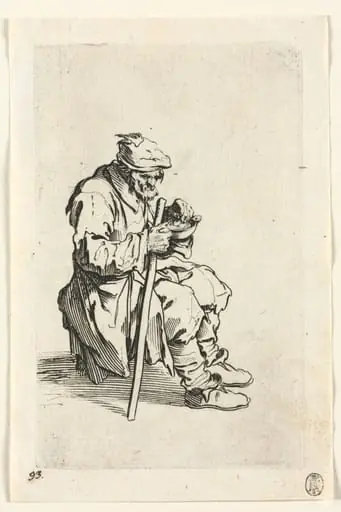 The Beggars: Beggar Sitting Down and Eating
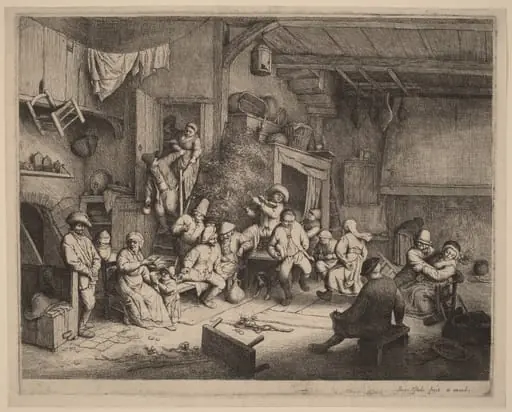 Peasants Feasting at an Inn
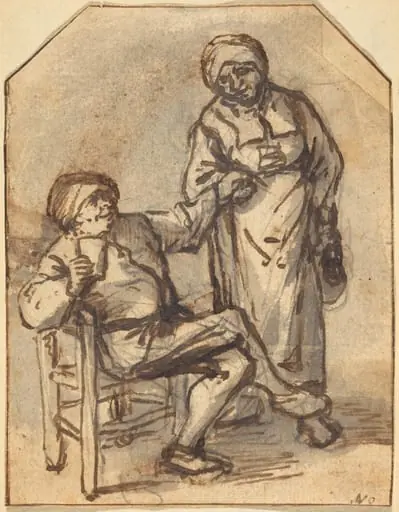 Two Peasants Drinking