Artwork
Portrait of a Seated Man
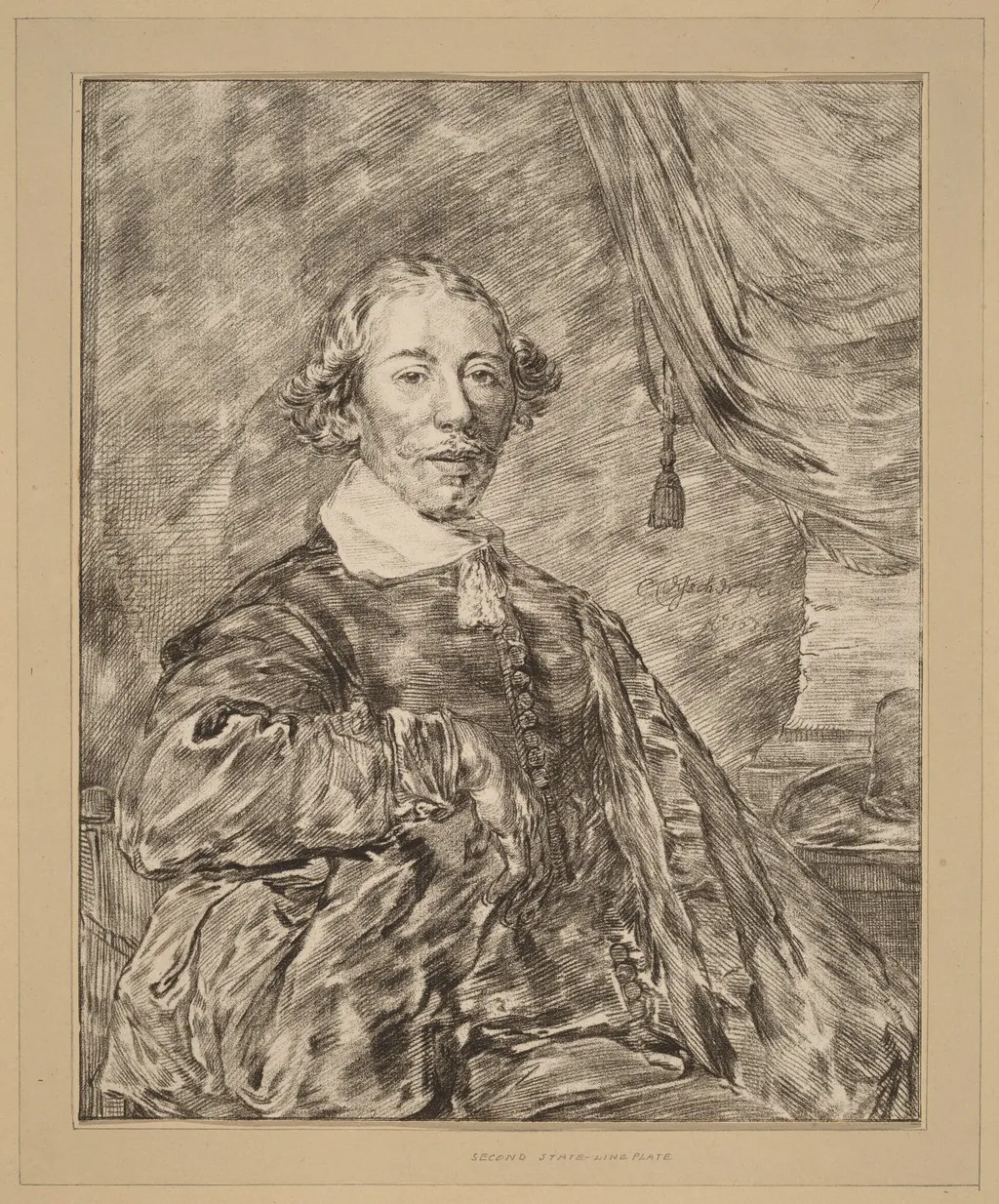
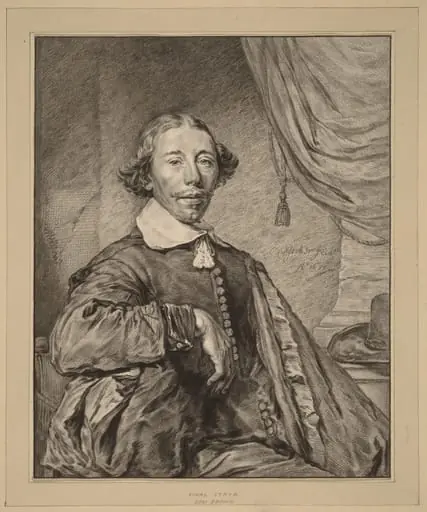
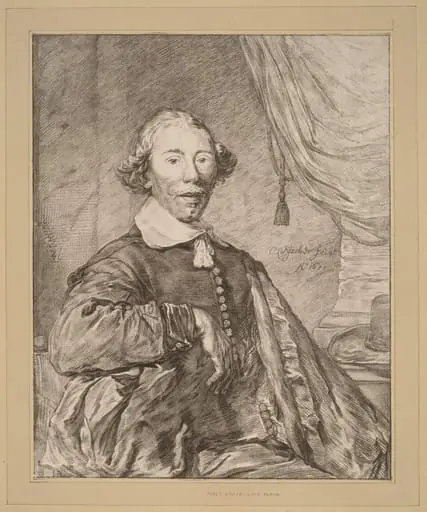
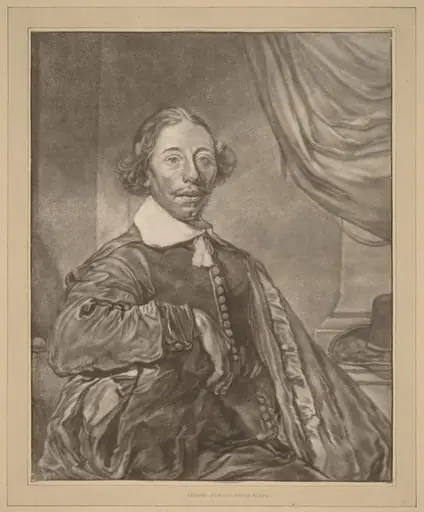
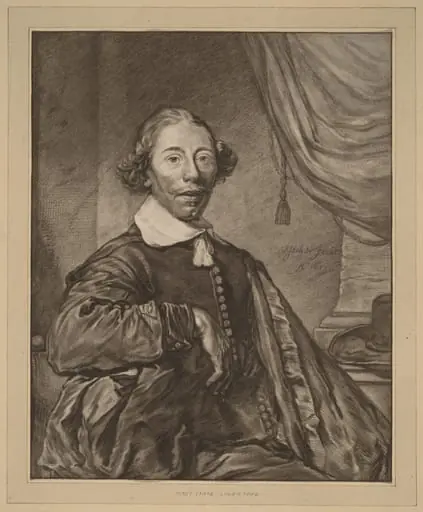
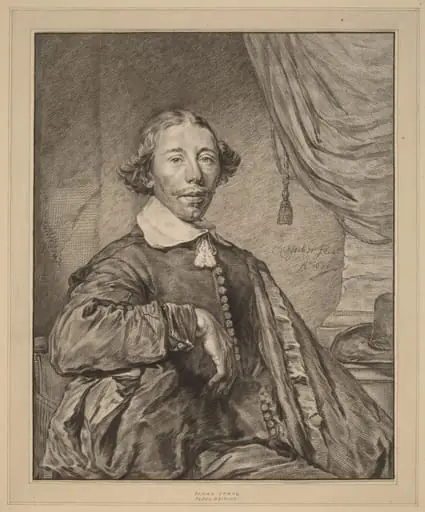
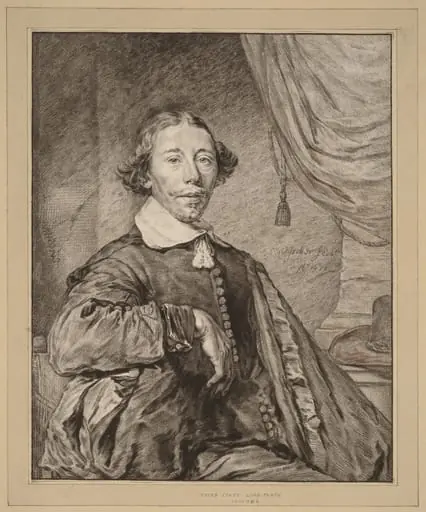
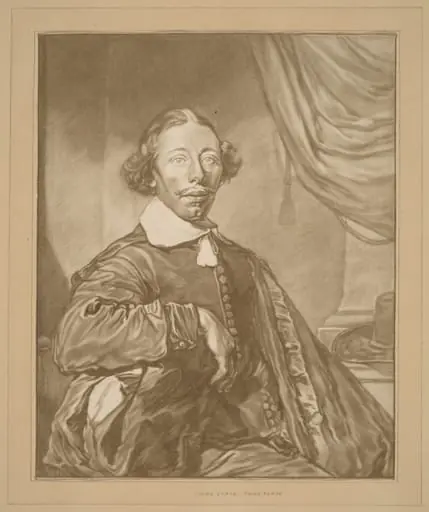
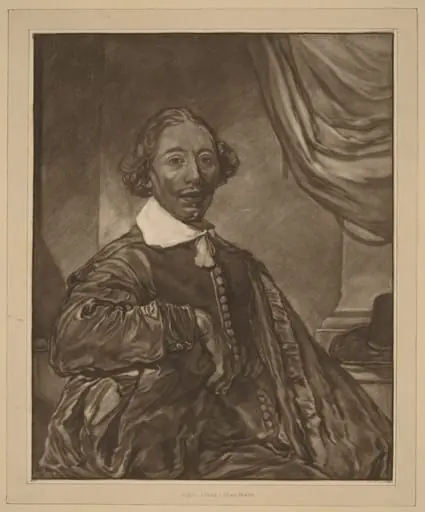
Portrait of a Seated Man is a chalk print by the Romanticist artist Jacobus Buys. It dates from 1771 and is held in the collection of the National Gallery of Art. This 1771 print by Cornelis Ploos van Amstel depicts a seated man rendered in chalk and black ink on laid paper.
About this work
This image shows a man sitting in a chair, wearing a dark jacket with puffy sleeves and a white scarf around his neck.
This image shows a man sitting in a chair, wearing a dark jacket with puffy sleeves and a white scarf around his neck. He has curly hair and is looking to the right. The background is dark and blurry, with some light coming from the left side.
The man's face is detailed, with wrinkles and a serious expression. His hair is styled in a way that was popular during the 18th century. The artist used cross-hatching to create shading and texture in the image.
If you're interested in learning more about this style of art, you might want to look into the Romanticism movement.
Overview
This 1771 print by Cornelis Ploos van Amstel depicts a seated man rendered in chalk and black ink on laid paper. The composition focuses on the figure’s upper body, set against a softly blurred, dark background. Subtle directional lighting enhances the modeling of form, emphasizing texture and volume without overt narrative detail. The work belongs to a tradition of intimate portrait studies common in late 18th-century Dutch printmaking.
Subject & Meaning
The subject is a man of indeterminate identity, portrayed with quiet solemnity. His furrowed brow and composed gaze suggest introspection rather than grandeur. The white scarf and puffy sleeves hint at middle- or upper-class dress of the period, but no attributes or symbols point to profession or status. The absence of context invites contemplation of the individual rather than the social role.
Technique & Style
Ploos van Amstel employs cross-hatching to build tonal depth and define facial contours, particularly around the eyes, cheeks, and jaw. The chalk medium allows for soft gradations, while the ink provides sharp definition in the hair and collar. The background is deliberately muted, using minimal strokes to isolate the figure. This restrained approach prioritizes psychological presence over decorative detail.
History & Provenance
Created in 1771, the print originates from the Dutch Republic during a period of flourishing graphic arts. Ploos van Amstel, active in Amsterdam, was known for portrait studies and reproductive engravings. This work likely circulated among collectors or served as a preparatory study. No documented ownership history is widely recorded, but it aligns with private portrait commissions of the era.
Context
In the decades before Romanticism, Dutch artists increasingly turned to intimate, unidealized portraiture. This print reflects a shift from formal aristocratic imagery toward individualized character studies. While not part of a named movement, its emphasis on emotional nuance and naturalistic rendering anticipates later developments in 19th-century graphic art, particularly in Northern Europe.
Legacy
Though not widely reproduced or exhibited, the print exemplifies the quiet precision of Dutch graphic portraiture in the late Enlightenment. It contributes to an understudied body of work that valued psychological subtlety over spectacle. Its survival offers insight into the techniques and sensibilities of provincial printmakers who operated outside major artistic centers.
Artist & collection
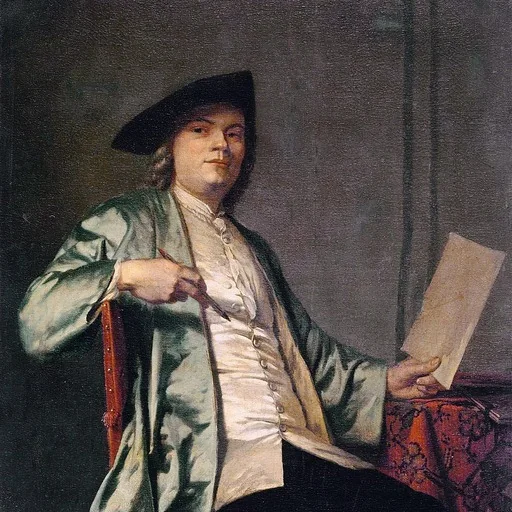

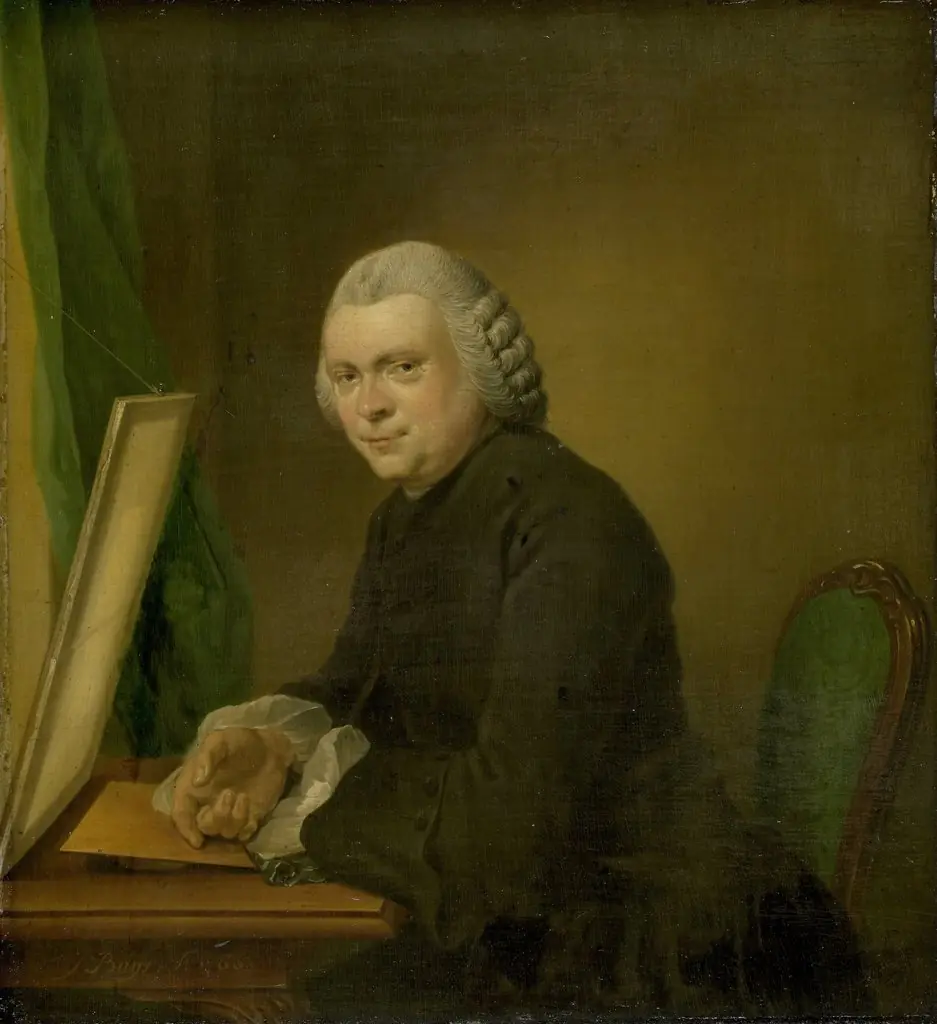 Portrait of Cornelis Ploos van Amstel
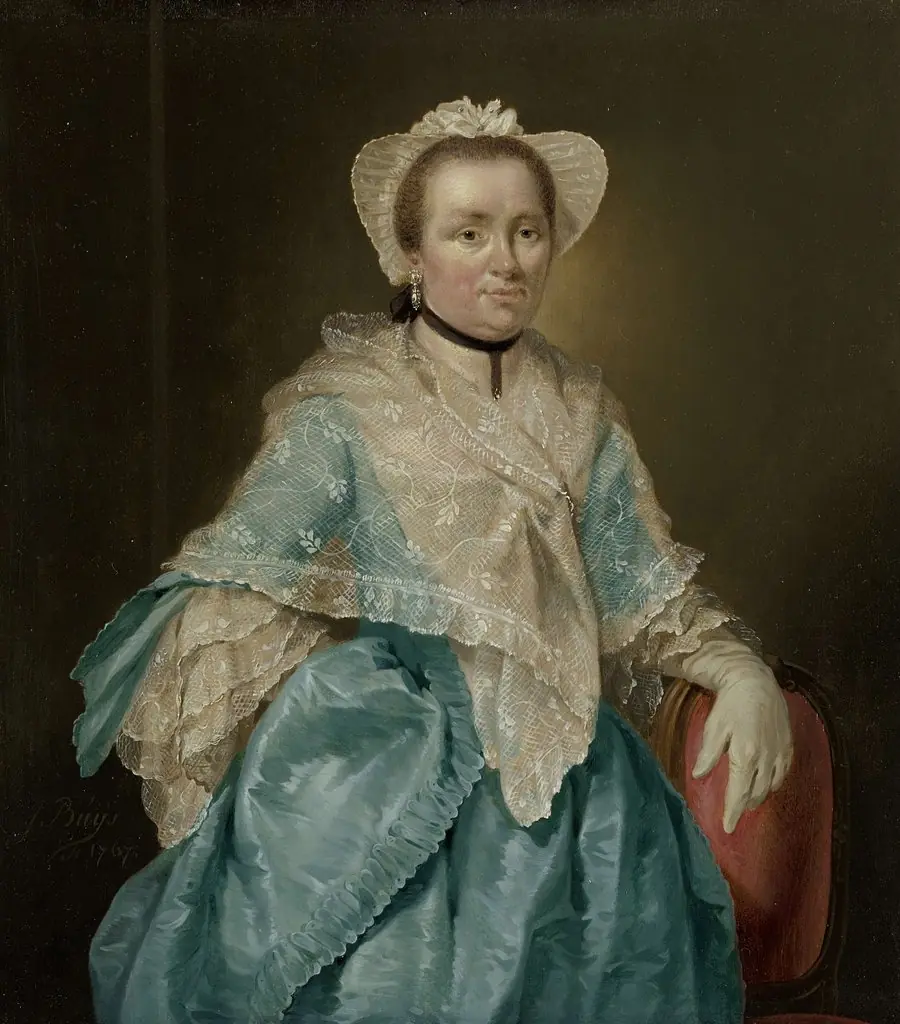 Portrait of Elisabeth Troost (1730-1790)
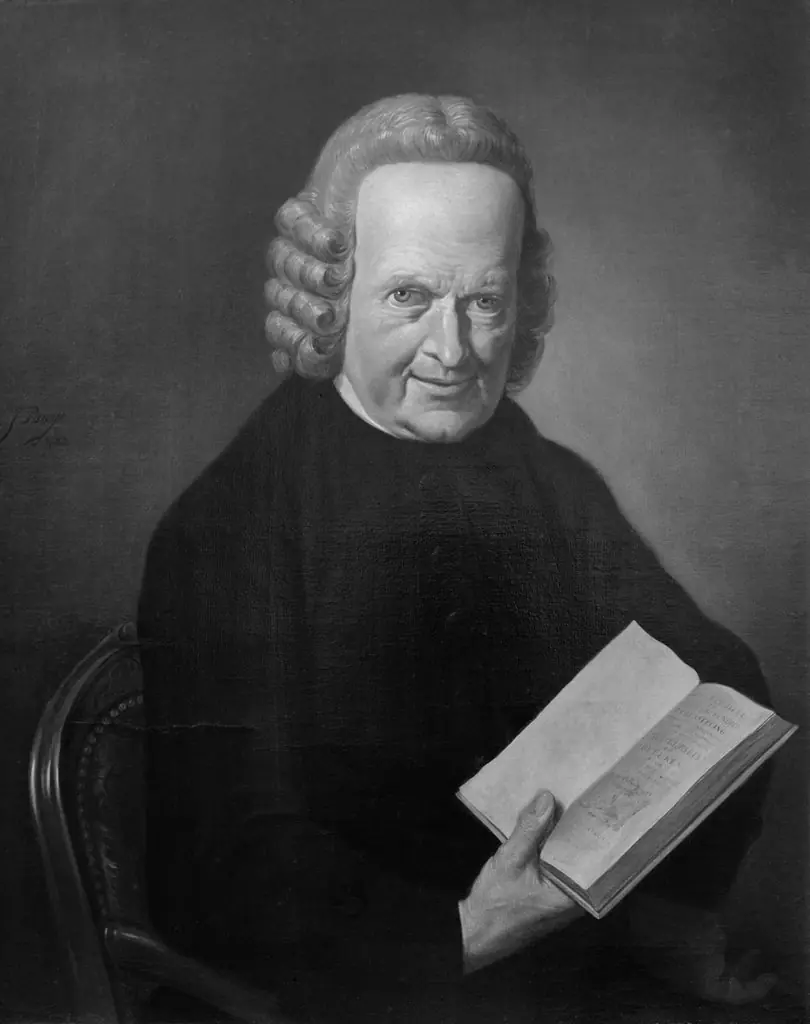 Johannes Monnikhoff (1707-1787)
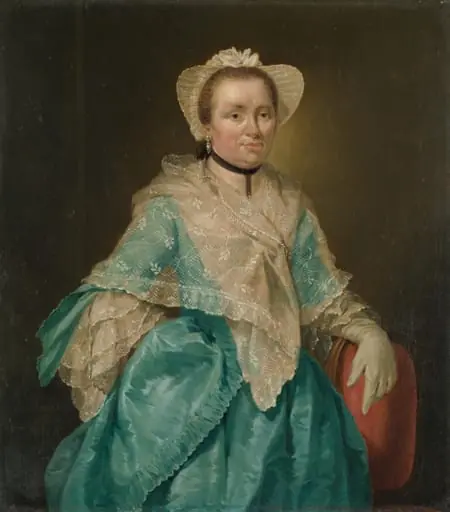 Portrait of Elisabeth Troost (1730-1790)
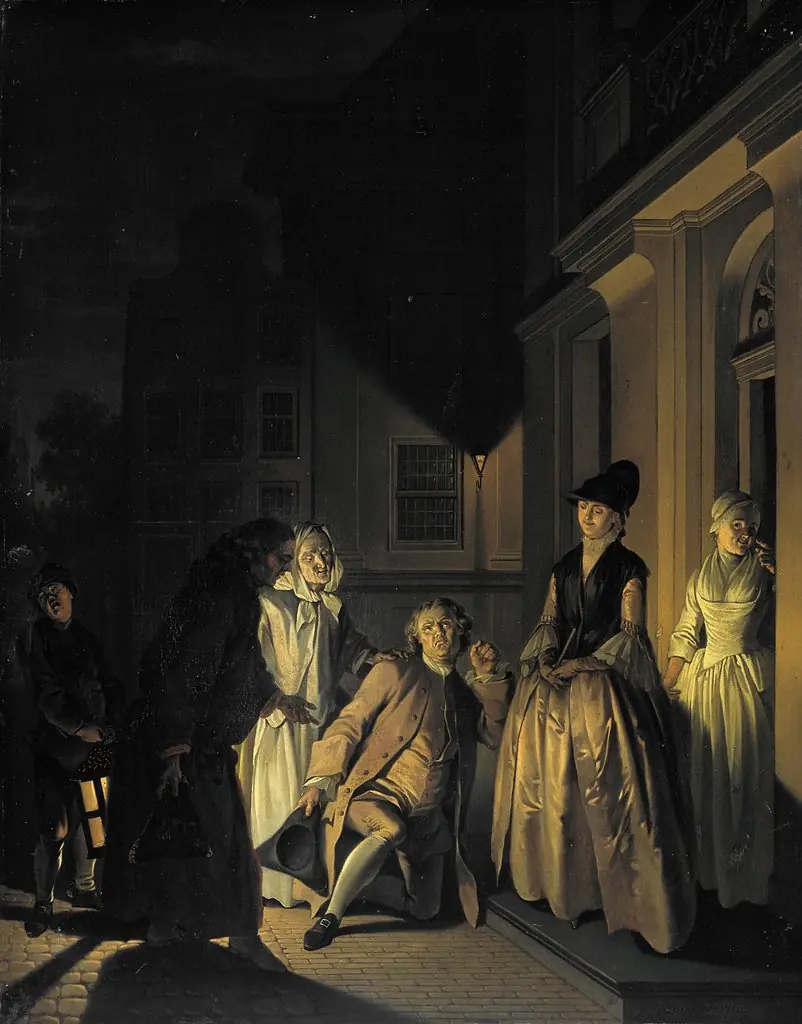 Scene from the Play 'Lubbert Lubbertse of de geadelde boer' by M. van Breda
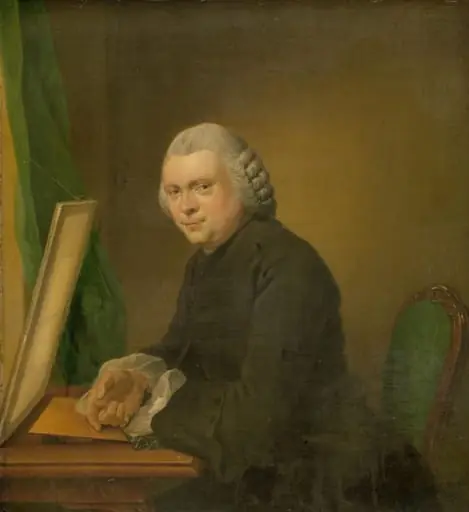 Portrait of Cornelis Ploos van Amstel
 Cavalier and Lady with a Page
 Pancake Woman