Artwork
Portrait of a Seated Man
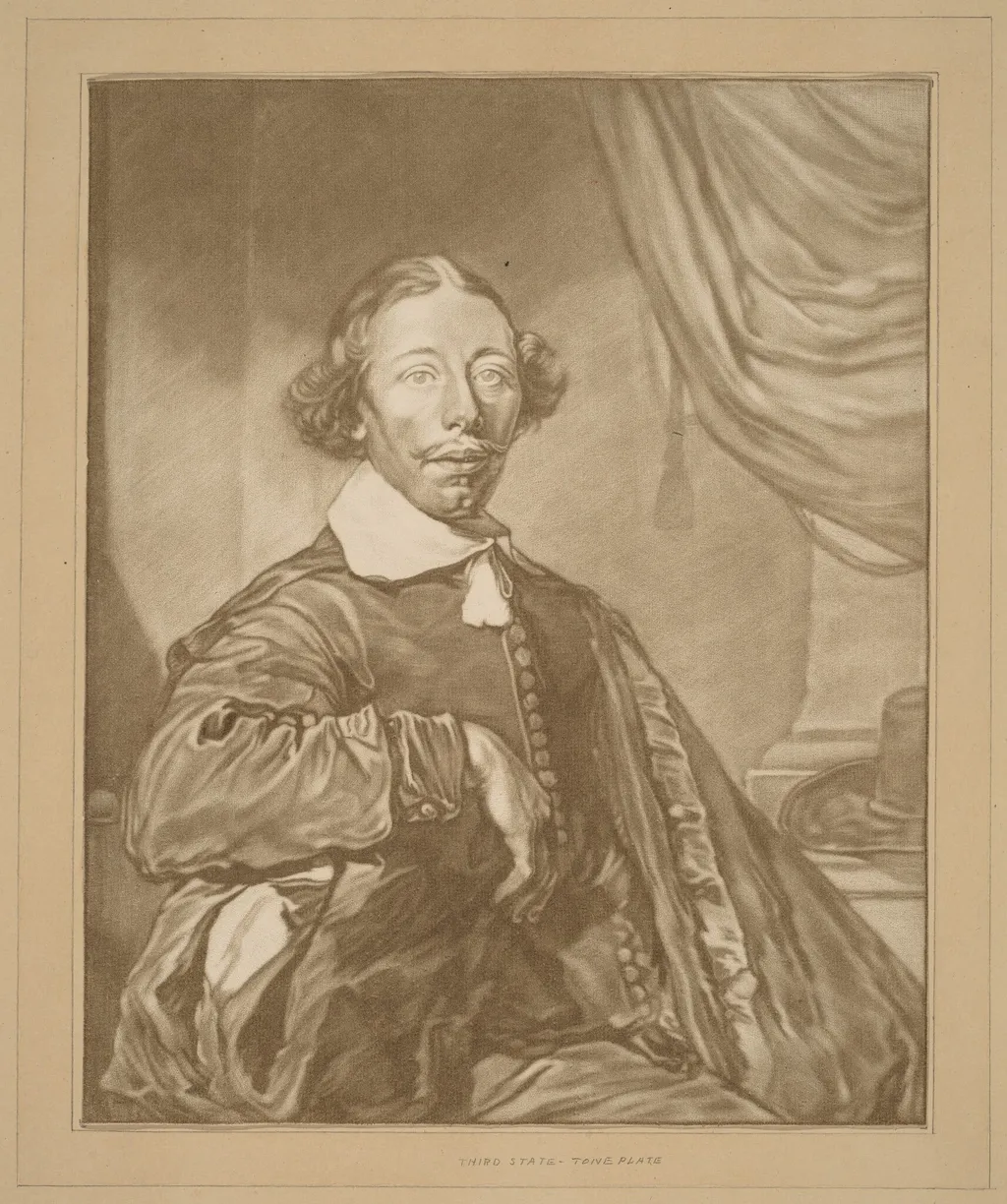
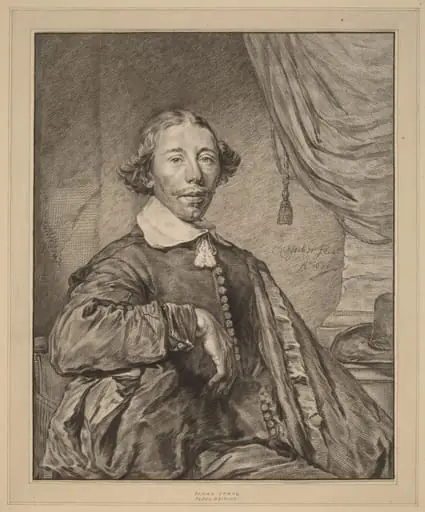
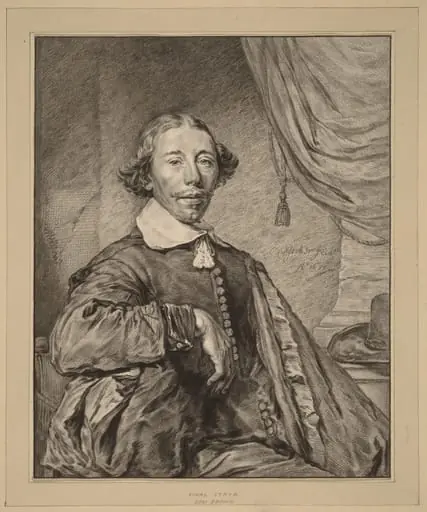
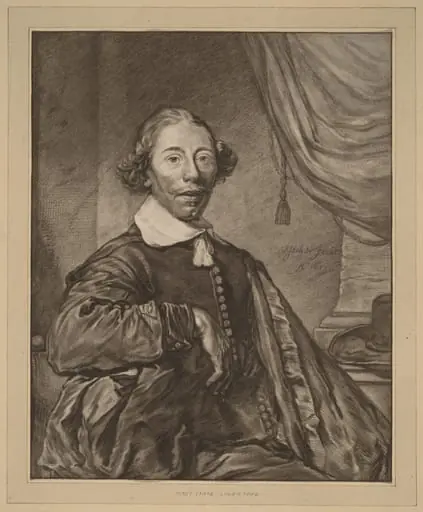
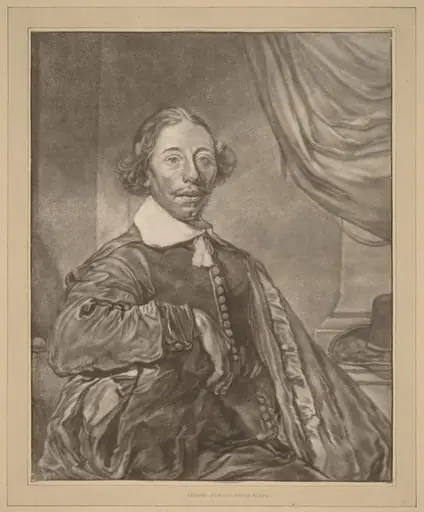
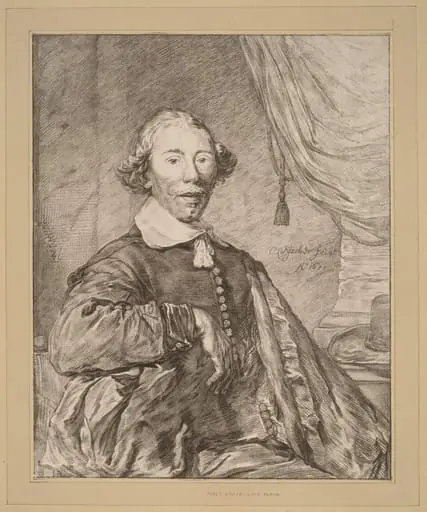
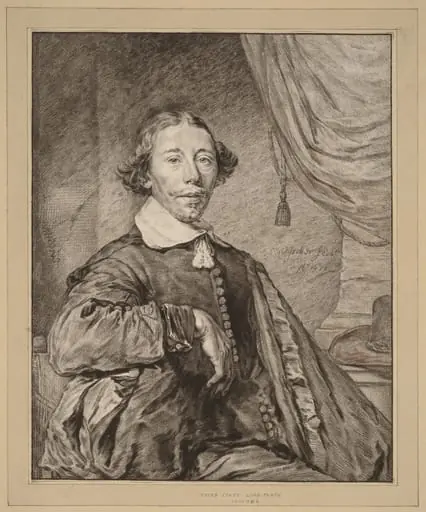
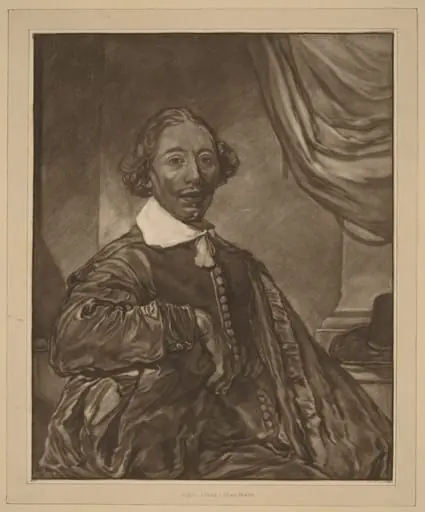
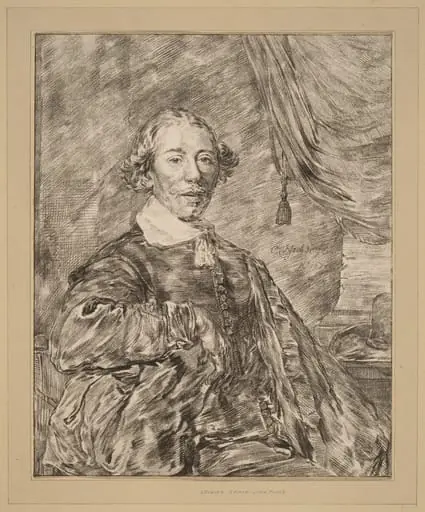
Portrait of a Seated Man is an ink print by the Romanticist artist Jacobus Buys. It dates from 1771 and is held in the collection of the National Gallery of Art.
About this work
Overview
Cornelis Ploos van Amstel’s 1771 mezzotint, titled Portrait of a Seated Man, presents a monochrome image of a gentleman in period attire. Rendered in light brown ink on laid paper, the work captures the sitter seated, one arm resting on the chair’s back, against a muted, draped backdrop.
Subject & Meaning
The figure is depicted in traditional dress, with a starched white collar and loosely curled hair gathered at the back. The pose—relaxed yet formal—suggests a portrayal of status or personal identity, typical of 18th‑century portraiture that emphasized the sitter’s social standing through clothing and bearing.
Technique & Style
Created by the mezzotint process, the image achieves delicate tonal gradations through a combination of etching and burnishing of a metal plate. Fine, closely spaced lines produce smooth shading, allowing subtle modeling of facial features and fabric textures that give the print a realistic, three‑dimensional quality despite its monochrome palette.
History & Provenance
Executed in 1771, the print belongs to the later period of Ploos van Amstel’s career, when he was active in the Dutch art scene. It was produced as a single‑color impression on laid paper, a common support for mezzotints of the era, and has been catalogued among his portrait works.
Context
Mezzotint was a favored medium for reproducing paintings and creating original portraits in the 18th century, valued for its capacity to render atmospheric light and shadow. Ploos van Amstel, a Dutch artist and collector, employed the technique to explore the interplay of texture and tone, aligning his work with contemporary printmaking trends.
Artist & collection
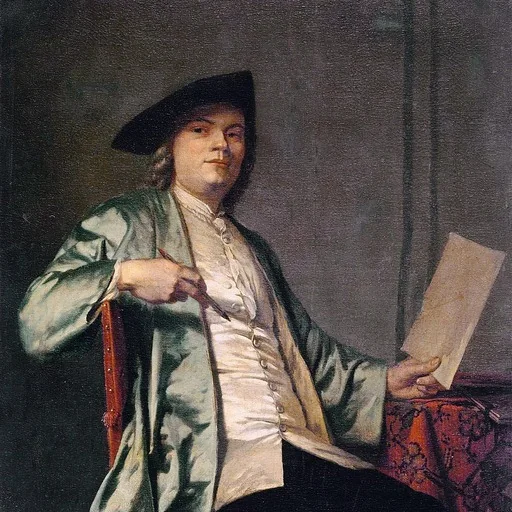

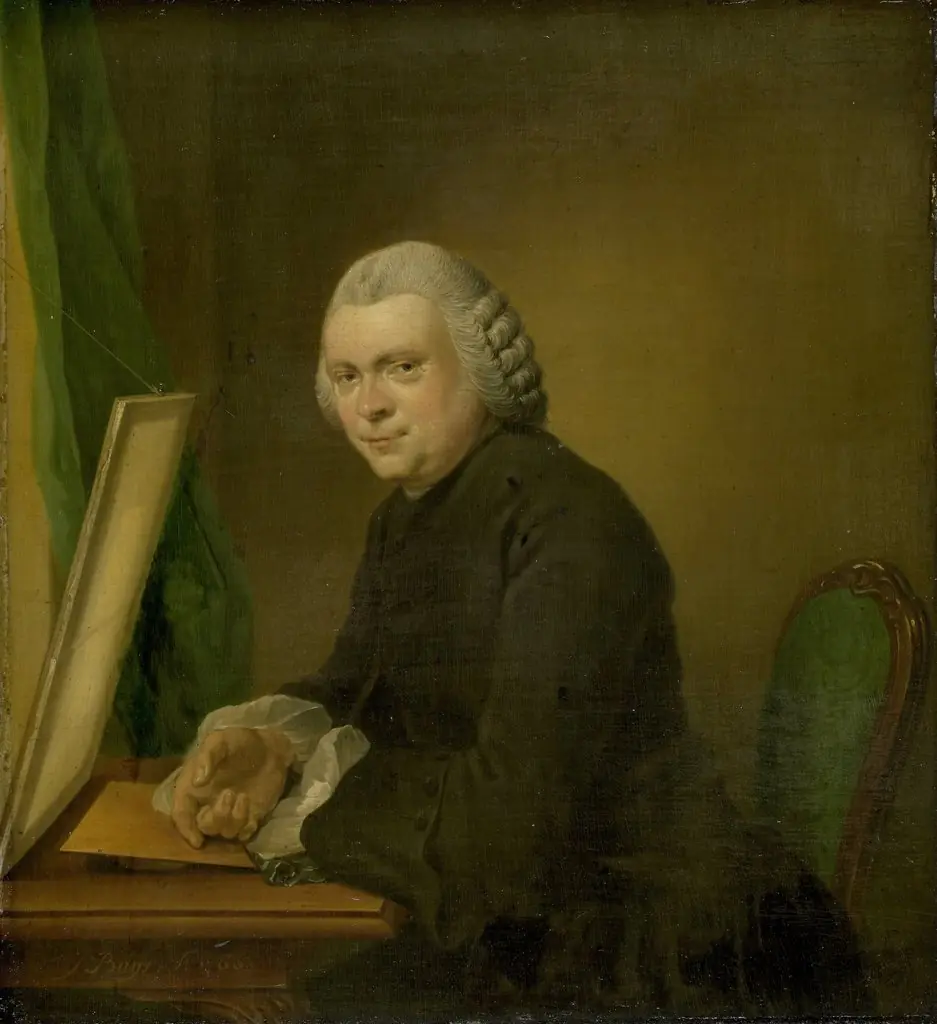 Portrait of Cornelis Ploos van Amstel
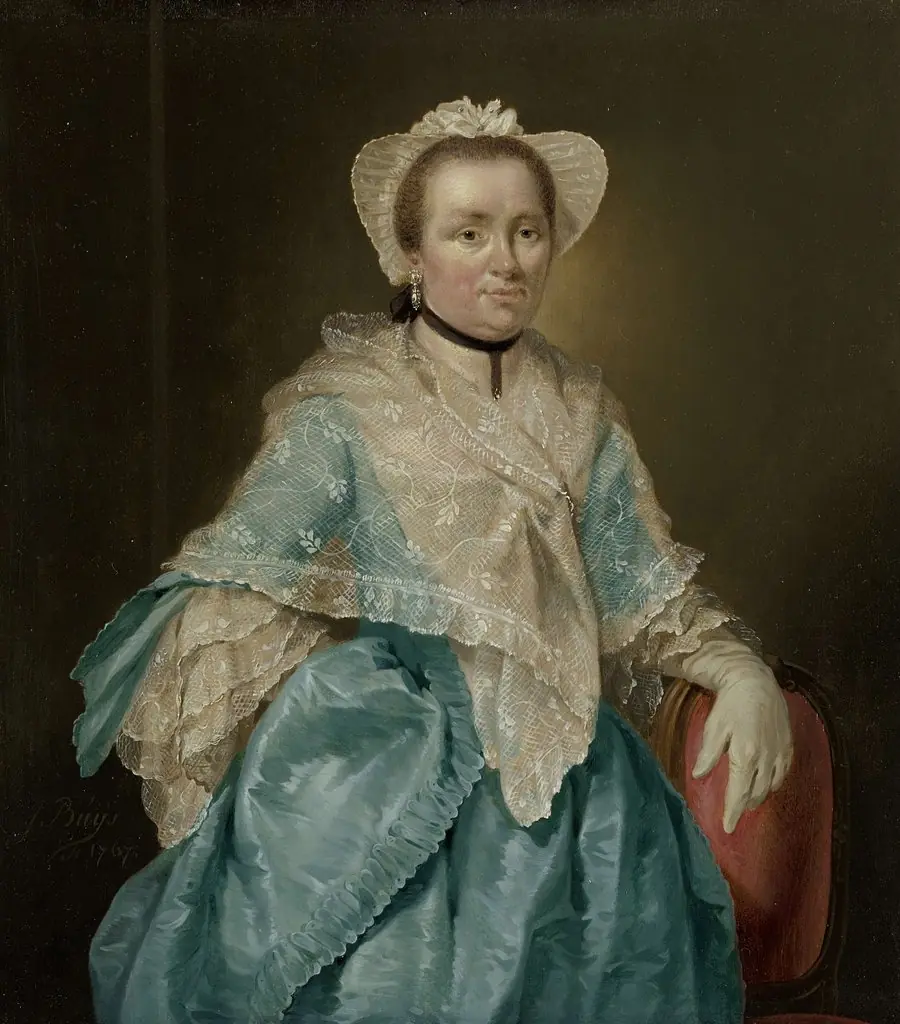 Portrait of Elisabeth Troost (1730-1790)
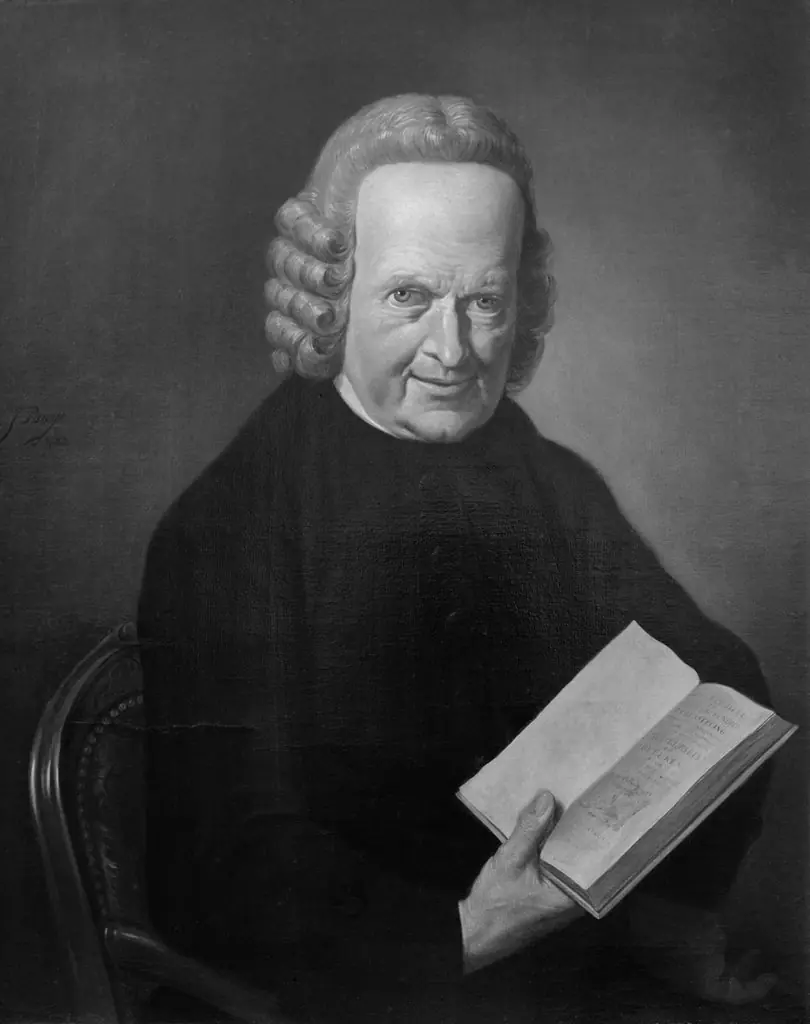 Johannes Monnikhoff (1707-1787)
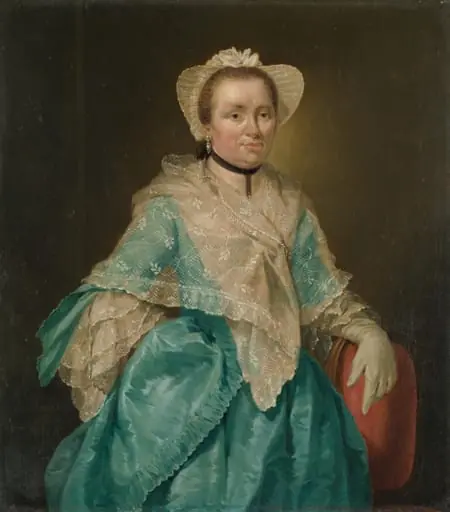 Portrait of Elisabeth Troost (1730-1790)
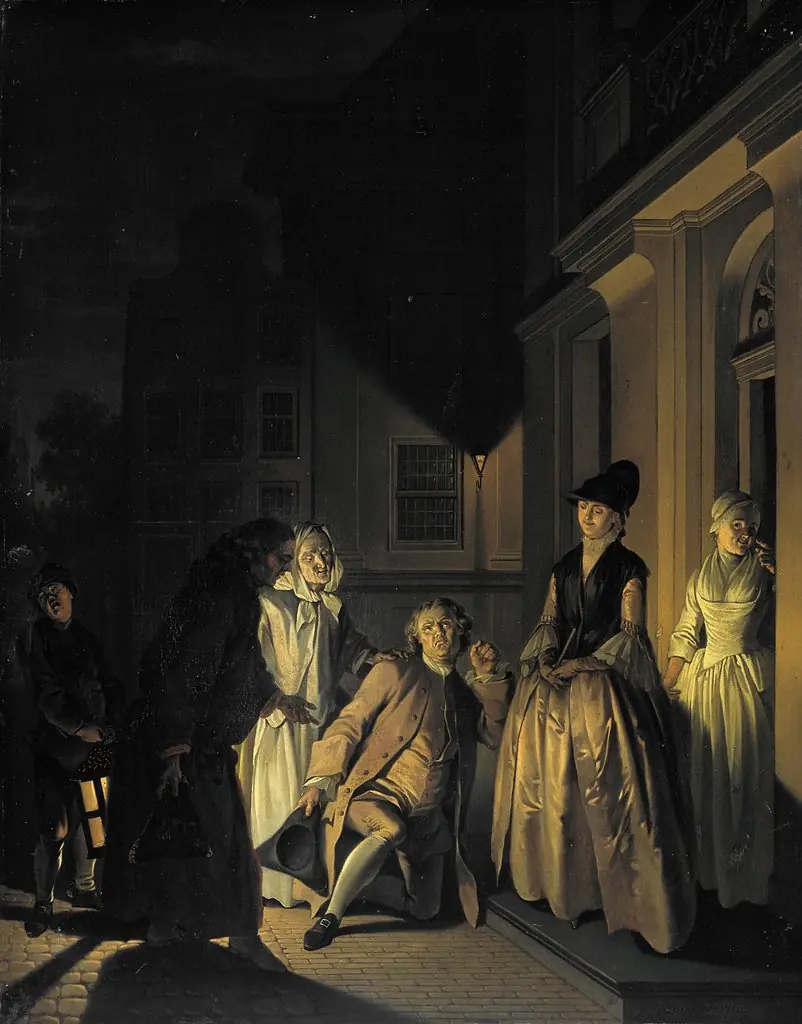 Scene from the Play 'Lubbert Lubbertse of de geadelde boer' by M. van Breda
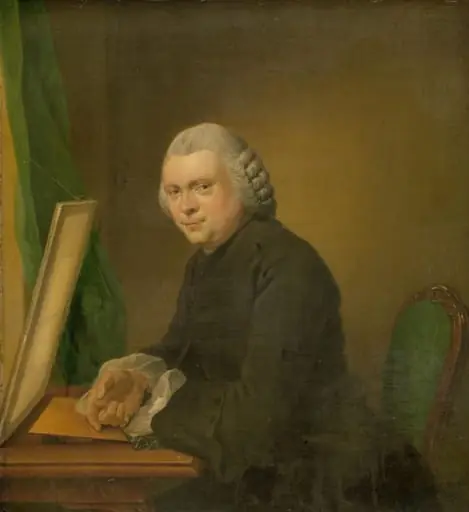 Portrait of Cornelis Ploos van Amstel
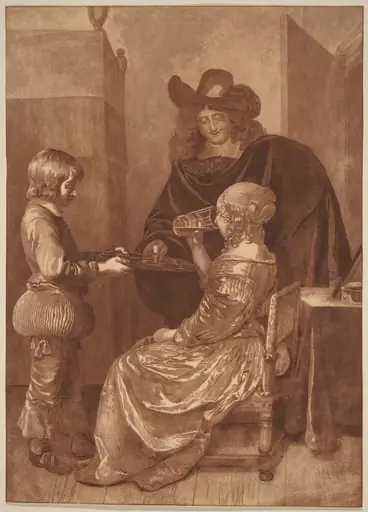 Cavalier and Lady with a Page
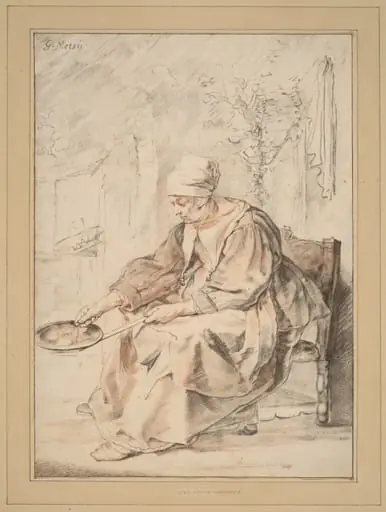 Pancake Woman